


 by Tom Gurney
Tom Gurney BSc (Hons) is an art history expert with over 20 years experience
Published on November 30, 2025 / Updated on November 30, 2025
Email: tomgurney1@gmail.com / Phone: +44 7429 011000
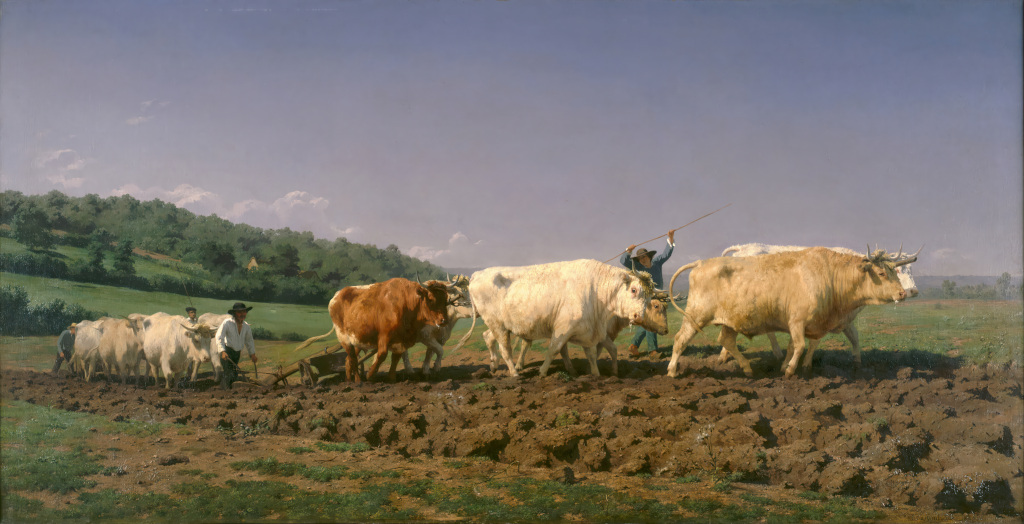
Ploughing in the Nivernais, completed in 1849, is one of Rosa Bonheur's earliest triumphs.
This significant artwork helped to establish her reputation as a leading animal painter of the 19th century and a leading light in the French Realism movement.
The painting was first Exhibited at the Paris Salon when Bonheur was only twenty-seven. It presents a Charolais oxen pulling a plough across a field in rural France. This technically impressive work has many qualities lying beneath the surface, and it drew upon many features of the French Realism movement.
Unlike the frenetic activity of her greatest masterpiece, The Horse Fair, this canvas a real sense of patience and hard work. Today, Ploughing in the Nivernais is often cited as one of the foundational paintings of French Naturalism and also helps us to understand more about the artist's knowledge and love for French rural life.
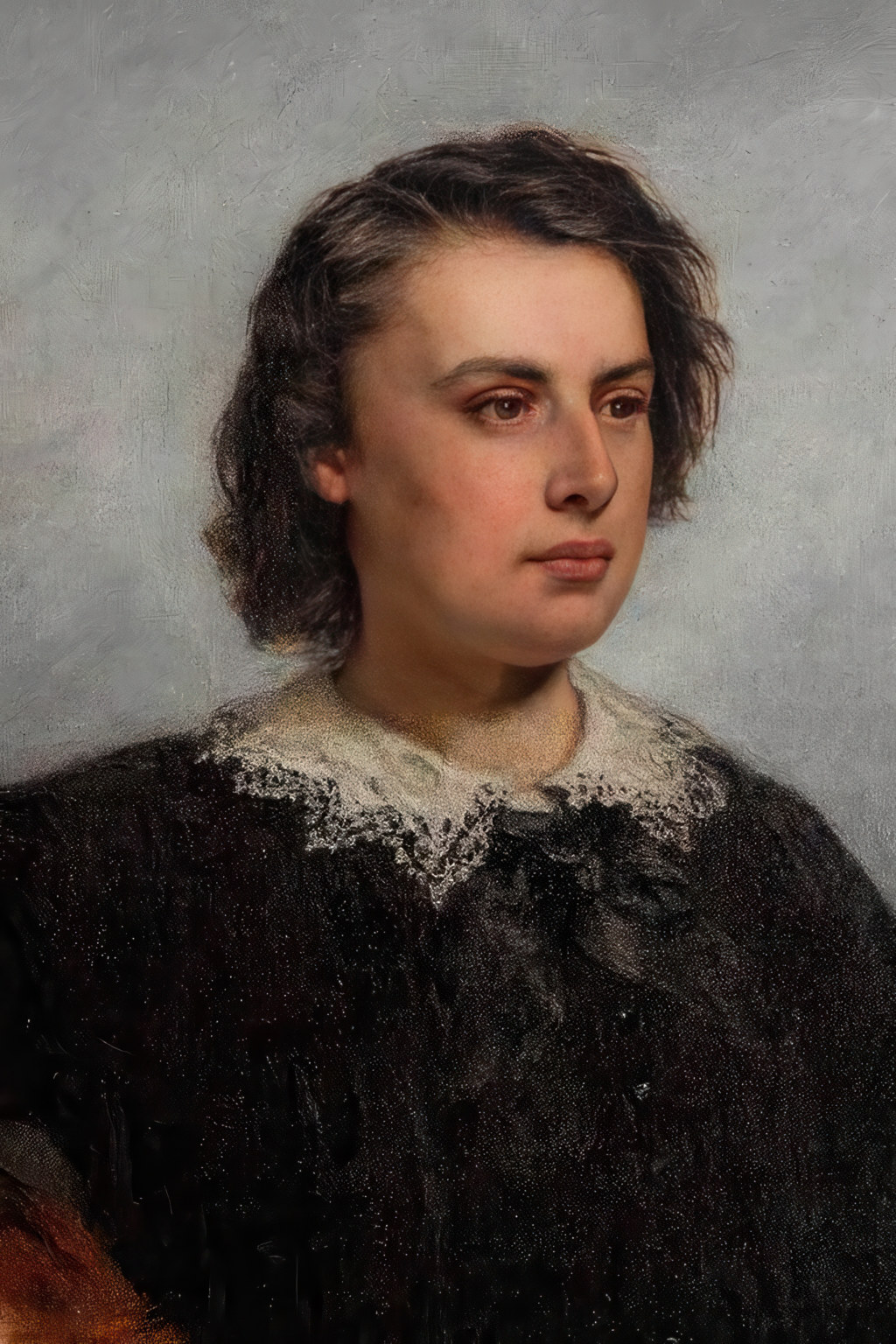
The epics of our time are to be found in the fields.
Historical Background
The painting was commissioned by the French state after the Revolution of 1848. Agricultural reform was up for discussion, and paintings such as this felt entirely appropriate. Bonheur chose the Nivernais, a region north of Burgundy for this scene and would have put considerable thought into this decision, judging by the amount of research that she carried out in other aspects of her career.
The French government wanted art that could promote French national identity and this composition would achieve that aim admirably. Honest agricultural labour, connecting with real people and their everyday lives, Bonheur aligned her work with the broader Realist movement. We would see the same with the likes of Gustave Courbet and Jean-François Millet, as this movement started to build an impressive momentum.
The painting was purchased for the Musée du Luxembourg shortly after the exhibition and Bonheur's first major success had arrived.
Composition and Structure
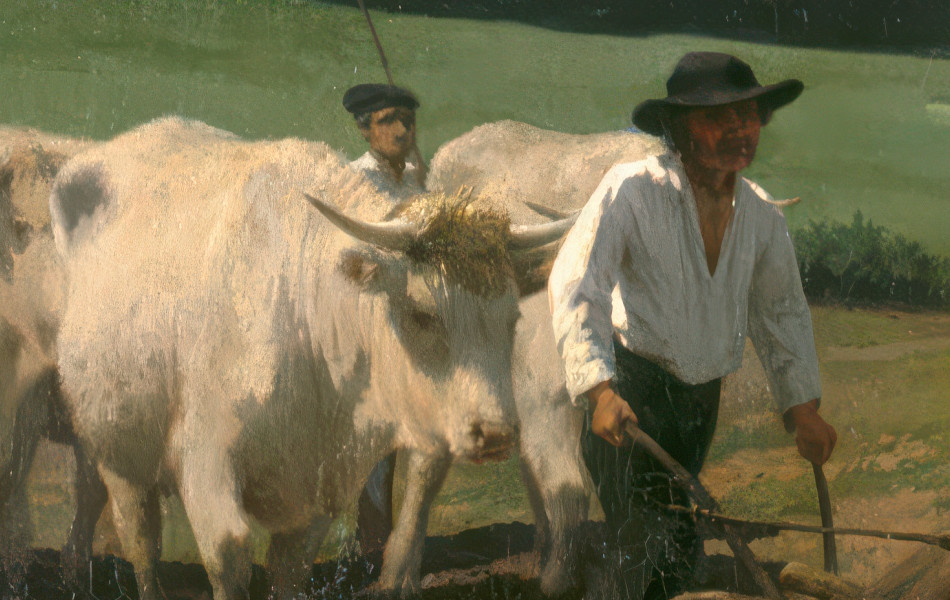
The composition of Ploughing in the Nivernais is built around a horizontal rhythm that follows the line of the oxen as they advance across the field, from left to right. Bonheur arranges the animals in two main groups, with their coats catching bright light from above. The variety in colour also provides more interest, with white, brown and off-white animals used.
The low viewpoint is skillfully set up by the artist, helping to enlarge the appearance of these animals, and increase their apparent strength. There is a strong atmosphere of collaboration between the men and their animals, with a concentration on timing and technique in order to cut through the dense soil as efficiently as possible.
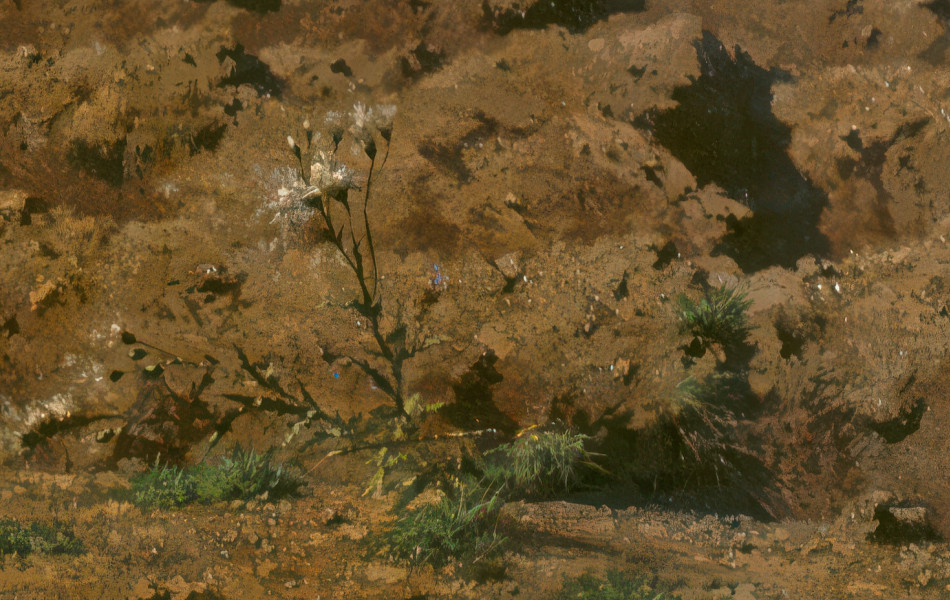
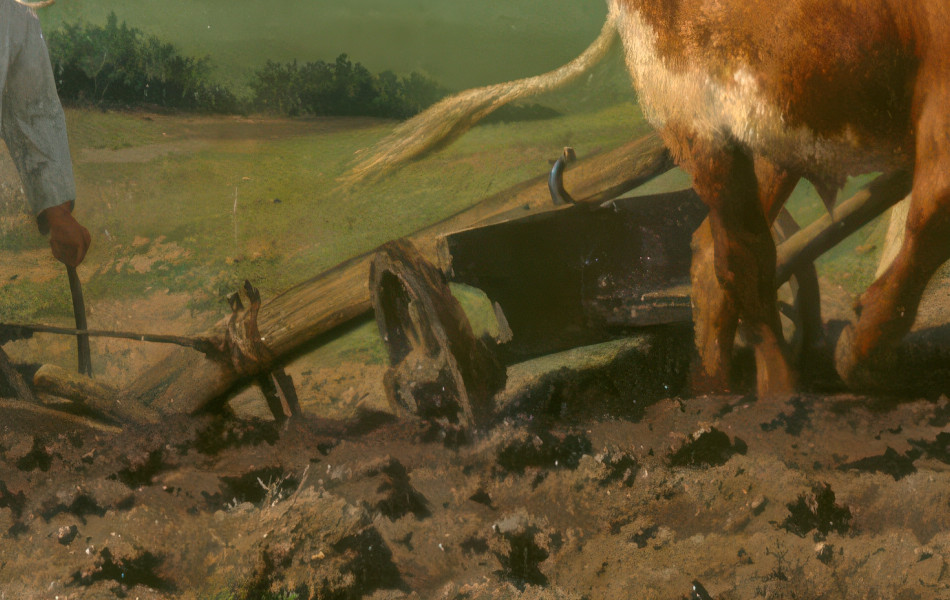
The light is early morning, soft but directional, highlighting the steaming backs of the oxen and catching the ridges of freshly turned soil. These touches of detail are essential for getting the atmosphere of everyday life across to the viewer, rather than a more romanticised version.
Techniques and Working Methods
Bonheur prepared Ploughing in the Nivernais with extensive field studies, just as she had done with all her other major works. She visited a number of farms in the Nivernais region, observing how the oxen moved, which she understood would be crucial in the balance of her painting, as well as ensuring anatomical accuracy. Her sketchbooks from this period show detailed head studies, legs in motion, and muscle studies, which was a craft that she worked hard to evolve over time.
Bonheur's was able to bring variety in her animal paintings, taking in different behaviour, angles and postures, thanks to the effort that she put into practice and study. She felt limitless in her possibilities, such was her understanding of the various creatures that she featured in her work.
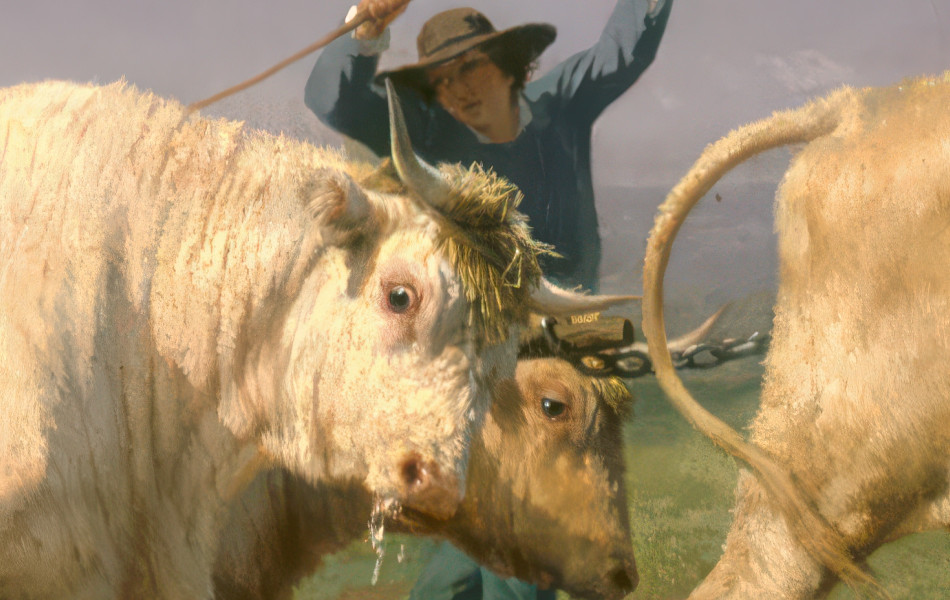
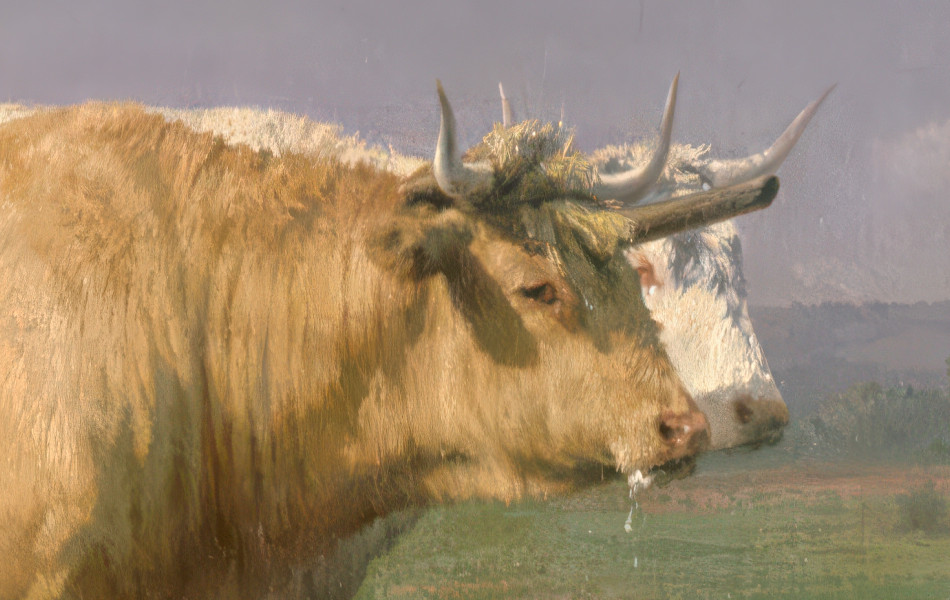
In addition, it was necessary to use the same level of dilligence in her studies of nature, and everything with which these animals would interact. The level of detail in the upturned mud and pasture in this painting is the best example of that.
Rural Life and Social Context
In mid-19th-century France, rural work held a pride and prestige which mirrored national strength. Intellectuals and critics praised the idea of a nation rooted in agriculture, hard work and stability and sought art that could promote these ideals. Bonheur, although not overly political, was drawn to scenes where human dignity emerged directly from everyday labour and the Realism movement proved ideal for her artistic instincts. She also had experience in her own life of these environments.
Her choice of oxen rather than horses is significant. Oxen symbolised endurance and steadiness. They are less glamorous, but stronger and most determined to accomplish their tasks. They brought a real sense of honesty to this piece, and were the perfect animal for French Realism art. In depicting such scenes with seriousness and scale, Bonheur contributed to the elevation of peasant subjects in high art, just as had been done centuries earlier by the likes of Bruegel.
The Nivernais oxen were also particularly famous for their strength and character. Bonheur's proximity to the farming community allowed her to capture this relationship and it is hard to imagine any artist without her roots in agriculture and animal study to have connected so well as this. Her specific choice of breed was not by chance, but a careful consideration of those available in the region, and her artistic requirements.
Symbolism and Deeper Meaning
There are layers of symbolism hidden within Ploughing in the Nivernais:
- 1. Renewal and Productivity
At a time of political instability, the activities in this painting promote tradition and hard work. - 2. Cycles of Labour
The steady pace of the oxen provided a contrast to busy urban life, an alternative which would still exist in rural areas. - 3. The Dignity of Work
Bonheur raises these animals to the level of history painting subjects, by expanding their size and also carefully balancing the viewpoint, thus focusing our eyes on the animals' physical strength.
The Landscape Setting
Although most of the attention falls on the oxen, the background deserves mention. Bonheur paints the Nivernais countryside with a calm simplicity: gentle hills, trees in the far distance and a crisp, fresh sky that suggests a cool morning. One familiar with this part of the world will immediately be able to place themselves within this scene. The restrained palette of the background allows the warm earth and tones of the animals to stand out, notice how little detail is added to the sky, for example.
Critical Reception
At the 1849 Salon, Ploughing in the Nivernais was met with enthusiastic reviews. Critics praised Bonheur's ability to elevate a rural subject to monumental importance. The journal L'Artiste commented that she possessed “the eye of a naturalist and the scale of a history painter.”
The public also responded warmly. Many visitors were impressed that the work was painted by a young woman. This challenged expectations about who could handle such large-scale and physically demanding subjects - indeed Bonheur would use scaffolding for some of her larger artworks. The government's purchase of this painting would confirm Bonheur's status as one of the rising stars of French art and was something she could reference on future sales.
Later writers highlighted the work as an early landmark of Realism, predating Courbet's Stone Breakers and influencing the rural scenes of Millet.
One sees in her work the observations of a naturalist and the hand of a master.
Where is the Painting Today?
Ploughing in the Nivernais can be found at the Musée d'Orsay in Paris, France. This fine institution hosts an impressive collection 19th-century French paintings, where many related artists sit alongside Bonheur. The size and clarity of this piece make it particularly striking in person, and draws large numbers to the museum. Visitors often comment on the physical presence of the oxen and the remarkable way Bonheur captures the textures of rural life.
Legacy and Influence
This painting helped establish the foundations of Bonheur's career, arriving as early as it did in her oeuvre. It demonstrated that she could handle large compositions, complex anatomy and naturalist detail with confidence - and all of this was due to her incredible desire for accuracy and a willingness to work hard in achieving this.
The French state's purchase of the work gave her financial stability and artistic credibility, allowing Bonheur to continue exploring ambitious animal subjects, safe in the knowledge that her hard work could prove commercially viable.
Many later artists of the Naturalist school - including Pascal-Adolphe-Jean Dagnan-Bouveret and Aimé Morot - viewed Bonheur as a pioneering figure, both for women, but also in her artistic genre. Her influence extended beyond France, inspiring American and British painters who sought to portray rural labour with honesty, and she enjoyed success selling work here too.
I became an animal painter because I loved to move among animals.
Conclusion
Ploughing in the Nivernais remains one of Rosa Bonheur's most admired works. It captures a moment of rural labour with dignity and precision, combining scientific accuracy with poetic atmosphere - a signature piece within the French Realism genre. Its importance extends beyond animal painting: the work stands as a record of mid 19th century Realism. It is also one of the earliest major achievements of a woman who would become one of the century's most celebrated artists.