


Artemisia Gentileschi Prints
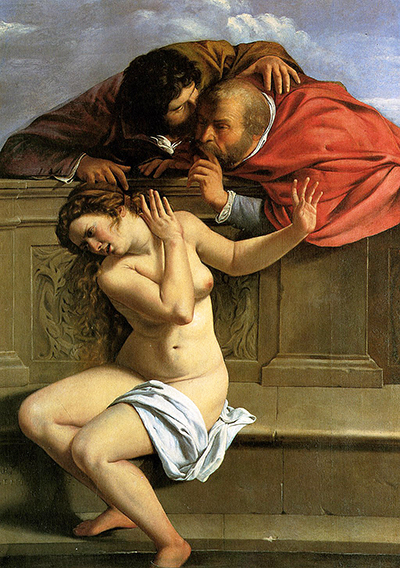
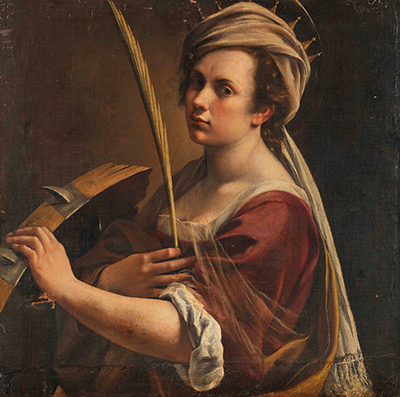
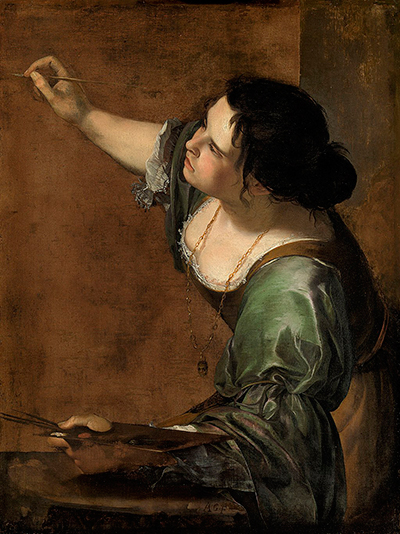
Searches for Artemisia Gentileschi prints can mean several different things. Some readers are looking for historical prints connected with her reputation. Others want to know whether she made prints herself. Many are really looking for reproductions of paintings such as Judith Slaying Holofernes, Susanna and the Elders, Self-Portrait as the Allegory of Painting or Self-Portrait as Saint Catherine of Alexandria.
Those meanings need to be kept separate. Artemisia's secure reputation is that of a painter, not a printmaker. She worked in oil on canvas for patrons, collectors, religious settings and courtly circles. Her best-known images became famous through paintings, later exhibitions, photography, books, online collections and modern reproductions. Prints still deserve attention, but the useful story is circulation and reception rather than a false catalogue of original prints by Artemisia.
That distinction matters because print culture was one of the great engines of artistic fame in early modern Europe. Prints could reproduce paintings, circulate portraits, spread compositions, support collecting and let images travel far beyond the place where an original painting hung. In Artemisia's case, prints help us think about how her image and her painted subjects moved through later visual culture.
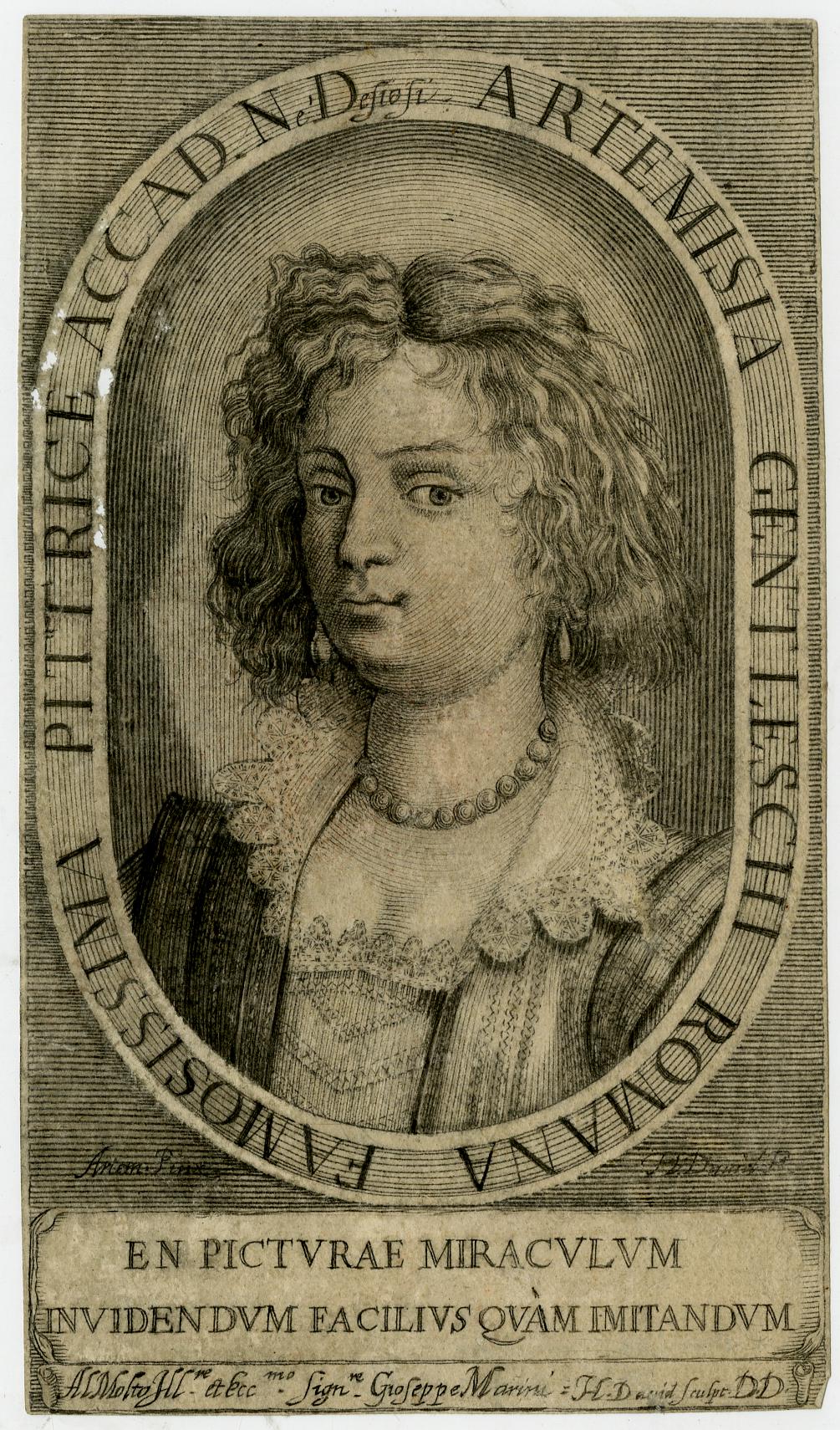
Image reference: British Museum, Jerome David, Artemisia Gentileschi Romana Famosissima Pittrice Accad. Ne' Desiosi.
At a Glance
- Page FocusPrints around Artemisia Gentileschi, prints after Artemisia and modern reproductions of her paintings
- Key CautionArtemisia is securely known as a painter, not primarily as a printmaker
- Main Historical PrintJerome David's portrait engraving of Artemisia, about 1628, after a self-portrait by Artemisia
- MediumEngraving on paper
- CollectionBritish Museum, London, museum number 1913,0331.91
- Reader PathReception, reproduction, fame and the movement of images between media
Was Artemisia a Printmaker?
There is no need to inflate Artemisia's career by calling her a printmaker when the evidence points elsewhere. The National Gallery identifies her as one of the most celebrated painters of the seventeenth century and traces her career through Rome, Florence, Venice, Naples and London. Her surviving fame is attached to painted works: narrative scenes, allegories, portraits and devotional pictures.
That does not mean prints are irrelevant. It means the question has to be framed properly. A print can be connected with Artemisia without being made by her. It may be after one of her paintings, after a self-portrait, after a composition once associated with her, or part of the later printed and photographic afterlife of her art.
The clearest public wording is therefore cautious: Artemisia's prints are best understood as printed images around Artemisia and after Artemisia, not as a body of prints authored by her. If a future object source identifies a specific print made by Artemisia, that object can be treated on its own evidence. Until then, the useful story is reception.
A Portrait in Print
The British Museum preserves a print titled Artemisia Gentileschi Romana Famosissima Pittrice Accad. Ne' Desiosi. It is an engraving made by Jerome David, dated around 1628, and described as after a self-portrait by Artemisia.
This is not a print by Artemisia. Its value lies in what it reveals about her public image. The title presents her as a famous Roman woman painter and connects her to an academy. The format turns the artist into a printed portrait that could circulate separately from her paintings.
That kind of image matters because it records reputation. A painted self-image is one form of self-fashioning. A printed portrait after that self-image is another. It can carry the artist's face and name into collections, albums and books, while also reshaping how later viewers understand her. The print does not simply show Artemisia. It packages Artemisia as a celebrated painter.
The engraving also belongs beside Pierre Dumonstier II's drawing of Artemisia's hand holding a brush. The drawing focuses on the hand as the sign of artistic skill. The print turns the artist into a named public figure. Together, they show how works on paper could preserve Artemisia through other people's eyes.
Prints After Paintings
Reproductive prints were one way paintings became mobile. Getty's Art & Architecture Thesaurus defines reproductive prints as copies made to record and circulate works of art, especially paintings or drawings. Their purpose was not always simple copying in a modern sense. They helped record, circulate and interpret works of art.
For Artemisia, that idea is useful even when a specific printed copy of a specific painting has not yet been selected for this page. Her paintings are powerful because they are materially present: large canvases, dense colour, dramatic lighting, bodies close to the surface. A print after such a painting has to translate those qualities into line, tone and scale.
That translation changes the image. A painting of Judith may depend on the dark weight of oil paint, the saturation of red fabric, the glint of a blade or the pressure of a hand. A print can preserve the composition and spread the subject, but it cannot reproduce the painting's surface in the same way. Looking at prints after paintings therefore teaches readers to notice what changes when an image moves from canvas to paper.
Prints also clarify reception. If a painting or portrait was copied, engraved, catalogued or reproduced, that process tells us something about who wanted the image, who could access it and how it entered memory. In Artemisia's case, the printed and reproduced afterlife has helped make a once-overlooked painter visible to new audiences.
Modern Reproductions and Reader Search
Many people who search for Artemisia prints today are not asking about seventeenth-century engraving. They are looking for modern printed reproductions of her paintings. That is a different subject again.
Modern reproductions can be useful for learning. A reader may study the structure of Susanna and the Elders, compare the Florence and Naples versions of Judith Slaying Holofernes, or look closely at the working body in Self-Portrait as the Allegory of Painting. Printed and digital reproductions make that looking possible outside the museum.
But educational reproduction is not the same as the original object. A poster, book plate, museum image, catalogue illustration or online file can introduce a work, but it cannot replace scale, surface, pigment or viewing conditions. The best use of modern prints is as a pathway back to the paintings and their sources.
That distinction keeps the tone of this page educational. Artemisia's paintings are popular subjects for reproduction because they are visually gripping and historically important. They should not be reduced to decorative products. A print of a Judith, Susanna or self-portrait can start a reader's interest, but the deeper story belongs to the original work, its source record and its place in Artemisia's career.
Prints, Drawings and Evidence
Prints and drawings belong together because both ask how evidence survives beyond oil paintings. Drawings bring works on paper around Artemisia into view, especially Dumonstier's drawing of her hand. Prints extend that question into circulation: who copied, named, collected and reproduced her image?
They also sharpen attribution habits. A print after Artemisia is not the same as a print by Artemisia. A portrait of Artemisia is not the same as a self-portrait painted by her. A modern reproduction of an Artemisia painting is not the same object as the painting. Each type of image has its own maker, date, medium, source, rights status and historical purpose.
This may sound exacting, but it makes the subject more interesting. It lets readers see the layers between an artist and an image: painter, engraver, publisher, collector, museum, photographer, editor, website and viewer. Artemisia's modern fame depends on many of those layers, but her achievement still begins with paintings.
How Prints Help Readers Study Artemisia
Prints can be excellent study tools when they are used honestly. They help readers compare composition, isolate figures, follow subjects across time and notice how an image changes as it moves between media. A reproductive image can make the structure of a painting easier to trace, even if it loses colour and surface.
For Artemisia, the most useful comparisons are often subject-based. Judith, Susanna, Lucretia, Esther and Mary Magdalene all had long visual histories before and after her. Printed versions of these subjects by other artists can show how familiar stories circulated across Europe. Artemisia's paintings then stand out more clearly: her choices about bodies, pressure, gesture and light become easier to see against a wider field.
The same is true for self-portraiture. The British Museum portrait engraving after Artemisia belongs to a culture in which artists' likenesses could be collected and circulated. Self-Portrait as the Allegory of Painting makes a far more radical claim by presenting Artemisia as Painting itself. Reading the print and the painting together helps separate fame, likeness and artistic identity.
Where to Go Next
The best next stop is the Paintings hub, where the main works are gathered as paintings rather than reproductions. Drawings explain the works-on-paper evidence around Artemisia, including Dumonstier's hand drawing. The biography gives the career structure behind both subjects.
For individual works, begin with Susanna and the Elders, the two Judith Slaying Holofernes pages and Self-Portrait as the Allegory of Painting. These are the pages where modern reproductions often begin, but they are also where the original paintings can be read with proper care.
The useful question is not simply whether an Artemisia image exists as a print. It is what kind of print it is, who made it, what it reproduces, and what that change of medium tells us about the painting's afterlife.
Frequently Asked Questions
She is securely known above all as a painter. Prints connected with Artemisia are best treated as portraits of her, prints after her work, or later reproductions unless an object source proves otherwise.
The British Museum records the portrait engraving as made by Jerome David, around 1628, after a self-portrait by Artemisia Gentileschi.
Reproductive prints are prints made to copy, record or circulate another artwork, often a painting or drawing. They can spread an image while changing its scale, surface and medium.
No. Modern prints and digital reproductions can help readers study a composition, but they are not the original painting and cannot replace its scale, surface, pigment or viewing conditions.
Discussion / Reader Insights
Use this space to share source-led questions about Artemisia Gentileschi prints, portraits, reproductions and the printed afterlife of her paintings.
What to Look For
- Whether a print is by Artemisia, after Artemisia, about Artemisia or a modern reproduction.
- Maker, date, medium, collection and source wording in the object record.
- How a painted composition changes when translated into line, tone and paper.
Join the Conversation
Have you found a museum record for a print after Artemisia, or a better object source for an image shown here? Share the object details below.
References
- British Museum, Artemisia Gentileschi Romana Famosissima Pittrice Accad. Ne' Desiosi, museum number 1913,0331.91.
- Getty Research Institute, Art & Architecture Thesaurus, reproductive prints.
- National Gallery, Artemisia Gentileschi artist biography.
- British Museum, Right hand of Artemisia Gentileschi holding a brush, museum number Nn,7.51.3.
- Royal Collection Trust, Self-Portrait as the Allegory of Painting (La Pittura).
- Wikimedia Commons, file page for Jerome David's portrait engraving of Artemisia Gentileschi.
 Artemisia Gentileschi.jpg)
 Artemisia Gentileschi.jpg)

.jpg)