 by Tom Gurney
Tom Gurney BSc (Hons) is an art history expert with over 20 years experience
Published on June 19, 2020 / Updated on July 5, 2026
Email: tomgurney1@gmail.com / Phone: +44 7429 011000
Introduction
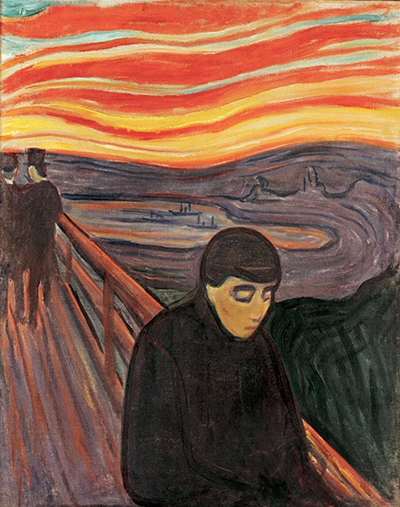
Edvard Munch's prints are not secondary versions of his paintings. They are central to how his art works. Munch repeatedly returned to the same motifs in painting, drawing, lithograph, woodcut and other graphic forms, testing how much could be changed while the emotional force remained. [1] [3]
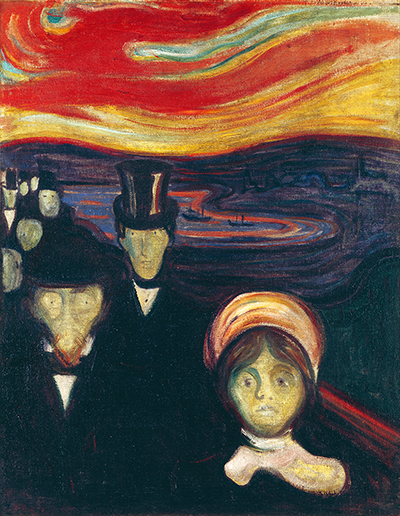
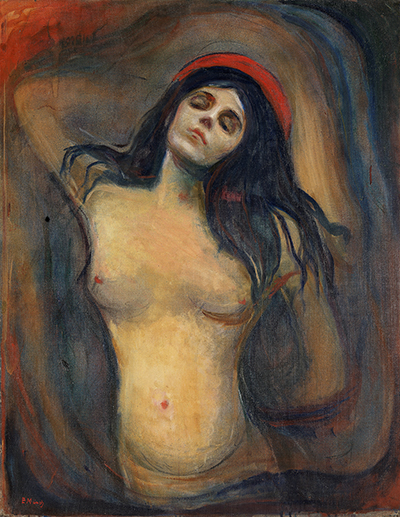
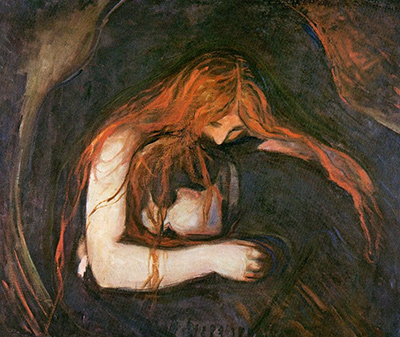
This prints hub helps connect the cluster. The Scream, Madonna, Vampire, The Kiss, Separation, Anxiety and The Sick Child all become clearer when seen as motifs that move across media rather than as isolated single images. [7]
At a Glance
- Artist: Edvard Munch
- Page type: Printmaking hub
- Main techniques: Lithograph, woodcut and related graphic work
- Key print motifs: The Scream, Madonna, Vampire, The Kiss, Separation, Anxiety, The Sick Child
- Cluster role: Repetition, versions and motif circulation
Why Munch's Prints Matter
MUNCH presents Munch as an artist who worked across painting, printmaking, drawing, sculpture, photography and film. That matters because printmaking was not an afterthought in his career. It was one of the ways he made images repeatable, variable and portable. [1]
Prints allowed Munch to simplify forms, intensify line and experiment with tone. A painted motif could become flatter, sharper or more emblematic in graphic form. The result is not a copy of the painting, but another test of the image. [3] [5]
Lithographs
Lithography was especially important for Munch's best-known motifs. It allowed him to translate emotionally charged subjects into strong tonal images that could circulate beyond a single painted canvas. [3]
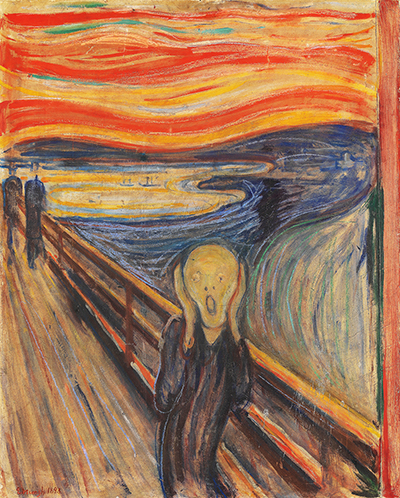
The Scream is the obvious example. The painted versions made the motif famous, but the lithograph helped turn the image into a repeatable modern sign. Madonna also became a major print subject, with the border and reproductive imagery making the print version especially important. [4] [5]
Woodcuts
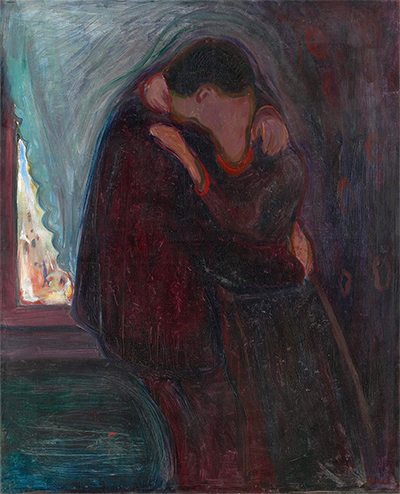
Woodcut gave Munch a different kind of force. The medium encouraged simplified shapes, strong contours and visible material structure. In love motifs such as The Kiss and Vampire, this could make bodies feel more fused, compressed or emblematic. [3]
Woodcut also suited Munch's interest in repetition with variation. By changing colour, paper, printing choices and blocks, he could make related impressions feel distinct while keeping the same underlying motif. [2]
Repetition and Versions
Munch's repeated motifs should not be treated as repetition for its own sake. They are part of his method. A subject could move from painting to print and back again, gaining different emotional effects each time. [4]
This is why the prints page belongs beside the paintings hub. The painting pages explain major motifs; the printmaking route explains how those motifs travelled, multiplied and changed. [7]
Recommended Print Routes
- Start with The Scream for the most famous painting-to-print route. [3]
- Then read Madonna and Vampire for the love/death route in graphic form. [6]
- Move to The Kiss and Separation to see how embrace and loss become flatter, more symbolic and more repeatable. [6]
- Read The Sick Child because Munch's illness-memory motif also exists across painted and printed forms. [4]
Related Pages
- Munch lithographs for the tonal graphic route. [7]
- Munch woodcuts for the simplified shape and block-print route. [7]
- Munch themes for the wider cluster map. [7]
FAQs
They show how Munch repeated, simplified and varied major motifs across media, making images such as The Scream, Madonna and Vampire more portable and repeatable. [3]
Yes. Lithographs and woodcuts were both important to his graphic work, though they offered different visual effects and ways of varying motifs. [3]
References
- MUNCH, "Edvard Munch (1863-1944)," official artist page, accessed 5 July 2026.
- MUNCH, "Catalogue Raisonne / About the Collection," accessed 5 July 2026.
- National Gallery of Art, Edvard Munch: Master Prints, accessed 5 July 2026.
- Gerd Woll, Edvard Munch: Complete Paintings, London: Thames & Hudson, 2009.
- Patricia G. Berman, ed., Edvard Munch: The Modern Life of the Soul, Museum of Modern Art, 2006.
- Arne Eggum, Edvard Munch: The Frieze of Life, 1993.
- TheHistoryOfArt.org, Edvard Munch sitemap and local internal-link validation, checked 5 July 2026.