



 by Tom Gurney
Tom Gurney BSc (Hons) is an art history expert with over 20 years experience
Published on June 19, 2020 / Updated on May 3, 2026
Email: tomgurney1@gmail.com / Phone: +44 7429 011000
German Artists: From Dürer to Expressionism
German artists have made some of the most distinctive contributions to the history of art, from the precision of Renaissance engraving to the emotional intensity of Expressionism. Figures such as Albrecht Dürer and Caspar David Friedrich helped define entire movements, while later artists transformed modern art through bold experimentation.
This page serves as a central hub for exploring German artists featured on TheHistoryOfArt.org, linking together biographies, major works and artistic movements.
You can also explore artists by nationality, century or movement.
- Country: Germany
- Key Periods: Northern Renaissance, Romanticism, Expressionism
- Major Movements: Renaissance, Romanticism, Expressionism, Bauhaus
- Famous Artists: Dürer, Friedrich, Klee
- Known For: Printmaking, landscape painting, modern abstraction
The German Renaissance: Precision and Innovation
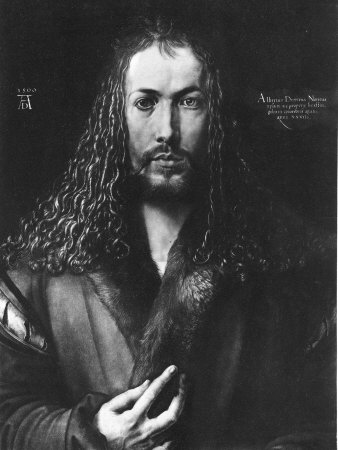
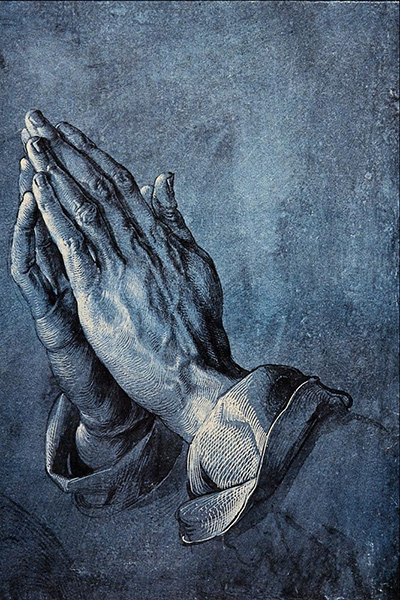
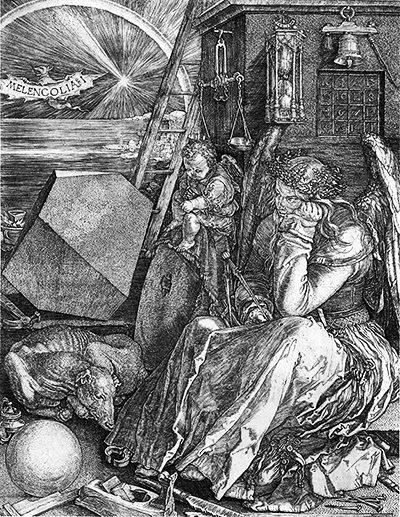
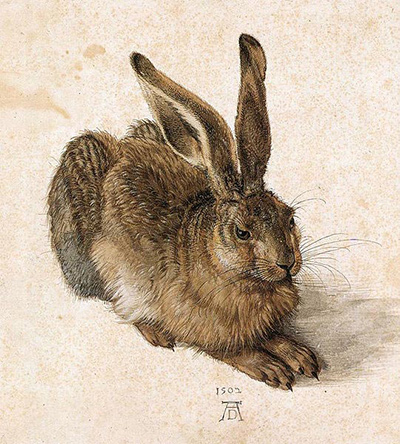
The German Renaissance produced one of Europe’s most technically accomplished artists in Albrecht Dürer. His engravings and woodcuts combined scientific observation with artistic mastery, helping to elevate printmaking into a major art form.
Dürer’s influence extended across Europe, shaping both Northern Renaissance painting and the development of graphic arts.
Romanticism and the Sublime Landscape
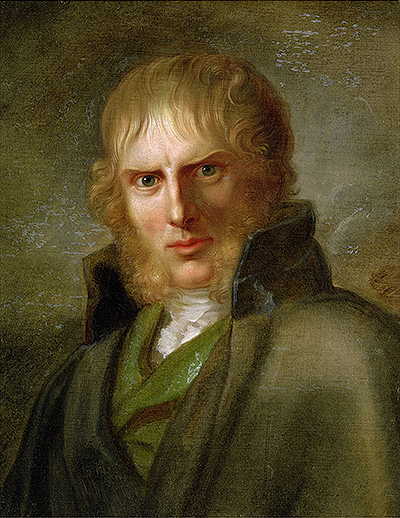
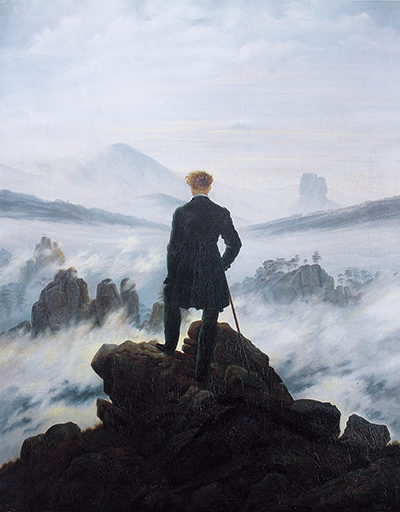
In the 19th century, German artists played a central role in Romanticism. Caspar David Friedrich created haunting landscapes that explored solitude, spirituality and the power of nature.
His work often places small human figures within vast environments, inviting reflection on humanity’s place in the world.
Expressionism: Emotion and Modern Life
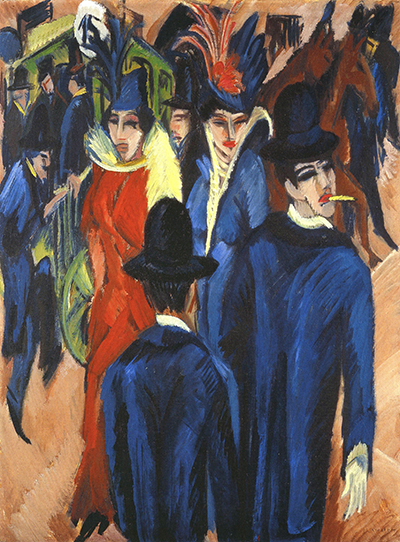
German Expressionism marked a dramatic shift in art, focusing on emotion, distortion and bold colour. Artists such as Ernst Ludwig Kirchner and Franz Marc rejected realism in favour of expressive intensity.
This movement responded to the anxieties of modern life and would go on to influence artists across Europe and beyond.
Bauhaus and Modern Design
Germany was also home to the Bauhaus, one of the most influential schools of modern art and design. Artists such as Paul Klee and Wassily Kandinsky explored abstraction, colour theory and the relationship between art and architecture.
The Bauhaus approach continues to shape modern design and visual culture today.
German Art in Context
German artists are closely connected to wider European movements, particularly Renaissance, Romanticism and Expressionism.
You can compare German artists with Dutch artists, Flemish artists and Italian artists to see how ideas developed across regions.
All German Artists on TheHistoryOfArt.org
This index links to all German artists currently featured on the site, helping search engines understand the full scope of your coverage.
Whilst the boundaries of Germany and the German Empire have changed considerably over the past few centuries, one thing has remained entirely constant - the continual supply of high class art from a number of extraordinary, creative individuals.
Whilst the Third Reich attempted to destroy art from those they termed the 'degenerates' in and around WWII, this region has thankfully produced much more significant art than it has damaged. Some may have rejected modern art styles from the likes of Marc and Kirchner, but plenty more within Germany supported it wholeheartedly. Previous to this was the Northern Renaissance, to which Germany contributed the likes of Albrecht Durer. One normally considers art from the Netherlands when discussing the merits of art from Northern Europe, but Germany also has much to offer and continues to display an exciting variety of work across very different styles and mediums with no sign that this will end anytime soon.
Traditionally the Renaissance has been considered solely an Italian creation which then spread across to impact other regions but in more recent times there has been a growing acceptance of the important role in its development in other countries, such as the Netherlands and Germany. Durer, for example, was an exceptionally skilled technician who also produced some of the finest contributions to the mediums of woodcuts and engravings during this period, with few Italians able to work at the same standard. He was also more of a spearhead to an overall movement across the country, with others also being involved though not achieving the same level of exposure. This page attempts to draw your attention to the most significant painters, draughtsmen and sculptors to have come from Germany, or the Greater German Empire, in all movements since the Middle Ages.
Besides individual artists, Germany has also contributed several key art movements which were all based in the region. They involved the grouping of like-minded artists who would often share time in each other's company and often even work collaboratively. They may not have had the fame of groundbreaking periods such as the French Impressionists but they were still highly influential nevertheless and their impact went well beyond just the boundaries of their own country. Der Blaue Reiter, the German Expressionists, Die Brücke and the Munich School were some of the most memorable of these. Invariably these groups would be led by some of the names featured here, with other artists in their particular region of the country then coming on board to develop their shared ideas into an official movement.
European art history has fluctuated over the past few centuries with one region dominating for an extended period before new ideas suddenly appear somewhere else. Germany has had several spells in the limelight but is still lesser respected than the contributions of France and Italy, particularly with those who have only a fleeting interest in art history. You would also be wise to check out the contributions by British and Spanish artists too. And we can never forget the extraordinary work that was produced during the Dutch Golden Age, which touched on many cultural aspects including painting, architecture and literature. Prior to these key movements, many ideas would actually come in from outside the continent, fuelled by the exchange of ideas and cultures during the colonial era.
List of Famous German Artists
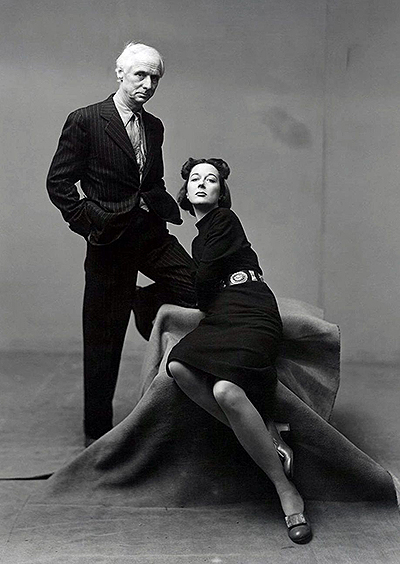
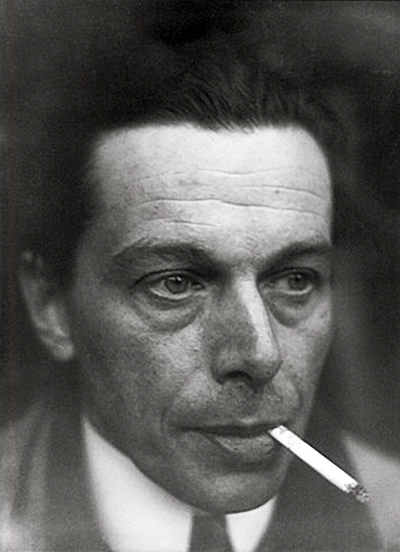
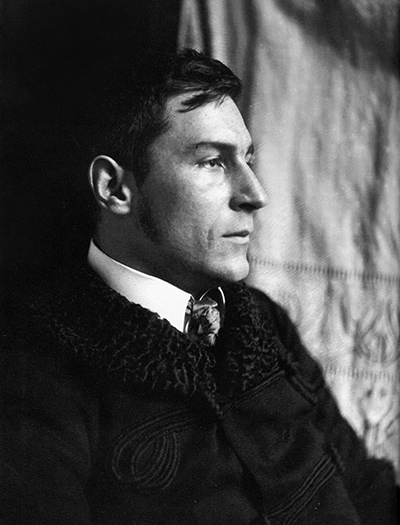
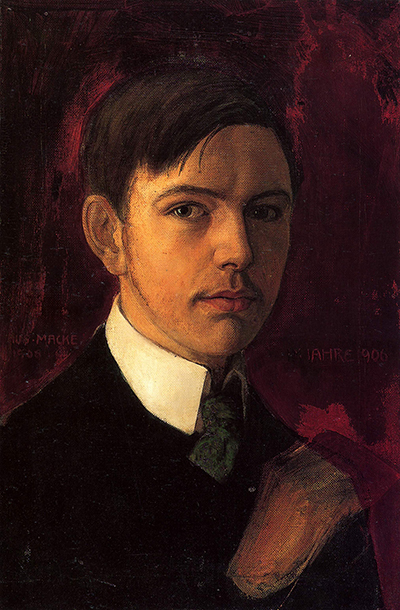
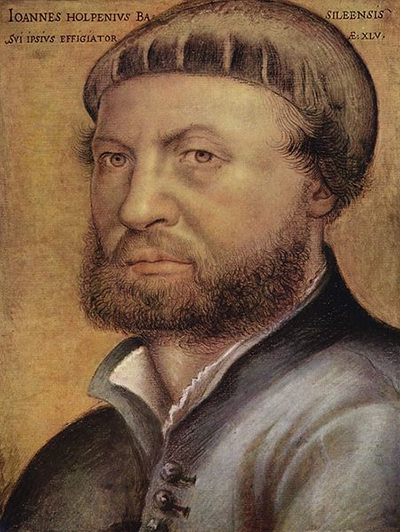
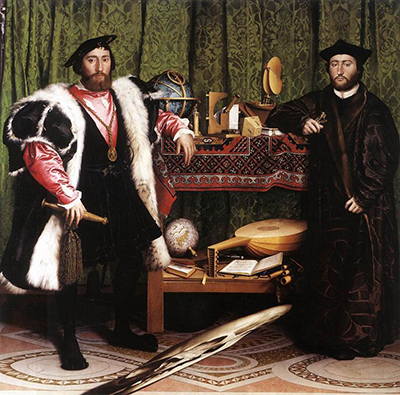
We have included some thumbnails below of the best artists to have come from this region over the past few centuries, but it was a hard task to narrow it down to just twelve. Plenty more are well worthy of note, and others that would have made the list were it a little longer would have been George Grosz, Emil Nolde, Max Liebermann, Jean Arp, Adolph Menzel, Josef Albers and Erich Heckel. Beyond that, there are also notable artists who were born in neighbouring countries and who played an important role within the development of German art, such as Swiss Paul Klee and Austrian Gustav Klimt. Others would actually leave the boundaries of this country to leave an impact elsewhere, such as Hans Holbein.
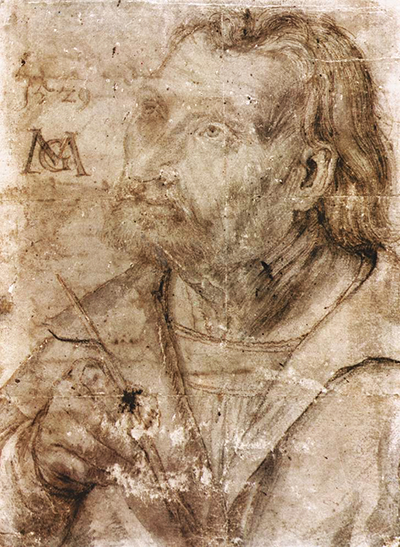
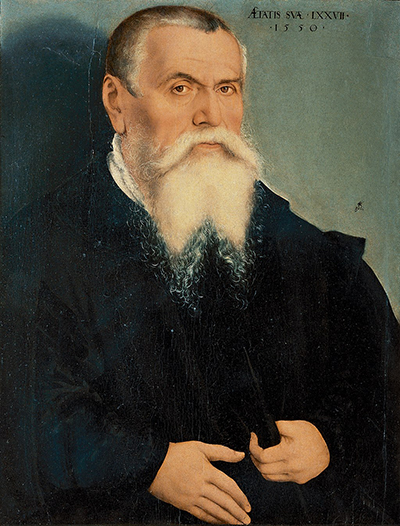
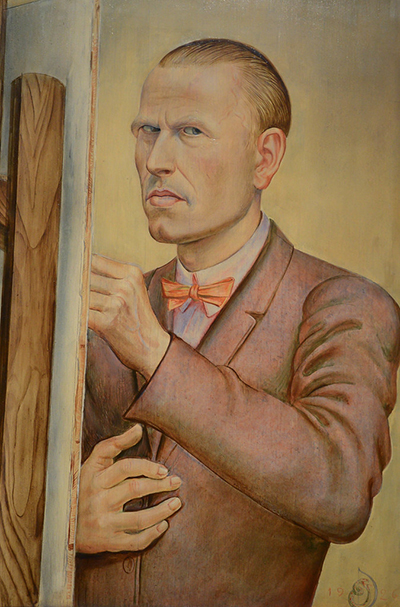
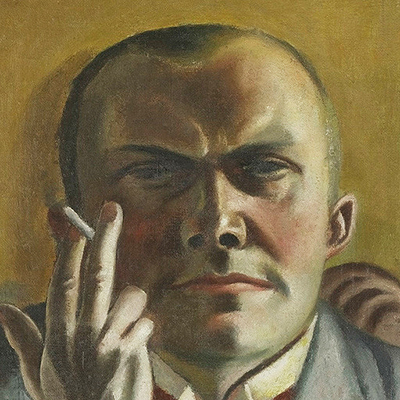
List of Famous German Paintings, Drawings, Woodcuts & Sculptures
FAQs
Famous German artists include Albrecht Dürer, Caspar David Friedrich, Paul Klee and Expressionist painters such as Kirchner and Franz Marc.
German art is known for its printmaking, Romantic landscapes and the emotional intensity of Expressionism.
German Expressionism was a modern art movement focused on emotional expression through bold colours and distorted forms.
The Bauhaus was an influential German school of art and design that shaped modern architecture, design and visual culture.