 by Tom Gurney
Tom Gurney BSc (Hons) is an art history expert with over 20 years experience
Published on June 19, 2020 / Updated on January 30, 2026
Email: tomgurney1@gmail.com / Phone: +44 7429 011000
Amedeo Modigliani: Life, Art, Nudes, Portraits and Legacy
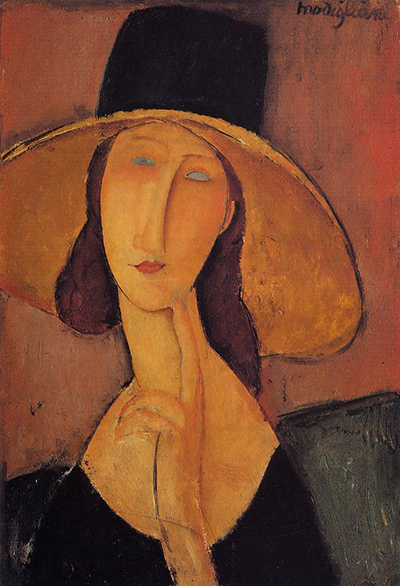
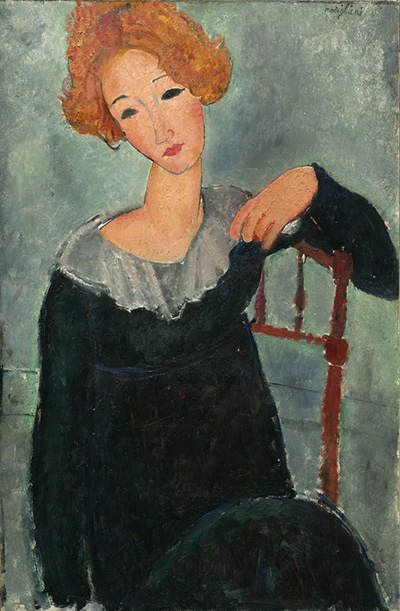
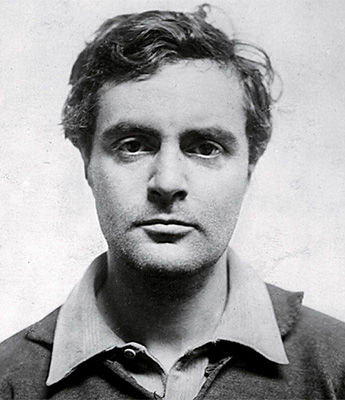
Amedeo Modigliani (1884-1920) was one of the most distinctive figures of modern art. Working primarily in Paris during the early twentieth century, he developed a highly recognisable visual language defined by elongated faces, simplified forms, and an intense psychological focus on the human figure.
Although often associated with modernist movements such as Cubism or Expressionism, Modigliani remained fiercely independent. His portraits and nudes stand apart for their timeless quality — neither fully classical nor fully avant-garde — and today rank among the most celebrated works of modern art.
- Born:1884, Livorno, Italy
- Died:1920, Paris
- Nationality:Italian
- Known for:Portraits and nude paintings
- Key Themes:Identity, psychology, timeless form
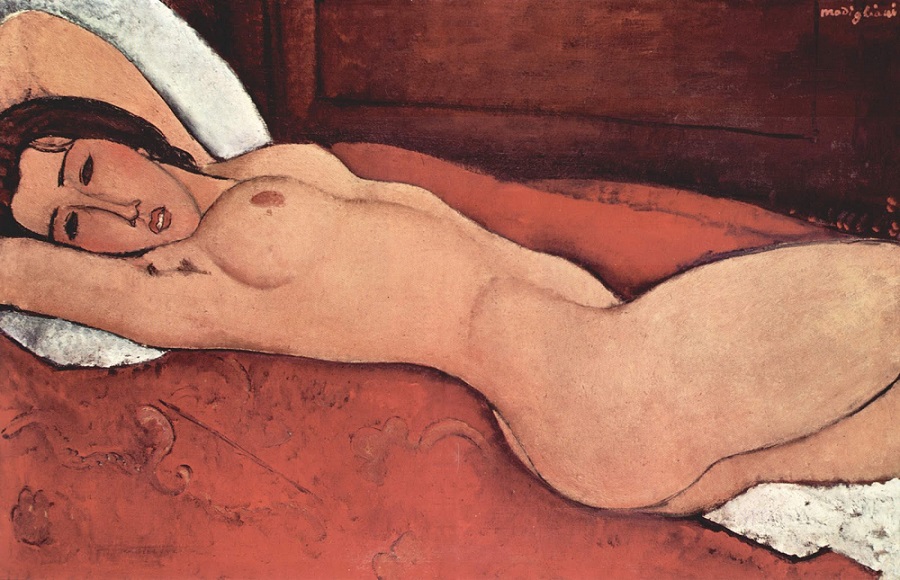
- Most Famous Works:Nu Couché, Reclining Nude
Who Was Amedeo Modigliani?
Born in Livorno, Italy, Modigliani moved to Paris in 1906, where he became part of the vibrant artistic life of Montmartre and Montparnasse. Despite friendships with artists such as Pablo Picasso, Constantin Brancusi, and Chaïm Soutine, he resisted direct stylistic alignment with any single movement.
Ill health, poverty, and alcoholism shaped much of Modigliani's short life, yet his output during the final decade reveals extraordinary coherence. His art focuses almost exclusively on the human figure, explored through portraiture, nude painting, drawing, and a brief but formative period of sculpture.
For a full account of his life, see the Modigliani biography and chronological timeline.
Modigliani's Art at a Glance
Nudes
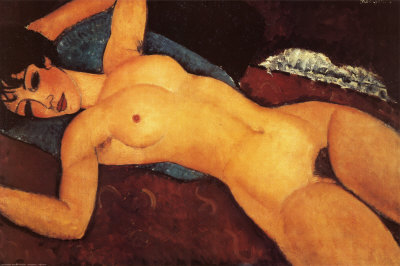
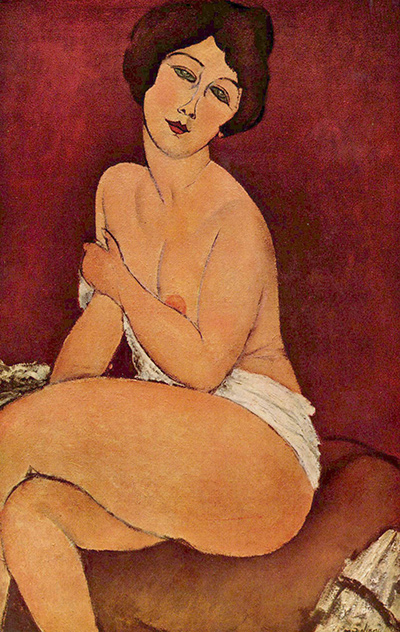
Modigliani's nude paintings, produced mainly between 1916 and 1919, are among the most famous of the twentieth century. Their frank sensuality, simplified forms, and direct gazes shocked contemporary audiences but later became icons of modern art.
Explore the full series: Modigliani's nude paintings
Portraits and Sitters
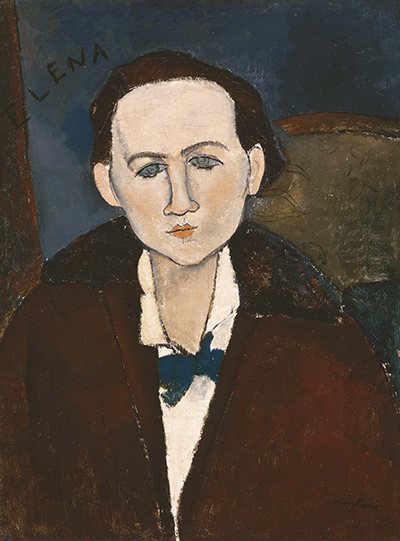
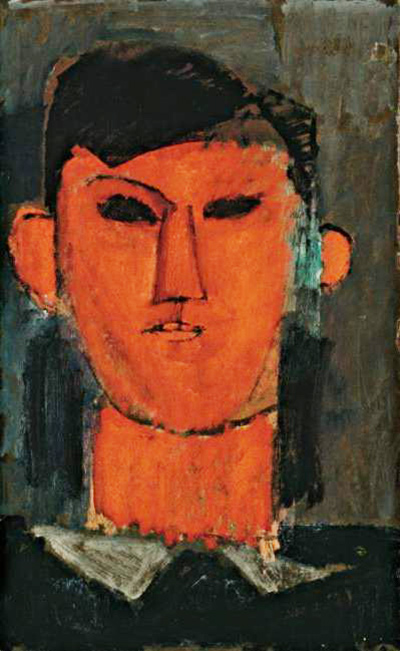
Portraiture formed the core of Modigliani's practice. Rather than pursuing strict likeness, he sought to convey the inner life of his sitters — friends, lovers, patrons, and fellow artists — through elongated forms and restrained emotion.
See the complete guide to Modigliani's models and sitters.
Drawings, Prints, and Sculpture
Modigliani's drawings reveal the foundation of his style, while his sculptural period (c.1909-1914) shaped the monumentality of his painted figures. Prints form a small but important part of his graphic output.
Drawings · Sculptures · Prints
Key Themes and Artistic Ideas
- Elongated faces and simplified form
- Modigliani in comparison with Picasso, Soutine, and others
- Psychological portraiture over realism
- Timelessness and classical influence
People Around Modigliani
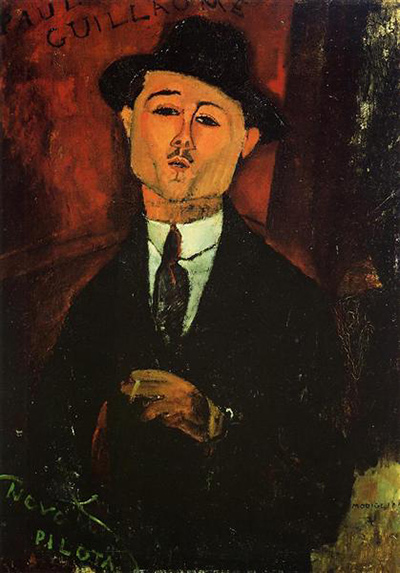
Modigliani's work is inseparable from the people who surrounded him. His most frequent sitter and companion was Jeanne Hébuterne, while dealers such as Paul Guillaume played a decisive role in his career.
Exhibitions, Reception, and Legacy
During his lifetime, Modigliani held only one solo exhibition — in 1917 at the Galerie Berthe Weill — which was shut down by police due to the perceived obscenity of his nude paintings. Recognition came largely after his death, when his work rapidly entered major museum collections and the international art market.
Read more about Modigliani's exhibitions and critical reception.