by Tom Gurney
Tom Gurney BSc (Hons) is an art history expert with over 20 years experience
Published on July 14, 2026 / Updated on July 16, 2026
Email: tomgurney1@gmail.com / Phone: +447429011000
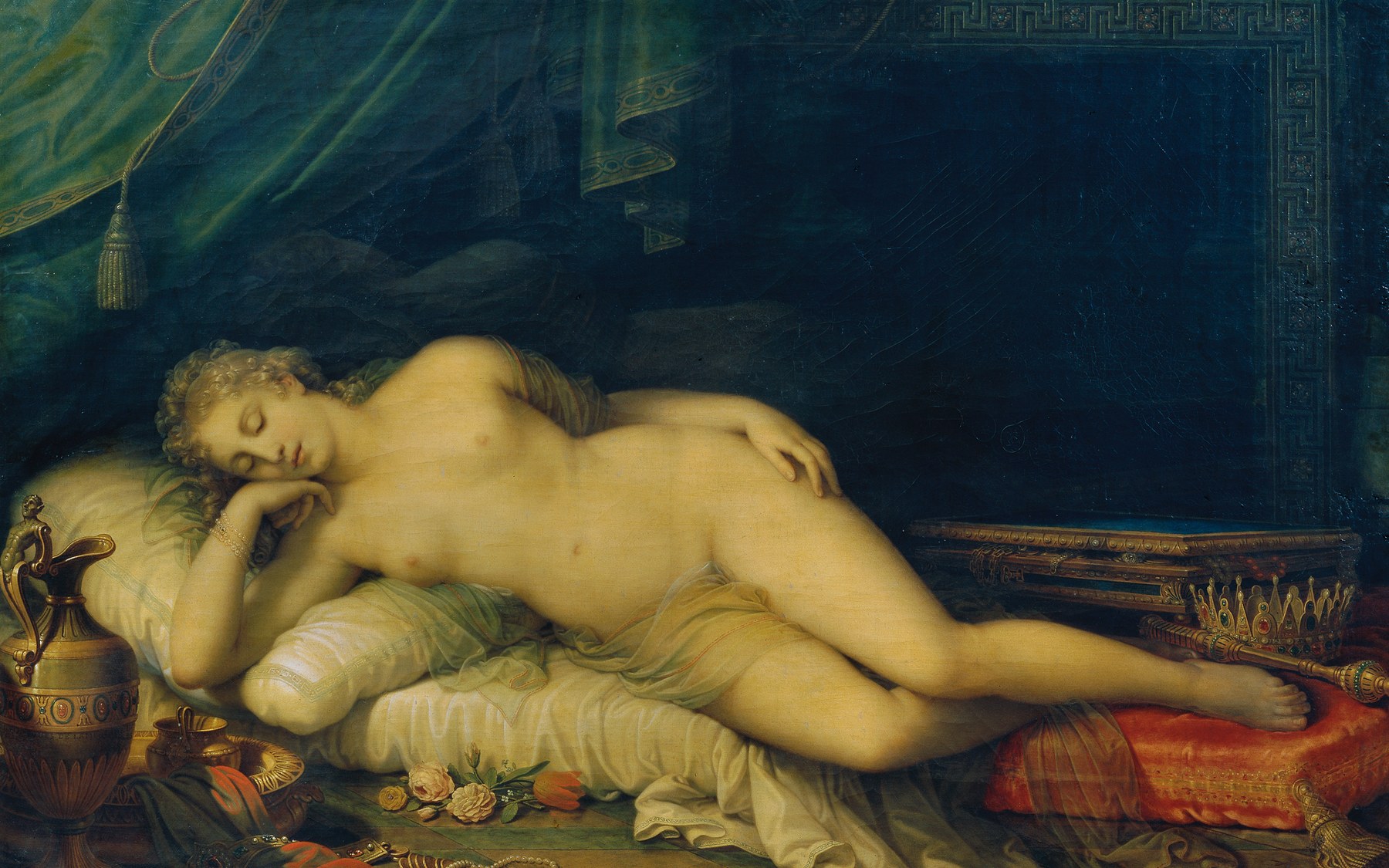
Johann Baptist Lampi d. J. - Venus, auf einem Ruhebett schlafend - 2519 - Kunsthistorisches Museum.jpg by Johann Baptist von Lampi the Younger; Public domain via Wikimedia Commons. Cropped for TheHistoryOfArt.org. · Image source
What to expect
IN-SIGHT: Johann Baptist Lampi The Elder and The Younger: Overpainted and Uncovered is a current Belvedere exhibition at the Upper Belvedere in Vienna, running from 13 May to 11 October 2026. It belongs to the museum's IN-SIGHT series, which uses focused temporary displays to present collection works in the light of new research. This is exactly the kind of smaller exhibition that can be useful in the guide because it shows how conservation, technical imaging and art-historical interpretation can change what a museum object is understood to mean.
The official Belvedere press material centres the exhibition on two paintings from the museum's collection. One is a portrait of Caroline and Viktor von Tomatis by Johann Baptist Lampi the Elder, painted during his Warsaw period in 1788-89. The other is Sleeping Venus with Cupid in Front of a Mirror by Johann Baptist Lampi the Younger, painted in 1826. The link between them is not subject matter at first glance. It is intervention: both paintings were later overpainted, and those changes altered their appearance, content and message.
That makes the exhibition more than a two-artist family pairing. It is a close case study in what happens to paintings after they leave the studio. X-ray and infrared investigation revealed concealed details and earlier meanings. In the Tomatis portrait, imaging showed that a bust was a later overpainting; beneath it was the children's mother, Catarina, embracing them. In the Venus painting, restoration and technical analysis challenged long-standing myths around the picture and revealed a hidden Cupid, changing how the work could be read.
Why go
The strongest reason to go is that the exhibition makes conservation visible as interpretation. Restoration can sound like a technical service performed before art history begins, but this display shows the opposite. A painting's meaning may depend on layers, losses, additions, old repairs, changing taste and the ethics of what modern conservators decide to reveal or leave in place. The Belvedere press release explicitly connects the show to the history of attitudes toward art treatment, noting that modern principles of conservation and the ideal of originality only began to become established in the mid-nineteenth century.
For visitors, that is a powerful idea. If a family portrait can be transformed into something closer to a memorial by replacing a mother with a bust, then overpainting is not cosmetic. It can change family history, emotional emphasis and social meaning. If an idealised Venus becomes associated with the portrait of a local Salzburg celebrity, then mythology, biography and local memory begin to blur. The exhibition asks readers to understand paintings as living historical objects, not fixed images.
The Lampi father-and-son structure also gives the display a useful dynastic angle. Johann Baptist Lampi the Elder and the Younger were active across the late eighteenth and early nineteenth centuries, when aristocratic portraiture, Neoclassical taste, Biedermeier culture and bourgeois society were shifting. The Belvedere curator Katharina Lovecky frames the comparison through the transition from a feudal to a bourgeois society. That social transition matters because the same painted surface can carry status, family feeling, commemoration, myth and later reinterpretation.
What to look for
Begin with the question of absence. What has been removed from view, and what replaced it? In the Tomatis family portrait, the hidden mother matters because the visible version no longer tells the same family story. A bust can imply memory, death, lineage or idealisation; an embracing mother creates a different emotional structure. The object therefore becomes a record of changing family narrative as well as a painted portrait.
Then look at technical evidence without treating it as magic. X-ray and infrared images are compelling because they seem to see through the surface, but they still require interpretation. They show materials, changes and concealed forms; they do not automatically explain motive. A good visit should ask both what was discovered and what remains uncertain. Who made the overpainting? Why? When? For whom did the altered image become more acceptable, useful or meaningful?
The Venus picture offers a different route. A mythological nude can be read through classical subject, pose, erotic display, decorum and Biedermeier taste. Once a hidden Cupid and later overpainted elements enter the story, the painting becomes a case of iconographic instability. A Cupid changes Venus: he can clarify the mythological frame, intensify the erotic or allegorical reading, and make the scene less like a disguised portrait or softened local image.
Finally, pay attention to the museum itself. The Belvedere is not simply showing two restored works; it is showing how research changes collection knowledge. That makes labels, imaging material, before-and-after views and installation photographs part of the exhibition's argument. The most rewarding route is likely to move between the visible painting, the technical record and the explanatory claim, asking how each one changes the others.
How it fits the Belvedere and Vienna
This gate strengthens the Belvedere page because it gives the museum a current exhibition after the archived Waldmüller record. It also broadens the Vienna cluster. The KHM's Canaletto & Bellotto page uses city views and Habsburg collecting; the Belvedere Waldmüller page uses nineteenth-century landscape; this IN-SIGHT page adds conservation, overpainting and collection research. Together they make Vienna feel like an active museum city rather than a single Old Master stop.
For practical planning, the exhibition is current and time-sensitive, closing on 11 October 2026. It is at the Upper Belvedere, so it can be paired naturally with the museum's palace setting and permanent collection displays. Readers should still check the Belvedere source before travelling for tickets, opening hours, building access and any changes, especially because focused collection displays can be easier to miss than headline blockbusters.
The page is also useful for future evergreen content. It connects directly to restoration techniques, X-ray and infrared imaging, overpainting, provenance-like object history, and the changing ethics of conservation. Those themes fit Tom's future-feature ideas around restoration and materials, while still remaining grounded in a specific museum page and a specific current exhibition.
Image and rights note
The image prospects are better than for modern material because the Lampi works are historic, but the most relevant available images are Belvedere collection, installation, X-ray, infrared and restoration-related images with institutional credit requirements. This page therefore remains image-free until a clearly licensed image source and credit path are selected. The future image review should separate safer public-domain object images from higher-caution Belvedere press or technical-imaging material, and should not reuse conservation images without explicit review.
How to use this page
Because IN-SIGHT: Johann Baptist Lampi The Elder and The Younger is current, the page should help a reader decide whether it deserves time before the closing date, not merely record that it exists. The most reliable fixed details are the venue, dates, broad subject, media and official source link. The interpretive notes help place the exhibition in art-historical context: what kind of show it is, why it may matter, and which artists or topics are worth exploring next.
It is listed as a recommended exhibition rather than a headline major show, so the main value is a focused subject, strong venue context or a useful route into related artists.
Looking notes
For a visitor, the most useful approach is to look for patterns rather than isolated highlights. With Johann Baptist Lampi the Elder, Johann Baptist Lampi the Younger, overpainting, restoration, X-ray imaging, infrared imaging, Tomatis family, Sleeping Venus, ask how the exhibition frames the subject: as biography, period survey, focused theme, collection display or reassessment. With media such as painting, portraiture, mythological painting, conservation, technical imaging, pay attention to changes of scale, surface, lighting, material and display sequence, because those details are often lost in online listings.
The guide avoids over-specific claims where the public source does not yet support them. If a museum has not published a full object list, it is better to stay clear about what is confirmed than to imply certainty.
Who it is best for
IN-SIGHT: Johann Baptist Lampi The Elder and The Younger is most likely to help readers who are already interested in Johann Baptist Lampi the Elder, Johann Baptist Lampi the Younger, overpainting, restoration, X-ray imaging, infrared imaging, Tomatis family, and Sleeping Venus, but it may also be useful for visitors building a wider route around Belvedere Museum Vienna in Vienna. If time is limited, use this page to decide whether the subject fills a gap in your knowledge, whether it connects to artists you already follow, and whether the official venue information makes the visit practical.