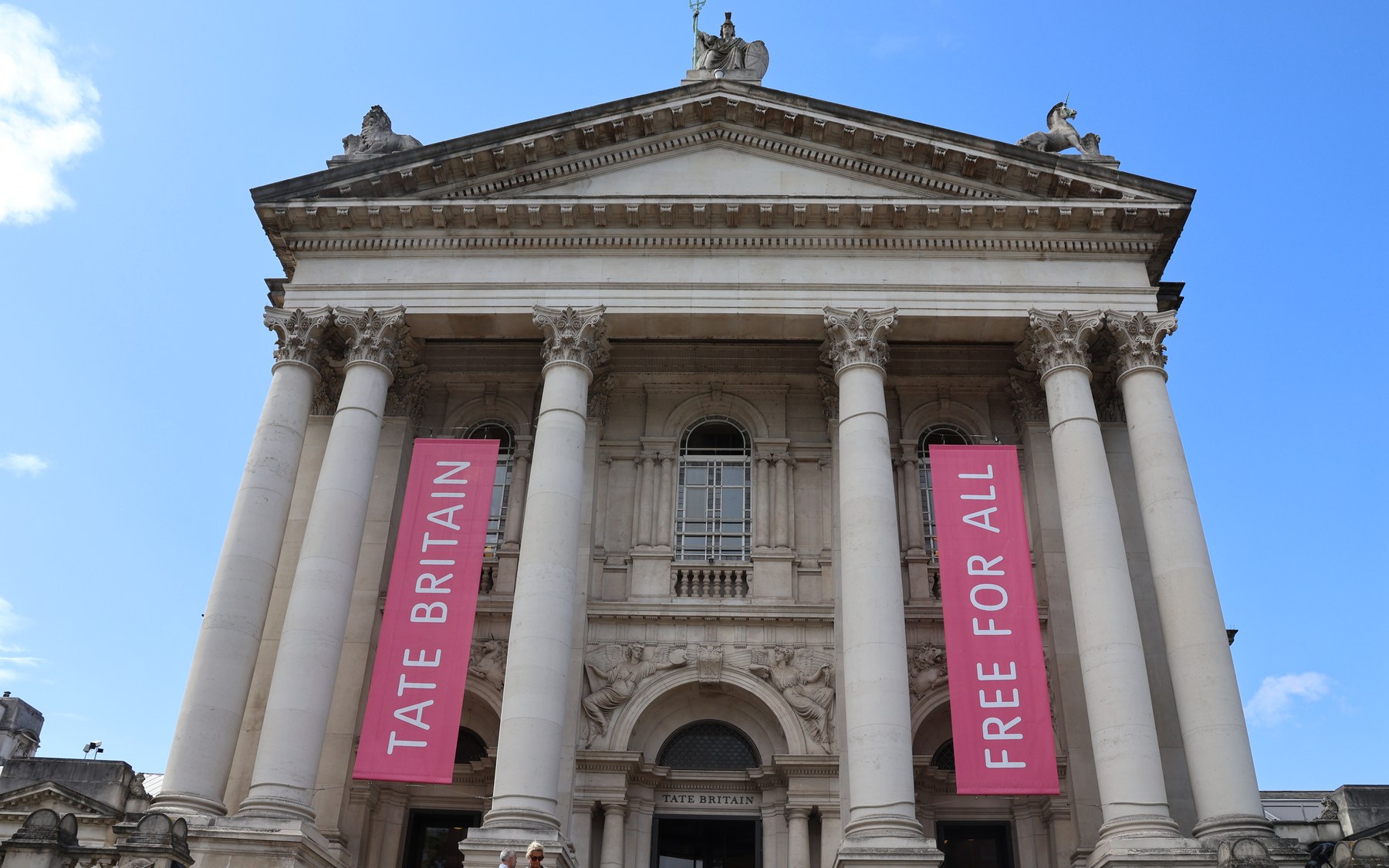
Tate Britain
1 selected exhibition



The museums and galleries hosting our selected major exhibitions in Europe and the United States.
 by Tom Gurney
Tom Gurney BSc (Hons) is an art history expert with over 20 years experience
Published on July 14, 2026 / Updated on July 16, 2026
Email: tomgurney1@gmail.com / Phone: +447429011000
The museum pages in this guide are designed as evergreen companions, not as replacements for official museum websites. Official sites remain the best source for opening hours, access details, tickets and temporary closures. These pages focus on the more durable questions: what the museum is best for, which artists and works make it distinctive, how current exhibitions connect to the collection, and how a visitor might plan a route.
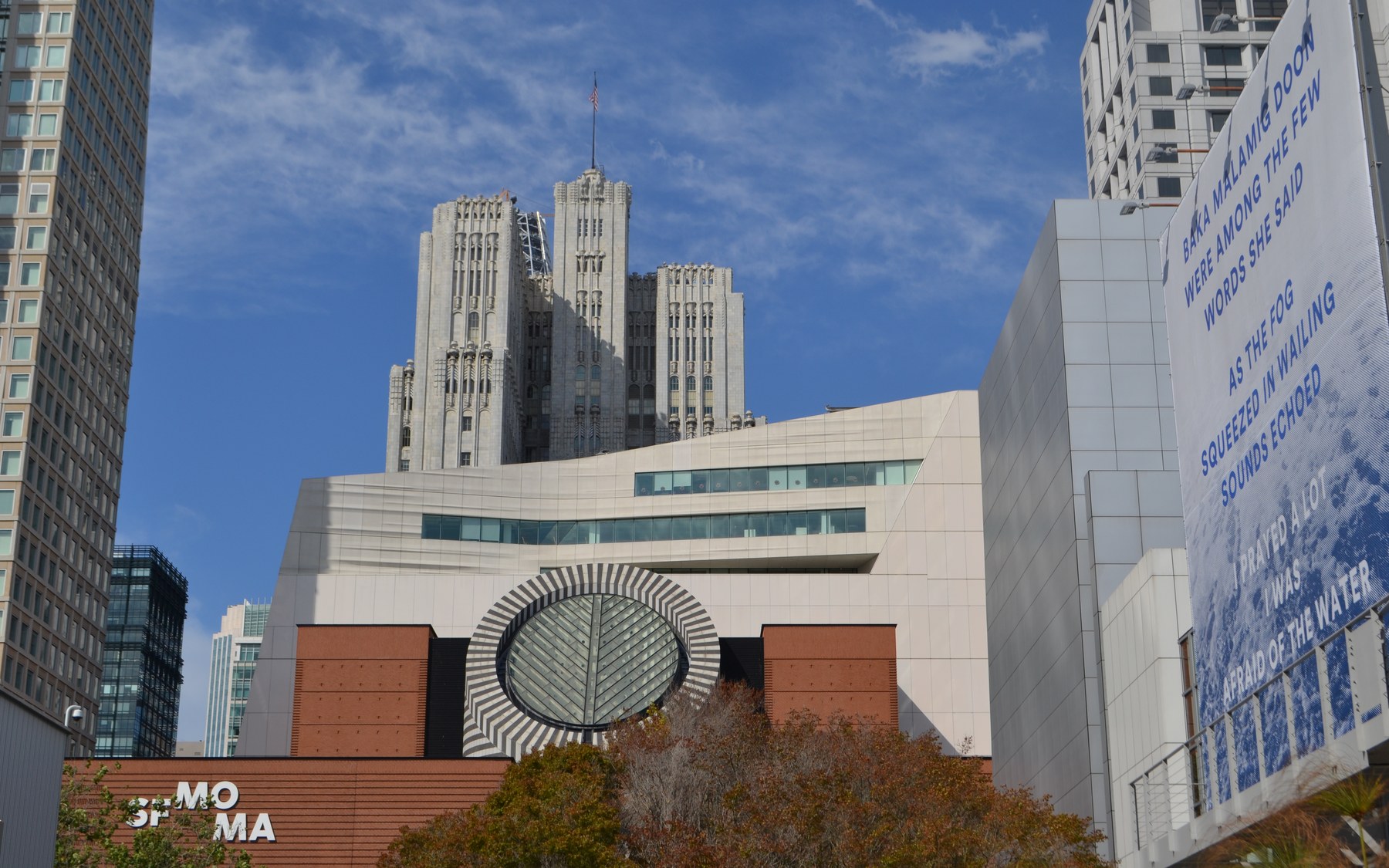
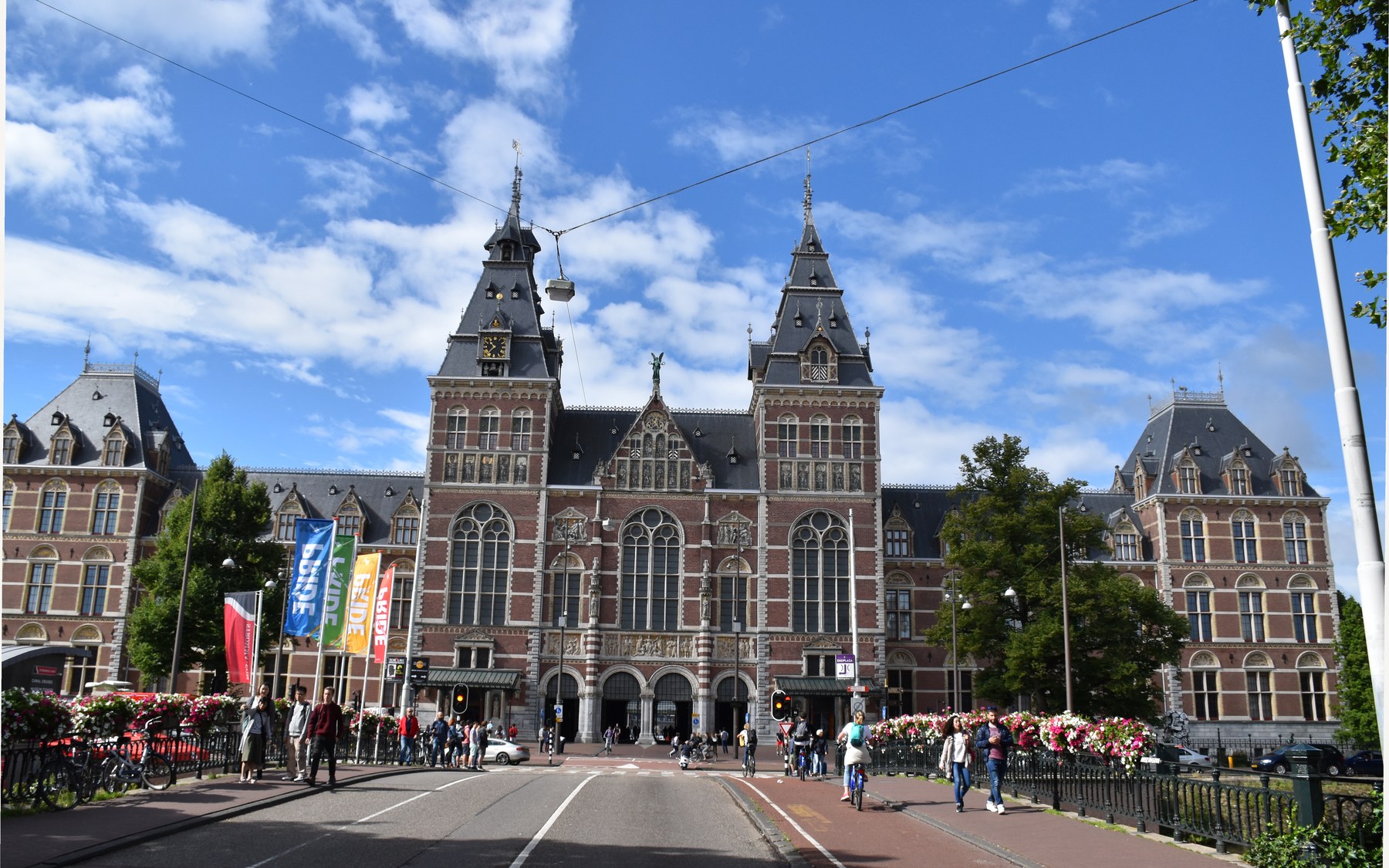
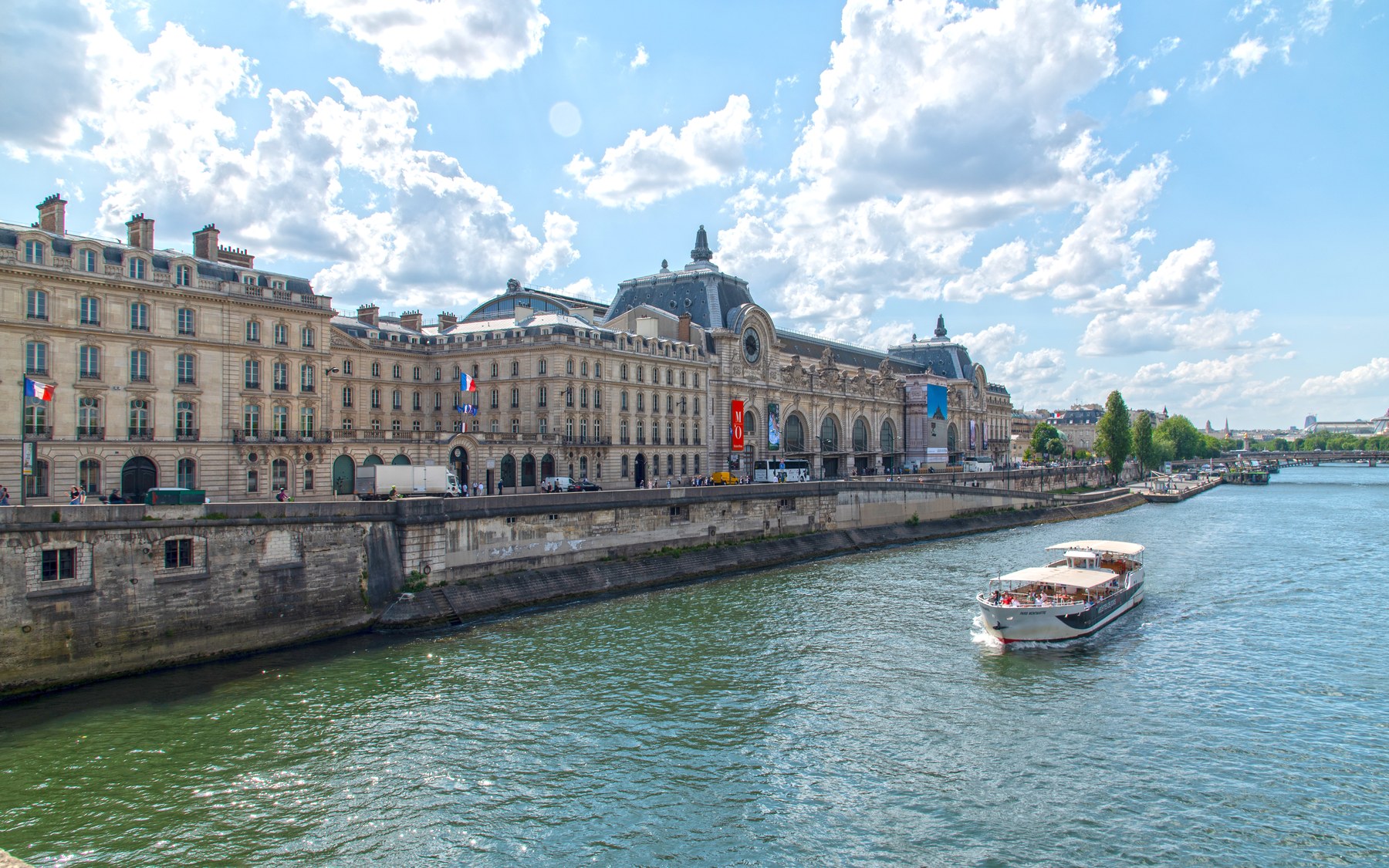
The first group is deliberately concentrated in Europe and the United States, with a bias towards visual art from 1500 to 1970. That includes the National Gallery in London, MoMA, the Met, the Prado, the Rijksmuseum, Musée d’Orsay, Tate Britain and the National Gallery of Art as core collection pages. Other selected venues are shorter but still release-ready, with clear routes and further reading priorities.
The pages are mostly text at this stage. That is intentional. A solid museum guide should work before thumbnails, maps and interactive features arrive. The next layer can add collection cards, clearly licensed images, “one hour” routes and better local-location features, but the core value should already be present in the writing.
The selected group follows the exhibitions project. Museums were added because they host selected major shows, hold collections that connect naturally to existing artist and artwork pages, or offer strong future evergreen potential. That keeps the section focused. The guide can expand later, but the guide should feel coherent rather than encyclopedic for its own sake.
Some museums can support deeper route planning and object-level research over time. Others are deliberately compact, but each page should still give readers a clear reason to visit, a practical route into the collection and reliable links for checking current details.
A useful museum guide should reduce the pressure to see everything. The largest museums can be overwhelming precisely because they are excellent: there are too many rooms, too many famous names, and too many possible routes. These pages therefore begin with selection. They name the collection strengths, suggest a practical way into the building, and highlight artists or works that deserve slower attention.
The best pages also connect permanent collections to temporary exhibitions. A Renoir exhibition at the National Gallery should send readers back into nineteenth-century French painting. A Whistler exhibition at Tate Britain should make the museum’s British and American connections more visible. A MoMA exhibition can become a route into modernism, design, photography or the politics of collecting. That is where the museum pages can be more useful than a general travel guide.
Links are part of that usefulness, but they should feel like genuine next steps rather than decoration. When an artist, artwork or related exhibition is linked, the purpose is to give the reader a useful continuation path through TheHistoryOfArt.org.
The next layer should add object-level depth: short notes on the works that shape a visit, clearer clearly licensed image choices, and practical routes for different time budgets. The flagship pages can support deeper research over time, while smaller museum pages can grow as new exhibitions, public-domain images and verified collection highlights are added. For the guide, the priority is that every page already has a reason to exist and a useful route into the wider site.
1 selected exhibition
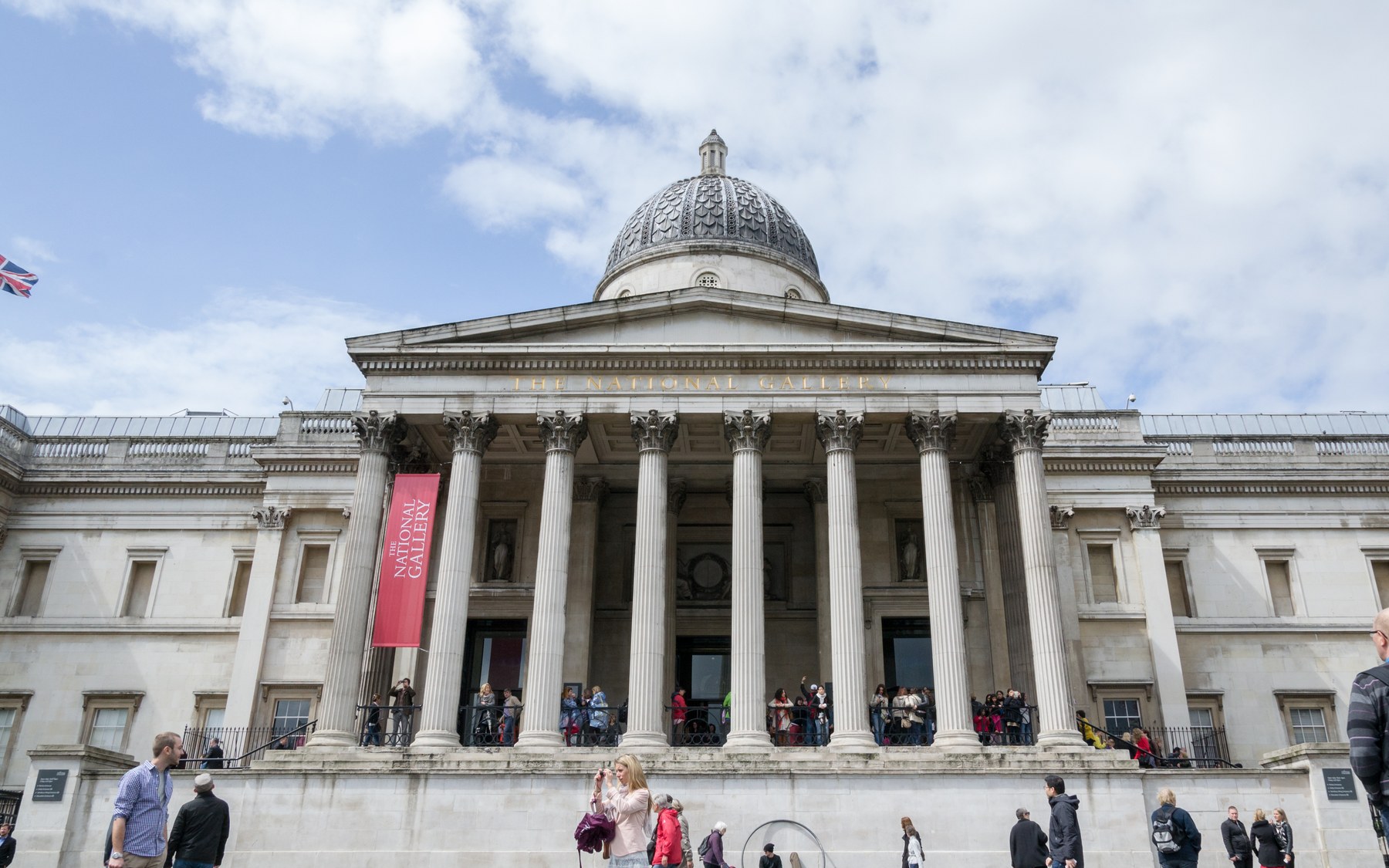
5 selected exhibitions
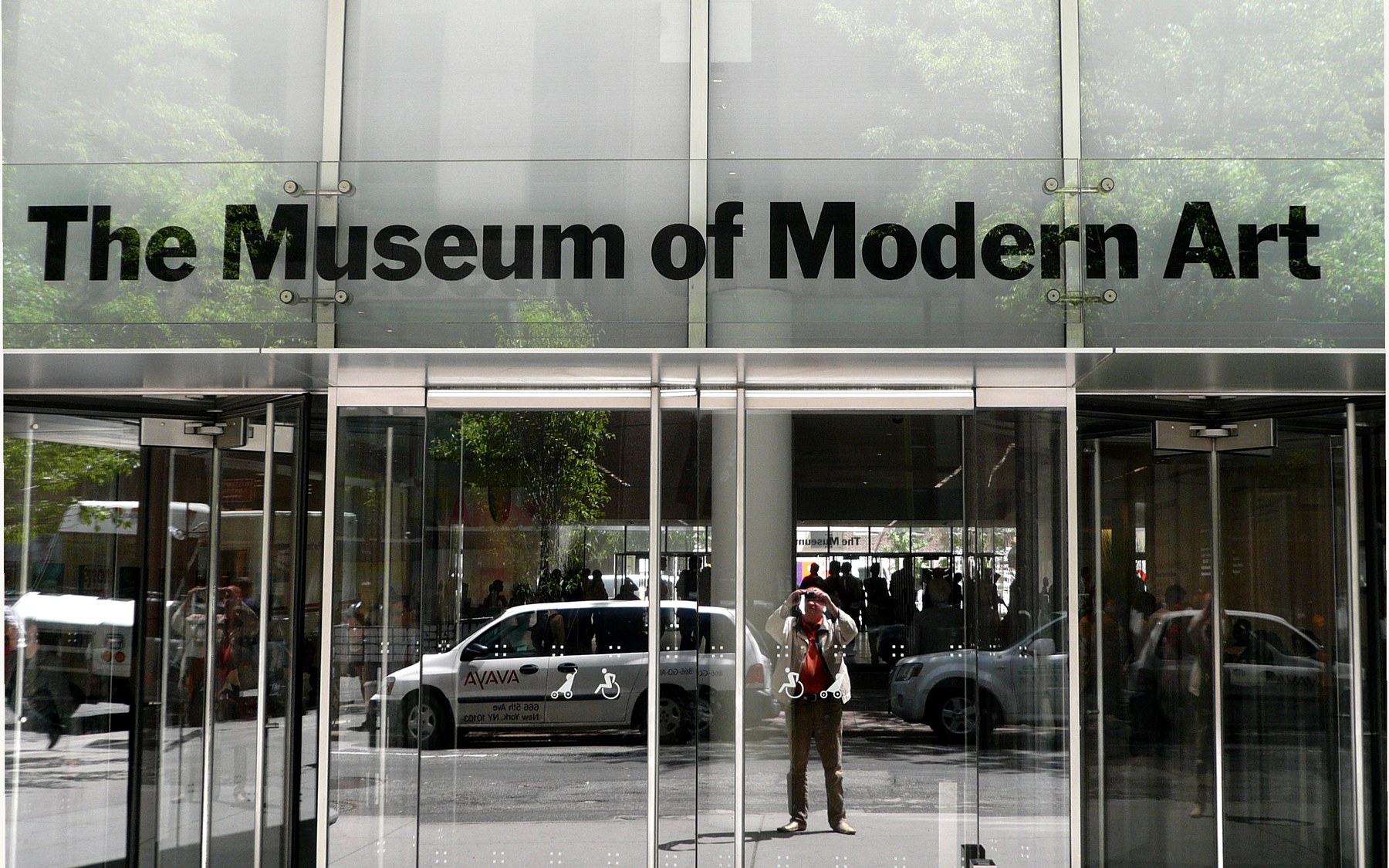
6 selected exhibitions
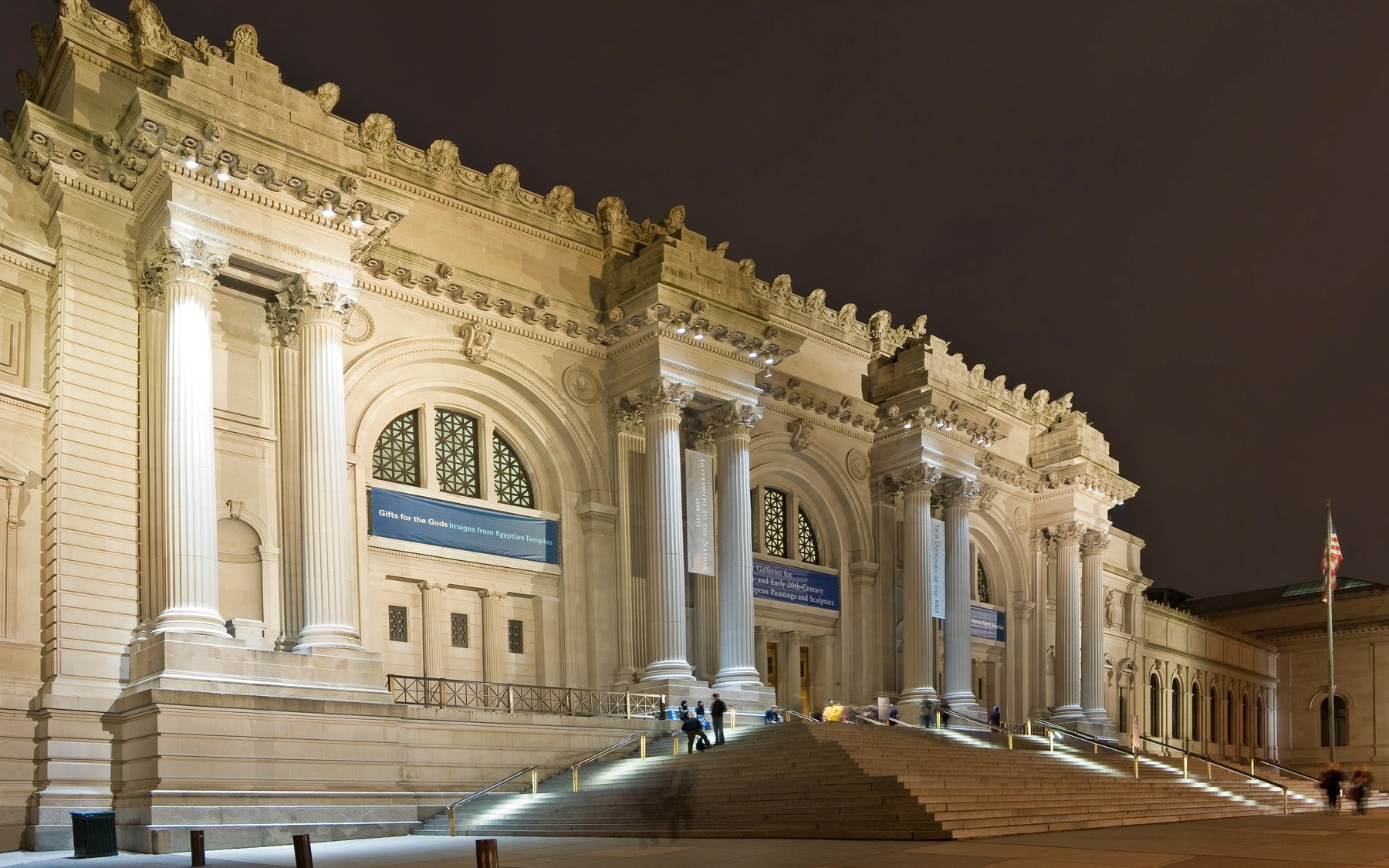
5 selected exhibitions
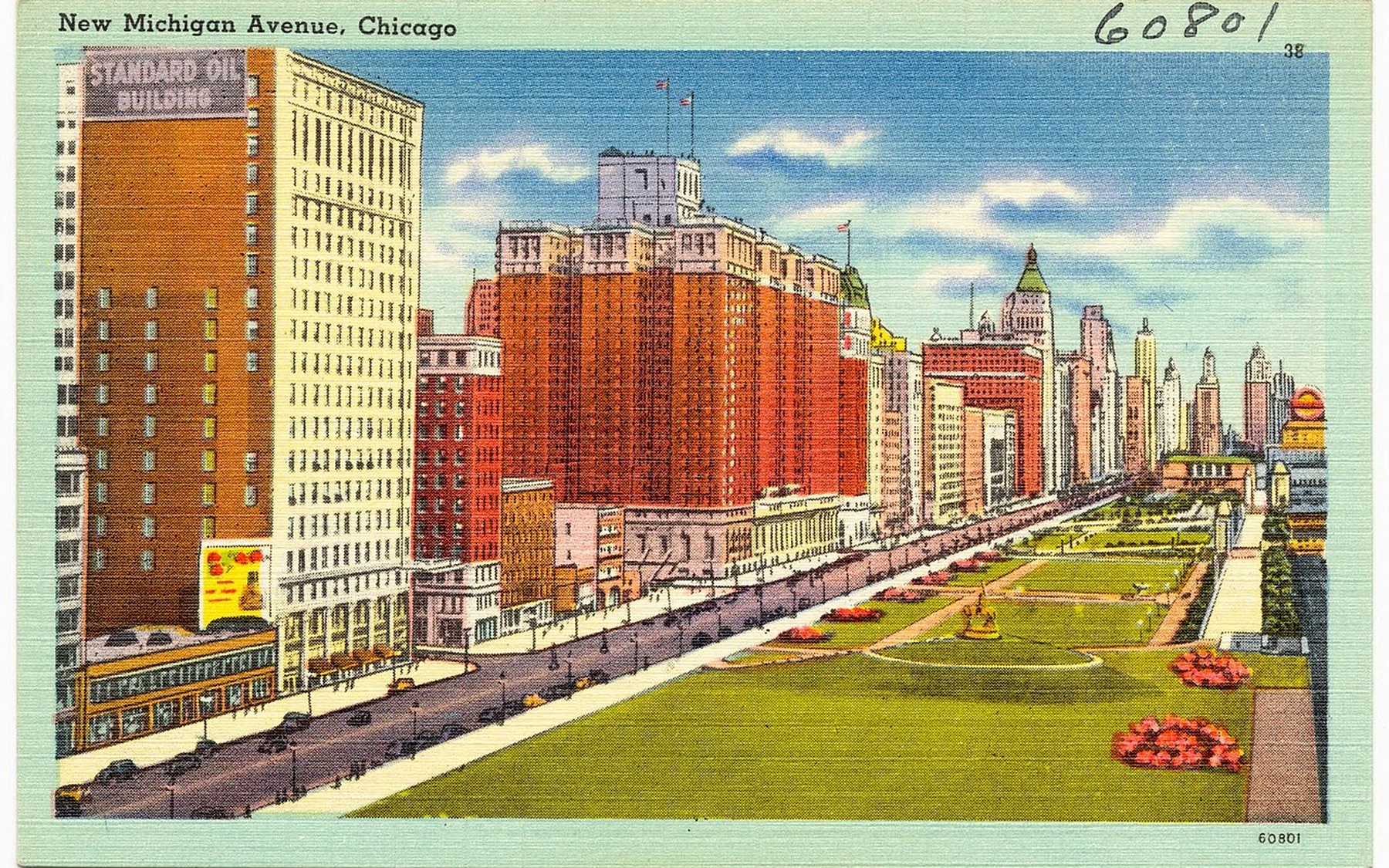
2 selected exhibitions
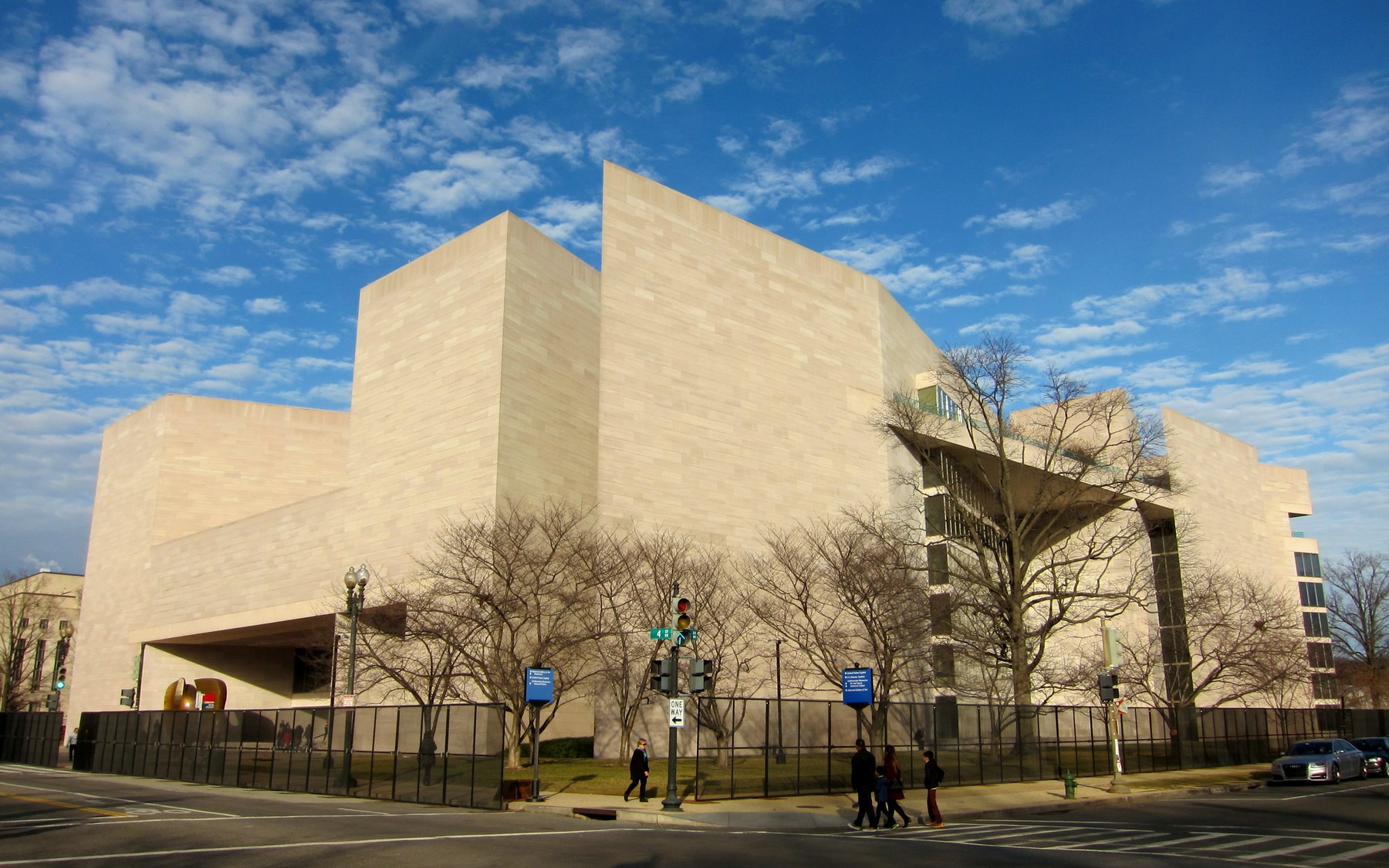
2 selected exhibitions
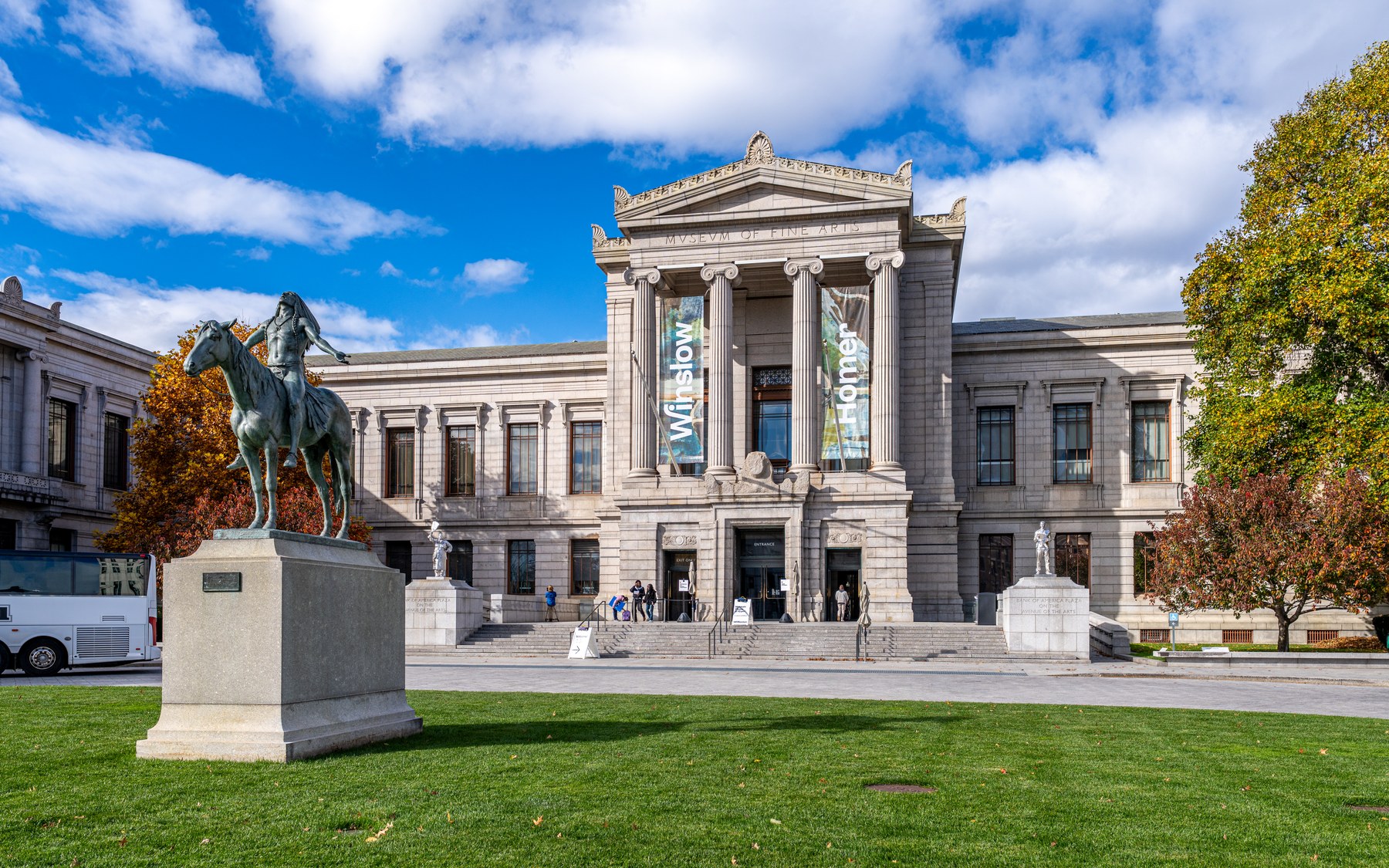
3 selected exhibitions
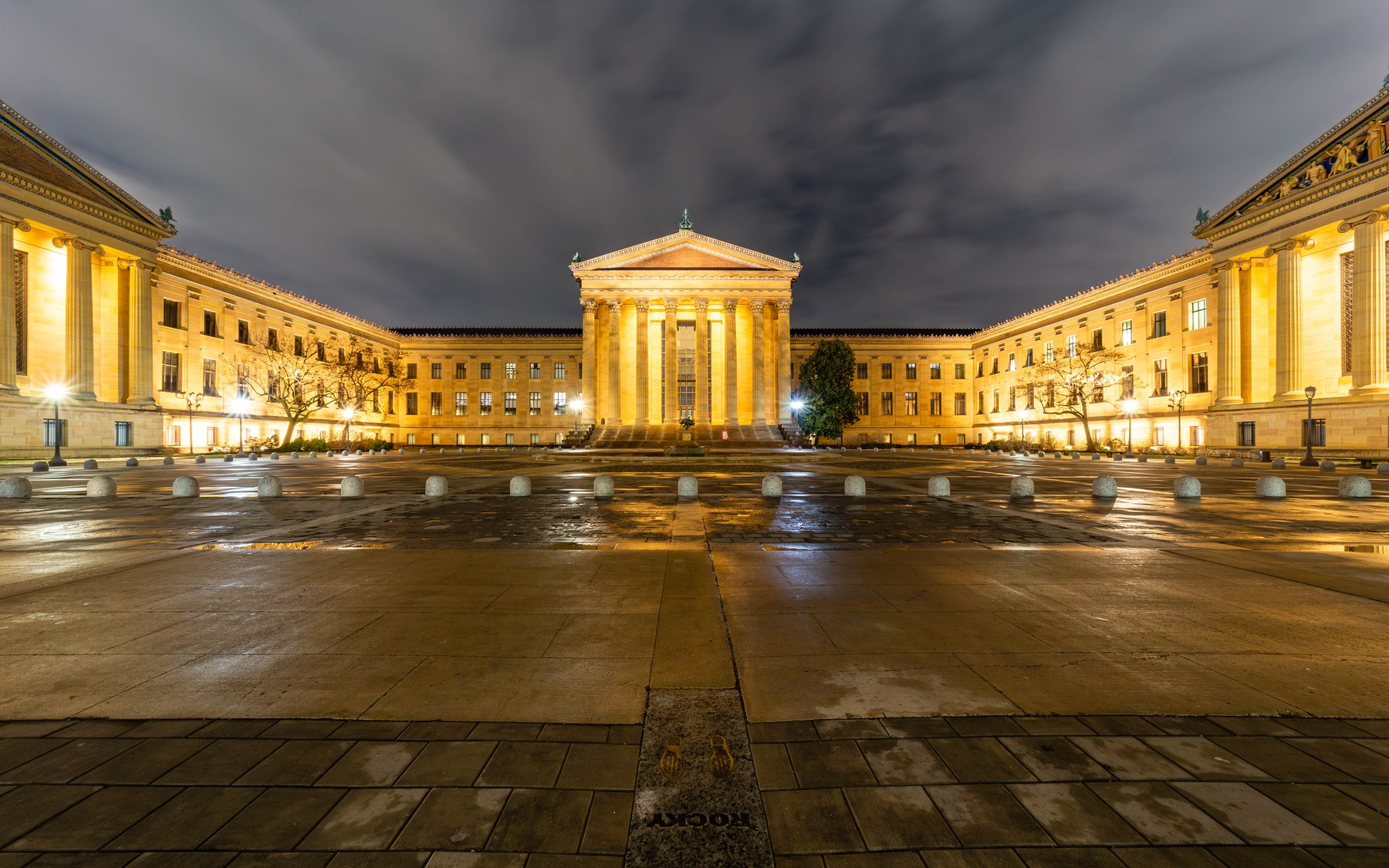
1 selected exhibition
2 selected exhibitions
6 selected exhibitions
3 selected exhibitions
5 selected exhibitions
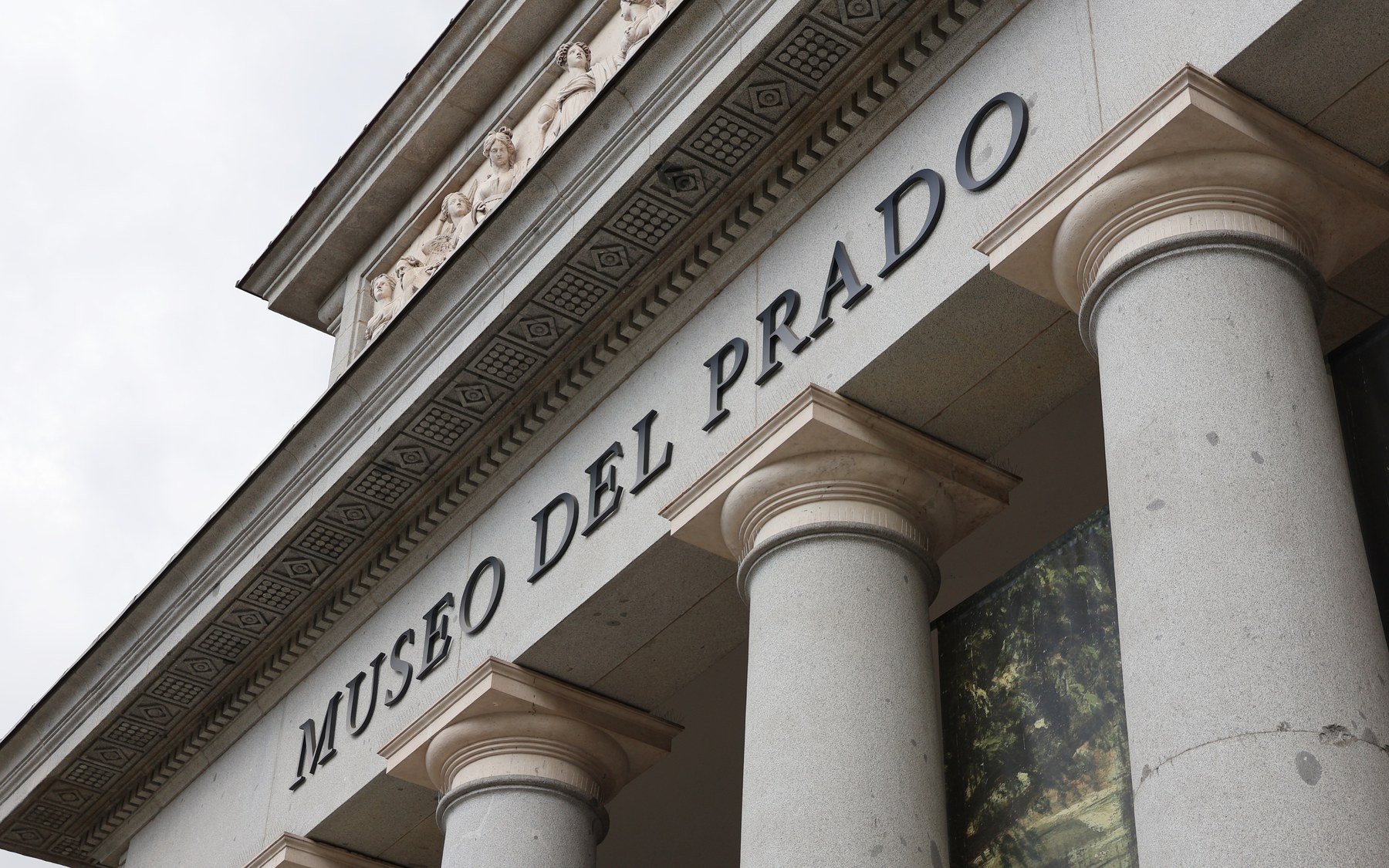
6 selected exhibitions
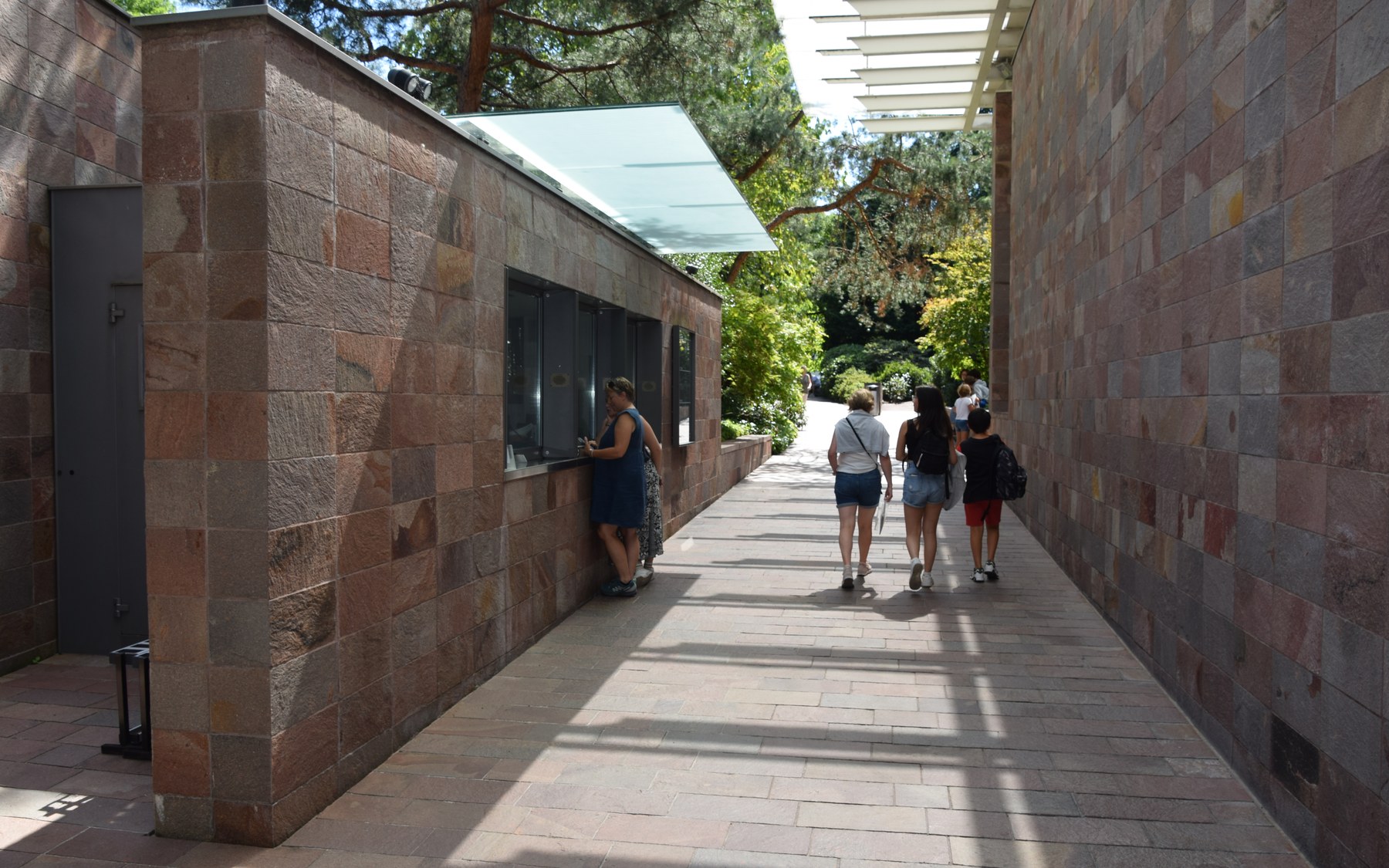
1 selected exhibition
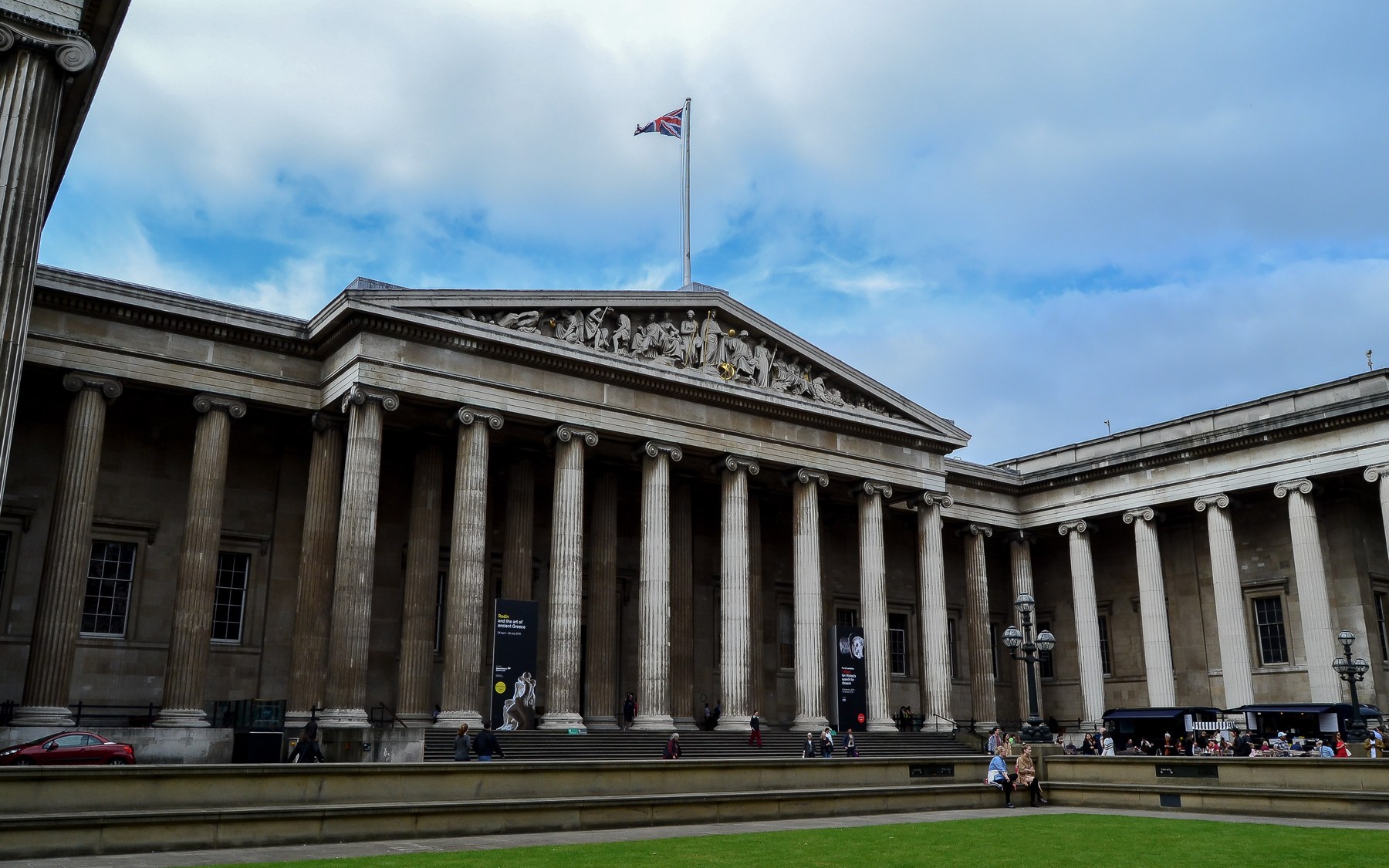
1 selected exhibition
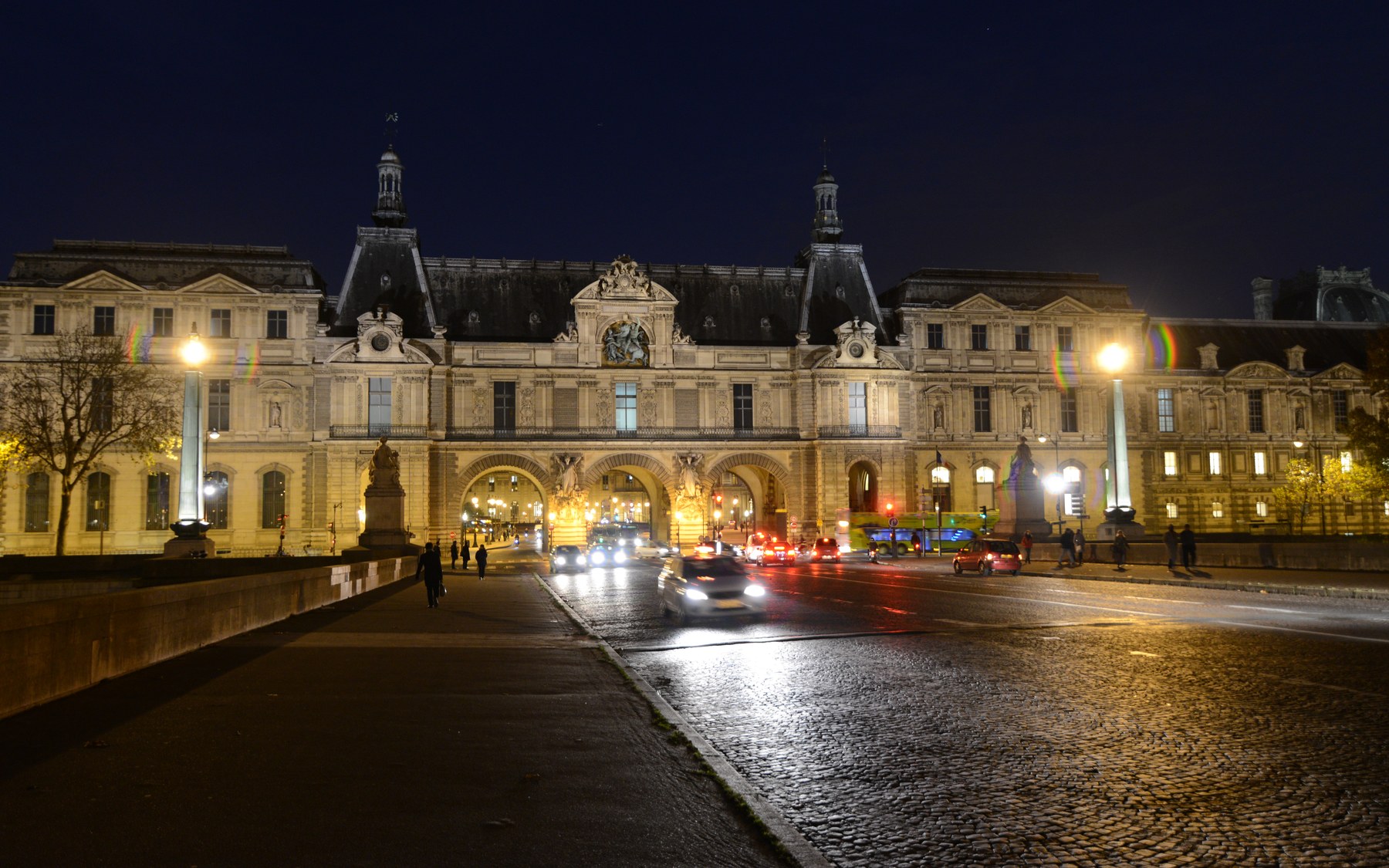
1 selected exhibition
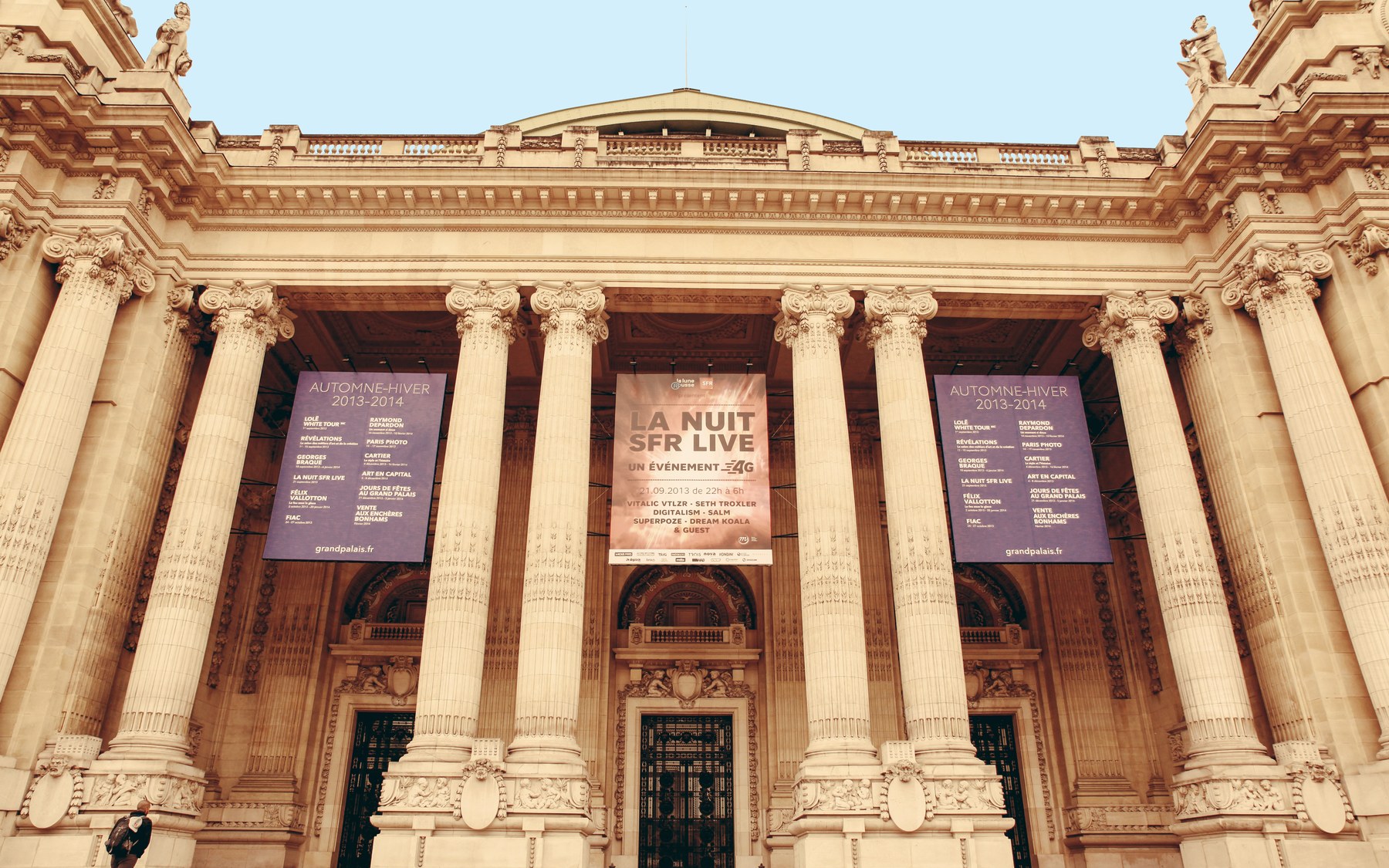
3 selected exhibitions
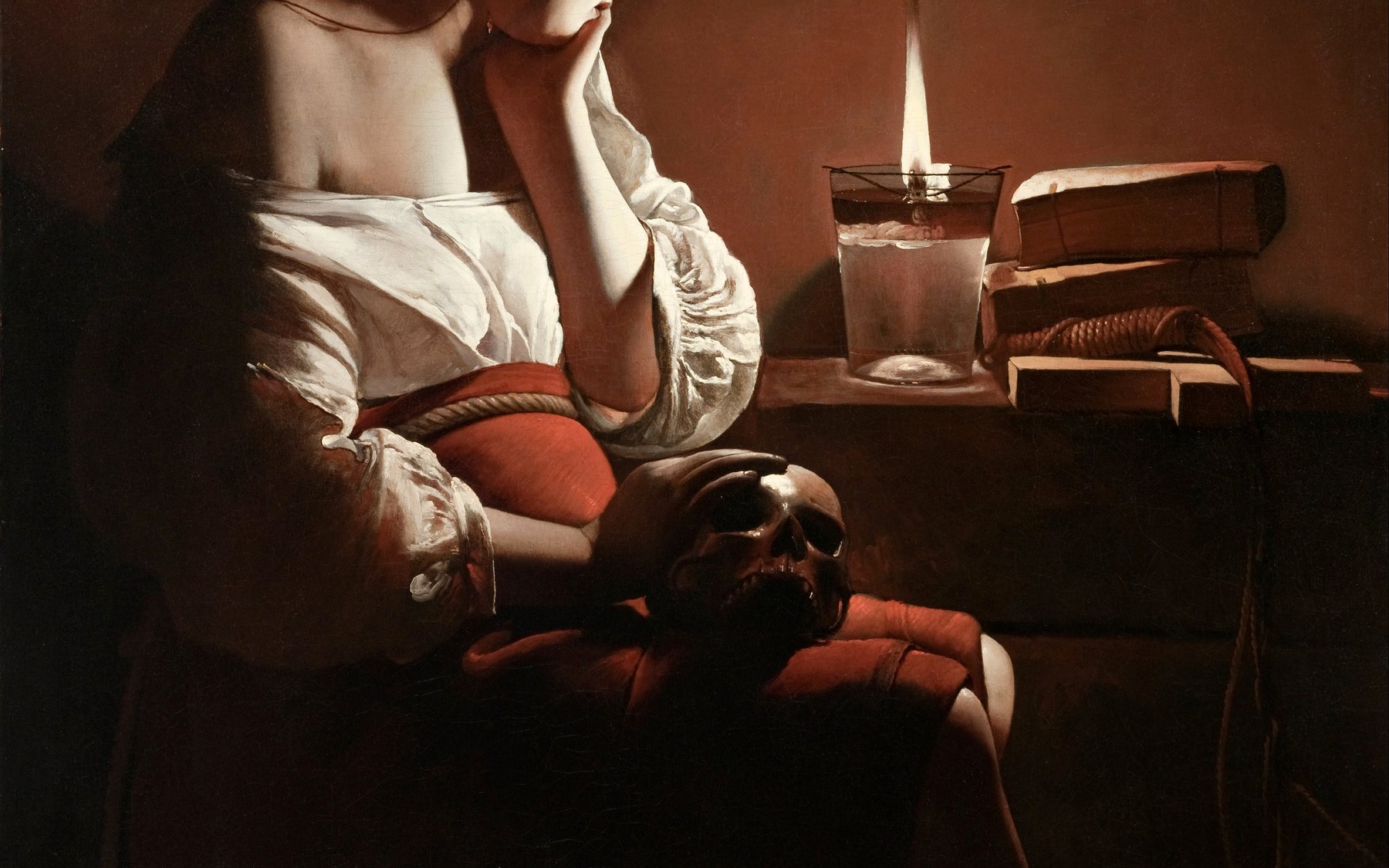
1 selected exhibition
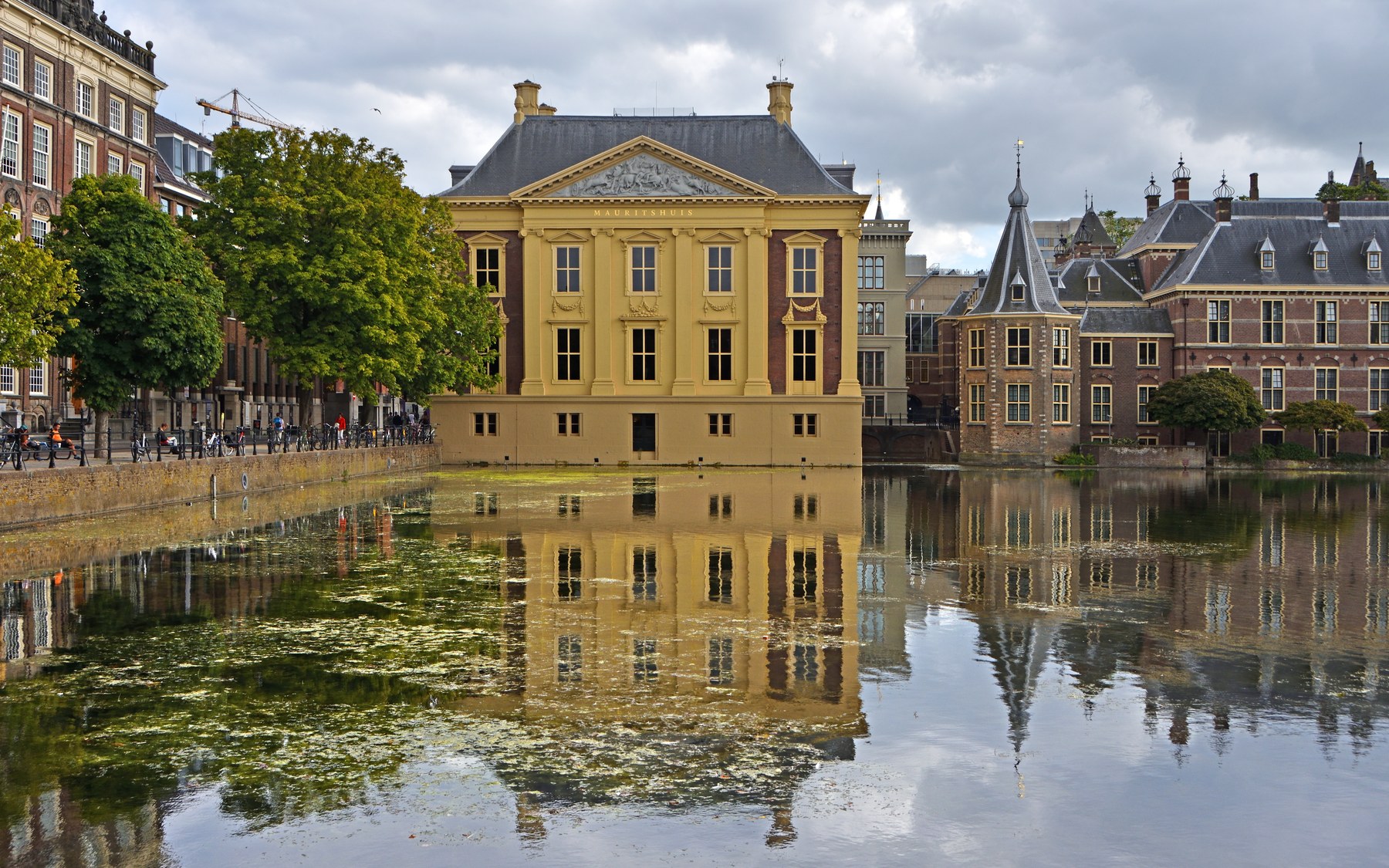
2 selected exhibitions
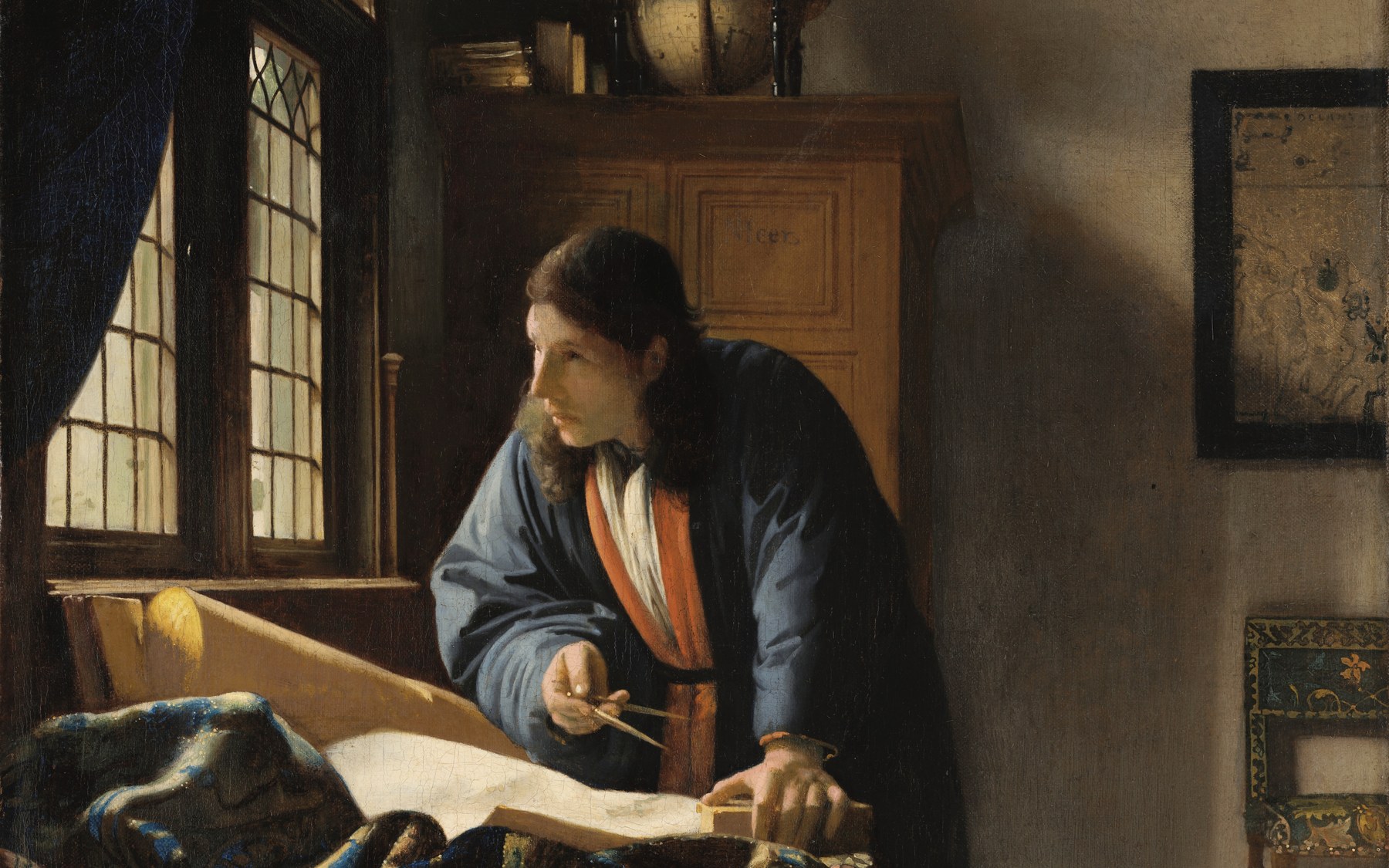
3 selected exhibitions
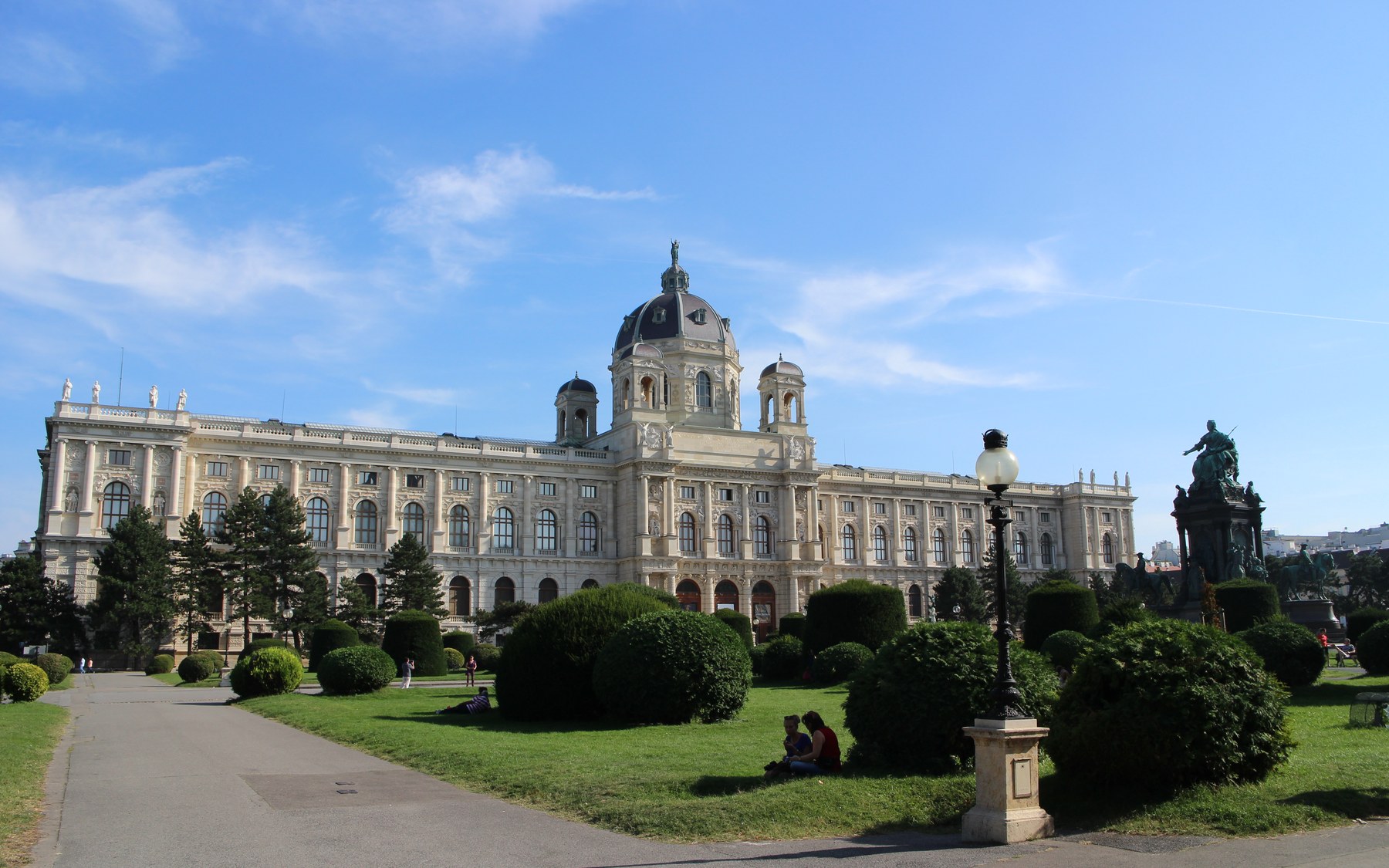
3 selected exhibitions
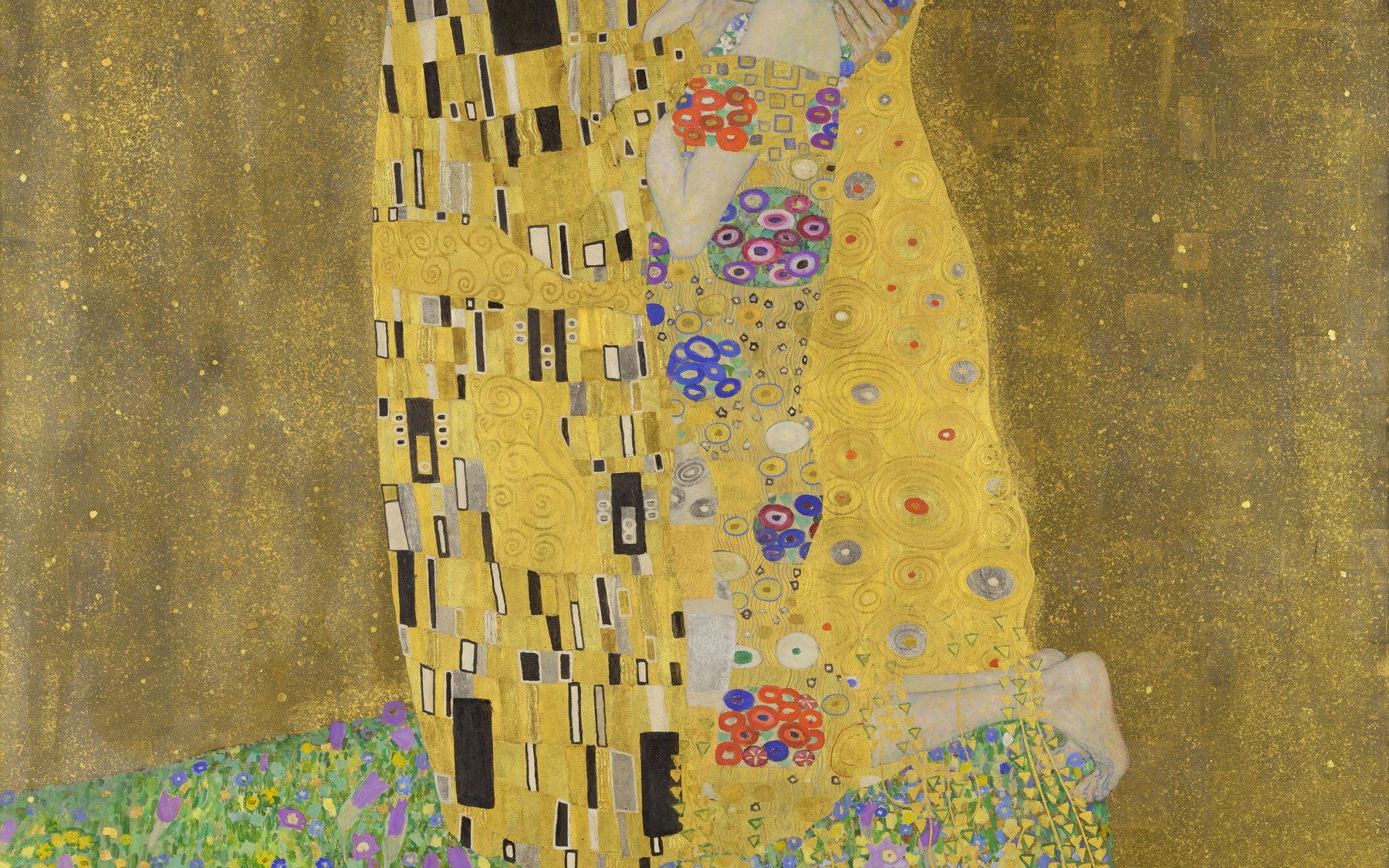
3 selected exhibitions
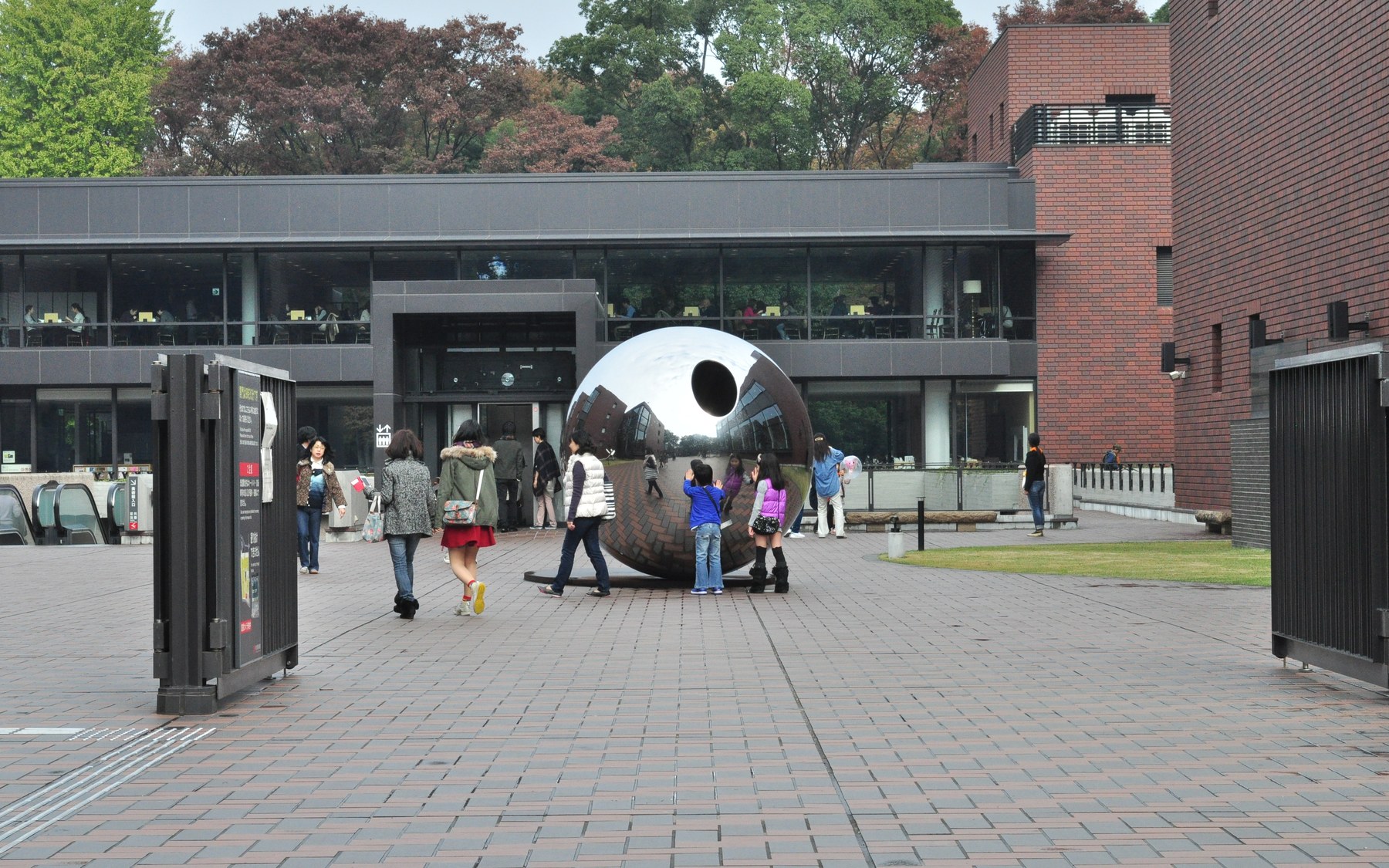
3 selected exhibitions
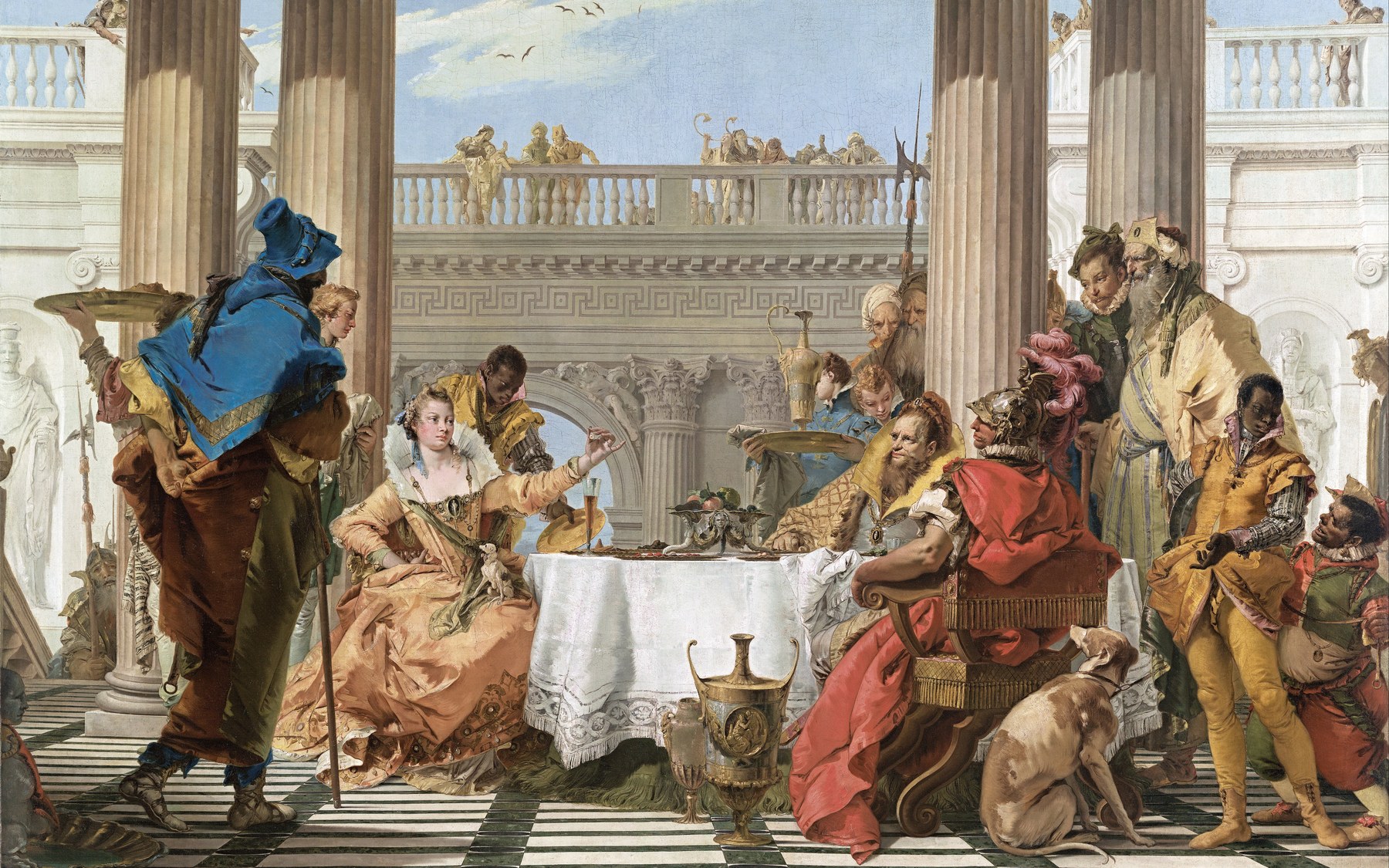
1 selected exhibition
3 selected exhibitions
6 selected exhibitions
0 selected exhibitions
0 selected exhibitions
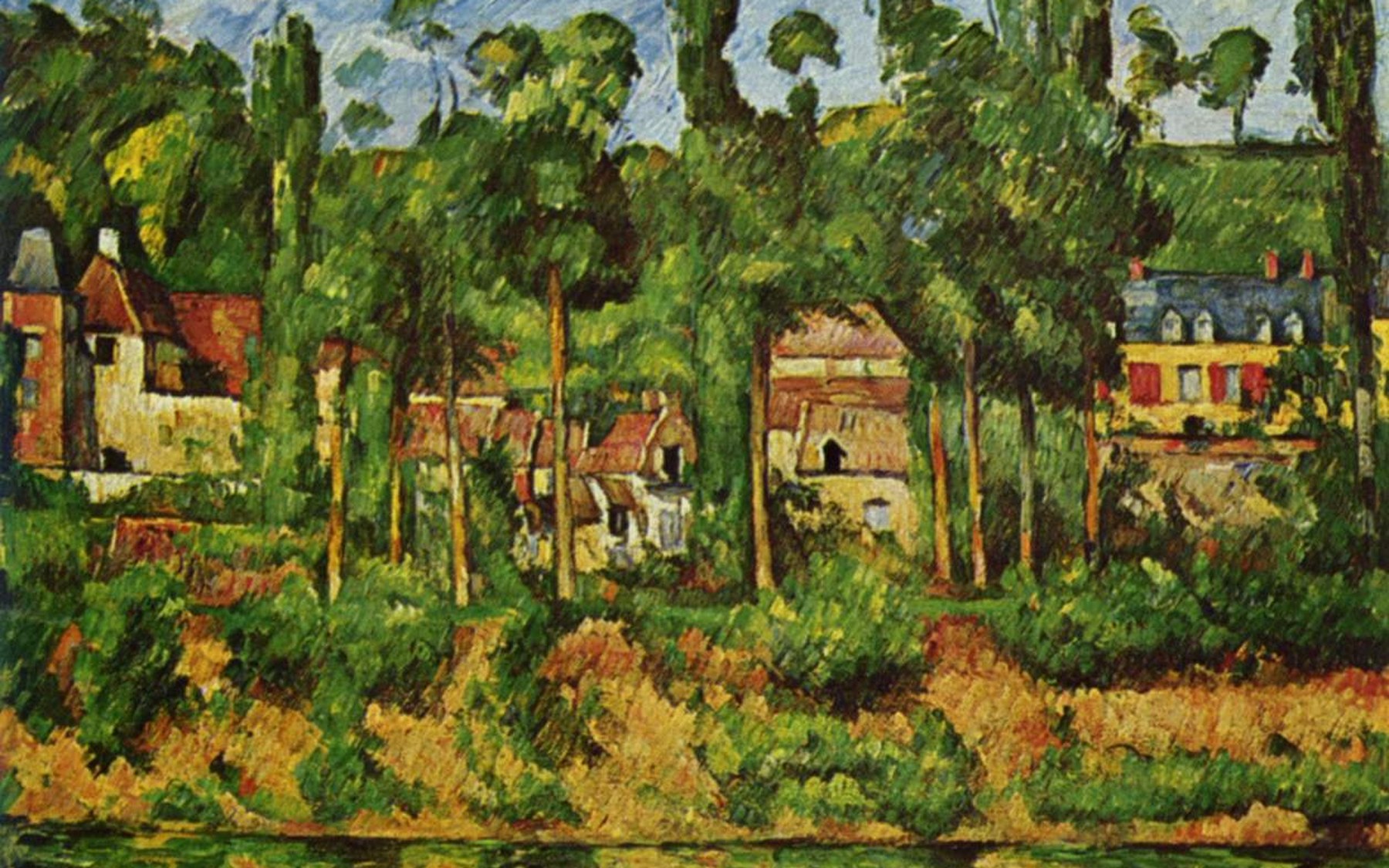
3 selected exhibitions
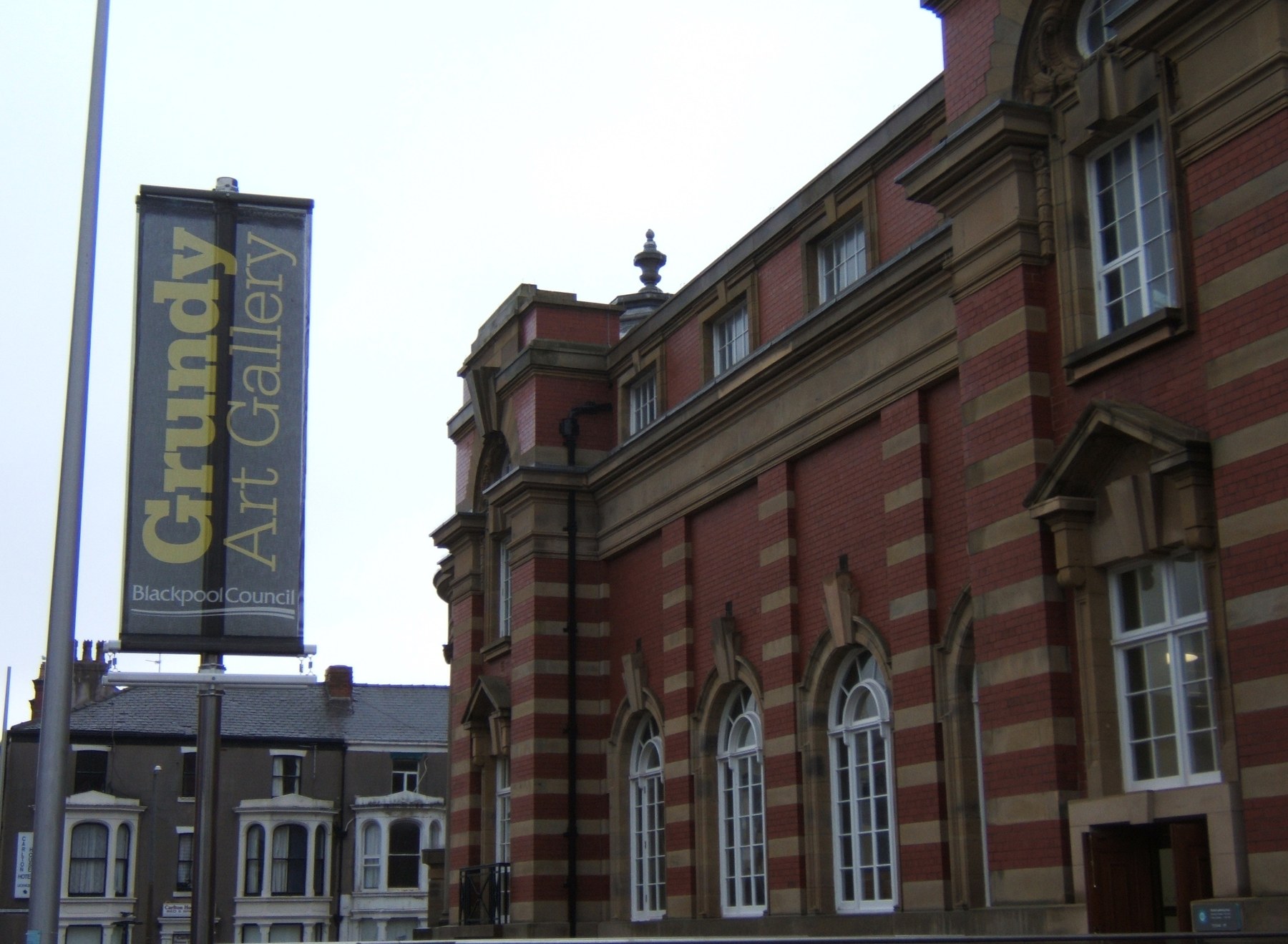
0 selected exhibitions
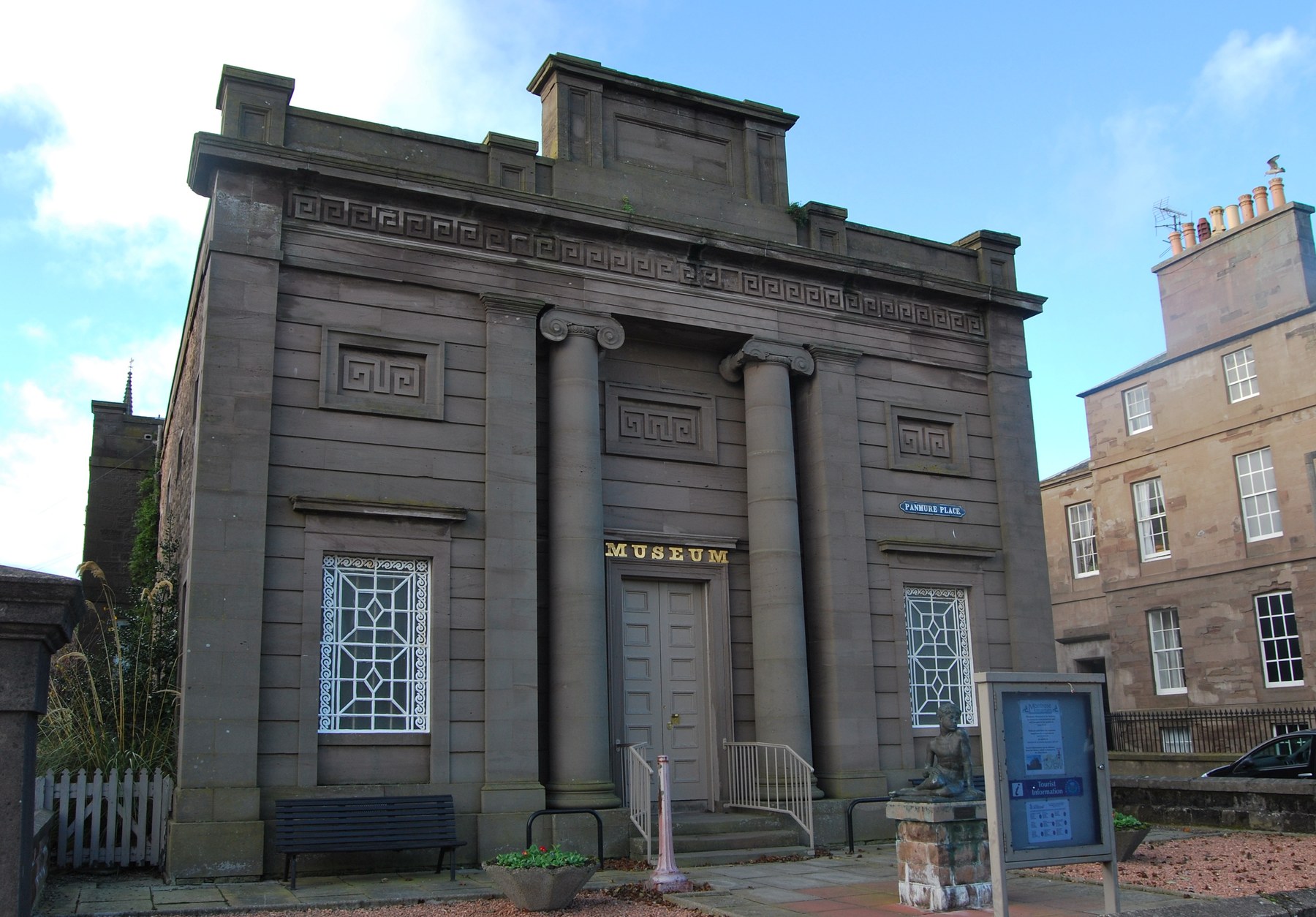
0 selected exhibitions
0 selected exhibitions
0 selected exhibitions
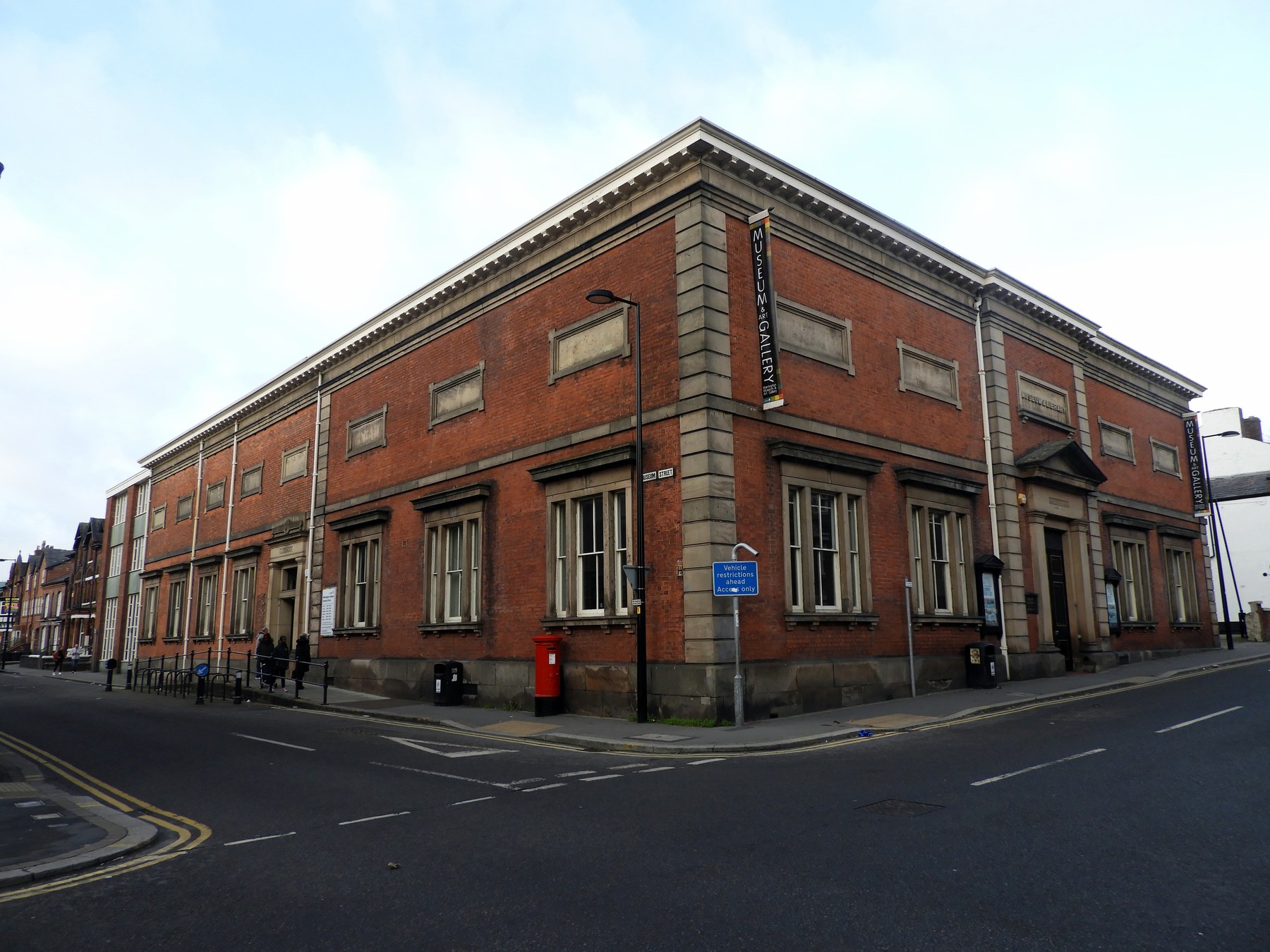
0 selected exhibitions
0 selected exhibitions
Historical photography gallery; Proud Camden closed in 2018
0 selected exhibitions