by Tom Gurney
Tom Gurney BSc (Hons) is an art history expert with over 20 years experience
Published on July 14, 2026 / Updated on July 16, 2026
Email: tomgurney1@gmail.com / Phone: +447429011000
Genius of drawing MET DP817802.jpg by Stefano della Bella; CC0 via Wikimedia Commons. Cropped for TheHistoryOfArt.org. · Image source
What to expect
The art of drawing is an upcoming Rijksmuseum exhibition, scheduled in Amsterdam from 12 February to 23 May 2027. The official 2026 programme describes it as a working title, so this page keeps that wording cautious while still treating the subject as strong enough for a full guide record. Rijksmuseum frames the exhibition around a revolution in drawing in the Northern Netherlands around 1600, when a group of artist friends including Hendrick Goltzius, Jacques de Gheyn II and Abraham Bloemaert pushed the medium into newly ambitious territory.
The scale is substantial. Rijksmuseum states that the show will bring together more than 100 highlights from European and American collections, before travelling to The Morgan Library & Museum in New York from 18 June to 26 September 2027. That gives the Amsterdam page an international exhibition route as well as a local collection route. It also gives the Rijksmuseum cluster a welcome pre-modern works-on-paper anchor, balancing the existing de Kooning modern drawing page and the archived Women of the Rijksmuseum programme.
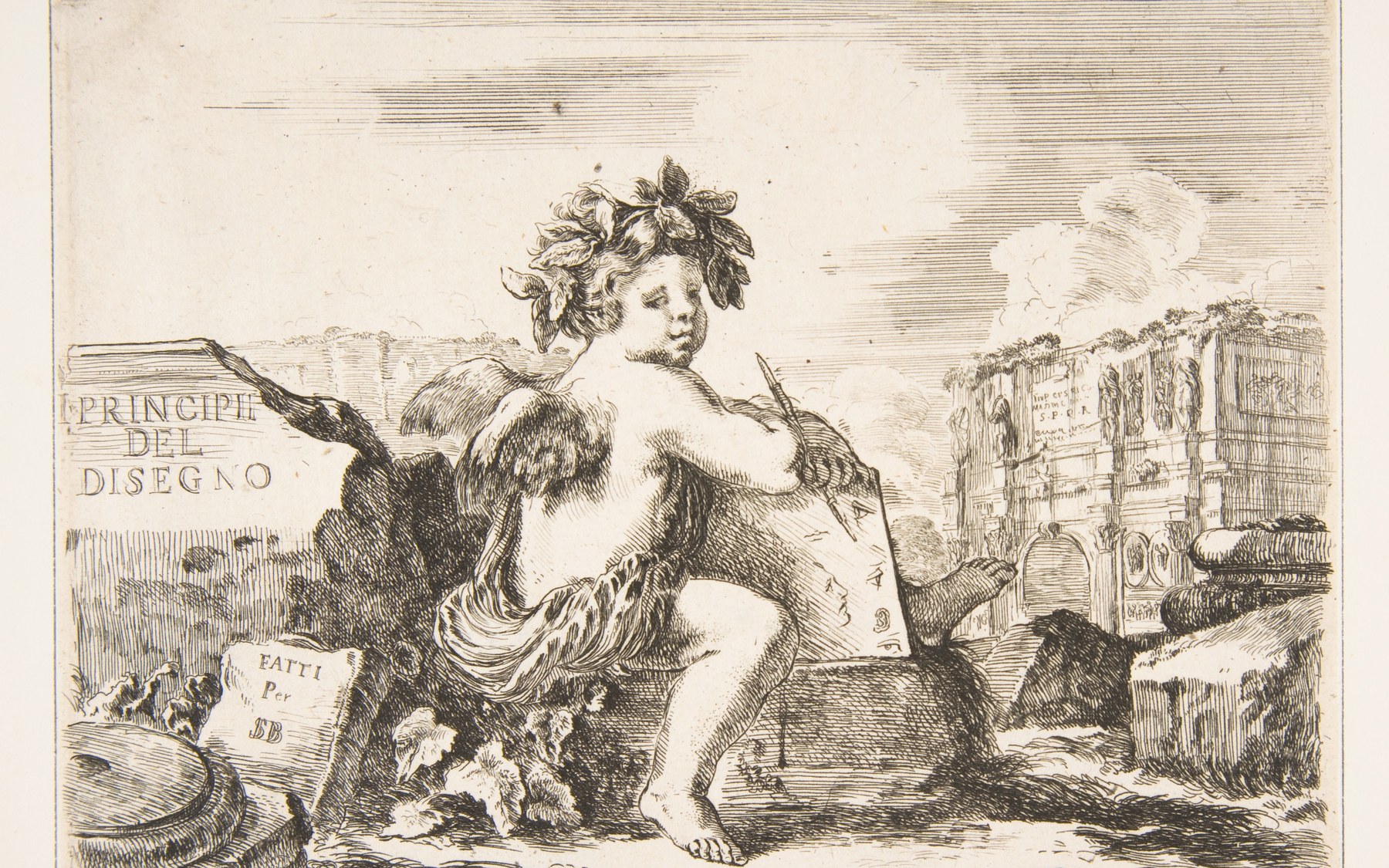
The subject is especially valuable because drawing is often treated as preparatory, private or secondary to painting. Around 1600, however, drawings could become dazzling performances of invention, virtuosity, discipline and competition. Goltzius, De Gheyn and Bloemaert worked in a culture where line, wash, chalk, pen, imitation, printmaking and teaching all interacted. The exhibition should help visitors see drawing not as a quiet support activity, but as a field in which artists tested the limits of skill.
Why go
The strongest reason to go is close looking. A large painting can announce itself across a gallery; a drawing usually asks the viewer to come nearer. That change in distance matters. In works on paper, a line can reveal speed, hesitation, correction, pressure, confidence or calculation. A wash can turn a few strokes into volume and light. A sheet may look informal at first, then reveal itself as a highly controlled display of knowledge.
Goltzius is a particularly strong anchor because he was both technically brilliant and historically central. His drawings and prints often explore the body as a problem of contour, anatomy, movement and bravura handling. De Gheyn brings another kind of range, moving across drawing, print, natural observation, military subjects and courtly culture. Bloemaert adds workshop, teaching and Utrecht's place in the wider circulation of style. Together, the names suggest that the exhibition will not be a single-artist show, but a networked history of how artists learned from, competed with and extended one another.
The Rijksmuseum's official wording about experimentation is important. It says the artists pushed boundaries through a wide range of materials, techniques and subjects. That means visitors should expect more than a neat stylistic survey. The exhibition can ask how medium shapes thought: how pen differs from chalk, how wash changes space, how a figure study differs from a finished presentation drawing, and how a drawing can move between workshop, collector, printmaker and patron.
What to look for
Begin with line. Early modern drawing rewards attention to the most basic mark-making decisions. Is the line nervous, sweeping, compressed, ornamental, anatomical, descriptive or theatrical? Does it define an edge, model a muscle, suggest light, or simply show the artist's control? The Northern Netherlandish drawing revolution was not just a change of subject. It was a change in what a drawn line could prove.
Then look at materials. Pen and ink can make a drawing feel incisive, architectural or calligraphic. Chalk can soften a form, build tone or make the body feel immediate. Wash can create atmosphere and pictorial space. A sheet may combine techniques, turning drawing into a layered performance rather than a single method. If the display includes sheets from different collections, comparing materials will be one of the best ways to understand why more than 100 works are needed.
Subject matter is another route. Around 1600, artists drew bodies, landscapes, mythological scenes, designs, studies, animals, ornaments and inventions for prints. A visitor should ask what each sheet was for. Was it a study, a finished work, a teaching tool, a model for engraving, an album object, a gift or a demonstration of virtuosity? The same sheet can sit between several of those categories.
Also watch for the social life of drawing. Rijksmuseum names artist friends rather than isolated geniuses. That wording suggests exchange: artists seeing one another's sheets, borrowing poses, competing in difficulty, adapting Italian models, responding to collectors and transmitting workshop knowledge. A drawing can look intimate, but it can also belong to a public culture of reputation.
How it fits the Rijksmuseum and Amsterdam
This page strengthens the Rijksmuseum record because it adds a deep works-on-paper route to a museum often introduced through paintings, decorative arts and national history. The museum already has strong public anchors in Rembrandt and Vermeer, plus the upcoming de Kooning exhibition as a modern drawing and painting route. The art of drawing reaches back to the early modern Netherlands and shows how skill, experiment and collection culture shaped art before the canonical paintings are even considered.
For Amsterdam planning, the exhibition is a major future draw rather than an immediate visit. Readers should check the Rijksmuseum source before travelling for ticketing, gallery location, opening hours and any title changes, especially because the official programme still describes the title as a working one. The later Morgan Library presentation may also make the page useful for readers comparing Amsterdam and New York versions of the same show.
The exhibition has strong reader interest. It can later connect to Hendrick Goltzius, Abraham Bloemaert, Dutch drawing, printmaking, artist training, drawing materials, apprenticeships, the relation between drawing and engraving, and the movement of artistic ideas between the Netherlands, Italy and wider Europe. It is exactly the sort of page that can support future glossary and materials features without drifting away from a concrete museum visit.
Image and rights note
The image prospects are promising because the artists and works are historic, and many early modern drawings have low underlying copyright risk. The practical caution is still source-based: Rijksmuseum, Morgan Library and lender photographs may carry specific credit or reuse terms. This page remains image-free until a source and credit route is approved. A future image review should prefer a clearly licensed public-domain Goltzius, De Gheyn or Bloemaert drawing, and should avoid claiming that a representative sheet appears in the exhibition unless the official checklist confirms it.
How to use this page
Because The art of drawing is upcoming, the page should help a reader decide whether to plan a future trip or watch for reviews and final venue details. The most reliable fixed details are the venue, dates, broad subject, media and official source link. The interpretive notes help place the exhibition in art-historical context: what kind of show it is, why it may matter, and which artists or topics are worth exploring next.
It is marked as a major exhibition in this guide, so it should be useful for readers choosing between several possible museum visits.
Looking notes
For a visitor, the most useful approach is to look for patterns rather than isolated highlights. With Hendrick Goltzius, Jacques de Gheyn II, Abraham Bloemaert, Northern Netherlands, Dutch drawing, Morgan Library & Museum, early modern artists' networks, ask how the exhibition frames the subject: as biography, period survey, focused theme, collection display or reassessment. With media such as drawing, works on paper, chalk, pen and ink, wash, print-room display, european and american loans, pay attention to changes of scale, surface, lighting, material and display sequence, because those details are often lost in online listings.
The guide avoids over-specific claims where the public source does not yet support them. If a museum has not published a full object list, it is better to stay clear about what is confirmed than to imply certainty.
Who it is best for
The art of drawing is most likely to help readers who are already interested in Hendrick Goltzius, Jacques de Gheyn II, Abraham Bloemaert, Northern Netherlands, Dutch drawing, Morgan Library & Museum, and early modern artists' networks, but it may also be useful for visitors building a wider route around Rijksmuseum in Amsterdam. If time is limited, use this page to decide whether the subject fills a gap in your knowledge, whether it connects to artists you already follow, and whether the official venue information makes the visit practical.