 by Tom Gurney
Tom Gurney BSc (Hons) is an art history expert with over 20 years experience
Published on October 6, 2016 / Updated on May 19, 2026
Email: tomgurney1@gmail.com / Phone: +44 7429 011000
Claude Monet (1840-1926) was a French painter and the founder of Impressionism.
This innovative artist was most famous for his lifelong exploration of light, colour, and atmosphere through landscape painting, though Monet also impressed in other genres, such as portraiture.
Monet's paintings marked a decisive break from academic tradition in a conscious move by himself and a number of other like-minded artists. French art had been dominated by the academic path, focusing on historical or mythological subjects, and in a particular artistic style.
Monet instead devoted himself to the modern world — rivers, gardens, railway stations and city streets — painted directly from nature. He also worked in various locations across France, as well as a short period in London, UK too. His point of difference was to study elements repeatedly, taking in subtle variations of time, weather and season.
From the early seascape Impression, Sunrise, which gave Impressionism its name, to the vast Water Lilies panels painted at Giverny in his final years, Monet's career charts the development of one of the most influential artistic visions in Western art.
- Name Oscar-Claude Monet
- Born 14 November 1840, Paris
- Died 5 December 1926, Giverny
- Nationality French
- Movement Impressionism
- Known for Landscape painting, series paintings
Claude Monet's Most Famous Paintings
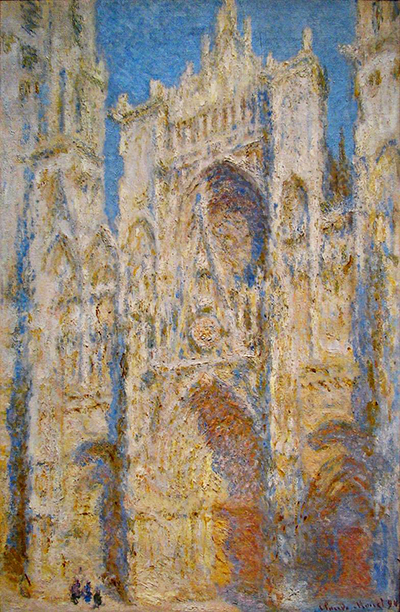
Monet produced hundreds of paintings over a career spanning more than sixty years. Some works, however, stand out for their historical importance and lasting influence. Many also fall into specific series of works, in which he studied different elements many times over: His Rouen series can also be set beside the guide to cathedral architecture, separating the building’s form from Monet’s changing light.
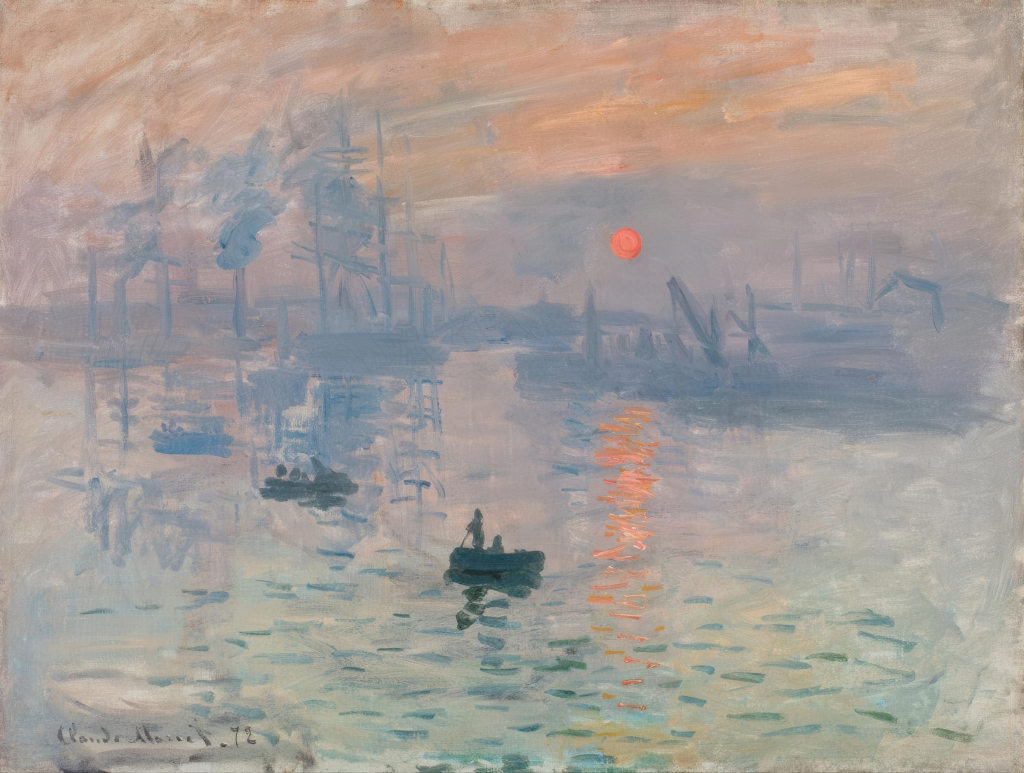
- Impression, Sunrise (1872)
- Water Lilies (1890s-1920s)
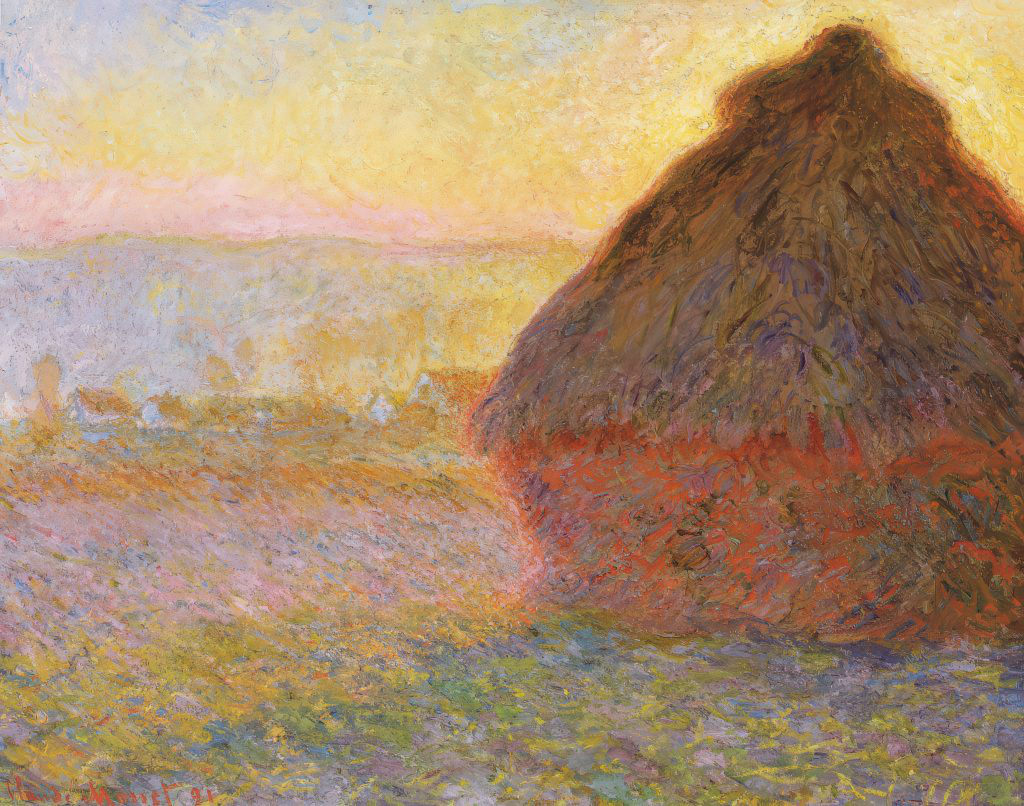
- Haystacks (1890-1891)
- Rouen Cathedral (1892-1894)
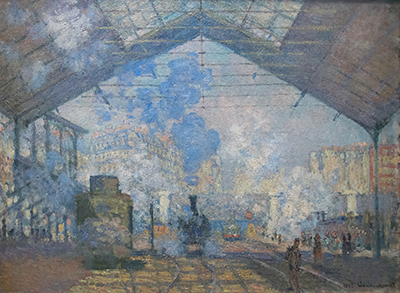
- Gare Saint-Lazare (1877)
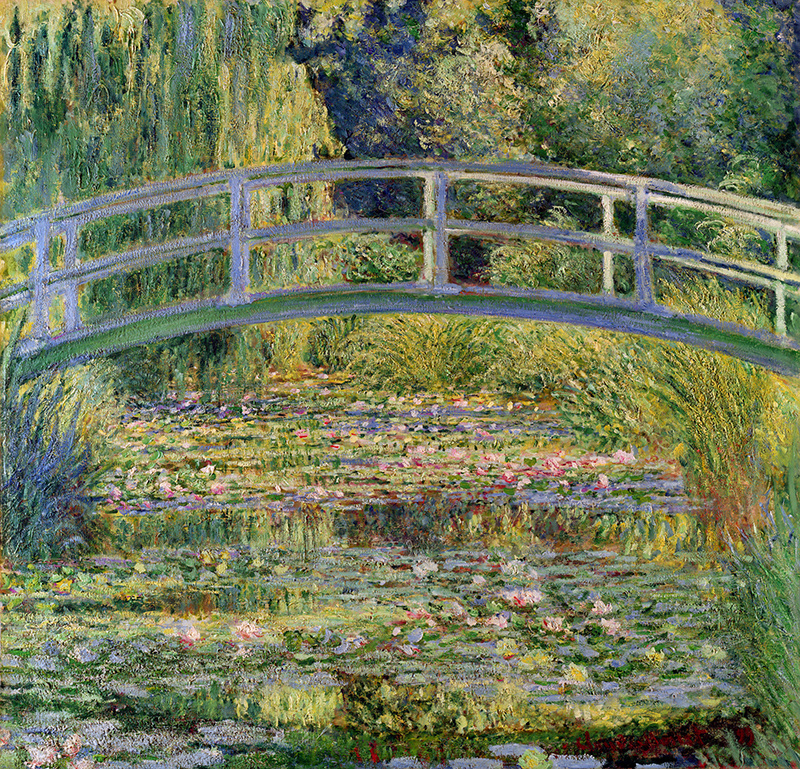
- The Japanese Bridge (1899-1924)
These paintings demonstrate Monet's distinctive approach: working in series, returning to the same subject under different conditions, and allowing perception itself to become the true subject of the work. Monet also made use of different mediums, though oils were his most significant tool.
Claude Monet and Impressionism
Monet was a major force within Impressionism, helping to lay its foundation and shape its identity. The term Impressionism was originally coined by a critic in response to his painting, Impression, Sunrise, exhibited in 1874 at the first independent exhibition of the group.
He worked closely alongside the likes of Renoir, Pissarro and Degas, as they sought to forge a new path which avoided the official Salon. Monet himself liked to work quickly, with loose brushwork and a strong consideration of color. This was critical as he studied changing light conditions over time, visually documenting both rural and urban scenes in France.
Over time, Monet's commitment to painting light itself pushed Impressionism toward increasingly radical visual experiments. You can explore this context further in our overview of Monet and Impressionism.
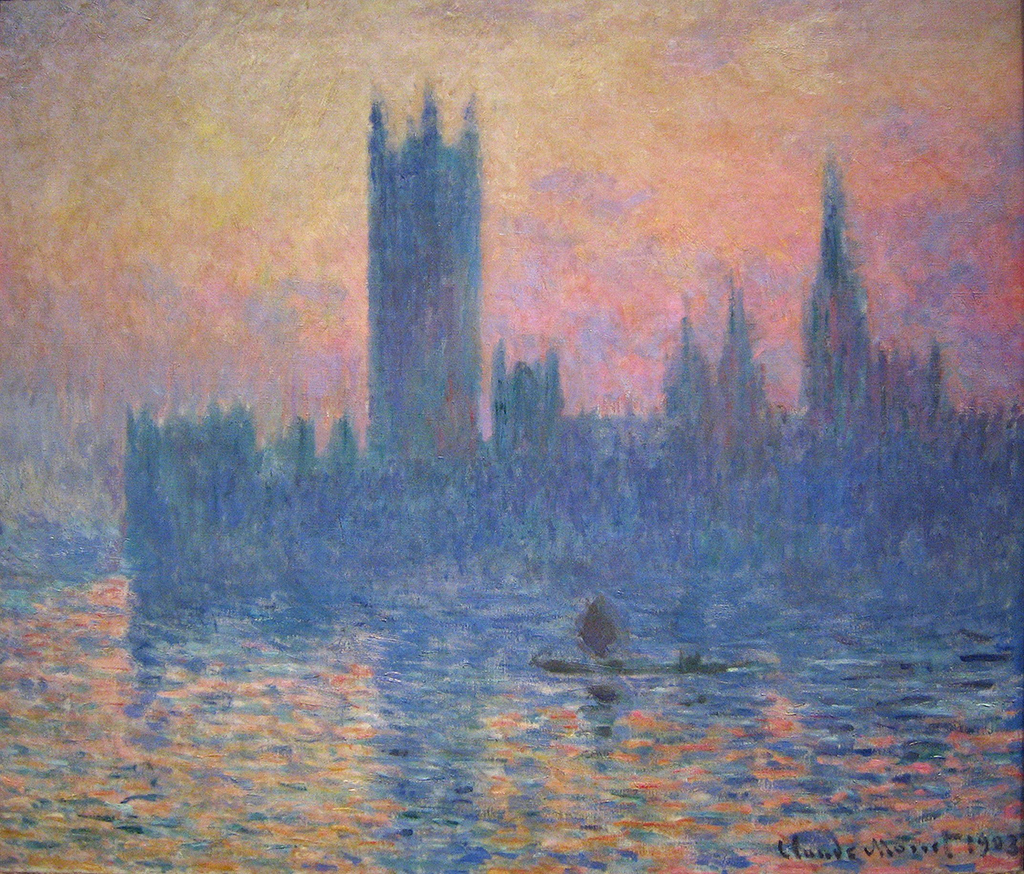
I've stood along the Thames where Monet painted some of his most atmospheric works. Explore my full analysis of Claude Monet in London, including the exact viewpoints, series, and working methods behind these remarkable paintings.
Giverny and the Water Garden
In 1883 Monet settled in the rural village of Giverny. He went on to create an extraordinary flower garden with Japanese-inspired elements such as a water lily pond and wooden bridge. This was not merely to enjoy his future decades, but rather to form an ideal location from which to work and study.
This environment became the primary subject of Monet's late work. The water garden allowed him to dissolve traditional compositional structures, replacing horizon lines and spatial depth with reflections, colour and rhythm.