by Tom Gurney
Tom Gurney BSc (Hons) is an art history expert with over 20 years experience
Published on March 2, 2026 / Updated on March 2, 2026
Email: tomgurney1@gmail.com / Phone: +44 7429 011000
- Artist: Claude Monet
- Category: Portraits & Figurative Art
- Period: Primarily 1860s-1870s
- Key Models: Camille Monet, Jean Monet
- Notable Works: Woman in the Green Dress, Women in the Garden, Madame Monet in a Japanese Kimono
- Art Movement: Impressionism
- Significance: Reimagined portraiture through light, atmosphere, and modern life
 Claude Monet.jpg)
Extensive List of Claude Monet Portraits and Figurative Paintings in Chronological Order
| Title | Year | Model / Subject | Current Location |
|---|---|---|---|
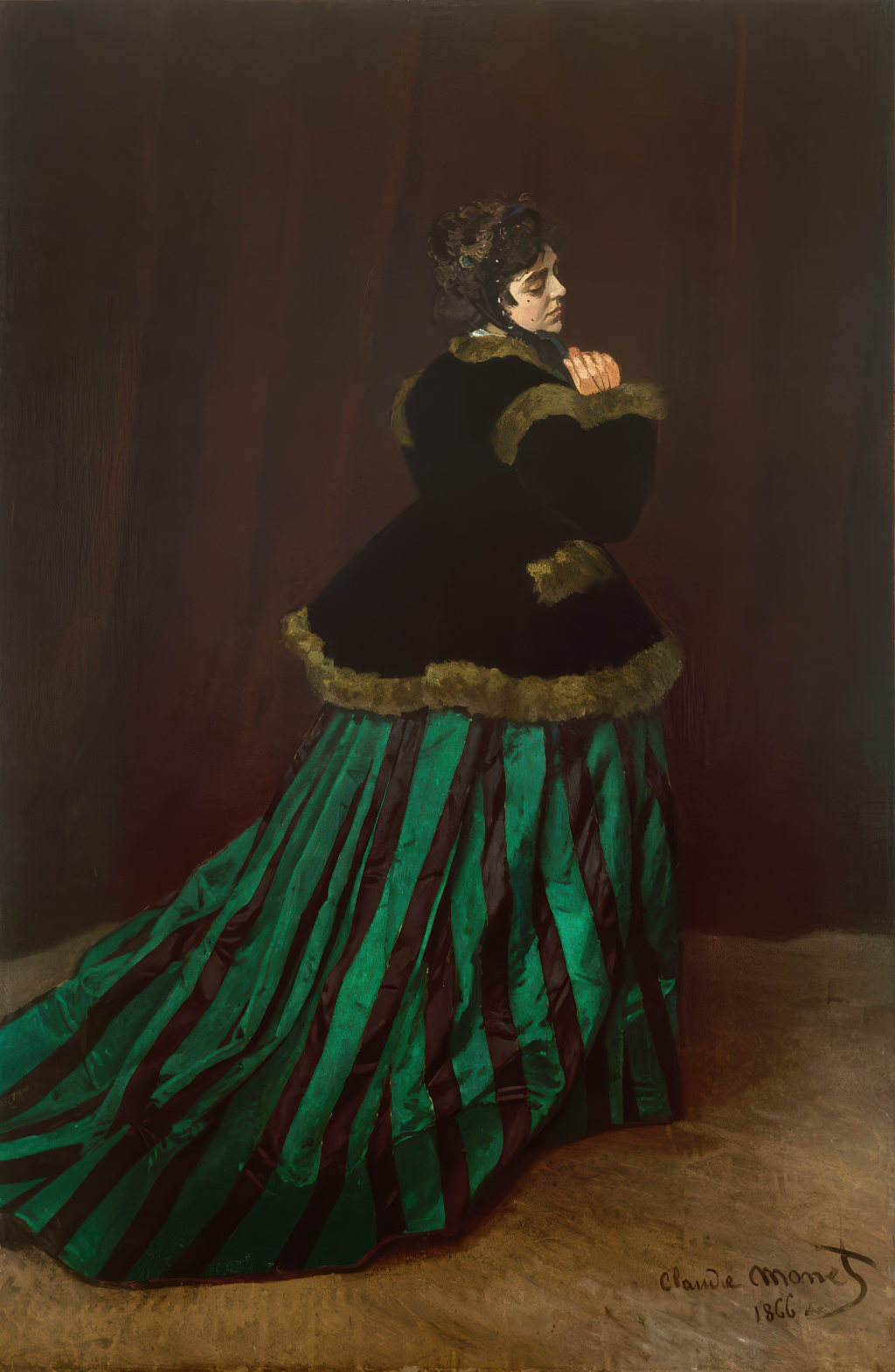
| Woman in a Green Dress | 1866 | Camille Doncieux | Private Collection / Various @ exhibitions |
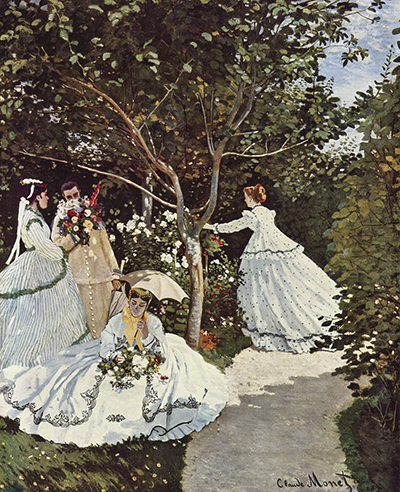
| Women in the Garden | 1866–1867 | Group of Women | Chicago Art Institute |
| The Lieutenancy at Honfleur | 1864 | Architecture with Figures | Private Collection |
| Boats at Honfleur | 1866 | Harbour Scene with Figures | Private Collection |
| The Mouth of the Seine at Honfleur | 1865 | River Scene with Figures | Norton Simon Museum |
| Honfleur Harbour | 1866 | Harbour with Figures | National Gallery of Art, Washington D.C. |
| The Beach at Honfleur | 1864 | Coastal Figures | Art Institute of Chicago |
| Fishing Boats at Honfleur | 1864–1866 | Harbour Activity | Musée d'Orsay |
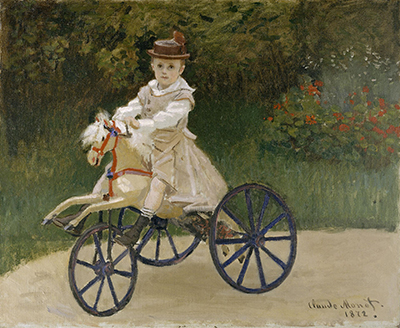
| Jean Monet on His Hobby Horse | 1872 | Jean Monet | Private / Various collections |
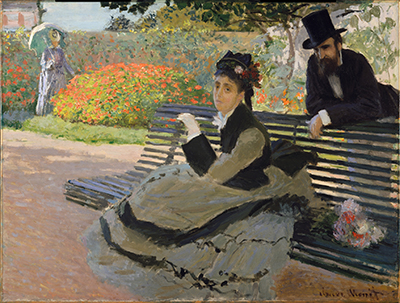
| Camille Monet on a Garden Bench | 1873 | Camille Monet | Private / Museum rotates |
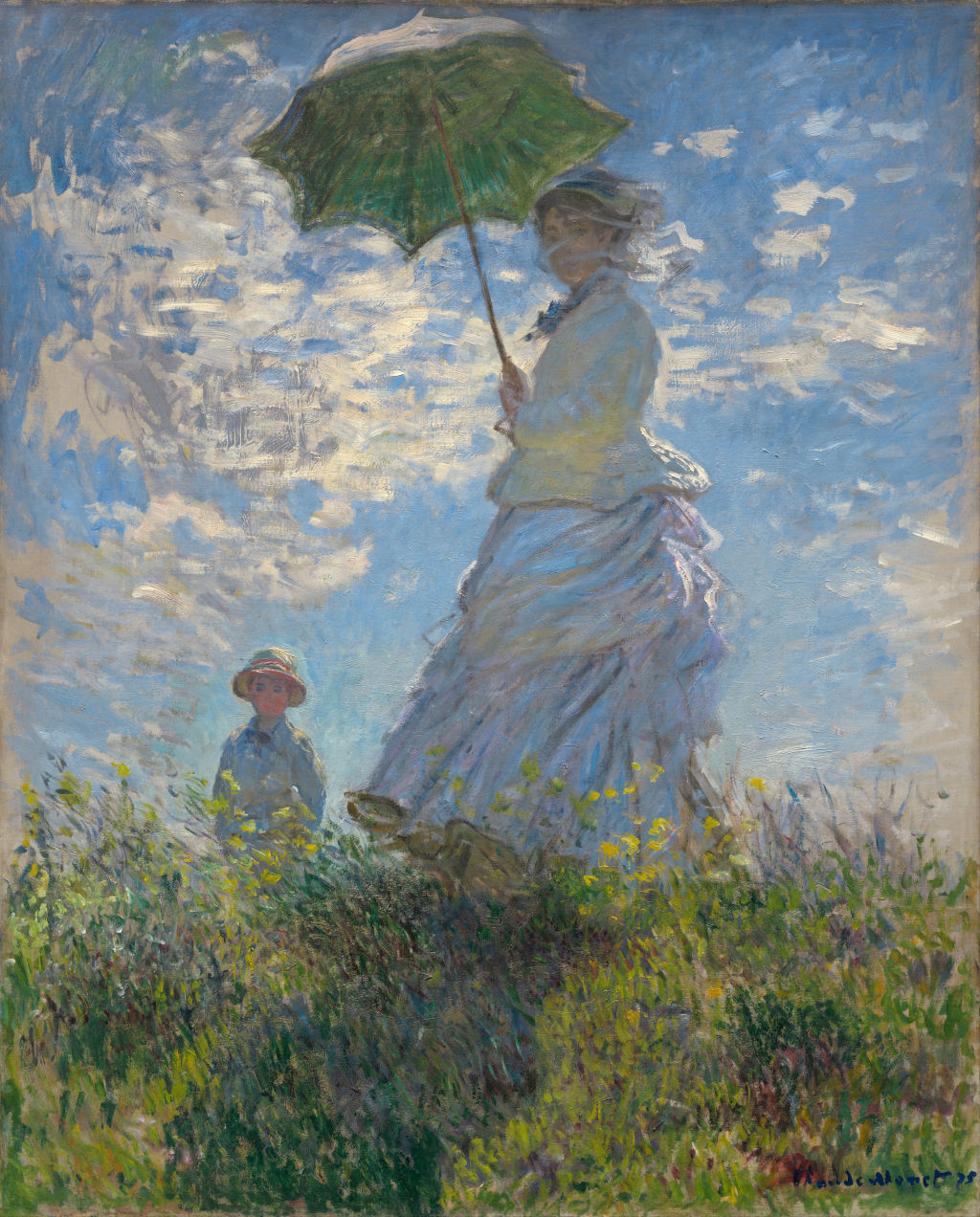
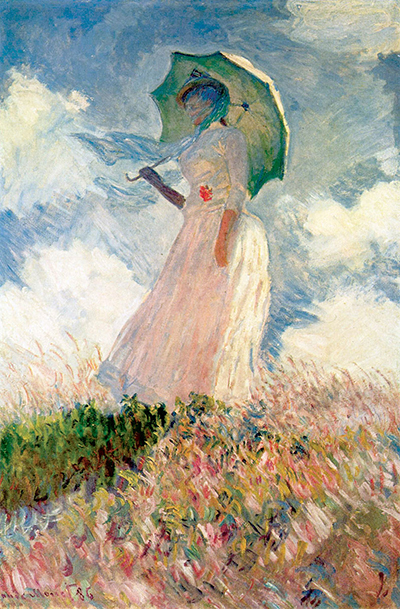
| Woman with a Parasol | 1875 | Camille Monet | National Gallery of Art, Washington D.C. |
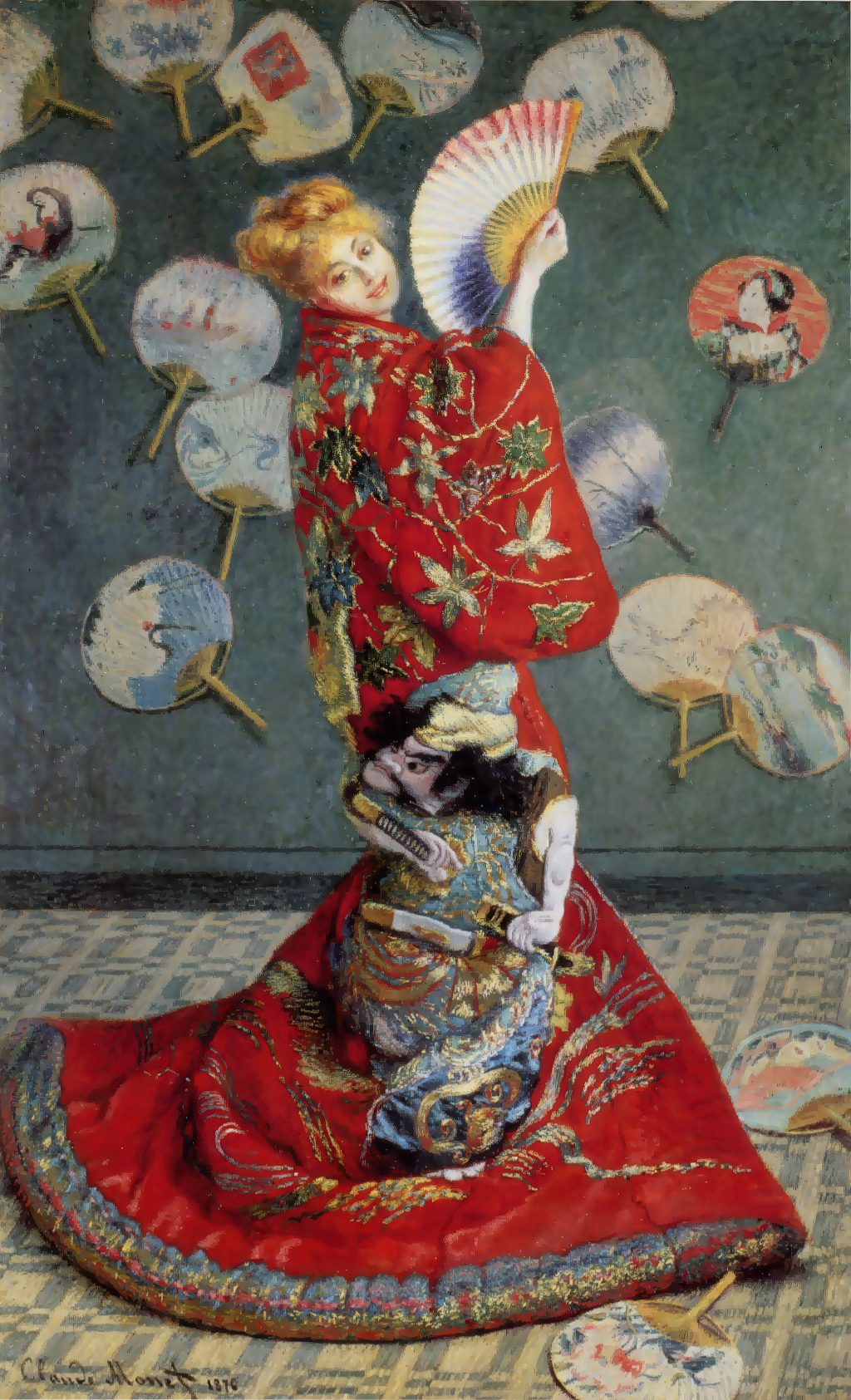
| Madame Monet in a Japanese Kimono | 1876 | Camille Monet | Private Collection |
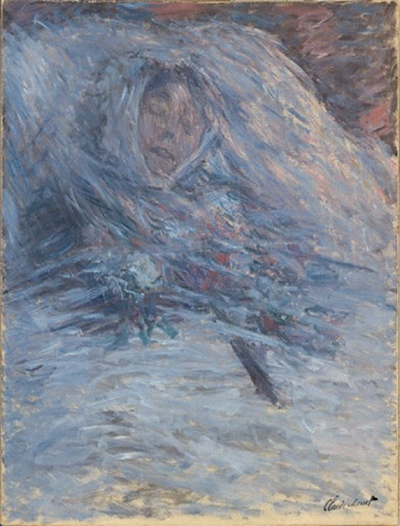
| Camille Monet on Her Deathbed | 1879 | Camille Monet | Private Collection |
| La Femme à l’Ombrelle (Woman with Umbrella) | 1875 | Contemporary Woman | Art Institute of Chicago |
| Mother and Children (Femme à la robe bleue) | 1874 | Woman & Children | Private Collection |
| Lady with a Parasol | 1876 | Female Figure | Private Collection |
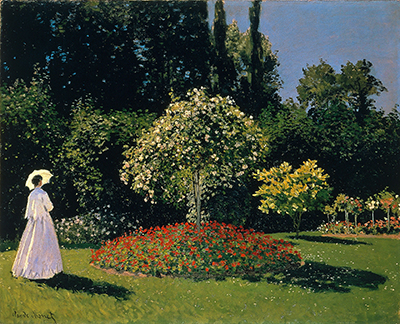
| Woman in the Garden | 1867 | Figure in Garden | Musée d’Orsay |
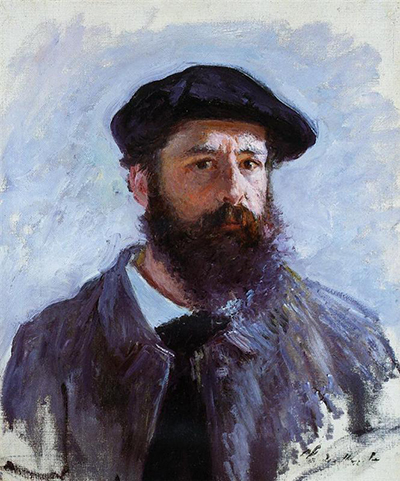
| Self Portrait with a Beret | 1886 | Claude Monet | Private / Museum rotates |
| Camille in the Garden at Argenteuil | 1873 | Camille Monet | Private / Various |
| Portrait of Madame Monet | 1876 | Camille Monet | Private Collection |
| Young Woman Reading (Jeune Femme Lisant) | 1875 | Female Portrait | Private Collection |
| Portrait of a Woman in White | 1875 | Female Sitter | Private Collection |
| Lady in Black | 1876 | Female Figure | Private Collection |
| Family in the Garden | 1873 | Group Portrait | Private / Museum rotates |
| Masked Ball (Fête Masquée) | 1877 | Figurative Scene | Private Collection |
| Figures on the Bank (Figures by Water) | 1876 | Figures in Landscape | Private Collection |
| Portrait of a Man (Monsieur X) | 1877 | Male Portrait | Private Collection |
| Woman in a White Dress (Portrait) | 1878 | Female Sitter | Private Collection |
| Camille on the Beach at Trouville | 1870 | Camille Monet | Private Collection |
| Girl with Fishing Nets | 1879 | Female Figure | Private / Various |
| Portrait of Jeanne | 1880 | Female Portrait | Private Collection |
| Portrait of a Lady | 1882 | Female Portrait | Private Collection |
| Ladies at the Garden Party | 1884 | Group Portrait | Private Collection |
| Woman with Fan | 1885 | Female Figure | Private Collection |
| Family Portrait (Mrs & Children) | 1886 | Family Group | Private Collection |
| Portrait of the Artist’s Wife | 1887 | Camille Monet | Private / Museum rotates |
| Seated Woman at Sunset | 1889 | Female Figure | Private Collection |
| Young Girl at the Window | 1891 | Female Figure | Private / Various |
| Woman with Red Parasol | 1893 | Female Figure | Private Collection |
| Portrait of a Lady in Winter | 1895 | Female Portrait | Private Collection |
| Figurative Balcony Scene | 1897 | Figures in Urban Setting | Private Collection |
| Family Gathering at Giverny | 1900 | Group Figurative | Private Collection |
| Woman Reading by the Window | 1901 | Female Figure | Private Collection |
| Portrait of Monsieur Monet | 1903 | Male Portrait | Private / Museum rotates |
| Portrait of Madame X | 1904 | Female Portrait | Private Collection |
| Portrait in Garden at Giverny | 1905 | Figure in Garden | Private Collection |
| Seated Lady in Afternoon Light | 1908 | Female Figure | Private Collection |
| Portrait of a Young Woman | 1910 | Female Portrait | Private Collection |
| Late Portrait of Madame Monet | 1912 | Camille Monet | Private Collection |
Did Claude Monet paint many portraits?
Claude Monet painted a significant number of portraits early in his career, particularly during the 1860s and 1870s. However, he never pursued portraiture as a commercial specialty. As his style evolved, he increasingly focused on landscape and light rather than commissioned likenesses.
Who was Camille Monet?
Camille Doncieux was Claude Monet’s first wife and most important early model. She appears in many of his most famous figurative paintings, including Woman in the Green Dress, Woman with a Parasol, and Madame Monet in a Japanese Kimono. Her presence shaped Monet’s portrait work during the formative years of Impressionism.
Why did Monet stop painting portraits?
Monet gradually moved away from formal portraiture because he preferred working outdoors and exploring changing light effects. Portrait commissions required structured sittings, which conflicted with his increasingly spontaneous Impressionist technique. Over time, landscape became his primary artistic focus.
What is Monet’s most famous portrait?
Woman in the Green Dress (1866) is often considered Monet’s most famous early portrait, as it was accepted at the Paris Salon and established his reputation. Later works such as Madame Monet in a Japanese Kimono and Woman with a Parasol are also widely recognized.
Did Monet paint self-portraits?
Yes, but very rarely. Self-Portrait with a Beret (1886) is one of the few known examples. Unlike artists such as Rembrandt or Van Gogh, Monet did not frequently depict himself, preferring to focus on external subjects and the effects of light.
Are Monet’s figure paintings considered Impressionist?
Yes. Although some early works show academic influence, Monet’s treatment of the figure increasingly embraced Impressionist principles—visible brushwork, natural light, modern subjects, and an emphasis on atmosphere rather than detailed finish.