by Tom Gurney
Tom Gurney BSc (Hons) is an art history expert with over 20 years experience
Published on February 13, 2026 / Updated on February 13, 2026
Email: tomgurney1@gmail.com / Phone: +44 7429 011000
Claude Monet's 10-week trip to Venice in 1908 produced one of the most atmospheric and luminous painting series of his career.
It may have been his only trip to Venice, but the beauty of this city struck him immediately, and impacted his work forever. Monet produced a renowned series of 37 paintings capturing the city's unique, hazy light, contrary to his initial hesitation - he famously stated that Venice's inherent beauty left him with little to do as a landscape artist, particularly considering the number of other artists who had already worked here.
His working process was to layout his paintings whilst in Venice, and absorb the environment around him, before completing them back in Giverny in the years that followed. Despite this extended period, he was able to deliver the original qualities of Venice in his completed paintings.
Staying at the Palazzo Barbaro, he focused on architectural landmarks like the Doge's Palace and Santa Maria della Salute. Though smaller in scale than his great serial campaigns of the 1890s, the Venice paintings occupy a pivotal position within his late oeuvre — bridging structured Impressionist series and the immersive abstractions of his final Water Lilies, helping this series to become an important part of his oeuvre.
This article captures the entire series in full, discussing its critical position within his artistic development, as well as explaining the historical context that lay behind his Venice trip, as well as the parts of the city which inspired him the most.
- Artist Claude Monet
- Location Painted Venice, Italy
- Date 1908
- Series Size Approx. 37 paintings
- Main Motifs Grand Canal, San Giorgio Maggiore, Venetian Palazzi
- Art Movement Impressionism (Late Period)
- Completion Location Giverny Studio
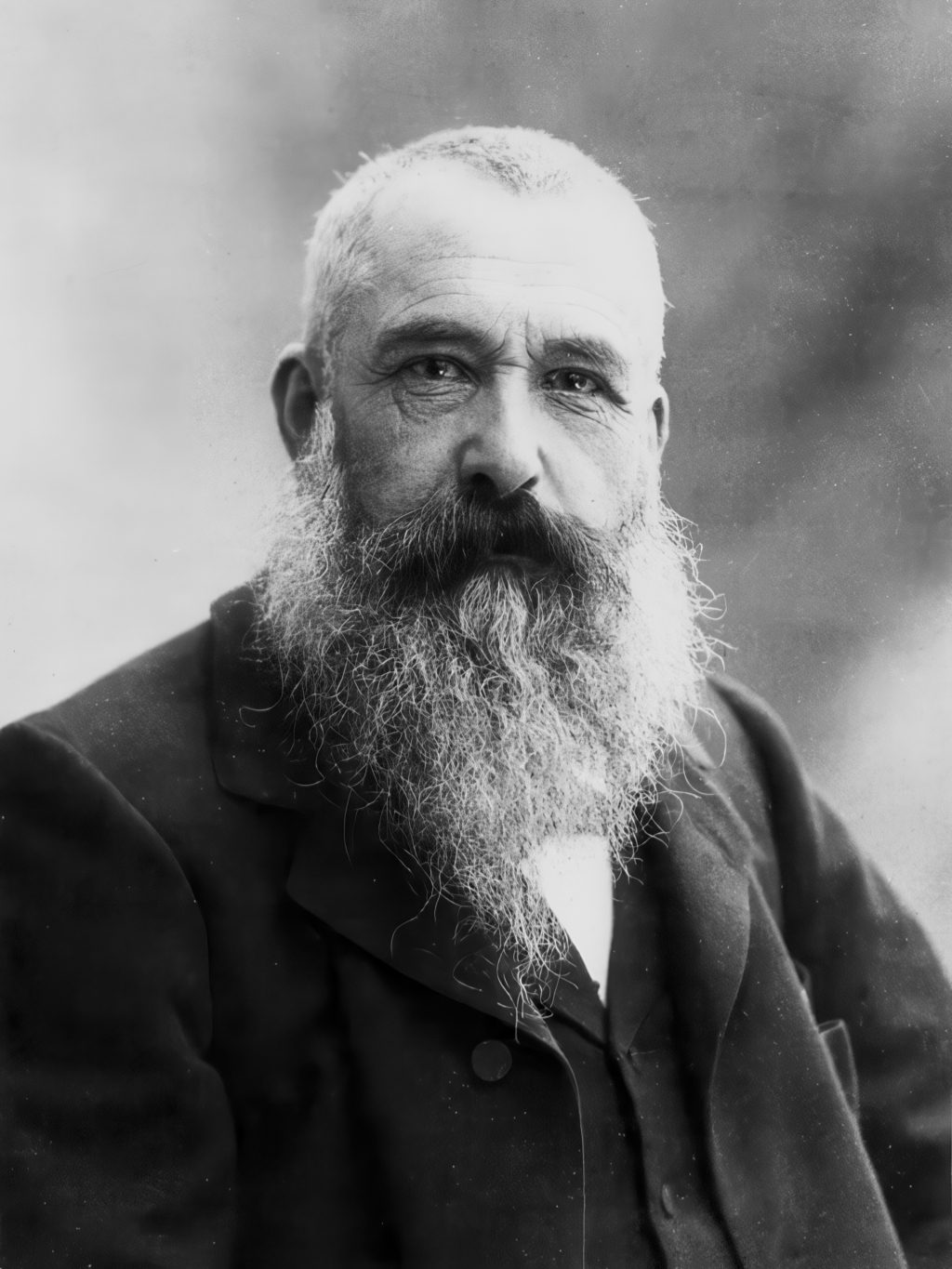
Everything here is light - colour - reflection.
Historical Background
Monet was aged 68 by the time of his trip to Venice. He had put off visiting previously because of the large number of artists who had already covered Venice in their respective oeuvres. Eventually, his wife Alice convinced him to go, and she joined him on the trip.
He was eventually persuaded as to how Venice could inspire a new series of work. Specifically, its atmosphere was truly unique, and Monet had to work out how to translate this into his paintings. He painted 37 canvases in total, often working from a gondola, focusing on the interplay of light on water and architecture, including the Grand Canal, Palazzo Dario, and San Giorgio Maggiore.
The series was completed and exhibited in 1912 after Alice's death, marking a significant, final working trip in his career. The photograph below captures a rare moment of leisure time for Claude Monet, taking in the sights of the city with his wife in 1908.
The married couple arrived in Venice in October of 1908 and stayed at the Palazzo Barbaro on the Grand Canal. Initially, this trip was intended to be a period of rest for the hard working artist, but eventually he could not resist the creative opportunities that were presented to him on arrival.
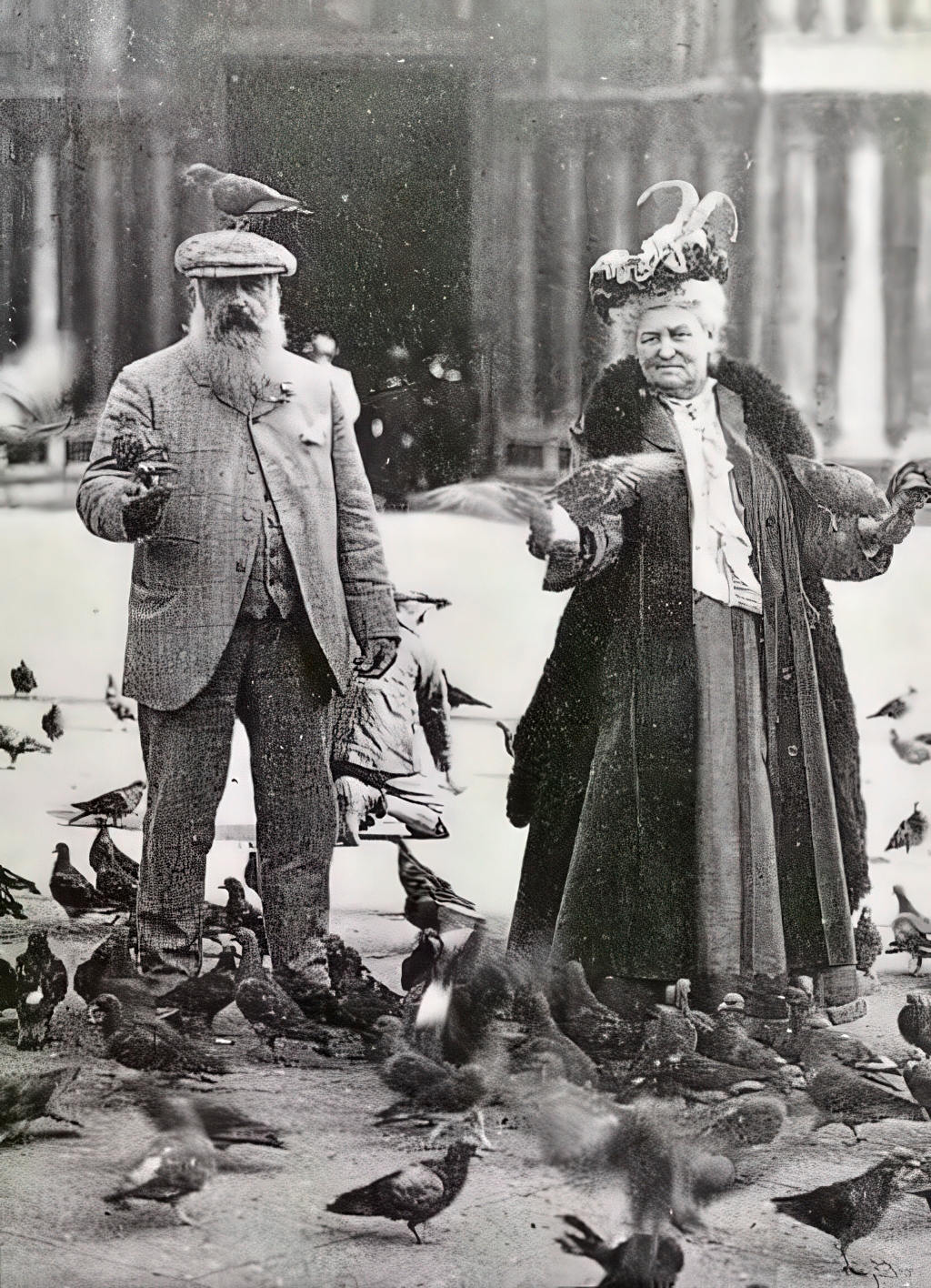
Claude Monet with his wife, Alice Hoschedé in St Mark's Square, Venice in October 1908.
Monet took several days before starting to paint - he soaked in the atmosphere and did his best to rest and recuperate. The more he explored, the more he felt inspired to paint. Once he started, he could not stop - completing multiple canvases at the same time, whilst leaving work to be done once back in his studio.
Monet focused on the changing light conditions, attempting to record key landmarks and sights across the city in different conditions, just as he would in his other famous painting series. He worked from different angles and locations, in gondolas, from balconies and by the edge of canals.
Comparison with other Series
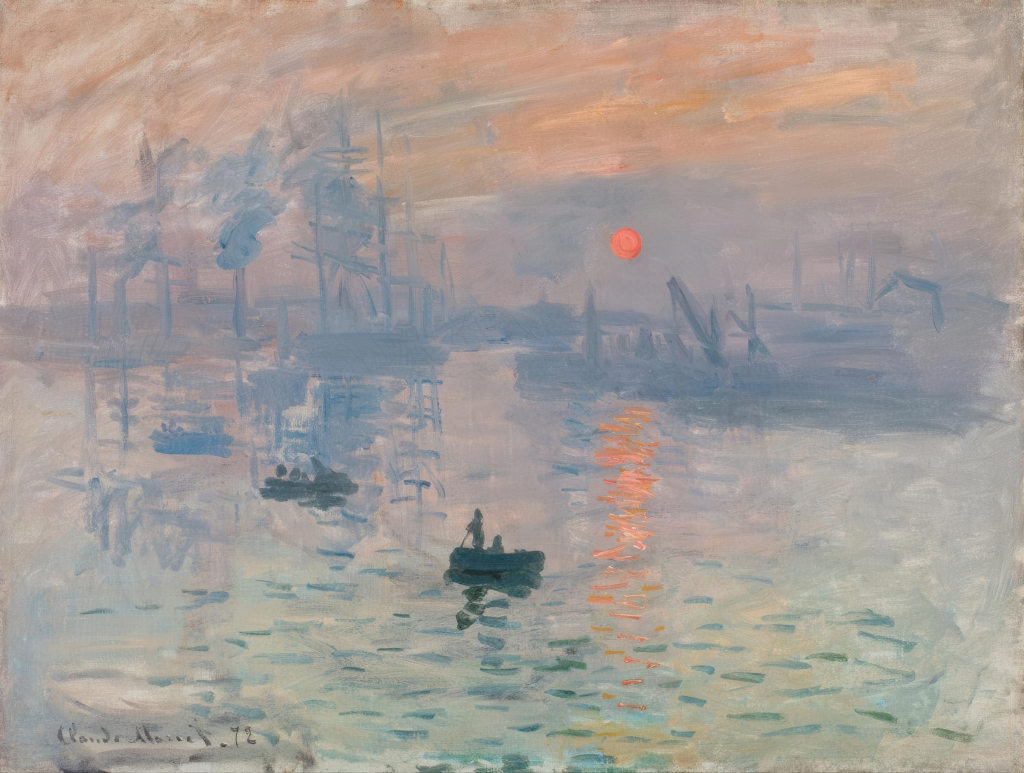
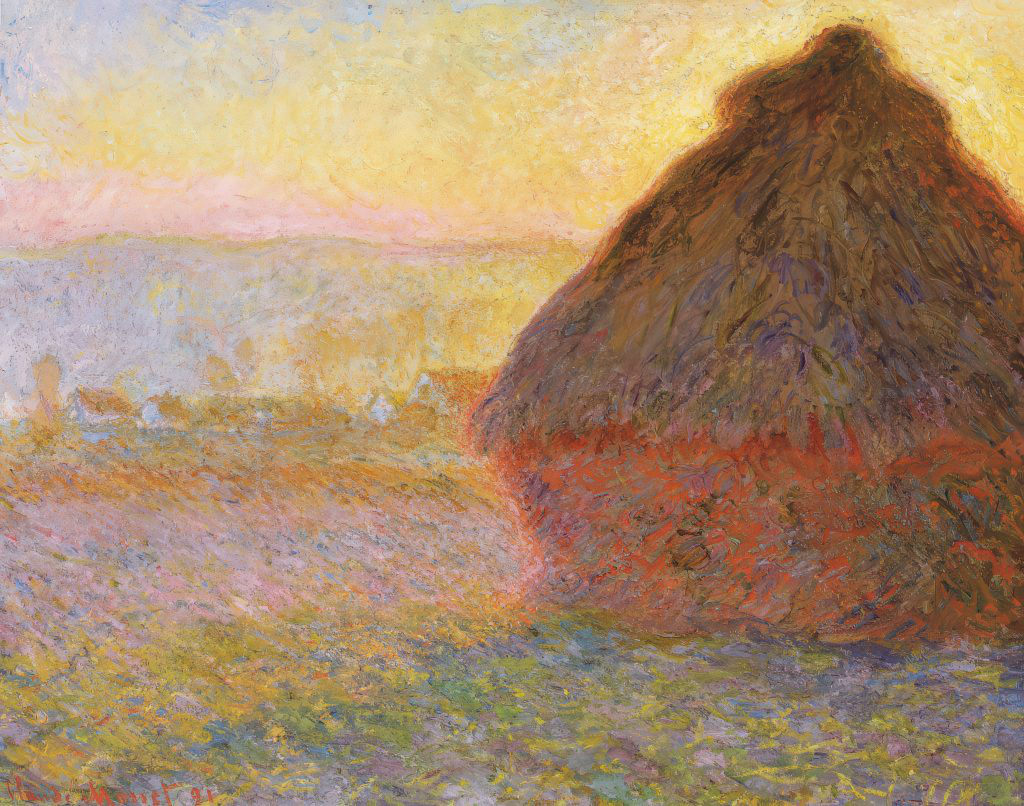
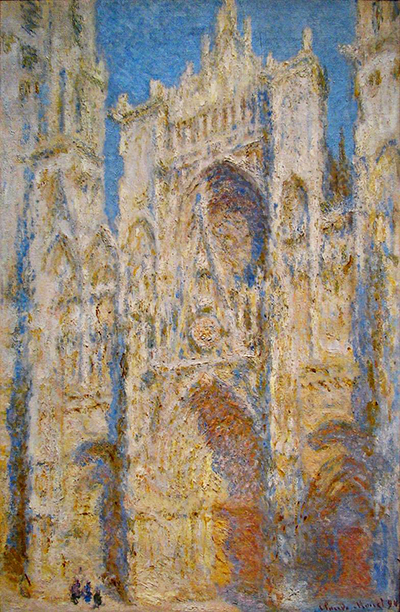
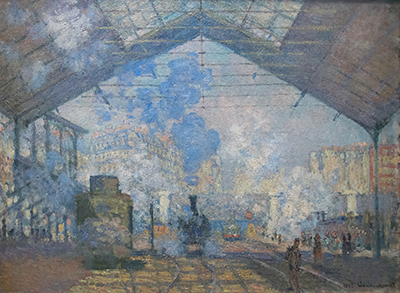
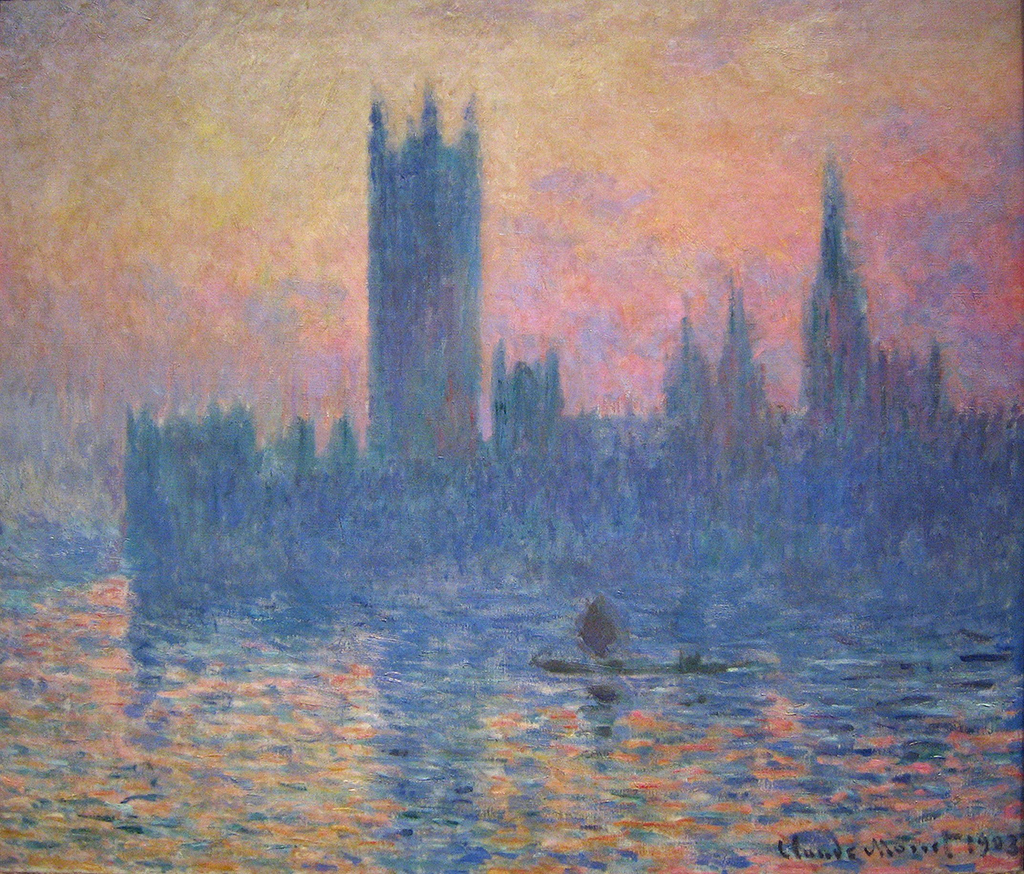
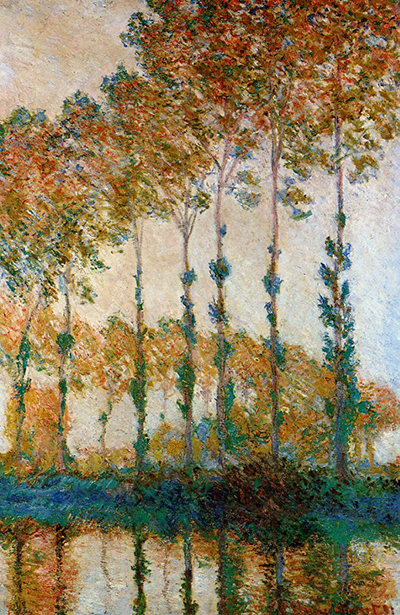
Even before his work in Venice, Monet was regarded across France as the leading painter of atmosphere. He had already experimented successfully in other series such as Haystacks, Poplars, Rouen Cathedral and London. He worked differently in Venice, however, in completing most of his works at a later date in the comfort of his studio.
In relying on the memories of his time in Venice, it is perhaps inevitable that form started to dissolve as Monet worked in a more expressive manner. Indeed, these images appear almost like memories, with softened lines and a reliance on emotion and atmosphere. It may have been that in visiting Venice without any intention of working, so his working practices became less systematic than in his other series.
Painting Technique
Light and Reflection
Venice offered Monet new opportunities - the water reflected every detail, with fractures and ripples as boats passed through. The bright sunlight shining down from above also add further complexity, and with the beautiful architecture found throughout the city, Monet was never short of possibilities.
Monet's response was to soften up his scenes, allow different elements to slowly merge together, and truly work towards an impression, rather than precise reality.
Atmospheric Colour
Monet would have very specific palettes of colour for each series. In the case of Venice he would walk around the city for several days before commencing work, and this allowed him time to consider how he would paint the various details. Ultimately, he chose the following tones across his series of 37 paintings:
- Rose and violet twilight skies
- Golden lagoon haze
- Lavender shadow planes
- Emerald canal reflections
Which Parts of Venice are included in Monet's Series?
In tracking the following buildings and regions of the city, Monet focused on capturing changing conditions and atmosphere, rather than being too precise with architectural details.
- San Giorgio Maggiore
- Santa Maria della Salute
- Palazzo Dario
- Grand Canal facades
- Church silhouettes at dusk
Featured Paintings from Claude Monet's Venice Series
Palazzo Barbaro and Monet's Venetian Residence
Living and Working on the Grand Canal
Claude and Alice Monet stayed at the Palazzo Barbaro — a historic Gothic palace overlooking the Grand Canal. This venue played host to many artists, writers and other creatives connected to some wealthy Americans who had relocated to this stunning city. Many of Monet's choices within his series are directly influenced by their residence, not least in the large number of paintings that he produced which featured the Grand Canal.
Monet was fortunate enough to be able to see and study the changing light and water effects from his very own balcony. Typically, he worked from ground level, and so this was another slight variation in his compositional methods. This was just one example of how the Venice series offers technical variations from his other, earlier work.
Completing his Work in Giverny
Monet chose to complete most of his Venice series back in Giverny, in the years that followed this visit. He would rely on memory, some sketch notes and a flurry of work in oils. Whilst this was a different working method to many of his other series, he was highly experienced by this stage of his career, and therefore able to recall the key elements of each scene.
This disconnect from Venice to Giverny, and the time that passed in between, ensured that accuracy was lost, but emotional qualities took over. A romantic atmosphere grew out of Monet's memory, just as others might look back on their own travels with happy thoughts. Ultimately, this was no bad thing, and gave his Venice series a uniqueness, marking them out as a key moment in his late career.
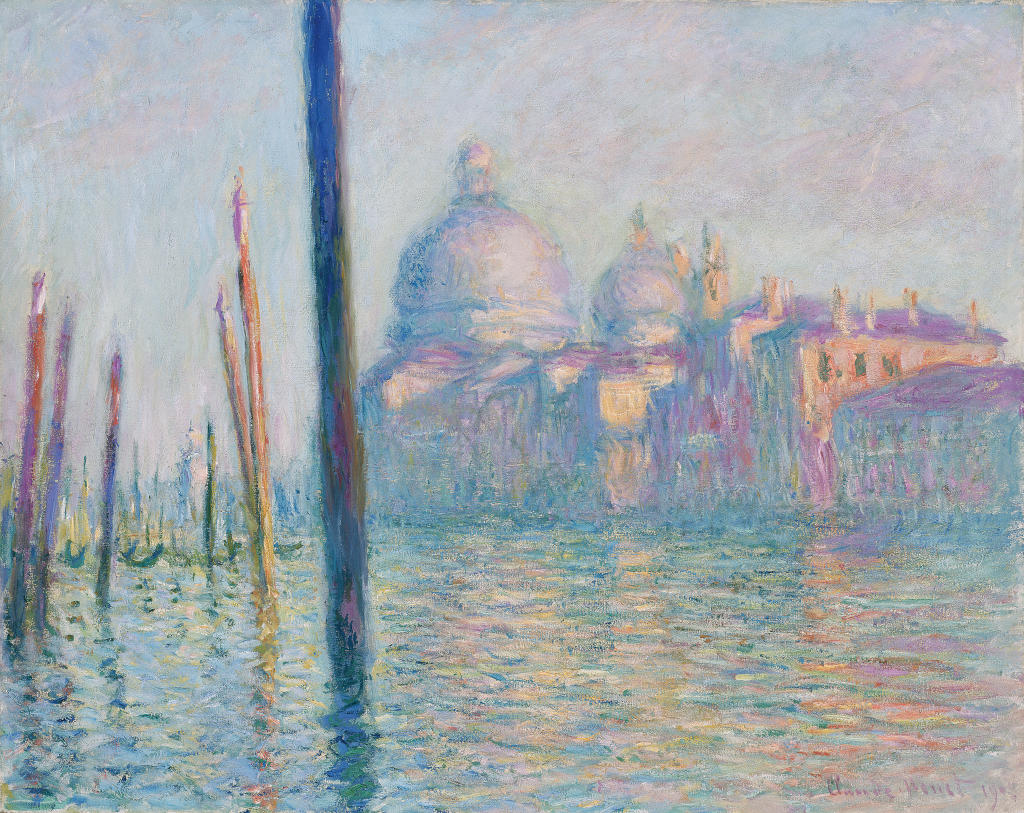
Grand Canal, Venice, Claude Monet, 1908
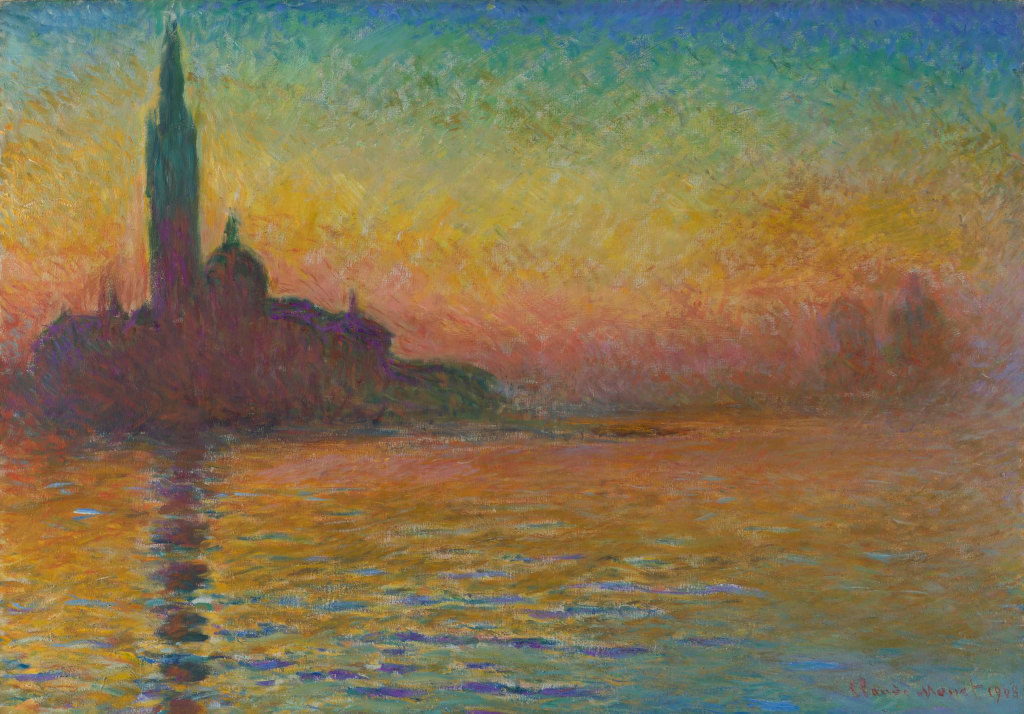
Sunset in Venice (San Giorgio Maggiore at Dusk), Claude Monet, 1908
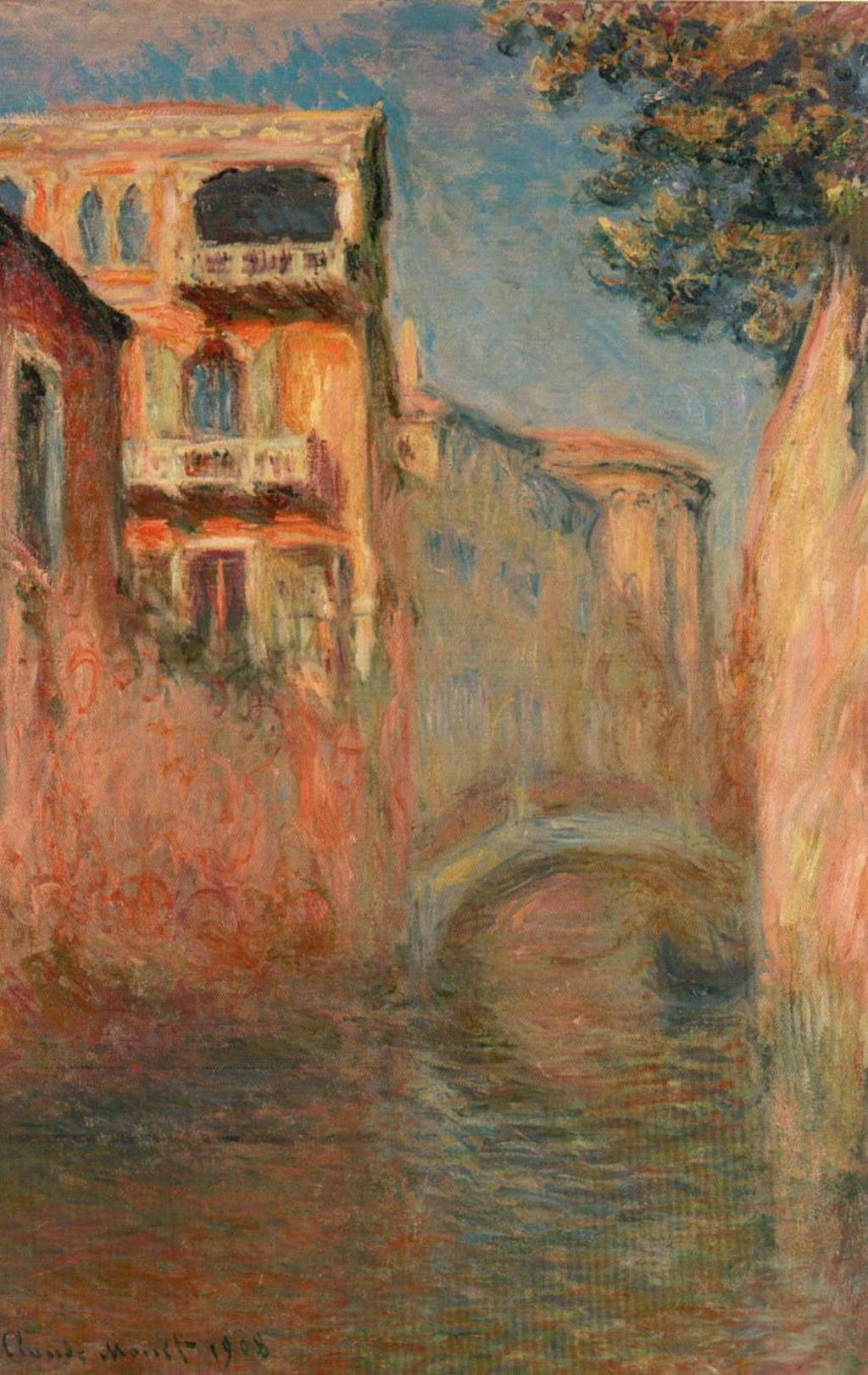
Rio della Salute, Claude Monet, 1908
Exhibition and Reception
The Venice series was first exhibited in 1912 at the Bernheim-Jeune Gallery in Paris.
Critics noted the stylistic change from Monet in this series, with dissolved forms inspired by the dream-like atmosphere of Venice. The overall response was good, in the main, with many appreciating this new direction from Monet. The paintings entered major European and American collections, reinforcing Monets late-career prestige.
Legacy of the Venice Paintings
Monet's Venice series was a surprisingly influential period in his career. It was a trip intended to relax his mind after an intense period of work, but inevitably the stunning surroundings would inspire a new series.
All that followed on in his career was unleashed from his experiences and experiments in Venice. It would be his last travel series, provide a bridge in his transition towards abstraction, and also brought about a change in his evolving water lilies series.
Full List of Claude Monet's Entire Venice Series (1908-1912)
Monet's Venice series continued on after his trip to this magical city in 1908. It was not until 1912 that all of the paintings had been finished, though all were started in Venice. He chose to complete them in Giverny, and a large effort has been made to correctly document the entire series, which amounts to 37 paintingd.
The series was brought together and exhibited in 1912 at the Galerie Bernheim-Jeune and that offers the best information on this collection as a whole. A full list of the series including titles, current location and further notes is shown below.
| Title | Date | View / Motif | Current Location | Notes |
|---|---|---|---|---|
| Palazzo Dario | 1908 | Grand Canal façade | Art Institute of Chicago | One of the earliest Venice canvases |
| The Grand Canal | 1908 | Canal view | Museum of Fine Arts, Boston | Atmospheric haze |
| The Grand Canal, Venice | 1908 | Canal vista | National Gallery, London | High tonal unity |
| San Giorgio Maggiore at Dusk | 1908 | Island + church silhouette | National Museum Cardiff | Twilight palette |
| San Giorgio Maggiore | 1908 | Lagoon façade | Private collection | Multiple variants exist |
| San Giorgio Maggiore by Twilight | 1908 | Evening light | Bridgestone Museum of Art | Violet tonal scheme |
| San Giorgio Maggiore, Sunset | 1908 | Sunset reflection | Kunsthaus Zürich | Late-day chroma |
| San Giorgio Maggiore Seen from the Giudecca | 1908 | Lagoon distance view | Private collection | Soft atmospheric recession |
| The Church of San Giorgio Maggiore | 1908 | Architectural study | Private collection | Structural emphasis |
| Santa Maria della Salute | 1908 | Basilica dome | National Gallery of Art, Washington | Backlit façade |
| Santa Maria della Salute at Sunset | 1908 | Sunset façade | Private collection | Warm tonal envelope |
| The Doge’s Palace | 1908 | Palazzo Ducale façade | Private collection | Ornamental surface study |
| The Doge’s Palace Seen from San Giorgio Maggiore | 1908 | Lagoon perspective | Brooklyn Museum | Reflective water emphasis |
| The Doge’s Palace | 1908 | Close façade study | Musée Marmottan Monet | Broken colour technique |
| Palazzo da Mula | 1908 | Canal façade | National Gallery of Art, Washington | Pastel tonalities |
| Palazzo da Mula, Venice | 1908 | Façade reflection | Private collection | Mirror-water composition |
| Palazzo Contarini | 1908 | Grand Canal palace | Private collection | Architectural mass |
| Palazzo Corner | 1908 | Canal façade | Private collection | Light diffusion |
| The Palazzo Ducale | 1908 | Gothic façade | Private collection | Variant of Doge’s Palace |
| Entrance to the Grand Canal | 1908 | Canal mouth | Private collection | Marine haze effect |
| Venice, Dusk | 1908 | Lagoon twilight | Private collection | Nearly abstract handling |
| Venice, Sunset | 1908 | Lagoon sunset | Private collection | Chromatic glow |
| The Grand Canal at Sunset | 1908 | Sunset canal | Private collection | Series variant |
| Santa Maria della Salute | 1908–09 | Basilica study | Private collection | Studio completion |
| The Grand Canal, Venice | 1908–09 | Canal light study | Private collection | Reworked in Giverny |
| San Giorgio Maggiore | 1908–09 | Lagoon motif | Private collection | Serial repetition |
| The Palazzo Ducale | 1908–09 | Façade light study | Private collection | Late tonal refinements |
| Palazzo Dario | 1908–09 | Façade variant | Private collection | Studio reworking |
| San Giorgio Maggiore, Twilight | 1909–12 | Evening effect | Private collection | Late completion |
| San Giorgio Maggiore at Sunset | 1909–12 | Sunset variant | Private collection | Exhibited 1912 |
| Santa Maria della Salute | 1909–12 | Lagoon façade | Private collection | Finalised for Bernheim-Jeune show |
| The Grand Canal | 1909–12 | Atmospheric study | Private collection | Late glazing layers |
| The Doge’s Palace | 1909–12 | Façade abstraction | Private collection | Near-abstract surface |
| Venice, The Grand Canal | 1909–12 | Canal vista | Private collection | Exhibition canvas |
| San Giorgio Maggiore | 1909–12 | Lagoon silhouette | Private collection | Late series handling |
| The Palazzo Ducale | 1909–12 | Architectural mass | Private collection | Surface colour vibration |
| Santa Maria della Salute, Venice | 1909–12 | Basilica + water | Private collection | Final Venice exhibition group |
FAQs
References
Primary scholarly references
- Wildenstein, Daniel — Claude Monet: Catalogue Raisonné (Vol. IV)
- House, John — Monet: Nature into Art
- Tucker, Paul Hayes — Claude Monet: Life and Art
Museum and institutional databases
- National Gallery, London collection database
- Art Institute of Chicago collection
- Museum of Fine Arts, Boston
- Musée Marmottan Monet
- National Gallery of Art, Washington