by Tom Gurney
Tom Gurney BSc (Hons) is an art history expert with over 20 years experience
Published on February 14, 2026 / Updated on February 20, 2026
Email: tomgurney1@gmail.com / Phone: +44 7429 011000
Claude Monet in Normandy
From the chalk cliffs of Étretat to the harbours of Le Havre, from the farms of the Seine valley to the tidal horizons of the Channel coast, Normandy played a critical role in the development of his landscape and seascape paintings.
Monet's eye for detail was shaped by his experiences in Normandy, as well as his own painting techniques which would ultimately lead to the formation of the Impressionism movement.
Normandy and Monet's Artistic Origins
Monet's childhood experiences of both Normandy and Paris helped to open his eyes to the urban and rural side of France, providing a wide breadth of inspiration for his wide ranging career.
Born in Paris, 1840, the Monet family relocated to Le Havre when young Claude was five years old. Just here alone he would come across harbours, tidal skies and wind-swept cliffs getting to know them intimately, as well as their different characteristics under changing conditions.
Claude Monet would sit and observe these changing conditions from an early age, even before his formal artistic training had commenced. Some of the earliest examples of this included how mist veils distance, how sunlight fractures on waves and how clouds cast moving shadows across land and sea. He would also start to observe the many different types of cloud formations.
- Region Normandy, France
- Key Locations Le Havre, Étretat, Trouville, Honfleur, Pourville, Seine Valley
- Active Period 1858-1890s (with later returns)
- Major Subjects Cliffs, Harbours, Beaches, Snow Scenes, Riverbanks
- Key Series Roots Étretat Cliffs, Coastal Studies, Harbour Views
- Movement Significance Birthplace of Plein-Air Impressionism
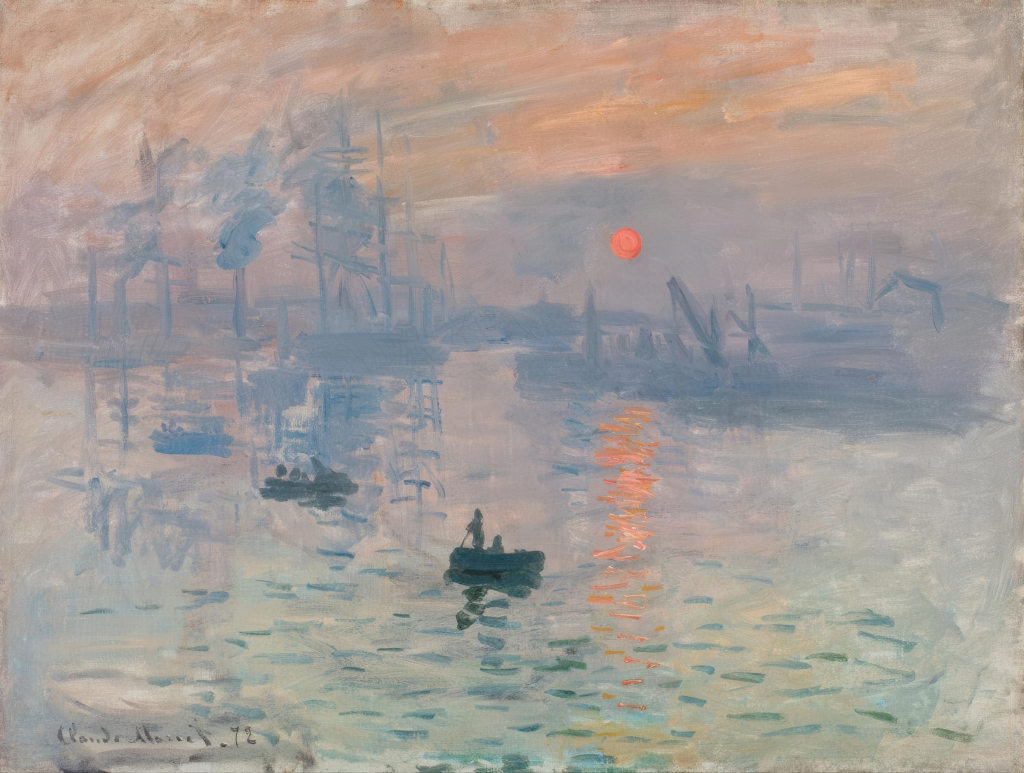
- Famous Work Impression, Sunrise (Le Havre)
Normandy and Boudin Bring a Switch to Landscape Painting
Monet was initially drawn to caricature art, a point which many miss in the present day. Whilst loving and understanding the natural environment around him way before his teens, Monet had not yet chosen to include it in his art, other than quick pencil sketches in notebooks.
A friendship with landscape painter Eugène Boudin would eventually lead to Monet working outdoors, studying an recording the Normandy landscape in his work. They forged a strong bond and Monet learnt much from Boudin's experience and passion for this genre.
Le Havre Inspires Impressionism
Impression, Sunrise painted in 1872 from a harbour window overlooking Le Havre would become one of Monet's, and European art history's, most significant paintings. It captured the maritime environment in this unique part of Normandy and inspired a critical new art movement that would spread across the world in the decades that followed.
The painting impressed, combining the local industry alongside the changing conditions, just as Monet had observed as a young boy. His challenge now was to record these observations in oil, helped by the more experienced direction provided by Boudin.
Monet would explore Le Havre to the fullest, returning many times in the pursuit of new observations, be it fog density, sunrise and sunset dynamics and harbour reflections in the changing seasons.
Étretat: Cliffs, Arches and Geological Drama
Étretat offered highly contrasting experiences for Monet, but these were just as significant in his development as those in Le Havre. It's dramatic chalk cliffs, carved into arches, needles, and caverns, for example, became one of his most dramatic and memorable subjects.
Monet Working in Étretat
Monet worked at Étretat intensively during the 1880s, often braving harsh conditions in the pursuit of truly embracing the conditions. He would perch himself along cliff paths and in open beach settings to capture different angles, just as photographers might do today.
The artist became somewhat obsessed with his work, sacrificing his own health at times in order to spend longer outdoors. Sea spray and mist, along ever changing light conditions occupied his eye. All of these factors would then be stretched to extremes across the seasons, gifting his work wild seas, angry skies and bright summer sunlight.
He made repeated studies of various locations here, such as Porte d'Aval, the Manneporte arch and the Needle rock formation. It was clear that series of work was soon to become his main focus.
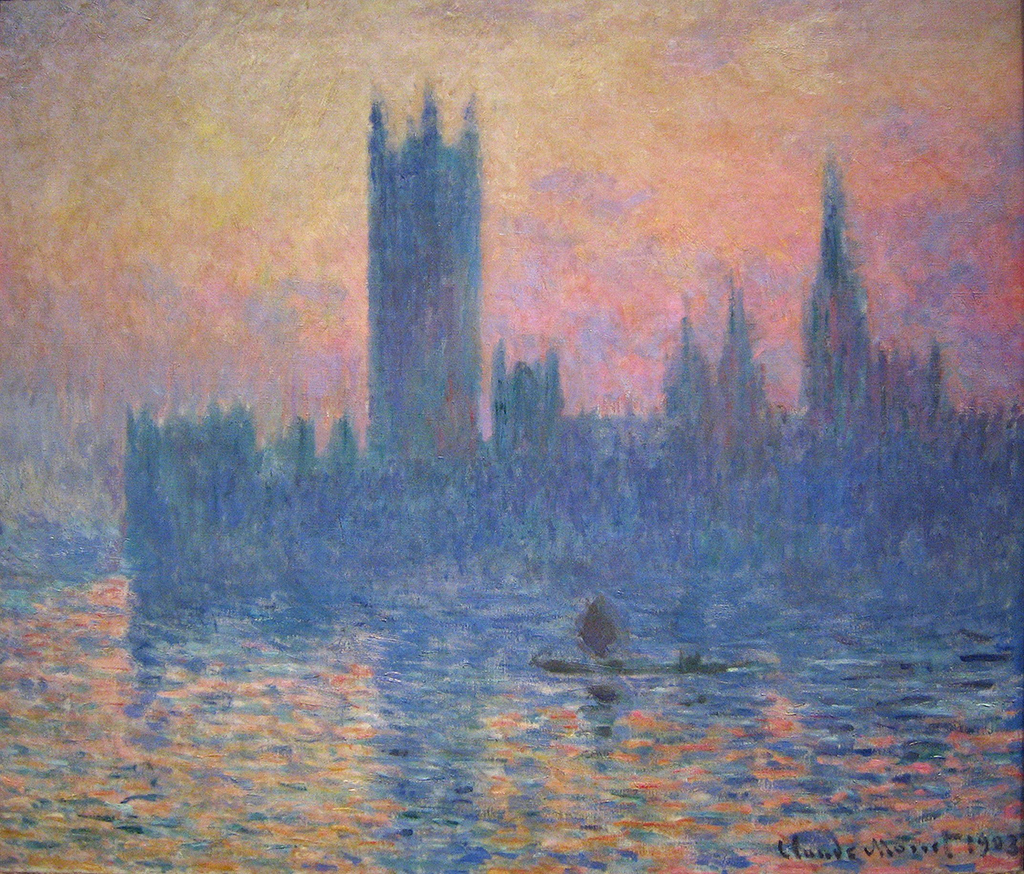
Many of Monet's canvases, including those begun during his London campaigns, were later completed and refined in his studio at Giverny.
Pourville and the Northern Littoral
Pourville allowed Monet to merge inland and coastal Impressionism into a unified atmospheric language. At Pourville, near Dieppe, geology would soften, offering a meeting point between coastline and cultivated fields of agriculture. Cliff Walk at Pourville is one such example of this.
| Title | Date | Motif Location | Series / Campaign | Current Location |
|---|---|---|---|---|
| Impression, Sunrise | 1872 | Le Havre Harbor | Le Havre Port | Musée Marmottan Monet, Paris |
| Port of Le Havre, Night Effect | 1873 | Le Havre | Harbor Views | Private Collection |
| The Beach at Sainte-Adresse | 1867 | Sainte-Adresse | Normandy Coast | Art Institute of Chicago |
| Garden at Sainte-Adresse | 1867 | Sainte-Adresse | Normandy Coast | Metropolitan Museum of Art |
| Regatta at Sainte-Adresse | 1867 | Sainte-Adresse | Coastal Leisure | Metropolitan Museum of Art |
| Fishing Boats at Honfleur | 1866 | Honfleur | Harbor Scenes | Various Collections |
| The Lieutenancy at Honfleur | 1864 | Honfleur | Early Normandy | Private Collection |
| Boats on the Beach at Étretat | 1883 | Étretat | Cliff Campaign | Art Institute of Chicago |
| The Cliff, Étretat, Sunset | 1883 | Étretat | Cliff Campaign | Private Collection |
| The Manneporte (Étretat) | 1883 | Étretat | Cliff Arch Series | Metropolitan Museum of Art |
| Porte d'Aval, Étretat | 1885 | Étretat | Cliff Arch Series | National Gallery of Art, Washington |
| The Needle and the Porte d'Aval | 1885 | Étretat | Cliff Series | Private Collection |
| Stormy Sea at Étretat | 1883 | Étretat | Marine Study | Musée d'Orsay, Paris |
| Varengeville Church and Cliff | 1882 | Varengeville-sur-Mer | Cliff & Church Motif | Kimbell Art Museum |
| Church at Varengeville, Morning | 1882 | Varengeville | Church Series | Private Collection |
| Pourville, Low Tide | 1882 | Pourville | Coastal Study | National Gallery, London |
| The Beach at Pourville | 1882 | Pourville | Coastal Study | Art Institute of Chicago |
| Cliffs Near Dieppe | 1882 | Dieppe Coast | Cliff Study | Various |
| Fécamp, The Beach | 1881 | Fécamp | Normandy Coast | Private Collection |
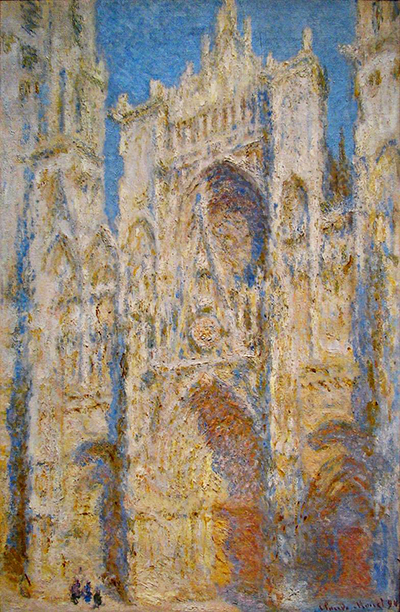
| Rouen Cathedral, Facade Series | 1892-1894 | Rouen | Cathedral Series | Musée d'Orsay & Global Collections |
| Rouen Cathedral, Full Sun | 1893 | Rouen | Cathedral Series | Musée d'Orsay |
| Rouen Cathedral, West Facade, Sunset | 1894 | Rouen | Cathedral Series | National Gallery of Art |
| The Seine at Rouen | 1872 | Rouen | River Studies | Various |
| Boats on the Seine at Rouen | 1872 | Rouen | River Studies | Private Collection |
| Morning on the Seine near Giverny | 1897 | Giverny | Seine Morning Series | Various Museums |
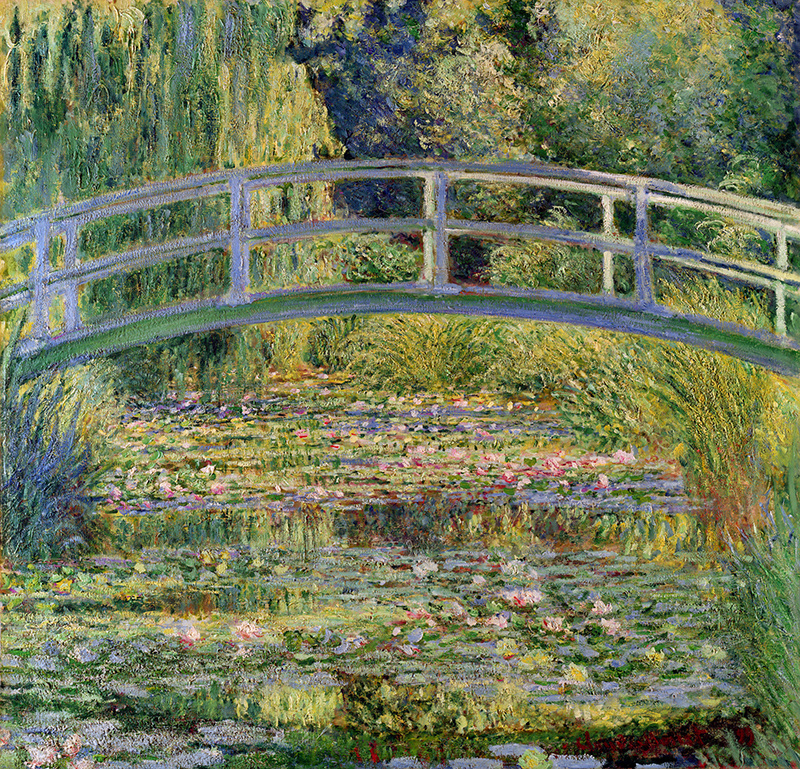
| The Japanese Bridge | 1899 | Giverny | Water Garden | Multiple Collections |
| Water Lilies Series | 1897-1926 | Giverny | Water Garden | Global Museums |
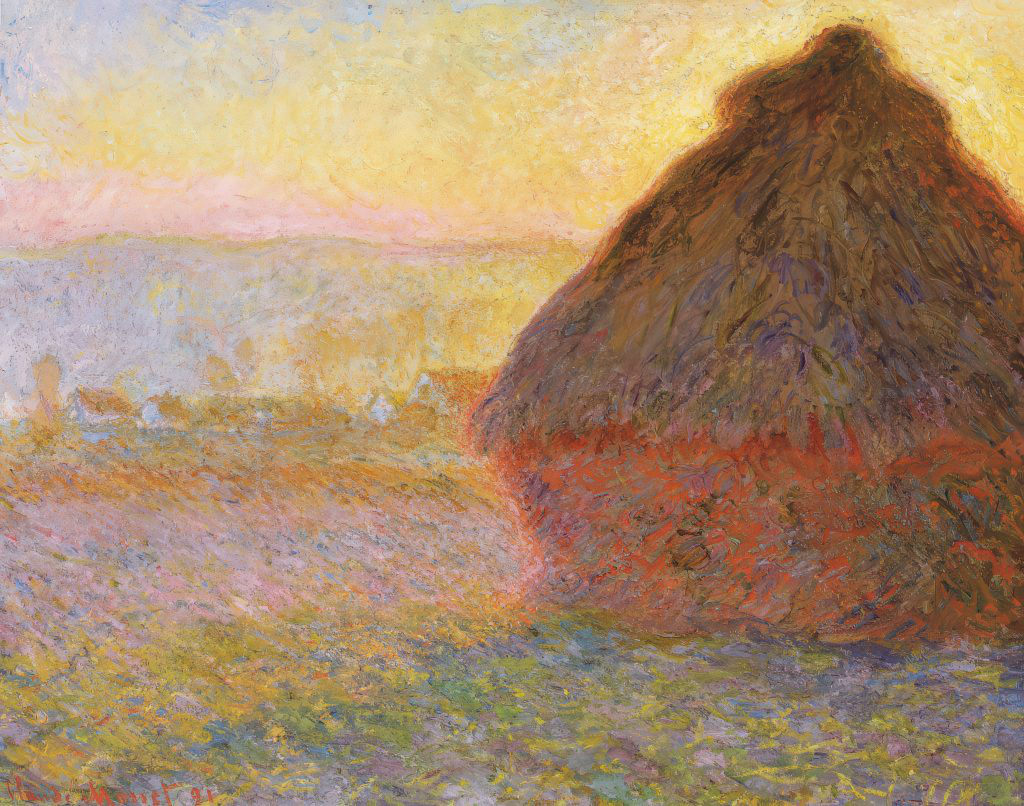
| Haystacks at Giverny | 1890-1891 | Giverny Fields | Haystacks Series | Various |
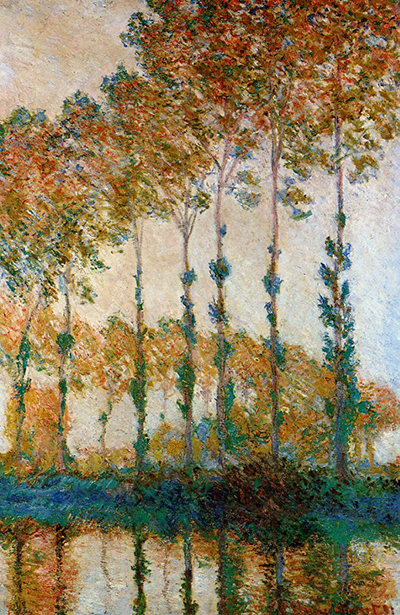
| Poplars on the Epte | 1891 | Giverny / Limetz | Poplars Series | Multiple Collections |