 by Tom Gurney
Tom Gurney BSc (Hons) is an art history expert with over 20 years experience
Published on October 6, 2016 / Updated on April 5, 2026
Email: tomgurney1@gmail.com / Phone: +44 7429 011000
Claude Monet in Pourville
In 1882, Claude Monet spent several months painting in the small Normandy fishing village of Pourville-sur-Mer. Here he discovered a variety of natural features which helped to inspire a significant body of work.
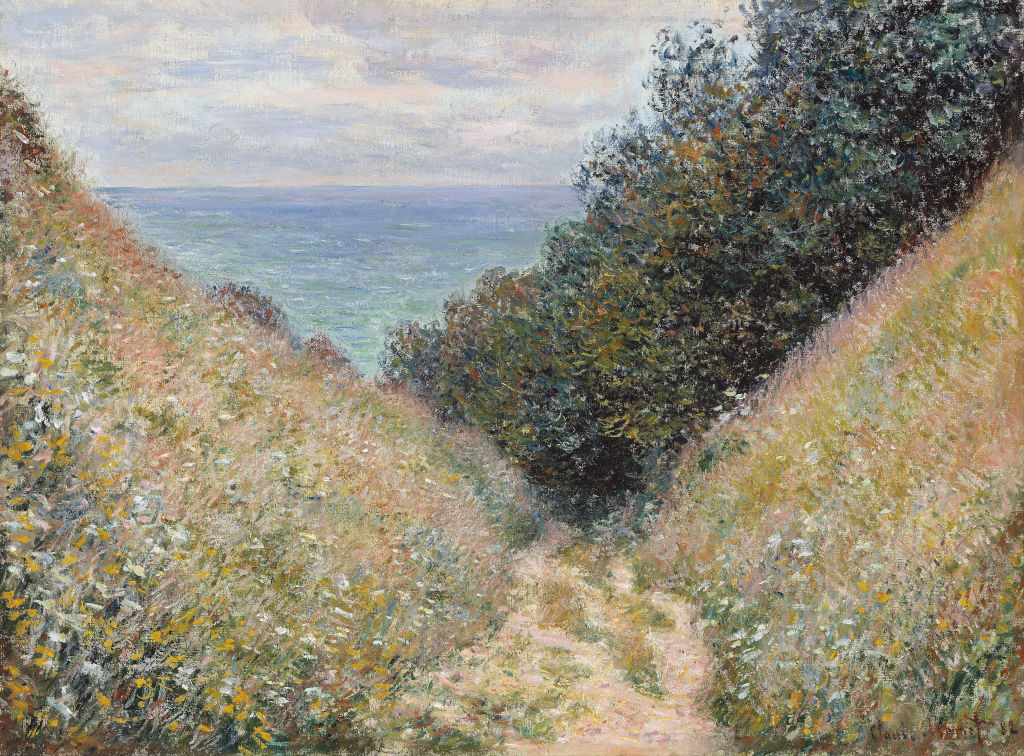
In Monet's Pourville, cliffs softened into cultivated slopes, fields met the sea and wind animated both wheat and cloud.
Located near Dieppe on the Normandy coast, Pourville offered Monet a landscape distinct from the dramatic vertical cliffs of Étretat.
Instead of monumental rock arches, he encountered sweeping headlands, narrow paths, agricultural fields, and gentle bays opening onto the English Channel. The full list of his work in Pourville will underline the variety that he encountered here in 1882.
This balance between rural cultivation and maritime atmosphere allowed Monet to merge two core interests: agricultural landscape and coastal light. Unlike Parisian modernity or industrial Le Havre, Pourville offered quiet immersion.
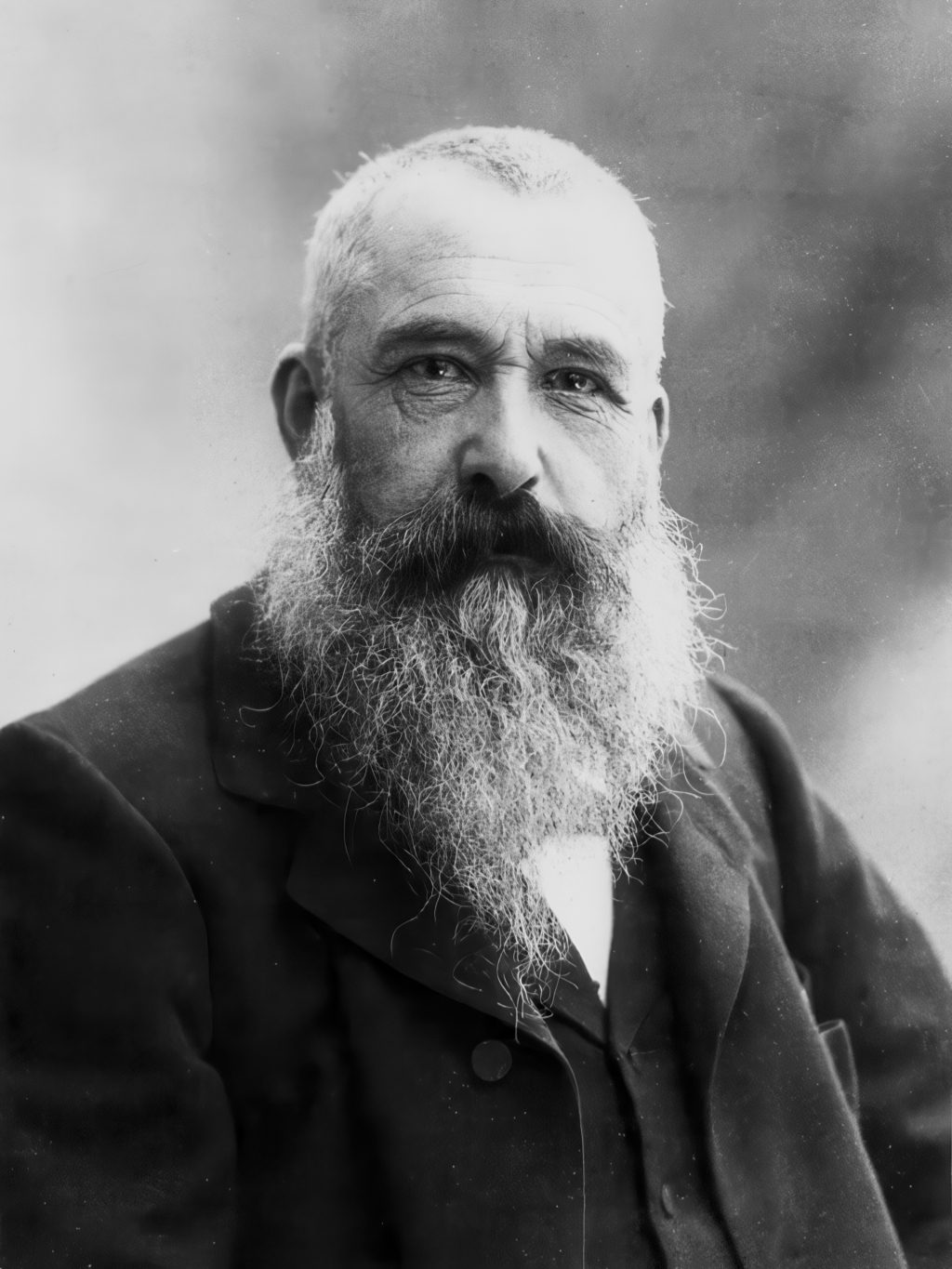
The sea changes so quickly that it is impossible to fix it in a single moment. One must paint it again and again.
Monet could concentrate purely on optical effects — wind movement, shifting shadows, and the chromatic contrast between land and sea. Nature dominated his Pourville series, humanity and technology were rested for this period, and the result of that was a unique body of work which provided the highlight of Monet's output in 1882.
This article covers his Pourville series in full, underlining the particular qualities that they brought to his oeuvre, as well as discussing some of the most famous works from this series.
- Location Pourville-sur-Mer, Normandy, France
- Year Painted 1882
- Primary Subjects Cliff paths, wheat fields, coastal bays
- Estimated Works 15-20 paintings
- Artistic Importance Transition toward serial coastal landscape study
Monet's 1882 Pourville Campaign
Monet arrived in Pourville on the 15th of February, 1882. He was in the midst of a broader Normandy campaign that included Étretat and Varengeville.
Monet stayed at the Hôtel Ailly, positioned above the coastline, which provided him with immediate access to the cliffs, beaches, and open views that would define this campaign. From this base, he worked intensively across a relatively small geographic area, producing a concentrated group of paintings that explore subtle variations in atmosphere rather than dramatic changes in subject.
Although Monet had painted coastal scenes earlier in his career, particularly around Le Havre and Sainte-Adresse in the 1860s, the Pourville campaign represents a more mature and focused exploration of the sea. By 1882, Monet was no longer concerned with simply depicting the landscape; instead, he was increasingly interested in how light, wind, and moisture transformed what he saw.
In Pourville specifically, he focused on:
- Cliff-top walking paths
- Descending coastal trails
- Fishing boats near shore
- Fields overlooking tidal horizons
In the early 1880s, Monet was moving closer to a serial mindset - where similar scenes would be re-visited again and again, only within changing light and weather conditions. In Pourville, this transition was not yet complete, and so the systematic series of works would not appear until later on.
Working Methods and Daily Practice
Monet's letters from this period reveal the intensity of his working method. He frequently described the difficulty of keeping pace with changing light and weather, particularly along the coast where conditions could shift rapidly. This allowed him to use his time wisely, and cover the same sections in several paintings at the same time, before working on other parts as conditions changed.
The exposed coastal environment also posed practical challenges. Strong winds, salt air, and unstable weather made painting outdoors physically demanding, yet these very conditions were essential to the effects Monet sought to capture.
The result is a body of work that conveys both immediacy and careful observation. This was an artist willing to undergo unpleasant conditions in the search of just the look he wanted. Perhaps in physically experiencing these rough conditions, so his art could better capture its qualities.
Position Within Monet's Career
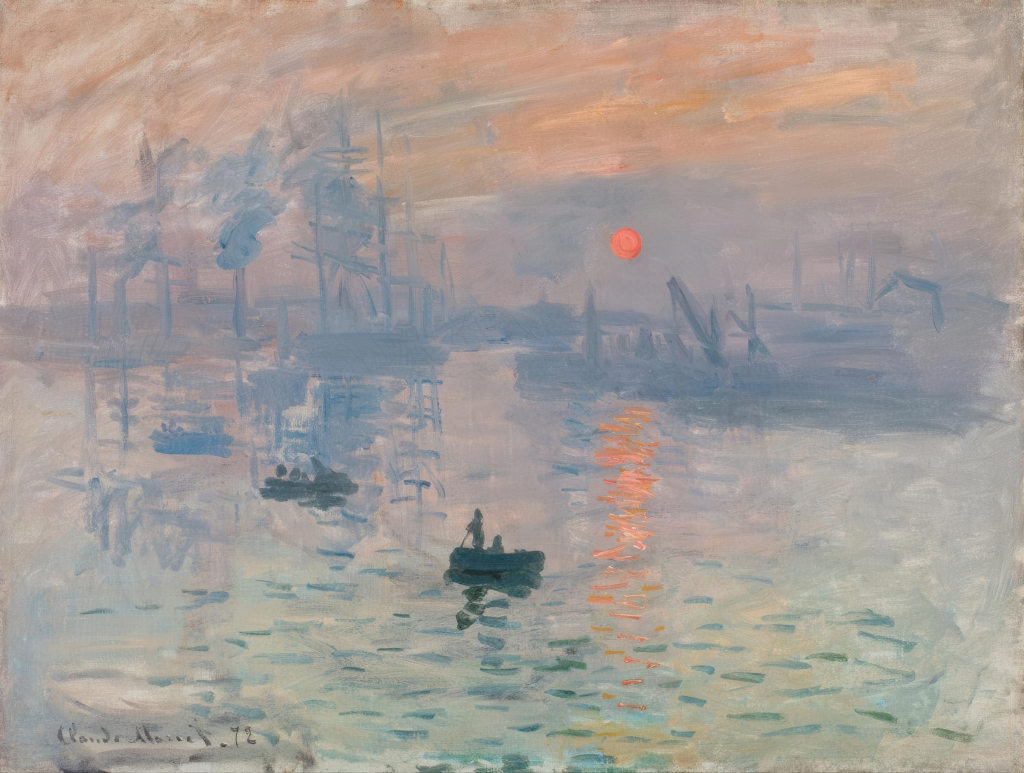
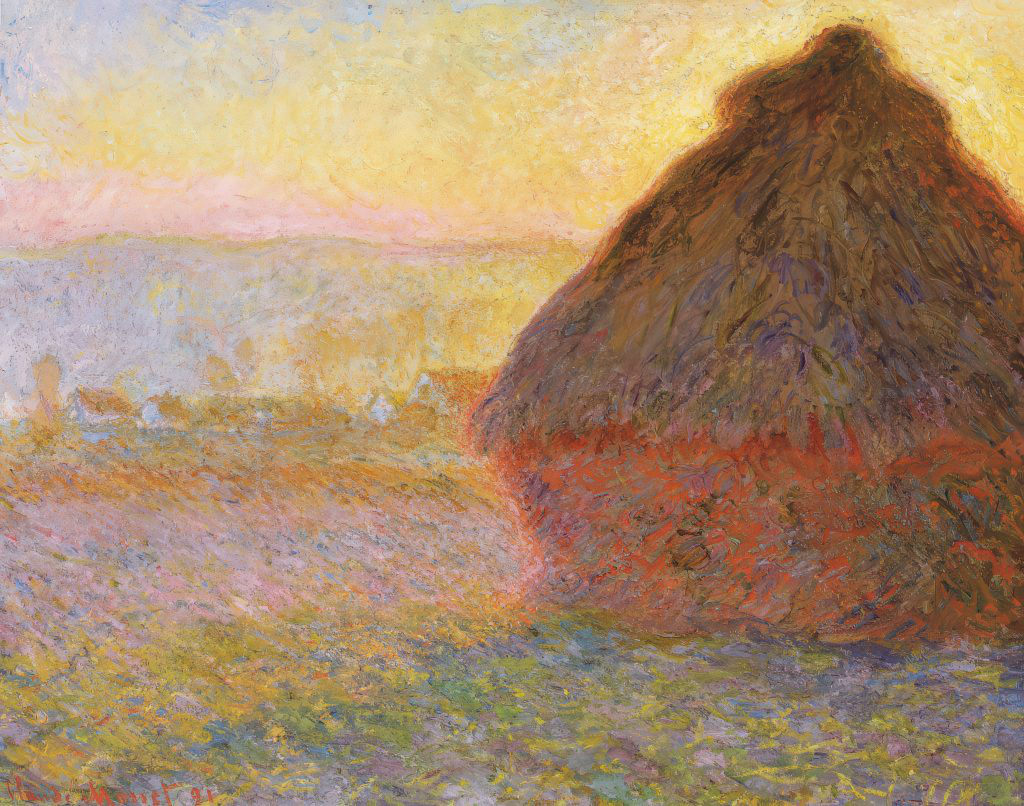
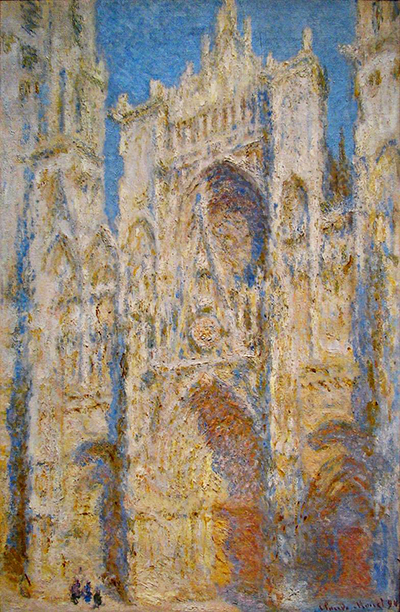
The Pourville paintings occupy an important transitional position within Monet's career. They build upon the plein air experiments of the 1870s, particularly those undertaken at Argenteuil, while also anticipating the serial studies of the 1890s, such as the Haystacks and Rouen Cathedral series.
In this sense, the 1882 campaign can be understood as a bridge between two phases of Monet's development: from the exploration of modern life and leisure to a more sustained investigation of perception, repetition, and the passage of time.

Cliff Walk at Pourville, Claude Monet, 1882, Art Institute of Chicago
Coastal Agriculture and Optical Fusion
Movement dominates Monet's work in Pourville. Wind rushes through fields of wheat, waves crash against cliff faces and clouds move aggressively across the sky. Nature is raw in many of these works, bringing excitement and energy rather than the relaxed, still style of earlier landscapes.
Colour is also key to this series, with tones defining form, rather than line. The palette is consistent throughout, with some vibrant blues helping to highlight the beauty of the sea in this region, when under the bright sky.
Light and Seasonality
Working along elevated coastal paths exposed Monet to constantly shifting light. Morning haze softened the horizon; afternoon sun sharpened colour contrast; late light flattened space into tonal bands - this was highly significant in his understanding and adaptation to conditions, which would impact later series.
The sea appears in constant flux, shifting in colour from deep blue to green-grey depending on the time of day and atmospheric conditions. Similarly, the cliffs and vegetation are rendered with broken brushwork that dissolves solid form into shimmering colour.
This approach reflects Monet's growing conviction that the true subject of painting was not the object itself, but the visual experience of it. At Pourville, this idea is pursued with particular clarity, as the boundaries between sky, sea, and land become increasingly fluid.
Featured Pourville Paintings by Claude Monet
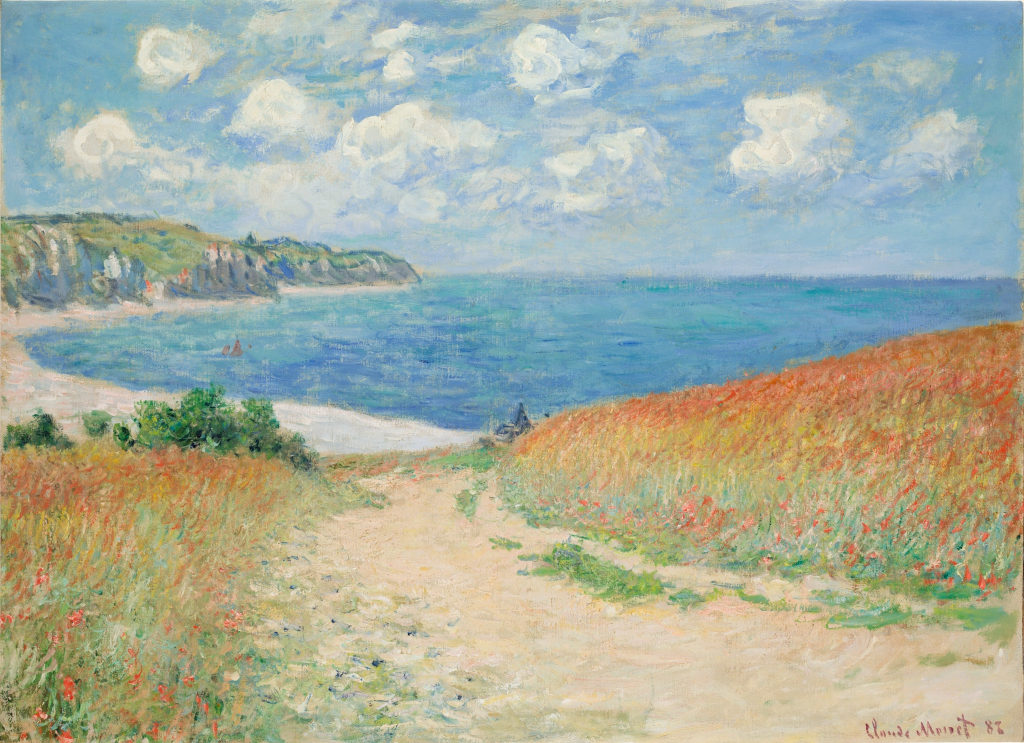
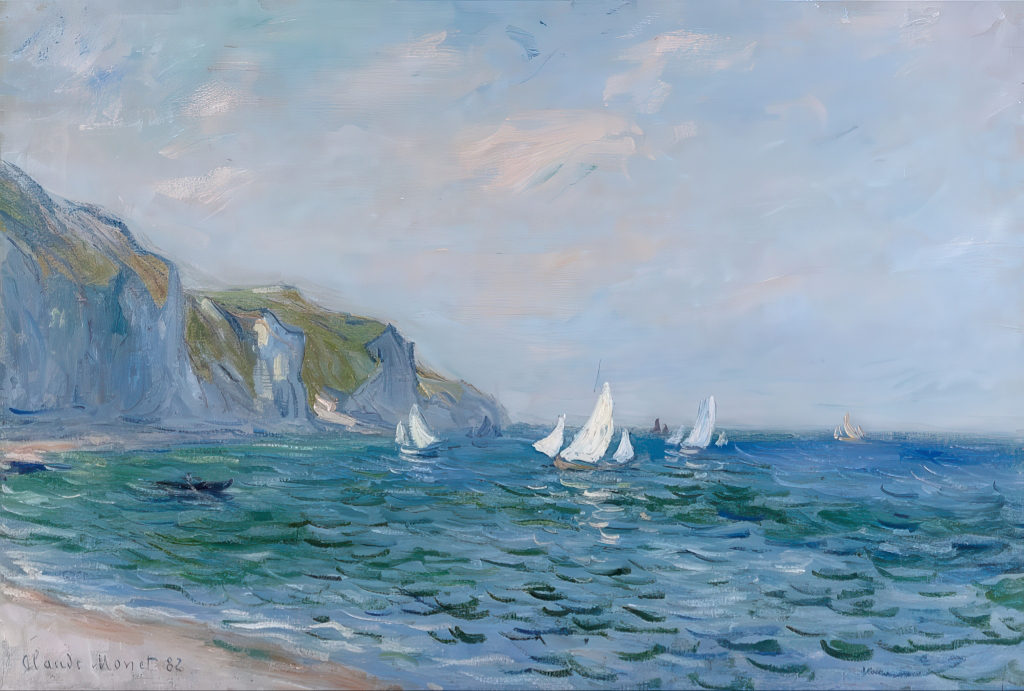
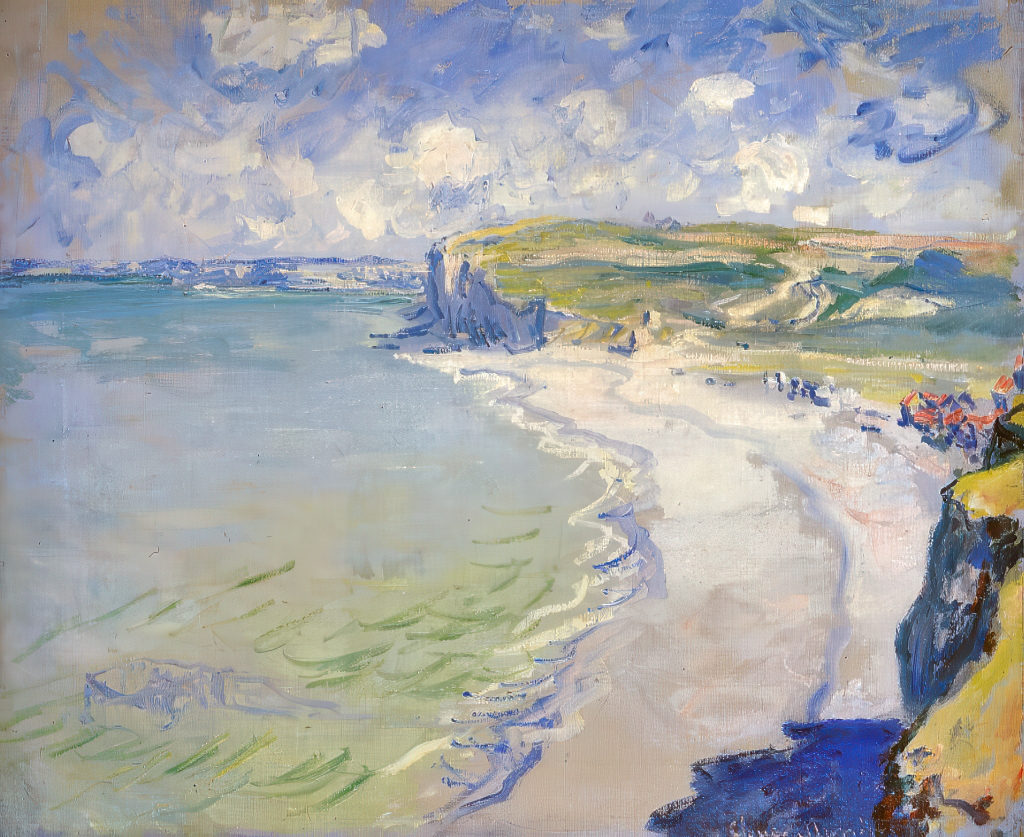
Summary of the Pourville Works
Monet's series of artworks in Pourville are admired for their brightness and composition. They played an important role in the artist's evolution towards his series of observation. Changing conditions were obvious in Pourville, and offered inspiration for his curious mind.
Monet's immersion in nature, be it agricultural fields, or rocky cliff faces, allowed him to relax away from the modern French society which was experiencing technological and societal change. Here he could observe in piece, hours on end, as light and weather impacted the environment in a whole multitude of ways.
Complete List of Claude Monet's Pourville Series (1882)
Claude Monet painted extensively at Pourville-sur-Mer in 1882, producing a series of coastal landscapes that explore cliffs, beaches, and the changing effects of light along the Normandy coast. The list below brings together the most widely recognised works from this period, including alternate titles where known.
| Painting | Year | Current Location | Notes |
|---|---|---|---|
| Cliff Walk at Pourville | 1882 | Art Institute of Chicago | One of the most famous Pourville works, featuring two figures on a cliff path. |
| Path Through the Corn at Pourville | 1882 | Museum of Fine Arts, Boston | Also known as Grainfields at Pourville; combines farmland and sea views. |
| The Cliff at Pourville | 1882 | Private Collection | Focuses on the dramatic chalk cliffs and coastal light. |
| Cliffs near Pourville | 1882 | Various Collections | Multiple variations exploring similar cliff compositions. |
| Cliffs and Sailboats at Pourville | 1882 | Private Collection | Combines coastal landscape with maritime activity. |
| Beach at Pourville | 1882 | Private Collection | Also titled Pourville, the Beach; focuses on shoreline and tide. |
| Fishing Boats at Pourville | 1882 | Various Collections | Several versions depicting boats drawn up on the shore. |
| Boats on the Beach at Pourville | 1882 | Private Collection | Closely related to fishing boat compositions. |
| Stormy Sea at Pourville | 1882 | Private Collection | Emphasises changing weather and rough coastal conditions. |
| The Coast at Pourville | 1882 | Various Collections | General title used for several coastal variations. |
| Houses by the Sea at Pourville | 1882 | Private Collection | Introduces built elements into the coastal landscape. |
| Garden at Pourville | 1882 | Various Collections | Combines cultivated land with distant sea views. |
Frequently Asked Questions
References
- Daniel Wildenstein, Monet: Catalogue Raisonné, Vol. II, 1979.
- Paul Hayes Tucker, Claude Monet: Life and Art, Yale University Press, 1995.
- John House, Monet: Nature into Art, Yale University Press, 1986.
- Marianne Mathieu, Monet, Musée Marmottan Monet / Hazan, 2018.
- Claude Monet, Letters (1882), in various published collections.