by Tom Gurney
Tom Gurney BSc (Hons) is an art history expert with over 20 years experience
Published on October 6, 2016 / Updated on April 6, 2026
Email: tomgurney1@gmail.com / Phone: +44 7429 011000
Claude Monet painted The Cliff Walk at Pourville in 1882 as part of his series of works in this scenic, varied location.
Cliff Walk at Pourville is one of Claude Monet's most dynamic and recognisable paintings from his Normandy period. Painted during his stay at Pourville-sur-Mer, the work captures a moment of movement and light along the dramatic coastal cliffs.
In 1882, Monet returned to the Normandy coast, settling in Pourville near Dieppe. This period marked a renewed focus on maritime subjects, as he explored how changing weather and coastal light affected the appearance of the landscape.
Monet found a variety of conditions and geography in and around Pourville, with stunning coastal walks and dramatic sea scenes, with waves crashing against the steep cliffs. At first glance, the painting presents a simple scene: two women walking along a cliff path overlooking the sea.
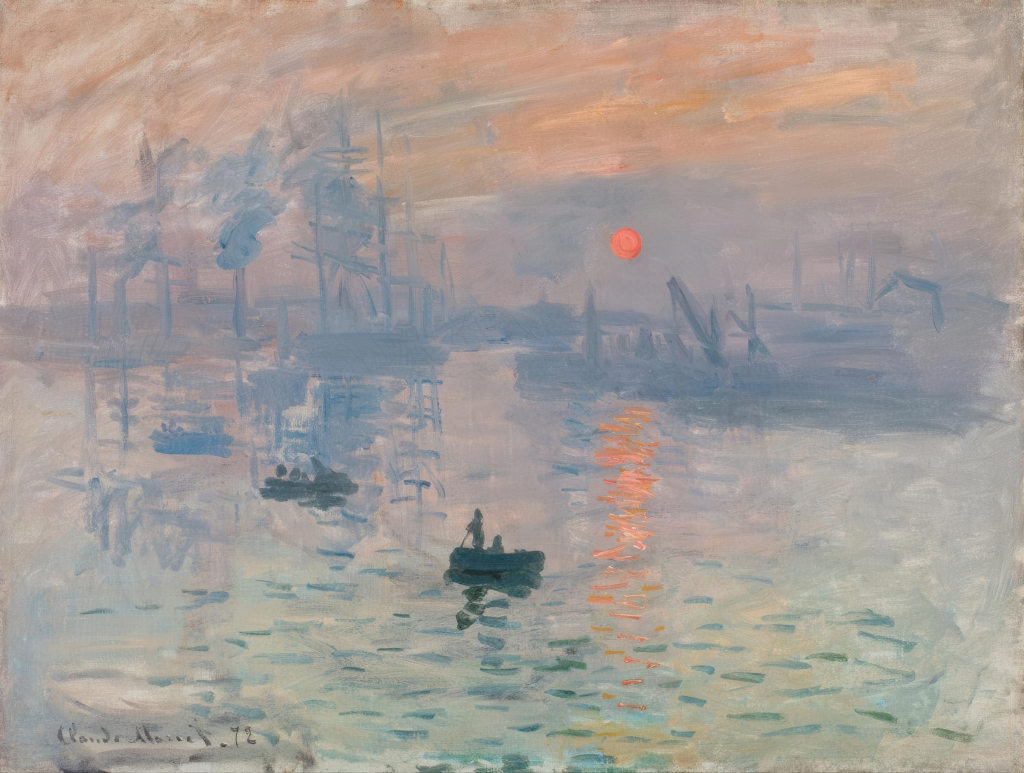
A common feature of Impressionism, as found in Impression, Sunrise, was the desire to capture a unique moment in time, and Monet does exactly that within The Cliff Walk at Pourville. He focuses on capturing the effect of wind and light, as well as delivering a bold palette.
- Artist:Claude Monet
- Year:1882
- Medium:Oil on canvas
- Location:Pourville-sur-Mer, Normandy
- Movement:Impressionism
- Subject:Coastal landscape with figures
Description
The painting majestically depicts a sweeping landscape that comprises of a tall cliff top with the brooding sea depicted far below. At the very top of the cliff can be seen two women. The painting appears to show a warm and bright, summer's day.
Monet planned the composition carefully, but initially it feels entirely spontaneous. The two figures appear highly exposed to the wind as they perch close to the edge. The layout is planned to push them deep across the sea, on a ledge overhanging the waves below.
The shorter section then allows a changing tone for the sea, with lighter green representing the sea closest to the shore. The horizon for this work is high, and just below it we find ships cutting across the scene. Waves are also delivered with touches of white paint, helping to increase the feeling of wind, light and movement. The figures, slightly tilted and caught mid-step, reinforce this feeling of movement.
The artist also chooses the angle carefully, which allows shadow to the cliff sides, helping to build some depth to the work.
Figures on the Cliff
The two women in the painting are often identified as members of Monet's family, possibly his wife Alice Hoschedé and her daughter. This painting is not intended as a family portrait, however, and their presence is more about providing scale and human presence. They also help to communicate the feeling of movement, as they stroll across the scene and their clothing and parasol are battered by the wind.
Large Image of Cliff Walk at Pourville

Cliff Walk at Pourville, Claude Monet, 1882
Related Paintings by Claude Monet
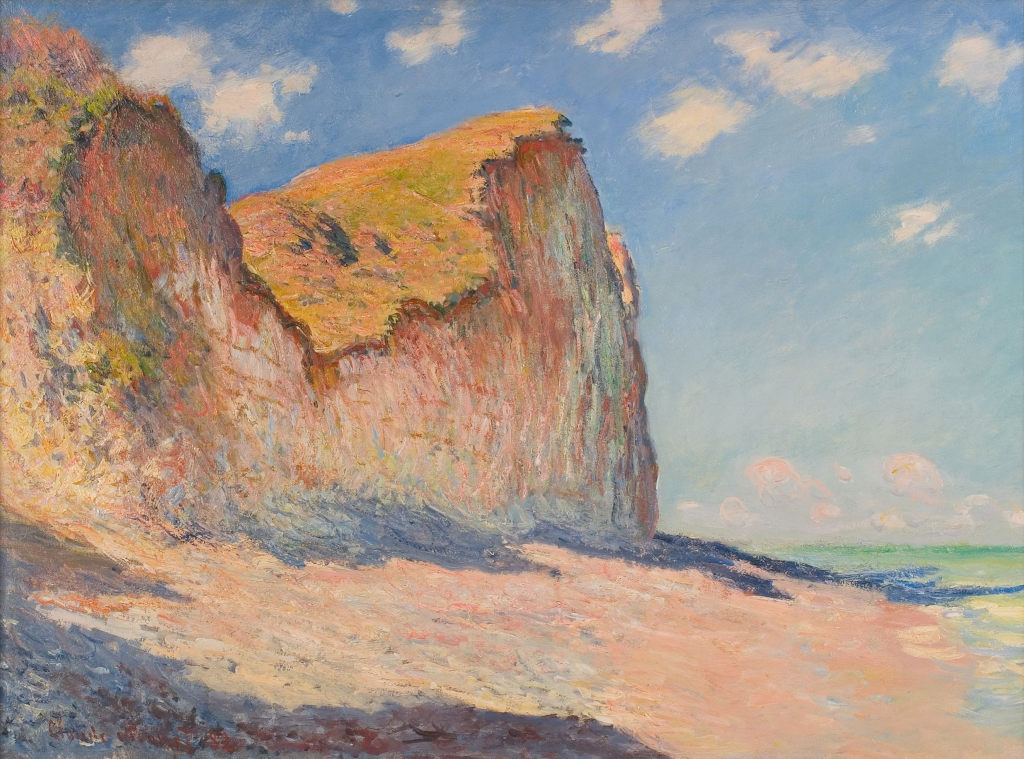
Cliffs near Pourville, Claude Monet, 1882, Rijksmuseum Twenthe
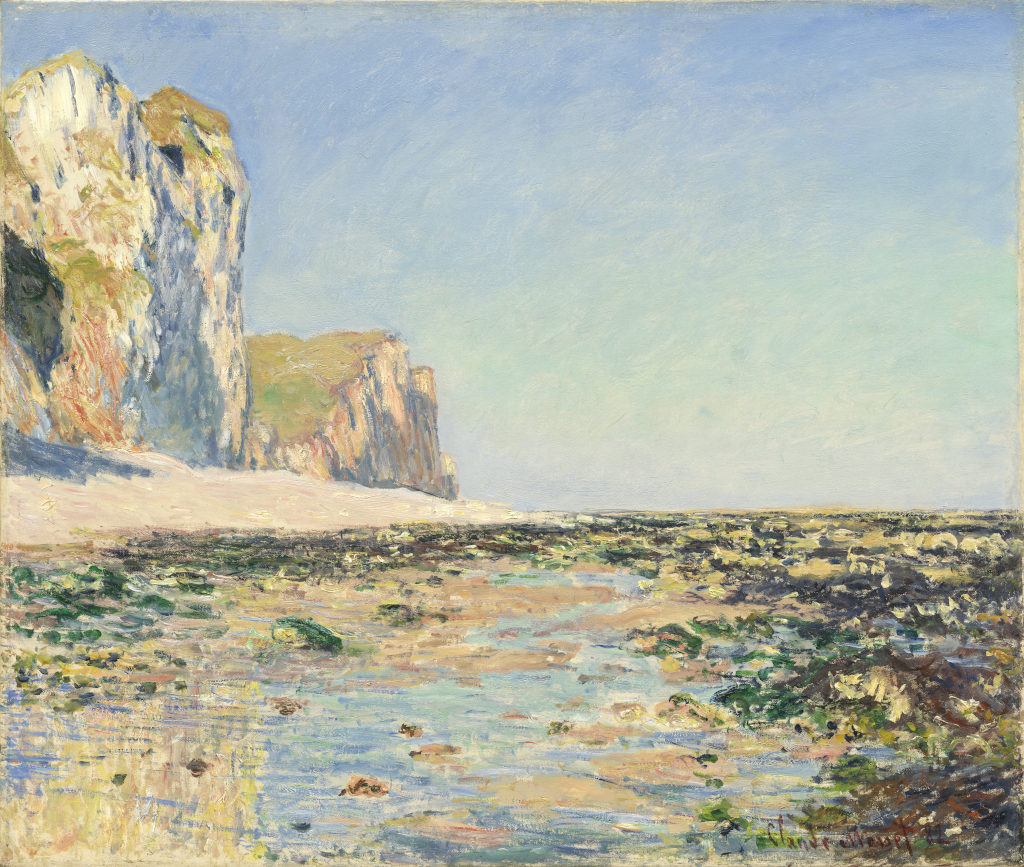
Seashore and Cliffs of Pourville in the Morning, Claude Monet, Tokyo Fuji Art Museum, 1882
Light, Colour and Atmosphere
Monet's use of colour is central to the painting's effect. The palette is vibrant yet balanced, with strong blues, greens, and touches of red and white. Rather than blending colours smoothly, Monet applies them in small, distinct strokes, allowing the viewer's eye to mix them at a distance.
Light is not fixed but constantly shifting. The sky is broken into patches of blue and white, suggesting moving clouds, while the sea reflects these variations in tone. The result is a scene that feels alive, as if it could change from one moment to the next.
Wind and Weather
One of the most striking aspects of the painting is its sense of wind. The women's clothing appears to move with the breeze, and the clouds drift across the sky. This emphasis on weather adds a dynamic quality that distinguishes the work from more static landscapes.
The grasses bend in the wind, their direction echoing the movement of the clouds above. Even the sea appears restless, its surface broken into small, shimmering strokes of colour. Every element contributes to a unified sense of motion.
Details of the Painting
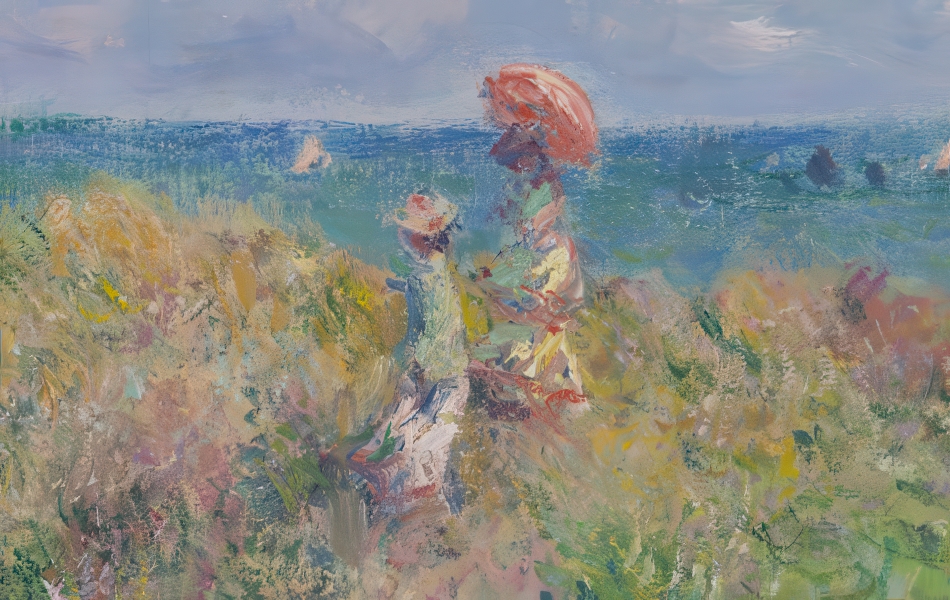
Two Figures atop the Cliff
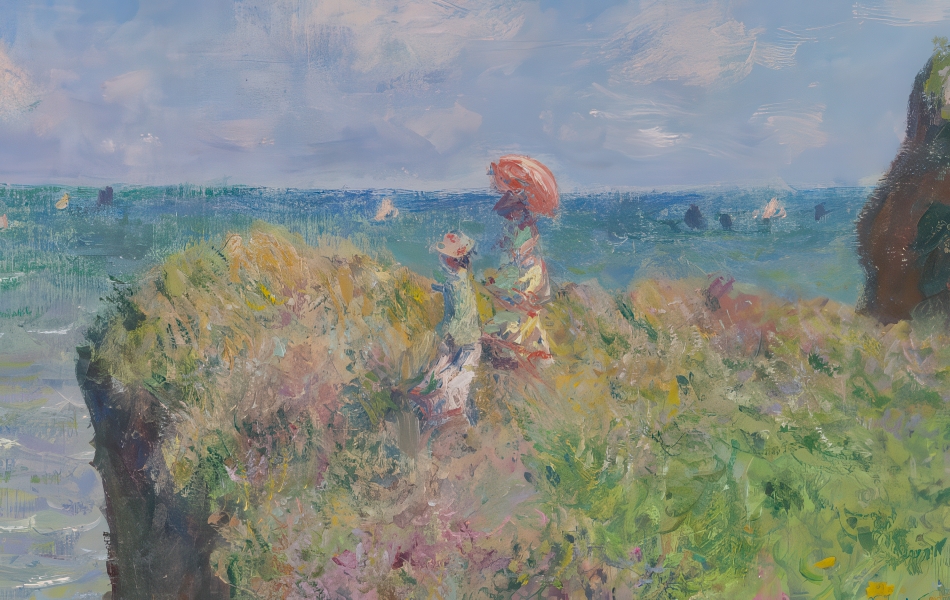
Wind Blows across the Scene

Ships in the Distance
Historical Background
During 1882 Monet spent a few months, up until April that year, living in Pourville, a fishing village on the edge of the coast, and it was this idyllic setting that became the inspiration for this painting.
While holidaying in France, Monet had originally headed to Dieppe, but was somewhat disappointed, as the area was to built up and busy to offer any artistic vision or inspiration. That was why he decided to venture to Pourville, where he sought the tranquility of this quaint fishing village.
At this time Monet write a letter to Alice Hoschedé, who would later become his wife, stating that the scenery was beautiful and that he would love the chance to show her such beauty.
Monet stayed true to his word, as it was in the summer that same year, that he retuned to Pourville with Alice. It has often been thought that the two young woman who can be observed standing on the clifftop, are indeed Alice's two daughters.
Video offering Analysis of the Painting
Technique
Monet's short and detailed brushstrokes can be seen in the painting of the long grasses that adorn the cliff and in the surrounding waves of the sea.
The way in which the brushstrokes have been applied, also convey a sense of movement, in that the painting has been captured at that particular moment in time, but that we also glimpse the movement of the grass and the roll of the sea, before and after the snapshot was taken.
We see the movement of the clouds and the wind whipping the women's hair as they observe the sea far below them.
Working Method
While Monet was painting The Cliff Walk at Pourville, he went through several revisions. The first was to re size and reposition the predominant cliff in the painting, so as to better balance the composition. He then added a second, smaller cliff, that was not part of the original plan.
It is also well documented, that on the first painting, Monet had added an extra figure onto the clifftop scene, but had then decided to paint over that particular individual.
Working from the cliffs above the sea, Monet painted rapidly and often revisited the same locations under different conditions. His aim was not to depict a fixed view, but to capture the ever-changing relationship between light, atmosphere, and form.
Composition
What is incredibly clever about this summer landscape painting is the fact that the images of the two women, standing on the clifftop, do not detract from the stunning view, or indeed spoil the entire composition.
Instead, they help to bring balance and a sense of both size and space to the painting. This blending of the women onto the canvas is done through the use of colour, lighting and texture.
Location
Cliff Walk at Pourville (1882) is housed at the Art Institute of Chicago, USA.
Provenance
-
By March 1, 1883
In the collection of Hayes (as recorded by Galeries Durand-Ruel, 1883). -
By July 17, 1888
Owned by Hermann Kapferer, Paris (according to Durand-Ruel stock records). -
July 17, 1888
Sold to Durand-Ruel, Paris, for 1,200 francs (confirmed by Durand-Ruel Archives). -
By April 26, 1928 (possibly)
Acquired by Annie Swan Coburn, Chicago. This transaction is recorded in Art Institute documentation but cannot be fully confirmed by the Durand-Ruel Archives. -
1933
Bequeathed to the Art Institute of Chicago.
Note: Some aspects of the painting's early provenance remain debated. The catalogue raisonné by Wildenstein (1996) suggests that Durand-Ruel acquired the painting directly from Monet in October 1882, though this claim is not supported by the Durand-Ruel Archives.
Summary
Today, Cliff Walk at Pourville is considered one of Monet's most important coastal works and is perhaps his most highly regarded work from his time in Pourville.
Critically, it also serves as an example of the artist's transition into Impressionism, where the focus would be on capturing a moment in time, and allowing the viewer to join in. This involved studying closely the changing light and conditions, over time. Monet was always evolving, and this artwork sits in the transition between the 1870s and the latter part of his career.
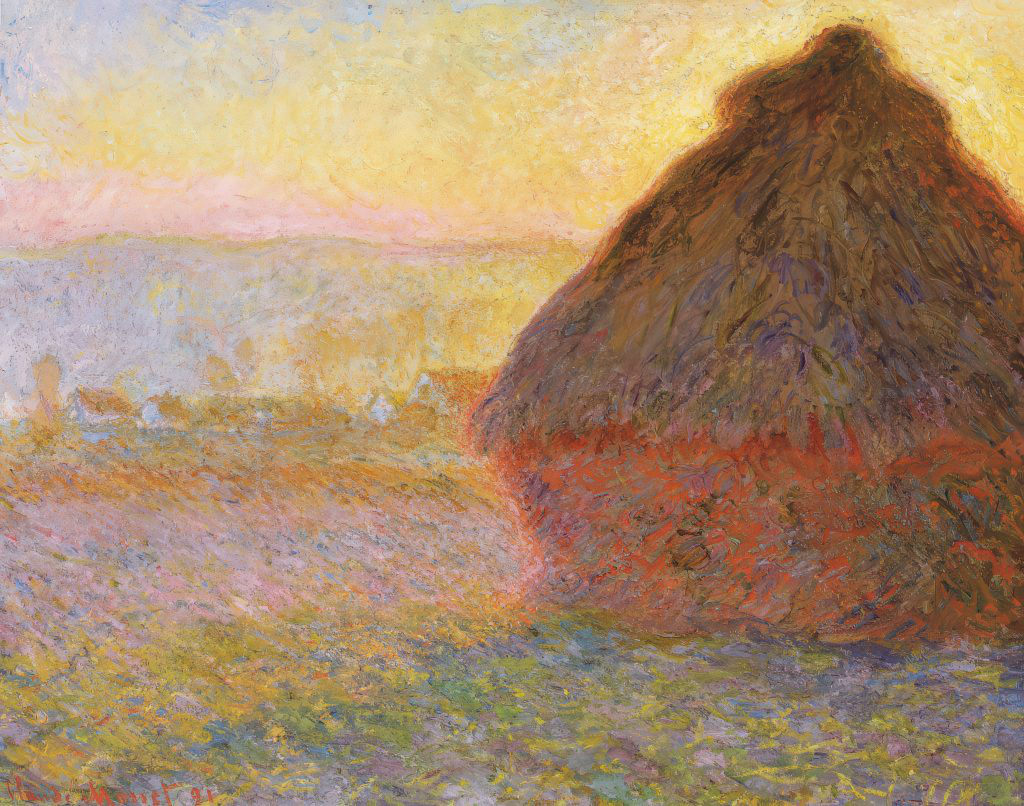
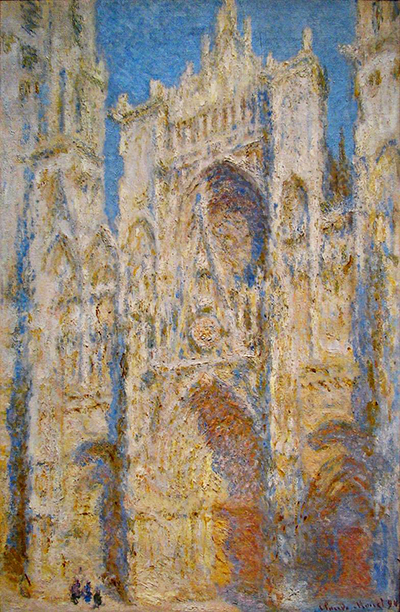
Additionally, Monet wa smoving towards series of works, such as Haystacks and Rouen Cathedral, in which he would systematically study a single subject across different times of day and weather conditions. His Pourville series was a movement towards that.