 by Tom Gurney
Tom Gurney BSc (Hons) is an art history expert with over 20 years experience
Published on October 6, 2016 / Updated on February 28, 2026
Email: tomgurney1@gmail.com / Phone: +44 7429 011000
Claude Monet in Sainte-Adresse (1867): The Birth of a Modern Seaside Vision
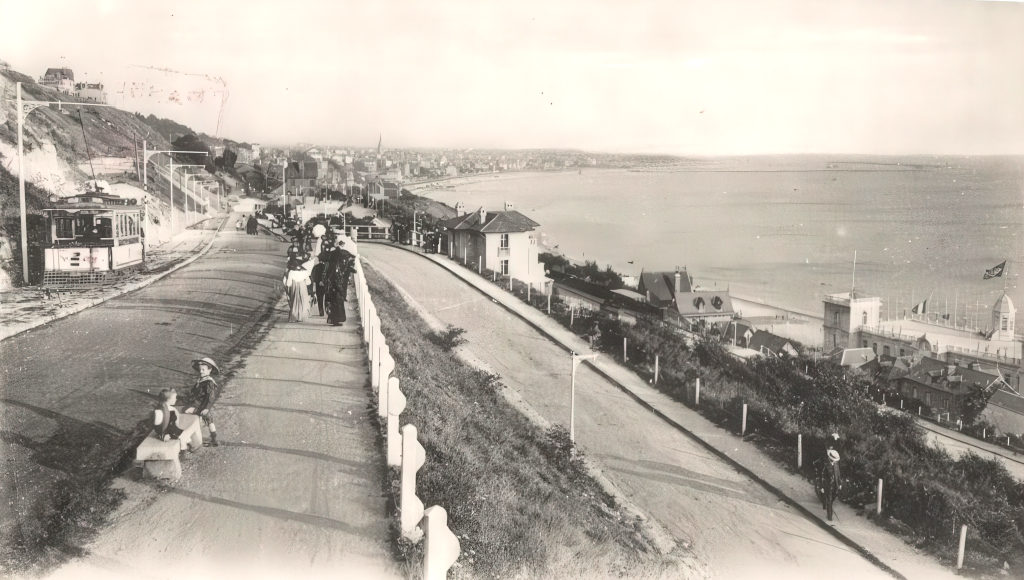
Monet in Normandy- Location: Sainte-Adresse, Normandy, France
- Year(s) Active: Summer 1867
- Art Movement Stage: Pre-Impressionist / Early Impressionism
- Primary Subjects: Seaside leisure, regattas, gardens, bourgeois modern life
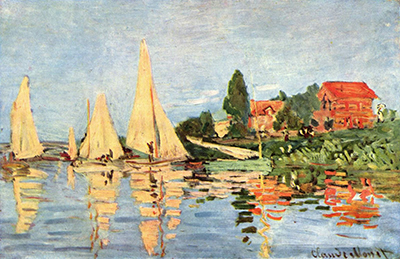
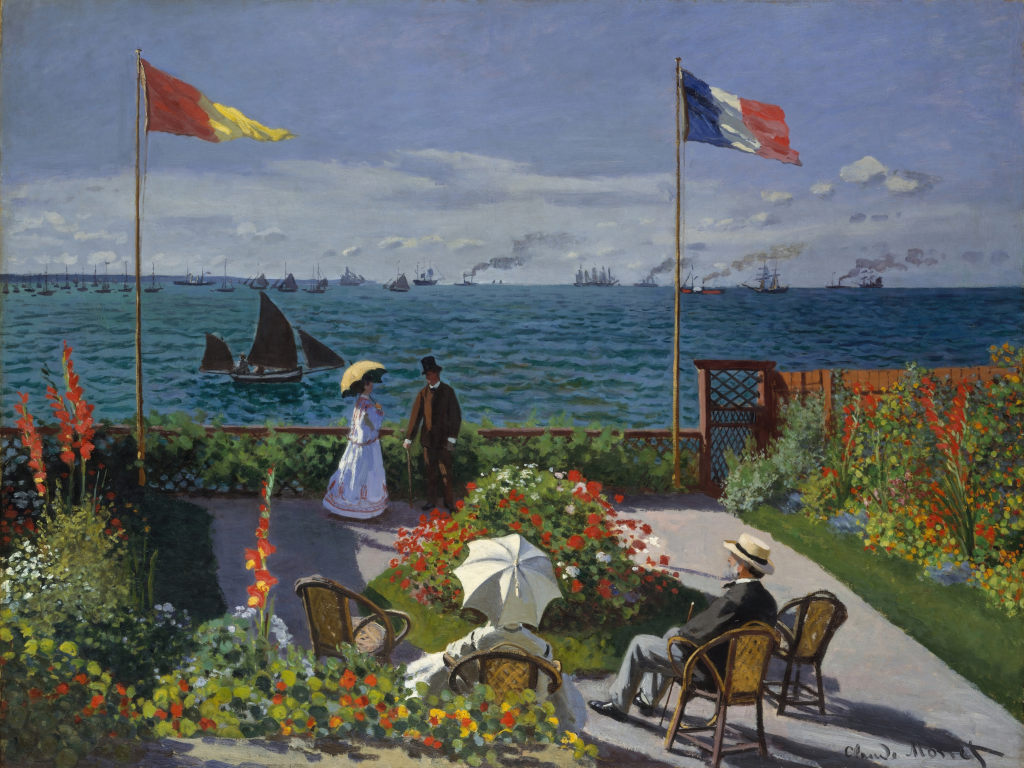
- Major Works: Terrace at Sainte-Adresse; Regatta at Sainte-Adresse; Garden at Sainte-Adresse
- Art Historical Significance: Clear transition toward modern subject matter and structured plein-air composition
- Related Normandy Locations: Le Havre; Honfleur; Étretat
Featured Monet Paintings from Sainte Adresse
 Claude Monet.jpg)
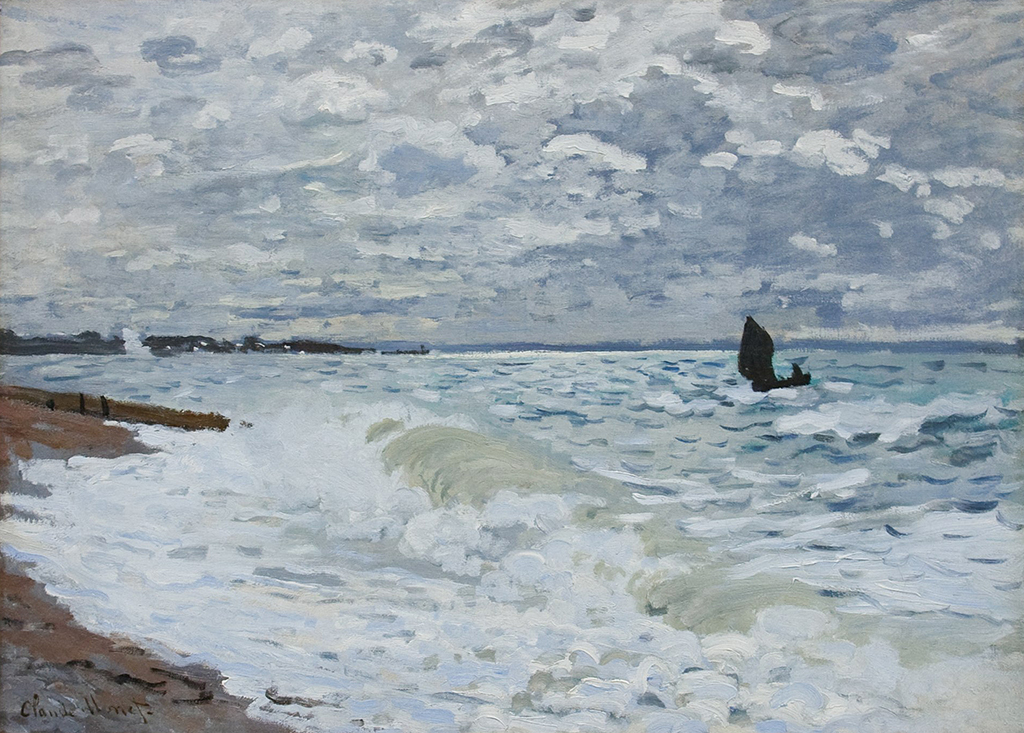
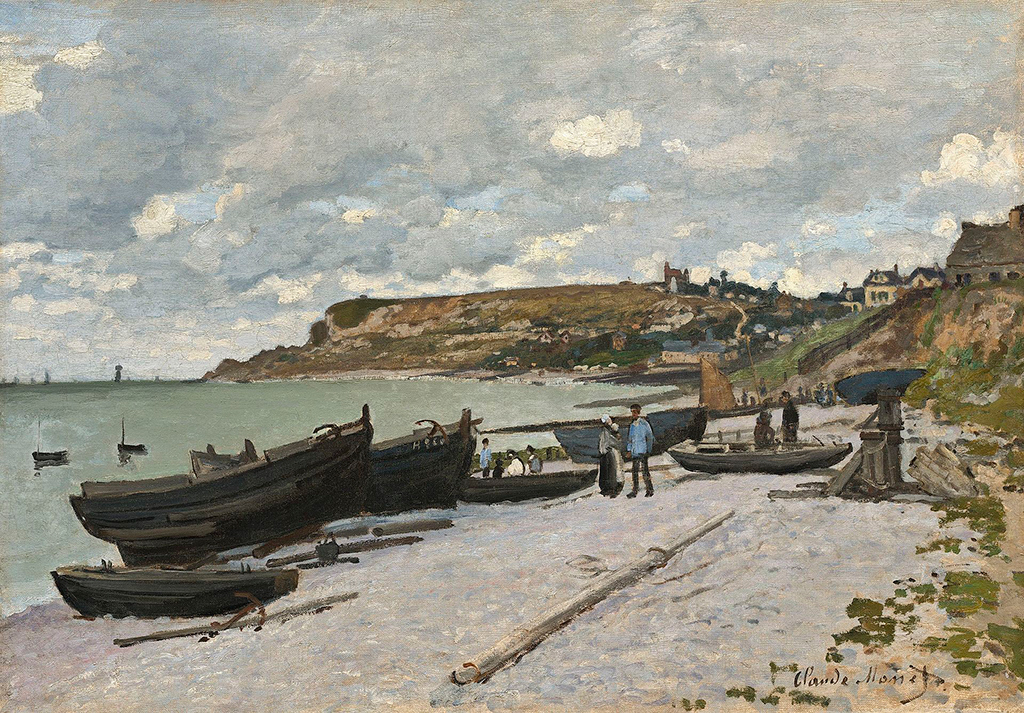
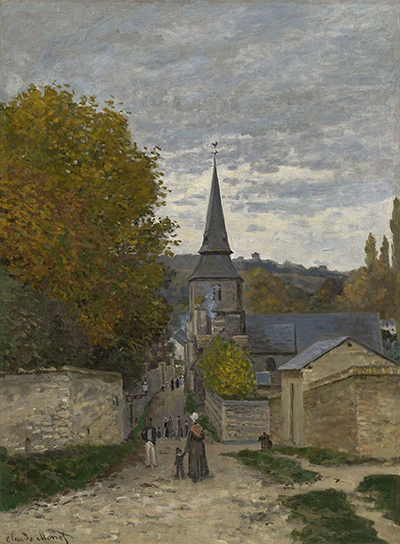
Complete List of Monet's Sainte-Adresse Paintings
| Title | Year | Medium | Current Location |
|---|---|---|---|
| Terrace at Sainte-Adresse | 1867 | Oil on canvas | The Metropolitan Museum of Art, New York |
| Regatta at Sainte-Adresse | 1867 | Oil on canvas | The Metropolitan Museum of Art, New York |
| Garden at Sainte-Adresse | 1867 | Oil on canvas | The State Hermitage Museum, St Petersburg |
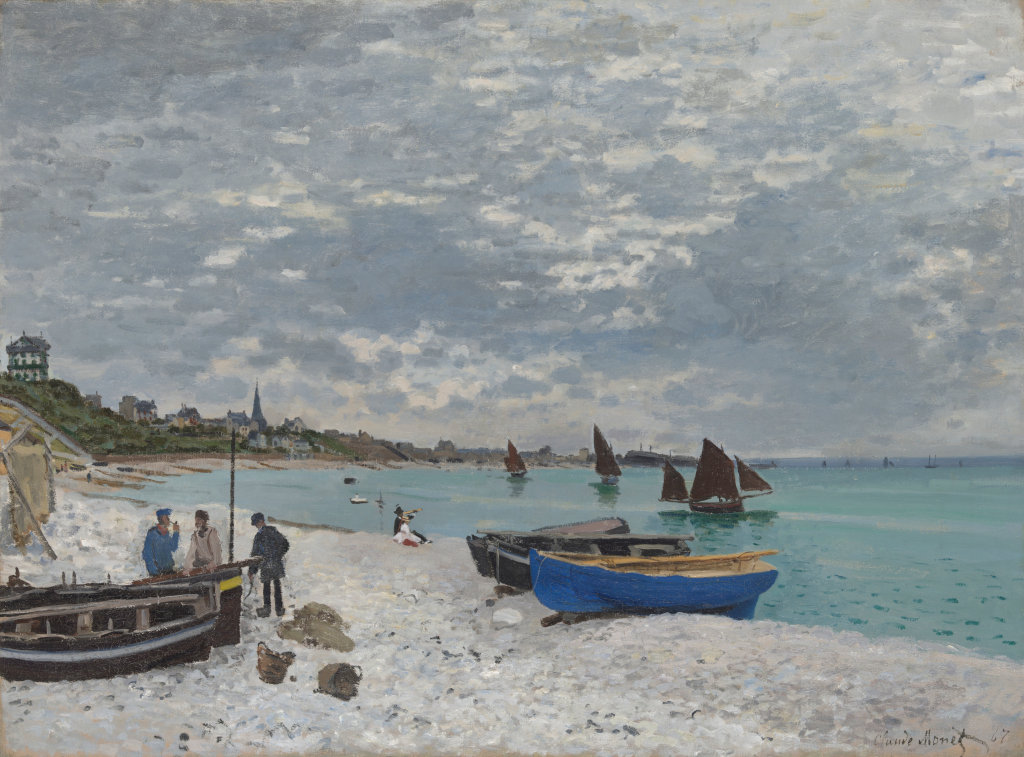
| The Beach at Sainte-Adresse | 1867 | Oil on canvas | Art Institute of Chicago |
| Boats on the Beach at Sainte-Adresse | 1867 | Oil on canvas | Private Collection |
| Sailing Boats at Sainte-Adresse | 1867 | Oil on canvas | Private Collection |
When did Monet paint in Sainte-Adresse?
Claude Monet worked in Sainte-Adresse during the summer of 1867. The paintings from this period represent a focused coastal series created while he was staying near Le Havre in Normandy.
Why is Sainte-Adresse important in Monet's career?
The Sainte-Adresse paintings mark a major step toward Impressionism. Monet emphasised modern leisure scenes, natural light, strong colour contrasts, and outdoor composition — foundations of his later revolutionary style.
What is the most famous painting from Sainte-Adresse?
Terrace at Sainte-Adresse (1867) is the most well-known work from this period. It features bright flowerbeds, French flags, and a structured view of the English Channel.
How does Sainte-Adresse relate to Le Havre and Honfleur?
Sainte-Adresse forms part of Monet's broader Normandy development. Le Havre shaped his early maritime training, Honfleur strengthened his atmospheric approach, and Sainte-Adresse refined his modern compositions of leisure and light.