by Tom Gurney
Tom Gurney BSc (Hons) is an art history expert with over 20 years experience
Published on July 14, 2026 / Updated on July 16, 2026
Email: tomgurney1@gmail.com / Phone: +447429011000
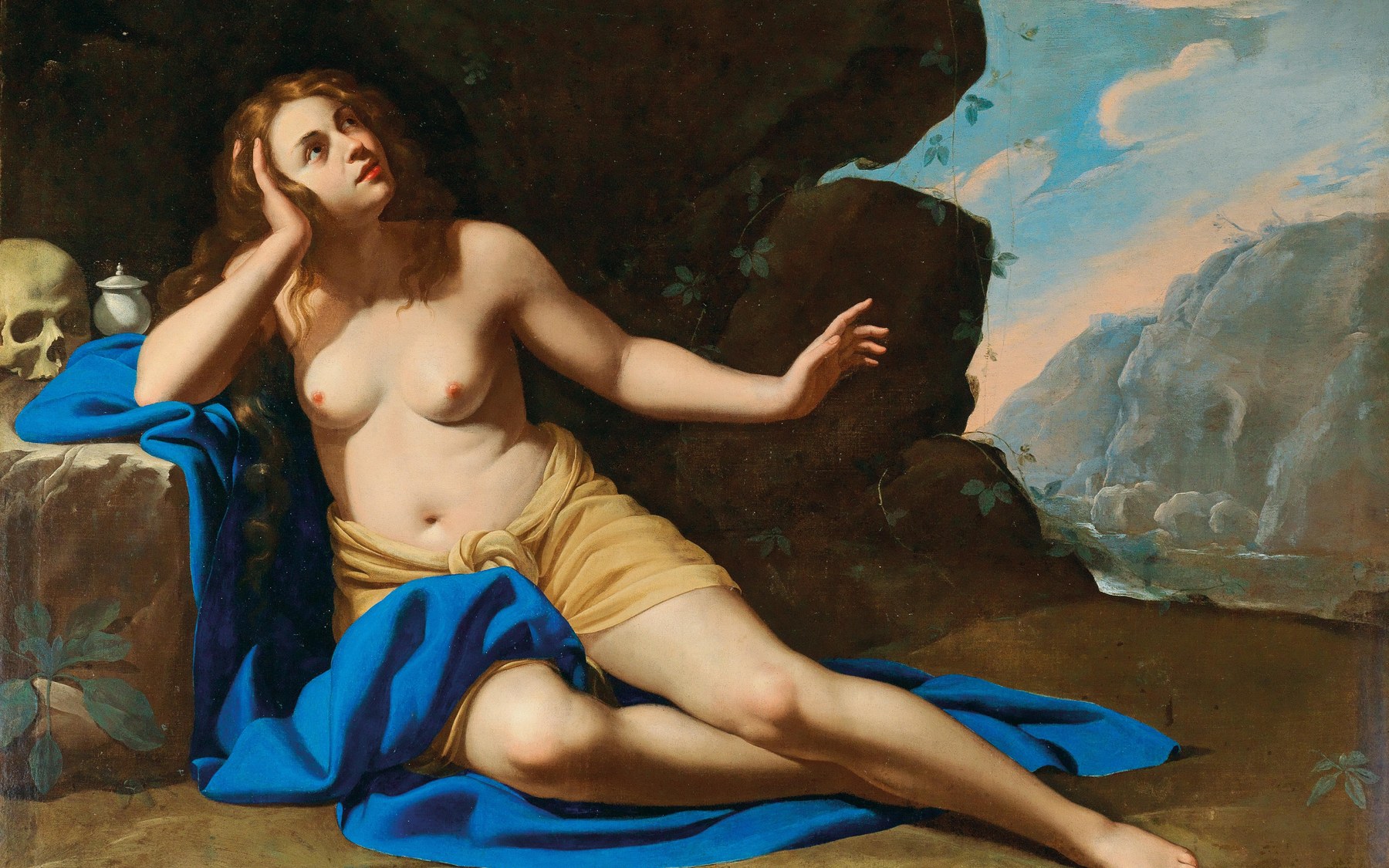
Artemisia Gentileschi - Mary Magdalene in Ecstasy II.jpg by Artemisia Gentileschi; Public domain via Wikimedia Commons. Cropped for TheHistoryOfArt.org. · Image source
What to expect
Mary Magdalene: Sin. Pray. Love. is an upcoming Städel Museum exhibition in Frankfurt, presented with the Liebieghaus Skulpturensammlung from 17 September 2026 to 17 January 2027. The Städel describes it as the first comprehensive exhibition in the German-speaking world dedicated to Mary Magdalene, following her changing image from apostle and devoted follower of Jesus to sinner, penitent, ecstatic saint, modern woman and figure of identification.
The scale is substantial: more than 100 paintings, sculptures and works on paper from the Middle Ages to the present, including major loans from German and international collections. The official page names artists including Albrecht Dürer, Pedro de Mena, Guercino, Georges de La Tour, Claude Lorrain, Arnold Böcklin, Max Beckmann and David LaChapelle, while placing special emphasis on women artists such as Lavinia Fontana, Elisabetta Sirani, Luisa Roldán, Lotte Laserstein, Kiki Smith, Marlene Dumas and Nieves González.
Why go
The exhibition is valuable because Mary Magdalene is not a stable image. She has been repeatedly constructed and reinterpreted through theology, legend, devotion, eroticism, penitence, spirituality, gender expectation and modern identity. A visitor can use the exhibition to follow one figure across many centuries and watch how each period places different pressures on the same name.
That long transformation makes the show useful for both Old Master and modern-art readers. Medieval and Baroque works may emphasise repentance, saintliness, ecstasy or physical presence. Modern and contemporary works may ask different questions about autonomy, body, social role and projection. The exhibition’s subtitle, Sin. Pray. Love., is deliberately broad, but the better visit will be more precise: what kind of woman does each image need Mary Magdalene to be?
What to look for
Begin with attributes and posture. Is Mary Magdalene shown with a jar, loose hair, a skull, a book, a cross, a desert setting, tears or an ecstatic gesture? Those details are not mere accessories. They organise the viewer’s response: repentant sinner, witness, penitent, contemplative, lover of Christ, ascetic, saint, or woman made available for projection.
Then compare media. Sculpture gives the body weight and presence; painting can stage light, skin, tears and theatrical emotion; works on paper can move more quickly between study, devotion and interpretation. Because the Städel and Liebieghaus are collaborating, the exhibition can move between object types rather than treating iconography as only a painting problem.
The focus on women artists is especially important. Mary Magdalene has often been shaped by male religious, literary and artistic traditions, so works by Lavinia Fontana, Elisabetta Sirani, Luisa Roldán, Lotte Laserstein, Kiki Smith, Marlene Dumas and Nieves González should not be treated as side examples. They can change the question from “how has she been represented?” to “who gets to reinterpret her, and for what purpose?”
How it fits the Städel and Frankfurt
This exhibition deepens the Städel page by showing the museum’s ability to connect Old Masters, sculpture, works on paper and modern art around one iconographic subject. It also complements Bruegel. Printed: one is a focused works-on-paper exhibition around a sixteenth-century artist, while the other is a broad cross-century thematic show. Together they make Frankfurt feel like a meaningful new city in the guide, not just a single-entry add-on.
For Frankfurt planning, this is an upcoming major exhibition with international loans and early-bird ticketing. The Städel ticket information notes that major special exhibitions such as Mary Magdalene are treated differently from some current exhibitions for MuseumsuferCard purposes, so readers should check the Städel source before travelling for tickets, access, opening hours and any changes.
Image and rights note
This gate needs particular image caution because the exhibition spans from medieval objects to contemporary works. The future image review should prefer older public-domain works, such as historic paintings or sculptures of Mary Magdalene, or use a carefully approved Städel source with its terms checked. The page remains image-free until Tom chooses and approves a final source and credit path.
How to use this page
Because Mary Magdalene: Sin. Pray. Love. is upcoming, the page should help a reader decide whether to plan a future trip or watch for reviews and final venue details. The most reliable fixed details are the venue, dates, broad subject, media and official source link. The interpretive notes help place the exhibition in art-historical context: what kind of show it is, why it may matter, and which artists or topics are worth exploring next.
It is marked as a major exhibition in this guide, so it should be useful for readers choosing between several possible museum visits.
Looking notes
For a visitor, the most useful approach is to look for patterns rather than isolated highlights. With Mary Magdalene, Albrecht Dürer, Lavinia Fontana, Elisabetta Sirani, Luisa Roldán, Georges de La Tour, Max Beckmann, Lotte Laserstein, ask how the exhibition frames the subject: as biography, period survey, focused theme, collection display or reassessment. With media such as painting, sculpture, works on paper, religious art, iconography, pay attention to changes of scale, surface, lighting, material and display sequence, because those details are often lost in online listings.
The guide avoids over-specific claims where the public source does not yet support them. If a museum has not published a full object list, it is better to stay clear about what is confirmed than to imply certainty.
Who it is best for
Mary Magdalene: Sin. Pray. Love. is most likely to help readers who are already interested in Mary Magdalene, Albrecht Dürer, Lavinia Fontana, Elisabetta Sirani, Luisa Roldán, Georges de La Tour, Max Beckmann, and Lotte Laserstein, but it may also be useful for visitors building a wider route around Städel Museum in Frankfurt. If time is limited, use this page to decide whether the subject fills a gap in your knowledge, whether it connects to artists you already follow, and whether the official venue information makes the visit practical.