by Tom Gurney
Tom Gurney BSc (Hons) is an art history expert with over 20 years experience
Published on July 14, 2026 / Updated on July 16, 2026
Email: tomgurney1@gmail.com / Phone: +447429011000
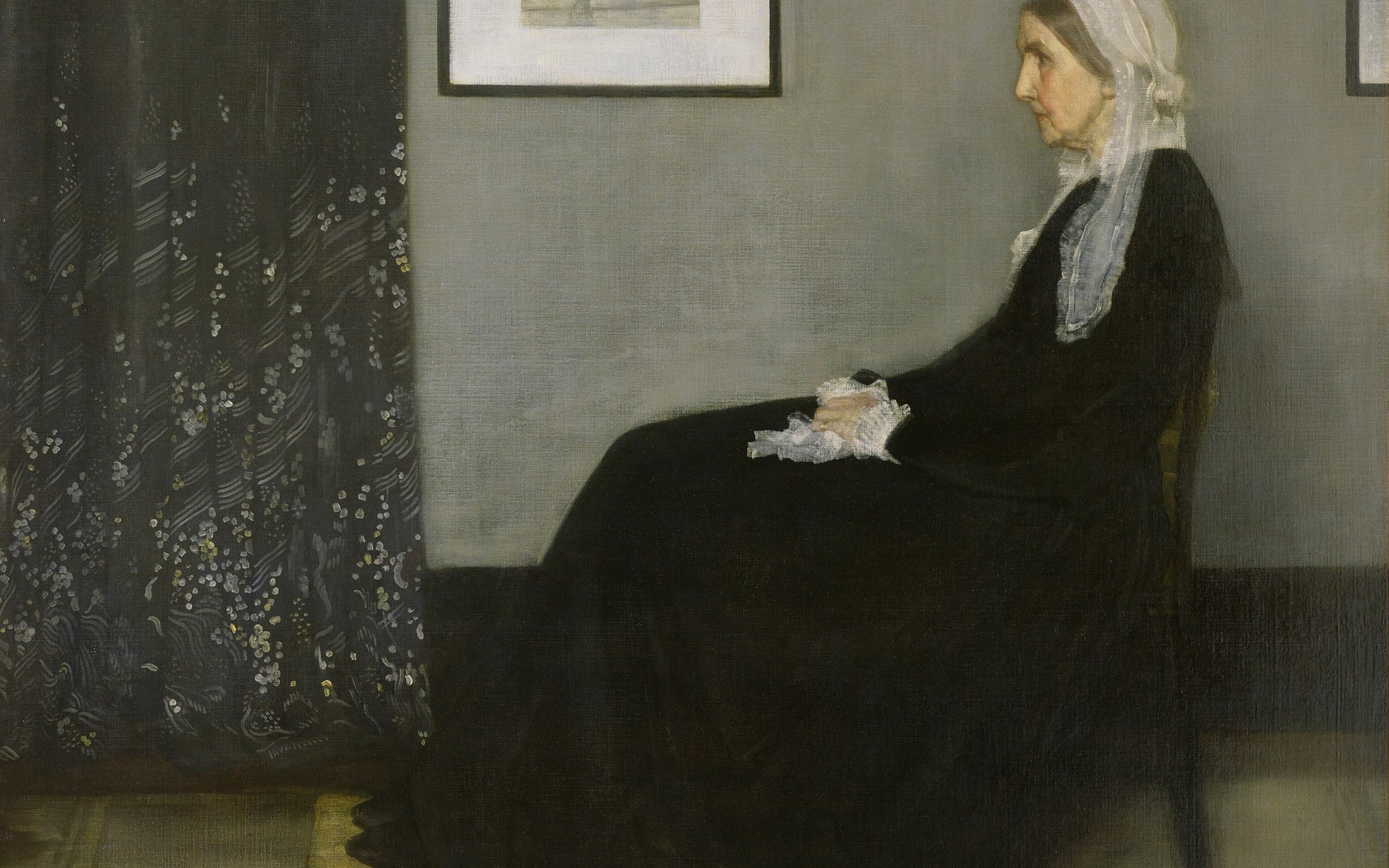
James McNeill Whistler, Arrangement in Grey and Black No. 1, 1871; public-domain image via Wikimedia Commons · Image source
What to expect
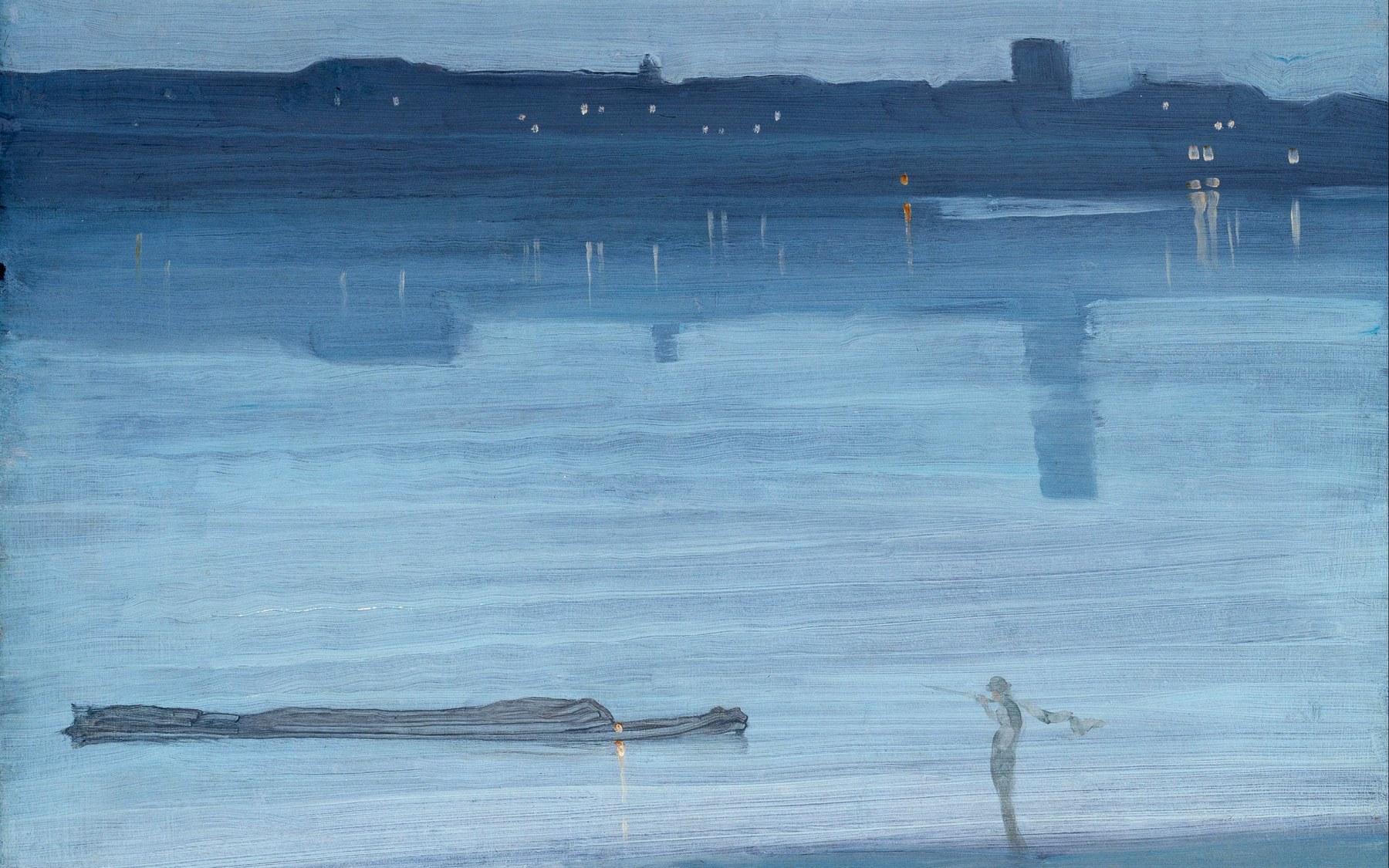
Tate Britain’s Whistler exhibition is a major, still-running London exhibition with strong public recognition. Expect a broad view of Whistler rather than a single-picture story: portraits, Thames nocturnes, works on paper and the design culture around his interiors all matter.
Why go
The value is in seeing Whistler’s restraint at scale. His greys, blacks and muted colour relationships can look severe in reproduction, but in person they depend on surface, spacing and rhythm. The exhibition should help readers connect Whistler’s Mother with the more atmospheric, music-like language of arrangements, harmonies and nocturnes.
Before you visit
This page uses public-domain object images, official Tate information and original written interpretation. Check Tate Britain for current admission arrangements, access information and any changes before travelling.
How to use this page
Because James McNeill Whistler is current, the page should help a reader decide whether it deserves time before the closing date, not merely record that it exists. The most reliable fixed details are the venue, dates, broad subject, media and official source link. The interpretive notes help place the exhibition in art-historical context: what kind of show it is, why it may matter, and which artists or topics are worth exploring next.
It is marked as a major exhibition in this guide, so it should be useful for readers choosing between several possible museum visits.
Looking notes
For a visitor, the most useful approach is to look for patterns rather than isolated highlights. With James McNeill Whistler, ask how the exhibition frames the subject: as biography, period survey, focused theme, collection display or reassessment. With media such as painting, print, drawing, decorative arts, pay attention to changes of scale, surface, lighting, material and display sequence, because those details are often lost in online listings.
The guide avoids over-specific claims where the public source does not yet support them. If a museum has not published a full object list, it is better to stay clear about what is confirmed than to imply certainty.
Who it is best for
James McNeill Whistler is most likely to help readers who are already interested in James McNeill Whistler, but it may also be useful for visitors building a wider route around Tate Britain in London. If time is limited, use this page to decide whether the subject fills a gap in your knowledge, whether it connects to artists you already follow, and whether the official venue information makes the visit practical.