by Tom Gurney
Tom Gurney BSc (Hons) is an art history expert with over 20 years experience
Published on July 14, 2026 / Updated on July 16, 2026
Email: tomgurney1@gmail.com / Phone: +447429011000
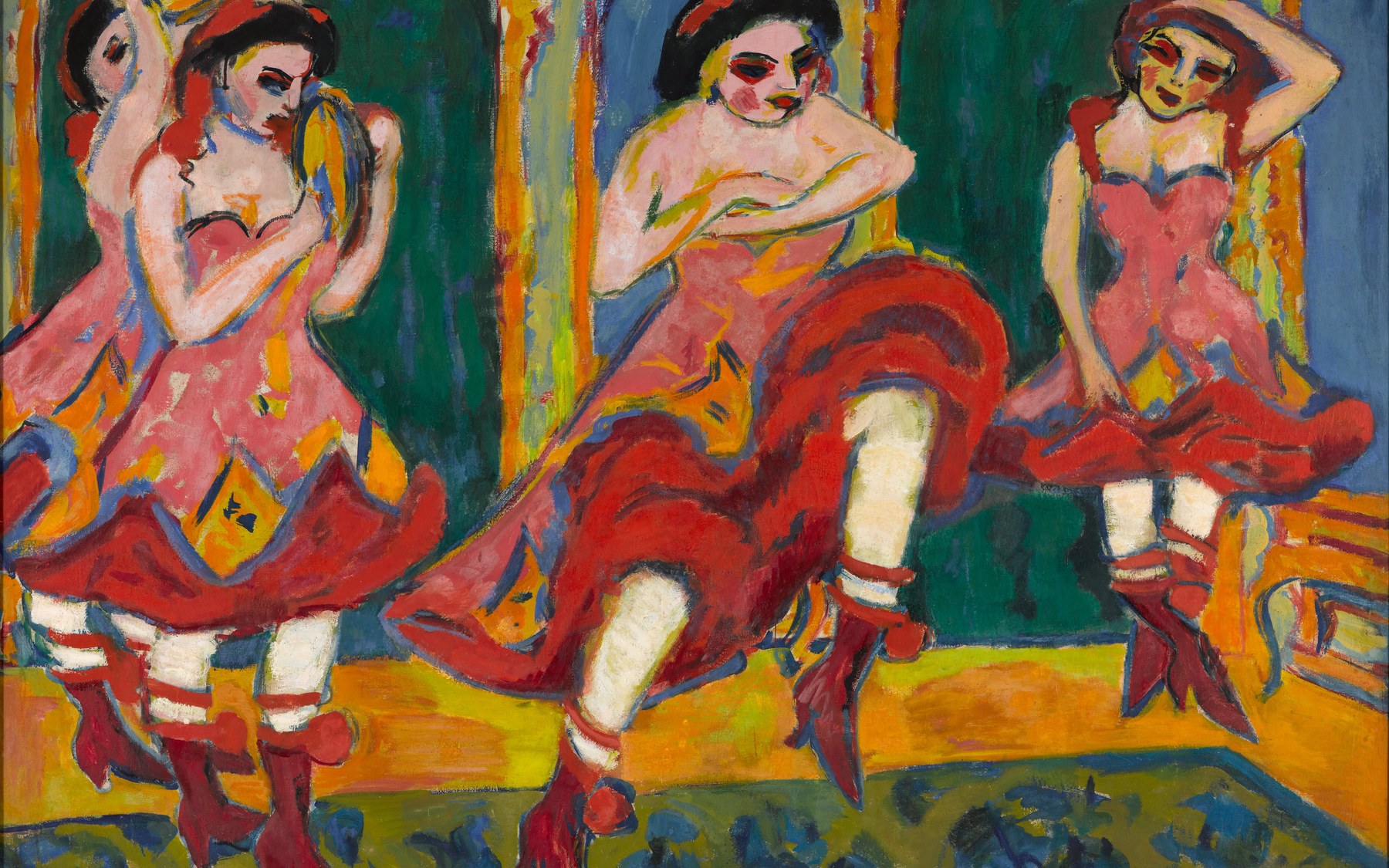
Ernst Ludwig Kirchner - Czardas dancers - Google Art Project.jpg by Ernst Ludwig Kirchner; Public domain via Wikimedia Commons. Cropped for TheHistoryOfArt.org. · Image source
What to expect
Modern Painting 1900–1918: German Expressionism at The National Gallery focuses on German Expressionism, with material centred on painting. The exhibition sits within a 1900-1918 frame, so it should be most useful for readers interested in how the artist, period or subject developed rather than just a single famous image.
Why go
Fifty international works presenting an alternative account of German Expressionism. Venue describes 50 German Expressionist works. For a visitor, that means the page should be treated as more than a listing: it is a selected exhibition with enough scope, rarity or public recognition to justify checking dates and related collection displays.
Before you visit
It is one to plan around if your trip dates are flexible. Use the official source for current availability, opening times, access information and any late changes. If you are already using TheHistoryOfArt.org for artist or artwork research, the links below are the quickest way to place this exhibition in a wider art-historical context.
How to use this page
Because Modern Painting 1900–1918: German Expressionism is upcoming, the page should help a reader decide whether to plan a future trip or watch for reviews and final venue details. The most reliable fixed details are the venue, dates, broad subject, media and official source link. The interpretive notes help place the exhibition in art-historical context: what kind of show it is, why it may matter, and which artists or topics are worth exploring next.
It is marked as a major exhibition in this guide, so it should be useful for readers choosing between several possible museum visits.
Looking notes
For a visitor, the most useful approach is to look for patterns rather than isolated highlights. With German Expressionism, ask how the exhibition frames the subject: as biography, period survey, focused theme, collection display or reassessment. With media such as painting, pay attention to changes of scale, surface, lighting, material and display sequence, because those details are often lost in online listings.
The guide avoids over-specific claims where the public source does not yet support them. If a museum has not published a full object list, it is better to stay clear about what is confirmed than to imply certainty.
Who it is best for
Modern Painting 1900–1918: German Expressionism is most likely to help readers who are already interested in German Expressionism, but it may also be useful for visitors building a wider route around The National Gallery in London. If time is limited, use this page to decide whether the subject fills a gap in your knowledge, whether it connects to artists you already follow, and whether the official venue information makes the visit practical.