by Tom Gurney
Tom Gurney BSc (Hons) is an art history expert with over 20 years experience
Published on July 14, 2026 / Updated on July 16, 2026
Email: tomgurney1@gmail.com / Phone: +447429011000
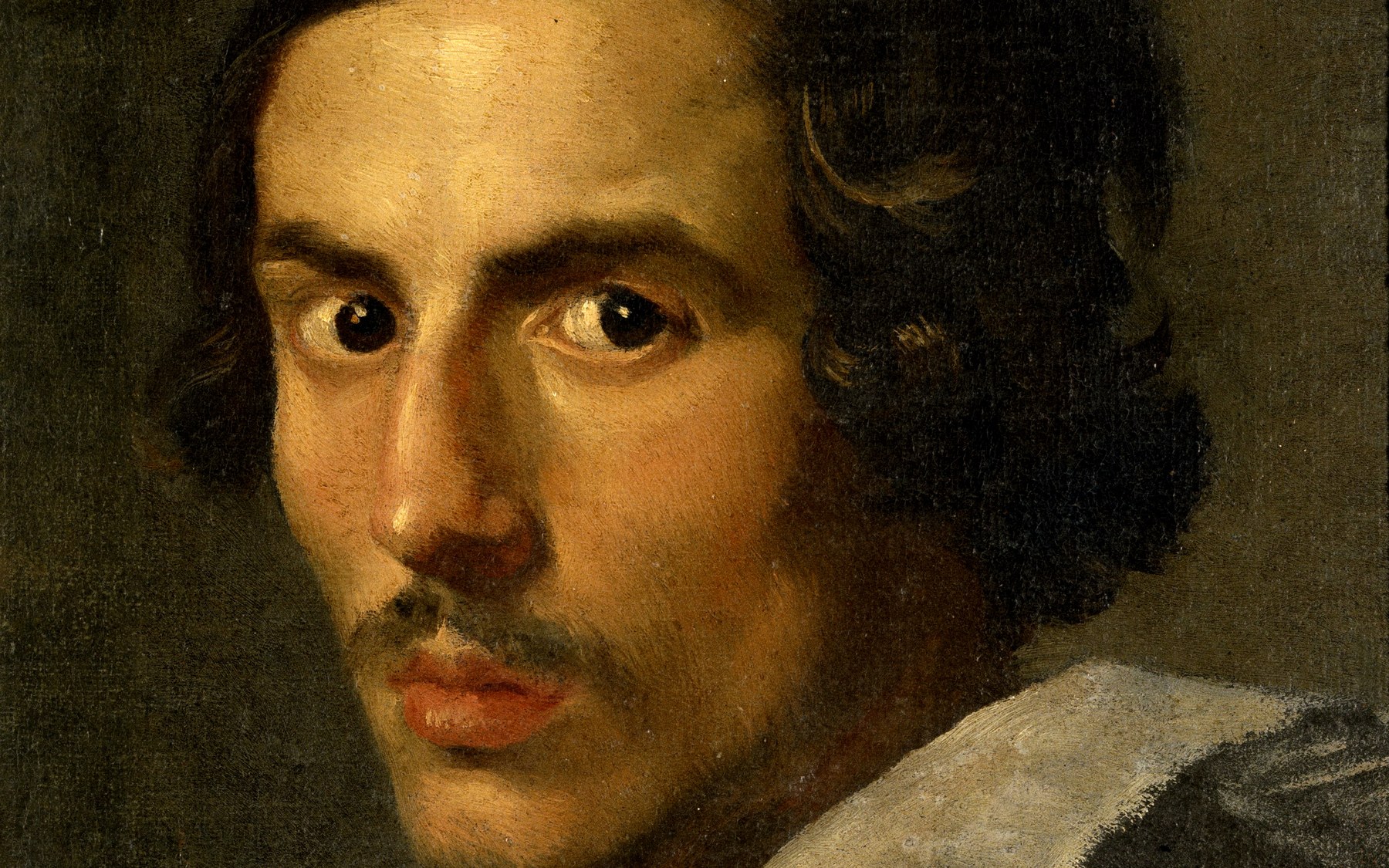
Gian Lorenzo Bernini, self-portrait, c1623.jpg by Gian Lorenzo Bernini; Public domain via Wikimedia Commons. Cropped for TheHistoryOfArt.org. · Image source
What to expect
Bernini - Painter and Sculptor is an upcoming Kunsthistorisches Museum Vienna exhibition, scheduled from 2 December 2026 to 4 April 2027. The official KHM page places it at Palais Lobkowitz, the Theatermuseum building, which matters for planning because this is not simply another room on a standard Picture Gallery route. It is a focused KHM exhibition using one of the museum's own paintings as the starting point for a larger reassessment of Gian Lorenzo Bernini.
The exhibition centres on Portrait of an Old Man, a work in the KHM Picture Gallery dated around 1670. KHM states that the painting had previously been attributed to an anonymous painter, but recent research suggests that it may be by Bernini himself. That is the spark of the show. Bernini is famous above all as the sculptor and designer associated with the Roman Baroque, St Peter's Square, theatrical religious sculpture and the ability to make marble behave like flesh, cloth, movement and emotion. The KHM exhibition asks visitors to look at him from a less familiar direction: as a painter of portraits.
KHM's official text says the rediscovery is especially striking because only a few of Bernini's once numerous portrait paintings have survived. Around ten prominent international loans support the case, inviting visitors to rediscover the artist from a surprising and little-noticed perspective. That gives the page enough substance for a standalone guide. It is not just "Bernini in Vienna"; it is a museum-research story about attribution, survival, likeness, and the relationship between painting and sculpture.
Why go
The strongest reason to go is the chance to watch art history happen in public. Attribution can sound like a private scholarly problem, but it changes how an object is seen, valued and placed in a collection. If a portrait long treated as anonymous can plausibly be connected to Bernini, then the painting becomes a test case for method. What evidence supports the new view? How do style, handling, provenance, comparison, technical research and historical context work together? And how does the museum communicate confidence without turning a complex argument into a headline?
The exhibition is also useful because it complicates Bernini's image. Most visitors come to him through sculpture: bodies twisting in space, saints in ecstasy, papal monuments, fountains, busts and architectural settings that turn Rome into theatre. A painted portrait asks for quieter looking. It cannot rely on the same physical projection into space, but it can still produce presence through eyes, mouth, flesh tone, collar, shadow, surface and the relation between sitter and viewer. The interest is not whether painting is better or worse than sculpture, but how Bernini might think across both media.
For KHM, the exhibition fits neatly with the museum's strength in Old Master research. The collection is not frozen; it is continually interpreted through conservation, documentation, loans and new scholarship. A focused show at Palais Lobkowitz can make that process visible while also widening the Vienna cluster beyond Bruegel, Titian, Velazquez, Canaletto and Bellotto. It gives readers a Baroque route that is about inquiry rather than simple monumentality.
What to look for
Begin with the portrait's handling. If the painting is presented as a possible Bernini, the most useful question is how its painterly decisions relate to the artist's known sculptural intelligence. Does the face feel constructed through mass and light? Does the head carry the psychological charge associated with Bernini's sculpted busts? Are the edges quick, searching, economical or theatrical? A portrait can be small in scale and still intensely staged.
Then look at likeness as performance. Baroque portraiture is not neutral description. It can show age, authority, piety, wit, status, fatigue, intellect or social role through a controlled arrangement of face, clothing, pose and lighting. Bernini's sculpted portraits often seem alive because they catch a sitter in an active moment rather than a fixed pose. The exhibition may ask whether a similar liveliness can be recognised in paint.
The international loans should help with comparison. Around ten is a compact number, so each loan is likely to carry weight. Visitors should compare the KHM painting with works that clarify Bernini's portrait practice, his circle, his Roman context or the broader Baroque language of presence. Pay attention to whether the show separates secure works, attributed works and contextual comparisons. That distinction is editorially important, and it is where the exhibition can teach viewers how museum arguments are built.
Also watch for the relationship between media. Sculptors draw and paint; painters think sculpturally; architects use both image and space. Bernini's career makes those boundaries unstable. A face in paint may borrow the drama of sculpture; a sculpted bust may depend on painterly effects of light and surface. The most rewarding route will be to ask how the Baroque viewer was persuaded that an image was alive, whether the material was canvas, marble, bronze, architecture or staged light.
How it fits KHM and Vienna
This page strengthens the Kunsthistorisches Museum record by adding a third kind of KHM exhibition route. Canaletto & Bellotto gives Vienna city views and Habsburg collecting; Crime Scene Ephesus gives ancient archaeology and the Ephesos Museum; Bernini - Painter and Sculptor gives Old Master research, Baroque portraiture and attribution. Together they make KHM feel like an active research institution rather than only a treasury of famous rooms.
For practical planning, readers should check KHM's official source before travelling for tickets, building access, opening hours and any changes. Palais Lobkowitz is associated with the Theatermuseum and sits at Lobkowitzplatz, so the visit may need to be planned separately from the main Kunsthistorisches Museum building on Maria-Theresien-Platz or from the Neue Hofburg route used by the Ephesus exhibition.
The exhibition also creates useful future internal-link opportunities. It can later connect to a Bernini artist page, Baroque sculpture, portrait busts, attribution, conservation research, Rome, St Peter's Square, and broader feature pages on how painters and sculptors crossed media boundaries. It is especially good for Tom's long-term material on master-to-apprentice systems, art schools, and the movement of artistic ideas across international borders because Bernini's Rome shaped European Baroque taste far beyond Italy.
Image and rights note
The underlying artist-life copyright risk is low because Bernini died in 1680. The practical image risk is still real: the most relevant lead image would likely be KHM's Portrait of an Old Man or a comparison loan, and those photographs carry institutional source and credit requirements. This page remains image-free until Tom approves the source and credit route. A future image review should separate public-domain Bernini sculpture options from KHM press/object photography and should avoid implying that a representative image is included unless the official source confirms it.
How to use this page
Because Bernini - Painter and Sculptor is upcoming, the page should help a reader decide whether to plan a future trip or watch for reviews and final venue details. The most reliable fixed details are the venue, dates, broad subject, media and official source link. The interpretive notes help place the exhibition in art-historical context: what kind of show it is, why it may matter, and which artists or topics are worth exploring next.
It is marked as a major exhibition in this guide, so it should be useful for readers choosing between several possible museum visits.
Looking notes
For a visitor, the most useful approach is to look for patterns rather than isolated highlights. With Gian Lorenzo Bernini, Portrait of an Old Man, Baroque portraiture, St Peter's Square, Roman Baroque, sculpture and painting, attribution research, ask how the exhibition frames the subject: as biography, period survey, focused theme, collection display or reassessment. With media such as painting, sculpture, portraiture, old master research, international loans, pay attention to changes of scale, surface, lighting, material and display sequence, because those details are often lost in online listings.
The guide avoids over-specific claims where the public source does not yet support them. If a museum has not published a full object list, it is better to stay clear about what is confirmed than to imply certainty.
Who it is best for
Bernini - Painter and Sculptor is most likely to help readers who are already interested in Gian Lorenzo Bernini, Portrait of an Old Man, Baroque portraiture, St Peter's Square, Roman Baroque, sculpture and painting, and attribution research, but it may also be useful for visitors building a wider route around Kunsthistorisches Museum Vienna in Vienna. If time is limited, use this page to decide whether the subject fills a gap in your knowledge, whether it connects to artists you already follow, and whether the official venue information makes the visit practical.