


 by Tom Gurney
Tom Gurney BSc (Hons) is an art history expert with over 20 years experience
Published on July 14, 2026 / Updated on July 16, 2026
Email: tomgurney1@gmail.com / Phone: +447429011000
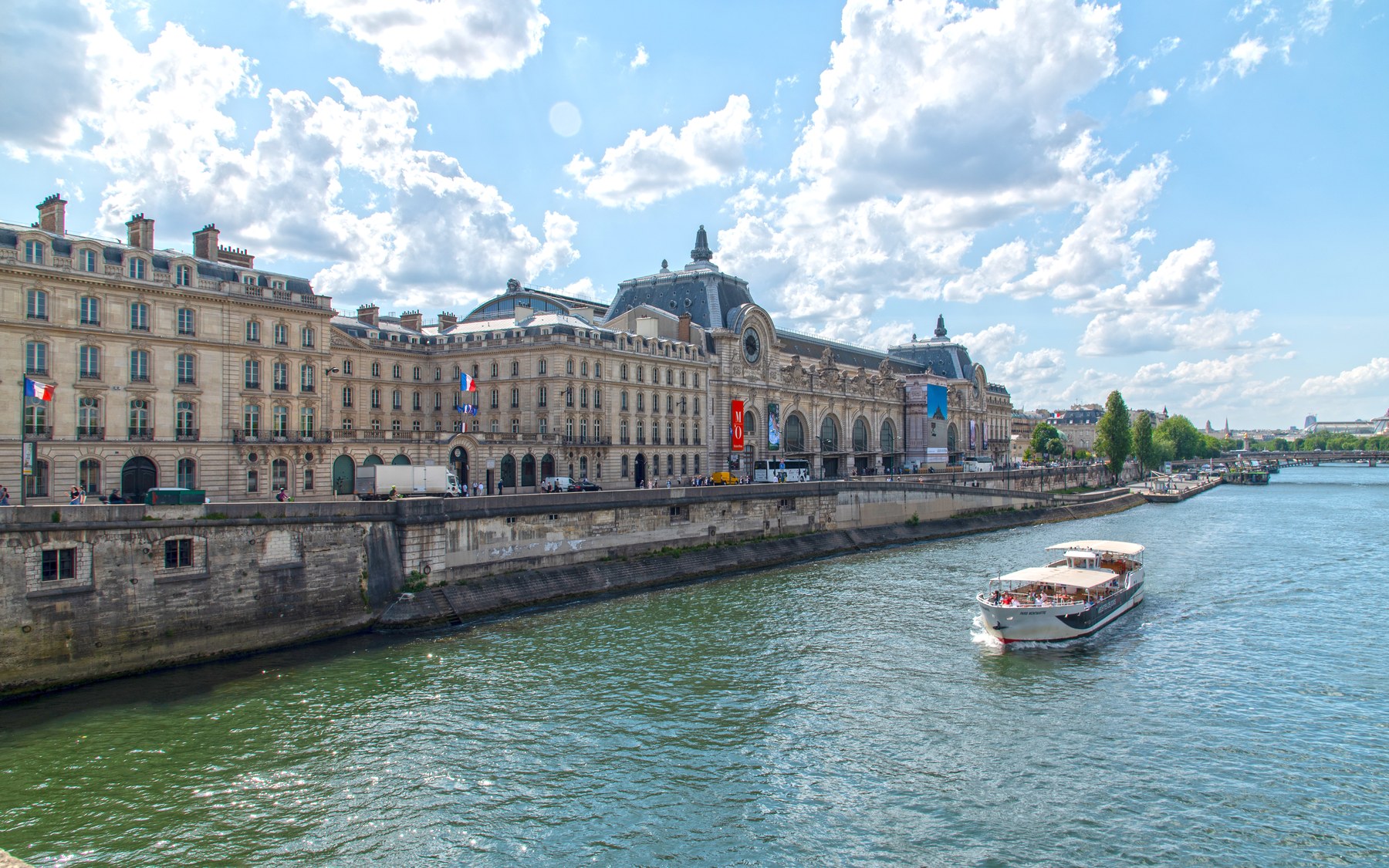
Musée d'Orsay - 7808995 (52096473173).jpg by Michael Gaylard from Horsham, UK; CC BY 2.0 via Wikimedia Commons. Cropped for TheHistoryOfArt.org. · Image source
Current and upcoming exhibitions
These exhibitions are placed high on the page because they are the clearest reason to plan a visit around this museum now.
About Musée d'Orsay
Musée d'Orsay in Paris, FR, is a useful starting point for nineteenth-century modernity from academic art to Impressionism and Post-Impressionism, with Cassatt, Sargent, Renoir and Bartholdi as transatlantic, social and media-specific routes. The 5 attached exhibitions help the page work both as a collection guide and as a practical route into what is on now.
For a first visit, build the route around Impressionism, Post-Impressionism, Realism, sculpture, decorative arts, photography, women artists, works on paper, transatlantic modernity, society portraiture, Paris Salon culture, drawing and illustration, modern-life painting and public sculpture and monuments. Artists especially worth slowing down for include Mary Cassatt, John Singer Sargent, Pierre-Auguste Renoir, Auguste Bartholdi, Monet, Degas, Van Gogh and Cézanne. Current and upcoming exhibitions can then help decide what deserves priority on the day.
Collection highlights to prioritise
These works are not a complete top-ten list. They are strong anchors for a first visit: objects that help explain the museum’s identity, support deeper interpretation and connect naturally to artists or artworks elsewhere on the site.
- Luncheon on the Grass by Édouard Manet, 1863. Modern-painting rupture and Orsay identity anchor
- Olympia by Édouard Manet, 1863. Key modernity and scandal route into nineteenth-century painting
- Bal du moulin de la Galette by Pierre-Auguste Renoir, 1876. Renoir anchor and link to Renoir and Love exhibition pages
- Starry Night over the Rhône by Vincent van Gogh, 1888. Van Gogh highlight and internal link target
- Little Dancer Aged Fourteen by Edgar Degas, 1878-1881. Sculpture highlight; helps avoid painting-only Orsay page
Use these highlights as a route, not a checklist. The most rewarding visit will usually come from slowing down in front of fewer works and noticing how chronology, patronage, material, national school and display sequence change the way each object reads.
Plan around current exhibitions
Current and upcoming exhibitions are one of the clearest reasons to visit or revisit the museum now. A visitor may arrive here from the museum name, from an artist search, or from the exhibitions table; either way, the page should make the live programme easy to understand before sending readers to official venue details.
Sources and further reading
Use these official museum pages, object records and exhibition sources to check details and keep exploring.
- Collections
Core collection interface source - Paintings
Painting collection source - Photography
Photography collection source - Mary Cassatt: Being independent
Dedicated exhibition source - Renoir Drawings
Dedicated exhibition source - Renoir and Love: A Joyful Modernity (1865-1885)
Dedicated exhibition source - Auguste Bartholdi: Liberty Enlightening the World
Dedicated exhibition source
How to use this guide
Before travelling, check Musée d'Orsay directly for opening hours, temporary closures, access arrangements and ticketing. This page avoids precise pricing by design, because prices and discounts change more often than the art-historical content. The stable value is route planning: what to see, why it matters, and which related pages are worth opening next.
.jpg)