by Tom Gurney
Tom Gurney BSc (Hons) is an art history expert with over 20 years experience
Published on July 14, 2026 / Updated on July 16, 2026
Email: tomgurney1@gmail.com / Phone: +447429011000
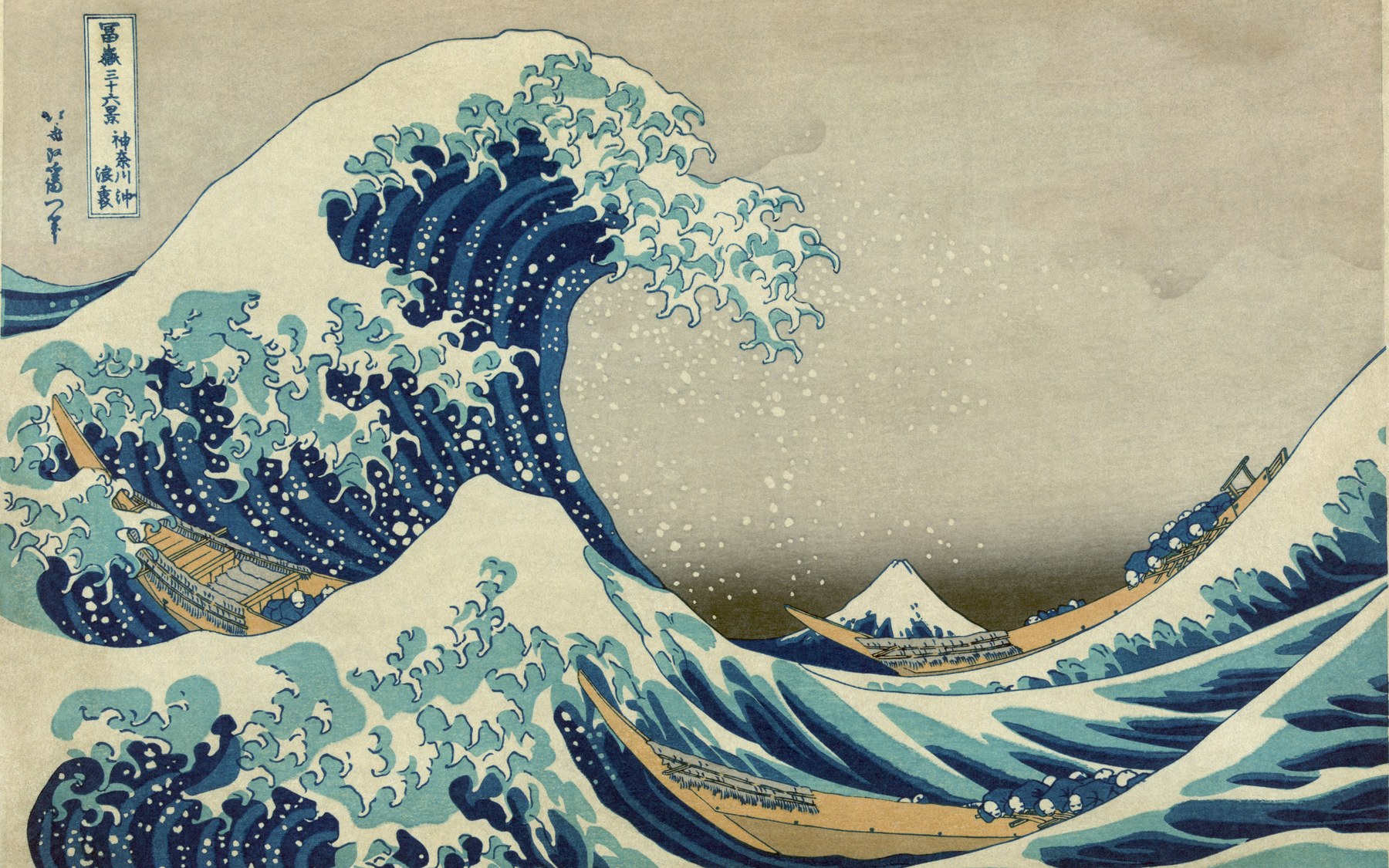
Great Wave off Kanagawa2.jpg by After Katsushika Hokusai; Public domain via Wikimedia Commons. Cropped for TheHistoryOfArt.org. · Image source
What to expect
Edo in Focus: Japanese Treasures from the British Museum is a current Tokyo Metropolitan Art Museum exhibition, running from 25 July to 18 October 2026. It is part of the museum's 100th anniversary programme and is held in the special exhibition rooms in Ueno Park. The official Tokyo Metropolitan Art Museum page frames the exhibition around the British Museum's Japanese art collection, described as one of the most comprehensive outside Japan in both quality and quantity.
The exhibition focuses on selected masterpieces from the British Museum's roughly 40,000-piece Japanese collection. Its core is Edo-period painting and print culture: folding screens, hanging scrolls, handscrolls and woodblock prints. The official page names eight renowned ukiyo-e artists, including Utamaro, Sharaku, Hokusai and Hiroshige. That gives the exhibition a clear art-historical centre while also making collection history part of the story.
The title's "Edo in Focus" is useful because it points in two directions. It refers to Edo-period art itself, but also to the act of looking again at Japanese works that have spent generations in a British collection. The exhibition is not only about Japanese art returning temporarily to Tokyo. It is also about how collectors, curators, conservators and audiences across borders have shaped the visibility of Japanese art since the late nineteenth century, when Japonisme helped drive European fascination with Japan.
Why it matters
The strongest reason to include this page is that it gives the new Japan cluster a major Japanese-art exhibition rather than only European works travelling to Tokyo. The previous Tokyo pages bring Orsay and Louvre material into the guide. This exhibition reverses the emphasis: it brings Japanese works preserved in the British Museum into a Tokyo public museum, asking what happens when a collection formed abroad is seen through a Japanese venue and anniversary context.
The British Museum connection is important. Its Japanese collection grew through collectors, curators, scholarship and international taste, including the late nineteenth-century moment when Japanese prints, ceramics, textiles and design transformed European visual culture. The Tokyo page says these connections have crossed borders and decades. That makes the exhibition an opportunity to look at art and collection history together: what was collected, why it travelled, how it was studied, and what it means for those works to be exhibited in Tokyo now.
The Edo focus also matters because the period offers a rich range of visual forms. Ukiyo-e prints are internationally famous, but the exhibition's emphasis on folding screens, hanging scrolls and handscrolls prevents the page from becoming print-only. Screens organise space; scrolls unfold time; hanging scrolls change a room's visual focus; prints circulate images through markets and audiences. A strong visit should compare those formats rather than treating all works on paper as equivalent.
What to look for
Begin with format. A folding screen, or byobu, is not just a large painting. It is an object that shapes interior space, with hinges, panels, gold or paper surfaces, angled viewing and a physical presence in a room. A handscroll, or emaki, asks for sequential viewing, revealing scenes over time. A hanging scroll, or kakejiku, depends on display rhythm, seasonality and the relation between image, mounting and room. Seeing these formats together can make Edo visual culture feel architectural, temporal and social.
Then look at print culture. Utamaro, Sharaku, Hokusai and Hiroshige are famous names, but the best route is to ask what their prints did in the world. They carried images of actors, beauties, landscapes, stories, fashions, places and moments through a market of publishers, designers, block carvers, printers and buyers. Ukiyo-e is not only a style. It is a system of making, selling and circulating images.
Conservation and research are another route. The official page says the exhibition sheds light on recent research findings and the collection's history, and traces the British Museum's role in collection, research and conservation. That should encourage visitors to look for labels that explain materials, remounting, preservation, attribution, collector histories and technical study. The exhibition is partly about how museum work keeps fragile Japanese objects visible.
Finally, think about the return journey. These works are not permanently returning to Japan; they are being loaned from London to Tokyo. That temporary return has emotional and historical charge. A visitor can ask how the exhibition balances celebration with collection history. Does it treat the British Museum as caretaker, collector, researcher, beneficiary of global taste, or all of these at once?
How it fits Tokyo and Japan
This page strengthens Tokyo Metropolitan Art Museum as a guide venue because it gives the museum a current Japanese-art anchor alongside the upcoming Orsay show and the archived Louvre collection record. Together, those pages make the Tokyo venue more balanced. It is not only a place where European museums send works; it is also a site where Japanese art, held abroad, can be re-examined for a Tokyo audience.
For practical planning, the exhibition is current and time-sensitive, closing on 18 October 2026. The official page lists Monday closures, with some holiday exceptions, and extended Friday hours. Readers should still check the Tokyo Metropolitan Art Museum source before travelling for ticket availability, free-entry categories, final admission times and any changes near the end of the run. Because the museum is in Ueno Park, the page pairs naturally with a compact Tokyo museum day rather than a cross-city sprint.
The page also creates useful internal-link territory for Hokusai, Hiroshige, Utamaro, Sharaku, ukiyo-e, Japonisme, Edo painting, folding screens, scroll formats, conservation, the British Museum and international collection histories. It fits the future improvement ideas around materials, international influence and how artistic ideas move across boundaries.
Image and rights note
The underlying Edo-period works and ukiyo-e prints are generally promising from an artist-copyright perspective, but the exhibition's most relevant images still need source review. British Museum object photography, Tokyo Metropolitan Art Museum publicity, posters, special-site graphics, press images and any conservation images may carry specific credit or reuse restrictions. This page remains image-free until a reviewed source and credit route is selected.
How to use this page
Because Edo in Focus: Japanese Treasures from the British Museum is current, the page should help a reader decide whether it deserves time before the closing date, not merely record that it exists. The most reliable fixed details are the venue, dates, broad subject, media and official source link. The interpretive notes help place the exhibition in art-historical context: what kind of show it is, why it may matter, and which artists or topics are worth exploring next.
It is marked as a major exhibition in this guide, so it should be useful for readers choosing between several possible museum visits.
Looking notes
For a visitor, the most useful approach is to look for patterns rather than isolated highlights. With British Museum, Japanese art collection, Edo painting, ukiyo-e, byobu, kakejiku, emaki, Utamaro, Sharaku, Hokusai, Hiroshige, Japonisme, collectors and curators, conservation, international cultural exchange, Tokyo Metropolitan Art Museum 100th anniversary, ask how the exhibition frames the subject: as biography, period survey, focused theme, collection display or reassessment. With media such as painting, folding screen, hanging scroll, handscroll, woodblock print, ukiyo-e print, works on paper, japanese painting, conservation history, pay attention to changes of scale, surface, lighting, material and display sequence, because those details are often lost in online listings.
The guide avoids over-specific claims where the public source does not yet support them. If a museum has not published a full object list, it is better to stay clear about what is confirmed than to imply certainty.
Who it is best for
Edo in Focus: Japanese Treasures from the British Museum is most likely to help readers who are already interested in British Museum, Japanese art collection, Edo painting, ukiyo-e, byobu, kakejiku, emaki, Utamaro, Sharaku, Hokusai, Hiroshige, Japonisme, collectors and curators, conservation, international cultural exchange, and Tokyo Metropolitan Art Museum 100th anniversary, but it may also be useful for visitors building a wider route around Tokyo Metropolitan Art Museum in Tokyo. If time is limited, use this page to decide whether the subject fills a gap in your knowledge, whether it connects to artists you already follow, and whether the official venue information makes the visit practical.