by Tom Gurney
Tom Gurney BSc (Hons) is an art history expert with over 20 years experience
Published on July 14, 2026 / Updated on July 16, 2026
Email: tomgurney1@gmail.com / Phone: +447429011000
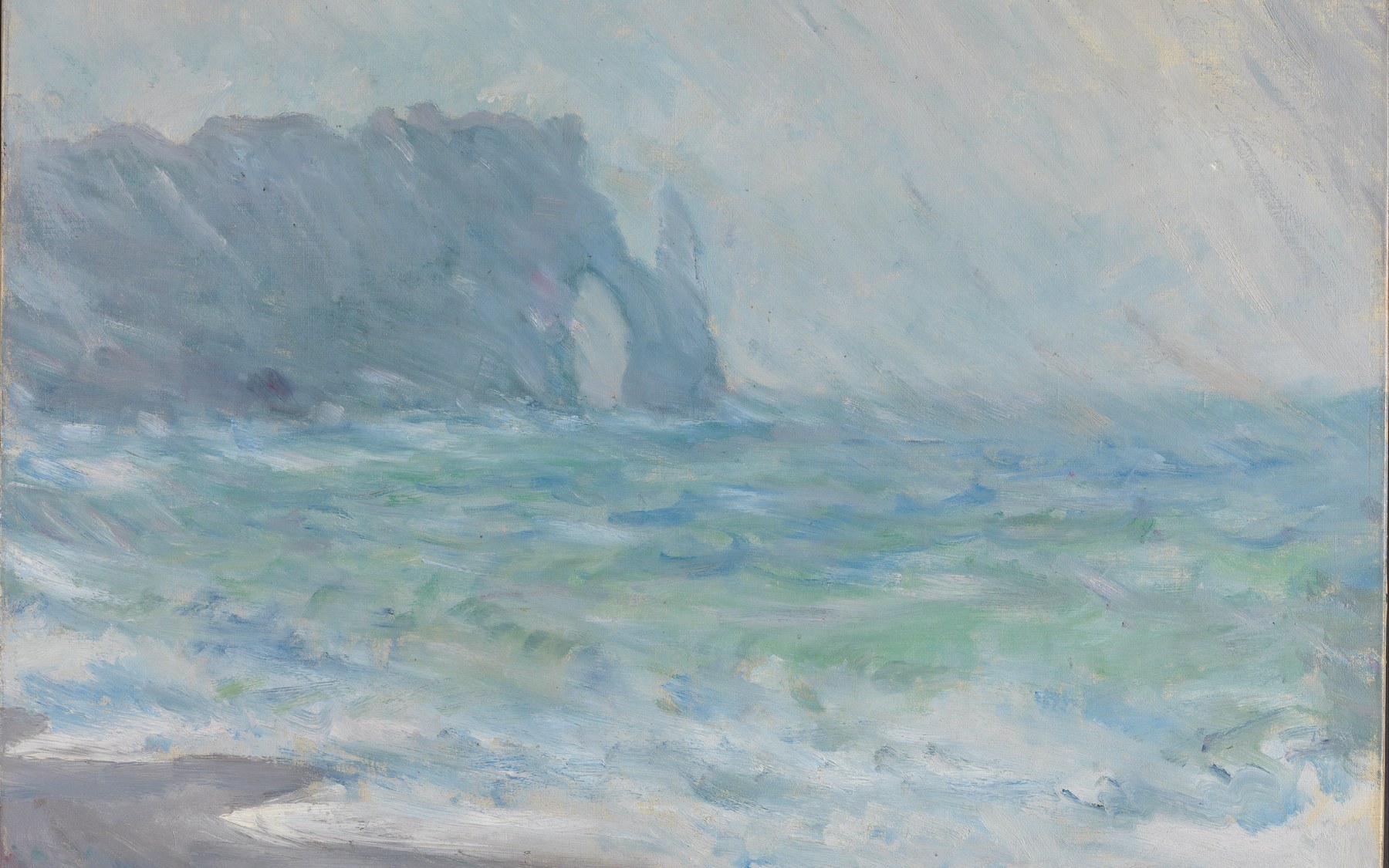
Claude Monet - Regnvær, Etretat - Google Art Project.jpg by Claude Monet; Public domain via Wikimedia Commons. Cropped for TheHistoryOfArt.org. · Image source
What to expect
Monet on the Normandy Coast: The Discovery of Étretat was a Städel Museum exhibition in Frankfurt, shown from 19 March to 5 July 2026. Because it has now closed, this page should be read as an archive record rather than as current visit-planning advice. Its value remains substantial: the exhibition used one coastal place, Étretat in Normandy, to explain how landscape, tourism, photography and modern painting developed together in the nineteenth century.
The official Städel page describes Étretat as a former fishing village whose cliffs and natural rock arches became a modern myth. Claude Monet returned to the site repeatedly, painting the cliff formations and changing light in ways that helped shape his serial approach to landscape. But the exhibition was not only a Monet display. It traced a larger artistic discovery of the Normandy coast, from early nineteenth-century fascination to Impressionism and later modern responses.
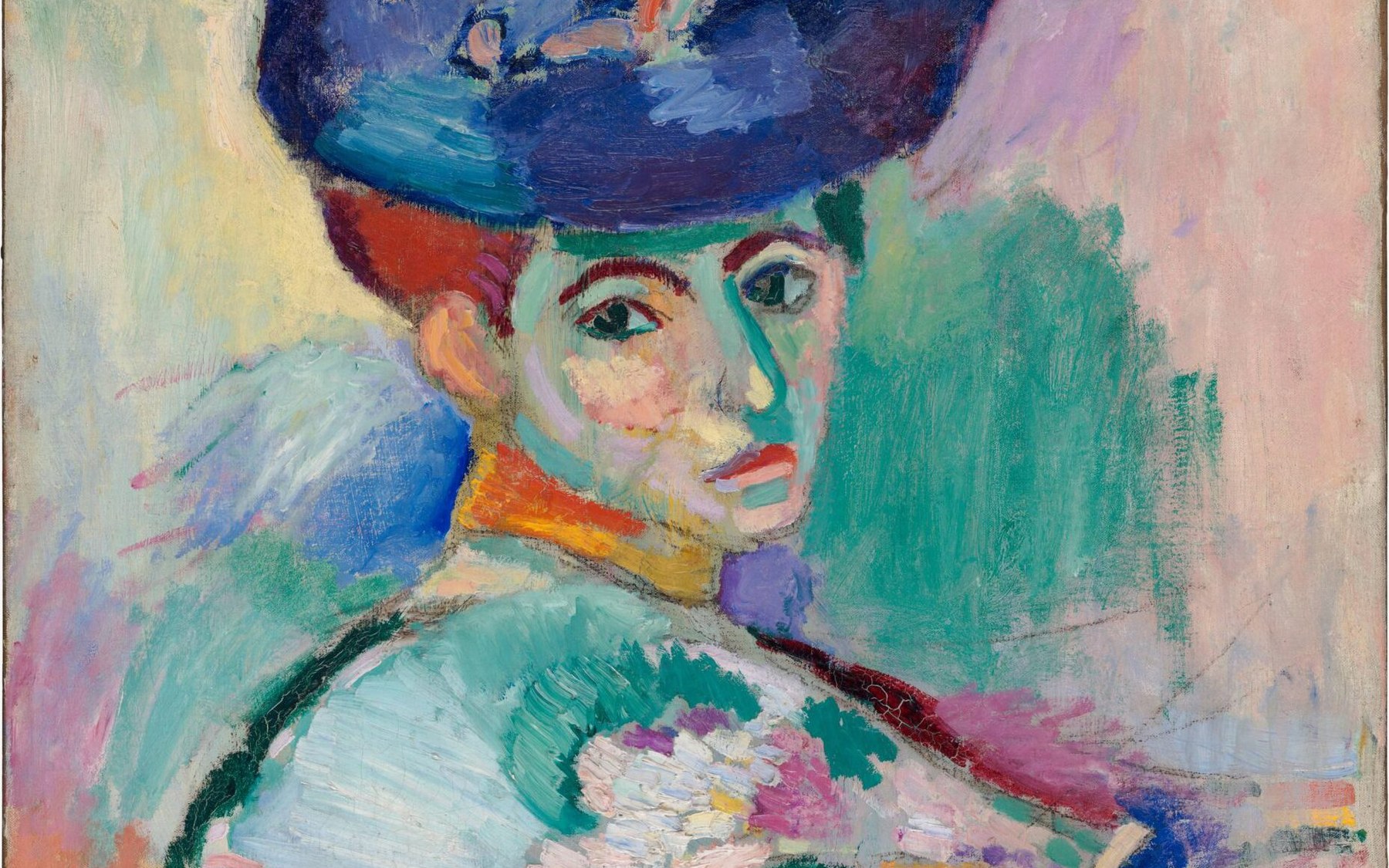
The scale was major. Städel states that around 170 paintings, drawings, photographs and historical documents were shown, borrowed from leading French, German and other international museums as well as private collections. The exhibition included 24 works by Monet and also brought in artists such as Eugène Delacroix, Gustave Courbet, Henri Matisse, Johann Wilhelm Schirmer, Eugène Le Poittevin, Camille Corot, Eugène Boudin and Elger Esser. That breadth makes the archive page useful beyond a closed-date listing.
Why it mattered
The strongest reason to preserve this page is that Étretat shows how a place becomes art history. The cliffs existed before the painters arrived, but repeated images turned them into a visual subject with its own expectations. Artists, writers, tourists, photographers and collectors helped transform the coast from a remote fishing village into a destination. The exhibition's title, The Discovery of Étretat, should therefore be read critically: discovery was cultural and artistic, not the beginning of the place itself.
Monet gives the show its most powerful anchor because he made repeated visits and returned to the same motifs under changing conditions. That habit matters for Impressionism. A cliff, arch or sea stack is not just a stable landmark; it becomes a test of weather, light, tide, distance, colour and memory. Monet's Étretat paintings help explain why modern landscape painting moved away from a single ideal view and toward variation, perception and serial looking.
Courbet and Boudin are important for a different reason. Courbet's wave paintings bring weight, force and material density to the sea, while Boudin's coastal work connects Normandy to outdoor painting, beaches, skies and leisure culture. Seen around Monet, those artists make Étretat part of a longer coastal conversation rather than a single Impressionist episode. The exhibition also brought historical documents and photography into the story, which helps show how tourism and visual reproduction changed the public idea of landscape.
What to look for in the archive record
Begin with the cliff forms. Étretat's natural arches and needle-like rock formations are so recognisable that they can become shorthand. The useful question is how each artist uses them. Are they monumental, picturesque, threatening, decorative, atmospheric or almost abstract? Does the artist place the viewer safely on shore, close to the water, high above the scene or facing the cliff as a natural stage?
Then look at weather and repetition. Monet's strength lies partly in making the same motif unstable. Mist, sun, tide, spray, shadow and reflected colour change what the cliff means. A series does not simply repeat an image; it tests whether a subject can ever be finished. That makes the Étretat material a clear route into future evergreen content on serial painting, plein-air practice and the relation between colour and place.
Photography and tourism should be read as part of the subject, not as background. Once a place becomes a destination, images help determine what visitors expect to see. Prints, photographs, guidebooks and paintings can create a feedback loop: people travel because they know the image, then make or buy more images because they have travelled. Städel's framing around popularisation, erosion and climate change gives the archive page a contemporary relevance without turning the exhibition into a current events article.
Finally, compare art and environmental pressure. The same visibility that made Étretat famous also brought consequences. Städel explicitly notes that visitor influx threatens the cliffs alongside erosion and climate change. That makes the exhibition unusually useful for thinking about the cost of turning landscape into spectacle. Art can preserve attention, but it can also help create the desire that changes a place.
How it fits the Städel and Frankfurt
This page strengthens the Städel Museum cluster by adding a nineteenth-century French landscape route to the existing Bruegel print and Mary Magdalene pages. The Städel now has a clearer range in the guide: Old Master print culture, modern religious iconography and the emergence of modern landscape painting. That is a stronger representation of the museum than a single German entry or one temporary exhibition.
For Frankfurt, the archive record also helps the city page feel more substantial. A reader may no longer be able to visit Monet on the Normandy Coast, but the page explains why the exhibition mattered and why the Städel is a serious venue for international art-historical projects. It also creates useful internal territory for Monet, Courbet, Boudin, Impressionism, Normandy, landscape tourism, colour, photography and environmental history.
The exhibition was organised in collaboration with the Musée des Beaux-Arts de Lyon, with curatorial links to the Musée d'Orsay in Paris. That cross-border structure fits the second batch's purpose well: it adds mainland European depth while connecting Germany, France and nineteenth-century modern painting through one focused subject.
Image and rights note
The image prospects are strong because Monet, Courbet, Boudin and many other nineteenth-century works are public-domain by artist date, and Étretat has many historic image candidates. The Städel press images still require caution because its press material carries editorial-use and no-editing restrictions. This page remains image-free until a source and credit route is explicitly approved. The safest future image review should start with a reviewed public-domain Monet or Courbet Étretat image rather than a restricted Städel press download.
How to use this page
Because Monet on the Normandy Coast: The Discovery of Étretat has ended, the page should function as an archive record and a route into related artists, works and venues. The most reliable fixed details are the venue, dates, broad subject, media and official source link. The interpretive notes help place the exhibition in art-historical context: what kind of show it is, why it may matter, and which artists or topics are worth exploring next.
It is marked as a major exhibition in this guide, so it should be useful for readers choosing between several possible museum visits.
Looking notes
For a visitor, the most useful approach is to look for patterns rather than isolated highlights. With Claude Monet, Étretat, Gustave Courbet, Eugène Delacroix, Henri Matisse, Eugène Boudin, Camille Corot, Normandy coast, Impressionism, ask how the exhibition frames the subject: as biography, period survey, focused theme, collection display or reassessment. With media such as painting, drawing, photography, historical documents, landscape painting, pay attention to changes of scale, surface, lighting, material and display sequence, because those details are often lost in online listings.
The guide avoids over-specific claims where the public source does not yet support them. If a museum has not published a full object list, it is better to stay clear about what is confirmed than to imply certainty.
Who it is best for
Monet on the Normandy Coast: The Discovery of Étretat is most likely to help readers who are already interested in Claude Monet, Étretat, Gustave Courbet, Eugène Delacroix, Henri Matisse, Eugène Boudin, Camille Corot, Normandy coast, and Impressionism, but it may also be useful for visitors building a wider route around Städel Museum in Frankfurt. If time is limited, use this page to decide whether the subject fills a gap in your knowledge, whether it connects to artists you already follow, and whether the official venue information makes the visit practical.