by Tom Gurney
Tom Gurney BSc (Hons) is an art history expert with over 20 years experience
Published on July 14, 2026 / Updated on July 16, 2026
Email: tomgurney1@gmail.com / Phone: +447429011000
Gustave Caillebotte - Rue Halévy, vue d'un sixième étage.jpg by Gustave Caillebotte; Public domain via Wikimedia Commons. Cropped for TheHistoryOfArt.org. · Image source
What to expect
Collecting Impressionism at LACMA is a long-running exhibition in the Resnick Pavilion that treats Impressionism as a collecting story rather than a familiar greatest-hits display. LACMA’s official page frames the exhibition around the way late nineteenth-century French visual culture expanded through painting, sculpture, drawing, printmaking, photography, decorative arts and fashion, while American museums later came to let French Impressionism define the period almost by itself.
That is a useful premise. Instead of asking only whether a visitor likes Monet, Degas, Pissarro or Impressionist colour, the exhibition asks how taste is built. Which works entered the museum early? Which came through Hollywood collectors, local donors, strategic purchases or recent gifts? Why did a young Los Angeles museum use European and American Impressionism as part of its own cultural legitimacy? Those questions make the show more interesting than a simple Impressionist room, and they make it a strong first LACMA page for this section.
Why go
The exhibition is valuable because it makes the museum visible as a historical actor. LACMA’s press material describes the show as looking back at the evolving tastes that shaped the museum’s Impressionist holdings, with recent acquisitions including Claude Monet’s The Artist’s Garden, Vétheuil and Tarascon Stagecoach, the museum’s first painting by Vincent van Gogh. LACMA’s Unframed preview says the exhibition features more than 100 works, from early American and California Impressionist acquisitions to donations of paintings by Edgar Degas and Camille Pissarro from major Hollywood collectors.
For readers, that scale and angle give the page a strong reason to exist. Impressionism can be easy to over-familiarise: sunlight, leisure, broken brushwork, modern life. Here the more useful question is institutional. How did these works become part of Los Angeles? How did donors and collectors shape what the museum could show? How did French Impressionism, California Impressionism and American cultural ambition meet inside one collection?
What to look for
Begin by separating the art-historical story from the collecting story. A Monet water-lily painting or a Degas dancer can still reward close looking, but the exhibition’s extra value lies in asking why that kind of work mattered to LACMA and its supporters. Look for labels and groupings that reveal acquisition dates, donor names, local collecting histories or changes in taste. Those details are not administrative background; they are part of the exhibition’s subject.
Then watch the media range. LACMA’s description deliberately moves beyond painting to include printmaking, photography, decorative arts and fashion. That matters because Impressionism is often narrowed to a style of painting, while nineteenth-century visual culture was much broader. A collector, donor or museum curator can reinforce that narrow view, or challenge it by placing paintings beside other media and other forms of modern experience.
The strongest visit will probably come from comparing two kinds of looking. First, look at the surface: colour, light, brushwork, pose, movement and the modern city. Then look at the museum story: credit lines, acquisitions, gifts, local identity and the cultural work that European modernism performed for Los Angeles. The exhibition title points toward the second route, and that is what distinguishes the page from a generic Impressionism introduction.
How it fits LACMA
LACMA is an especially good venue for this subject because Los Angeles does not carry the same inherited European museum identity as Paris, London or New York. A collecting-history exhibition can therefore tell two stories at once: the story of Impressionism’s afterlife in American museums, and the story of LACMA building authority in a city still defining its public cultural institutions.
For a Los Angeles art day, the practical angle is also clear. The exhibition runs for more than a year, but the official LACMA page currently notes a temporary closure for artwork rotation and a reopening date. Readers should therefore check the museum source before travelling, even though the overall exhibition dates are stable. If the show is open, it can anchor a visit for readers who want pre-1950 art, collection history and a lower image-risk subject than many modern or contemporary LACMA programmes.
Image and rights note
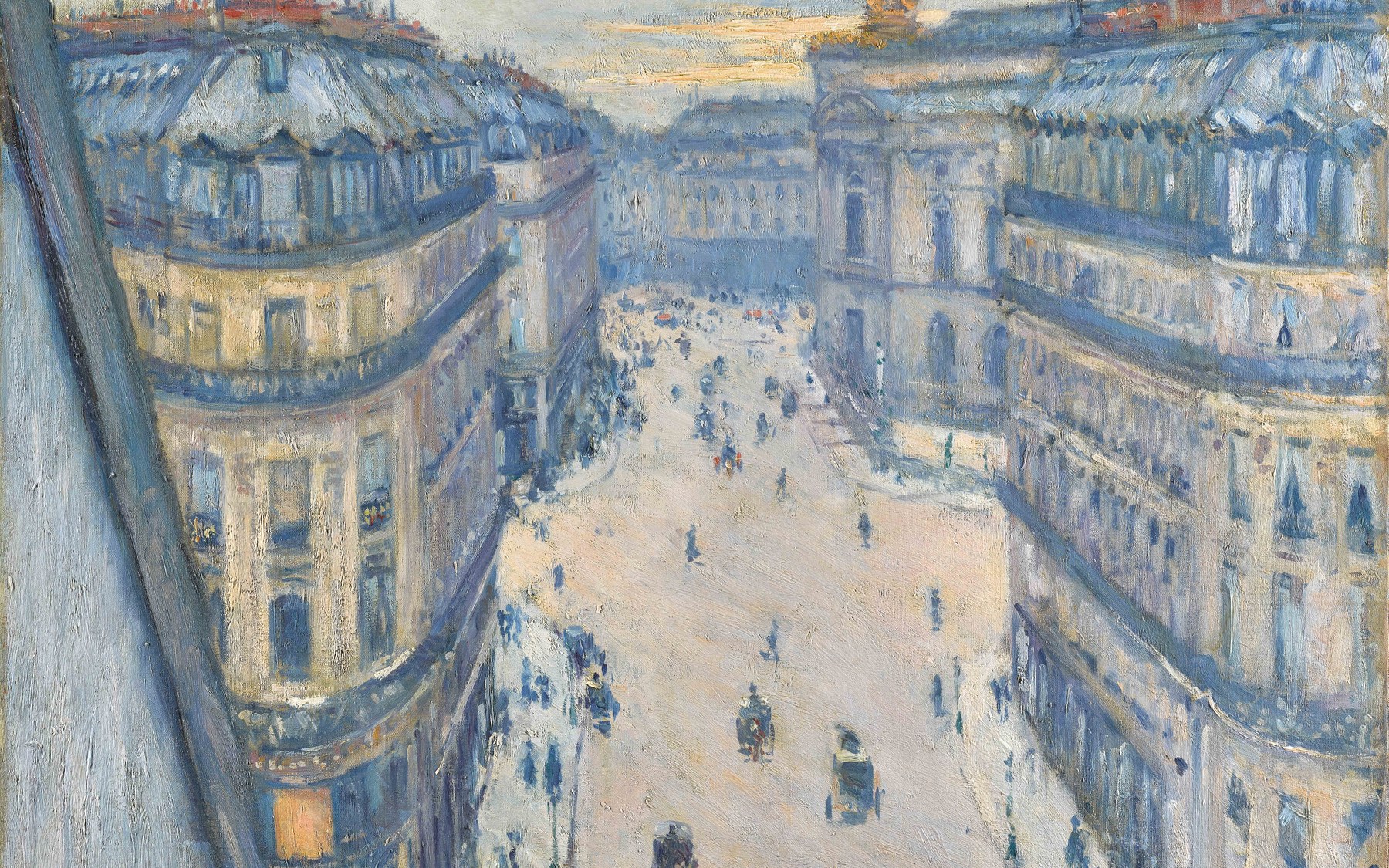
This is a comparatively good image candidate for the museum guide because the subject is nineteenth-century and Tom has already selected a public-domain Impressionist candidate for later review. The selected image should still be treated as representative unless object inclusion is confirmed by LACMA. The page is complete in image-free form for now, and the final lead image should wait for Tom’s crop and source approval.
How to use this page
Because Collecting Impressionism at LACMA is current, the page should help a reader decide whether it deserves time before the closing date, not merely record that it exists. The most reliable fixed details are the venue, dates, broad subject, media and official source link. The interpretive notes help place the exhibition in art-historical context: what kind of show it is, why it may matter, and which artists or topics are worth exploring next.
It is marked as a major exhibition in this guide, so it should be useful for readers choosing between several possible museum visits.
Looking notes
For a visitor, the most useful approach is to look for patterns rather than isolated highlights. With Impressionism, LACMA collecting history, Claude Monet, Vincent van Gogh, Edgar Degas, Camille Pissarro, ask how the exhibition frames the subject: as biography, period survey, focused theme, collection display or reassessment. With media such as painting, sculpture, printmaking, photography, decorative arts, fashion, pay attention to changes of scale, surface, lighting, material and display sequence, because those details are often lost in online listings.
The guide avoids over-specific claims where the public source does not yet support them. If a museum has not published a full object list, it is better to stay clear about what is confirmed than to imply certainty.
Who it is best for
Collecting Impressionism at LACMA is most likely to help readers who are already interested in Impressionism, LACMA collecting history, Claude Monet, Vincent van Gogh, Edgar Degas, and Camille Pissarro, but it may also be useful for visitors building a wider route around Los Angeles County Museum of Art in Los Angeles. If time is limited, use this page to decide whether the subject fills a gap in your knowledge, whether it connects to artists you already follow, and whether the official venue information makes the visit practical.