


 by Tom Gurney
Tom Gurney BSc (Hons) is an art history expert with over 20 years experience
Published on July 14, 2026 / Updated on July 16, 2026
Email: tomgurney1@gmail.com / Phone: +447429011000
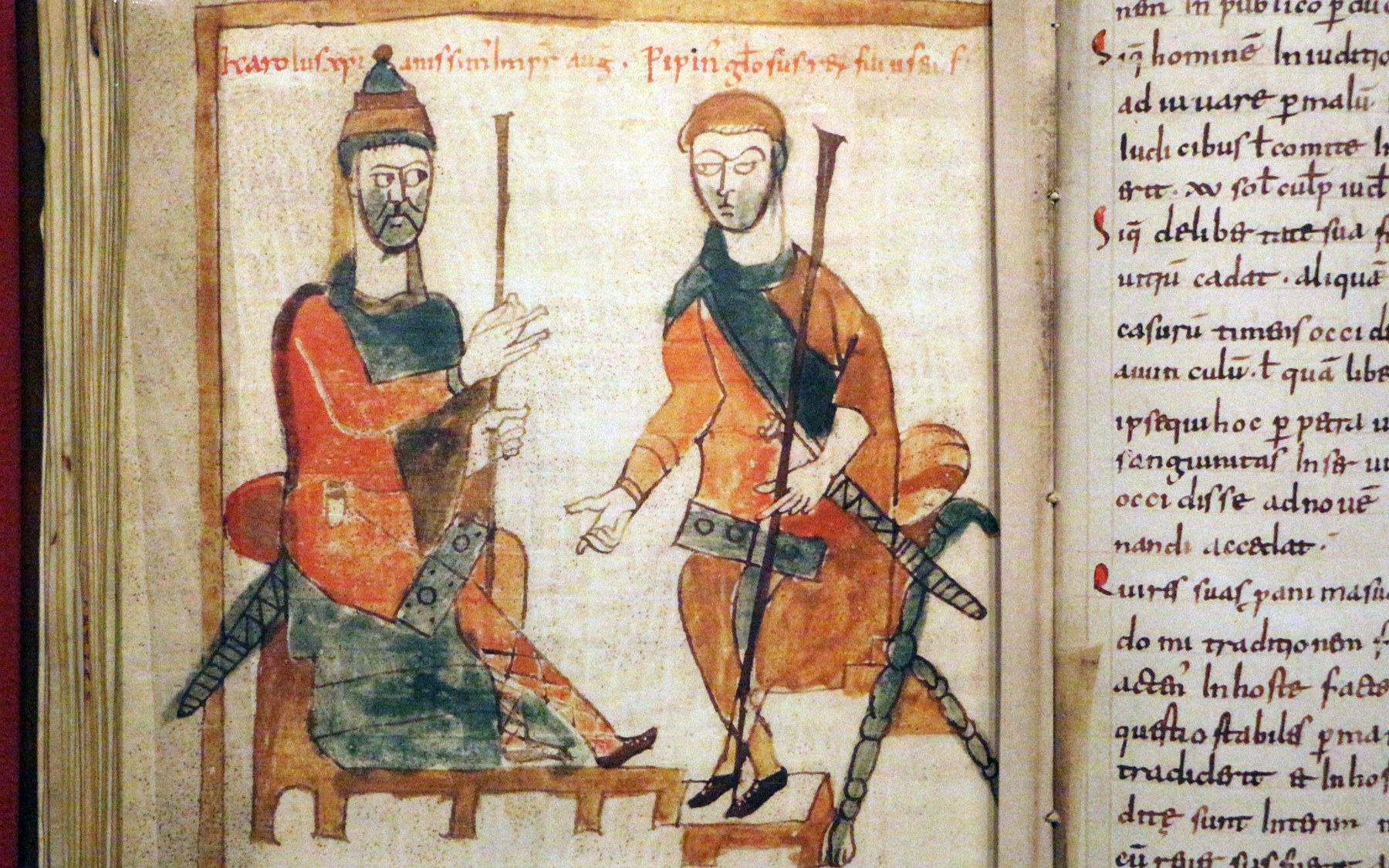
Liber legum di lupus de ferrières e altri testi, 870-950 ca. (facsimile) 03.JPG by Sailko; CC BY 3.0 via Wikimedia Commons. Cropped for TheHistoryOfArt.org. · Image source
What to expect
The Making of a Medieval Manuscript is a current Getty Center exhibition, running from 4 August 2026 to 14 March 2027 in the Museum West Pavilion on the Lower Level. Getty presents the exhibition in English and Spanish and includes it with the free timed-entry reservation to the Center, while noting the separate parking fee. The exhibition explains how medieval books were made by hand in the pre-modern era in Europe, using manuscripts from the Getty Museum's collection to show the steps, materials and techniques involved.
Getty's official page gives the structure clearly: the exhibition follows four stages of bookmaking, from preparing animal skin to make parchment, through writing and painting, to binding. That makes this page especially useful for the guide because it turns manuscripts from beautiful finished objects into evidence of process. A visitor should expect to think about skins, tools, inks, pigments, gold, script, sewing, boards, leather and clasps, not only about miniature pictures.
The selected works named by Getty include Saint Luke from the Irmengard Codex, Solomon Writing from a Bible, a decorated text page from the Prayer Book of Charles the Bold, a decorated text page from a Qur'an, the front cover from a Bible, a page from the Rothschild Pentateuch and a full goatskin parchment stretched on a wooden frame. That range gives the exhibition a broad material story and, as Getty's press release notes, reflects Christian, Jewish and Muslim manuscript traditions from Europe, Armenia, Ethiopia and the wider Mediterranean world.
Why go
The strongest reason to go is that the exhibition makes art materials legible. Medieval manuscripts can be admired for jewel-like colour and gold, but the process behind them is often hidden. Getty's press release describes parchment preparation in concrete terms: animal pelts from calves, sheep or goats were soaked, cleaned, stretched on a frame and scraped with a curved blade until the desired thinness was reached. That sequence changes how a viewer looks at a manuscript page. The surface is not passive. It is the result of labour, judgment and material transformation.
The exhibition is also valuable because it connects the history of books to the history of art. Writing, painting and binding are usually separated in modern categories, but a medieval manuscript required all of them. The scribe, illuminator, binder and material preparer may not have been the same person, yet their work had to become one object. The final book is therefore a collaboration across skills, not simply a container for text or images.
For readers interested in future improvement areas such as brushes, pigments, supports, workshop practice and apprenticeships, this is one of the cleanest possible exhibition pages. It can later support evergreen material on parchment, tempera, gold leaf, bookbinding, calligraphy and manuscript illumination while remaining grounded in a current Getty display.
What to look for
Begin with the page surface. Parchment carries traces of the animal skin from which it was made, even when the finish looks smooth. Getty's press material mentions a manuscript of chess problems where traces of hair follicles had to be removed through scraping and sanding. That kind of detail teaches a useful habit: look for the physical history of the support before looking only at the image or text.
Then look at writing as visual form. A manuscript page is not only language. Script has weight, rhythm, spacing, hierarchy and direction. The decorated Qur'an page named by Getty is especially important here because it reminds readers that manuscript culture was not a single Christian European story. Calligraphy, gold and parchment can carry different religious and cultural meanings while still belonging to a shared wider history of handmade books.
Painting and illumination should be read materially as well as iconographically. Tempera colours, gold paint, gold leaf and ink behave differently. Gold can mark sacred or prestigious presence, but it also changes how a page catches light. A small illumination may depend on the relation between pigment, line, parchment and the viewer's closeness to the book.
Finally, look at binding as interpretation. The front cover from a fifteenth-century Bible, with wood boards, leather, metal hardware and clasps, makes clear that a medieval book was a physical machine for preserving and using parchment leaves. Clasps helped keep folios flat; boards protected the contents; sewing supports held gatherings together. A finished book was not an abstract text. It was engineered.
How it fits the Getty and Los Angeles
This page strengthens the Getty Center cluster by adding a current manuscripts route alongside Redon's works on paper and the upcoming painting-focused exhibitions around Reynolds, the Holy Family and Joseph Wright. The Getty Center should not be understood only through European painting and architecture. Its manuscripts collection is one of the clearest routes into materials, technique, conservation and the history of the book.
For Los Angeles planning, the exhibition has a long run into March 2027, so it can be paired with several Getty visits over time. It also pairs naturally with the Getty's manuscript galleries, videos, curator-led tours and the wider Center visit. Readers should still check Getty's official source before travelling for reservations, access details, rotations and any changes, especially because Getty notes that the exhibition has two rotations of objects, with the second beginning on 24 November.
Image and rights note
The image prospects are promising because the works are historical manuscripts in Getty's collection, and the official page names several strong candidates such as Saint Luke from the Irmengard Codex and the decorated Qur'an page. Getty collection, press and exhibition images still need source and credit review before a lead image is attached. This page remains image-free until a lead image is explicitly approved, and any later image should be credited from the reviewed Getty source.
How to use this page
Because The Making of a Medieval Manuscript is current, the page should help a reader decide whether it deserves time before the closing date, not merely record that it exists. The most reliable fixed details are the venue, dates, broad subject, media and official source link. The interpretive notes help place the exhibition in art-historical context: what kind of show it is, why it may matter, and which artists or topics are worth exploring next.
It is marked as a major exhibition in this guide, so it should be useful for readers choosing between several possible museum visits.
Looking notes
For a visitor, the most useful approach is to look for patterns rather than isolated highlights. With medieval manuscripts, parchment, illumination, calligraphy, bookbinding, Getty manuscripts, Christian Jewish and Muslim manuscript traditions, ask how the exhibition frames the subject: as biography, period survey, focused theme, collection display or reassessment. With media such as manuscript, parchment, tempera, gold leaf, ink, bookbinding, illumination, pay attention to changes of scale, surface, lighting, material and display sequence, because those details are often lost in online listings.
The guide avoids over-specific claims where the public source does not yet support them. If a museum has not published a full object list, it is better to stay clear about what is confirmed than to imply certainty.
Who it is best for
The Making of a Medieval Manuscript is most likely to help readers who are already interested in medieval manuscripts, parchment, illumination, calligraphy, bookbinding, Getty manuscripts, and Christian Jewish and Muslim manuscript traditions, but it may also be useful for visitors building a wider route around Getty Center in Los Angeles. If time is limited, use this page to decide whether the subject fills a gap in your knowledge, whether it connects to artists you already follow, and whether the official venue information makes the visit practical.
_03.JPG)