 by Tom Gurney
Tom Gurney BSc (Hons) is an art history expert with over 20 years experience
Published on June 19, 2020 / Updated on October 2, 2026
Email: tomgurney1@gmail.com / Phone: +44 7429 011000
Sebastiano del Piombo Drawings
Sebastiano del Piombo's drawings are best treated as a working record rather than as a large, independent public corpus. The surviving and attributed sheets help explain how paintings were planned, how figure ideas moved between Venice and Rome, and how his collaboration with Michelangelo affected some of the most ambitious Roman works.
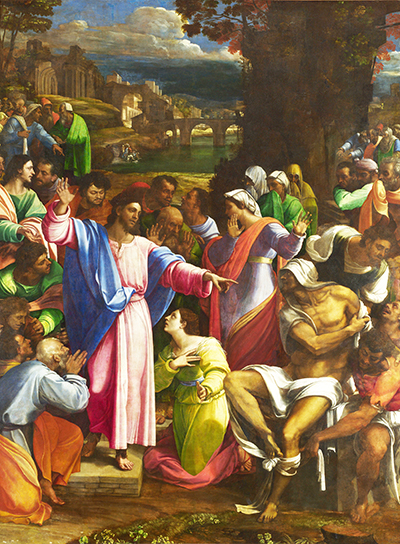
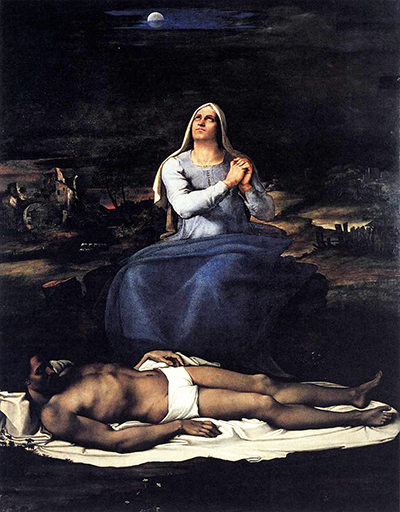
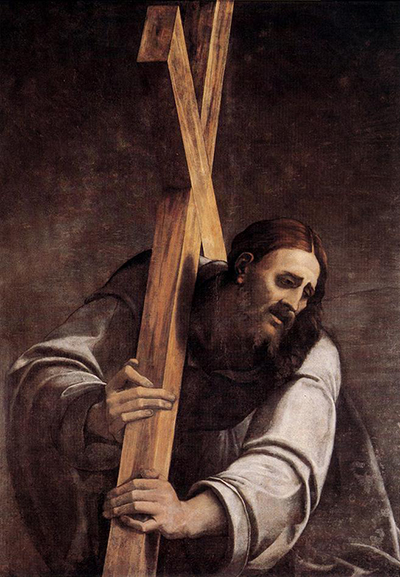
The drawings page should therefore work as a guide to design, authorship and preparation, not as a catalogue filled with unsupported thumbnail claims. For a clearer route through the secure material, readers should begin with the paintings page, then compare major works such as Pieta, The Raising of Lazarus and Christ Carrying the Cross.
Drawing and Collaboration
Sebastiano's Roman career makes drawing unusually complex because invention, advice and execution could move between artists. Michelangelo's role matters for several major works, but the finished paintings also depend on Sebastiano's colour, surface and devotional tone. The distinction is important: drawing can clarify a collaboration without reducing the painting to another artist's design.
The National Gallery frames the Michelangelo and Sebastiano relationship as one of shared artistic ground within competitive High Renaissance Rome. That makes the drawings important evidence for exchange rather than simple proof of authorship transfer. A sheet can show how an idea moved, but the painting still needs to be read as an object made through design, material, patronage and execution.
Raising of Lazarus Studies
The clearest public drawing trail belongs to The Raising of Lazarus. The British Museum records a sheet dated by Johannes Wilde to 1516 as studies for the large altarpiece, a commission made for Sebastiano del Piombo. This kind of evidence is valuable because it connects drawing to a specific work, commission and figure problem rather than to a vague idea of preparation.[1]
The National Gallery's painting record also keeps Michelangelo visible in the title by describing the work as incorporating designs by Michelangelo. That wording is useful because it avoids both extremes: it does not erase Michelangelo's contribution, but it also keeps Sebastiano named as the painter. The drawings help readers understand the collaboration without flattening it into a single hand.[2]
For readers, the best method is comparative. Look at the Lazarus figures, the supporting bodies and the pressure around the miracle, then return to the full painting. The drawing evidence sharpens the question of design, while the painted surface shows how Sebastiano gave those designs colour, shadow and devotional force.
Royal Collection Sheets
Royal Collection Trust records also help anchor the drawings page in real collection material. The drawing known as God the Father is described as a black chalk sheet with the figure shown with arms extended, and the Trust notes its identification by Arthur E. Popham. That record matters because it gives the page a concrete drawing object while keeping attribution and identification within collection language.[3]
Another Royal Collection entry, The Holy Family with Pope Clement VII, describes a study for an unexecuted painting around 1530. The record states that Sebastiano moved to Rome in 1511, became a close associate of Michelangelo, and repeatedly painted and drew Clement VII. This gives the drawings page a second secure route: not only Lazarus and collaboration, but papal imagery and late Roman design.[4]
How to Read the Drawings
The safest way to read Sebastiano's drawings is to ask what each sheet can actually support. A museum record, a related painting, a date proposal, a medium and a named collection are stronger than a generic image tradition. Where those anchors are missing, the page should avoid treating uncertain sheets as fixed milestones.
This caution does not make the drawings less interesting. It makes them more useful. They reveal a working practice in which Venetian colour, Roman design, Michelangelo's advice and papal patronage could overlap. They also remind us that Renaissance authorship is often a matter of collaboration, revision and translation from paper to painted surface.
References
- British Museum, drawing, object record 1860,0714.2. View Source
- National Gallery, London, The Raising of Lazarus, NG1. View Source
- Royal Collection Trust, God the Father, RCIN 904815. View Source
- Royal Collection Trust, The Holy Family with Pope Clement VII, RCIN 904813. View Source
Discussion
Sebastiano del Piombo's drawings page is best read through evidence, collaboration and the movement from study to finished painting.
Reader Insights
Which drawing evidence most clearly changes how you look at the finished paintings?
Where does Michelangelo's role clarify the process without erasing Sebastiano's painted surface?
Which collection record or attribution caution should stay visible when discussing the drawings?
Join the Conversation
Share your reading of Sebastiano del Piombo's drawings and working method below.