 by Tom Gurney
Tom Gurney BSc (Hons) is an art history expert with over 20 years experience
Published on April 30, 2026 / Updated on April 30, 2026
Email: tomgurney1@gmail.com / Phone: +44 7429 011000
Jean-François Millet's Portraits and Figure Paintings
Jean-François Millet's portraits are less famous than his rural labour paintings, but they remain important for understanding his development as an artist. Before he became known for peasants, gleaners and sowers, Millet worked within a broader tradition of figure painting and portraiture.
This page brings together Millet's portraits, family images and less typical figure paintings into one consolidated hub. It is designed to support the stronger core pages on Millet's paintings, while avoiding a spread of thin pages for minor works.
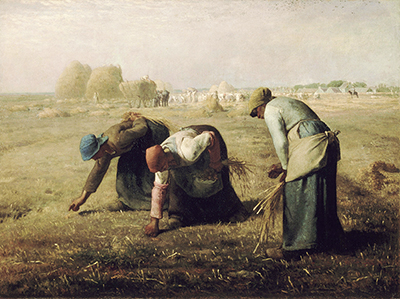
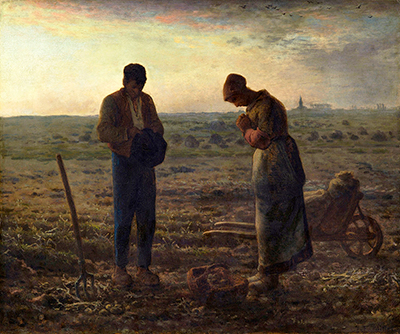
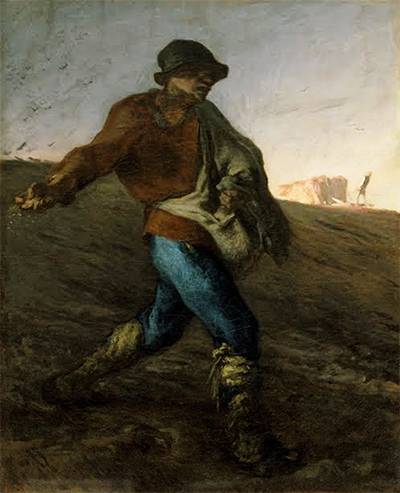
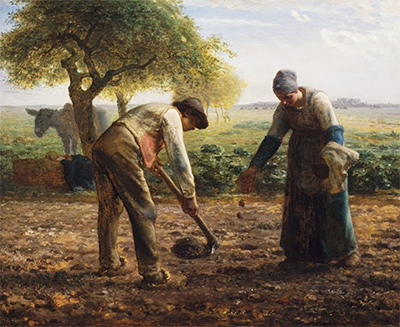
Although Millet is best known for The Gleaners, The Angelus and The Sower, his portraits show another side of his career.
- Artist:Jean-François Millet
- Theme:Portraits and figure paintings
- Movement:Realism / Barbizon School
- Subjects:Family members, sitters, early figure studies
- Purpose:Consolidated hub for Millet's lesser-known portrait works
Why Millet's Portraits Matter
Millet's portraits matter because they show the foundation of his figure painting. His later rural workers depend on the same ability to give weight, presence and individuality to the human body.
Even when he was not painting peasants at work, Millet remained interested in the seriousness of the human figure. His portraits are generally quieter than his famous rural scenes, but they reveal his skill in modelling form and expression.
Madame Jean-François Millet
Portraits of Millet's family help humanise the artist and provide useful context for his life beyond the fields and harvest scenes for which he is best known.
Rather than treating these as isolated thin pages, they work better as part of a portrait hub that explains Millet's broader approach to the figure.
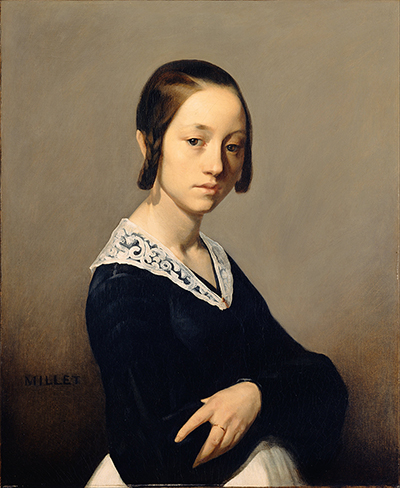
Portrait of Louise-Antoinette Feuardent
Portrait of Louise-Antoinette Feuardent belongs to the more formal side of Millet's work. It shows that he was capable of conventional portraiture as well as rural Realism.
This kind of painting helps visitors understand that Millet's later peasant images were not the result of limited skill or narrow subject matter. They were a deliberate artistic choice.
Early Figure Painting
Millet's early career included subjects outside the rural labour scenes that made him famous. These works show him moving through established artistic expectations before finding his mature identity as the painter of peasant life.
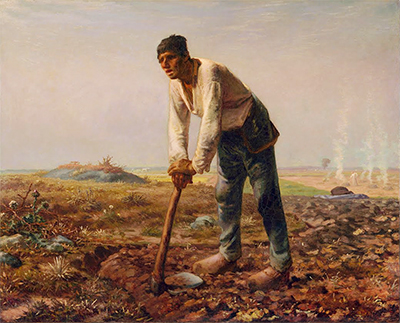
That development is important. The seriousness of Man with a Hoe and The Sower becomes clearer when we see how Millet gradually shifted toward rural subjects.
Portraits Compared with Millet's Peasant Figures
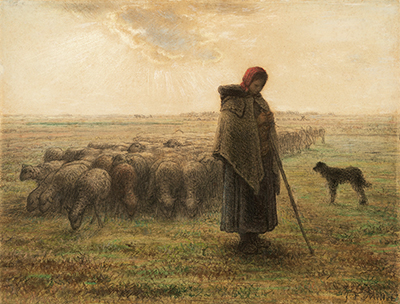
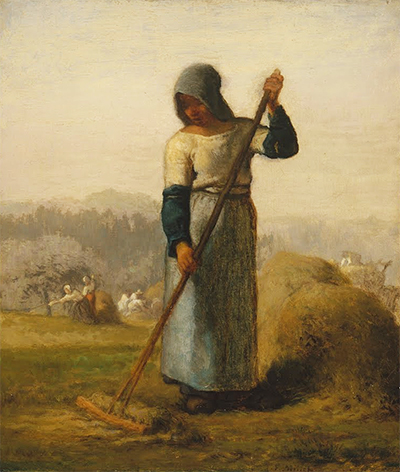
Millet's portraits and peasant figures share one important quality: stillness. His people often appear absorbed, reserved or inward. This quality gives his work emotional depth without needing dramatic action.
In the rural paintings, that stillness becomes monumental. In the portraits, it remains quieter and more personal.
For related pages, see Peasant Life Paintings, Work and Labour and the main Jean-François Millet hub.
FAQs
Yes. Although Millet is best known for rural labour scenes, he also painted portraits and figure studies, especially earlier in his career.
Millet's portraits are less famous because his reputation rests mainly on major rural paintings such as The Gleaners, The Angelus and The Sower.
Millet's portraits show his ability to give weight and seriousness to the human figure, a quality that later became central to his peasant paintings.