 by Tom Gurney
Tom Gurney BSc (Hons) is an art history expert with over 20 years experience
Published on April 30, 2026 / Updated on April 30, 2026
Email: tomgurney1@gmail.com / Phone: +44 7429 011000
Jean-François Millet's Work and Labour Paintings
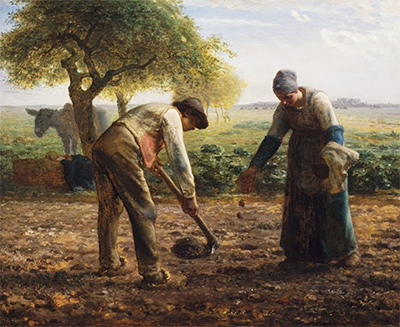
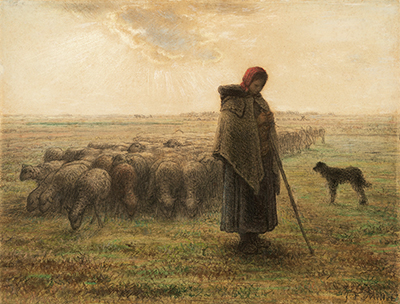
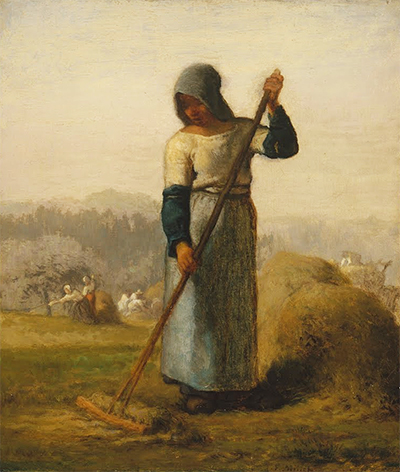
Jean-François Millet's work and labour paintings are some of the strongest images of physical effort in 19th-century art. He painted sowers, diggers, woodcutters, winnowers, harvesters and field workers with unusual seriousness.
Millet did not treat labour as background detail. He made work itself the central subject. Bent backs, heavy tools, repeated gestures and exhausted pauses become the visual language of his art.
This hub brings together Millet's labour-themed paintings, linking major works such as The Sower and Man with a Hoe with related rural work scenes.
- Artist:Jean-François Millet
- Theme:Work and labour
- Movement:Realism / Barbizon School
- Subjects:Sowers, diggers, woodcutters, winnowers, field workers
- Key Works:The Sower, Man with a Hoe
Labour as Millet's Central Subject
Millet's greatest innovation was to make ordinary labour visually important. His workers do not simply illustrate rural life; they carry the meaning of the painting.
He often focuses on a single gesture: sowing, digging, bending, carrying or resting. These actions become monumental because Millet presents them with scale, weight and seriousness.
The Sower
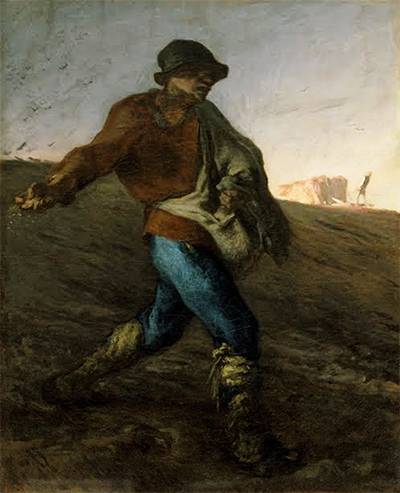
The Sower is one of Millet's most dynamic labour paintings. The figure strides across the field, casting seed into the earth with a broad, powerful movement.
The painting is both realistic and symbolic. It shows agricultural work, but also suggests renewal, future harvest and the cycle of life.
Man with a Hoe
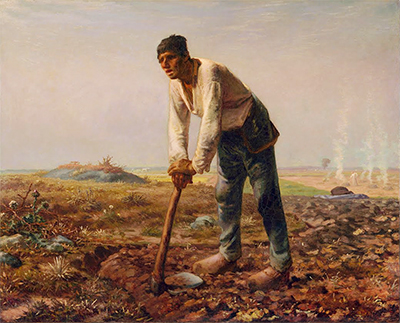
Man with a Hoe shows the opposite emotional condition. Instead of movement, Millet gives us exhaustion. The labourer leans on his tool, worn down by physical work.
This painting is one of Millet's most blunt images of rural hardship and one of the clearest examples of his Realist power.
Wood Sawyers, Winnowers and Field Workers
Millet's smaller labour scenes, including wood sawyers, winnowers and workers with tools, are best understood together. Each one shows a different kind of rural task, but all share the same concern with effort, repetition and bodily strain.
Instead of creating many thin pages for each subject, this hub allows those works to support a stronger theme.
Why Millet's Labour Paintings Matter
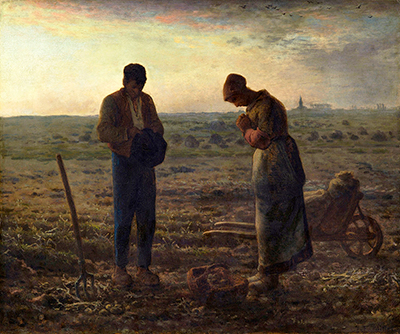
Millet's labour paintings matter because they helped make work a serious subject in modern art. He gave peasants the scale and dignity earlier artists often reserved for religious, historical or heroic figures.
This had a major influence on later artists, especially Vincent van Gogh, who admired Millet's sowers, diggers and rural workers.
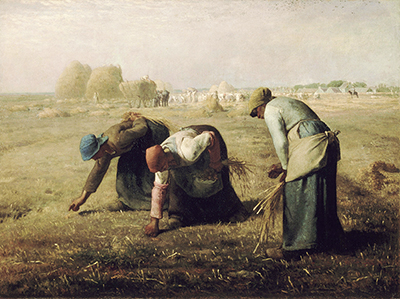
For related content, see Peasant Life Paintings, The Gleaners and the main Jean-François Millet page.
FAQs
Millet's labour paintings show rural workers such as sowers, diggers, woodcutters, winnowers and harvesters engaged in physical agricultural work.
The Sower and Man with a Hoe are two of Millet's strongest images of rural labour, showing energy and exhaustion respectively.
Millet's workers are important because he gave ordinary rural labourers dignity, scale and seriousness, helping make labour a major subject in modern art.