 by Tom Gurney
Tom Gurney BSc (Hons) is an art history expert with over 20 years experience
Published on April 30, 2026 / Updated on April 30, 2026
Email: tomgurney1@gmail.com / Phone: +44 7429 011000
Jean-François Millet's Peasant Life Paintings
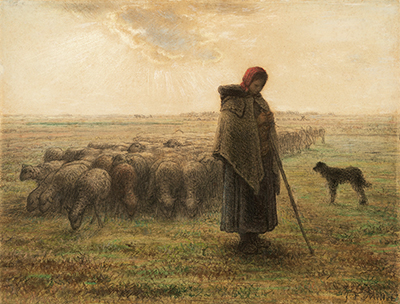
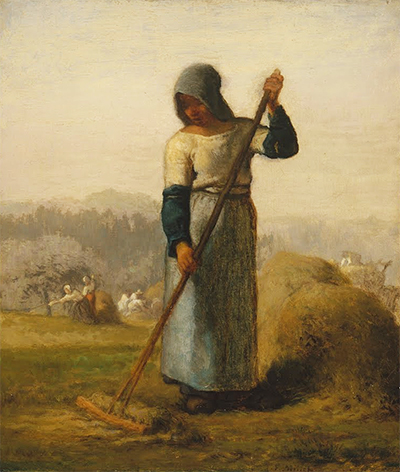
Jean-François Millet's peasant life paintings are among the most powerful images of rural labour in 19th-century art. Rather than treating peasants as decorative figures in a landscape, Millet made them the emotional and moral centre of his work.
His paintings of harvesters, gleaners, potato workers and rural families belong to the world of Realism and the Barbizon School. They show ordinary people engaged in physical work, prayer, rest and survival.
This hub brings together Millet's most important peasant life subjects, linking major works such as The Gleaners, The Angelus and related rural paintings into one stronger, more useful page.
- Artist:Jean-François Millet
- Theme:Peasant life
- Movement:Realism / Barbizon School
- Subjects:Harvesters, gleaners, potato workers, rural families
- Key Works:The Gleaners, The Angelus, Potato Harvest
- Purpose:Consolidated hub for Millet's rural life paintings
Why Peasant Life Became Millet's Great Subject
Millet was born in rural Normandy and understood the rhythms of agricultural life from direct experience. His paintings often return to the same world: fields, harvests, prayer, fatigue, family labour and the repeated tasks of survival.
In earlier art, peasants were often shown as comic, picturesque or secondary figures. Millet changed this. He gave rural workers seriousness and scale, treating them as worthy subjects for major painting.
This approach connects him strongly to Realism, a movement concerned with ordinary life rather than idealised mythology or aristocratic display.
The Gleaners
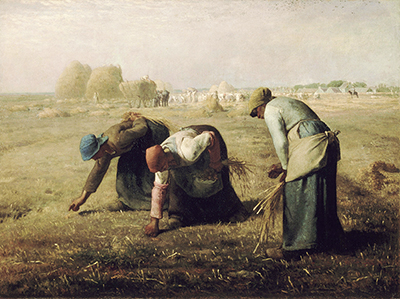
The Gleaners is the clearest expression of Millet's peasant life theme. Three women bend across a field, collecting leftover grain after the harvest. Their task is humble, but Millet gives them monumental dignity.
The contrast between the abundance of the distant harvest and the poverty of the foreground figures makes the painting especially powerful. It is both a rural scene and a social image.
The Angelus
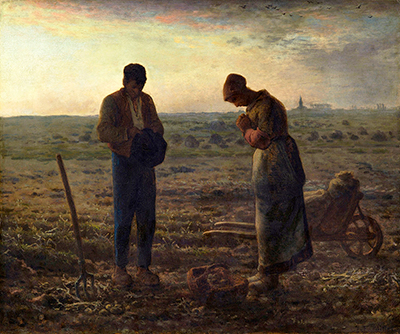
The Angelus shows a peasant couple pausing in a potato field to pray. The painting links work, faith and rural routine into a single quiet moment.
Unlike The Gleaners, which emphasises labour and poverty, The Angelus focuses on stillness and devotion. Together, the two paintings define the emotional range of Millet's rural art.
Potato Harvest and Rural Family Labour
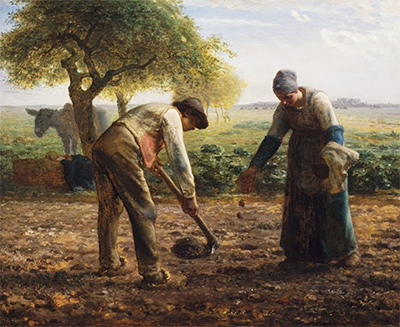
Millet repeatedly painted potato workers and harvest scenes because these subjects allowed him to explore the connection between land, labour and survival. Works such as Potato Harvest and Potato Planters show people working close to the earth, often in groups or family units.
These works are best understood as part of a larger theme rather than as isolated minor pages. Bringing them together here creates a stronger resource for visitors and helps reduce thin, repetitive content across the Millet cluster.
Harvesters and Resting Workers
Millet's harvest scenes often show labour at the point of exhaustion or pause. Figures rest, gather, bend or carry the results of the field. These moments are not dramatic in a theatrical sense, but they reveal the physical reality of rural life.
This is one of Millet's great strengths: he finds significance in repeated everyday gestures.
Why These Paintings Matter
Millet's peasant life paintings matter because they made rural workers central to modern art. His peasants are not background figures; they are the subject itself.
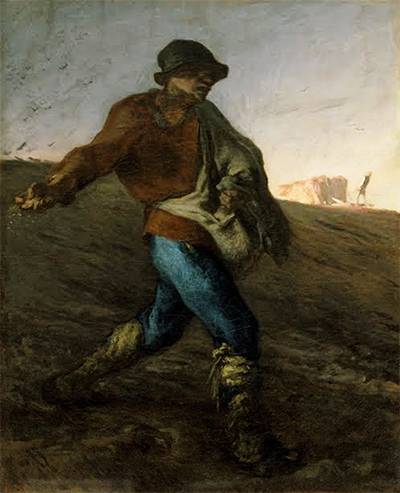
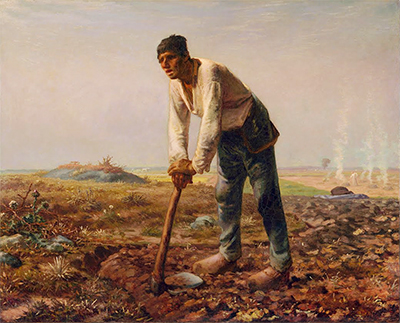
This seriousness influenced later artists, including Vincent van Gogh, who admired Millet's moral weight and returned repeatedly to themes of sowers, diggers and peasants.
For a wider overview, see the main Jean-François Millet page and the Millet paintings hub.
FAQs
Millet's peasant life paintings are works showing rural workers, harvesters, gleaners, potato workers and families engaged in everyday agricultural life.
Millet painted peasants because rural labour was central to his background and artistic vision. He wanted to give dignity and seriousness to ordinary working people.
The Gleaners is probably the best-known example of Millet's peasant life paintings, showing poor women collecting leftover grain after the harvest.