by Tom Gurney
Tom Gurney BSc (Hons) is an art history expert with over 20 years experience
Published on June 19, 2020 / Updated on August 11, 2026
Email: tomgurney1@gmail.com / Phone: +44 7429 011000
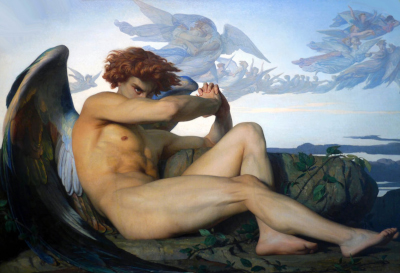
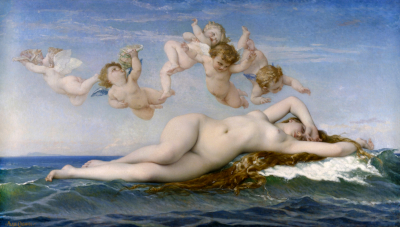
Albayde is an 1848 oil painting by Alexandre Cabanel in the Musee Fabre, Montpellier. It gives the Cabanel cluster a missing early-work bridge between the intensity of Fallen Angel and the later public polish of The Birth of Venus.

What is Albayde?
The Musee Fabre identifies Albayde as an 1848 oil on canvas measuring 98 by 80.5 cm without its frame. It entered the museum through Alfred Bruyas's 1868 gift, placing the work inside the same Montpellier collecting world that preserved other important Cabanel pictures.
The subject comes from Victor Hugo's Les Orientales. Cabanel presents a captive harem figure with a remote expression, pale skin and minute descriptive finish. The painting is smaller than the later Salon machines, but it already shows the artist's taste for literary subjects, controlled sensuality and carefully staged emotional ambiguity.
Why it matters in Cabanel's career
Albayde is useful because it prevents Cabanel from being reduced to a single famous nude. It belongs to his first mature decade, just after the Prix de Rome period, and it shows him testing the market for literary and Orientalist imagery. The work is not simply decorative. Its stillness, whiteness and enclosed setting invite questions about captivity, desire and the nineteenth-century taste for imagined Eastern interiors.
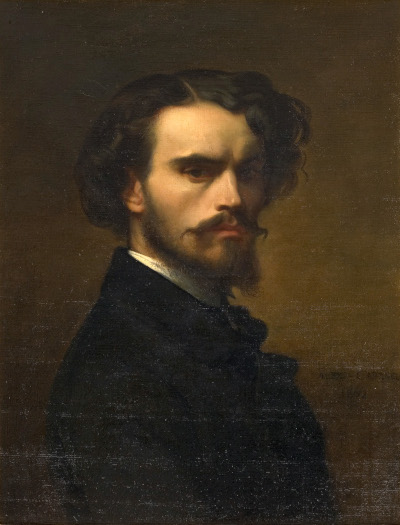
Placed beside Self Portrait, the painting also reveals how Cabanel and Bruyas intersected. Bruyas collected works that made modern artists visible as personalities and makers. Albayde sits within that collecting context while still looking outward toward the grander Salon narratives Cabanel would later master.
Close-reading notes
- The pose: Cabanel uses languor rather than action, making the viewer read feeling through stillness.
- The surface: Smooth finish and pale flesh anticipate the polished academic handling that made his later mythological work famous.
- The literary frame: Hugo's Orientalist poetry gives the subject cultural glamour, but also places the painting inside nineteenth-century fantasies about the East.
- The collection history: Alfred Bruyas's gift makes the painting part of Montpellier's Cabanel story, not just a detached genre subject.
Discussion
Albayde by Alexandre Cabanel rewards slow looking because Cabanel often balances immaculate academic finish against uneasy emotional subjects.
Reader Insights
Does Albayde feel like an intimate literary painting, or like an early rehearsal for Cabanel's later public mythologies?
How does this page change when you read it beside Cabanel's Salon career, his Montpellier connections and the institutional expectations of French Academic painting?
Which visual detail or source note should future revisions explain more fully for readers comparing Cabanel's major works?
Join the Conversation
Share a close-looking observation, source note or comparison that would help other readers understand this Cabanel page.