by Tom Gurney
Tom Gurney BSc (Hons) is an art history expert with over 20 years experience
Published on June 19, 2020 / Updated on August 11, 2026
Email: tomgurney1@gmail.com / Phone: +44 7429 011000
Alexandre Cabanel was one of the defining painters of French Academic art in the Second Empire and early Third Republic. Born in Montpellier in 1823 and active chiefly in Paris, he built a career around immaculate drawing, idealized flesh, mythological subjects, portraits, and the institutional life of the Salon and the Ecole des Beaux-Arts.
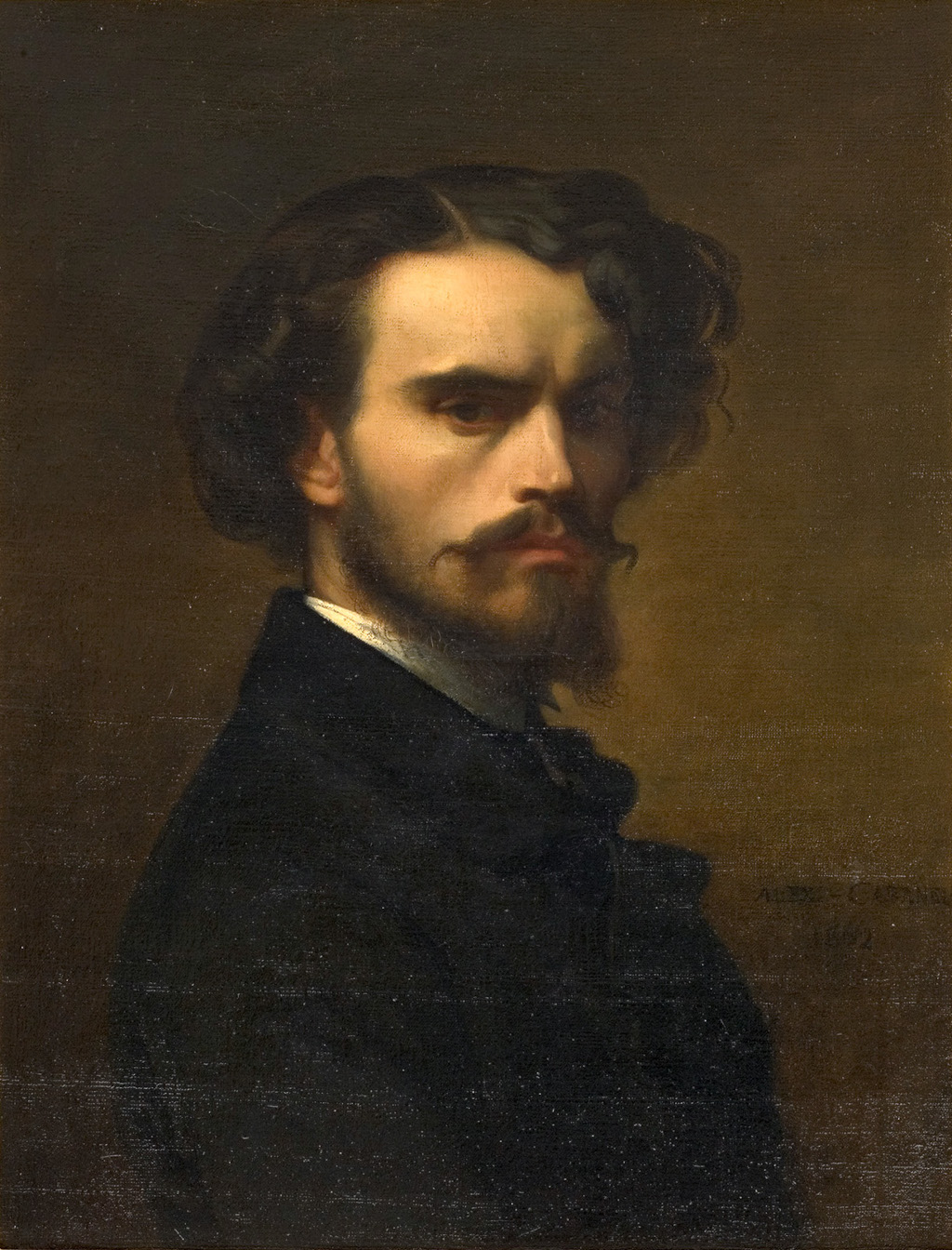
Alexandre Cabanel at a glance
- Born: 1823, Montpellier, France.
- Died: 1889, Paris, France.
- Training: Student of Francois-Edouard Picot at the Ecole des Beaux-Arts, Paris.
- Breakthrough: Prix de Rome in 1845, followed by Roman submissions including Fallen Angel.
- Institutional role: Received into the Institut in 1863 and became a professor at the Ecole des Beaux-Arts.
- Signature mode: Polished Academic painting, mythological nudes, literary heroines, portraits, and large Salon pictures.
Early life and training
Cabanel came from Montpellier, a fact that stayed visible throughout his career because several key works eventually entered the Musee Fabre in his home city. The Musee d'Orsay artist record identifies him as a pupil of Picot at the Ecole des Beaux-Arts in Paris, a foundation that helps explain the crisp contours, carefully controlled surfaces, and historical discipline that later became his public identity.
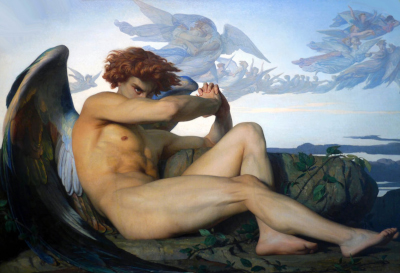
His early career followed the official route available to ambitious French painters. He debuted at the Salon in 1844 and won the Prix de Rome in 1845. That Roman phase matters because it frames Fallen Angel, painted in 1847 as one of his submissions from Rome. The work is still youthful, but its intensity already shows how Cabanel could turn academic anatomy into psychological theatre.
Salon success and official taste
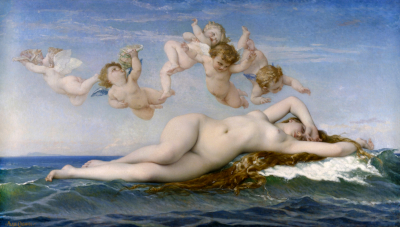
Cabanel's public reputation expanded through the Salon, the main exhibition system of nineteenth-century France. His great official triumph was The Birth of Venus, shown at the Salon of 1863 and bought by Napoleon III for his private collection. The Musee d'Orsay describes the picture as a major success and a perfect example of popular and official taste under the Second Empire.
That success was not accidental. Cabanel offered a form of beauty that seemed refined, cultivated, and safe for official culture: mythological subject matter, faultless surfaces, pale color, and a nude body transformed into art-historical decorum. At the same time, the very smoothness that made the work admired also made it vulnerable to criticism from writers and artists who wanted modern painting to look less polished and more direct.
Teacher, juror and maker of artists
Cabanel was not only a painter of famous canvases. He also became part of the machinery that shaped French art. The Musee d'Orsay record notes that he was received into the Institut in 1863 and served as a professor at the Beaux-Arts. This teaching role is essential to his biography because Cabanel's influence passed through students, juries, studio habits, and the expectations of Salon picture-making.
To later modernist eyes, that influence could seem conservative. But inside the nineteenth-century system, Cabanel represented an ideal of professional discipline: drawing, finish, controlled expression, ambitious subject matter, and the ability to make a painting legible to a large public audience. His classroom reputation and public office made him both an artist and an institution.
Late career and legacy
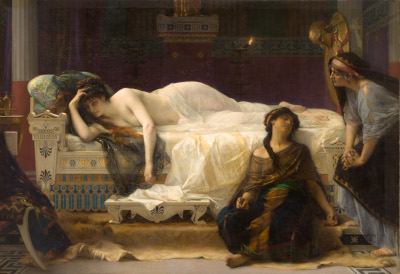
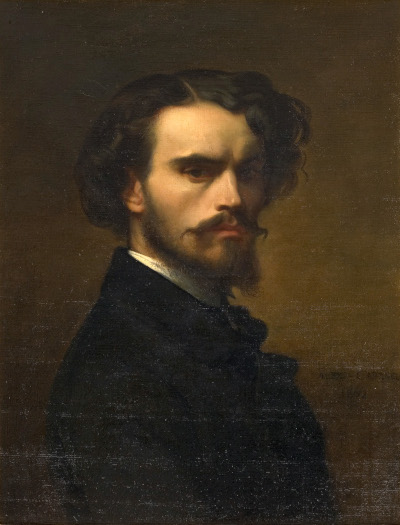
Cabanel continued to work across portraits, mythological scenes, biblical subjects, and literary heroines. Phaedra, shown at the Salon of 1880 and donated by the artist to Montpellier, demonstrates how late Cabanel could scale private torment into a theatrical Salon composition. Smaller works such as Albayde and Self Portrait also help rebalance the story: he was not only the painter of grand public nudes, but also an artist tied to patrons, self-fashioning, and the emotional codes of literary painting.
Cabanel died in Paris in 1889. His reputation has moved through cycles of admiration, dismissal, and recovery. Today he is valuable not because he points toward modernism, but because he explains the world modernism reacted against: the official Salon, the prestige of academic finish, and the complicated visual politics of beauty, myth and respectability.
Selected timeline
- 1823: Born in Montpellier.
- 1844: Salon debut.
- 1845: Wins the Prix de Rome.
- 1847: Paints Fallen Angel as a Roman submission.
- 1848: Paints Albayde, later given to the Musee Fabre by Alfred Bruyas.
- 1863: The Birth of Venus succeeds at the Salon and Cabanel enters the Institut.
- 1880: Shows Phaedra at the Salon and donates it to Montpellier.
- 1889: Dies in Paris.
Discussion
Alexandre Cabanel Biography rewards slow looking because Cabanel often balances immaculate academic finish against uneasy emotional subjects.
Reader Insights
Does Cabanel's biography change when we treat him as both a painter and an institution-builder?
How does this page change when you read it beside Cabanel's Salon career, his Montpellier connections and the institutional expectations of French Academic painting?
Which visual detail or source note should future revisions explain more fully for readers comparing Cabanel's major works?
Join the Conversation
Share a close-looking observation, source note or comparison that would help other readers understand this Cabanel page.
References
- Musee d'Orsay artist record for Alexandre Cabanel
- Musee d'Orsay record for The Birth of Venus
- Musee Fabre record for Fallen Angel
- Musee Fabre record for Phaedra
- Musee Fabre record for Albayde
- Musee Fabre record for Cabanel self portrait