



 by Tom Gurney
Tom Gurney BSc (Hons) is an art history expert with over 20 years experience
Published on June 19, 2020 / Updated on October 14, 2023
Email: tomgurney1@gmail.com / Phone: +44 7429 011000
Dutch Artists: From the Dutch Golden Age to Van Gogh
Dutch artists have played a central role in the history of European art, particularly during the 17th century, when the Netherlands experienced a cultural and economic golden age. Painters such as Rembrandt, Johannes Vermeer and Frans Hals transformed portraiture, genre painting and the depiction of everyday life.
In later centuries, Dutch art continued to evolve, culminating in the revolutionary work of Vincent van Gogh, whose expressive style helped shape modern art. This page brings together the most important Dutch artists covered on TheHistoryOfArt.org, providing a central hub for exploring their work, influence and historical context.
You can also explore artists by nationality, century or movement.
- Nationality: Dutch
- Major Periods: Dutch Golden Age, Post-Impressionism
- Key Centres: Amsterdam, Delft, Haarlem, Leiden
- Famous Artists: Rembrandt, Vermeer, Hals, Van Gogh
- Best Known For: Portraits, genre scenes, landscapes and light effects
The Dutch Golden Age
The Dutch Golden Age of the 17th century was one of the most productive periods in European art. Unlike many other countries, Dutch artists were not primarily supported by the church or monarchy. Instead, a growing middle class commissioned paintings for private homes.
This led to a unique focus on everyday subjects: domestic interiors, landscapes, still lifes and portraits. Artists explored light, texture and atmosphere with extraordinary subtlety, creating works that feel both intimate and highly refined.
Rembrandt and Dutch Portraiture
Rembrandt van Rijn is widely regarded as the greatest Dutch artist. His portraits and self-portraits reveal a deep understanding of human emotion, while his use of light and shadow gives his work a dramatic intensity.
Rembrandt's paintings, such as The Night Watch, combine technical mastery with psychological insight, making him one of the most influential painters in Western art.
Vermeer and the Art of Light
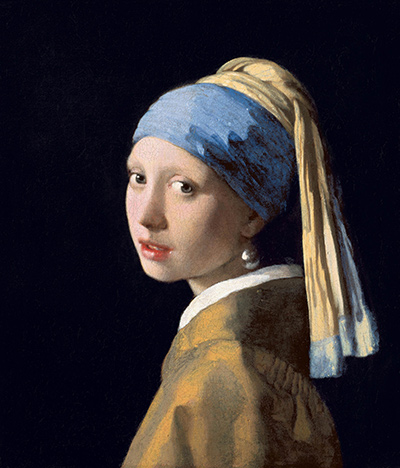
Johannes Vermeer is known for his quiet, carefully composed interior scenes. Paintings such as Girl with a Pearl Earring and The Milkmaid demonstrate his extraordinary ability to capture light and atmosphere.
Vermeer's work often depicts moments of everyday life, yet his compositions feel timeless and almost meditative. His paintings are among the most admired examples of Dutch Golden Age art.
Frans Hals and Lively Portraits
Frans Hals was another leading portrait painter of the Dutch Golden Age. His loose brushwork and lively compositions give his portraits a sense of immediacy and energy.
Hals influenced later artists, particularly in the way he handled paint and captured personality with apparent spontaneity.
Dutch Genre and Landscape Painting
Beyond portraiture, Dutch artists excelled in genre scenes and landscapes. Painters such as Jan Steen, Pieter de Hooch and Gabriël Metsu depicted everyday life with humour, detail and narrative richness.
Landscape painters such as Jacob van Ruisdael captured the Dutch countryside, skies and waterways with remarkable sensitivity to atmosphere and light.
Vincent van Gogh and Modern Dutch Art
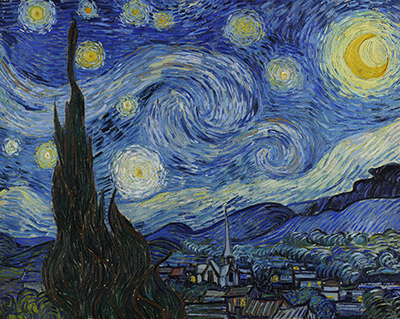
Vincent van Gogh represents a later phase of Dutch art, moving into the Post-Impressionist period. His bold colours, expressive brushwork and emotional intensity transformed painting and influenced modern art movements such as Expressionism.
Although Van Gogh spent much of his career in France, his Dutch origins and early works remain an important part of his development as an artist.
Dutch Artists and Art Movements
Dutch artists are closely associated with several major art movements. The Dutch Golden Age remains one of the most distinctive periods in art history, while later artists such as Van Gogh contributed to Post-Impressionism and modern art.
You can explore these movements further through the artists by movement page, or compare Dutch artists with other national traditions such as French artists, Italian artists and Spanish artists.
All Dutch Artists on TheHistoryOfArt.org
This section provides a crawlable index of Dutch artists currently featured on the site. Expanding this list over time will strengthen the cluster and improve internal linking.
Discover some of the notable artists to have come from the Netherlands region
Covering all manner of different movements such as the Northern Renaissance, Post-Impressionism and Abstract art.
It was their involvement within the Northern Renaissance and the period generally termed at the Dutch Golden Age which put the artistic output of this region on the map for the first time. Innovation and technical expertise were key during this time, with a number of different mediums being used, including painting, engraving and woodcuts. Landscape art was also appearing for the first time, when previously it had only been used as a supporting element to other genres.
Whilst religion was dominant throughout European art at this time, we were starting to see other forms of portraiture too and a generally more inventive and creative approach to art that was also matched within literature too. The expertise would be advertised abroad through print making and many artists from elsewhere in Europe would start to take note of the advancements being made by Dutch artists and attempt to learn more from them.
Italian artists would actually then later draw inspiration from the Netherlands, specifically with their use of oil paint, having previously preferred egg tempera instead. There was also now a greater exchange of art between different nations which helped some of the household names found here to spread their reputation further.
In the next few centuries you will find a concentration on landscapes and seascapes, as well as some notable contributions to the genre of still life. Several art schools and artist studios would continue to generate notable names, with technical skills and ideas passed down generations.
By this stage, the likes of Rembrandt would be seen as iconic names who were rightly labelled masters and who could be learnt from through the study of their work. We would then have art galleries and museums appear for the first time which would help younger generations to get a better understanding of art history and also to see some of these great paintings up close, enabling them to study the brushwork with their own eyes.
Whilst Dutch artists have made a massive impression on the direction of European and indeed global art, but many other nations have also played a similarly important role too. In terms of the Renaissance, there were of course notable contributions from German and Italian artists. In more recent times there have also been notable French and British artists, such as within the Impressionist, Romanticist and Pre-Raphaelite movements.
As we work on expanding the coverage of these lists, we have also now added female and Japanese artists too, with more to come in the future. Each one also connects to individual information on each of the artists so that you can learn more about your favourites and look deeper into their individual careers. There is also a wider summary of famous artists here, which can draw more names to your attention, perhaps for the first time.
The Netherlands built a great deal of wealth through trade via its many international ports and its artists would begin to capture its connection to the seas through some beautifully crafted seascapes.
They now serve as visual reminders of maritime design as well as capturing the essence of this nation. There was a whole industry in this genre, just as there was with Dutch landscape painting, with art followers abroad being drawn by the charming windmills and the fashion of local people. In fact, many still are today.
There artists were later replaced by modern styles, such as with the likes of Van Gogh who played an important role in bringing in new expressive styles which followed just after the French Impressionists and took things onto another level in that regard.
He was not a part of a Dutch group of artists, and very much his own man, and this is typical of the past two centuries when we have seen important painters and sculptors from this region who have more been a part of international movements, reflecting the spread of modern media where local or national boundaries are not as significant as they once were.
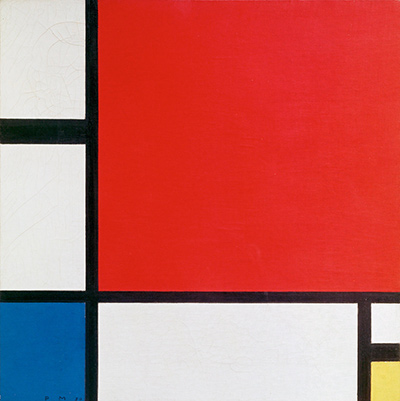
Following the career of Piet Mondrian also indicates how an artist could begin in fairly traditional an approach before using his creativity to help shape all those who followed, which in his case was across the 20th century.
He captured some beautiful scenes of windmills and the natural landscape of Holland in his early years before moving further and further into the world of abstraction, just as Spanish artist, Joan Miro had done at around the same time.
Mondrian himself went into the realms of shape and colour in the simplest of forms and it would be there for which he would become best known, even though his oeuvre is actually much more varied and consistent across different styles and genres.
In terms of drawing attention to Dutch art, it is Rembrandt and Van Gogh who are the most famous of all, reaching a level of fame which goes far beyond just those who follow art to become well known through out western society. Those interested in art will look far deeper than that, discovering hundreds of other great names since the Renaissance.
Famous Dutch Paintings
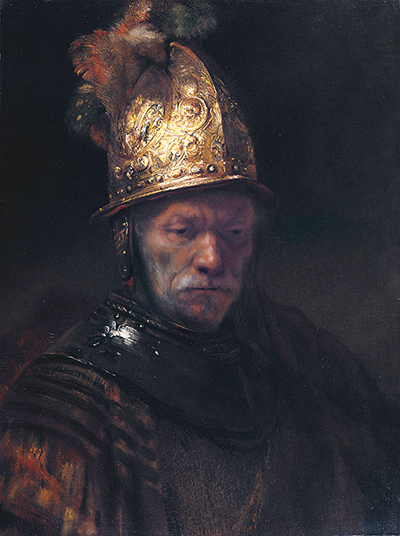
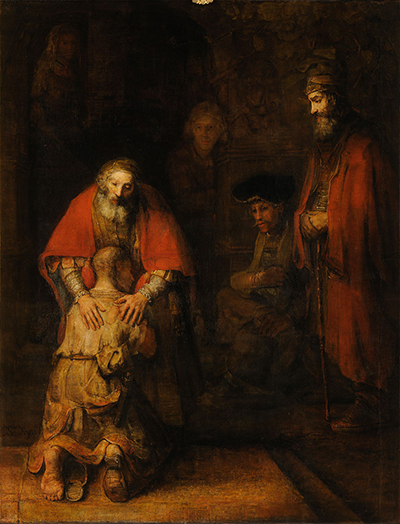
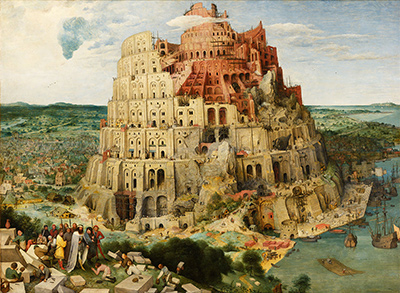
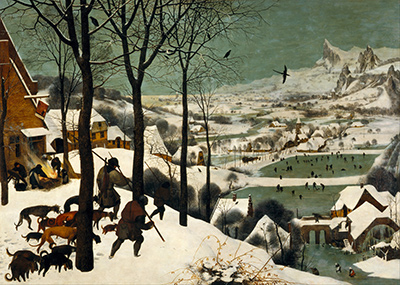
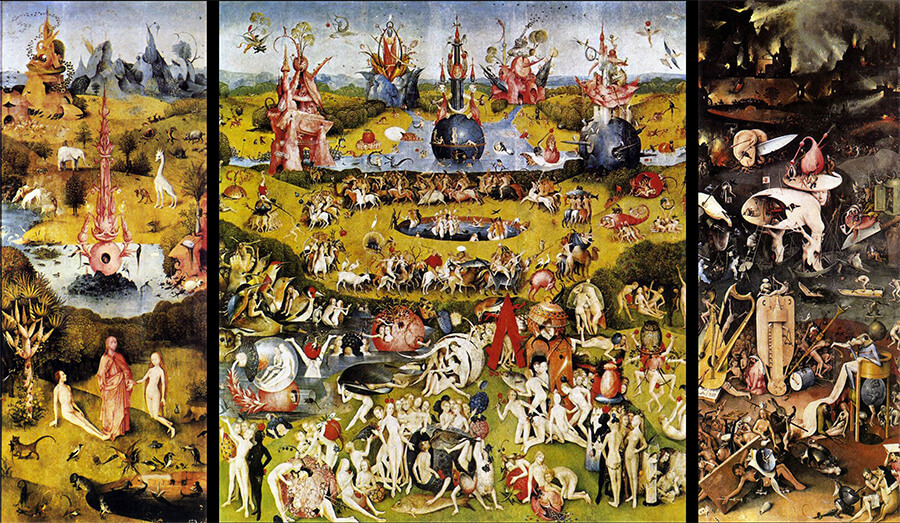
In order to give a quick summary of some of the finest work to have come from this great nation we have selected some of the most famous paintings from the past few centuries and displayed them below. As you will see, there is a mixture of art from the Northern Renaissance, the Dutch Golden Age as well as some much more recent items such as contemporary art.
Each exponent has much more to see within their individual careers, of course, and these just provide some ideas how the type of artworks that have been created by the most notable members of various movements that spread throughout the country and Europe as a whole.
Some of the styles were homegrown within the Netherlands, whilst in other cases, such as the Northern Renaissance, the Dutch involvement was as part of a wider region.
Famous Dutch Artists
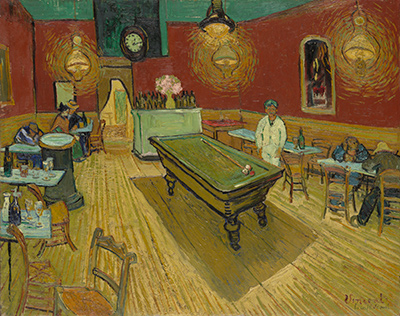
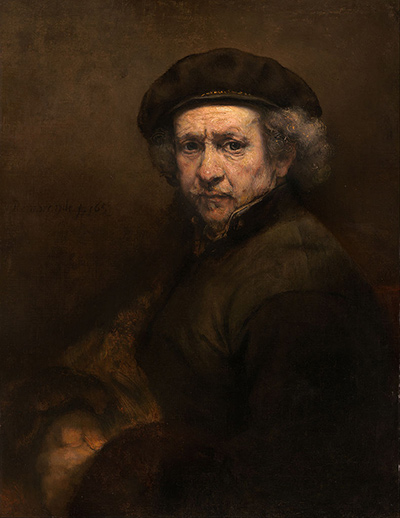
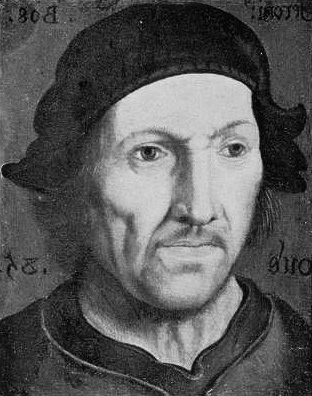
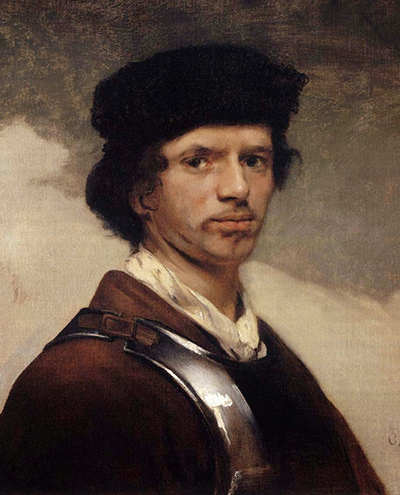
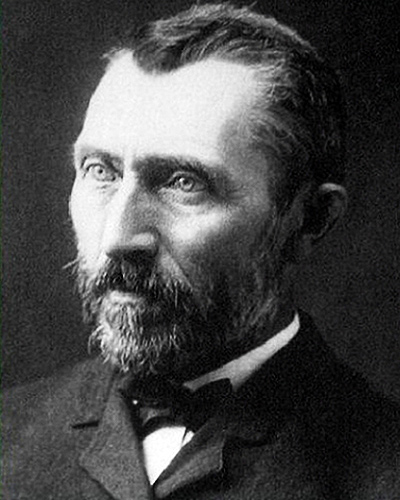
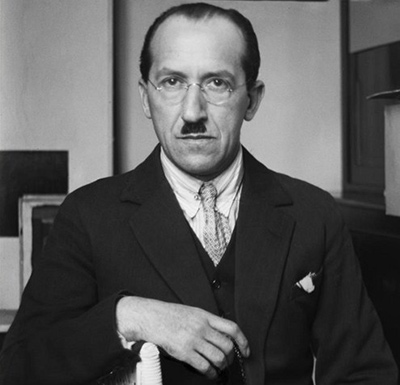
We have listed below five of the most significant artists to have come from the Netherlands region, though many more famous names exist across a variety of different movements. What we have below are truly groundbreaking artists who helped to influence the direction of European art, with new ideas and innovations that had not been seen before.
Perhaps in the case of Rembrandt it was about technical excellence, doing things to a level that had not been reached before. He did this across a number of different genres as well.
The others all served different purposes in their own unique way, such as Van Gogh with his use of colour which began during his time in the south of France. There was much later the abstract squares of Piet Mondrian who took abstract art into new extremes.
FAQs
The most famous Dutch artists include Rembrandt, Johannes Vermeer, Frans Hals and Vincent van Gogh.
The Dutch Golden Age was a 17th-century period of economic prosperity and artistic achievement, when artists produced large numbers of paintings for a growing middle-class market.
Johannes Vermeer is important for his masterful use of light, composition and quiet interior scenes, which have made his paintings some of the most admired in art history.
No, Vincent van Gogh lived in the 19th century and is associated with Post-Impressionism rather than the Dutch Golden Age.