


 by Tom Gurney
Tom Gurney BSc (Hons) is an art history expert with over 20 years experience
Published on June 19, 2020 / Updated on April 30, 2026
Email: tomgurney1@gmail.com / Phone: +44 7429 011000
Jean-François Millet Paintings: Rural Labour, Realism and the Barbizon School
Jean-François Millet's paintings transformed the rural poor into some of the most memorable figures in 19th-century art. Rather than treating peasants as picturesque background characters, Millet gave them weight, dignity and emotional seriousness.
His most famous works, including The Gleaners, The Angelus, The Sower and Man with a Hoe, show workers, harvesters, sowers and praying peasants as monumental figures within the landscape.
This page introduces Millet's most important paintings and explains how they fit into Realism, the Barbizon School and the wider history of modern art.
- Artist:Jean-François Millet
- Page Focus:Millet's major paintings
- Movement:Realism / Barbizon School
- Main Subjects:Peasants, rural labour, prayer, harvest, sowing
- Key Works:The Gleaners, The Angelus, The Sower, Man with a Hoe
- Best For:Understanding Millet's role in Realism
- Influence:Important influence on Vincent van Gogh
Millet's Most Famous Paintings
Millet's reputation rests above all on a group of paintings that show rural labour with unusual seriousness. These works are not decorative country scenes. They are images of physical work, religious habit, poverty, endurance and dignity.
The four paintings below should form the centre of your Millet cluster, with this page acting as the main hub that links to each detailed analysis.
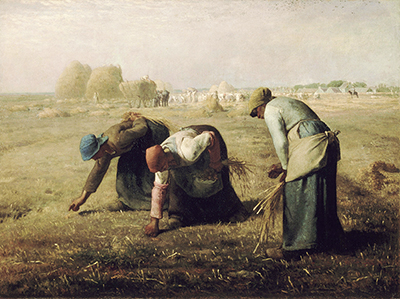
The Gleaners
Millet's great image of three peasant women gathering leftover grain after the harvest.
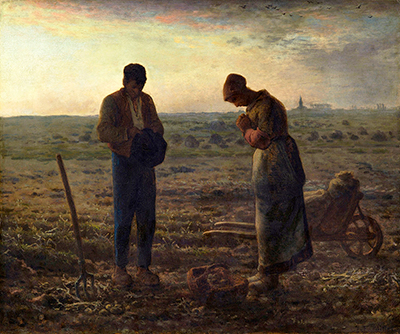
The Angelus
A quiet scene of prayer in a potato field, combining rural labour with spiritual reflection.
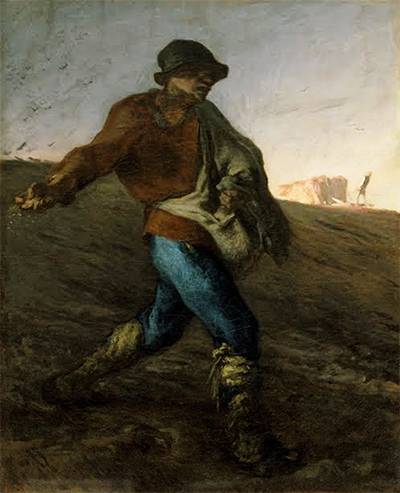
The Sower
A monumental peasant figure scattering seed, later admired by Vincent van Gogh.
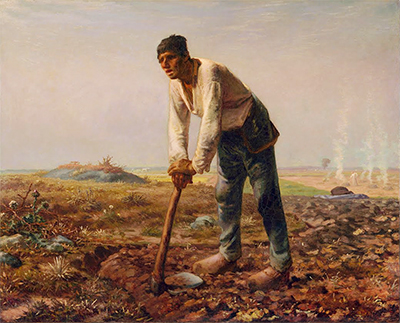
Man with a Hoe
One of Millet's most forceful and controversial images of exhausted rural labour.
The Gleaners
The Gleaners is probably Millet's most famous painting. It shows three poor peasant women bending across a field to collect leftover grain after the harvest.
The composition gives the women a sculptural seriousness. Their repeated bending forms create rhythm, while the distant harvest in the background emphasises the social difference between abundance and poverty.
This painting is essential for understanding Millet's achievement because it gives visual dignity to some of the poorest figures in rural society.
The Angelus
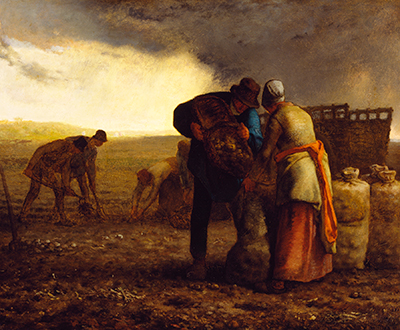
The Angelus shows a peasant man and woman pausing from potato harvesting to pray. The distant church tower suggests the sound of the Angelus bell, while the bowed figures create a mood of stillness and devotion.
Unlike The Gleaners, which focuses strongly on social hardship, The Angelus combines work with religious memory and rural ritual. It became one of the most widely known images of 19th-century French rural life.
The Sower
The Sower presents a peasant striding across a field, scattering seed into the earth. The figure is powerful, dark and monumental, turning an ordinary agricultural task into an image of energy and renewal.
The painting had a particularly strong influence on Vincent van Gogh, who repeatedly returned to the subject of the sower in his own work.
Man with a Hoe
Man with a Hoe is one of Millet's most direct images of rural exhaustion. The labourer leans heavily on his tool, his body shaped by hardship and repetitive work.
The painting was controversial because it showed a peasant worker without idealisation. Millet made the viewer confront the physical and social reality of labour rather than admire a decorative rural scene.
Other Millet Painting Themes
Many of the smaller Millet pages on this site can now be better understood through a few strong thematic hubs. This is more useful for visitors and helps avoid thin, repetitive pages.
- Peasant Life Paintings — harvesters, potato workers, gleaners and rural families.
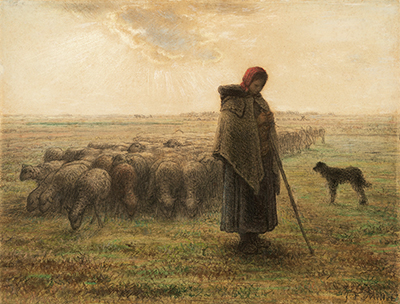
- Shepherdess Paintings — Millet's repeated images of shepherdesses, flocks and rural solitude.
- Work and Labour — sowers, diggers, woodcutters, winnowers and field workers.
- Portraits — portraits and less typical figure paintings by Millet.
Millet, Realism and the Barbizon School
Millet is usually associated with Realism and the Barbizon School. The Barbizon painters moved away from academic idealisation and looked closely at landscape, rural life and the working countryside.
Millet's contribution was distinctive because he made rural workers the emotional centre of his art. His peasants are not merely placed within the landscape; they carry the moral and symbolic force of the painting.
This is why Millet remains important. He helped make the ordinary labouring body a serious subject for modern art.
Millet's Influence on Later Artists
Millet's influence was especially important for Van Gogh, who admired his images of sowers, diggers and peasants. Van Gogh saw in Millet's work a serious, almost spiritual respect for rural labour.
Millet also helped prepare the ground for later artists who treated modern life, work and social reality as suitable subjects for major painting.
For a broader introduction to the artist, see the main Jean-François Millet page.
Shepherdess and her Flock
The Walk to Work
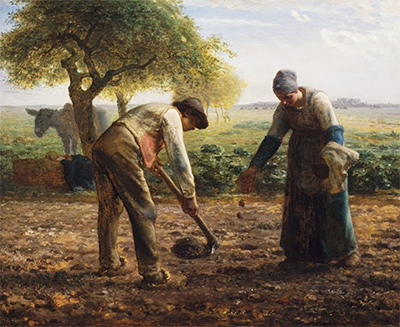
The Potato Planters
 Jean-Francois Millet.jpg)
Madame JF Millet (Pauline-Virginie Ono)
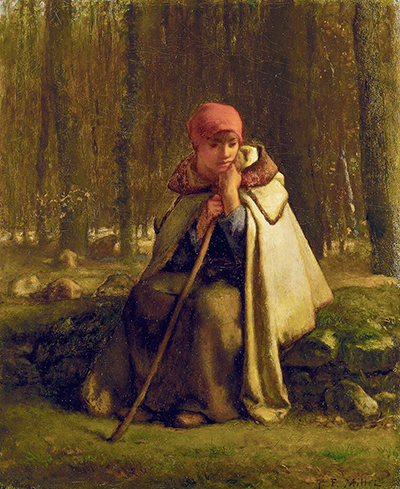
Seated Shepherdess
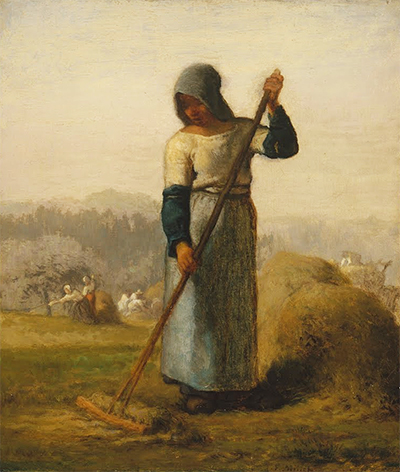
Woman with a Rake
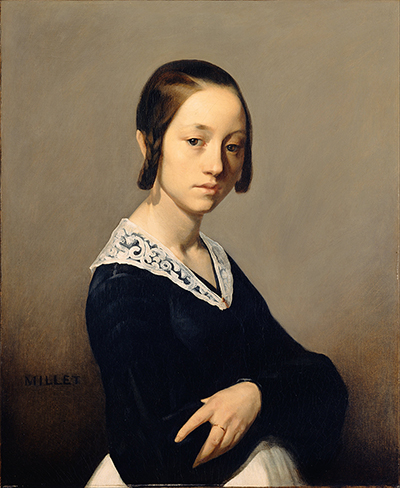
Portrait of Louise-Antoinette Feuardent
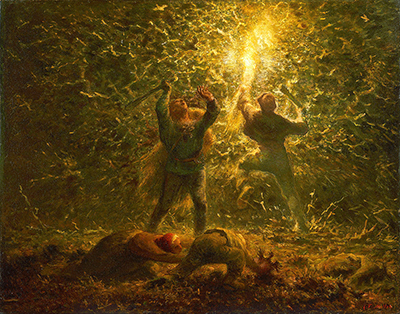
Bird's Nesters
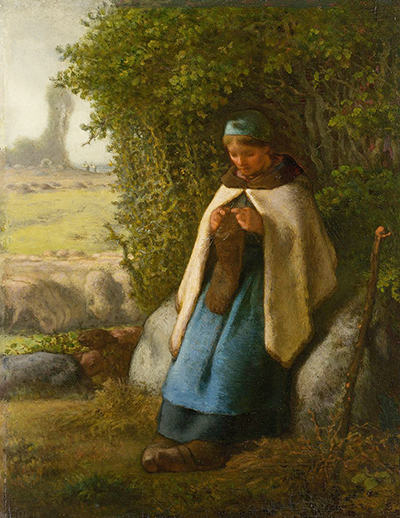
Shepherdess Seated on a Rock
 Jean-Francois Millet.jpg)
Harvesters Resting (Ruth and Boaz)
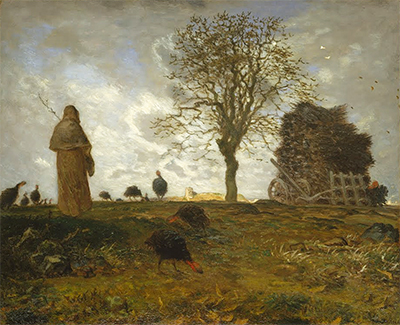
Autumn Landscape
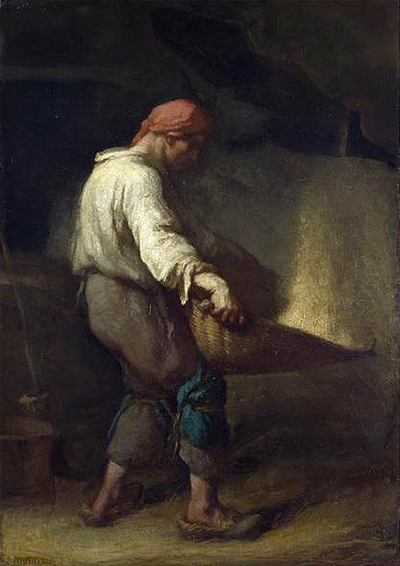
A Winnower
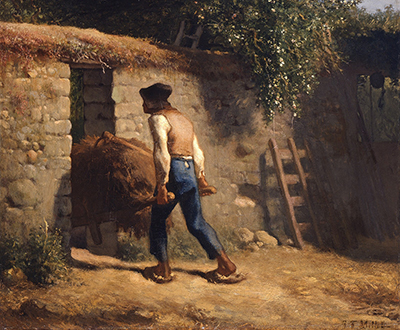
Peasant with a Wheelbarrow
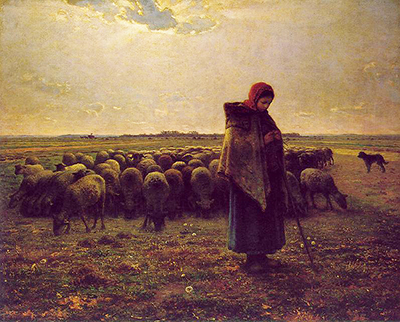
Shepherdess with her Flock
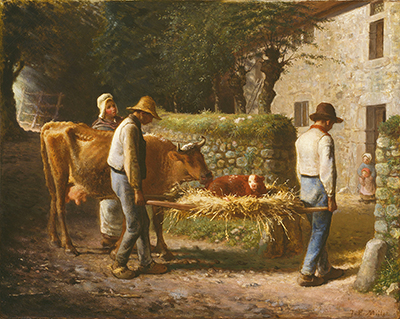
Peasants Bringing Home a Calf Born in the Fields
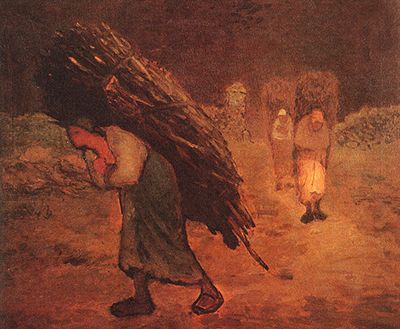
Winter, The Fagg*t Gatherers
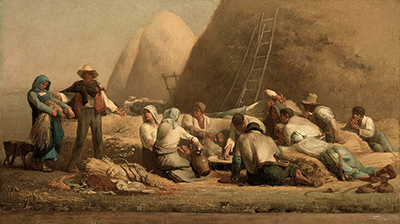
Harvesters Resting
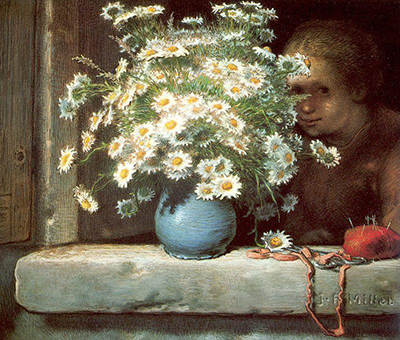
The Bouquet of Margueritas
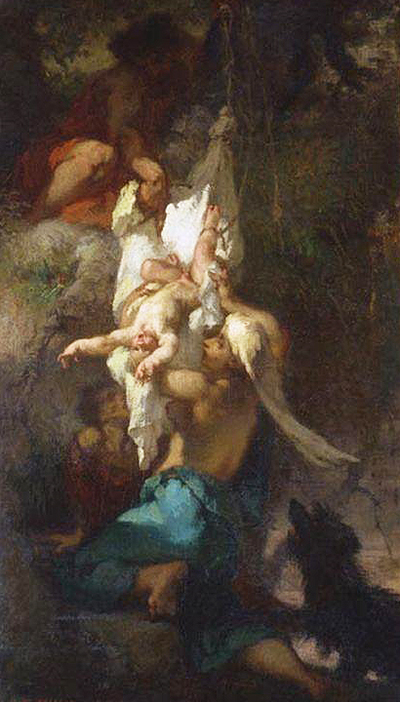
Oedipus Taken Down from the Tree
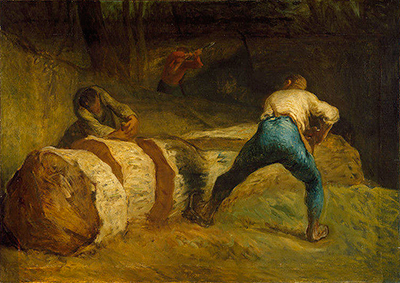
The Wood Sawyers
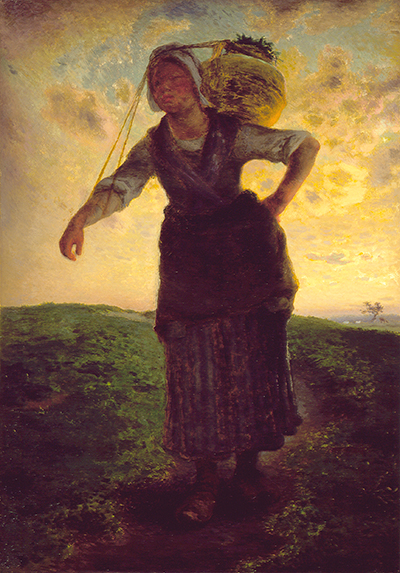
A Norman Milkmaid at Greville
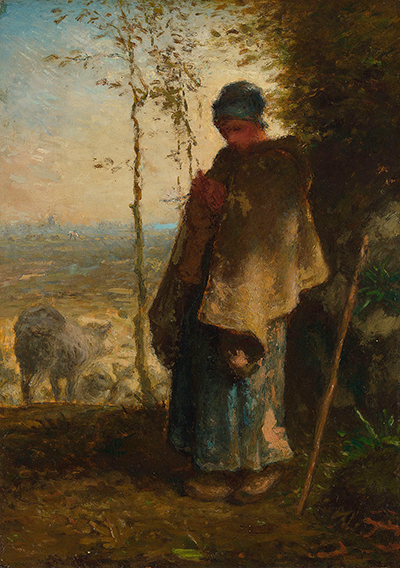
La Petite Bergere
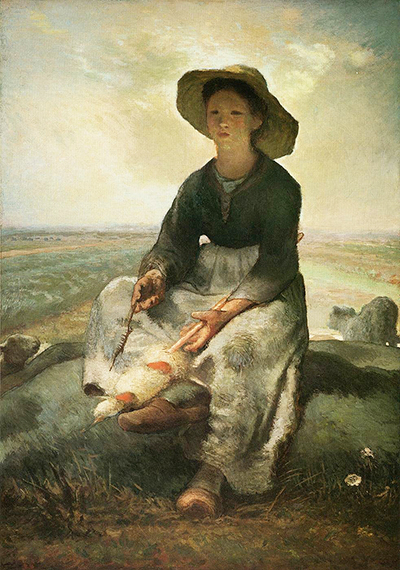
The Young Shepherdess
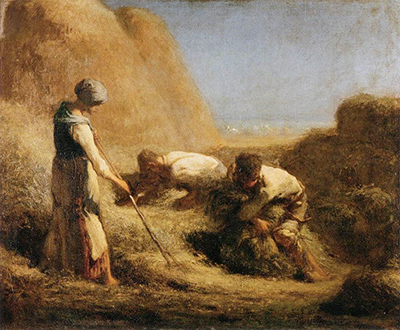
Les Botteleurs de Foin
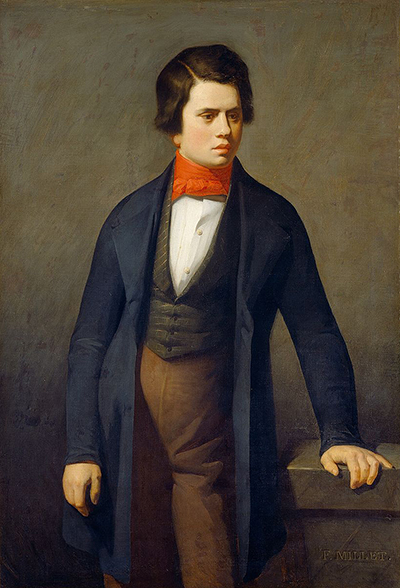
Leconte de Lisle
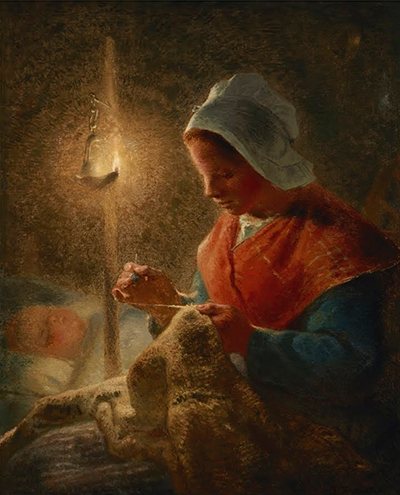
Woman Sewing by Lamplight
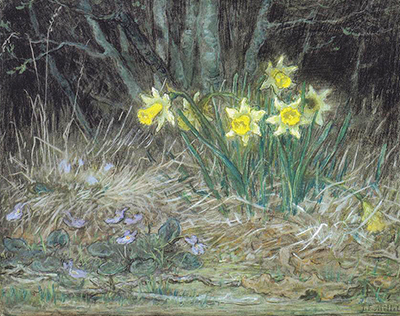
Narcissi and Violets
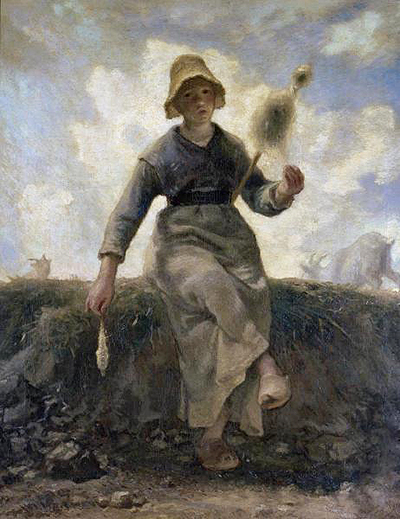
The Spinner, Goatherd of the Auvergne
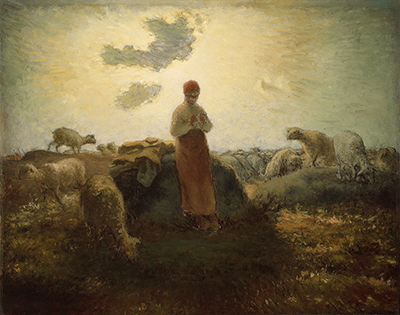
The Keeper of the Herd
 Jean-Francois Millet.jpg)
Spring (Daphne and Chloe)
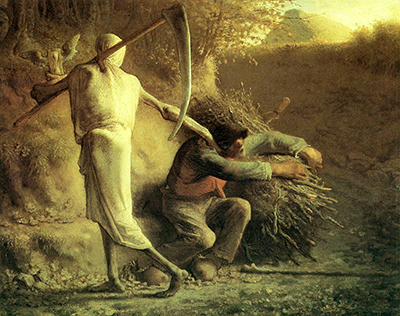
Death and the Woodcutter
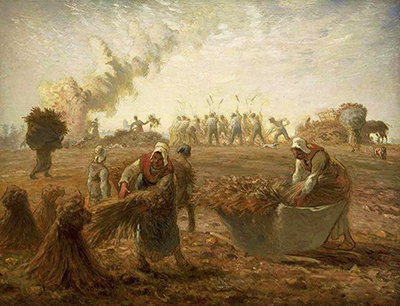
Buckwheat Harvest, Summer
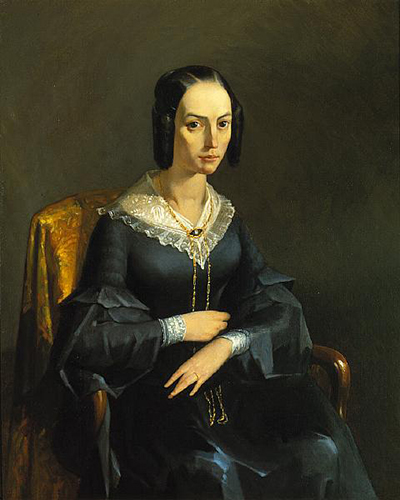
The Comtesse of Valmont
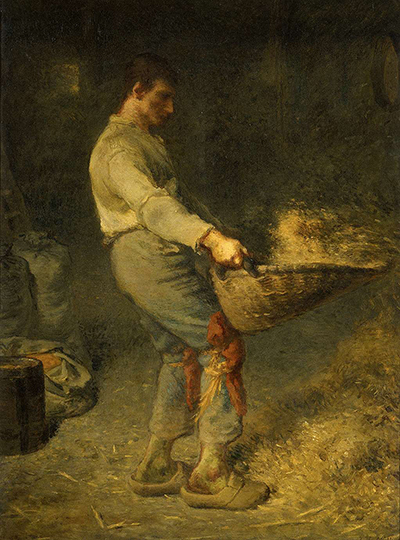
Le Vanneur
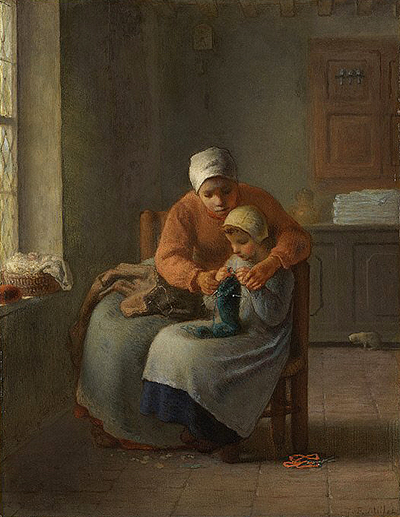
The Knitting Lesson
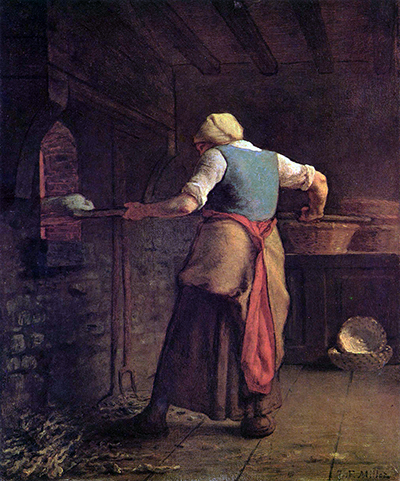
Woman Baking Bread
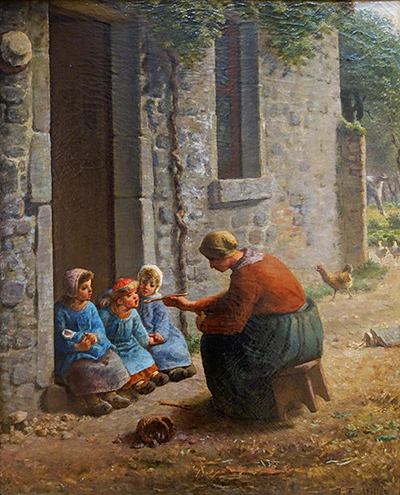
The Beakful
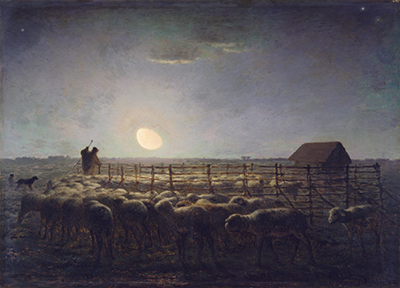
The Sheepfold, Moonlight
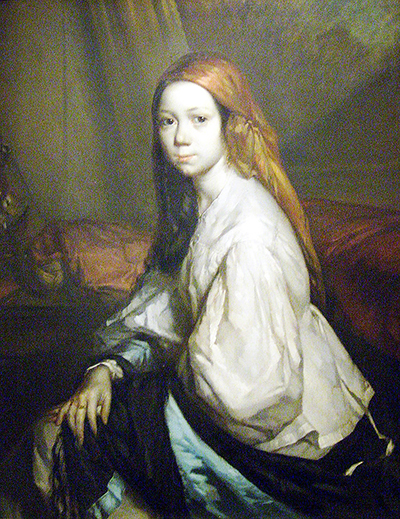
Portrait of Pauline Ono
FAQs
Millet's most famous paintings include The Gleaners, The Angelus, The Sower and Man with a Hoe.
Millet mainly painted peasants, rural labourers, harvesters, sowers, shepherdesses and scenes of work in the French countryside.
Millet is associated with Realism and the Barbizon School, especially for his serious depictions of rural life and labour.
Millet's paintings are important because they gave dignity and seriousness to ordinary rural workers, helping to make labour and peasant life central subjects in modern art.