 by Tom Gurney
Tom Gurney BSc (Hons) is an art history expert with over 20 years experience
Published on June 19, 2020 / Updated on April 30, 2026
Email: tomgurney1@gmail.com / Phone: +44 7429 011000
Jean-François Millet Quotes: Art, Labour, and the Life of the Peasant
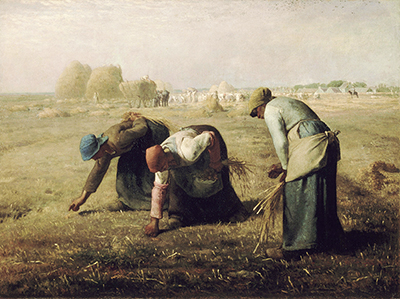
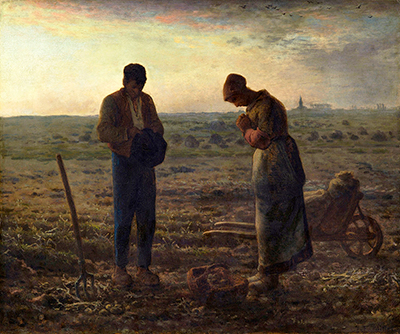
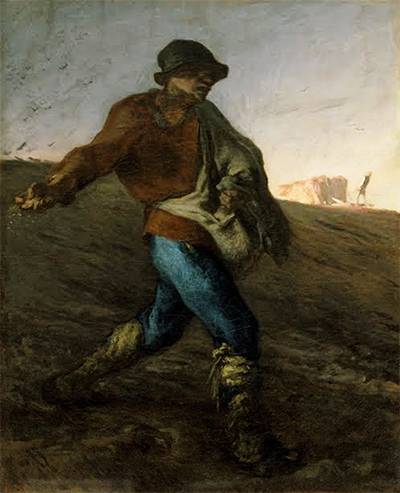
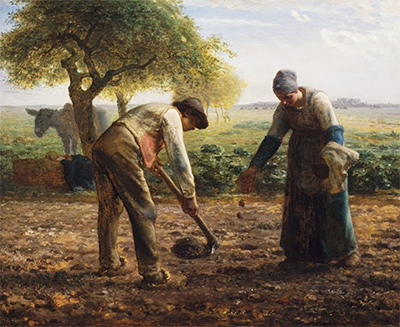
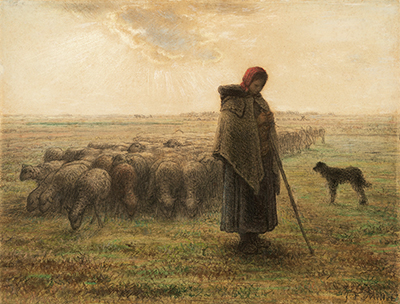
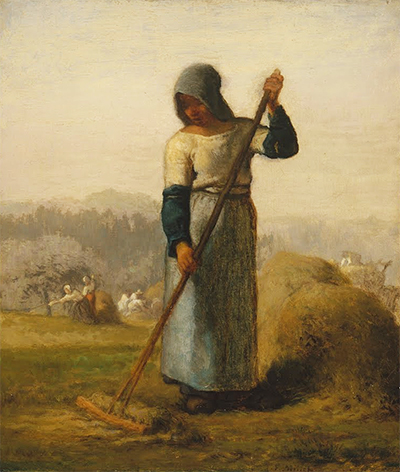
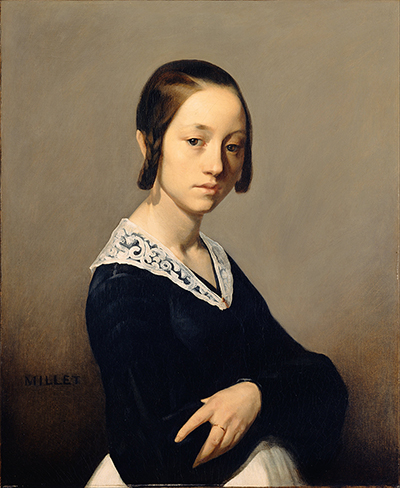
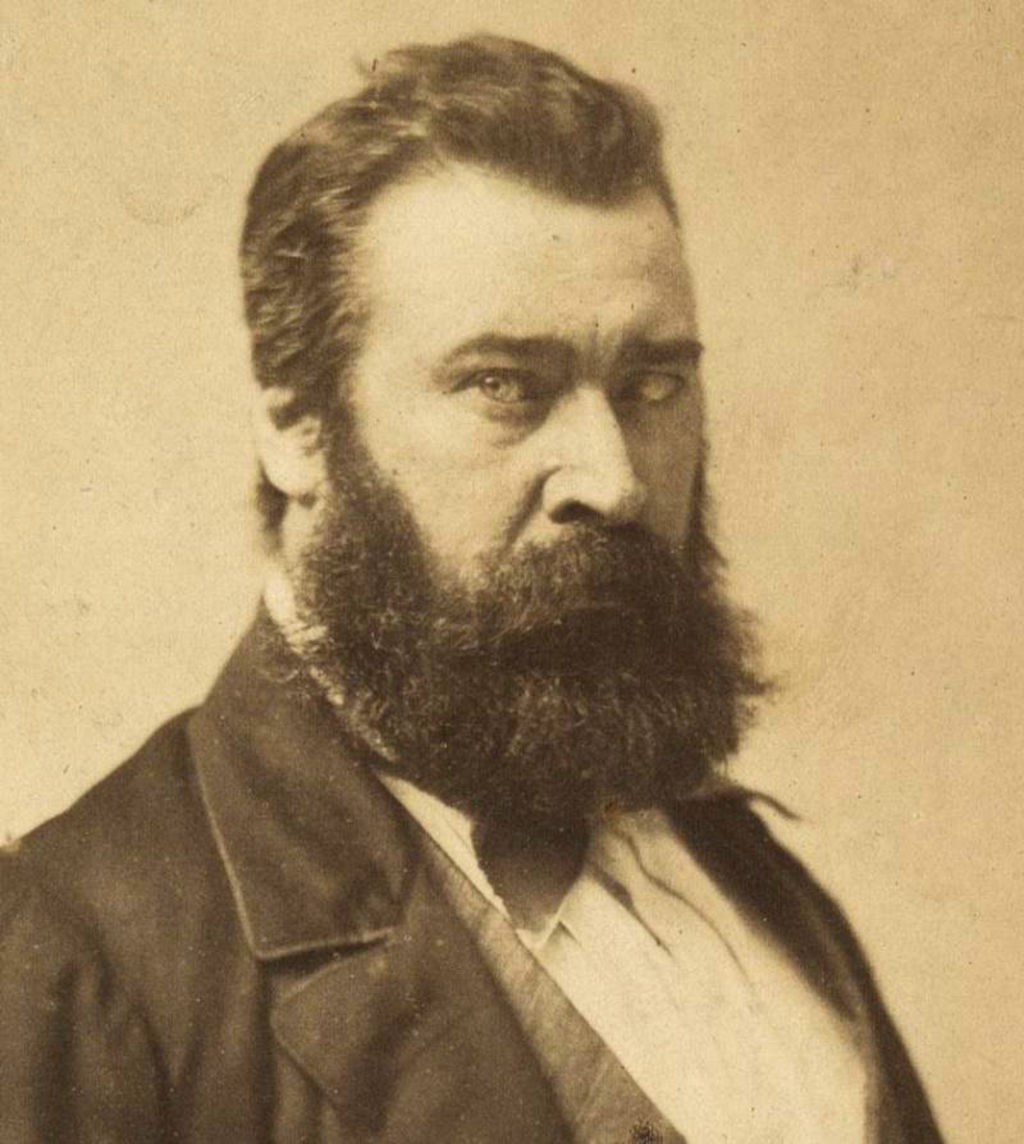
Jean-François Millet is best known for his powerful depictions of rural life, particularly in works such as The Gleaners, The Angelus, and The Sower. His words, like his paintings, reveal a deep respect for labour, nature, and the dignity of ordinary people.
Unlike many artists of his time, Millet did not seek to idealise or romanticise rural life. Instead, he aimed to express its reality — both its hardship and its quiet strength. The quotes below reflect his artistic philosophy and his commitment to portraying the human condition through the lives of peasants.
- Artist: Jean-François Millet
- Born: 1814, Gruchy, France
- Movement: Realism / Barbizon School
- Known For: Peasant life, labour, rural scenes
- Themes: Work, dignity, nature, humanity
Selected Quotes by Jean-François Millet
"I try not to have things look as if chance brought them together, but as if they had a necessary bond between them."
Jean-François Millet
"The human side of art is what touches me most."
Jean-François Millet
"Beauty does not lie in the face; it lies in harmony."
Jean-François Millet
"I have never seen anything but the fields; I try to say what I have seen."
Jean-François Millet
"Peasant subjects suit my temperament best."
Jean-François Millet
"I want to make those who see my work feel the same as I do when I look at nature."
Jean-François Millet
Millet on Labour and Rural Life
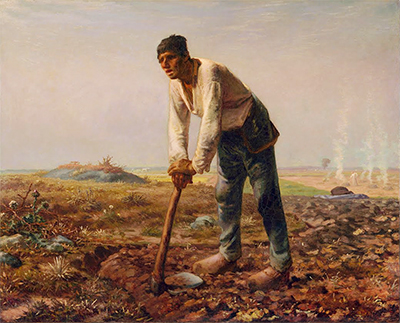
Millet's most famous works focus on the physical and emotional weight of labour. In paintings like Man with a Hoe and his broader labour scenes, he presents work not as background activity, but as the central subject of art.
"It is the toil that gives meaning to the life of man."
Jean-François Millet
"The peasant is not there to amuse you; he is there to make you think."
Jean-François Millet
These ideas were central to the philosophy of the Barbizon School, which sought to represent rural life with honesty and seriousness. Millet's work stands as one of the clearest expressions of this approach.
Millet and the Meaning of Art
Millet believed that art should be grounded in lived experience. His upbringing in a farming community shaped both his subject matter and his values. This perspective distinguishes him from many academic painters of his time.
"Art must come from the heart, or it will not move the viewer."
Jean-François Millet
"I do not paint what I imagine, but what I see and feel."
Jean-François Millet
Rather than constructing elaborate historical scenes, Millet turned to everyday life. This focus on observation and emotional truth links him closely with the broader development of Realism, and later influenced artists such as Vincent van Gogh.
Legacy and Influence
Millet's words continue to resonate because they reflect a consistent artistic vision: one rooted in humility, observation, and respect for human labour. His influence can be seen not only in his contemporaries, but also in later artists who explored similar themes.
From the quiet spirituality of The Angelus to the physical intensity of The Sower, his paintings embody the ideas expressed in his quotes. Together, they form a coherent vision of art as a means of understanding the human experience.