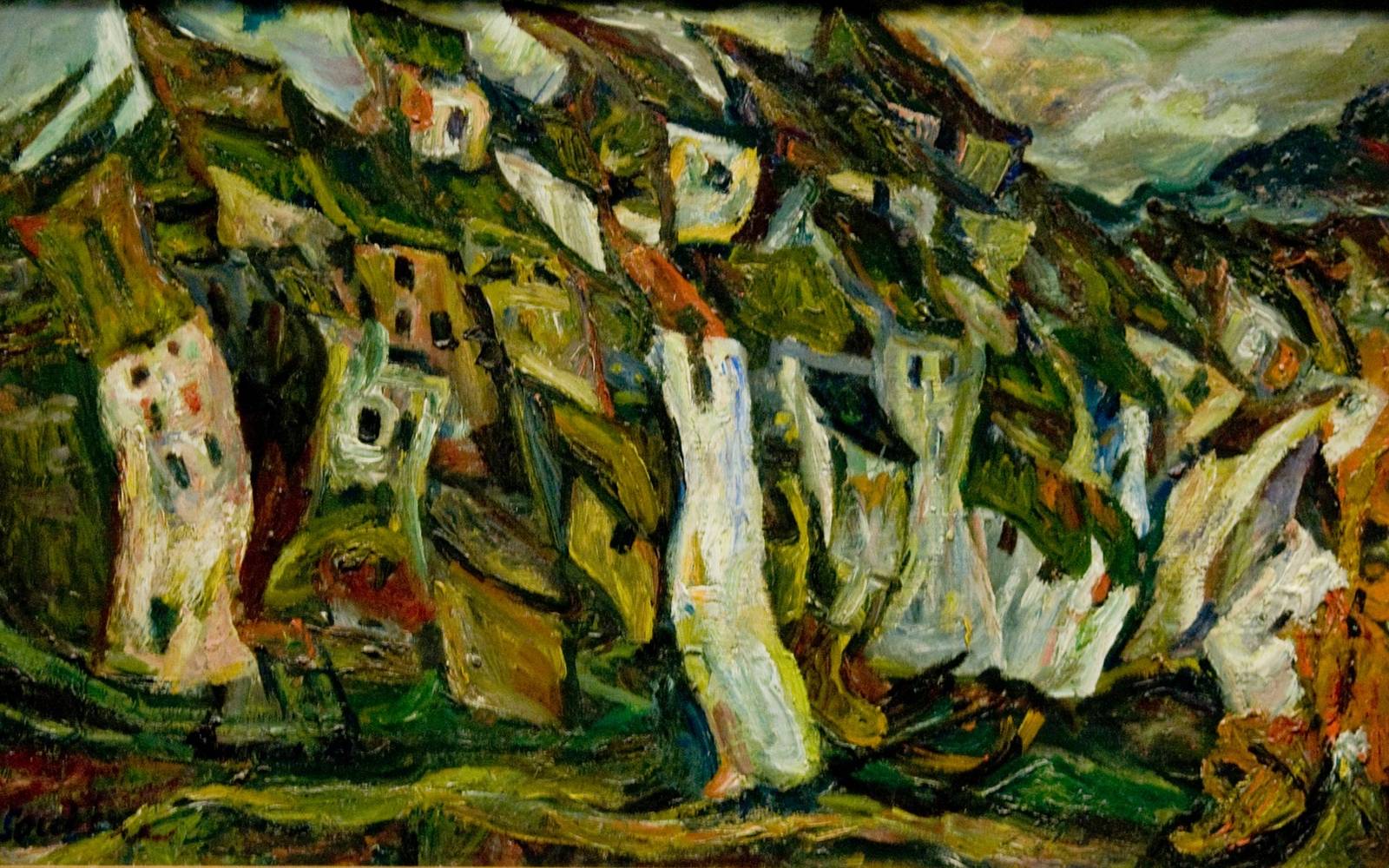
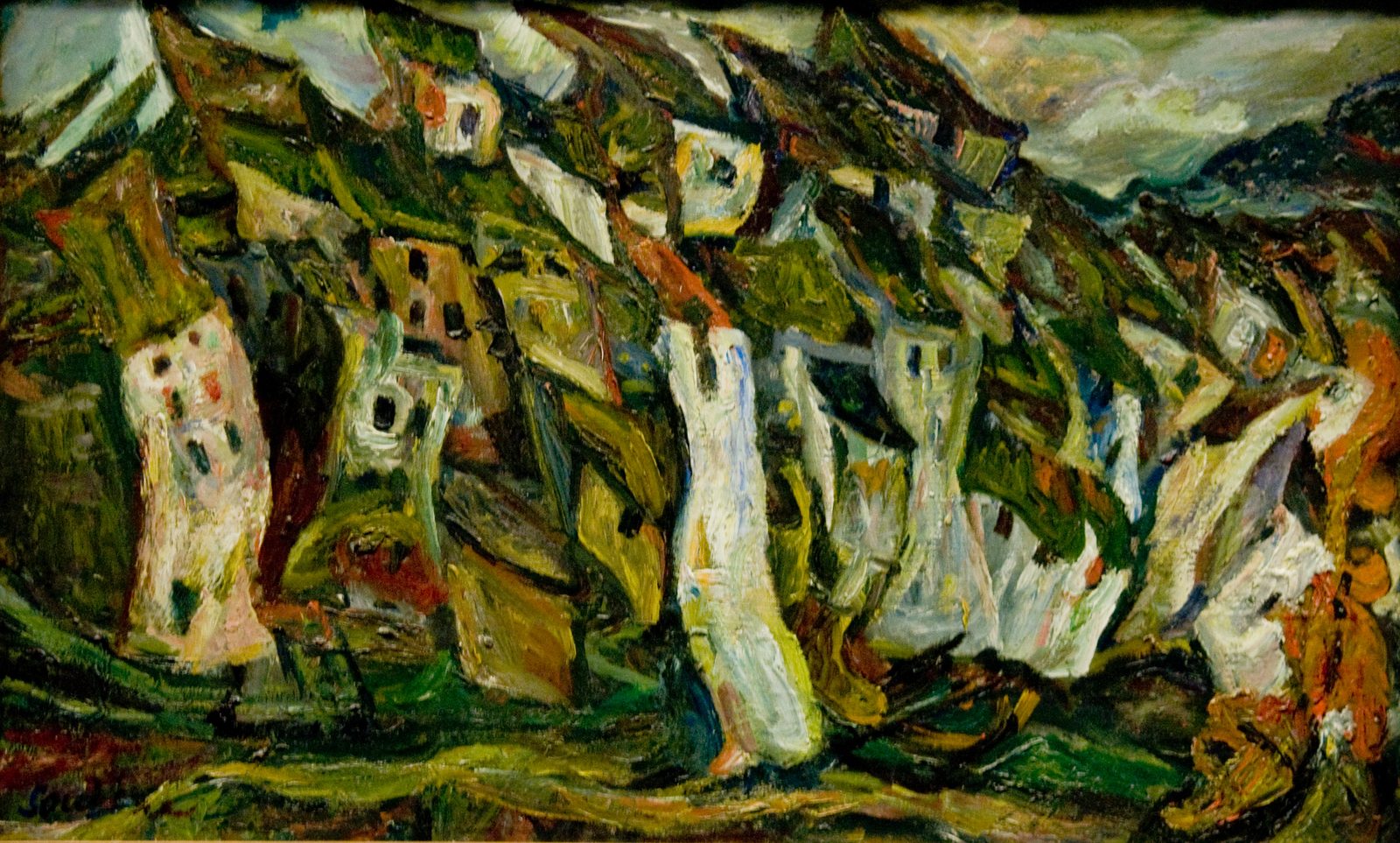
Image reference: Chaïm Soutine's The Houses, 1921.
At a Glance
- Core periodc. 1905–1940, with a distinct postwar Second School of Paris
- Principal centreMontparnasse, including La Ruche, Cité Falguière, Impasse Ronsin and Impasse du Maine
- Known formigration, portraiture, expressive paint, sculpture and radical stylistic diversity
- Key figuresAmedeo Modigliani, Chaïm Soutine, Marc Chagall, Tsuguharu Foujita, Chana Orloff and Constantin Brancusi
- Infrastructureprivate academies, open salons, cafés, galleries, dealers, models and collectors
- Historical contextcosmopolitan exchange, xenophobia, antisemitism, war, occupation and exile
Contents
- Where it fits
- What it was
- Why artists chose Paris
- Montparnasse
- Four stages
- Artists to know
- Naming and exclusion
- Pressure and persecution
- Essential works
- Artist directory
Where School of Paris fits
Constantin Brancusi
Principal activityAmedeo Modigliani
Principal activityMarc Chagall
Principal activityTsuguharu Foujita
Principal activityChana Orloff
Principal activityChaïm Soutine
Principal activityOssip Zadkine
Principal activityJacques Lipchitz
Principal activityThe School of Paris was not a school. It had no building, admissions list, manifesto, elected committee or agreed style. The name describes a human concentration: artists from many countries who made Paris the centre of their working lives during the first four decades of the twentieth century. Some shared studios or meals, some exhibited together, and some barely knew one another. What joined them was less an appearance than an artistic ecology composed of migration, neighbourhood, training, friendship, argument, galleries and the hope that work made in Paris could reach the world.[1] [2] [3]
That is why a Modigliani portrait, a storming Soutine landscape, a floating Chagall memory, a pearl-white Foujita nude and an Orloff sculpture can all belong to this history without looking alike. The city’s Musée d’Art Moderne presents the phrase as a name for artists of diverse origins who settled in Paris and contributed to its international influence. Its representative sequence moves from Italy, Russia and Ukraine to Japan and beyond, placing markedly different works beside one another.[4] [5] The Centre Pompidou sometimes uses a more focused definition for foreign artists who remained figurative, but its collection database also shows how the label overlaps with Cubism, Expressionism and abstraction.[6] [7]
The most useful meaning here is the pre-1940 one. It centres the foreign-born painters and sculptors—many, though not all, Jewish—who formed international networks around Montparnasse from about 1905. A broader “Paris school” can include almost every modern artist active in the capital. After 1945, the “Second” or “New School of Paris” usually refers to another, predominantly abstract formation. Those meanings are historically related, but merging them would turn one already flexible name into a catalogue of nearly everything.
The School of Paris matters precisely because it presents modernism without a single “ism.” It shows that art can change through sustained proximity as well as collective doctrine. It also exposes a harder question: who is allowed to become part of a national culture? The term emerged as a defence of artists described as foreign, yet it could keep them marked as outsiders. Its history therefore runs from opportunity to exclusion, and from the exhilaration of international Paris to the destruction imposed by xenophobia, occupation and persecution.
What was the School of Paris?
In 1925 the critic André Warnod used École de Paris while defending artists marginalised as foreigners within the Paris art world. He asked, in effect, whether an artist who regarded Paris as a promised land for painters and sculptors could reasonably be treated as undesirable. The phrase gave a name to a reality that had been forming for years: young people arriving from the former Russian Empire, Italy, Poland, Romania, Germany, Bulgaria, Spain, Japan and farther afield, meeting in studios, academies, salons and cafés.[1] [3]
Warnod did not found the group, and the date 1925 is not a beginning point. Rather, the name entered a conflict about ownership of modern French culture. One reading was generous: Paris became great because it received artists and allowed them to work across borders. Another was defensive: French artists supposedly possessed a native legitimacy while immigrants occupied a separate “school.” The Jewish Museum Berlin describes the expression as neither a teaching institution nor a stylistic movement, but a cosmopolitan scene asserted against nationalist and xenophobic voices.[3] [38]
The distinction remains important. To call the School of Paris a movement is convenient for navigation, but it should not imply that members signed up to a programme. Chagall resisted systems; Soutine’s physical paint does not derive from Modigliani’s linear compression; Orloff’s sculpture does not translate Foujita’s surface. Their connections were historical and material. They learned from museums and living artists, competed for attention, introduced friends to dealers, sat for one another and watched reputations rise at unequal speeds.
Many Jewish artists came to Paris because access to advanced training and professional recognition was restricted in their places of origin. Pogroms, legal discrimination and social marginalisation formed part of the migratory background. Yet there was no single journey from an impoverished village to liberation. The Musée d’art et d’histoire du Judaïsme cautions that many came from urban centres and varied social settings. Shared pressures and Jewish cultural worlds mattered, but the artists’ deep refusal of formal systems produced individual careers rather than a common “Jewish style.”[2] [36]
The focused historical label therefore works best as a map of relationships. It can include a core—Modigliani, Soutine, Chagall, Pascin, Kisling, Kikoïne, Krémègne, Foujita, Orloff, Zadkine and Lipchitz—without creating a closed membership test. Maria Blanchard, Alice Halicka, Mela Muter, Marevna, Louis Marcoussis, Henri Hayden, Ossip Lubitch and many others enlarge the picture. French artists and major avant-gardes supplied friendships and formal encounters. Georges Braque belongs to the wider Parisian Cubist world, for example, but that does not make him a straightforward member of the narrower migrant formation.
Why artists chose Paris
Paris offered an unusual concentration of resources. The Louvre and the Luxembourg Museum made old and recent art visible. State schools, private academies and life-drawing studios provided training of very different kinds. The Salon des Indépendants accepted works without a conventional jury or awards, while the Salon d’Automne created another major arena for modern painting and sculpture. Dealers, critics, little magazines and collectors could convert a studio practice into a public career. The city did not remove prejudice, but it gave newcomers more possible points of entry than many had known elsewhere.[1] [37]
Artists also arrived because other artists were already there. A relative, former classmate or address written on a scrap of paper could matter more than an institution. Chaïm Soutine reached Paris after study in Minsk and Vilna. The Russian sculptor Oscar Miestchaninoff received him at Cité Falguière; through that environment he encountered Jacques Lipchitz, Kikoïne, Krémègne, Chagall, Zadkine and Modigliani. Such a network supplied translation, companionship, shelter and introductions before it offered anything as grand as artistic influence.[8]
The word freedom needs similar care. Foreign students could work from the nude in private academies, see experimental exhibitions and fashion identities unavailable at home. Women found openings in fee-paying schools and progressive galleries even while the École des Beaux-Arts and professional culture remained unequal. Jewish artists could engage with religious memory, secular modernity or neither without obeying an official communal programme. But rent, visas, citizenship and money limited every promise. The School of Paris was made through relative freedoms, not complete ones.
Paris also functioned as a communications centre. A Salon appearance could be reviewed internationally; a dealer’s photograph or journal could carry work to the United States; an exhibition at Der Sturm in Berlin could give a Paris picture another audience. Collectors who visited the city met artists at studios and galleries. The School therefore extended beyond a set of streets. It was local in its daily life and international in its circulation.
The larger modern scene included people whose careers ultimately sit elsewhere. Fernand Léger was a French artist, yet his contacts around La Ruche and the Cubist avant-garde belonged to the same dense geography. Diego Rivera worked in Paris before returning to Mexico and appears among Modigliani’s sitters and colleagues. Joan Miró later divided his life between Catalonia and Paris, joining another international network without needing the School of Paris as his principal label. These overlaps are evidence of the city’s reach, not reasons to erase distinctions.
School of Paris artists to know
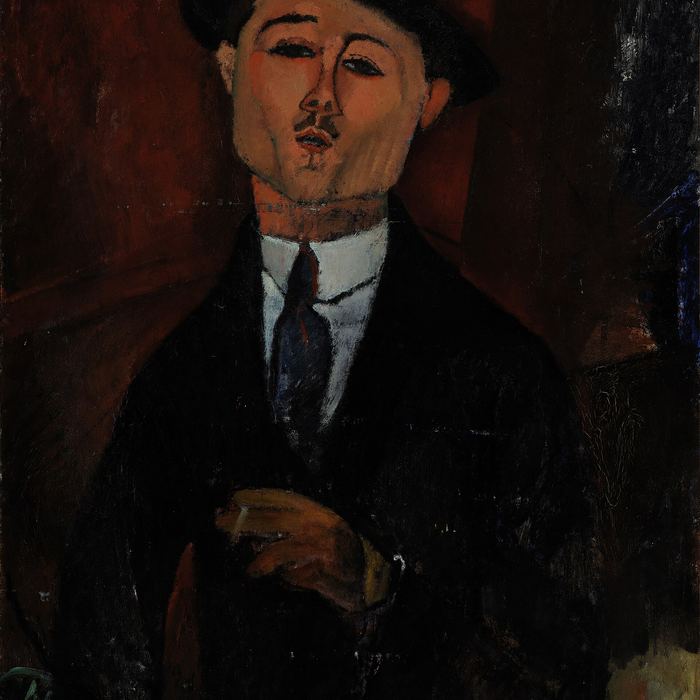
Amedeo Modigliani
Modigliani built likeness through selective elongation while portraits of sitters, friends and dealers mapped the international network around him.
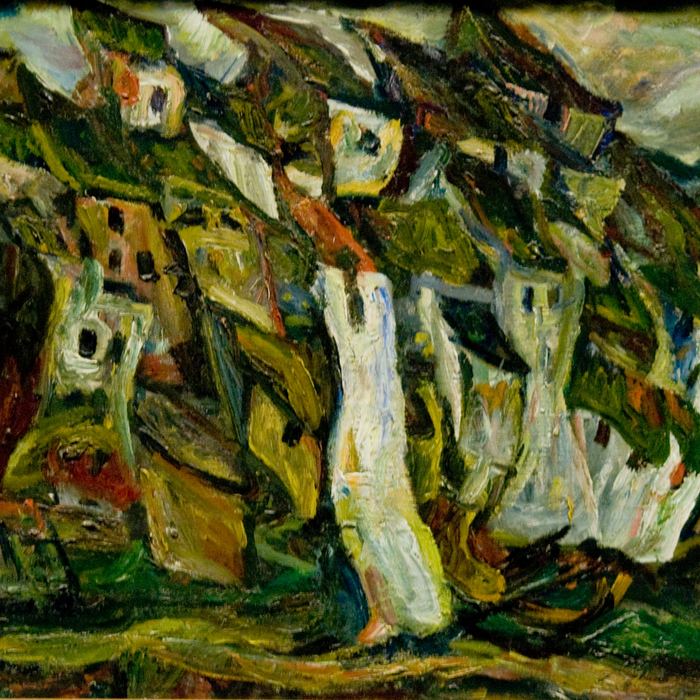
Chaïm Soutine
Soutine made compressed space, unstable bodies and physical paint central while resisting every attempt to turn the School into one formal programme.
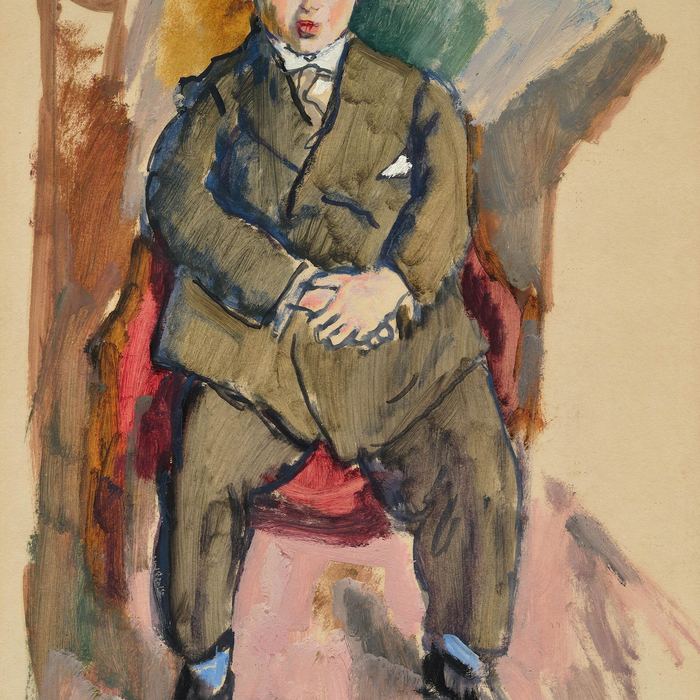
Jules Pascin
Pascin's mobile career and intimate, unsettled figures embody the international and socially connected character of Montparnasse.
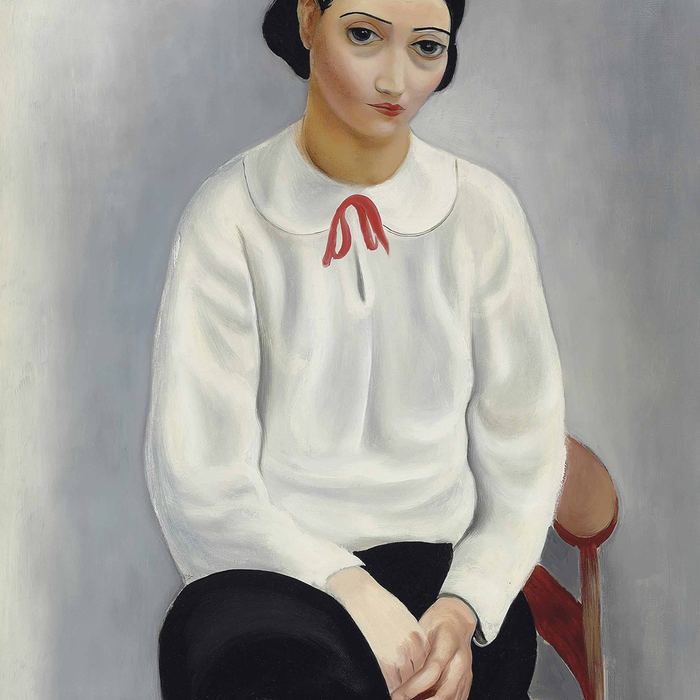
Moïse Kisling
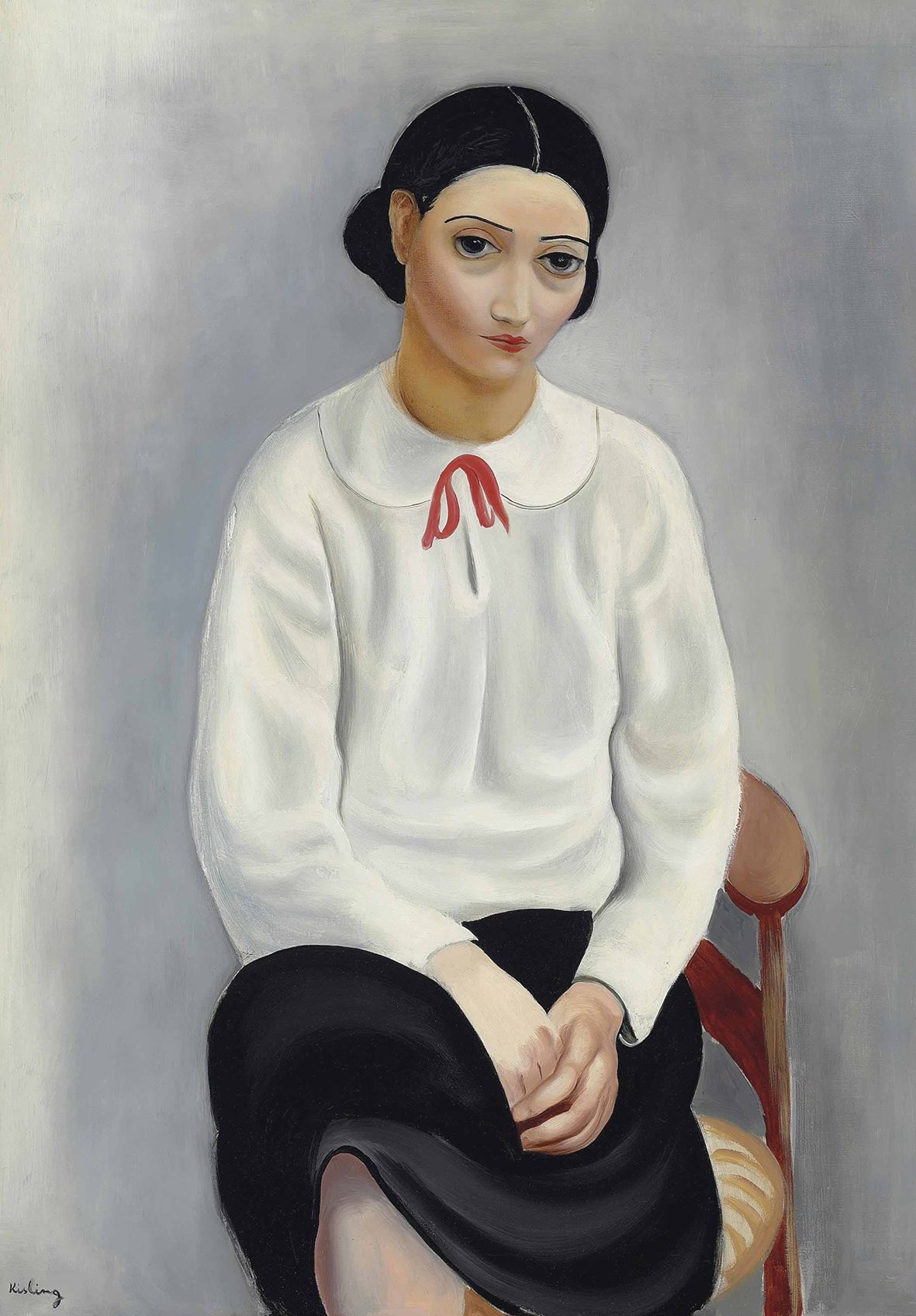
Kisling's polished surfaces and concentrated sitters offer a distinct figurative language within the migrant Paris circle.
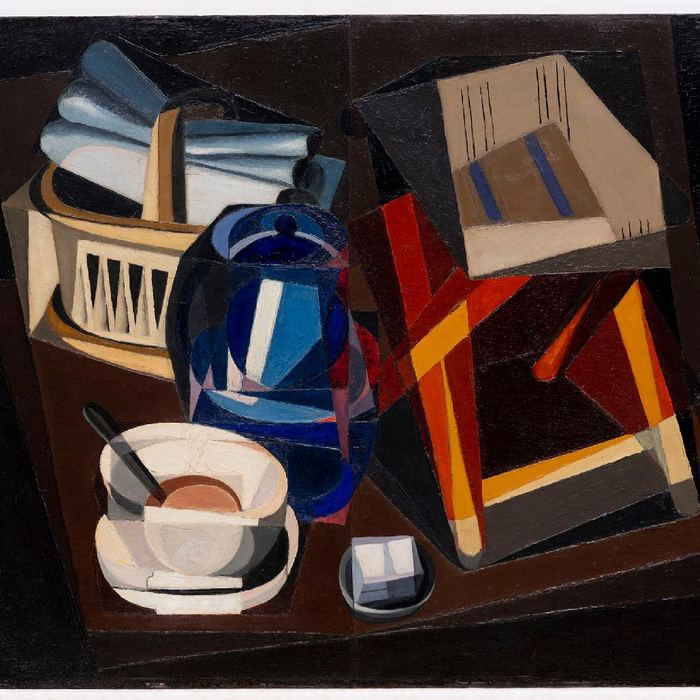
María Blanchard
Blanchard moved through severe Cubist construction and later figurative work, exposing how women were narrowed or displaced in standard accounts.
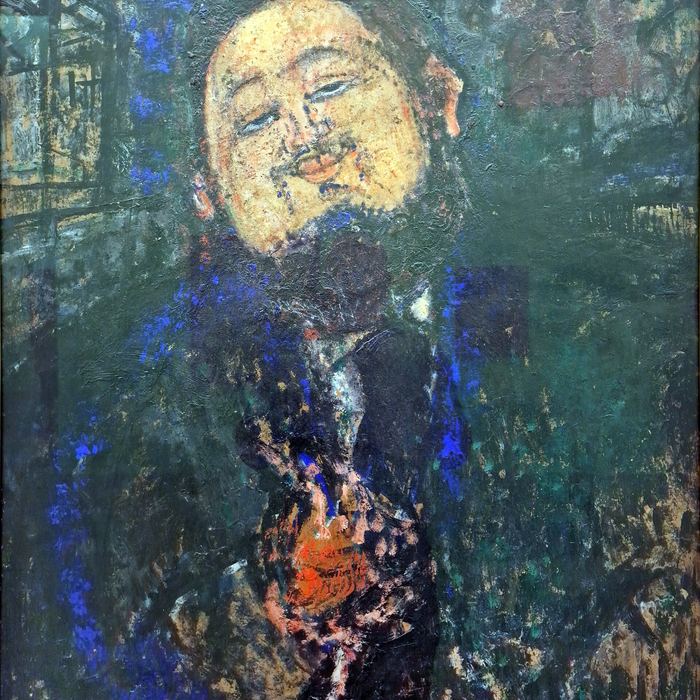
Diego Rivera
Rivera's prewar Paris career and place among Modigliani's sitters demonstrate the city's global reach without making the School his principal label.
Montparnasse: a neighbourhood made into a world
Montmartre had been the legendary address of turn-of-the-century bohemia, and the Bateau-Lavoir remained central to early Cubism. Before the First World War, however, more artists moved south toward Montparnasse. Newer streets, former workshops and peripheral land offered spaces that could still be rented cheaply. The district gathered studios, academies, cafés and suppliers close enough for chance encounters to become routine.[1] [32]
La Ruche, or “the Beehive,” became the most famous residence. Sculptor Alfred Boucher created it at the beginning of the century from reused structures and decorative elements bought after the 1900 Exposition Universelle. Its circular core derived from the Bordeaux wine pavilion, with other gates and architectural fragments brought to the Passage de Dantzig site. Boucher intended the small studios for artists with little money; the building’s form and dense occupation generated its name.[19] [45] [46]
Chagall, Soutine, Kikoïne and many others lived or worked there. The cheap rooms and shared circumstances fostered contact, yet the later romance of La Ruche can disguise cold, hunger and insecurity. Chagall’s remembered phrase—one either died there or emerged famous—captures the brutal shape of the myth: survival becomes proof of talent only because the people who did not prosper disappear from the story.[20] [22]
La Ruche was never the whole School. Cité Falguière linked Soutine, Modigliani and sculptors; Impasse Ronsin later became inseparable from Brancusi; Impasse du Maine supported another shifting population of artists and artisans. The Musée Bourdelle’s archival directory demonstrates how professional and personal networks grew from literal adjacency. The studio quarter was not a sealed commune but an urban mesh of housing, work and sociability.[8] [32]
The cafés served as its public rooms. Le Dôme, La Rotonde, Le Select and, from the later 1920s, La Coupole offered warmth, mail, gossip, chess, newspapers and contact with buyers. A person who could not afford a regular meal might nevertheless make a connection there. Café life also created a stage on which dress, language and performance became part of artistic identity. The Jewish Museum Berlin notes that some migrants arrived carrying little more than the address of the Café du Dôme.[37]
Private academies completed the geography. The Grande Chaumière and Colarossi offered life drawing and looser instruction than official schools. Their classes connected artists and models across language. Open salons made another provisional community: works shared walls rather than methods. In this sense, the School of Paris was assembled repeatedly—during a drawing session, at a table, in an exhibition queue, through the loan of money or the introduction of a sitter.
Follow School of Paris through four stages
–1914
Artists, studios and international networks converge
New arrivals gather around Montparnasse, La Ruche, private academies and open salons; friendships and shared addresses matter without producing a common style.
–1918
War interrupts mobility and remakes the map
Nationality, military duty, bombing, health and dealer support alter residence, sitters and production while the international scene survives in reduced and redirected forms.
–1929
Recognition, markets and the disputed name
Cafés, galleries, journals and collectors make Montparnasse internationally famous as Warnod's School of Paris label defends migrant artists while preserving a contested division.
–1940
Economic pressure, exclusion and political rupture
Depression, nationalism and antisemitism sharpen precarity before occupation, persecution, hiding and exile destroy the social conditions that sustained the prewar School.
A name caught between welcome and exclusion
The 1920s brought visibility but also sharpened hostility. Foreign participation in the Salon des Indépendants became a subject of argument from 1921. By 1925 critics were debating whether “Jewish painting” existed, using cultural difference as though it were an inherited visual substance. Warnod’s label answered that atmosphere, but it could not remain outside it. To praise an international School of Paris was to insist that migration belonged to the city; to classify immigrants separately could still imply that “French art” was somewhere else.[1]
Antisemitic criticism often made contradictory accusations. Jewish artists could be described as too traditional and insufficiently rooted, or as agents of a destructive international modernism. The claims did not need consistency because their purpose was exclusion. The artists themselves ranged from religious engagement to secular distance and from village memory to cosmopolitan self-invention. Chagall’s Yiddish and biblical imagery, Soutine’s avoidance of overt Jewish subjects, and Lipchitz’s changing engagement with Jewish themes cannot be made into one essence.[2] [34]
The phrase “foreign artist” was equally unstable. Modigliani became emblematic of Paris while remaining Italian; Chagall later acquired French nationality; Foujita was celebrated through a carefully cultivated Parisian persona; several artists moved repeatedly or lived between countries. Nationality influenced papers, military duty and vulnerability, but it did not set the limits of the work.
This ambiguity makes the School of Paris an especially revealing movement page. A conventional movement name usually promises formal recognition: pointed arches, broken brushwork or geometric planes. Here the recognition skill is historical. Look for artists whose careers were shaped by international Paris, for portraits that map friendships, for studios and dealers that connect names, and for works in which inherited culture is transformed rather than simply displayed.
Modigliani: likeness through selection
Amedeo Modigliani arrived in Paris from Livorno in 1906. He moved between Montmartre and Montparnasse, worked first with an intense commitment to sculpture and returned decisively to painting around 1914. His mature pictures concentrate on the human figure: elongated necks, sloping shoulders, simplified faces and eyes that may be blank, unequally described or startlingly direct. The repetition is not a formula pasted over sitters. Small changes in angle, contour, colour and posture make each portrait a negotiation between individual presence and the artist’s constructed language.[15] [16]
The sitters form a social archive. Brancusi, Soutine, Kisling, Lipchitz, Juan Gris, Jean Cocteau, Léopold Survage, Max Jacob and Rivera appear beside dealers, partners, children, domestic workers and people now known only by a first name or a title. A portrait could be a gift, exchange, commission or statement of allegiance. The face alone therefore cannot tell the whole story; the relation between painter and sitter belongs to the picture.[15]
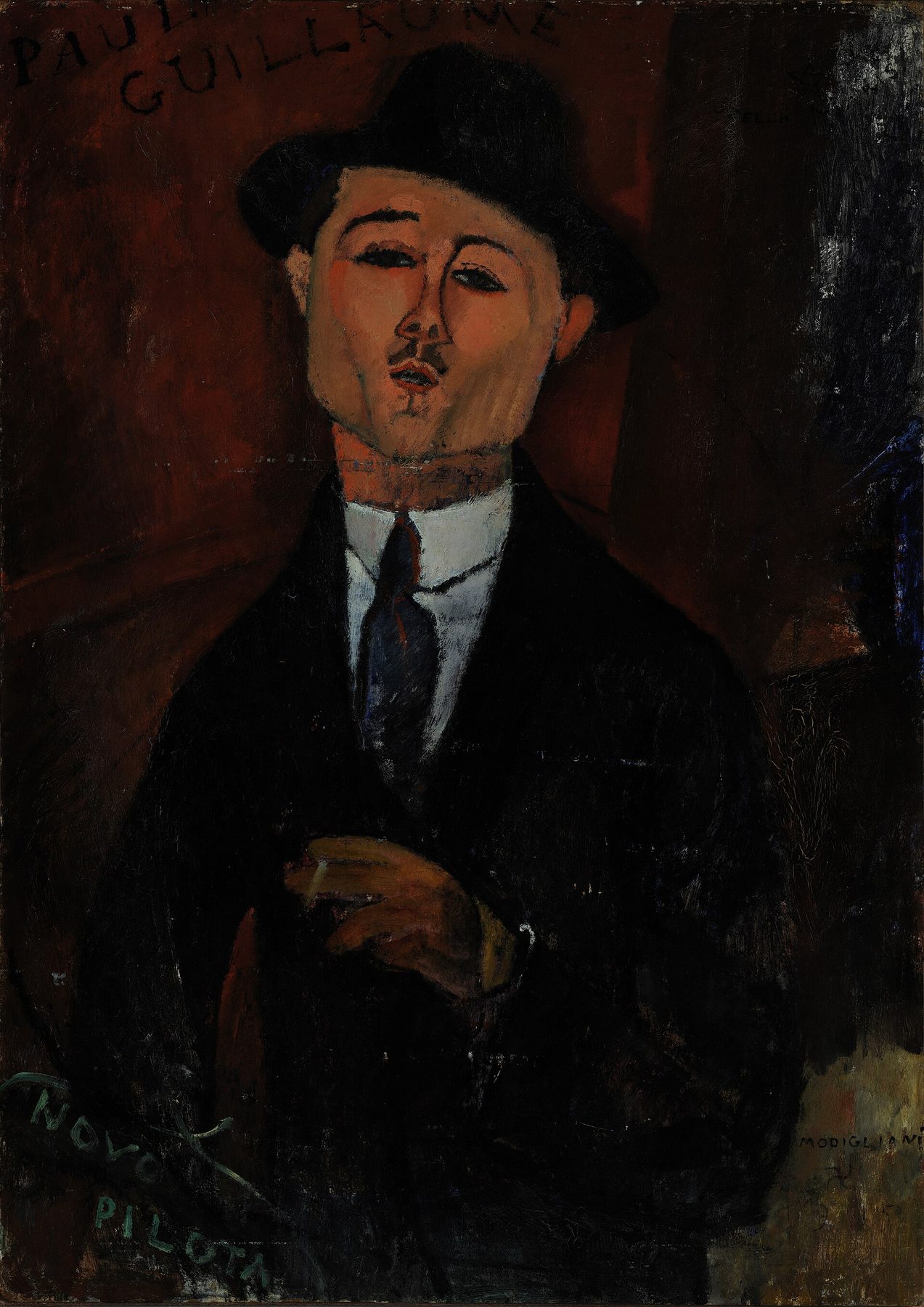
Dealers shaped that relation. Paul Guillaume encountered Modigliani around 1914, encouraged his painting, rented him a Montmartre studio, bought work and introduced it into literary and collecting circles. Modigliani’s portraits of Guillaume transform a commercial relationship into a public image: one labels the dealer Novo Pilota, the “new helmsman.” Léopold Zborowski later provided sustained support and encouraged the female nudes that became central to the market.[14] [41]
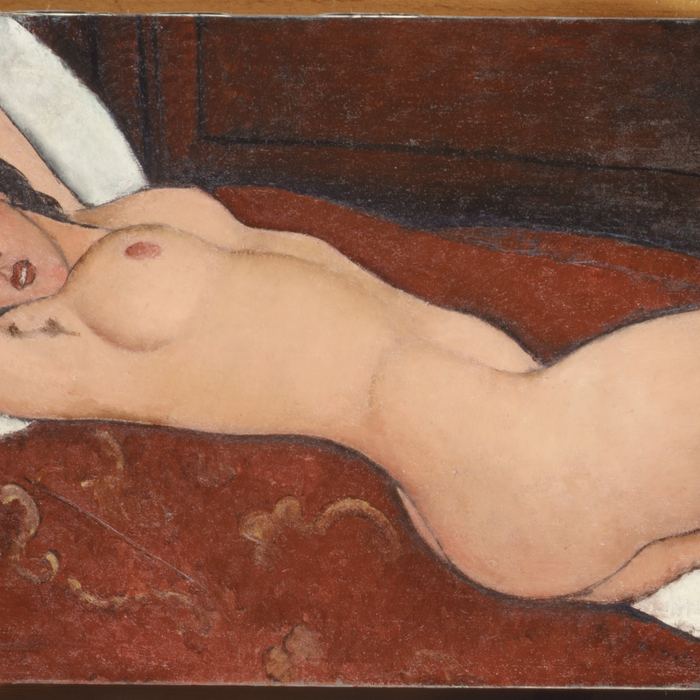
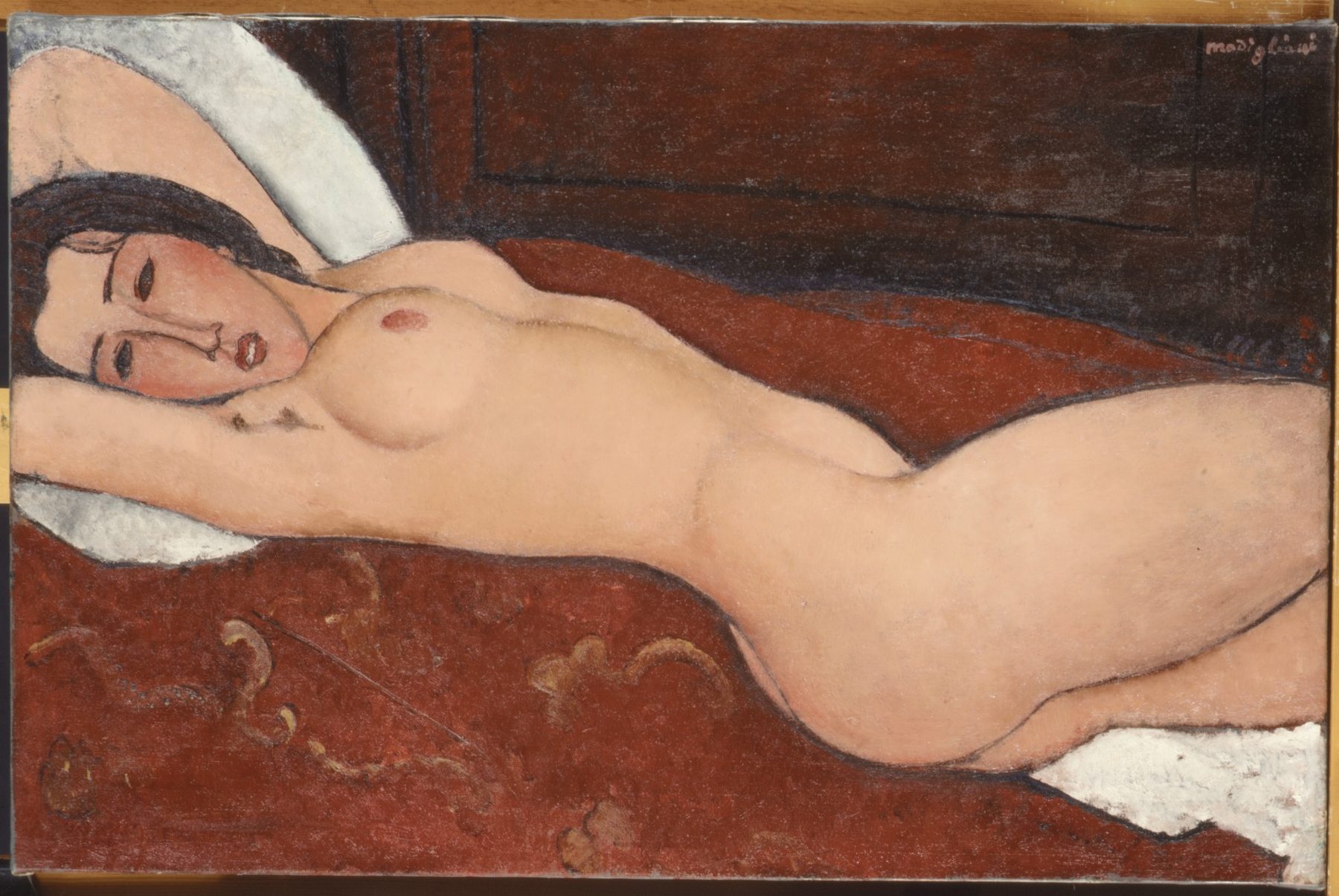
Those nudes are among the period’s most forceful paintings, but their conditions matter. Created from 1916 for buyers, they reject the polished hairlessness and mythological alibi of academic nudity. The only one-person exhibition held during Modigliani’s life, at Berthe Weill’s gallery in 1917, became notorious when works visible from the street were removed on grounds of indecency. Their directness can register the changing social presence of women, but they were also made within a male commercial system. Formal liberation and unequal spectatorship coexist.[15] [17]
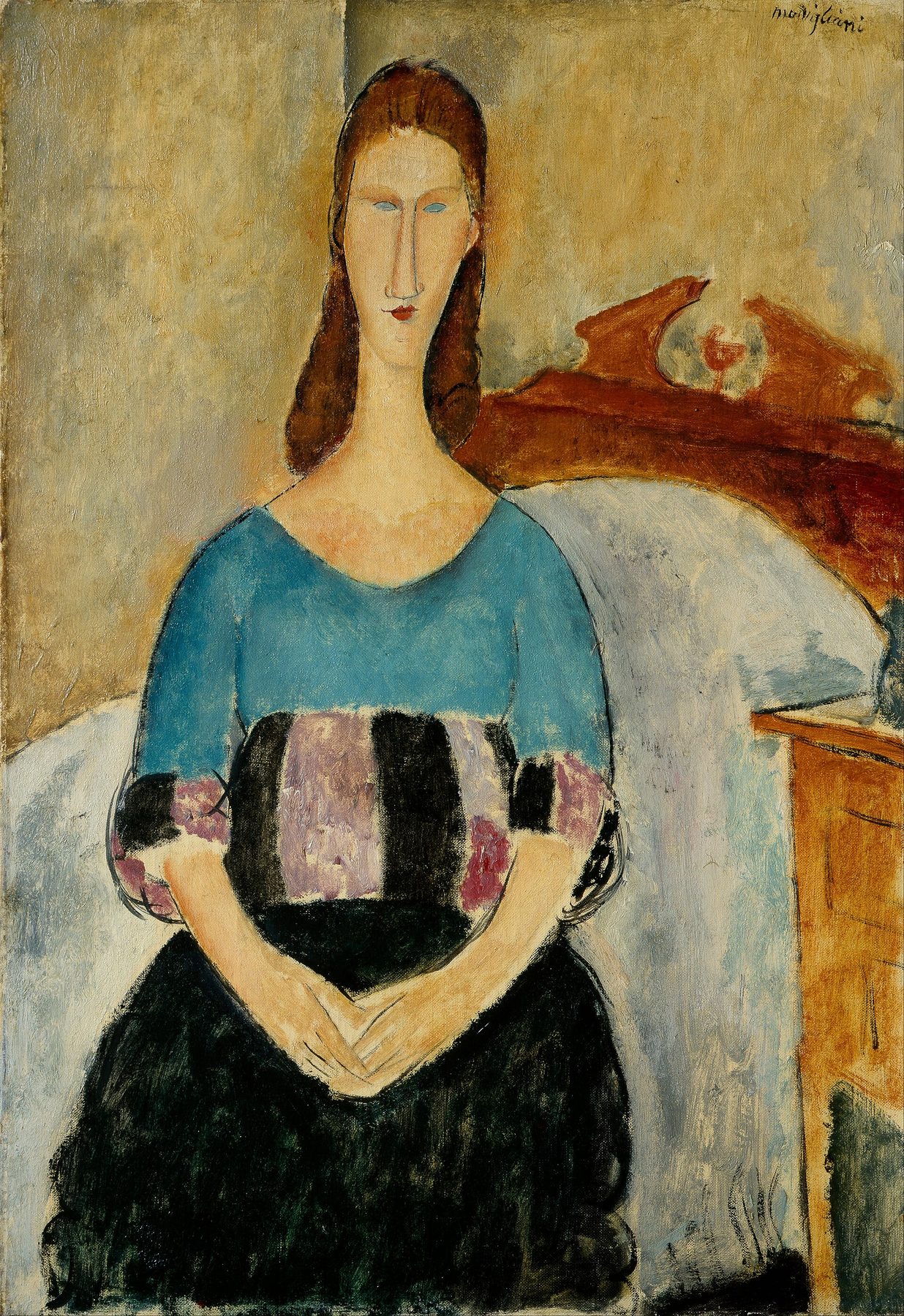
Jeanne Hébuterne appears repeatedly in late portraits. She was also an artist who trained at the Académie Colarossi, not simply a pale model or the final chapter in Modigliani’s biography. When bombing, illness and pregnancy made Paris dangerous in 1918, Zborowski sent the couple to the south. Modigliani painted local children, servants and strangers there with a broader, lighter palette. The move shows how war, health and dealer support entered the production of style.[15] [41]
Modigliani’s early death in 1920 helped create a destructive legend in which illness, alcohol and poverty supposedly guarantee authenticity. His work is more exacting than that story. It belongs to the School of Paris not because bohemian suffering produced it, but because a migrant artist built a recognisable language through sculpture, portrait exchange, sitters, dealers and a neighbourhood full of other modernisms.
Soutine: paint under pressure
Chaïm Soutine’s Paris history began with relationships of survival. Born in Smilovitchi, in the Minsk region of the Russian Empire, he studied in Minsk and Vilna before reaching the capital in 1912 or 1913. Miestchaninoff received him at Cité Falguière; Lipchitz connected him to Modigliani; Kikoïne and Krémègne carried earlier friendships into the new city. He stayed at La Ruche and with friends when money was scarce.[8] [9]
Soutine is often approached through biography because his pictures seem to confirm a life under strain. Yet their distortion is highly pictorial. In the Céret landscapes, houses rise and buckle, roads turn abruptly and trees seem to transmit force through the whole surface. The Houses does not provide neutral topography. It makes settlement feel unstable through compressed depth and directional paint.[11]
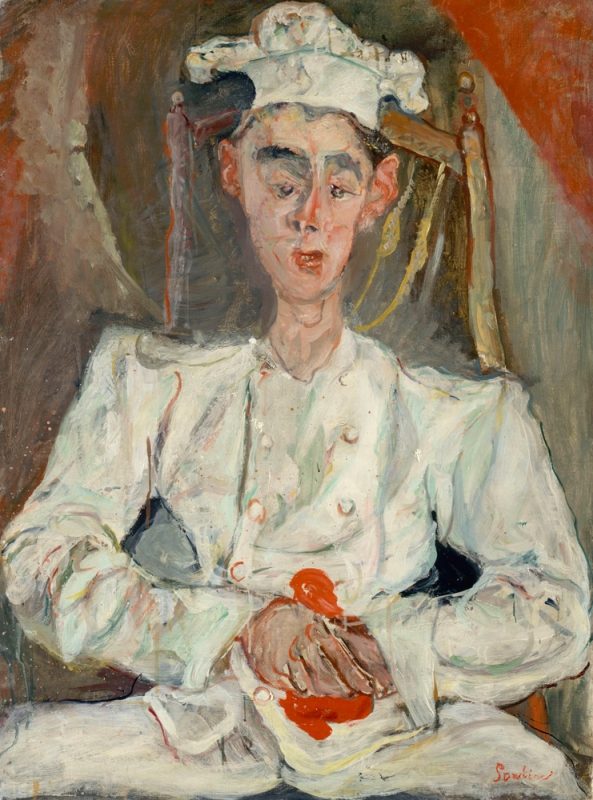
His portraits of service workers—pastry cooks, bellboys, choirboys, valets and pages—depend on uniform. A red jacket, white apron or formal collar gives the sitter a social role, while enlarged hands, asymmetrical faces and uncertain posture resist the neat identity promised by costume. The Little Pastry Cook makes red, white and flesh colour flare against one another; Bellboy and Best Man turn occupational dress into both armour and exposure.[10] [12] [13]
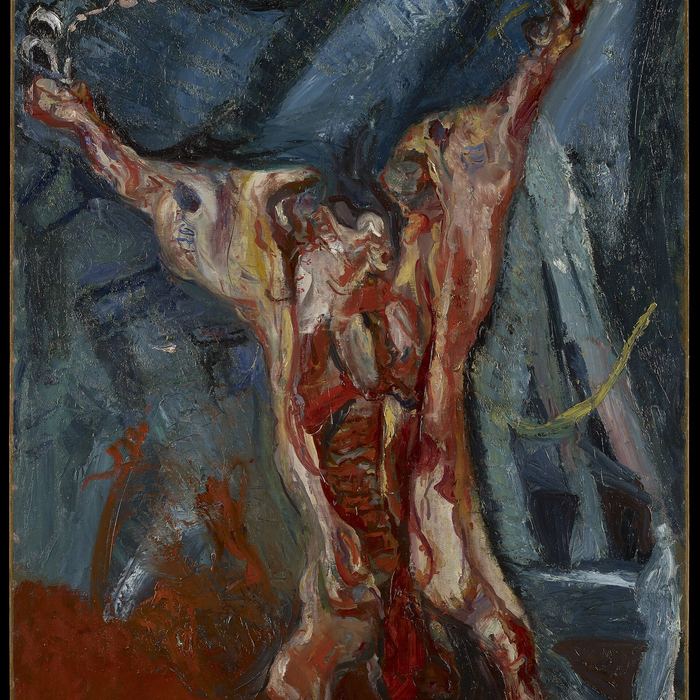
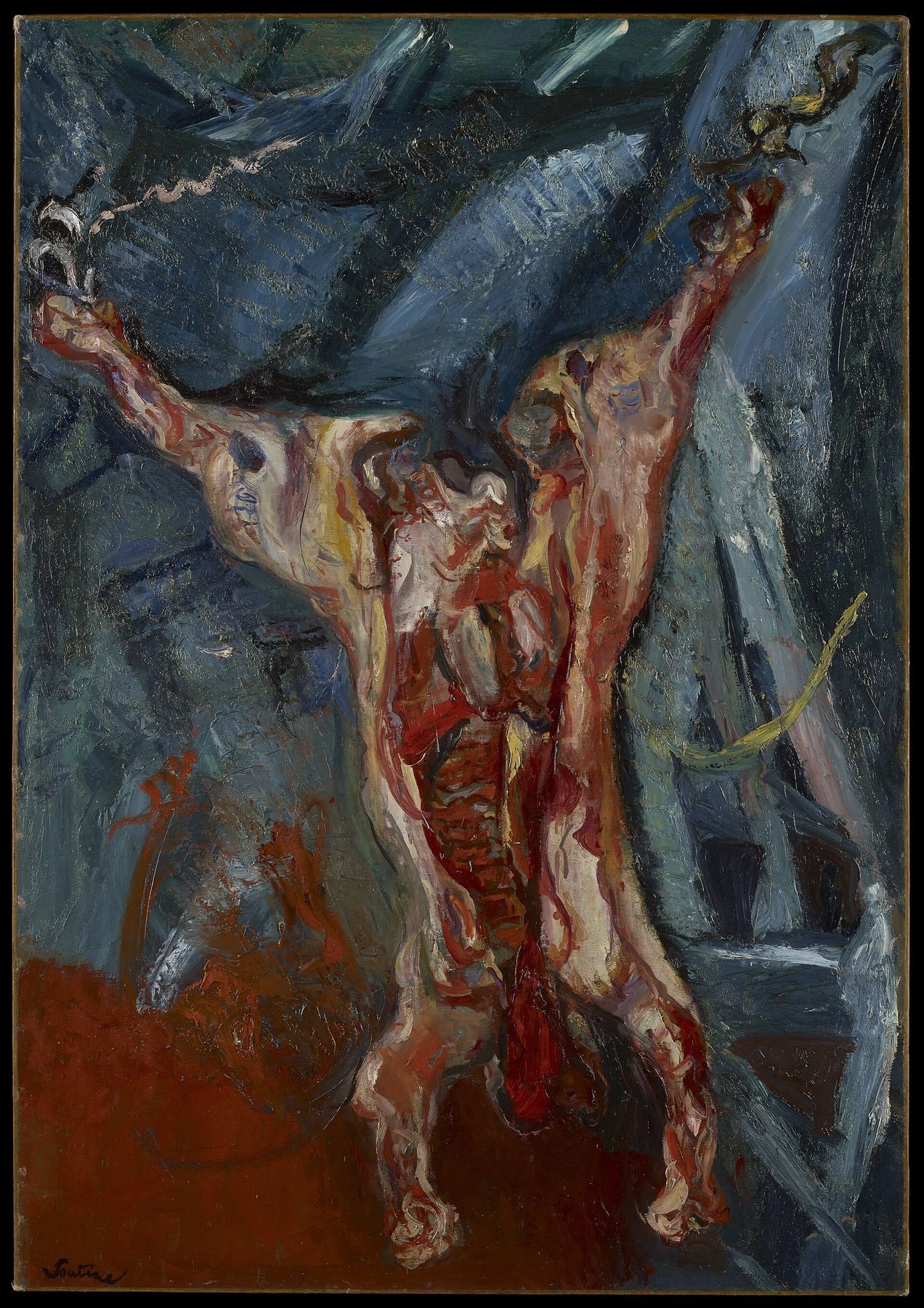
The carcasses and hanging birds transform another art-historical category. Rembrandt’s slaughtered ox supplied a precedent, but Soutine made dead flesh and paint almost exchange properties. Reds, whites and dark contours refuse the clean distance of still-life description. The images are not simply expressions of hunger or violence; they are controlled engagements with old painting, studio material and the uneasy act of looking.[9] [43]
Paul Guillaume was one of Soutine’s earliest important dealers and introduced his work to the American collector Albert C. Barnes. Barnes’s large purchases in the early 1920s brought financial change and international visibility. The Orangerie now holds the largest European collection of Soutine paintings because Guillaume’s early commitment survived within the Walter-Guillaume collection. American museum interest soon expanded the artist’s reach, and later painters found in his surfaces an alternative lineage for embodied abstraction.[9] [14] [42]
Soutine nevertheless remained resistant to group style. His bodies can approach caricature without becoming comic types; his landscapes can seem Expressionist without deriving from a German programme. School of Paris is useful because it holds the social network around him while allowing the paintings to remain difficult.
Chagall: memory transformed in Paris
Marc Chagall reached Paris from Vitebsk in 1910 or 1911 after training in Saint Petersburg. He first worked near the Impasse du Maine and then at La Ruche. Paris offered Fauvist colour, Cubist construction, Robert Delaunay’s simultaneous contrasts, Apollinaire’s criticism and friendships with poets such as Blaise Cendrars. Chagall absorbed these encounters without surrendering the village, family, animals, lovers, musicians and Jewish and Orthodox imagery that structured memory.[21] [23]
To Russia, Asses and Others makes that transformation visible. A red cow feeds its young on a roof; a woman loses her head in the air; the village occupies a night that is emotional rather than meteorological. Cubist compression helps organise impossible relations, but the work is not a Cubist exercise. Russian sayings, Jewish humour, folklore and remembered sound enter a Parisian painting whose very title was shaped by Cendrars. Exhibited at the Salon des Indépendants and later by Der Sturm, it travelled through the international system that Paris enabled.[21]
Technical study complicates the romance of spontaneous fantasy. Chagall painted on inexpensive cotton and reworked the composition, changing a day scene into a dark nocturne. Material scarcity, revision and imagination belong together. At La Ruche, languages and music passed through thin walls while Chagall worked under a lamp; community existed beside solitude.[22]
His drawings of 1912 show the same refusal of a single source. Cézannesque planes, early Cubism, Russian neo-primitivism and deliberate illogic can all appear. Critics recognised an irrational or “supernatural” imagination, but Chagall’s strangeness was constructed from specific visual cultures rather than an exotic instinct.[44]
The School of Paris label helps position Chagall without claiming him. He returned to Vitebsk before the First World War and was prevented from resuming his Paris life by war and revolution. When he returned permanently to France in the 1920s, memory had become both subject and method. His work shows that migration does not simply replace one culture with another: distance can rearrange the meanings of both.
Foujita and the art of appearing between cultures
Tsuguharu Foujita arrived in Paris in 1913 after studying the Western-painting curriculum at the Tokyo School of Fine Arts. He became a visible personality of Montparnasse and developed a surface immediately recognisable in the 1920s: extremely fine dark line, pale or pearl-like skin, restrained colour and matte grounds whose recipes he guarded. The technique could recall Japanese ink drawing while operating through European oil painting, portraiture and the nude.[18]
In Reclining Nude with Toile de Jouy of 1922, a model usually identified as Kiki de Montparnasse faces the viewer from a white bed. Manet, Ingres and Titian provide European precedents, while the contour and unmodelled luminous body evoke another training. The surrounding toile de Jouy adds a knowingly French decorative setting. Foujita does not stand between two intact traditions; he creates a third situation by making each visible through the other.[18]
His public identity worked similarly. Dress, haircut, spectacles, studio photographs and parties made “Foujita” a recognisable Paris figure. Critics could call him Frenchified in Japan and purely Japanese in Europe. That contradiction reveals how cosmopolitan success could still depend on exotic expectation. He controlled aspects of the performance, but not every category imposed on him.
Kiki’s presence also unsettles the solitary-genius story. She was a paid model, performer and artist who helped make Montparnasse visible. The image’s fame belongs to a network of labour even though its title names only the painter and type of subject. School of Paris history becomes richer when the people who posed, translated, hosted and introduced are allowed to re-enter it.
Sculpture changed the shape of the School
Painting dominates popular accounts of Montparnasse, partly because a portrait or café scene fits the bohemian legend so easily. Sculpture tells a different history of the same place. It required stone, wood, clay, foundries, storage, physical assistance and larger studios. Materials made artistic independence expensive. At the same time, carving and modelling provided migrants with ways to negotiate between academic training, craft knowledge, ancient objects, African and Oceanic art, Cubist construction and the living body.
Chana Orloff is essential to that account. Born in what was then the Russian Empire and raised from childhood in Ottoman Palestine, she came to Paris in 1910 to study fashion but moved into sculpture. Her portraits compressed dress, pose and personality into rounded, simplified masses. Lucien Vogel turns cement into a sharply social likeness, while the bronze portrait of painter David Widhopff balances broad bodily presence with an individual head and pipe.[25] [26]
Her Girl from Paris of 1928 has the concentration of a public type and the specificity of a person. The title places youth and modern identity in the city rather than in a timeless allegory. Orloff was celebrated in her lifetime, exhibited internationally and built professional lives in France and Palestine. Calling her a “woman sculptor” may identify a barrier she negotiated; treating that phrase as a minor subcategory repeats the barrier. The work entered the Musée d’Art Moderne collection in the 1930s and now stands within its School of Paris display. Her museum record ranges from compact social portraits to larger studies of the body, confirming that one familiar likeness cannot stand for the full sculptural practice.[24] [39] [48]
Ossip Zadkine arrived from the Russian Empire after time in England and lived at La Ruche around 1910–12. Direct carving, Cubist fracture and the expressive properties of wood and stone meet in his figures, but his practice remained distinct from those of Lipchitz or Archipenko. The later studio on Rue d’Assas, where he lived and worked from 1928, preserves the material scale of a Montparnasse sculptor’s life.[30] [31]
Jacques Lipchitz used intersecting planes and open masses to make Cubism operate in three dimensions. Alexander Archipenko cut voids into bodies and treated absence as constructed form. Both reveal why a School of Paris account needs overlap rather than border policing. They can be described as Cubist sculptors, Jewish migrants, members of an international Paris circle and individual makers without any one phrase cancelling the others.
Constantin Brancusi offers the strongest test of the label’s breadth. Born in Romania, trained in Craiova and Bucharest, he reached Paris in 1904 and entered Antonin Mercié’s studio at the École des Beaux-Arts. He soon moved away from academic modelling and Rodin’s workshop toward direct carving and radical reduction. Friendships with Modigliani, Léger, Duchamp and others joined Paris salons to an increasingly international market.[27] [29]
Brancusi also transformed the studio into part of the work. At Impasse Ronsin he designed furniture and bases, photographed sculptures, grouped them into changing ensembles and controlled how visitors encountered them. When a sculpture left, he might replace it with plaster so that the relation among forms remained. The studio was workplace, home, exhibition and continuously revised total composition.[28] [49]
This practice shows why “influence” is too narrow a word for the School. Artists encountered one another’s materials, spaces and audiences; they could respond without becoming followers. Sculpture made the international quarter tangible in timber deliveries, foundry bills, dust and weight.
Women were makers, not supporting characters
The familiar photographs of Montparnasse encourage a cast of famous men surrounded by unnamed models and companions. The archive supports a more complicated structure. Mela Muter, Alice Halicka, Sonia Delaunay, Lou Albert-Lasard, Maria Blanchard, Marevna, Esther Carp and Orloff developed careers across painting, design, print and sculpture. Some arrived with professional training; some used private academies; several relied on women’s networks and progressive dealers.[1] [35] [36]
Muter’s searching portraits and street subjects make social observation inseparable from handling. Halicka worked through Cubism, theatre and textile design. Blanchard’s austere Cubist painting and later figurative work were central to her Paris career even though histories often position her behind male colleagues. Delaunay’s colour research crossed easel painting, books, clothing and interiors, exposing the weakness of a canon that counts only one medium.
Berthe Weill’s gallery gave early support to women and foreign artists, including Modigliani, Pascin, Kisling, Marcoussis and Dufy. Her role changes the standard story of male dealers “discovering” isolated men. A gallery was an editor of visibility: it selected, placed, priced, publicised and connected. Weill’s limited capital also demonstrates that cultural importance and financial power were not identical.[36]
Women’s labour appeared inside pictures as well. A named cultural figure might be granted a portrait title, while a domestic servant, child, model or café worker became a type. Foujita’s Kiki, Modigliani’s Jeanne Hébuterne and Soutine’s uniformed sitters occupy very different positions, yet all ask what the artist-sitter relation permits viewers to know. Looking responsibly does not require rejecting the pictures. It means reading formal decisions together with the unequal world that made the sitting possible.
Recovery can also change the size of the movement. Recent acquisitions at the mahJ have brought artists such as Esther Carp and Marie Chabchay into a collection history from which they were largely absent. That is not the discovery of a tiny fringe. It is evidence that a once extensive community was narrowed by collecting, publication, persecution and the preference for a few marketable legends.[35]
Dealers, collectors and the manufacture of bohemia
The romance of the penniless artist suggests that markets arrive only after authentic work has been made. In practice, dealers affected subject, scale, materials, output and survival from the beginning. Paul Guillaume opened his first gallery in 1914, promoted artists through Les Arts à Paris, and connected Paris production to the American collector Albert Barnes. His holdings eventually placed major groups of Modigliani and Soutine paintings in the Orangerie.[14] [50]
Léopold Zborowski’s support of Modigliani included money, models, commissions and travel. Jonas Netter bought Modigliani, Soutine, Utrillo and others through the dealer. Berthe Weill offered exhibition space when established firms would not. Ambroise Vollard and Léonce Rosenberg operated through different avant-garde circles. No single dealer made the School, but the path from a cold studio to a museum was constructed through such relationships.
Collectors could alter an artist’s conditions rapidly. Barnes’s Soutine purchases are the clearest example. International demand allowed the painter more stability, while the concentrated acquisition shaped how American audiences understood him. Early MoMA exhibitions and later comparisons with de Kooning turned Soutine into an ancestor of materially intense postwar painting, a reception quite different from his place among Montparnasse friends.[42]
The legend of bohemia often begins at the point when deprivation has become picturesque. It remembers absinthe, parties, doomed love and brilliant conversation; it forgets the landlord, tuberculosis, the cost of canvas and the model waiting to be paid. Some artists actively fashioned flamboyant public identities, and the cafés genuinely supported community. The mistake is not to enjoy that world but to treat suffering as a creative technique.
Portrait exchange provides a more useful image of the network. Modigliani painted Guillaume; Soutine painted workers identified through their uniforms; Orloff sculpted writers, designers and fellow artists; friends painted one another. Each likeness moved between affection, professional alliance and market display. Instead of one heroic circle, the portraits reveal many unequal two-person encounters.
The First World War changed the map
The First World War interrupted the international scene before it acquired its famous name. Artists returned to their countries, volunteered, were conscripted, remained in Paris for health or nationality reasons, or found themselves unable to cross borders. Foreign status could mean suspicion as well as exemption. Exhibitions, incomes and materials were disrupted, while some dealers found new opportunities in a changed market.[1]
Chagall had gone back to Vitebsk intending a short visit; war prevented his return and placed him amid revolution and the contested creation of a new art school. Modigliani and Guillaume stayed in France after being declared unfit for service. In 1918, air raids, Modigliani’s worsening health and Hébuterne’s pregnancy prompted the move south arranged by Zborowski. The resulting portraits prove that style did not develop in a sealed studio chronology: war redirected sitters, light, palette and place.[15] [23] [41]
The postwar Montparnasse of the 1920s looked continuous because old friends returned and cafés flourished. It was also new. American writers and collectors joined a more commercial nightlife. The district became an international brand, and artists could perform “Montparnasse” for visitors. Warnod’s label belonged to that period of high visibility, when recognition and resentment expanded together.
From economic pressure to persecution
The Depression of the 1930s weakened the market and intensified hostility toward immigrants. Nationalist critics treated international culture as a threat; antisemitic movements translated aesthetic arguments into political danger. Artists who had spent decades in France could find that professional recognition did not guarantee secure papers or belonging.[33] [34]
The German occupation and Vichy regime turned vulnerability into organised persecution. Jewish artists lost rights, work and safety. Some hid under false identities; some escaped; others were arrested, deported and murdered. The Mémorial de la Shoah’s research into deported Jewish artists of the School of Paris makes the cost visible not as an abstract “decline” but as destroyed persons, studios and possible bodies of work.[34]
Chagall had become a French citizen in 1937. Under Vichy and occupation, that status did not protect him. He and Bella escaped to the United States in 1941, carrying an artistic world into exile.[47] Soutine moved between hiding places with false papers. A perforated ulcer required urgent treatment, and the attempt to reach medical care without detection contributed to a journey after which he died in 1943. Their different fates show why the movement cannot end with a tidy date and stylistic succession.
The boundary 1940 is nevertheless useful. It marks the collapse of the conditions that had sustained the prewar School: international mobility, concentrated Jewish and immigrant networks, accessible cafés and studios, and the belief—always imperfect—that Paris could offer refuge through art. Individual survivors continued working, and Paris revived after liberation, but the social formation had been irreversibly altered.[1] [3] [37]
How to recognise the School of Paris
There is no shared brushstroke to identify, so recognition begins with better questions.
Ask where the artist came from and how Paris changed the career. Migration should lead to training, papers, language, community and circulation, not to a simplistic national comparison.
Look for the network inside the subject. A portrait may depict a dealer, model, partner or fellow artist. A studio view can record materials and friendships. Titles, exhibition histories and ownership often reveal more than style alone.
Expect formal difference. Elongated linear portraiture, dense Expressionist paint, Cubist mass, restrained contour and poetic fantasy can coexist. Similarity is not a condition of historical connection.
Notice transformed cultural memory. Chagall’s Vitebsk, Foujita’s line and Brancusi’s material intelligence are not sealed national inheritances carried intact to France. They became newly legible through Paris and international modernism.
Read the infrastructure. La Ruche, Cité Falguière, Impasse Ronsin, academies, salons, cafés and dealers are not colourful background. They are mechanisms through which work was made and seen.
Question bohemian mythology. Poverty may explain a support, reused fabric or shared room. It should not be admired as the secret source of talent.
Do not equate Jewish history with a Jewish style. The community included religious, secular, assimilated, multilingual and politically varied artists. Shared danger and social networks are historical facts; inherited formal essence is not.
Distinguish the prewar and postwar labels. The Second School of Paris generally describes different abstract practices after 1945. The Centre Pompidou’s collection history also records later attempts to move beyond a restrictive French-centred canon and reintegrate broader international histories.[6] [40]
This method makes the School of Paris less visually convenient and more historically valuable. It replaces a checklist with an account of how modern culture is formed by movement across borders.
Essential School of Paris works
Portrait of Paul Guillaume, Novo Pilota
Amedeo Modigliani · 1915 · Modigliani turns a dealer into the self-assured 'new helmsman', making patronage and artistic identity visible in the portrait itself.
Jeanne Hébuterne, Seated
Amedeo Modigliani · 1918 · Subtle shifts of tilt, contour and colour preserve Hébuterne's presence within Modigliani's deliberately repeated portrait language.
Reclining Nude
Amedeo Modigliani · 1917 · A direct pose, close crop and unidealised body challenge Academic convention while remaining tied to commission, modelling and market.
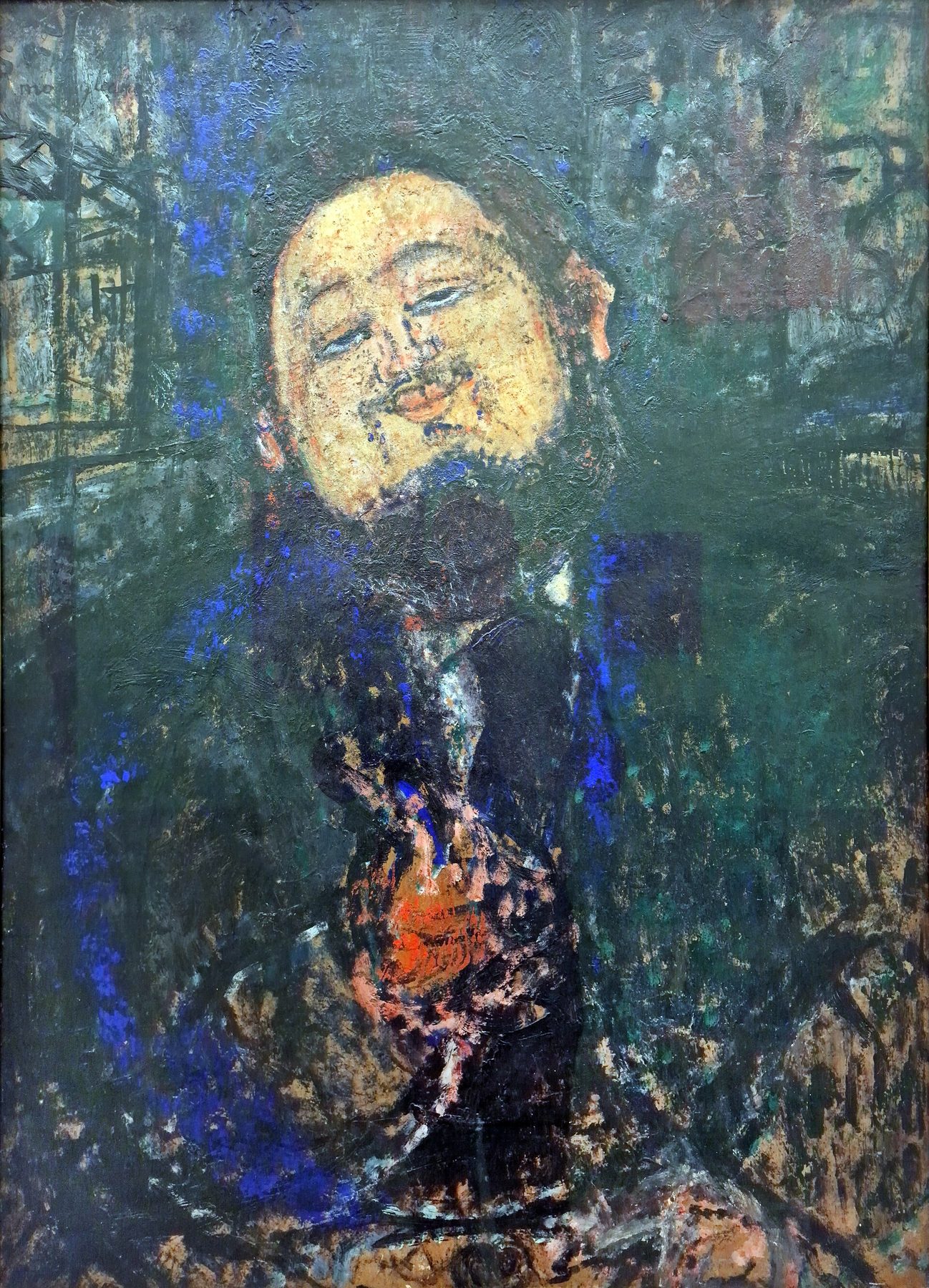
Portrait of Diego Rivera
Amedeo Modigliani · 1914 · The portrait records an international colleague and turns the sitter's bulk, gaze and compressed space into an image of artistic encounter.
The Houses
Chaïm Soutine · 1921 · Céret becomes a field of compressed depth and directional paint rather than neutral topography.
The Little Pastry Cook
Chaïm Soutine · c. 1922–23 · Uniform, red, white and flesh colour give a service worker social identity while enlarged hands and uncertain posture resist a fixed type.
Carcass of Beef
Chaïm Soutine · c. 1925 · Soutine transforms an old still-life subject into an encounter in which paint and exposed flesh almost exchange properties.
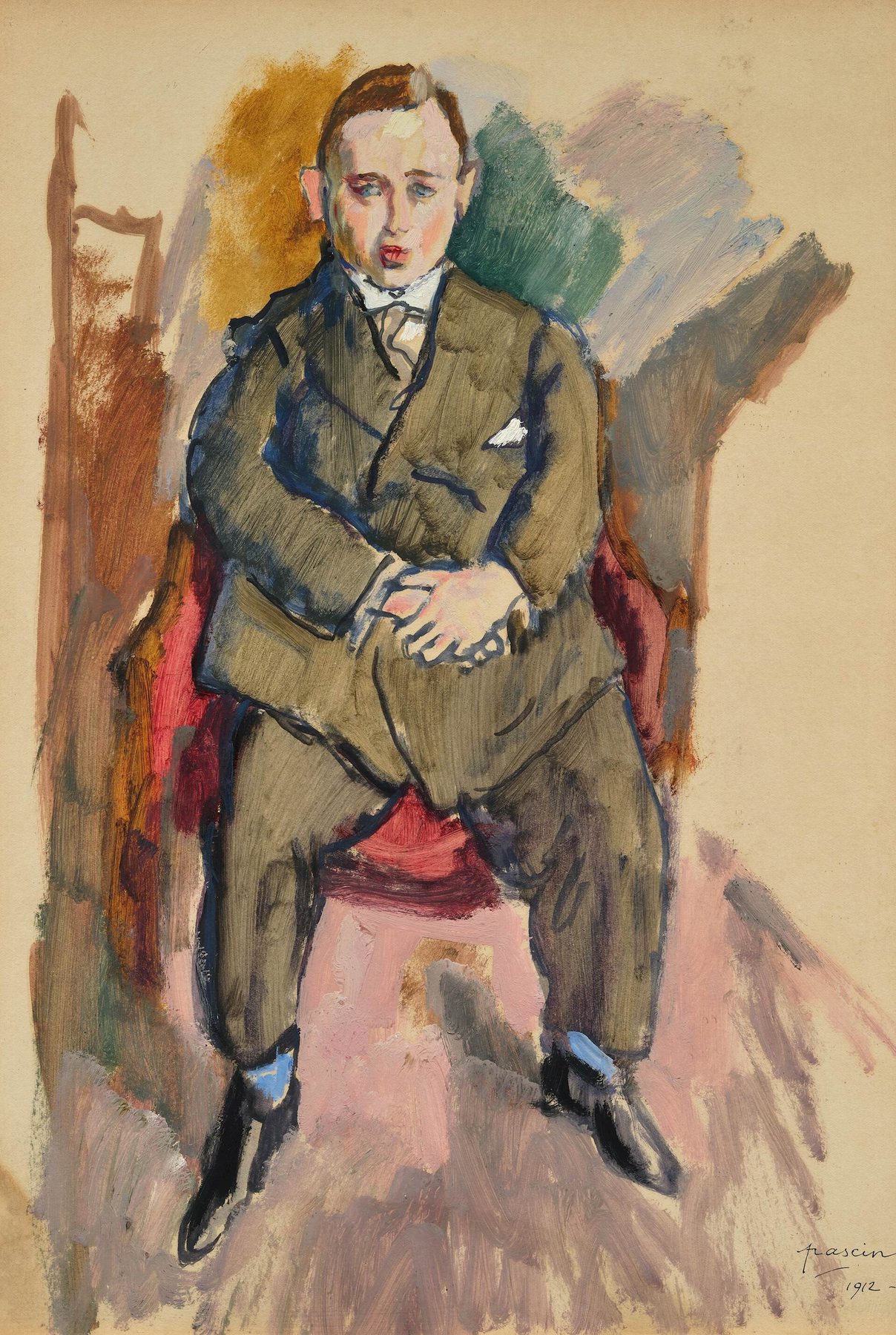
Man in a Chair
Jules Pascin · 1912 · Pascin's seated figure shows the quieter, linear and psychologically uncertain figuration that also belonged to international Montparnasse.
Portrait of a Woman in a White Blouse
Moïse Kisling · c. 1920 · Kisling's polished contour and frontal intensity offer another portrait language within the same social ecology.
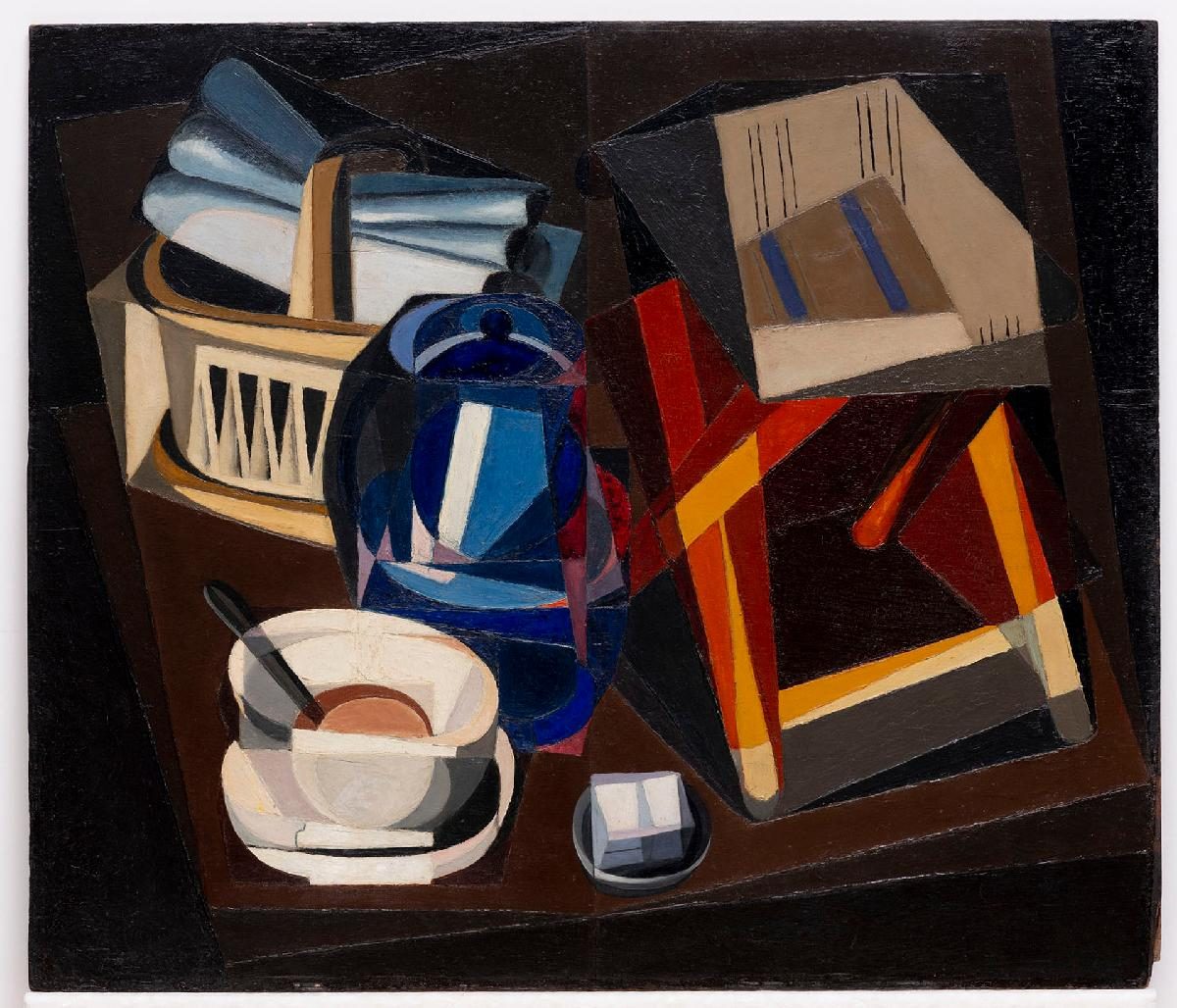
Still Life with Bread
María Blanchard · 1918 · Blanchard's Cubist construction demonstrates why the School cannot be reduced to figurative portraiture or a single immigrant style.
Where to see School of Paris art
### Musée d’Art Moderne de Paris
The permanent collection gives the label one of its clearest public forms. Foujita’s Reclining Nude with Toile de Jouy, Modigliani’s Woman with Blue Eyes, Soutine’s Woman in Red, Chagall’s The Dream and Orloff’s Girl from Paris make difference visible within one room.[4] [18] [24]
### Musée de l’Orangerie
The Walter-Guillaume collection is indispensable for Modigliani and Soutine. Its holdings also reveal how a dealer’s taste, a widow’s revisions and a state acquisition created the modern museum sequence now encountered by visitors.[14] [50]
### Musée d’art et d’histoire du Judaïsme
The mahJ provides the strongest historical account of Jewish migration, Montparnasse networks, antisemitic criticism and forgotten artists. Its permanent route and Paris pour école research resist both romantic bohemia and essentialist definitions.[1] [2]
### Centre Pompidou and Atelier Brancusi
The national collection holds crucial Chagall, Orloff, Soutine and sculpture materials, while its database demonstrates the label’s changing breadth. The reconstructed Brancusi studio preserves the artist’s orchestrated relation among object, base, photograph and space.[7] [28]
### Musée Zadkine
Zadkine’s former home and studio near the Luxembourg Gardens provides an unusually intimate encounter with carving, plaster, bronze and a sculptor’s working environment. It also keeps Montparnasse’s material history visible beyond the café image.[31]
### Barnes Foundation, Philadelphia
Barnes’s Soutine holdings show how Parisian dealer networks carried the movement across the Atlantic. Seeing many works together makes serial practice, colour and bodily paint more apparent than a single museum example can.[9] [42]
### Jewish Museum Berlin
The Paris Magnétique exhibition and online resources frame the School through migration, Jewish-European diversity, meeting places and exclusion. They are especially useful for readers unable to see the dispersed Paris collections.[3] [37] [38]
### La Ruche and Montparnasse
La Ruche remains a working artists’ site rather than a conventional museum, with limited access. The surrounding district, Musée Bourdelle, Musée Zadkine and surviving street pattern allow a careful reconstruction of the movement’s geography without pretending the 1920s city remains unchanged.[19] [32] [46]
Where to see School of Paris
Displays rotate and some works travel or remain in storage. Check the current collection display before travelling.
- 01
Musée d’Art Moderne de Paris
Paris, France
Its collection gives the School one of its clearest public forms, setting Foujita, Modigliani, Soutine, Chagall and Orloff beside one another without pretending they share a style.
Core School of Paris displayVisit collection website - 02
Musée de l’Orangerie
Paris, France
The Walter-Guillaume collection is indispensable for Modigliani and Soutine and reveals how dealers and later collecting decisions constructed the museum sequence.
Modigliani, Soutine and GuillaumeVisit collection website - 03
Musée d’art et d’histoire du Judaïsme
Paris, France
The mahJ provides the strongest account of Jewish migration, Montparnasse networks, antisemitic criticism, women and artists later excluded from the canon.
Migration and Jewish historiesVisit collection website - 04
Centre Pompidou and Atelier Brancusi
Paris, France
The national collection holds crucial Chagall, Orloff, Soutine and sculpture material, while the studio reconstruction preserves Brancusi's orchestrated relation among object, base and space.
Art, archives and Brancusi's studioVisit collection website - 05
Musée Zadkine
Paris, France
Zadkine's former home and studio offers an intimate encounter with carving, plaster, bronze and the working environment of a Montparnasse sculptor.
Sculpture and studio lifeVisit collection website - 06
Barnes Foundation
Philadelphia, USA
Barnes's concentrated Soutine holdings demonstrate how Parisian dealer networks carried the School across the Atlantic and reshaped the artist's material circumstances.
Soutine and transatlantic collectingVisit collection website - 07
Jewish Museum Berlin
Berlin, Germany
Paris Magnétique and its online research frame the School through migration, Jewish-European diversity, meeting places and exclusion.
International research resourcesVisit collection website - 08
La Ruche and Montparnasse
Paris, France
La Ruche remains a working artists' site with limited access; the surrounding streets, studios and museums allow a careful reconstruction of the School's geography.
Historic artistic geographyVisit collection website
Suggested books
### Chagall, Modigliani, Soutine… Paris pour école, 1905–1940, edited by Pascale Samuel
The catalogue behind the mahJ exhibition is the best first study of the focused historical subject. It combines artistic careers with Jewish migration, studios, women, criticism, war and the politics of the name. Its breadth is a corrective to biographies that isolate the famous figures.
### Paris Magnétique, 1905–1940, edited by Pascale Samuel and Hélène Mouchard-Zay
Produced for the Jewish Museum Berlin presentation, this book carries the research into another European context. It is particularly strong on routes into Paris, social networks and the contradiction between cosmopolitan attraction and national exclusion.
### The Circle of Montparnasse: Jewish Artists in Paris, 1905–1945, edited by Kenneth E. Silver and Romy Golan
This substantial scholarly catalogue remains valuable for placing celebrated and lesser-known artists within Jewish and international modernism. Its extended chronology also helps readers follow persecution, exile and afterlives beyond the movement’s high period.
### Kiki’s Paris: Artists and Lovers 1900–1930, by Billy Klüver and Julie Martin
Built from photographs, biographies and interlocking relationships, this book reconstructs Montparnasse as a lived social world. It is useful for understanding models, cafés and friendships, although its vivid anecdotal texture is best read beside more recent scholarship on gender and migration.
### Shocking Paris: Soutine, Chagall and the Outsiders of Montparnasse, by Stanley Meisler
An accessible narrative of the migrant circle centred on Soutine and Chagall. It introduces the human stakes of arrival, ambition, antisemitism and wartime danger while encouraging readers to continue into museum catalogues for closer formal analysis.
Major School of Paris artists directory
| Name | Nationality | Key Works |
|---|---|---|
| Alexander Archipenko | Ukrainian-American | Walking Woman · Woman Combing Her Hair |
| Alice Halicka | Polish-French | Composition with Violin · Romances capitonnées |
| Amedeo Modigliani | Italian | Portrait of Paul Guillaume · Reclining Nude |
| Chana Orloff | Ukrainian-Israeli-French | Girl from Paris · Lucien Vogel |
| Chaïm Soutine | Belarusian-French | The Houses · The Little Pastry Cook |
| Constantin Brancusi | Romanian-French | The Kiss · Bird in Space |
| Diego Rivera | Mexican | Zapatista Landscape · Portrait of Adolfo Best Maugard |
| Esther Carp | Polish-French | Interior · Woman with Flowers |
| François Zdeněk Eberl | Czech-French | The Drinker · Café Interior |
| Henri Hayden | Polish-French | Still Life with Bottle and Glass · The Three Musicians |
| Jacques Lipchitz | Lithuanian-French-American | Man with Guitar · Figure |
| Jeanne Hébuterne | French | Self-Portrait · Woman in Blue |
| Jules Pascin | Bulgarian-American | Man in a Chair · Portrait of Hermine David |
| Leopold Survage | Finnish-Russian-French | Colored Rhythm · The City |
| Lou Albert-Lasard | German-French | Portrait of Rilke · Berlin Street |
| Louis Marcoussis | Polish-French | Still Life with Chessboard · Guitar Player |
| Léopold Gottlieb | Polish | Portrait of Jules Pascin · The Dance |
| Marc Chagall | Belarusian-French | To Russia, Asses and Others · I and the Village |
| Marevna | Russian-French | Homage to Friends from Montparnasse · Portrait of Diego Rivera |
| María Blanchard | Spanish | Woman with a Fan · Still Life with Bread |
| Mela Muter | Polish-French | Portrait of Diego Rivera · Street Scene |
| Michel Kikoïne | Belarusian-French | Woman in Red · The Bathers |
| Moïse Kisling | Polish-French | Portrait of a Woman in a White Blouse · Jonas Netter |
| Oscar Miestchaninoff | Belarusian-French | Portrait of Chaïm Soutine · sculpted portraits |
| Ossip Lubitch | Belarusian-French | Clown · Paris Landscape |
| Ossip Zadkine | Belarusian-French | Orpheus · The Destroyed City |
| Pinchus Krémègne | Belarusian-French | Red Landscape · Still Life |
| Roman Kramsztyk | Polish | Portrait of Moïse Kisling · Jewish Man |
| Sonia Delaunay | Ukrainian-French | Electric Prisms · Bal Bullier |
| Tsuguharu Foujita | Japanese-French | Reclining Nude with Toile de Jouy · Self-Portrait in the Studio |
Frequently Asked Questions
No. It had no single institution, curriculum, manifesto or membership. “School” names a changing community of artists and the international Paris art world that supported them. Studios, academies, cafés, salons and galleries provided meeting points, but nobody graduated from the School of Paris.[3] [38]
In the broad geographical sense, Picasso was a foreign-born artist central to modern Paris. In the focused historical use, accounts often distinguish his organised Cubist leadership from the more loosely connected immigrant and frequently figurative core. The answer therefore depends on which documented meaning is being used.
La Ruche offered inexpensive studios and immediate contact among artists with limited resources. Its residents and visitors formed friendships, shared information and made art under difficult conditions. It represents both cosmopolitan community and the material precarity that later bohemian legend tends to soften.[19] [20] [45]
Dealers supplied studio money, models, exhibitions, publicity and access to collectors. Paul Guillaume’s work with Modigliani and Soutine, Zborowski’s support for Modigliani, and Berthe Weill’s willingness to exhibit women and foreign artists materially affected what was produced and remembered.[14] [15] [36]
Discussion
Does the name “School of Paris” illuminate this international community, or does it keep its artists classified as outsiders? Consider one work in relation to the sitter, studio, dealer or journey that helped make it. Which connection changes what you see, and which individual artist still resists the collective label?
Reader Insights
Ask whether a sitter was a dealer, model, partner, worker or fellow artist; the social relation often changes the portrait’s meaning.
Do not look for one brushstroke. Linear portraiture, dense paint, Cubist mass and poetic memory can share a history without sharing a style.
Studios, papers, rent, models and dealers are part of the art’s material history; poverty should not be admired as a technique.
Join the Conversation
Does the School of Paris name illuminate this international community, or does it keep the artists classified as outsiders?
References
- Chagall, Modigliani, Soutine… Paris pour école, 1905–1940. Musée d’art et d’histoire du Judaïsme (French; consulted in French). View Source
- Présences juives dans l’art du XXe siècle. Musée d’art et d’histoire du Judaïsme (French; consulted in French). View Source
- Paris Magnétique. Jewish Museum Berlin. View Source
- École de Paris. Musée d’Art Moderne de Paris (French; consulted in French). View Source
- From Fauvism to Surrealism. Musée d’Art Moderne de Paris. View Source
- Arts plastiques collection. Centre Pompidou (French; consulted in French). View Source
- Works tagged École de Paris. Centre Pompidou (French; consulted in French). View Source
- Portrait du sculpteur Oscar Miestchaninoff. Centre Pompidou (French; consulted in French). View Source
- Chaïm Soutine. Musée de l’Orangerie. View Source
- Le Garçon d’étage. Musée de l’Orangerie (French; consulted in French). View Source
- Les Maisons. Musée de l’Orangerie (French; consulted in French). View Source
- Garçon d’honneur. Musée de l’Orangerie (French; consulted in French). View Source
- Le Petit Pâtissier. Musée de l’Orangerie (French; consulted in French). View Source
- Histoire de la collection. Musée de l’Orangerie (French; consulted in French). View Source
- Amedeo Modigliani: un peintre et son marchand. Musée de l’Orangerie (French; consulted in French). View Source
- Amedeo Modigliani. Musée de l’Orangerie. View Source
- Modigliani exhibition catalogue. Tate. View Source
- Nu couché à la toile de Jouy. Musée d’Art Moderne de Paris (French; consulted in French). View Source
- La Ruche. Mairie du 15e / Ville de Paris (French; consulted in French). View Source
- La Ruche. Musée d’art et d’histoire du Judaïsme (French; consulted in French). View Source
- À la Russie aux ânes et aux autres. Centre Pompidou. View Source
- Accrochage des collections modernes. Centre Pompidou (French; consulted in French). View Source
- Chagall et la Bible. Musée d’art et d’histoire du Judaïsme (French; consulted in French). View Source
- Fillette de Paris. Paris Musées / Musée d’Art Moderne de Paris (French; consulted in French). View Source
- Lucien Vogel. Centre Pompidou (French; consulted in French). View Source
- M. Widhopff. Centre Pompidou (French; consulted in French). View Source
- L’artiste et son œuvre: Constantin Brancusi. Centre Pompidou (French; consulted in French). View Source
- L’atelier de Brancusi matrice de tout son œuvre. Centre Pompidou (French; consulted in French). View Source
- Biographie de Brancusi. Centre Pompidou (French; consulted in French). View Source
- Les Années cubistes. Centre Pompidou (French; consulted in French). View Source
- Ossip Zadkine vue de près. Musée d’art et d’histoire du Judaïsme / Musée Zadkine (French; consulted in French). View Source
- Répertoire des artistes et artisans de l’impasse du Maine. Musée Bourdelle (French; consulted in French). View Source
- Inter-musées: art and resistance. Mémorial de la Shoah (French; consulted in French). View Source
- Les artistes juifs déportés de l’École de Paris. Mémorial de la Shoah (French; consulted in French). View Source
- Acquisitions 2020. Musée d’art et d’histoire du Judaïsme (French; consulted in French). View Source
- Educational resources: Paris pour école. Musée d’art et d’histoire du Judaïsme (French; consulted in French). View Source
- Paris Magnétique 1905–1940 catalogue. Jewish Museum Berlin. View Source
- Opening of Paris Magnétique. Jewish Museum Berlin. View Source
- Family guide to the Musée d’Art Moderne collection. Musée d’Art Moderne de Paris (French; consulted in French). View Source
- Le balancier du millénaire. Centre Pompidou (French; consulted in French). View Source
- Modigliani: a painter and his dealer exhibition booklet. Musée de l’Orangerie. View Source
- Soutine / de Kooning: Painting Embodied. Musée de l’Orangerie (English and French; consulted in English and French). View Source
- Le Volailler. Centre Pompidou (French; consulted in French). View Source
- Nu en mouvement. Centre Pompidou (French; consulted in French). View Source
- Vue arrière de La Ruche. Paris Musées / Musée Carnavalet (French; consulted in French). View Source
- Parcours des expositions universelles: La Ruche. Ville de Paris (French; consulted in French). View Source
- Chagall d’une rive à l’autre. Mémorial de la Shoah (French; consulted in French). View Source
- Works of Chana Orloff in the Centre Pompidou collection. Centre Pompidou (French; consulted in French). View Source
- Fonds Constantin Brancusi. Centre Pompidou (French; consulted in French). View Source
- Musée de l’Orangerie current collection presentation. Musée de l’Orangerie (French; consulted in French). View Source
- School of Paris image records. Wikimedia Commons: Portrait of Paul Guillaume, Novo Pilota (Public domain; Amedeo Modigliani), Jeanne Hébuterne, Seated (Public domain; Amedeo Modigliani), Reclining Nude (CC0; The Metropolitan Museum of Art), Portrait of Diego Rivera (Public domain; Amedeo Modigliani), The Houses (Public domain; Chaïm Soutine), The Little Pastry Cook (Public domain; Chaïm Soutine), Carcass of Beef (Public domain; Minneapolis Institute of Art), Man in a Chair (Public domain; Jules Pascin), Portrait of a Woman in a White Blouse (Public domain; Moïse Kisling), Still Life with Bread (Public domain; María Blanchard).