by Tom Gurney
Tom Gurney BSc (Hons) is an art history expert with over 20 years experience
Published on July 18, 2026 / Updated on July 18, 2026
Email: tomgurney1@gmail.com / Phone: +44 7429 011000
Charles X by Francois Gerard: Introduction
Francois Gerard's Charles X belongs to the visual politics of restoration. After Revolution, Empire and Napoleon's fall, the Bourbon monarchy needed images that could make kingship appear visible, continuous and ceremonial again. Gerard had already served the imperial world. Under the Restoration, the same gift for dignified public appearance could be turned toward a returned dynasty.
The Louvre identifies Portrait en pied de Charles X, roi de France as a work around 1825 by the workshop of Francois Gerard, oil on canvas, inventory INV 4766 ; C 76 ; MV 6439, measuring 2.75 by 2.03 m and deposited at the Palais du Tau in Reims [1]. POP/Joconde records the related title CHARLES X, ROI DE FRANCE ET DE NAVARRE (1757-1836), dated 1825, and describes the work as a replica connected to an original at Versailles, MV 4795 [1]. That version language is central to the portrait's meaning.
At a Glance
- Artist/design contextFrancois Gerard and workshop
- SubjectCharles X, king of France
- Datearound 1825
- Mediumoil on canvas
- Louvre inventory
INV 4766 ; C 76 ; MV 6439 - Dimensions listed by the Louvre2.75 x 2.03 m
- Current deposit listed by the LouvrePalais du Tau, Reims
- ThemeRestoration monarchy, ceremony and repeated royal image-making
Contents
- Introduction
- A Restoration Portrait
- Version And Attribution
- The Commission
- Royal Symbols
- Reims And Coronation Memory
- Object History
- Gerard After Napoleon
- Why The Portrait Matters
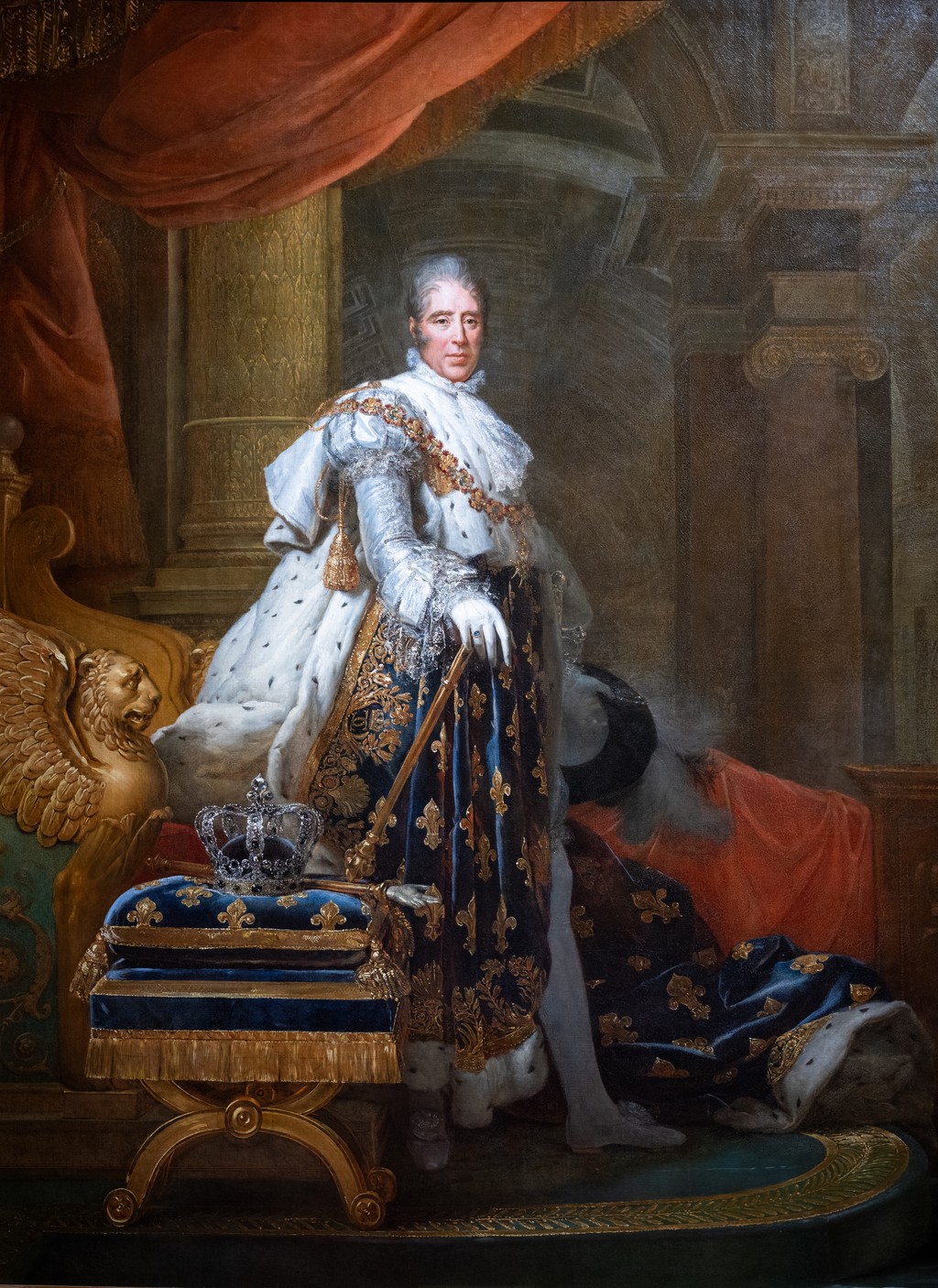
Francois Gerard, Portrait de Charles X en costume de sacre, 1824. Chateau de Versailles, MV 4793. Photo by Matthieu.lett.ube, via Wikimedia Commons, CC BY 4.0.
A Restoration Portrait
Charles X became king in 1824, after the death of Louis XVIII. His reign carried the burden of Bourbon restoration after decades of political rupture. A full-length portrait of the king was never only a likeness. It was a statement that monarchy had returned with its symbols intact.
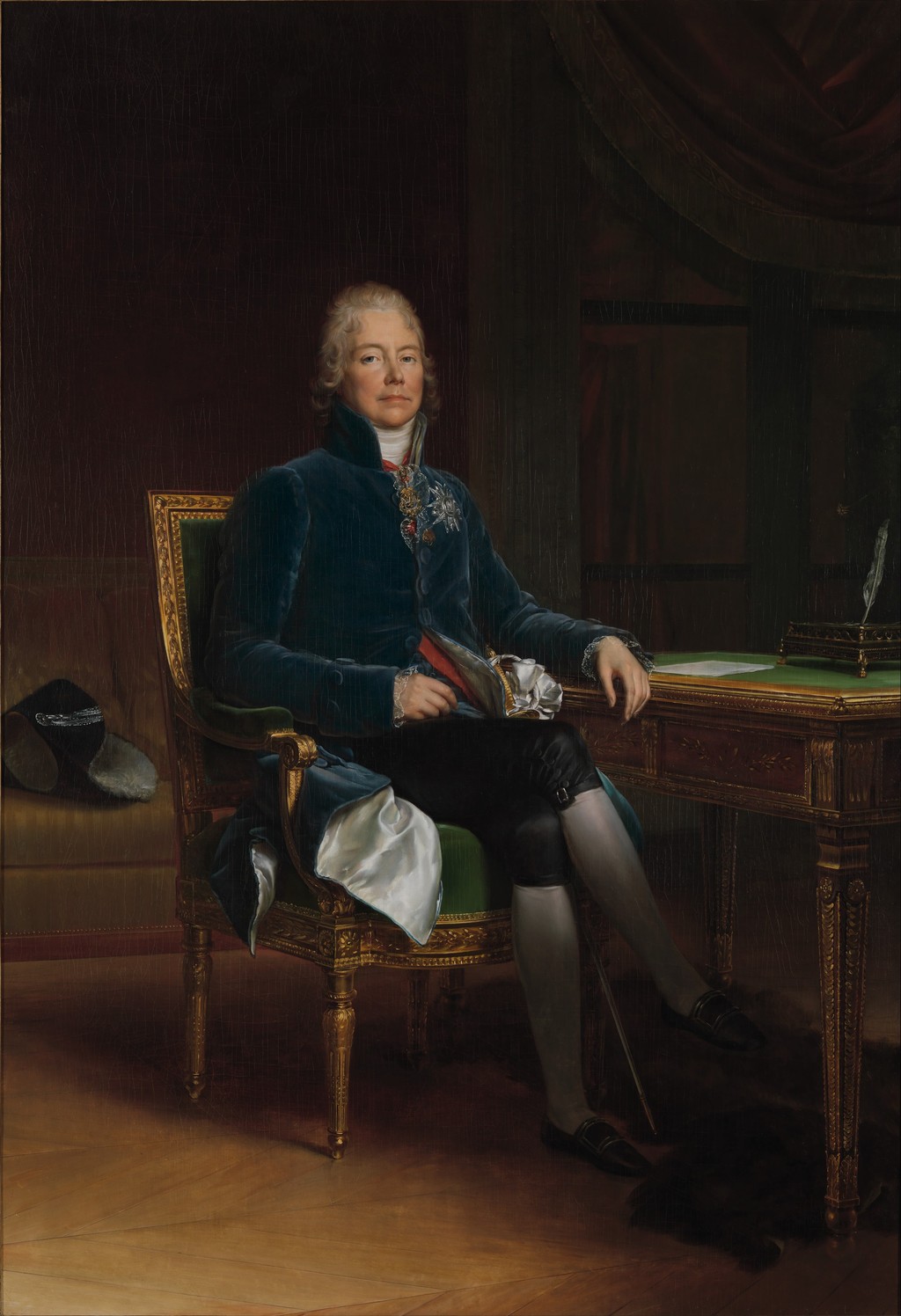
Gerard's role in this world is revealing. Versailles describes him as a court painter under Napoleon I and later under Louis XVIII and Charles X [2]. That continuity can seem surprising, but it reflects the needs of power. Different regimes required artists who could make authority look settled.
In the case of Charles X, the image had to look royal, not revolutionary and not imperial. Gerard's polished court language helped the restored monarchy present itself through ceremony, costume and inherited signs of rule.
The date around 1825 matters because it places the portrait near Charles X's coronation at Reims. The image is not a narrative of that ceremony, but it shares the same Restoration desire to reconnect monarchy with sacred and historical forms. Gerard's royal portraiture gave that desire a human body.
Version And Attribution
The Louvre record attributes the listed work to Gerard's workshop and identifies it as Portrait en pied de Charles X, roi de France [1]. POP/Joconde records the work as a replica connected to an original at Versailles [1]. These details are not minor. They show that the portrait belongs to a system of repeated royal imagery.
The safest way to understand the work is as part of Gerard's Charles X portrait tradition rather than as a single isolated autograph canvas. The image was important because it could be repeated, deposited and used across institutions. In court portraiture, repetition often meant authority. A royal likeness had to appear in more than one place.
The workshop attribution also reminds us that Gerard's later career operated through systems of production. Successful official portraits could involve the painter, his studio, later replicas and institutional movements. That does not reduce the historical value of the image. It shows how royal portraiture functioned.
This version caution also protects the painting from false simplicity. A royal portrait was often both an artwork and an administrative object. It could be ordered, repeated, deposited, restored and moved according to institutional need. Gerard's name anchors the image tradition, but the object record preserves the workshop and replica realities.
The Commission
The Louvre records that the work was commissioned by the Ministry of the King's Household on 4 November 1824 for 6,000 francs [1]. The date is significant. Charles X had just come to the throne. The commission belongs to the immediate work of making the new reign visible.
The portrait entered Charles X's collection and was recorded in the acquisition registers of his reign [1]. This gives the image a clear official context. It was not simply a later museum object attached to a royal name. It began as a commission within the restored monarchy's machinery of representation.
The price also helps indicate scale and importance. A full-length royal portrait at this size was a substantial object, meant for institutional display and public authority.
Royal Symbols
POP/Joconde describes the subject as Charles X shown full-length, three-quarter view, with crown, scepter, hand of justice, Order of the Holy Spirit and throne [1]. These symbols place the king inside the traditional language of French monarchy.
The crown, scepter and hand of justice do more than decorate the image. They connect the sitter to sovereignty, law and sacred kingship. The Order of the Holy Spirit adds aristocratic and dynastic prestige. The throne clarifies the setting of rule.
Gerard's task was to make these signs coherent rather than heavy. Royal portraits can collapse under their own symbols if the sitter disappears into costume and objects. Gerard's skill lay in making rank legible while preserving composure.
The full-length format gives the symbols room to operate. A bust portrait might capture the king's face, but a full-length court portrait can stage the entire vocabulary of rule. Body, throne, regalia and costume become one system.
Reims And Coronation Memory
The Louvre lists the current deposit as the Palais du Tau in Reims [1]. Reims was the historic coronation city of French kings, and the Palais du Tau is deeply tied to coronation memory. That location gives the portrait an added historical resonance.
Charles X was crowned at Reims in 1825, reviving a ceremony loaded with monarchical tradition. Although this portrait should remain distinct from Gerard's separate coronation-scene imagery, its Reims deposit places it close to the symbolic geography of French kingship.
The portrait therefore operates through both image and location. A royal likeness with crown and regalia becomes even more charged when preserved in a place associated with coronation.
The Reims connection also distinguishes the work from Gerard's Napoleonic images. Napoleon borrowed royal signs to legitimize a new empire. Charles X inherited royal signs and tried to reactivate them after rupture. Gerard's art could serve both projects because it made ceremony persuasive.
Object History
The Louvre record gives a long institutional movement for the work. It was sent to the Gobelins, returned to Louvre reserves before 1860, reinventoried by Frederic Villot between 1852 and 1860, sent to Versailles in 1870, deposited at Compiegne in 1933, restored in 1970, deposited again at Versailles in 1971 and sent to the Musee du Sacre at the Palais du Tau in 1974 [1].
The Louvre also records restoration in 2025 by Costanza Ceradini [1]. That recent restoration detail is a reminder that the portrait is still an actively cared-for historical object, not only a record of a vanished regime.
This movement is part of the painting's story. Royal images often outlive the political worlds that created them. As regimes change, portraits move through museums, reserves, deposits and restorations. Gerard's Charles X passed from monarchy into national collection history.
Gerard After Napoleon
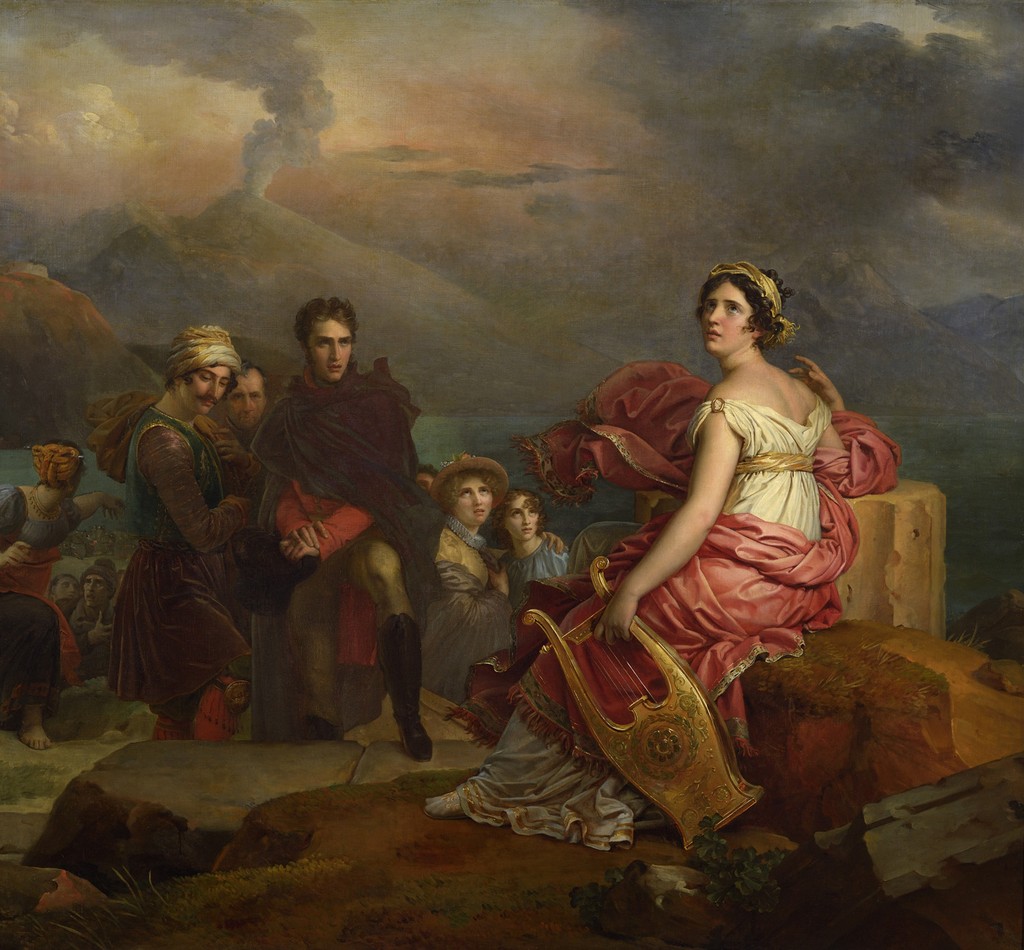
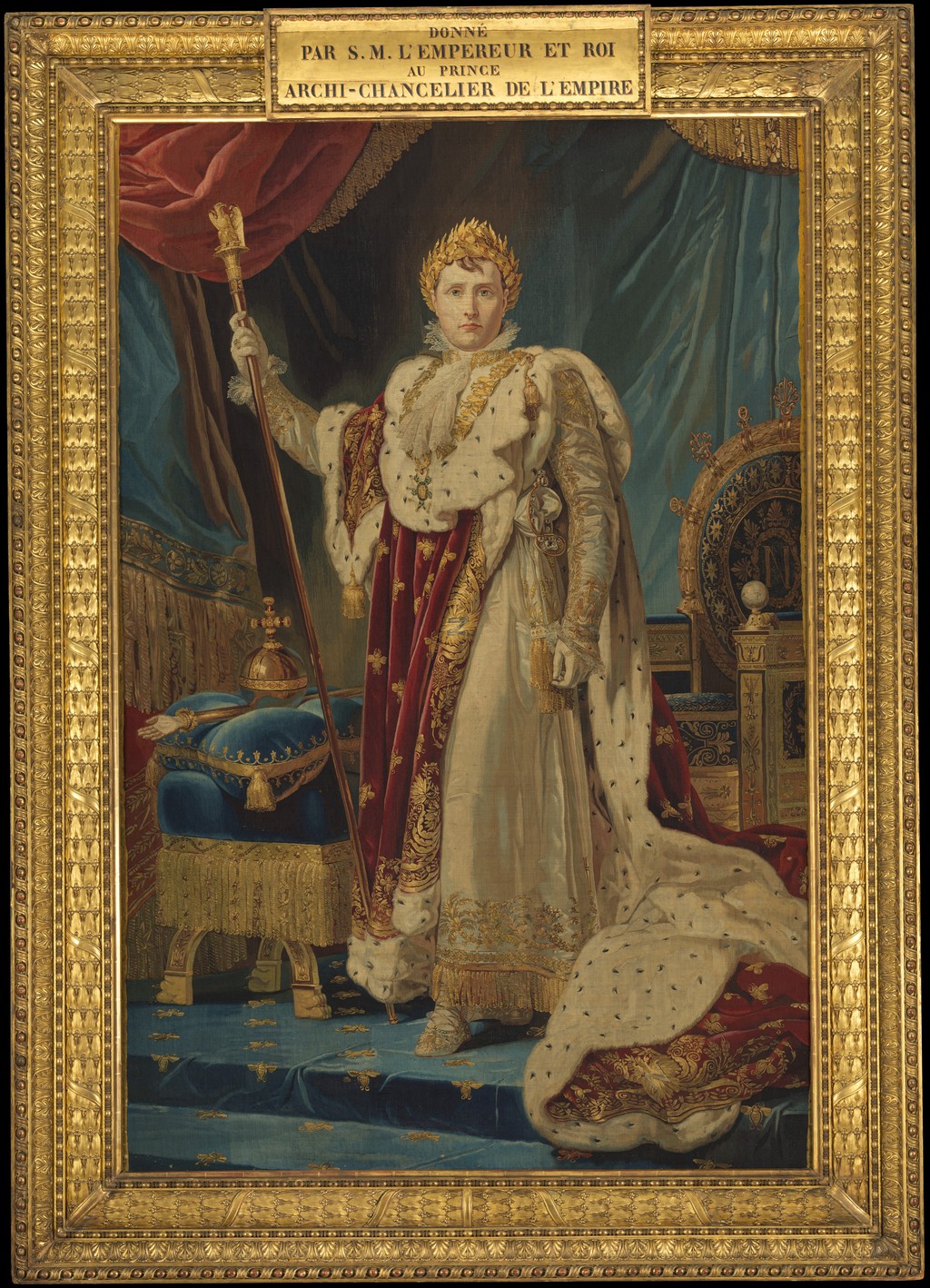
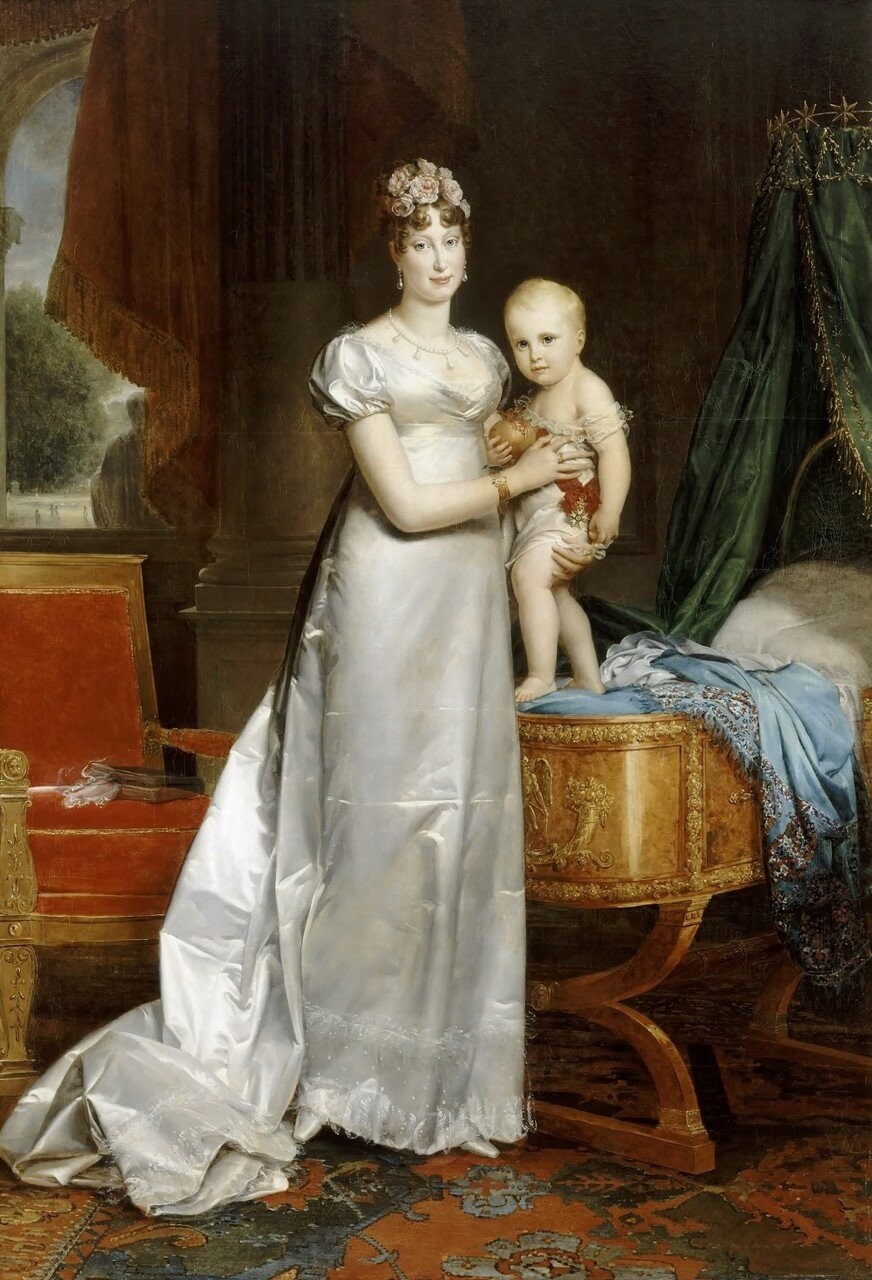
The portrait is especially interesting because Gerard had been so closely associated with Napoleonic and imperial imagery. He painted Napoleon, Marie-Louise and major imperial figures. Under the Restoration, he continued to serve power, but the symbols changed.
This adaptability should not be reduced to opportunism. Gerard's central skill was portable: he could make authority appear composed. Napoleon needed imperial legitimacy; Charles X needed restored monarchical legitimacy. Gerard's polished court portraiture could serve both because it was built from order, ceremony and controlled public presence.
The Charles X portrait therefore shows continuity beneath political change. The painter's language survives even when the regime changes costume.
Why The Portrait Matters
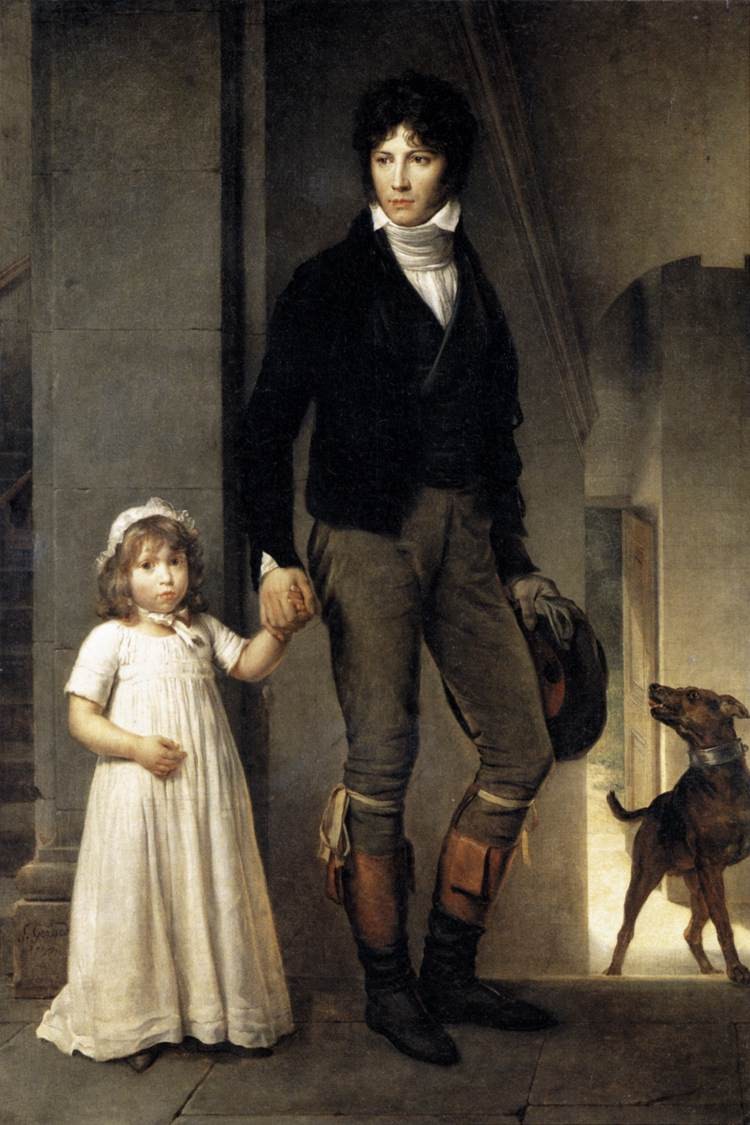
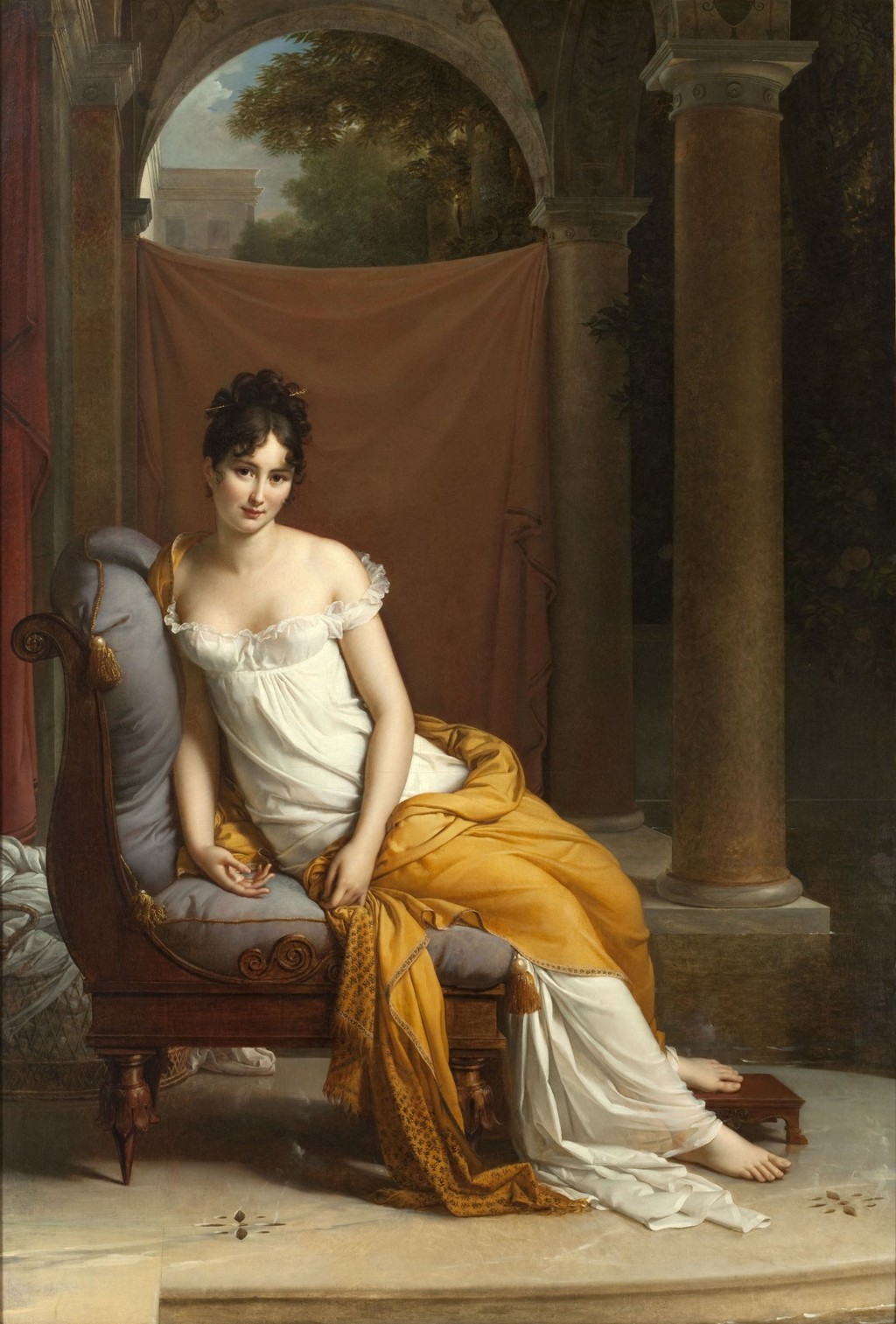
Charles X matters because it shows Gerard's art at the Restoration end of his political career. The painting is not intimate like Isabey and His Daughter, and not socially seductive like Juliette Recamier. It is a state image, built around ceremony and repetition.
Its version history is also important. The Louvre and POP/Joconde records show a portrait tradition involving workshop attribution, replica status and a related Versailles original [1][1]. This is exactly the kind of complexity that official portraiture often creates. The more a royal image was needed, the more it could be repeated and redistributed.
The portrait also helps balance Gerard's reputation. He was not only Napoleon's painter, nor only a painter of elegant society. He became one of the artists through whom the restored Bourbon monarchy imagined itself after the Empire.
For that reason, Charles X is a powerful late counterpart to Gerard's Napoleon images. Both present rulers through inherited symbols of authority. One serves a new empire; the other serves an old monarchy trying to live again.
Frequently Asked Questions
Gerard was associated with portraits of Charles X, and the Louvre record for the full-length portrait identifies the listed work as by Gerard's workshop.
The Louvre lists the work under INV 4766 ; C 76 ; MV 6439.
The Louvre records the work as deposited at the Palais du Tau in Reims, a place closely tied to French coronation history.
POP/Joconde describes the work as a replica connected to an original at Versailles. The portrait should therefore be understood as part of a repeated royal image tradition.
Discussion
Gerard's art often asks viewers to read public roles through small signs of pose, dress, surface and setting. Use the prompts below as starting points for looking closely.
Reader Insights
What detail most shapes your reading of Charles X: pose, setting, costume, expression or historical context?
How does Gerard balance public identity with a more personal or psychological presence?
Which comparison helps most: David's studio, Napoleonic portraiture, Restoration image-making or salon culture?
Join the Conversation
Share a thoughtful comment below about what you notice, question or compare when looking at this work.
References
- Louvre Collections, Portrait en pied de Charles X, roi de France https://collections.louvre.fr/ark:/53355/cl010237434
- Chateau de Versailles, Francois Gerard https://en.chateauversailles.fr/discover/history/great-characters/francois-gerard