by Tom Gurney
Tom Gurney BSc (Hons) is an art history expert with over 20 years experience
Published on July 18, 2026 / Updated on July 18, 2026
Email: tomgurney1@gmail.com / Phone: +44 7429 011000
Isabey and His Daughter by Francois Gerard: Introduction
Francois Gerard's portrait of Jean-Baptiste Isabey and his daughter is one of the most important early works in his career because it shows him before the full machinery of imperial and royal portraiture took over his reputation. The painting is not a sovereign in robes, a diplomat surrounded by honors or a dynastic image arranged for political memory. It is a portrait of an artist friend and a child, tender enough to feel private but polished enough to announce a painter's public skill.
The Louvre identifies the work as Jean-Baptiste Isabey (1767-1855), peintre en miniature, et sa fille Alexandrine, enfant, plus tard Mme Ciceri (1791-1871) [1]. It was painted in 1795, is signed and dated, and was shown at the Salon de l'An V / 1796 [1]. Those facts place it at a crucial point in Gerard's early career, when he was emerging from David's circle and beginning to define himself as a portraitist.
At a Glance
- ArtistFrancois Gerard
- Date1795
- Mediumoil on canvas
- CollectionLouvre, Department of Paintings
- Inventory
INV 4764 ; MN 90 - ExhibitedSalon de l'An V / 1796, according to the Louvre
- SittersJean-Baptiste Isabey and his daughter Alexandrine
Contents
- Introduction
- The Sitters
- A Career Turning Point
- David's Circle And The 1790s
- Looking At The Portrait
- Provenance And The Louvre
- Why It Matters
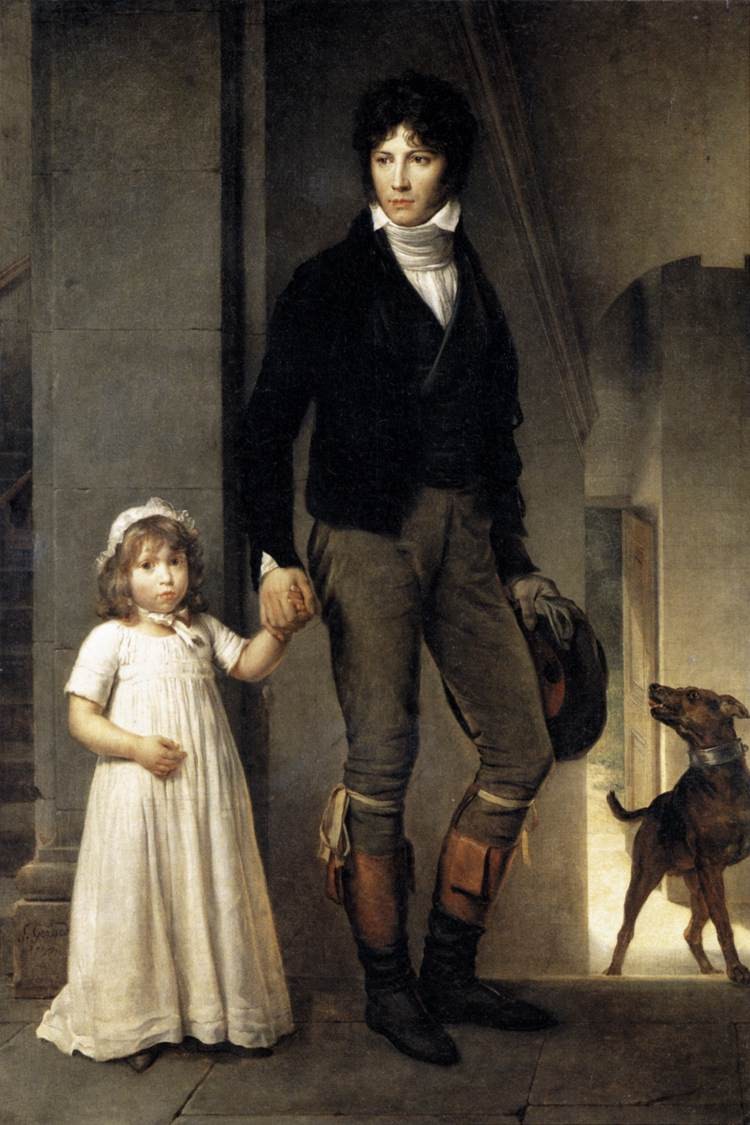
Francois Gerard, Jean-Baptiste Isabey with his daughter, 1795. Musee du Louvre, via Wikimedia Commons, public domain.
The Sitters
Jean-Baptiste Isabey was a painter in miniature, a specialist in a format that depended on intimacy, finish and personal likeness. Gerard's portrait therefore shows one artist representing another artist, but not in the solemn form of an official professional portrait. Isabey appears with his daughter Alexandrine, whose later married name was Mme Ciceri [1]. The image is shaped around relation: father and child, artist and friend, adult composure and childhood presence.
That structure matters because Gerard would later become famous for portraits in which the sitter's rank could dominate the image. In the Isabey portrait, status is quieter. The painting asks the viewer to look at affection, trust and artistic community. It shows portraiture as a social bond before it becomes a public instrument of power.
A Career Turning Point
Versailles states that Gerard's Belisarius, shown in 1795, and the portrait of Isabey the following year launched his career [2]. The Louvre record preserves a vivid link between those two moments: Gerard gave the portrait to Isabey after Isabey helped sell the lost Belisarius [1].
That story gives the painting unusual biographical force. It is not only a successful early portrait. It is an object of gratitude connected to another work that helped establish Gerard's name. The lost Belisarius belonged to a Davidian world of moral history painting. The Isabey portrait belongs to a world of friendship and intimacy. Gerard's reputation began by moving between those two poles.
The Salon history also matters. Public exhibition gave the work visibility beyond the circle of friendship. The painting could present Gerard as a painter capable of refined feeling, graceful composition and convincing likeness. It did not need the symbols of political rank to demonstrate ambition.
The Louvre's record makes the early public-private balance especially precise. The painting is signed and dated in the lower left, F. Gerard 1795, and the museum records its dimensions as 1.95 m high by 1.30 m wide [1]. That scale is important because the portrait is physically ambitious even though its subject is personal. Gerard did not treat the image of an artist and child as a small sentimental keepsake. He gave it the scale of a major Salon portrait.
That choice helps explain why the painting could matter so much to his career. It was intimate in feeling, but not modest in ambition. The format allowed Gerard to show that domestic relation could carry the compositional dignity usually reserved for higher-status portraiture. In the unstable 1790s, that was a powerful claim: a painter could make seriousness out of friendship, parenthood and artistic community.
David's Circle And The 1790s
Gerard trained with Jacques-Louis David from 1786 [2]. In the 1790s, that training carried both prestige and pressure. David's studio was associated with history painting, antique form and a powerful moral language. A young painter formed there had to show that he could handle serious themes, but the market and the public also rewarded portraiture.
The Isabey portrait shows Gerard solving that problem elegantly. The painting has the polish and composure expected from a Davidian-trained artist, but its emotional focus is more domestic. It presents tenderness without disorder. The figures are close, but the image remains carefully arranged. Gerard's later portraits would use similar control for more political ends.
This is why the painting is not a minor prelude. It already contains the Gerard who would become famous: a painter of controlled feeling, social grace and composed surfaces.
Looking At The Portrait
The painting's appeal depends on the relationship between the adult sitter and the child. Gerard does not treat Alexandrine as an accessory. Her presence shapes the emotional temperature of the image. The father's identity as an artist remains important, but the painting's central drama is the intimacy of care.
Gerard avoids exaggeration. The portrait does not need sentimental theatrics. Gesture, proximity and the contrast between adult self-possession and childhood vulnerability create the feeling. This restraint is one reason the work can still feel fresh. It belongs to a historical moment far from modern family photography, yet it recognizes something durable about how a parent and child can share pictorial space.
The painting also shows Gerard's gift for making refinement approachable. Later court portraits often risk turning into displays of costume and rank. Here the elegance remains human. The viewer meets an artist and his daughter, not a system of authority.
A nineteenth-century critical account by Gustave Planche helps explain why the portrait stood out [3]. Planche describes the picture as one of the early works through which Gerard asserted an independent portrait language, able to be true without becoming coarse and correct without becoming archaic. That formulation suits the painting exactly. It is precise, but not dry; elevated, but not remote.
Planche also preserves useful details about the setting. He describes Isabey with his daughter at the meeting of staircases, with architectural elements that belong to Isabey's own Louvre lodging rather than to a generic fantasy backdrop [3]. This matters because Gerard makes place part of likeness. The sitter is not presented in an abstract noble interior. He appears in a space connected to artistic life.
The clothing works in the same way. Planche emphasizes the relative simplicity of Isabey's dress and the child's plain white clothing [3]. That simplicity is not a lack of design. It is the design. Gerard builds the portrait from ordinary signs refined into pictorial grace: an artist at home, a child beside him, architectural passages around them, and a costume language far from court magnificence.
Seen through that account, the painting becomes a manifesto for Gerard's best early portraiture. It says that truth can be polished without being falsified. The later court painter is already present in the command of composition, but the court has not yet taken over the meaning.
That human quality is sharpened by the sitter's profession. Isabey was a painter in miniature, a form closely tied to private likeness, memory and exchange. Gerard's portrait translates that intimate world into a larger painted statement. The result is a portrait about artistic identity that does not need to show the artist at work. Isabey's role is present through context, relation and reputation rather than through a theatrical display of tools.
The child changes the rhythm of the image. A solitary artist portrait might have emphasized profession, ambition or intellectual seriousness. With Alexandrine included, the painting becomes warmer and more socially layered. It offers the painter not only as an artist but as a father, friend and member of a community. Gerard's later portraits of elites would often turn public role into image; here he turns personal relation into public art.
Provenance And The Louvre
The Louvre records that the painting was donated by Eugene Isabey to the museum in 1852 [1]. That later donation brings the work back through the Isabey family line, reinforcing its character as a personal object before it became a public museum painting.
The Louvre record also notes its exhibition in the 2014 Fontainebleau exhibition devoted to Gerard as portraitist [1]. That modern reappearance is significant because the painting helps explain why Gerard's portraiture cannot be reduced to official power. His skill with the intimate image helped make the grand image possible.
The painting's history also preserves the movement from private gift to public collection. It began as an object tied to friendship and gratitude. It later entered the Louvre, where it could be seen as part of Gerard's wider career and of French portraiture after David. That shift changes the way viewers encounter it. What was once a personal exchange becomes evidence for a public artistic reputation.
This is one reason the Louvre's details about the Belisarius sale matter. The portrait is not only signed, dated and exhibited; it is attached to an episode in Gerard's emergence as an artist. The picture becomes a record of artistic solidarity at a moment when success depended on networks as well as talent.
The Louvre bibliography reinforces that wider importance. The painting has appeared in exhibitions and studies on Gerard as portraitist, public and private portraiture between 1770 and 1830, Isabey's European reputation, David's studio, and childhood in art [1]. That range makes the painting unusually useful. It can be read as a Gerard work, a portrait of an artist, a father-child image, an object from David's circle, or an example of changing portrait values after the Revolution.
The recent childhood exhibition history is especially apt because Alexandrine is not simply a small figure added to soften the sitter. Her presence changes the category of the work. Gerard makes the child part of the portrait's meaning, not only its charm. The adult artist's identity is presented through relation, and that relation gives the painting warmth without reducing its seriousness.
The 1852 donation by Eugene Isabey also matters because it places the portrait inside family memory before museum history [1]. A work painted as gratitude to a friend passed through that friend's descendants before entering the Louvre. The painting's tenderness is therefore not only visible inside the image. It is also part of the object's life.
Why It Matters
Isabey and His Daughter reveals a different Gerard from the painter of Napoleon or Charles X. It shows ambition without grand costume, friendship without informality and feeling without melodrama. It also reveals the networked nature of artistic life in Revolutionary Paris: painters helped one another, exchanged works, sold paintings and built reputations through both private bonds and public exhibition.
For Gerard's career, the portrait marks the emergence of a language he would use for decades. He understood that a sitter's public image needed grace, but he also understood that grace had to feel alive. In this early work, before the crowns and orders arrive, that lesson is already visible.
The portrait also gives Gerard's career an emotional anchor. It prevents the artist from being seen only through rulers and diplomats. Before the official images, there is this painting of a fellow artist and a child. It shows that Gerard's polish could serve affection as well as rank.
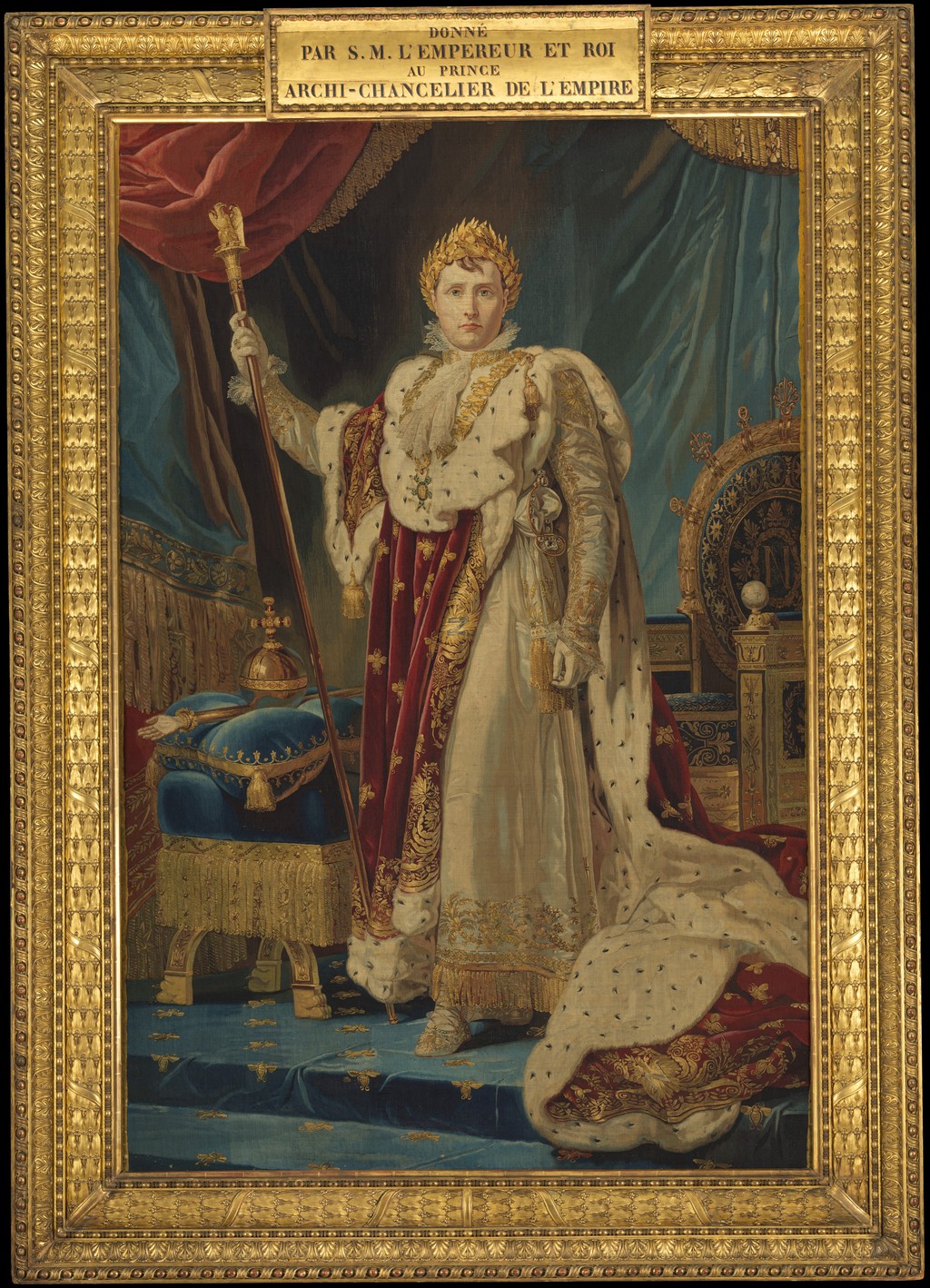
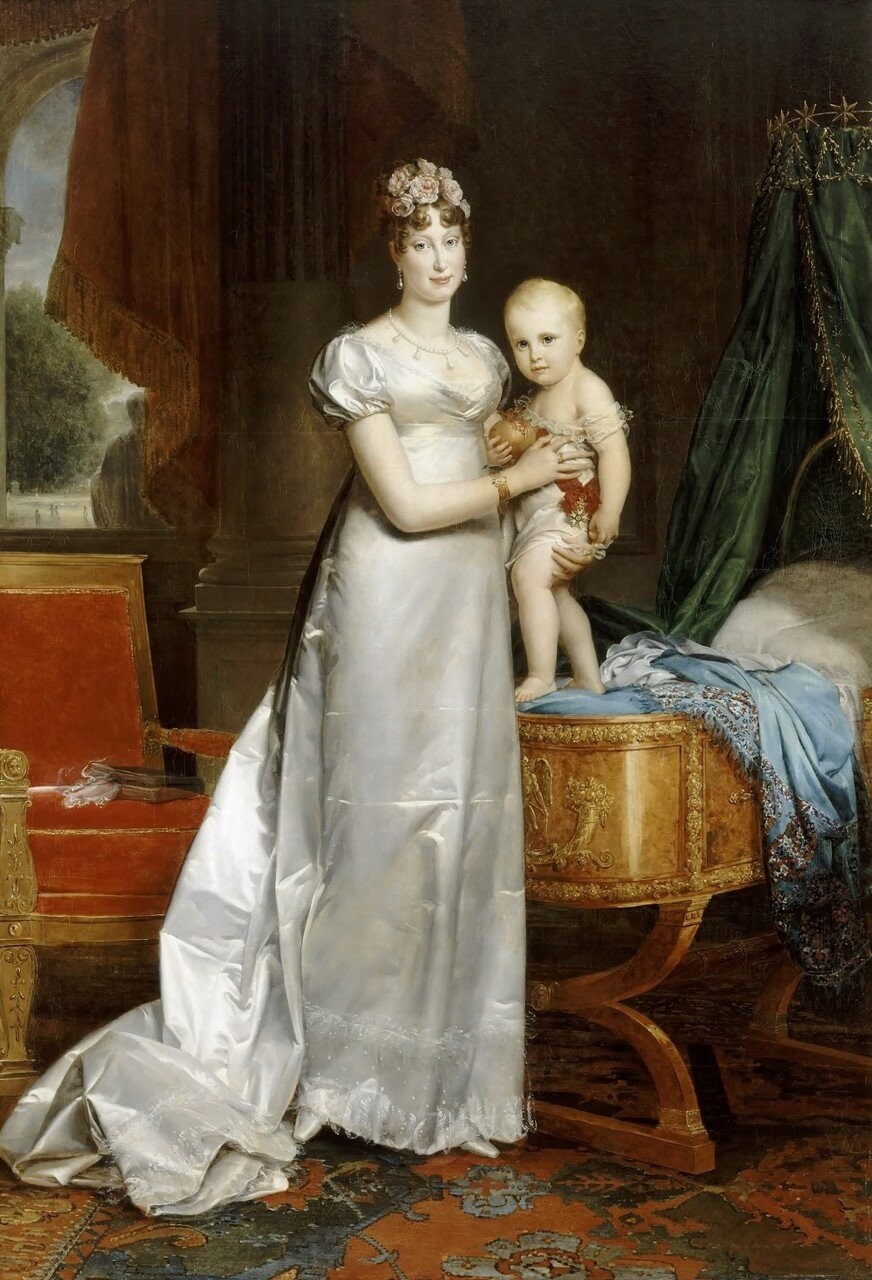
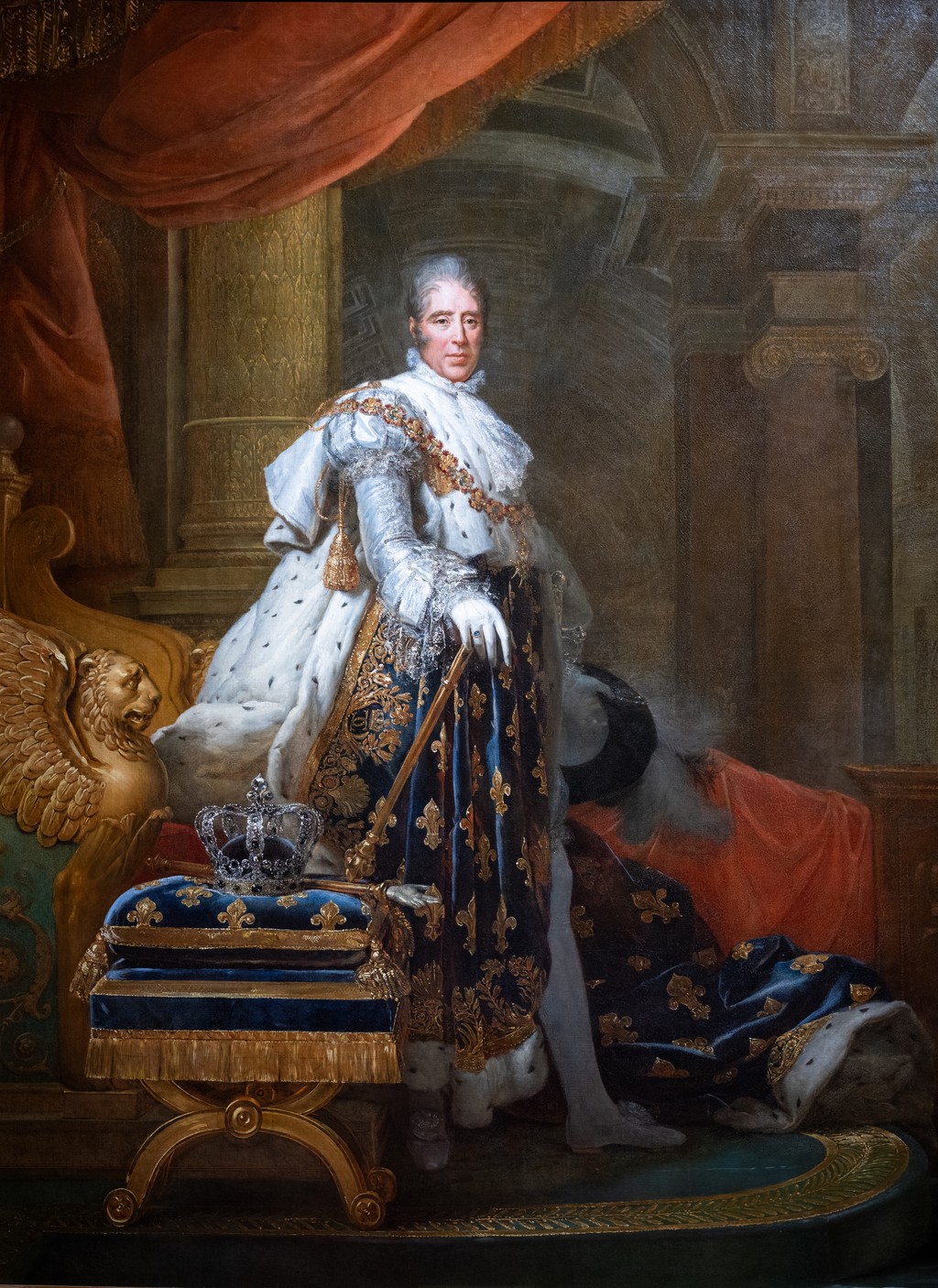
The contrast with Gerard's later portraits is especially useful. In official images, gesture often clarifies status: a ruler stands by a throne, a diplomat displays honors, a dynastic mother appears with an heir. In Isabey and His Daughter, the signs are gentler. The relationship itself becomes the subject. The painting's authority comes from trust, not ceremony.
That makes the work a fine introduction to Gerard's portrait method. He does not need to expose a sitter dramatically in order to make the image memorable. He builds character through arrangement, posture and tone. The same skill that later gave political figures a controlled public presence here gives a private relationship lasting form.
The painting's tenderness also belongs to its historical moment. In the 1790s, French society was negotiating new ideas of family, feeling and public virtue alongside political violence and institutional change. Gerard's portrait does not illustrate that history directly, but it belongs to the same world. It imagines affection as ordered, dignified and worth public attention.
That dignity is what keeps the portrait from becoming merely charming. The child softens the picture, but she does not reduce its ambition. Gerard uses intimacy to prove seriousness. The painting shows that a family image could carry the same compositional intelligence and public polish as more elevated subjects.
For viewers coming to Gerard through Napoleon or Talleyrand, the portrait is a useful correction. It shows that his art of social presentation began with sensitivity to personal relation. The later court painter is already present, but he is not yet enclosed by court display.
That makes the painting unusually generous as an introduction. It shows Gerard's polish, but also his warmth. It shows his ambition, but also his dependence on friendship and artistic exchange.
Its quietness is part of its evidence, and its restraint gives Gerard's early achievement unusual clarity.
The portrait also sharpens the difference between Gerard and some of his Davidian peers. Where history painting often asked for exemplary drama, this picture asks for social tact. Its success depends on keeping every element at the right pitch: enough scale for public seriousness, enough informality for friendship, enough detail for likeness, enough idealization for art. That equilibrium is Gerard's early signature.
This is why the painting is more than an appealing family portrait. It is a condensed lesson in how Gerard learned to turn human relation into public image. Later he would do the same for rulers and diplomats. Here he does it for an artist friend and a child.
Its later Louvre museum history confirms how strongly that early achievement continued to speak for Gerard.
Frequently Asked Questions
Jean-Baptiste Isabey was a French painter in miniature. Gerard's portrait shows him with his daughter Alexandrine.
The Louvre records that Gerard gave the painting to Isabey after Isabey helped sell Gerard's lost Belisarius.
Gerard's Belisarius is now lost. It remains important because Versailles links it to the launch of his career in the mid-1790s.
It helped establish Gerard's reputation as a portraitist and shows his early ability to combine polish, intimacy and public Salon visibility.
Discussion
Gerard's art often asks viewers to read public roles through small signs of pose, dress, surface and setting. Use the prompts below as starting points for looking closely.
Reader Insights
What detail most shapes your reading of Isabey and His Daughter: pose, setting, costume, expression or historical context?
How does Gerard balance public identity with a more personal or psychological presence?
Which comparison helps most: David's studio, Napoleonic portraiture, Restoration image-making or salon culture?
Join the Conversation
Share a thoughtful comment below about what you notice, question or compare when looking at this work.
References
- Louvre Collections, Jean-Baptiste Isabey and His Daughter (in English) https://collections.louvre.fr/en/ark:/53355/cl010063560
- Chateau de Versailles, Francois Gerard (in English) https://en.chateauversailles.fr/discover/history/great-characters/francois-gerard
- Gustave Planche, La Peinture de portrait en France - Francois Gerard (1856), Wikisource transcription https://fr.wikisource.org/wiki/La_Peinture_de_portrait_en_France_%E2%80%93_Fran%C3%A7ois_G%C3%A9rard