by Tom Gurney
Tom Gurney BSc (Hons) is an art history expert with over 20 years experience
Page Created on August 31, 2026 / Page Updated on November 6, 2026
Email: tomgurney1@gmail.com / Phone: +44 7429 011000
Suzanne Valadon in Montmartre: From Model to Artist: Introduction
Montmartre gave Suzanne Valadon work, contacts, subjects and eventually a studio, but it did not manufacture her talent. The district’s famous cabarets and bohemian legends can turn a working artist into a picturesque character. Valadon’s passage from model to recognised author was slower and more material: she observed studio practice, drew privately, found serious advocates, learned printmaking, exhibited works under her own name and built a market. Rue Cortot matters because those activities converged there, not because a romantic neighbourhood magically converted a muse into a painter.[1][2]
At a Glance
- DistrictMontmartre, in northern Paris
- Early workArtist’s model during roughly 1880–93
- Artists who depicted herRenoir, Toulouse-Lautrec and others
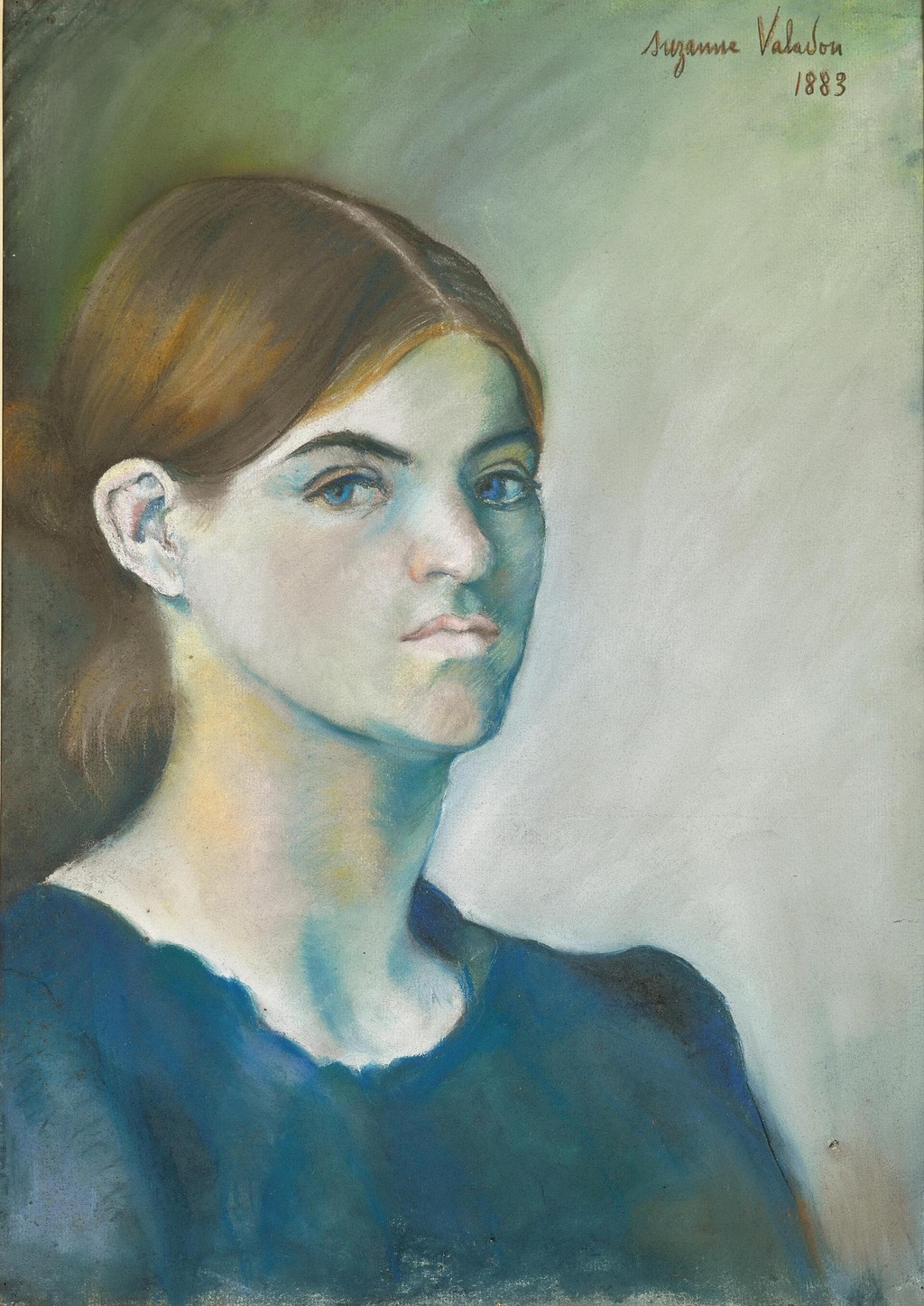
- Own earliest surviving workPastel self-portrait dated 1883
- Studio address12 rue Cortot, shared with Maurice Utrillo and André Utter from 1912
- Professional shiftDrawing recognition in the 1890s; painting prominence after 1909
Contents
- Introduction
- Montmartre as a Working District
- The Labour of Modelling
- Drawing While Being Looked At
- Names, Networks and Recognition
- Rue Cortot Before and After 1912
- The “Trio Infernal” and Its Limits
- Painting Montmartre
- Becoming an Artist in Public
- Beyond the Muse Narrative
Montmartre as a Working District
In the late nineteenth century Montmartre was undergoing urban change. Musée de Montmartre describes the loss of mills, annexation to Paris in 1860, arrival of artists from the 1870s and expansion of cafés and cabarets in the 1880s.[3] Entertainment and art existed beside ordinary housing and insecure labour. Valadon, who had moved to Paris with her mother, supported herself through varied jobs before modelling.
This context replaces the vague image of “bohemia” with a network of workplaces. A studio required models, materials, dealers and clients. Valadon entered that economy from a precarious position. The biography follows the surviving chronology without converting every colourful anecdote into equal evidence.
The Labour of Modelling
Modelling demanded stillness, repetition and the capacity to inhabit poses devised by another artist. NMWA dates Valadon’s modelling activity from 1880 to 1893 and names Renoir and Toulouse-Lautrec among her employers.[4] Musée d’Orsay’s record for Dance in the City identifies her as Renoir’s female model, elegantly dressed and turned within a formal dance.[5]
That painting tells us how Renoir represented a social type; it does not tell us who Valadon “really was”. The distinction is crucial. A model’s appearance is evidence within another artist’s composition. Valadon’s own work begins when she determines medium, pose, edge and audience.
Drawing While Being Looked At
Valadon drew before modelling ended. Centre Pompidou dates her earliest surviving self-portrait to 1883, and AWARE describes her continuing production of family scenes and studies of women’s everyday actions.[1][2] The timelines overlap so completely that “model first, artist later” becomes inaccurate. She was learning to author images while her body remained a source for other people’s pictures.
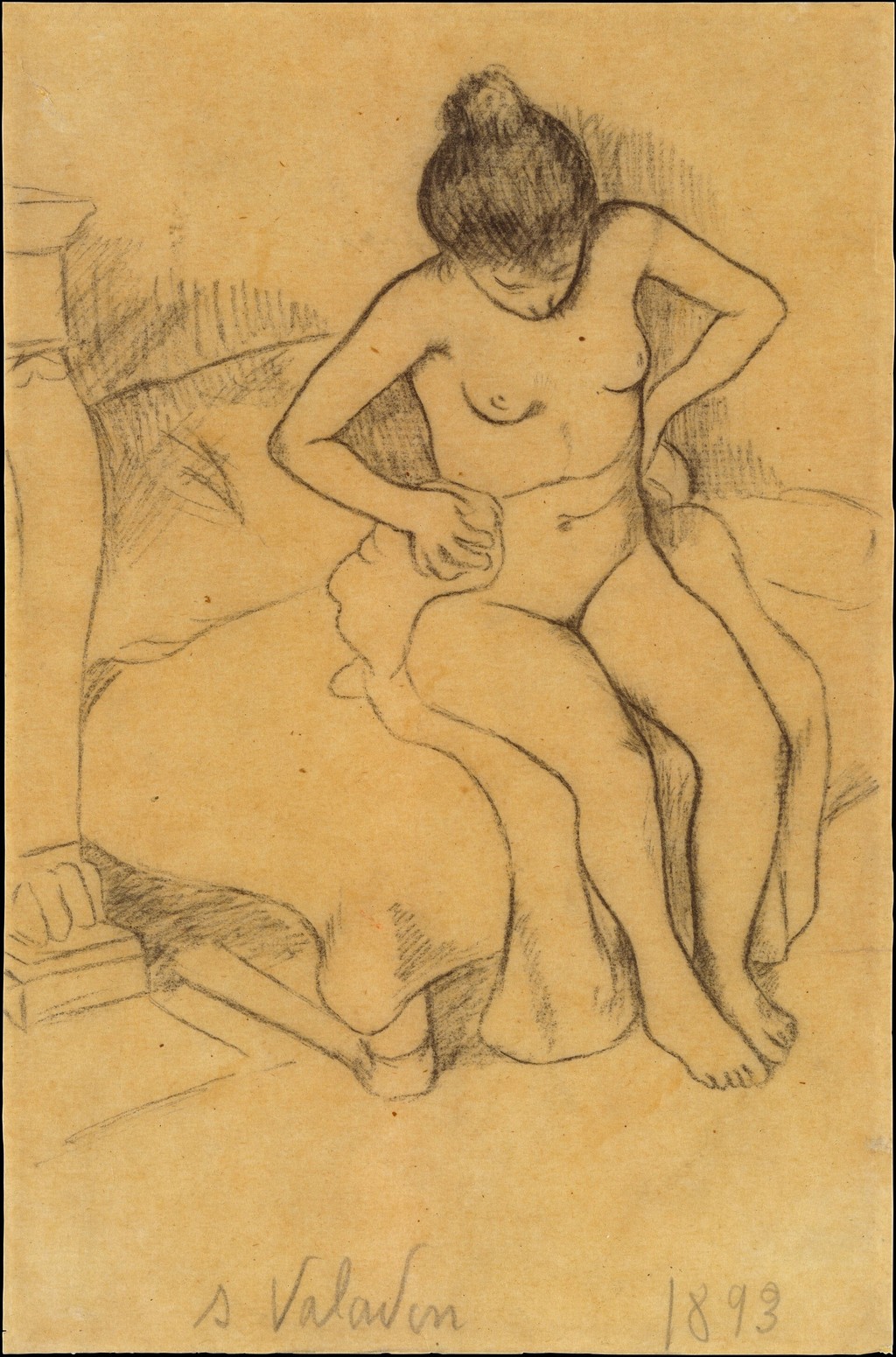
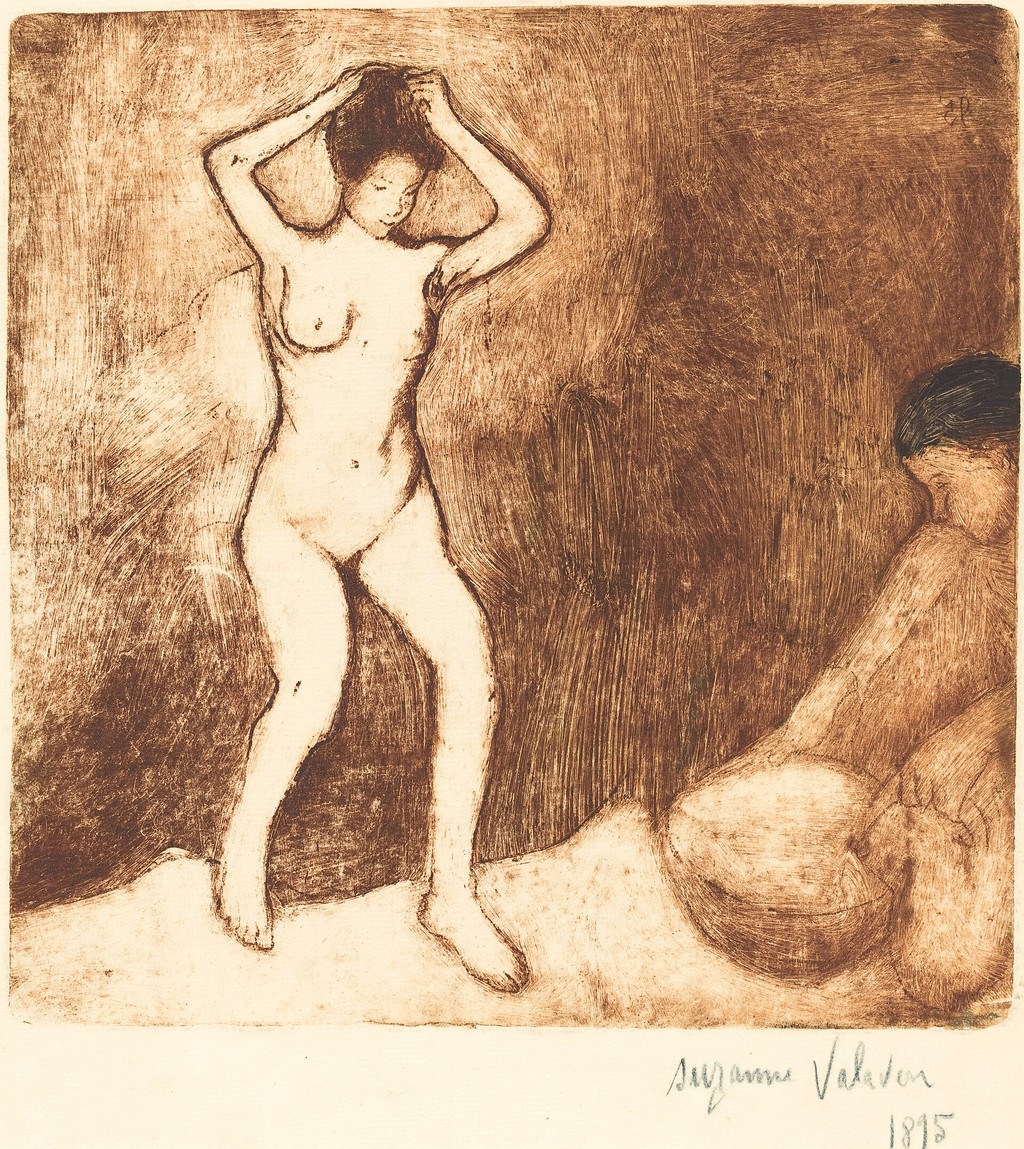
The drawings and prints guide shows what that authorship looked like in material terms. A black contour, drypoint burr or selectively wiped plate carries decisions no sitter can make in somebody else’s studio.
Names, Networks and Recognition
Henri de Toulouse-Lautrec is often credited with suggesting the name Suzanne, linking Marie-Clémentine Valadon to the biblical Susanna watched while bathing. Centre Pompidou presents this as a legend rather than a securely documented naming event.[6] The story is memorable because it condenses her role as a nude model, but it can also keep her identity dependent on a male artist’s joke.
More consequential was a network that treated her work as work. Edgar Degas collected drawings and helped her with printmaking. Paul-Albert Bartholomé supported her submission to the Société Nationale des Beaux-Arts, where she exhibited in 1894. Dealers including Le Barc de Boutteville, Ambroise Vollard, Clovis Sagot and Berthe Weill helped circulate works at different stages.[2] These relationships enabled visibility without explaining away authorship.
Rue Cortot Before and After 1912
The buildings at 12–14 rue Cortot housed several artists over time. Musée de Montmartre notes that Valadon had lived at rue Cortot with her first husband Paul Mousis until 1905, then returned in 1912 with Maurice Utrillo and André Utter.[7] The address joined work and household. Its garden supplied views; its rooms supplied settings, storage and interpersonal pressure.
The present museum includes a reconstructed atelier-apartment. Designer Hubert Le Gall used letters, writings and historic photographs because little original equipment survived.[3] Calling the rooms reconstructed protects their value: they are an informed spatial interpretation, not an untouched relic.
The “Trio Infernal” and Its Limits
Valadon, Utrillo and Utter were labelled the “trio infernal”. The phrase evokes quarrels, alcohol, romance and artistic intensity, and the museum uses it when describing the household’s cultural memory.[7] It should not become the organising explanation for three careers. Maurice was Valadon’s adult son and an established painter; Utter was her younger partner and later husband; Valadon’s production had begun decades earlier.
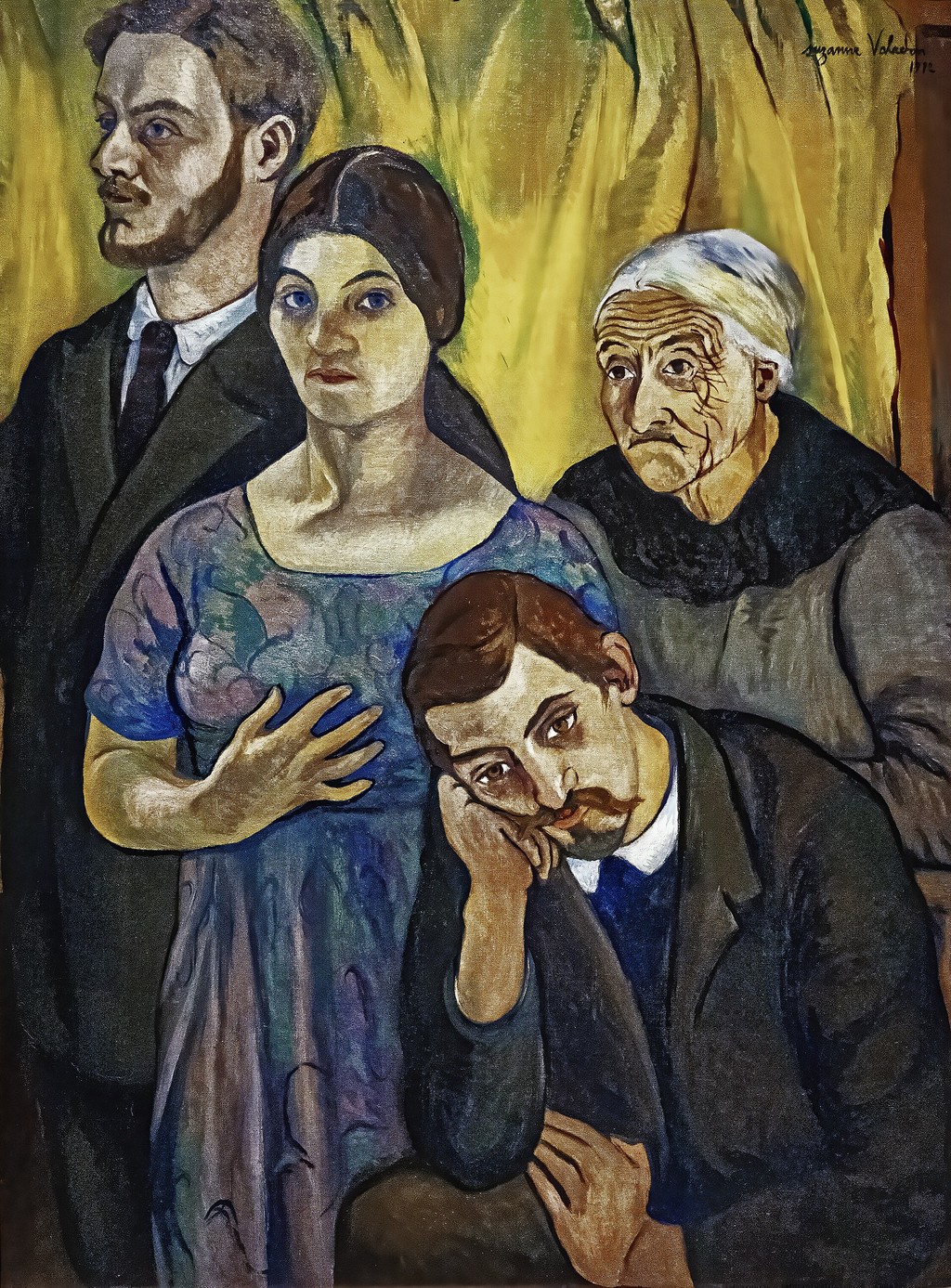
In Family Portrait, Valadon brought the household and her mother into one composition. The picture does not illustrate the nickname. It places four distinct bodies in a learned portrait structure, preserving separation within proximity.
Painting Montmartre
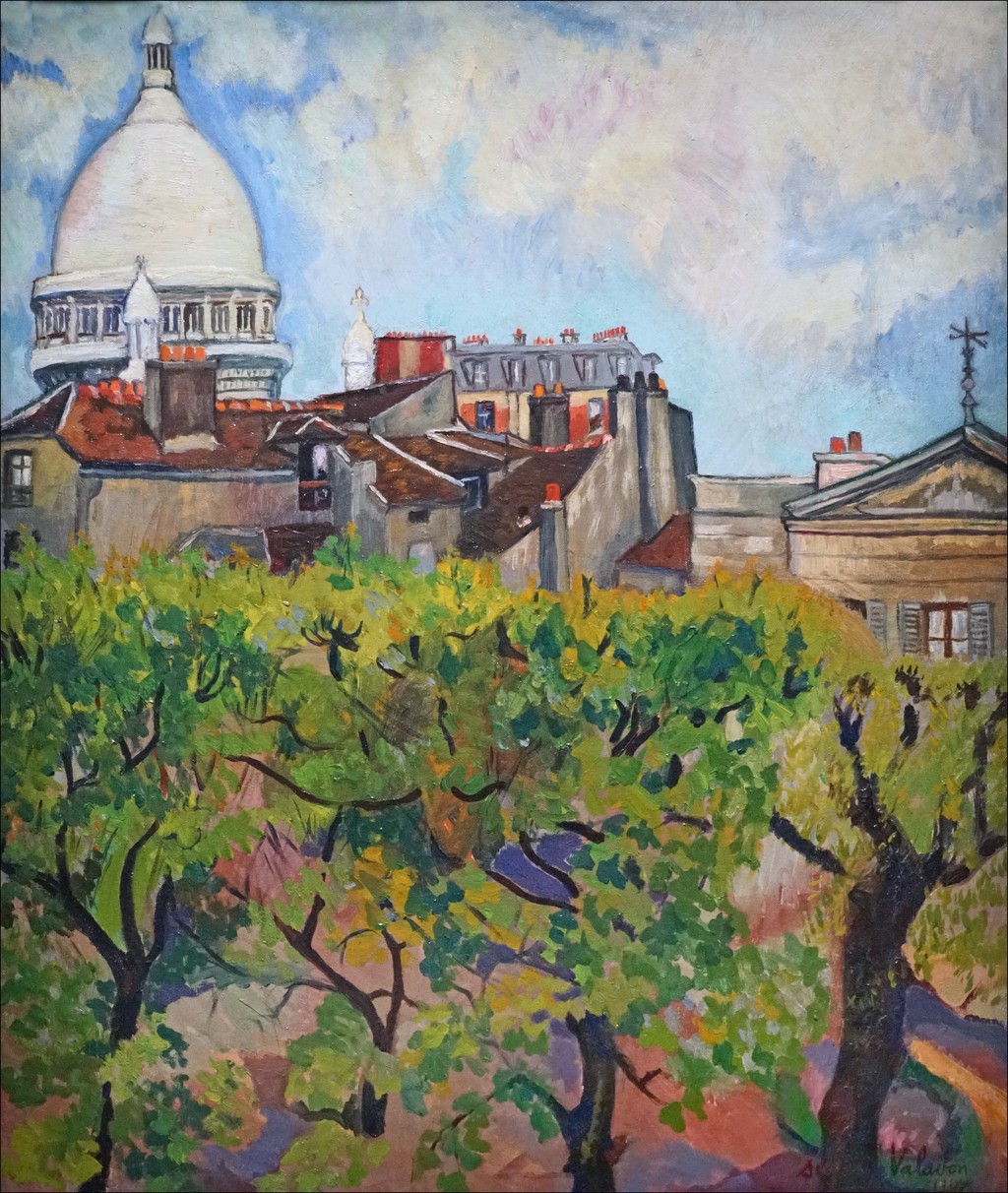
Montmartre appears not only as biography but as subject. In The Sacré-Cœur Seen from the Rue Cortot Garden, foliage fills the foreground while the basilica rises beyond roofs. The view connects a cultivated domestic space with the large monument remaking the hill’s skyline.[1]
The still life and landscape essay reads this construction through shape and colour. The church does not provide a generic sign of Paris; its distance and partial obstruction matter. Valadon’s Montmartre is seen from within a working site.
Becoming an Artist in Public
Professional identity depends on more than making objects. It requires public presentation, attribution, sales and critical response. Valadon’s 1894 salon appearance, first solo show in 1911, repeated Salon d’Automne participation and work with dealers mark stages in that public authorship.[2] By the 1920s she had substantial recognition and exhibitions beyond France.
The portraits and self-portraits guide provides a visual counterpart. Self-images from youth to old age allowed Valadon to construct her public body under her own name. They do not erase the earlier model images; they change who controls the act of representation.
Beyond the Muse Narrative
“From model to artist” remains useful if the emphasis falls on labour and access. It becomes reductive when modelling is treated as scandalous background or when male painters are credited with discovering a talent that Valadon practised for years. Her route reveals how a woman excluded from conventional training could acquire knowledge through work, relationships, repeated observation and independent discipline.
The nudes and female gaze essay shows the formal consequences of that route. Valadon knew the model’s position from within, then used authorship to reorganise who acts, who looks and whose body occupies the centre.
Researched works directory
This searchable evidence census contains 133 distinct records assembled from public collection data and a reproducible Wikidata snapshot. It is not a catalogue raisonné, not a claim of complete oeuvre coverage, and it keeps works with repeated titles as separate objects.
| Name | Date | Medium |
|---|---|---|
| زنان در حمام | 1909 | Painting |
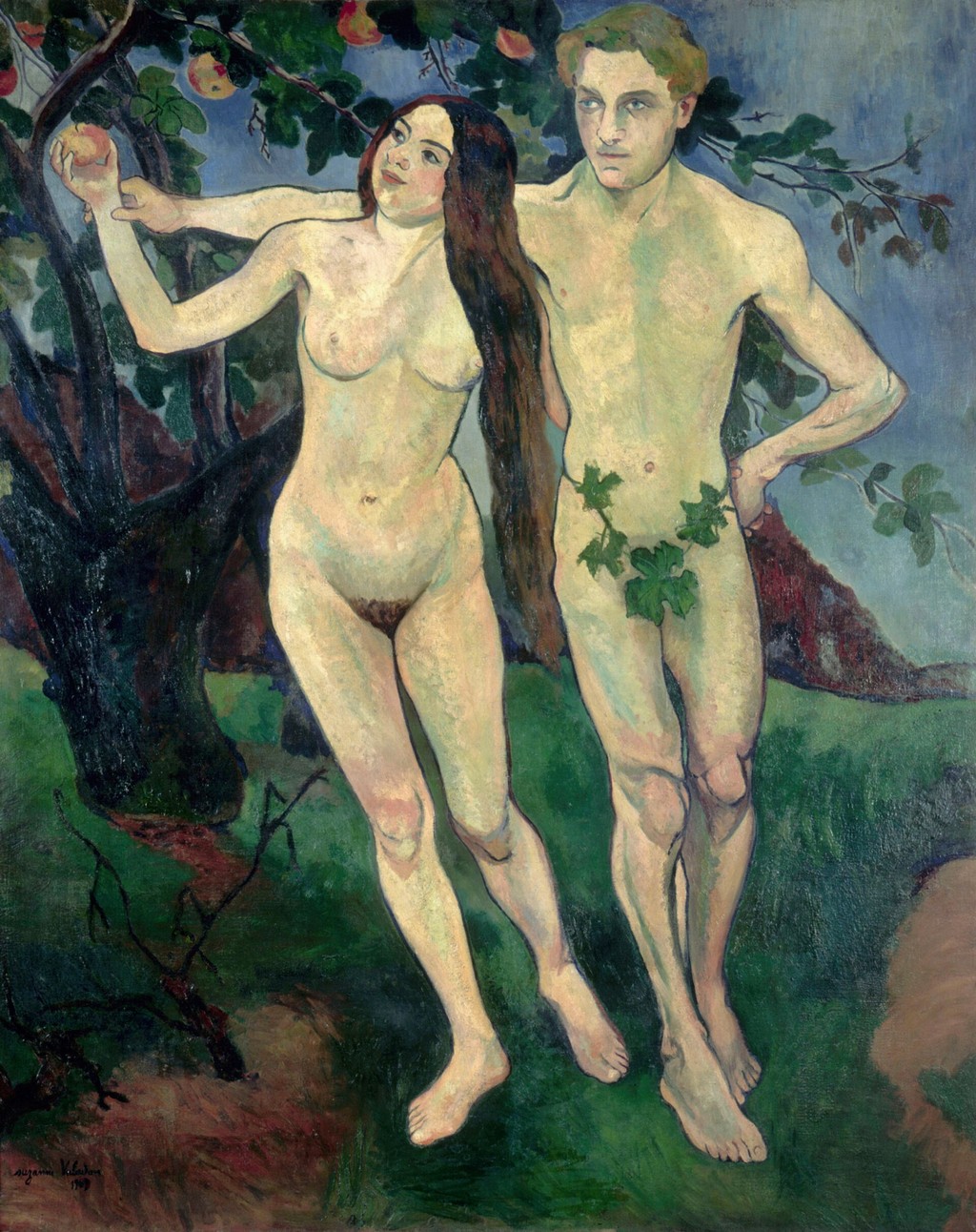
| Adam and Eve | 1909 | Painting |
| After the bath | 1908 | Painting |
| André Utter and his dogs | 1932 | Painting |
| Anémones dans un verre blanc | 1920 | Painting |
| Black Venus | 1919 | Painting |
| Bouquet de fleurs dans un vase Empire | 1920 | Painting |
| Bouquet de fleurs sur un guéridon | 1925 | Painting |
| Bouquet de fleurs sur une petite table | 1932 | Painting |
| Bouquet de roses | 1936 | Painting |
| Bouquet of flowers | 1930 | Painting |
| Bouquet of flowers 1928 | 1928 | Painting |
| Casting the Net | 1914 | Painting |
| Catherine lying naked on a panther skin | 1923 | Painting |
| Catherine nue se coiffant | 1895 | |
| Châtillon-d'Azergues | 1927 | Painting |
| Chien endormi sur un coussin | 1923 | Painting |
| Deux figures | 1909 | Painting |
| Doctor Robert Le Masle | 1930 | Painting |
| Femme à la contrebasse | 1908 | Painting |
| Femmes au bain | 1893 | |
| Fleurs | 1930 | Painting |
| Fleurs et fougères dans un vase | 1929 | Painting |
| Flowers in front of a Window | 1930 | Painting |
| Fruit bowl | 1917 | Painting |
| Germaine Utter à sa fenêtre | 1926 | Painting |
| Germaine Utter devant sa fenêtre | Date unknown | Painting |
| Gilberte nue se coiffant | 1920 | Painting |
| Grandmother and Grandson | 1910 | Painting |
| Joy of Life | 1911 | Painting |
| Juliet sitting in a chair | 1909 | Painting |
| L'Acrobate, ou La Roue | 1916 | Painting |
| L'avenir dévoilé | 1912 | Painting |
| L'étable en Beaujolais | 1921 | Painting |
| La baigneuse nue | Date unknown | Painting |
| La boîte à violon | 1923 | Painting |
| La Cour du Château de Saint-Bernard | 1930 | Painting |
| La Couturière | 1914 | Painting |
| La Dame au petit chien | 1917 | Painting |
| La grenouille | 1910 | Drawing |
| La rue Cortot | Date unknown | Painting |
| La Toilette | 1895 | |
| La Vachère | 1922 | Painting |
| Landscape at Saint-Bernard (Ain) | 1932 | Painting |
| Le Canard | 1930 | Painting |
| Le Jardin de la rue Cortot | Date unknown | Painting |
| Les lilas et camélias | 1936 | Painting |
| Lilacs and Peonies | 1929 | Painting |
| Marie Coca et sa fille | 1913 | Painting |
| Mauricia Coquiot Portrait | 1915 | Painting |
| Mrs. Robert Rey and her daughter Sylvie | 1920 | Painting |
| Naked in the mirror | 1909–1916 | Painting |
| Nature morte | 1920 | Painting |
| Nature morte à la draperie et au bouquet | 1924 | Painting |
| Nature morte au lapin et à la perdrix | 1930 | Painting |
| Nature morte au poisson | 1926 | Painting |
| Nature morte aux fruits et aux fleurs | 1926 | Painting |
| Nu à la couverture rayée | 1922 | Painting |
| Nu à la draperie blanche | 1914 | Painting |
| Nu allongé sur un divan | 1926 | Painting |
| Nu assis | 1925 | Painting |
| Nu assis au bord d'un lit | 1929 | Painting |
| Nu assis sur un canapé | 1916 | Painting |
| Nu au châle bleu | 1930 | Painting |
| Nu, Suzanne Valadon | 1925 | Artwork |
| Nude Arranging Her Hair | 1916 | Painting |
| Nude on a Red Couch | 1920 | Painting |
| Nude Sitting on the Edge of a Bed | 1929 | Painting |
| Nude with drapery | 1921 | Painting |
| Nude with drapery and armchair | 1921 | Drawing |
| Nude woman with a cat and flowers | 1920 | Painting |
| Nudes | 1919 | Painting |
| Paysage de Bretagne ou Île d'Ouessant | 1912 | Painting |
| Plat d'étain | 1920 | Painting |
| Portrait d'enfant | Date unknown | Painting |
| Portrait de Lily Walton | 1923 | Painting |
| Portrait de Louis Moysés | 1924 | Painting |
| Portrait de Maurice Utrillo | 1921 | Painting |
| Portrait du sculpteur Gibault | 1895 | Painting |
| Portrait of a Woman | 1928 | Painting |
| Portrait of a Woman | 1929 | Painting |
| Portrait of a woman | 1934 | Painting |
| Portrait of Charles Wakefield-Mori | 1922 | Painting |
| Portrait of Erik Satie | 1892 | Painting |
| Portrait of Lily Walton | 1922 | Painting |
| Portrait of Madame Lévy | 1922 | Painting |
| Portrait of Madame Maurice Utrillo, Lucie Valore | 1937 | Painting |
| Portrait of Madame Petridès | 1937 | Painting |
| Portrait of Maurice Utrillo | 1928 | |
| Portrait of Mme Zamaron | 1922 | Painting |
| Portrait of Nora Kars | 1914 | Painting |
| Portraits of the Family | 1912 | Painting |
| Raminou cat study | 1917 | Painting |
| Raminou on his blue cushion | 1919 | Painting |
| Reclining Nude | 1928 | Painting |
| Route dans la forêt de Compiègne | 1914 | Painting |
| Seated Female Nude | 1916 | Painting |
| Seated Nude with Shawl Carpet | 1921 | Painting |
| Self-portrait | 1883 | Drawing |
| Self-Portrait | 1898 | Painting |
| Self-portrait in the mirror | 1927 | Painting |
| Self portrait with bare breasts | 1931 | Painting |
| Sitting nude | 1921 | Painting |
| Spring Flowers | 1928 | Painting |
| Still Life with Fruit | 1937 | Painting |
| Still Life with Fruit Basket | 1920 | Painting |
| Still life with white rose | 1936 | Painting |
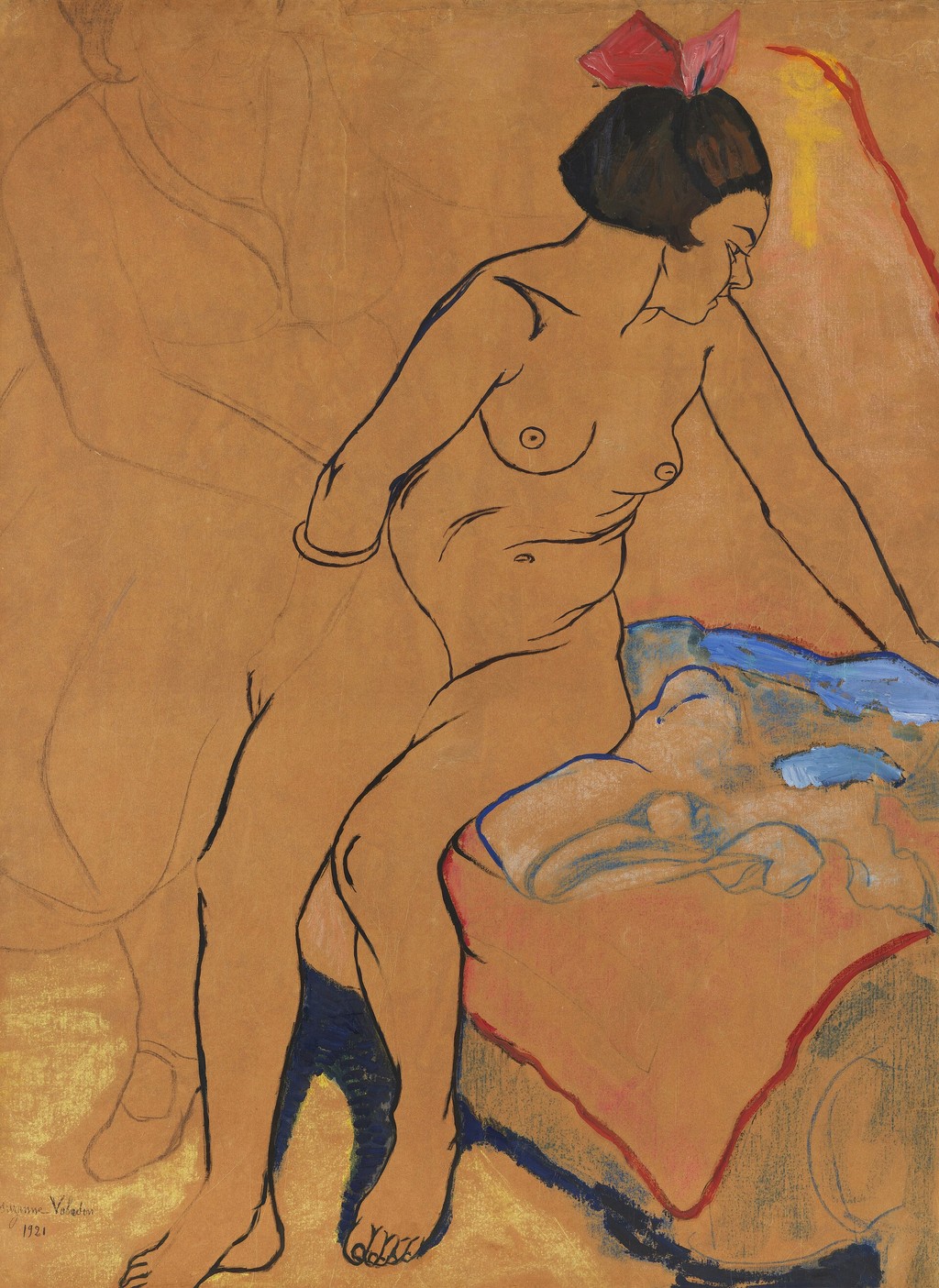
| The Abandoned Doll | 1921 | Painting |
| The artist's mother | 1912 | Painting |
| The Bath | 1908 | Drawing |
| The bathers | 1923 | Painting |
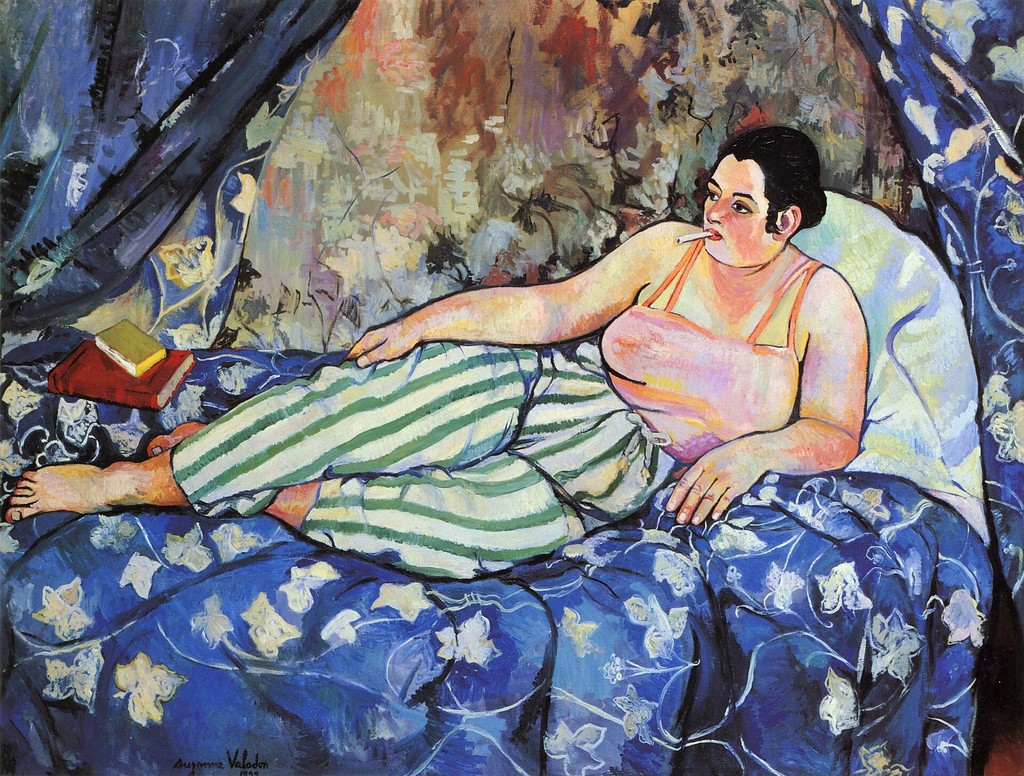
| The Blue Room | 1923 | Painting |
| The Rising | 1920 | Painting |
| The two sisters | 1928 | Painting |
| The Woman in White Stockings | 1924 | Painting |
| Tree at Montmagny Quarry | Date unknown | Painting |
| Untitled (Still Life) | 1921 | Painting |
| Utrillo de face | 1925 | Drawing |
| Utrillo de trois-quarts | 1925 | Drawing |
| Utrillo devant son chevalet | 1919 | Painting |
| Utrillo pensif | 1911 | Drawing |
| Utter familly | 1921 | Painting |
| Vase de fleurs | 1917 | Painting |
| Vase de fleurs | 1927 | Painting |
| Vase de fleurs | 1934 | Painting |
| Vase de fleurs et tapis oriental | 1929 | Painting |
| Vase of flowers | 1922 | Painting |
| Woman in an armchair. Portrait of Madame G. | 1919 | Painting |
| Woman Seated | Date unknown | Painting |
| Woman with guitar | 1920 | Painting |
| Young Girl Bathing | 1919 | Painting |
| Young girl crocheting | 1892 | Painting |
| Young Girl in Front of a Window | 1930 | Painting |
Frequently Asked Questions
She lived and worked at 12 rue Cortot, now part of the museum complex. The atelier-apartment on view today is a documented reconstruction, not a completely preserved original room.[3]
Institutional biographies name Renoir, Toulouse-Lautrec, Puvis de Chavannes and others. Exact identification is strongest when a museum object record names her, as Musée d’Orsay does for Dance in the City.[4][5]
Centre Pompidou presents that episode as legend. It may preserve a real exchange, but the story should not be repeated as settled documentary fact.[6]
She did not follow a conventional academy programme. She learned through sustained drawing, observation in studios, peer exchange and practical printmaking support from Degas.[2][4]
Discussion
Use this evidence-led guide as a starting point for close looking rather than a final verdict.
Share an observation about Suzanne Valadon in Montmartre: From Model to Artist or a source that adds useful context.
Reader Insights
Which work most clearly complicates the familiar label of American Impressionist?
Where do training, display, family, place or teaching most productively alter your reading?
Which source or surviving object would you investigate next?
Join the Conversation
Add your reading below, keeping observations specific and evidence clear.
References
- Centre Pompidou, Suzanne Valadon resource dossier, accessed 31 August 2026.
- AWARE, Suzanne Valadon, accessed 31 August 2026.
- Musée de Montmartre, permanent collections and atelier-apartment, accessed 31 August 2026.
- National Museum of Women in the Arts, Suzanne Valadon, accessed 31 August 2026.
- Musée d’Orsay, Dance in the City, accessed 31 August 2026.
- Centre Pompidou, Focus on The Blue Room, accessed 31 August 2026.
- Musée de Montmartre, Valadon, Utrillo and Utter at 12 rue Cortot, accessed 31 August 2026.
- The Sacré-Cœur Seen from the Rue Cortot Garden, 1916 — CC BY 2.0 image by Jean-Pierre Dalbéra.
More VALADON Artworks
Self-Portrait
After the Bath
La Toilette
The Abandoned Doll