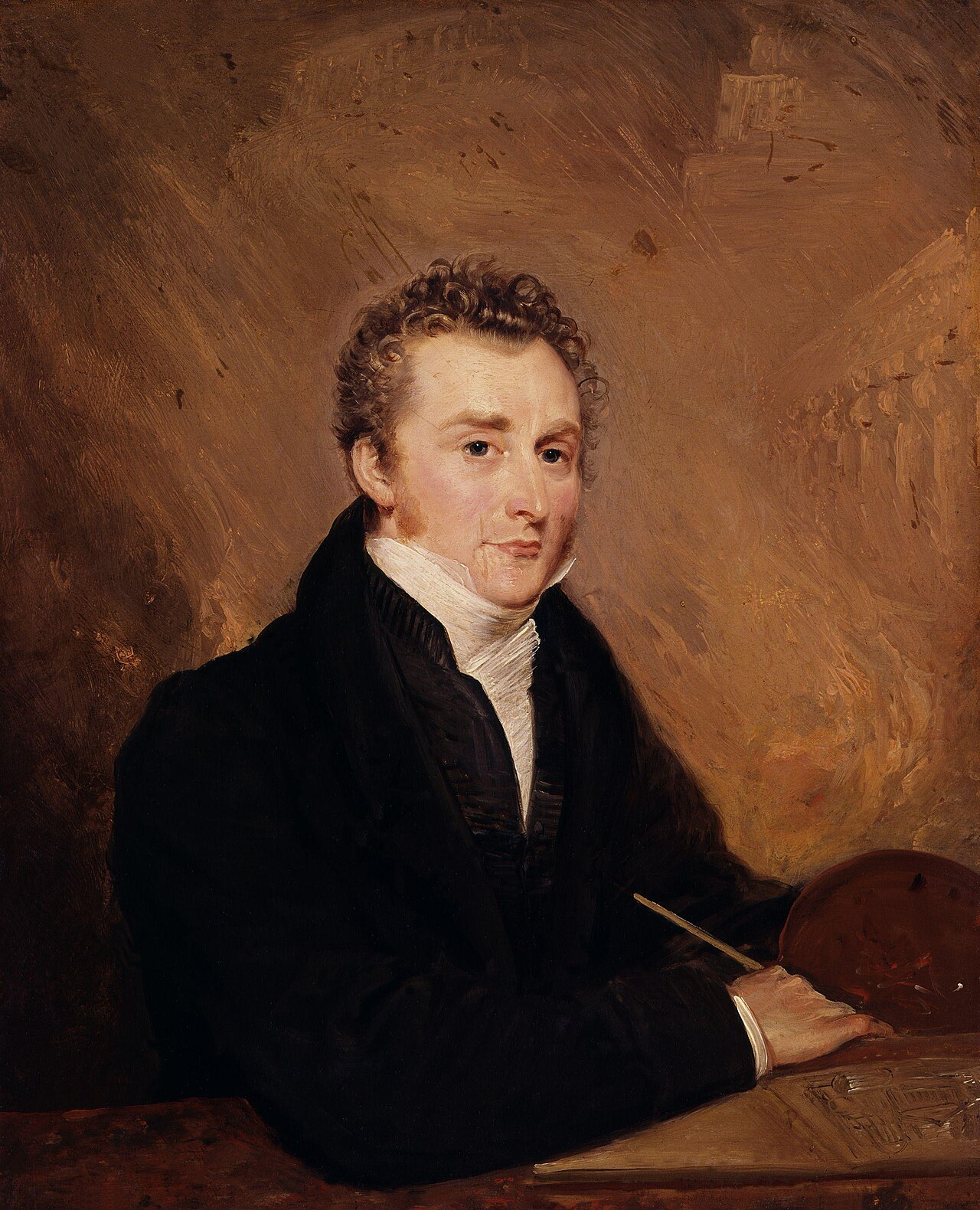
John Martin: Introduction
John Martin was one of nineteenth-century Britain's most ambitious painters of spectacle and scale. His paintings and prints turn biblical judgement, literary crisis, ancient disaster and supernatural encounter into immense visual events. Tiny figures stand beneath collapsing mountains, blazing skies, impossible architecture and cities on the edge of ruin. Martin did not simply paint stories. He built worlds around them.
His art belongs to the Romantic age, but it does not look exactly like anyone else's Romanticism. J. M. W. Turner could make light and weather dissolve the visible world. William Blake could compress prophecy into symbolic figures. Martin worked through scale, architecture, distance and theatrical shock. His most characteristic pictures make the viewer feel small before forces that are historical, divine, volcanic or demonic.
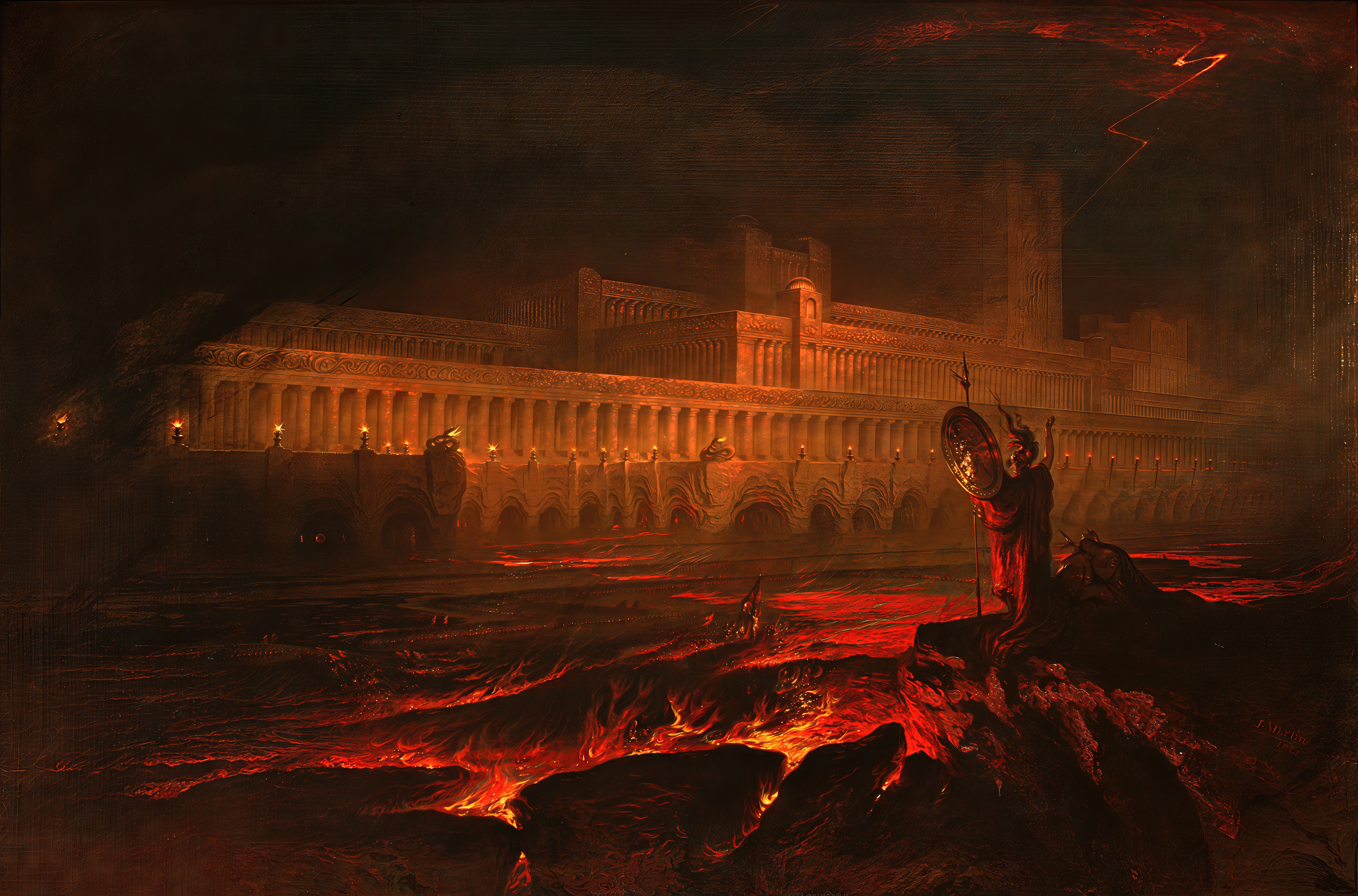
That is why Pandemonium is the natural centre of his art. Painted in 1841 and now in the Louvre, it imagines Satan creating the palace of Hell from Milton's Paradise Lost. The painting brings together Martin's favourite powers: literary ambition, fiery atmosphere, colossal architecture, tiny beings and a drama first explored through prints before being transformed into a large oil painting. It is the best single doorway into his vision.
Martin was famous in his own lifetime. He attracted large audiences, circulated images through mezzotints and became associated with apocalyptic subjects on a scale that could feel closer to theatre than to quiet gallery painting. His reputation later suffered because the very qualities that made him popular could also be dismissed as melodrama. In the twenty-first century, however, his work has returned to view as a fascinating bridge between Romantic painting, print culture, public entertainment and modern visual spectacle.
At a Glance
- Full nameJohn Martin
- Dates1789-1854
- NationalityEnglish
- BornHaydon Bridge, Northumberland
- DiedDouglas, Isle of Man
- Known forLarge-scale biblical, historical and literary paintings; apocalyptic landscapes; mezzotints and book illustrations
- Key themescatastrophe, judgement, divine power, Milton, ancient cities, supernatural drama and the sublime
- Flagship workPandemonium, 1841
- Major works to exploreThe Great Day of His Wrath, The Last Judgement, The Plains of Heaven, The Destruction of Pompeii and Herculaneum, Belshazzar's Feast, Joshua Commanding the Sun to Stand Still upon Gibeon, Sadak in Search of the Waters of Oblivion and Macbeth
Contents
- Introduction
- Why John Martin Matters
- Early Life and Training
- The Martin Sublime
- Pandemonium as the Flagship Work
- Major Paintings
- A Career Built Around Crisis
- Painting, Theatre and the Public Eye
- Prints, Milton and Popular Reach
- Public Spectacle and Reputation
Why John Martin Matters
Martin matters because he expanded what a history painting or literary subject could feel like for a mass audience. His art is not intimate in the usual sense. It is designed around astonishment. Yet the astonishment is rarely empty. His best works ask how people behave when scale, power and disaster exceed ordinary control.
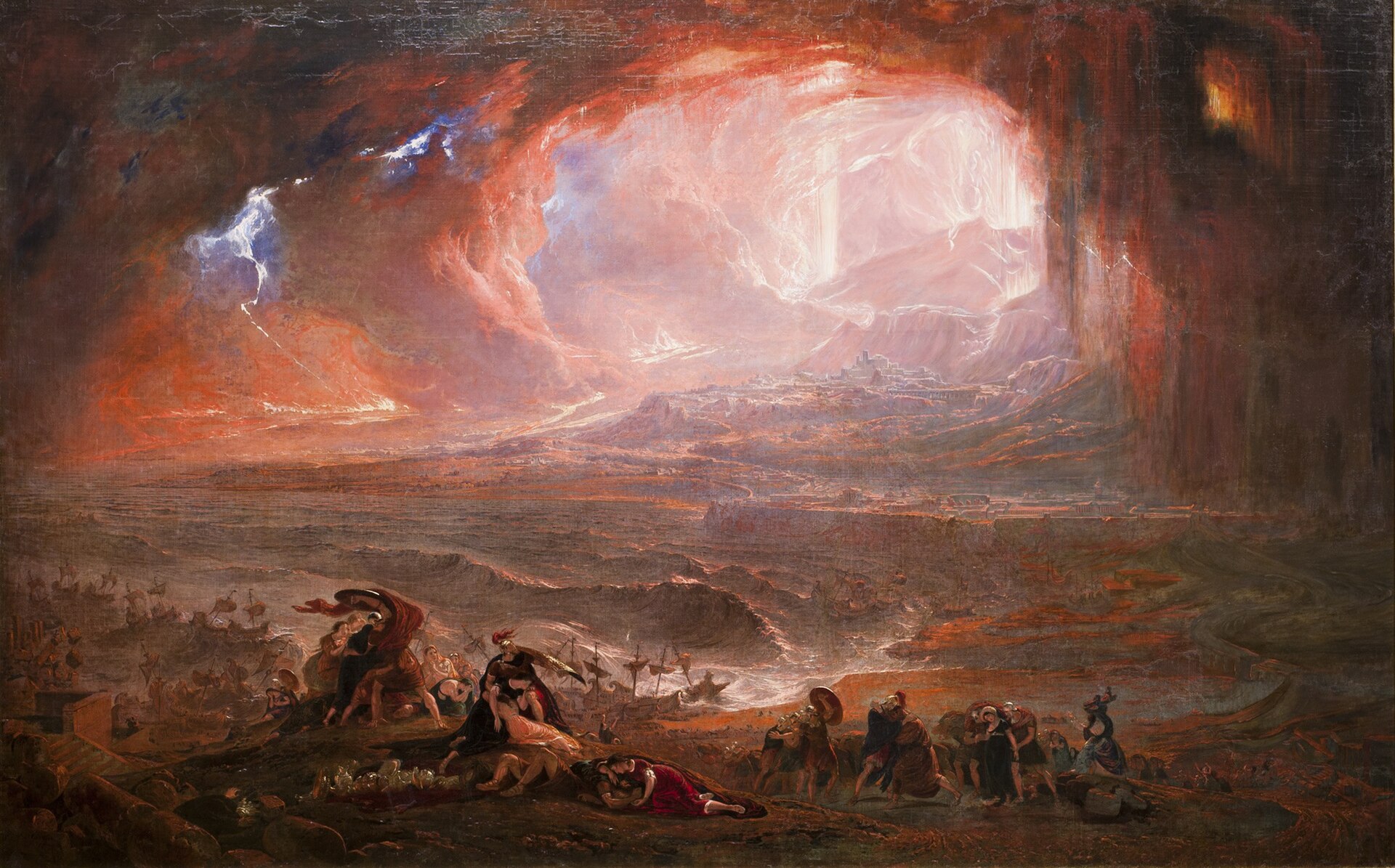
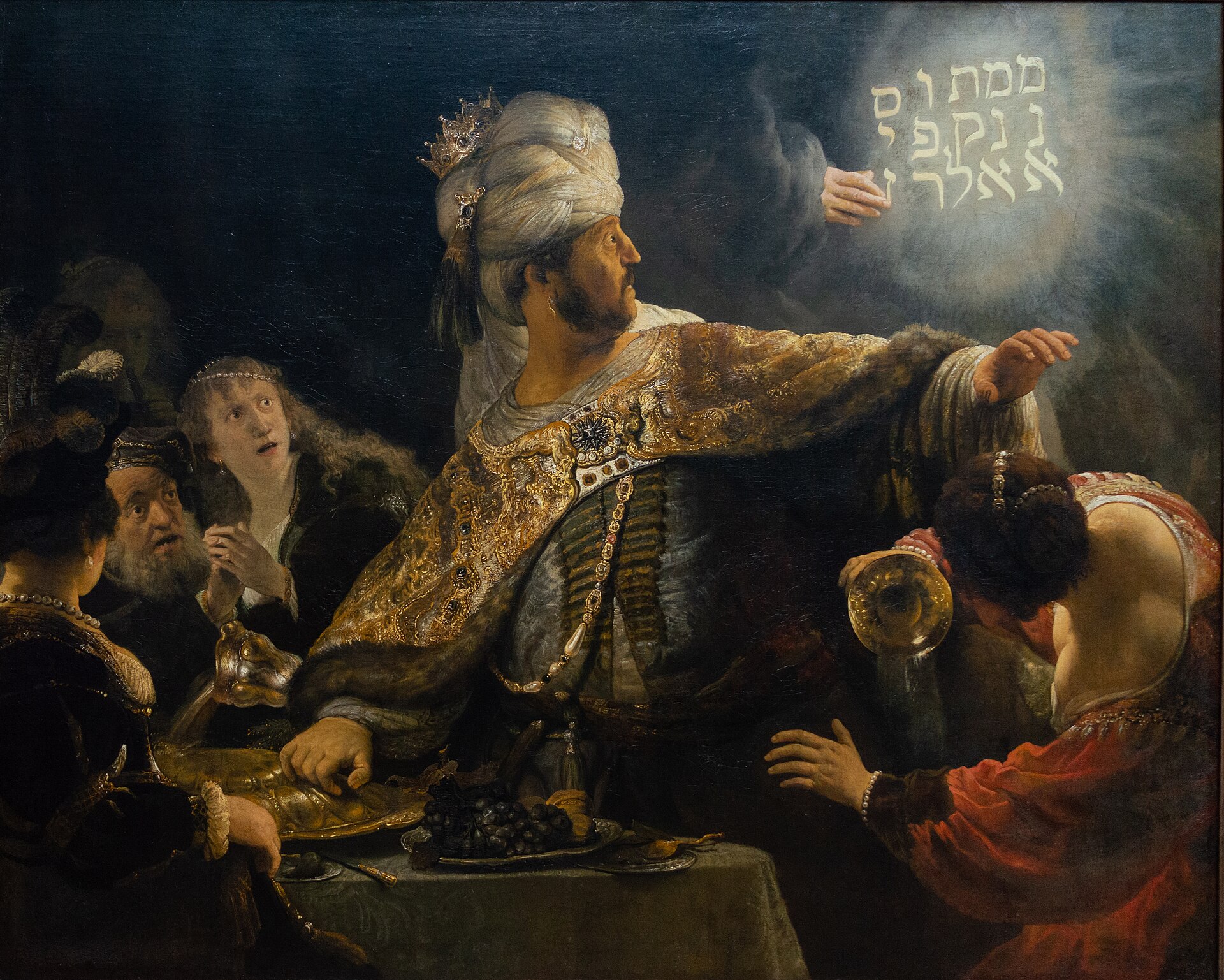
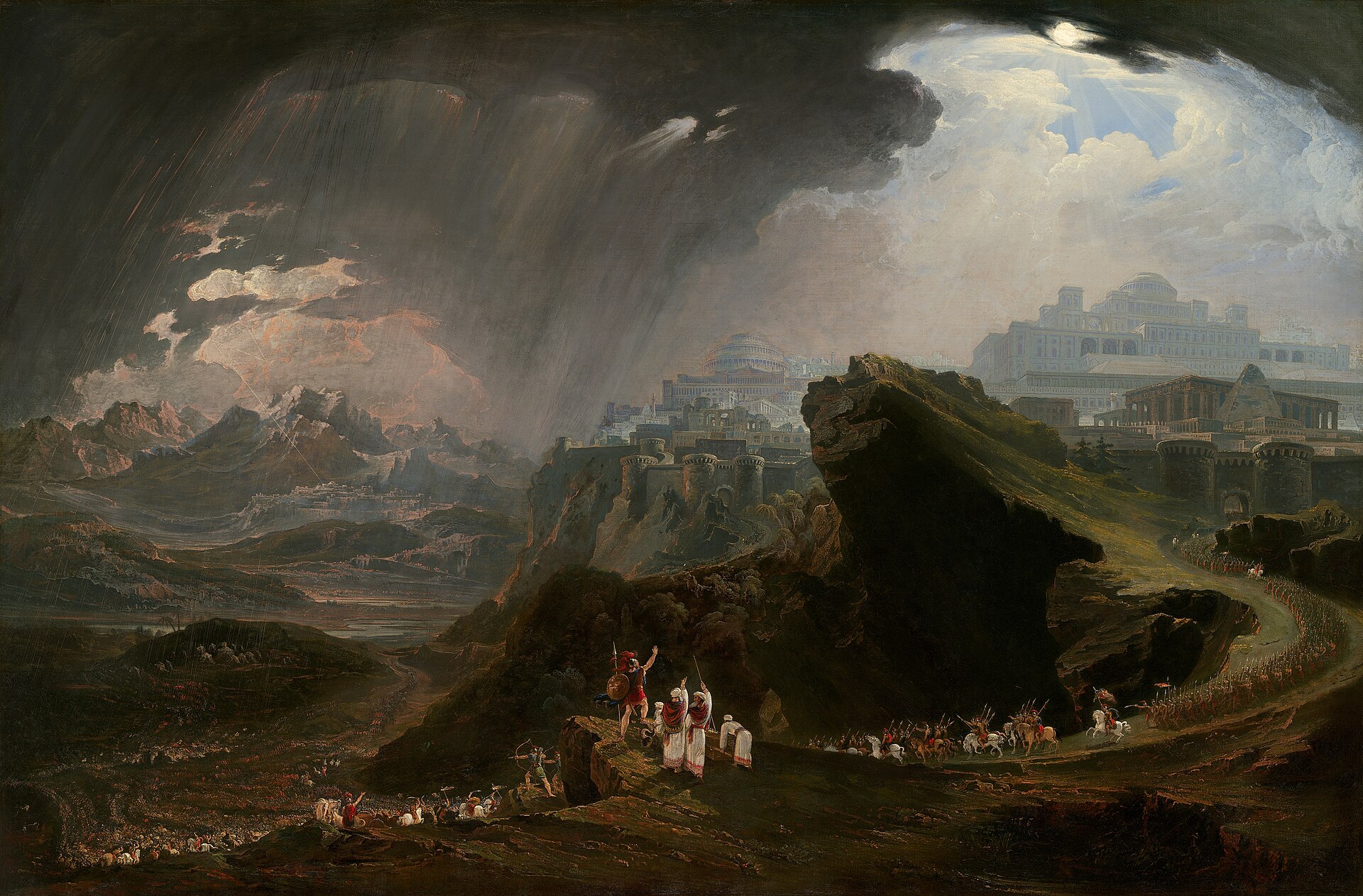
In Belshazzar's Feast, an ancient ruler's banquet becomes a theatre of judgement. In Joshua Commanding the Sun to Stand Still upon Gibeon, biblical miracle is imagined through architecture, storm, armies and supernatural light. In The Destruction of Pompeii and Herculaneum, the eruption of Vesuvius becomes a red world of ash, lava and collapsing civic order. In the Last Judgement pictures, the fate of humanity is staged on a panoramic scale.
The National Galleries of Scotland gives a useful summary of Martin's pictorial method: his large canvases often place small figures within imaginative settings, so that the people seem overwhelmed by surrounding forces. That is one of the keys to his art. Martin's figures often matter because they are so small. They measure the scale of the world around them.
His art also matters because it crosses media. Martin was not only a painter of huge canvases. He was an engraver and book illustrator whose mezzotints helped spread his images beyond the exhibition room. The National Portrait Gallery notes that his works were popularised through affordable mezzotint prints. This print culture is essential to understanding how his visual imagination reached the public.
Martin's modern interest lies partly in that combination. He belongs to old categories such as history painting, biblical art, literary illustration and Romantic landscape. But he also looks forward to later image cultures: the panorama, the diorama, the disaster film, fantasy architecture and cinematic world-building. He made the sublime feel engineered.
Early Life and Training
John Martin was born in 1789 in Haydon Bridge, Northumberland. His origins matter because his art is often associated with London exhibitions and international museum collections, but his early life began far from the metropolitan art world. The Northumberland connection remains part of his identity in later accounts of his career.
He did not begin as a polished academy insider. The National Galleries of Scotland records that he first worked as a painter of heraldry for a coach-builder in Newcastle-upon-Tyne. He later worked in London painting china and glass before gaining acceptance as a history painter through Royal Academy exhibitions in 1811.
Those early trades are useful for understanding him. Heraldry, china painting and glass work all require different kinds of precision and decorative control. Martin's later art may seem wild, but it is not careless. His large scenes are built from systems of detail, architectural rhythm and controlled effect. The spectacular surface has a craftsman's discipline beneath it.
His breakthrough into history painting also placed him inside one of the most ambitious genres of the period. History painting was expected to handle great subjects: scripture, ancient history, epic poetry, moral crisis and national memory. Martin took up those subjects but gave them a distinct public energy. He made history painting look like a vast experience rather than a scholarly exercise.
The Martin Sublime
For Martin, the sublime is not simply a beautiful view or a large landscape. It is the feeling of being overwhelmed by powers that exceed the body: storm, fire, architecture, divine judgement, ancient catastrophe, abyss and distance.
Martin's version of the sublime is unusually architectural. He loved cities, temples, towers, walls, bridges, terraces and impossible palaces. His spaces often look as if they have been designed for crowds and ceremonies, then overtaken by a force beyond design. That is one reason his paintings feel so theatrical. They have stages, viewpoints and crowd movement, but the stage is often the edge of destruction.
Light is another central part of his language. It can pour down from heaven, burst through storm, flare from volcanic fire or glow from infernal depths. Martin rarely uses light simply to make objects clear. He uses it to make power visible. In his best paintings, light is an event.
Scale completes the effect. Martin repeatedly makes the human body small, not because people are irrelevant, but because their vulnerability is the point. A crowd in a Martin painting can feel both numerous and powerless. The viewer senses that the drama belongs to a larger order: God, fate, geology, empire, rebellion or catastrophe.
This makes Martin a different kind of Romantic from Turner or Blake. He is less about dissolving perception or inventing private symbolism, and more about staging a vast public vision. His imagination is architectural, panoramic and performative.
Pandemonium as the Flagship Work
Pandemonium stands at the centre of Martin's achievement because it gathers so many of his strongest ideas into one image. The subject comes from Book I of Milton's Paradise Lost: Satan and the fallen angels create the palace of Hell, the place where their infernal council will gather. The Louvre records Martin's painting as an 1841 oil on canvas, with the inventory number RF 2006 21.
The work is not simply a picture of Hell. It is a picture of Hell becoming organised. Satan stands at the right, the palace rises across the middle distance, and the demons are barely visible below in the glowing depths. Martin gives rebellion architecture. He makes evil impressive, theatrical and unstable at once.
The painting also shows how Martin moved between print and painting. The Louvre records that he had already made engraved versions of the subject in 1824 and 1831 before returning to it in the oil painting. The British Museum, Yale Center for British Art, the Art Gallery of New South Wales and the Hammer Museum all preserve important print evidence for that development. The print history matters because Martin's Milton was not a single image made once. It was a subject he refined, enlarged and transformed.
The Louvre painting has another important feature: Martin designed its frame, which is decorated with serpents and dragons. That detail fits his theatrical ambition. The frame is not merely a border around the image. It helps the painting behave like an infernal object.
Pandemonium deserves clear prominence without exhausting the painting in one summary. The full story includes Milton's source, the print versions, the original frame, the 1841 Royal Academy display and the painting's later acquisition by the Louvre. The central point is simpler. If a reader wants to understand Martin quickly, Pandemonium shows him at his most concentrated.
Major Paintings
Martin's art is best approached through a group of major works rather than one isolated masterpiece. Each work shows a different pressure point in his imagination.
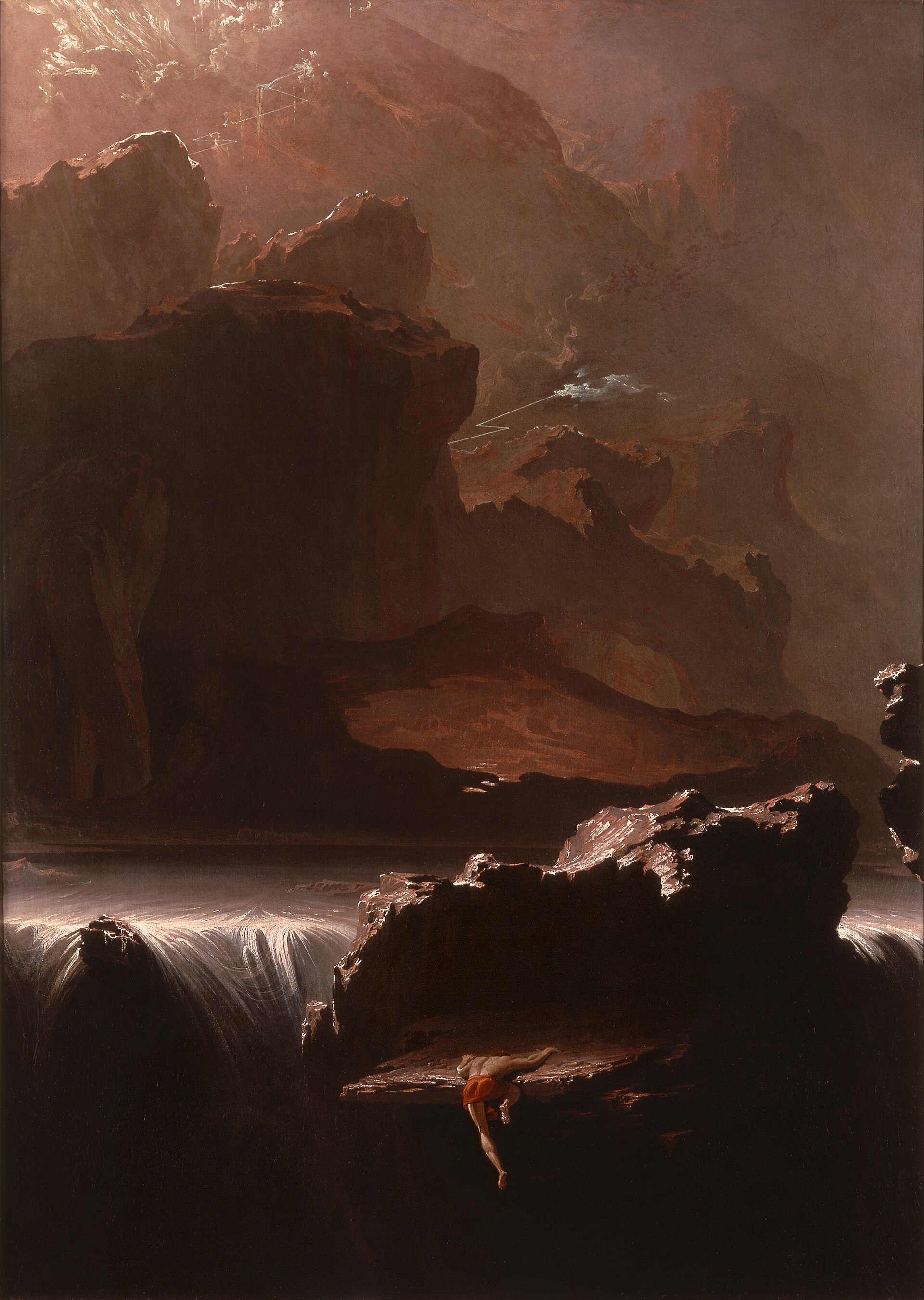
Sadak in Search of the Waters of Oblivion, painted in 1812 and now in the Saint Louis Art Museum, is an early and powerful example. Its subject comes from James Ridley's Tales of the Genii. The museum describes Sadak clinging to rock at the bottom of a huge landscape, with most of the canvas devoted to the precipices he must climb. The structure is already unmistakably Martin: a tiny figure measured against a near-impossible world.
Joshua Commanding the Sun to Stand Still upon Gibeon, painted in 1816 and now in the National Gallery of Art in Washington, shows how quickly Martin could turn biblical narrative into grand theatre. The NGA records the painting as an oil on canvas and notes its Royal Academy exhibition history in 1816. The subject gave Martin a perfect opportunity to combine armies, architecture, mountain distance, storm and supernatural light.
Belshazzar's Feast, painted in 1820 and now in the Yale Center for British Art, brings the Martin formula indoors without making it smaller. The scene comes from the Book of Daniel: a king's feast is interrupted by divine writing on the wall. Yale's gallery label notes the biblical story and the later comparison made by Charles Lamb between Martin's subject and the extravagance of George IV's Brighton Pavilion. It is a painting about spectacle judging spectacle.
The Destruction of Pompeii and Herculaneum, painted in 1822 and owned by Tate, turns ancient catastrophe into volcanic theatre. ACMI's collection note describes Vesuvius in eruption, Herculaneum in the distance, Pompeii closer to the foreground and the whole landscape coloured by lava, ash and lightning. The painting's modern story is dramatic too. After damage in the 1928 Tate flood, it was restored for the 2011 Martin exhibition, renewing attention to its central place in his output.
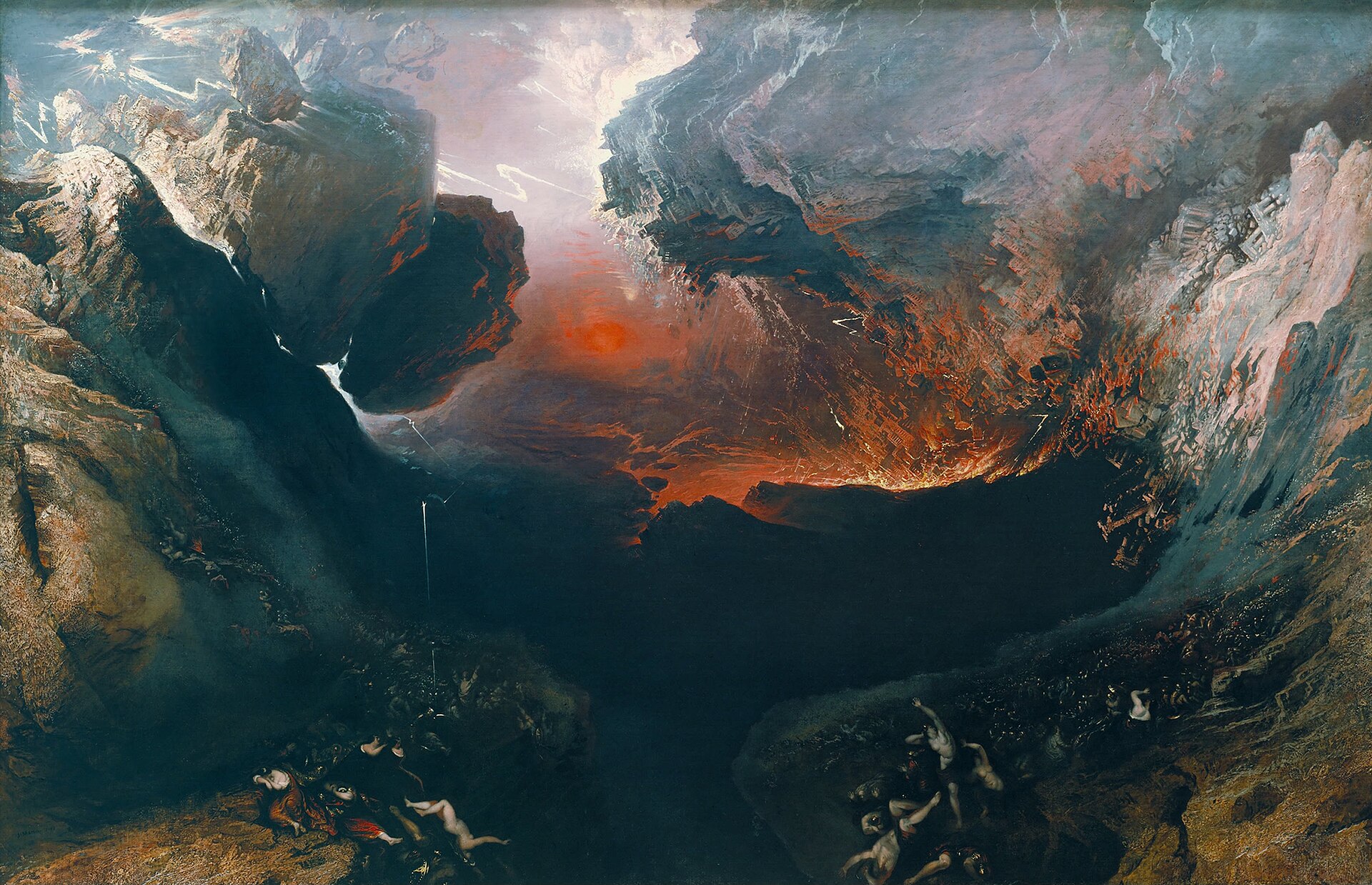
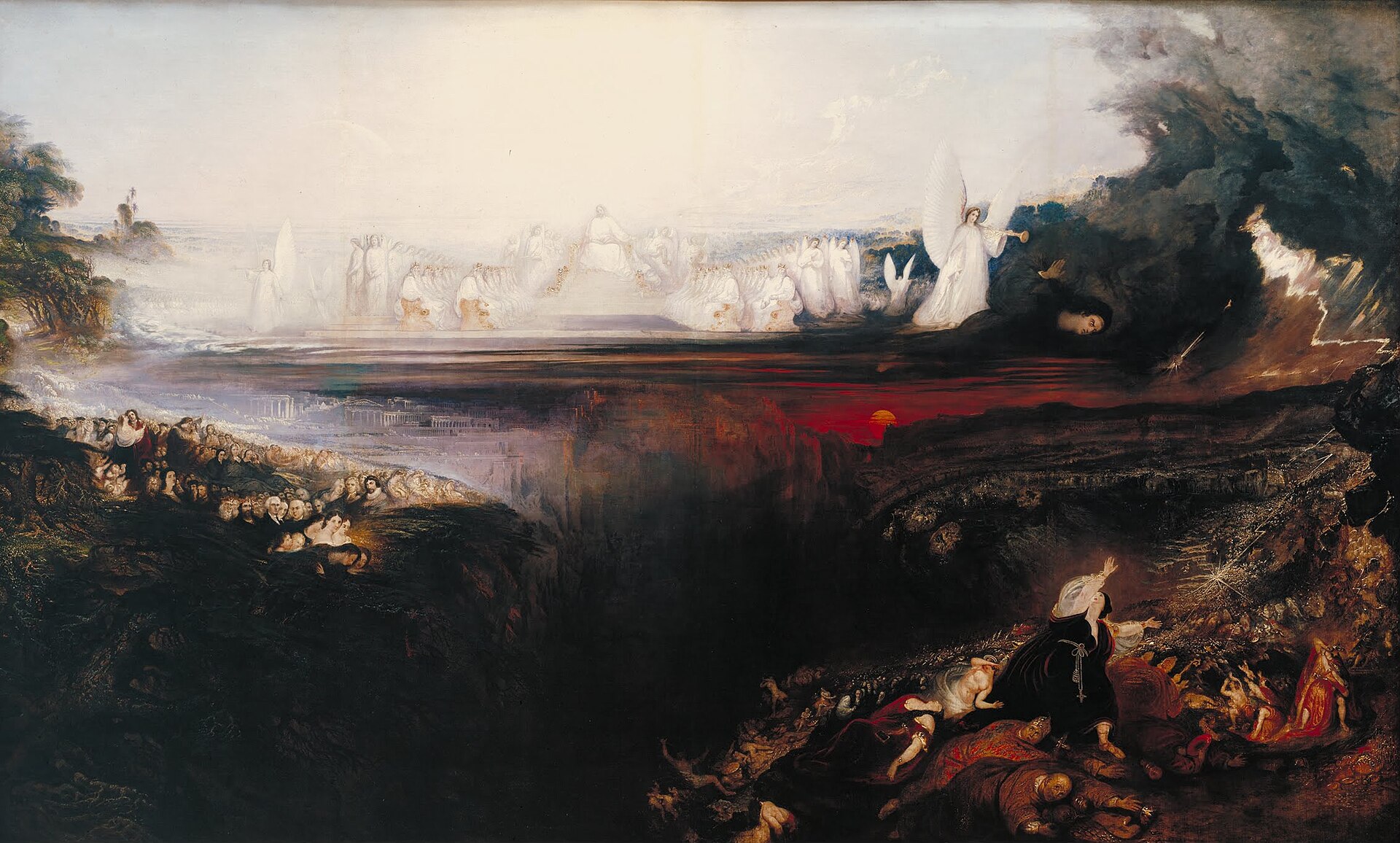
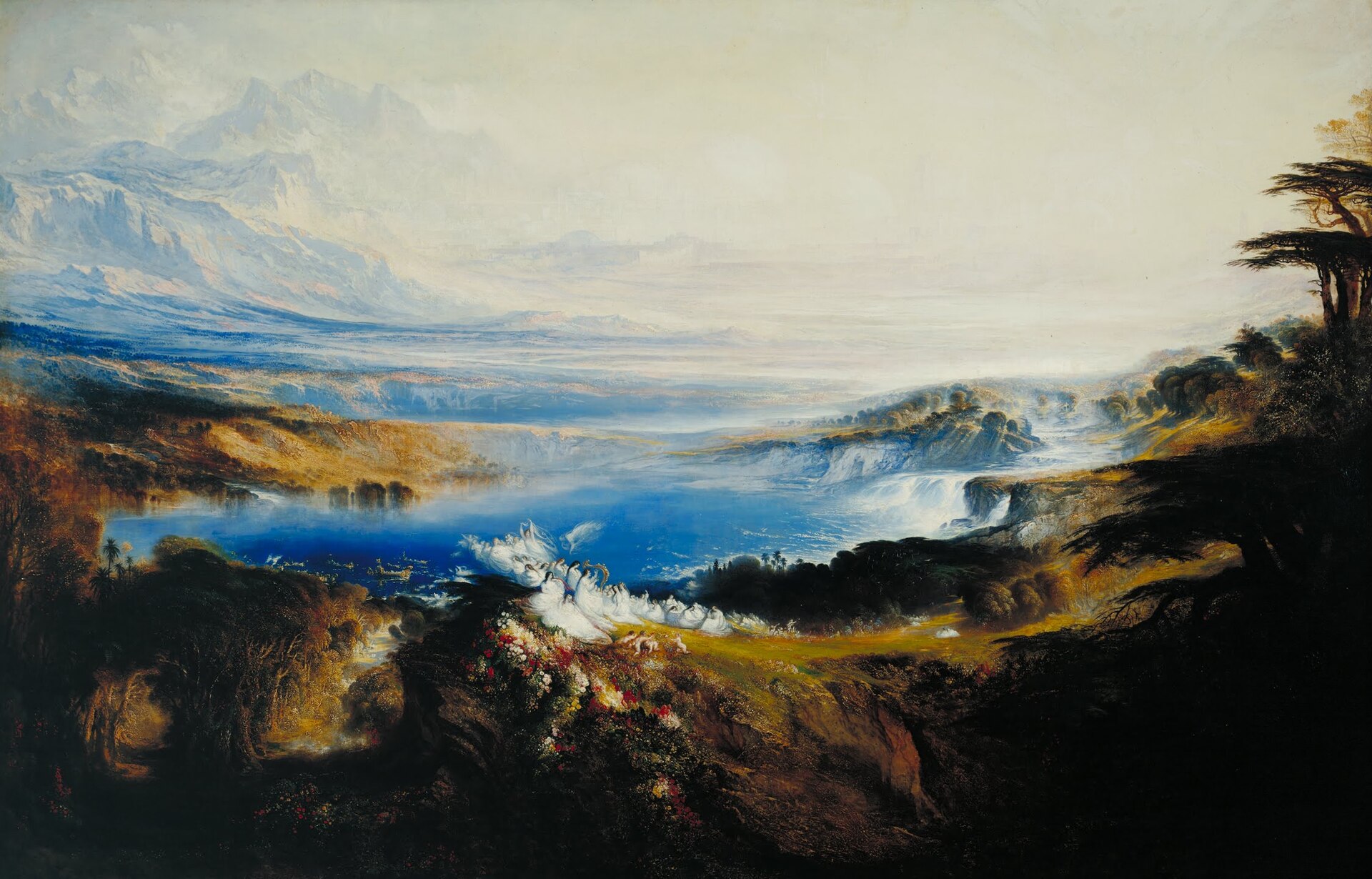
The Last Judgement group takes Martin's apocalyptic imagination to its widest scale. The Great Day of His Wrath, The Last Judgement and The Plains of Heaven form a dramatic sequence of destruction, judgement and salvation. Google Arts & Culture's Tate-linked records describe The Great Day of His Wrath as part of a triptych inspired by Revelation, while The Plains of Heaven represents salvation in a tranquil celestial landscape. The contrast is pure Martin: catastrophe and calm contained within one vast moral architecture.
Macbeth, about 1820 and in the National Galleries of Scotland, shows Martin turning Shakespeare into the same cosmic theatre. The museum describes Macbeth and Banquo isolated before supernatural figures, with the army diminishing into distance and the landscape becoming a stage for cataclysmic consequence. Even when the subject is literary rather than biblical, Martin finds the pressure of fate.
A Career Built Around Crisis
Martin's major works are not interchangeable scenes of destruction. They form a career-long investigation of crisis. Sometimes the crisis is physical, as in Pompeii, where volcanic eruption overwhelms ancient cities. Sometimes it is moral, as in Belshazzar's Feast, where a banquet is interrupted by judgement. Sometimes it is cosmic, as in the Last Judgement pictures. Sometimes it is literary and psychological, as in Macbeth.
This variety is important because it keeps Martin from being reduced to a painter of disaster for disaster's sake. Disaster in his art is usually a form of revelation. It shows what ordinary splendour cannot conceal. A palace, a city, a feast, an army or a kingdom may seem powerful, but Martin places it before something larger: prophecy, divine judgement, geological force or supernatural will.
That pattern explains why his architecture is so prominent. Architecture represents human or demonic ambition made visible. It gives power a shape. Martin's buildings are often magnificent, but their magnificence is fragile because the scene around them is more powerful than they are. In Pandemonium, a palace rises from Hell. In Belshazzar's Feast, a royal interior becomes the site of impending collapse. In Pompeii and Herculaneum, civic space is swallowed by volcanic force.
Martin's massed figures work in a similar way. They are often numerous but visually slight. They fill roads, halls, plains and ledges, yet they remain vulnerable. His crowds can suggest a civilisation seen from a vast height, busy with action and fragile before the forces around it.
Painting, Theatre and the Public Eye
Martin's paintings were designed for sustained looking and for public impact. Their scale, viewpoints and lighting effects often suggest a stage. The works reward close inspection, but they also seize attention quickly. That combination helps explain his popularity.
In the nineteenth century, paintings could be encountered in many ways: academy exhibitions, private collections, touring shows, printed reproductions, illustrated books and public entertainments. Martin's art moved through several of these worlds. A large painting could create the event, while a mezzotint could carry the image outward. The same composition could live in public spectacle and private study.
Modern viewers sometimes describe Martin in relation to cinema or proto-cinematic experience. The comparison needs care, because Martin was a nineteenth-century painter and printmaker, not a filmmaker. It is useful, however, when it points to real qualities in the work: wide views, dramatic lighting, plunging spaces, staged viewpoints and the sense of a whole world unfolding before the eye.
ACMI's note on The Destruction of Pompeii and Herculaneum makes this connection especially clear, describing Martin's epic apocalyptic paintings as comparable to blockbuster entertainment and noting how Tate's 2011 display used a theatre-like setting and audio narrative to evoke earlier dramatic modes of exhibition. That modern presentation did not invent the theatricality. It recognised something already present in Martin's art.
Martin's theatrical effects are strongest when spectacle and subject become inseparable. The earthquake, feast, infernal palace, volcanic eruption or battlefield is not merely decoration. It is the form the story takes.
Prints, Milton and Popular Reach
Martin's prints are not secondary footnotes. They are central to how his art worked in the world. Prints allowed his spectacular inventions to circulate beyond the single large canvas. They also suited his use of darkness, sharp light and architectural recession.
Mezzotint was especially important for Martin because it could produce rich tonal effects. In the Pandemonium prints, darkness and glow are not just background conditions. They carry the drama. The British Museum records an 1824 Pandemonium as mezzotint with etching, an illustration to Milton's Paradise Lost, published by Septimus Prowett in London.
The 1831 Pandemonium print tradition shows Martin returning to the subject on a larger scale. The Art Gallery of New South Wales describes its 1831 print as a large-scale reworking of the earlier engraving for the Paradise Lost series. Yale also records an 1831 Pandemonium as a public-domain print. These records show Martin revisiting and refining the same imaginative problem: how to make Milton's infernal architecture visible.
Milton gave Martin one of his strongest literary sources. Paradise Lost offered subjects that matched his gifts: cosmic rebellion, angelic and demonic crowds, heaven and hell, architecture and moral drama. Martin's art did not merely decorate the poem. It translated Milton's epic scale into visual space.
Printmaking also helps explain Martin's popularity. His images could be seen, owned, discussed and remembered by viewers who might never own a painting or travel to see every exhibition. His public was not limited to elite collectors. The National Portrait Gallery's account of affordable mezzotints is important because it places Martin inside a broader visual economy.
This is one of the reasons his work can feel modern. Martin understood image circulation. He understood repeatable spectacle. He understood that a powerful composition could live in more than one format.
The print record also reveals Martin as a disciplined designer. A large oil painting can rely on colour, surface and physical size. A print must hold the eye through structure and tone. Martin's successful prints show how much of his drama depends on compositional intelligence: a strong silhouette, a distant architectural mass, a plunging foreground, a tiny figure placed where the viewer can feel the scale of the scene.
This matters for Paradise Lost. Milton's poem is immense, verbal and theological. Martin had to decide which moments could become images and how those images could carry epic scale. Pandemonium was an ideal subject because it was already architectural in Milton's text. But Martin's achievement was to make the palace feel both built and supernatural, both a structure and a manifestation of rebellion.
Public Spectacle and Reputation
Martin's art has always provoked mixed reactions. The same qualities that made him famous also made him vulnerable to criticism. His paintings can look excessive, theatrical and deliberately overwhelming. For some viewers that is their weakness. For others it is precisely their power.
During his lifetime, the public response was often intense. The later touring of his Last Judgement pictures after his death became a major popular event. Accounts of Martin's reputation regularly describe extraordinary audience numbers and a form of exhibition that approached entertainment as much as traditional art viewing.
That public reach helps explain why Martin could later be treated uneasily by art history. The line between grandeur and melodrama is always close in his work. He does not invite quiet connoisseurship first. He invites amazement, then asks whether amazement can carry moral and imaginative force.
The reassessment of Martin in recent decades has taken that public quality more seriously. Tate Britain's 2011-2012 John Martin: Apocalypse exhibition and its accompanying publication helped place him back into a larger story of British art, spectacle, popular viewing and apocalyptic imagination. The Tate-linked exhibition literature and later museum records show that Martin's modern reputation is no longer just a curiosity about a once-popular Victorian.
The question is not whether Martin was theatrical. He clearly was. The better question is what his theatre allowed him to do. It allowed him to make viewers feel scale. It allowed him to connect ancient and biblical subjects with modern mass audiences. It allowed him to invent spaces that still feel surprisingly close to cinema, fantasy illustration and immersive visual culture.
Martin's reputation also raises a larger question about taste. Art that reaches a wide public has often been treated suspiciously by critics, especially when it uses high drama, religious catastrophe or spectacular scale. Martin's career makes that suspicion visible. His art can seem excessive because it deliberately seeks excess, but that ambition belongs to subjects such as ruined cities, final judgement and the foundation of Hell's capital.
A fair reading of Martin has to allow for ambition as well as showmanship. His paintings do not always resolve every tension between seriousness and sensation. Some works press harder than others. But the best of them are powerful because they refuse smallness. They imagine history and literature at a size that ordinary vision can barely manage.
How to Look at John Martin
To look at Martin well, start with scale. Do not search only for faces or narrative detail. Look first at how the scene is built: where the viewer stands, how far the eye travels, where light enters, how small the figures are and what kind of architecture or landscape dominates them.
Then look at the source. Martin's paintings often depend on a specific text or story: Milton, Revelation, Daniel, Shakespeare, ancient history or James Ridley's Tales of the Genii. Knowing the source prevents the image from flattening into generic disaster. It also reveals how Martin interprets rather than merely illustrates.
Next, notice the thresholds. Martin loves edges: cliffs, ledges, terraces, gates, chasms, riverbanks, palace fronts and the line between fire and darkness. His figures often stand at the edge of something larger than themselves. The viewer is frequently placed near such an edge too.
Finally, accept the theatricality but test it. Martin's best pictures work because the theatrical scale serves the subject. Pandemonium needs infernal grandeur. The Great Day of His Wrath needs physical collapse. Belshazzar's Feast needs an architectural banquet hall large enough to make judgement feel public. The question is not whether the scene is dramatic. It is whether the drama reveals the subject.
What to Explore First
The best first work is Pandemonium. It introduces Martin's Miltonic imagination, his print-to-painting development and his ability to make architecture feel supernatural. It also has one of the strongest object records, with the Louvre preserving the painting, its provenance, its original frame details and its exhibition history.
After Pandemonium, move to The Great Day of His Wrath. Where Pandemonium shows infernal creation, The Great Day of His Wrath shows catastrophic collapse. The painting belongs to the Last Judgement sequence and gives Martin's apocalyptic language its most famous visual form: mountains breaking, earth falling inward and humanity made small before Revelation.
Then compare The Last Judgement and The Plains of Heaven. The central judgement scene and the vision of salvation show that Martin's imagination was not limited to destruction. He could also stage order, redemption and celestial distance. The contrast between wrath and peace is essential to the triptych's ambition.
For Martin's earlier career, Sadak in Search of the Waters of Oblivion and Joshua Commanding the Sun to Stand Still upon Gibeon are especially useful. Sadak shows the lone figure overwhelmed by landscape. Joshua shows biblical command turned into panoramic theatre. Together they make clear that Martin's mature language developed early.
For architecture and public spectacle, Belshazzar's Feast is indispensable. It is a feast painting, a palace painting, a biblical warning and a meditation on luxury all at once. For the modern story of damage, restoration and rediscovery, The Destruction of Pompeii and Herculaneum is equally important. Few Martin paintings have such a dramatic afterlife as objects.
John Martin and Romanticism
Martin belongs naturally with Romanticism because his art deals in awe, emotion, imagination, nature's force, supernatural subject matter and the limits of human control. Yet he occupies a particular branch of the Romantic imagination.
He is less intimate than many Romantic artists. He is less interested in a solitary figure contemplating nature than in a whole world convulsed by meaning. His mountains, skies, cities and flames do not simply reflect a private mood. They become public spectacles of crisis.
His art also broadens Romanticism beyond landscape alone. Martin's sublime often appears through architecture and crowd movement as much as through nature. A palace, a city wall or a banquet hall can be as overwhelming as a mountain. The natural and the constructed often collide.
This makes him a useful bridge between British Romantic art and wider nineteenth-century visual culture. He connects to Turner through the sublime, to Blake through Miltonic and prophetic imagination, to Gustave Dore through later literary illustration, and to Thomas Cole through transatlantic interests in the picturesque and sublime. But Martin's own territory remains distinct: apocalyptic architecture, public spectacle and the visual thrill of catastrophe.
Legacy
Martin died in 1854, but his images did not disappear. They moved in and out of fashion. At times he was admired as a visionary. At other times he was treated as overblown. That instability is part of his story.
The modern revival of interest in Martin has been helped by exhibitions, conservation, digitised collections and a broader willingness to take popular spectacle seriously. The restored visibility of The Destruction of Pompeii and Herculaneum, the Louvre's acquisition of Pandemonium, the availability of major print records and the continuing display of the Last Judgement works have all made it easier to see him whole.
His legacy is not that later artists simply copied him. It is broader than that. Martin helped establish a way of imagining historical and supernatural events as immersive visual worlds. He showed that biblical and literary subjects could be staged with the scale and immediacy of public entertainment. That legacy reaches into illustration, fantasy, film, exhibition design and the modern appetite for catastrophe as spectacle.
Yet the best reason to look at him remains the paintings themselves. They are strange, ambitious, uneven, grand and unforgettable. At their strongest, they make the viewer feel that history, literature and prophecy are not distant stories, but landscapes opening beneath the feet.
Frequently Asked Questions
Discussion
What detail in John Martin changes how you read John Martin's use of scale, light or atmosphere?
Reader Insights
Which figure, architectural form or passage of light first anchors the scene for you?
How does the source story or subject change the emotional force of the image?
Where does this work feel closest to, or furthest from, Pandemonium?
Join the Conversation
Share your reading of John Martin below.
References
- National Galleries of Scotland, John Martin artist biography: View Source, accessed 2 August 2026.
- National Portrait Gallery, John Martin person record: View Source, accessed 2 August 2026.
- National Portrait Gallery, Henry Warren portrait of John Martin, NPG 958: View Source, accessed 2 August 2026.
- National Gallery of Art, John Martin artist page: View Source, accessed 2 August 2026.
- National Gallery of Art, *Joshua Commanding the Sun to Stand Still upon Gibeon*: View Source, accessed 2 August 2026.
- Louvre Collections, *Le Pandemonium, 1841*, RF 2006 21: View Source, accessed 2 August 2026.
- British Museum, *Pandemonium*, 1824: View Source, accessed 2 August 2026.
- Yale Center for British Art, *Pandemonium*, 1831: View Source, accessed 2 August 2026.
- Art Gallery of New South Wales, *Pandemonium*, 1831: View Source, accessed 2 August 2026.
- Hammer Museum, *Pandemonium*, 1824: View Source, accessed 2 August 2026.
- Yale Center for British Art, *Belshazzar's Feast*: View Source, accessed 2 August 2026.
- Saint Louis Art Museum, *Sadak in Search of the Waters of Oblivion*: View Source, accessed 2 August 2026.
- National Galleries of Scotland, *Macbeth*: View Source, accessed 2 August 2026.
- Google Arts & Culture, *The Great Day of His Wrath*: View Source, accessed 2 August 2026.
- Google Arts & Culture, *The Last Judgement*: View Source, accessed 2 August 2026.
- Google Arts & Culture, *The Plains of Heaven*: View Source, accessed 2 August 2026.
- ACMI, *The Destruction of Pompeii and Herculaneum*: View Source, accessed 2 August 2026.
- The Guardian, restoration report for *The Destruction of Pompeii and Herculaneum*: View Source, accessed 2 August 2026.
- Tate Shop, Martin Myrone, *John Martin - Sketches of My Life*: View Source, accessed 2 August 2026.
- Open British National Bibliography, *John Martin: Apocalypse*: View Source, accessed 2 August 2026.