 by Tom Gurney
Tom Gurney BSc (Hons) is an art history expert with over 20 years experience
Published on July 7, 2026 / Updated on July 7, 2026
Email: tomgurney1@gmail.com / Phone: +44 7429 011000
Comtesse de la Châtre by Élisabeth Vigée Le Brun
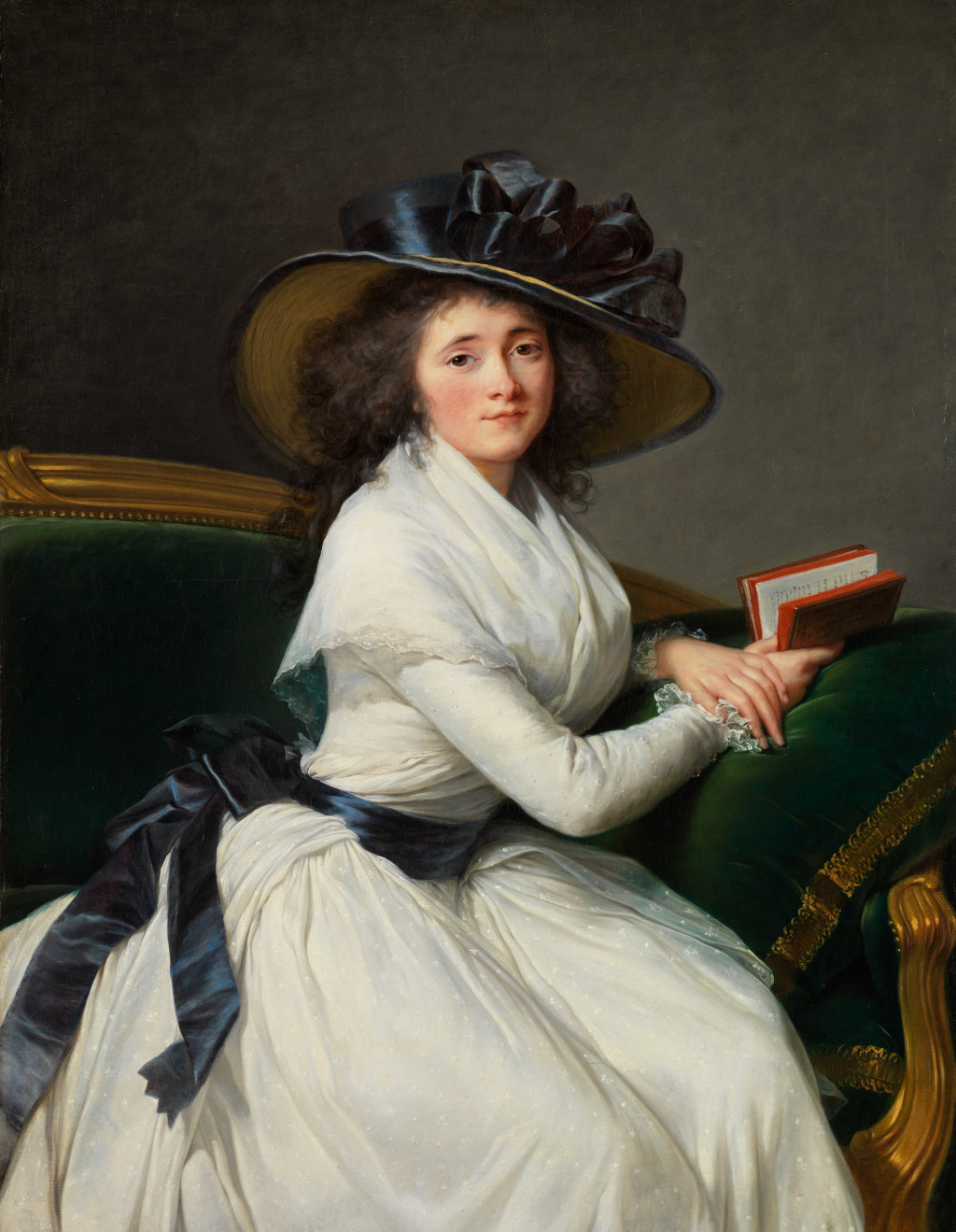
Élisabeth Vigée Le Brun's Comtesse de la Châtre, painted in 1789, is one of her most graceful aristocratic portraits. It shows Marie Charlotte Louise Perrette Aglaé Bontemps, comtesse de la Châtre, in a white muslin dress, seated outdoors with an ease that looks spontaneous but is carefully shaped by court fashion, portrait convention and revolutionary timing. [1]
The painting is now in The Metropolitan Museum of Art, where it is presented as a portrait deeply tied to the taste of Marie Antoinette's court and to the crisis that would soon send royalists, including the sitter and the artist, into exile. [1]
At a Glance
- Artist:Élisabeth Louise Vigée Le Brun [1]
- Title:Comtesse de la Châtre [1]
- Date:1789 [1]
- Medium:Oil on canvas [1]
- Dimensions:114.3 x 87.6 cm [1]
- Collection:The Metropolitan Museum of Art [1]
- Object no.:54.182 [1]
Contents
- At a Glance
- Why It Matters
- Museum Perspective
- Fashion and Court Taste
- Looking Carefully
- Revolutionary Context
- Comparison Works
- Timeline
Why It Matters
The portrait matters because it captures courtly elegance at the edge of historical rupture. Its freshness and informality belong to the taste of the late 1780s, yet the date, 1789, makes that elegance fragile. The Met notes that the comtesse, like Vigée Le Brun and many of the artist's sitters, was a royalist close to the crown who fled France during the Revolution. [1]
That makes the picture more than a beautiful costume portrait. It is a record of a social world just before dispersal.
The portrait is powerful because its ease is historical. Nothing in the sitter's expression announces crisis, yet the date and the Met's account of later exile change how the image feels. It shows court-connected aristocratic identity at the moment when that identity was about to become politically dangerous. [1]
Museum Perspective
The Met places the portrait in relation to court taste. It explains that emulating the court mattered in both fashion and choice of artist, and links the sitter's white muslin dress to the style popularized by Marie Antoinette. [1]
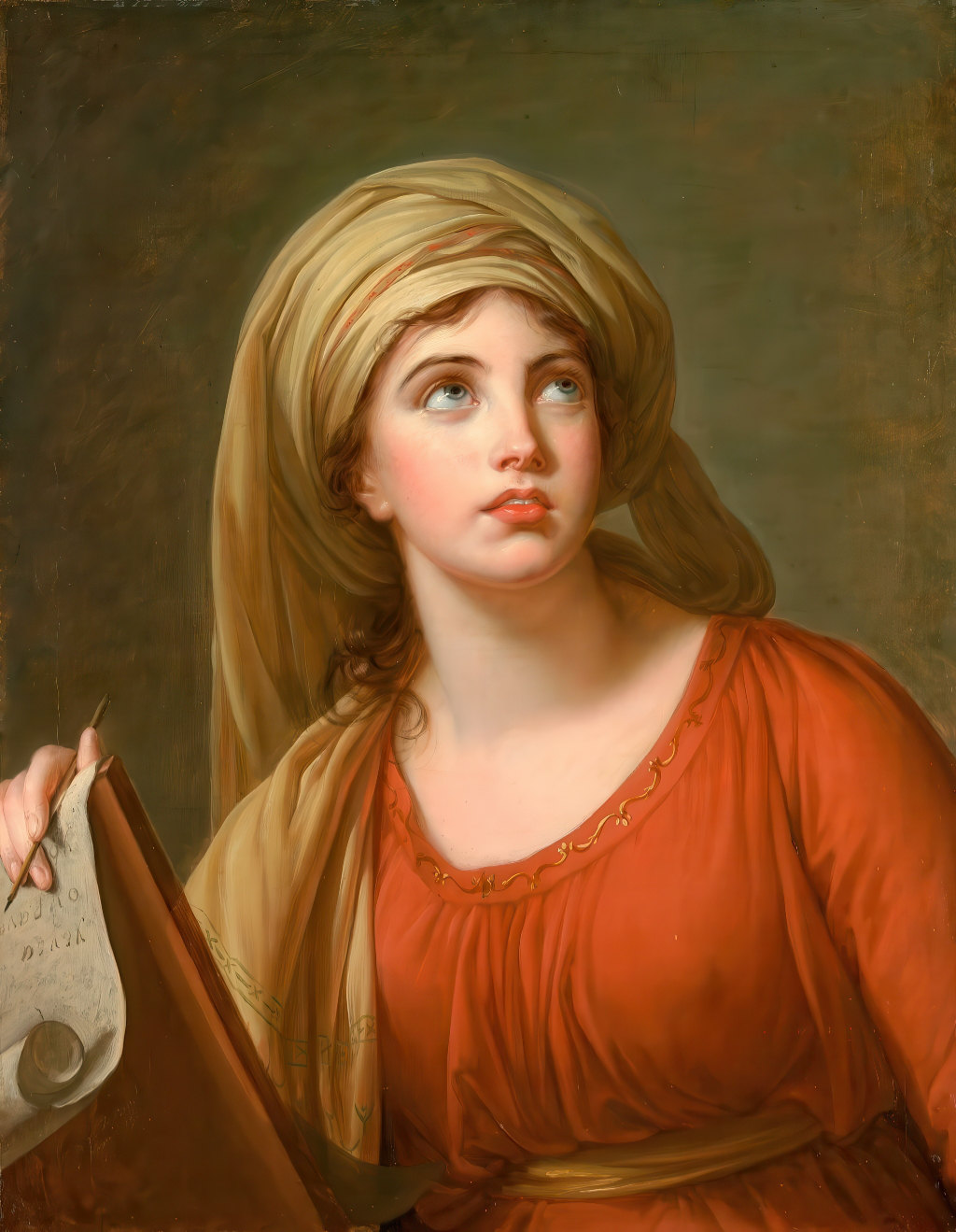
The museum also connects the pose to British portraiture, especially images of Emma Hamilton by George Romney. That comparison helps explain the portrait's mixture of refinement and informality: the sitter appears composed, but not rigid. [1]
Fashion and Court Taste
The white muslin dress is central. It softens aristocratic status by making the sitter appear natural, airy and modern. But it also signals court fashion, because the Met links this kind of dress to Marie Antoinette's influence. [1]
In this sense, fashion works like composition. The dress, hat, book and outdoor setting all help produce an image of aristocratic ease. Vigée Le Brun makes social position look relaxed without letting it disappear.
The balance is delicate. Too much formality would make the portrait feel old-fashioned; too much informality would risk dissolving the sitter's rank. Vigée Le Brun keeps both qualities in play. The comtesse appears modern and natural, but the refinement of the pose and costume still makes her social position legible.
Looking Carefully
The sitter's body is angled, her arm rests easily, and the book gives her a cultured attribute without turning the portrait into a study scene. The effect is a carefully balanced informality: she is available to the viewer, but still protected by rank, costume and composure.
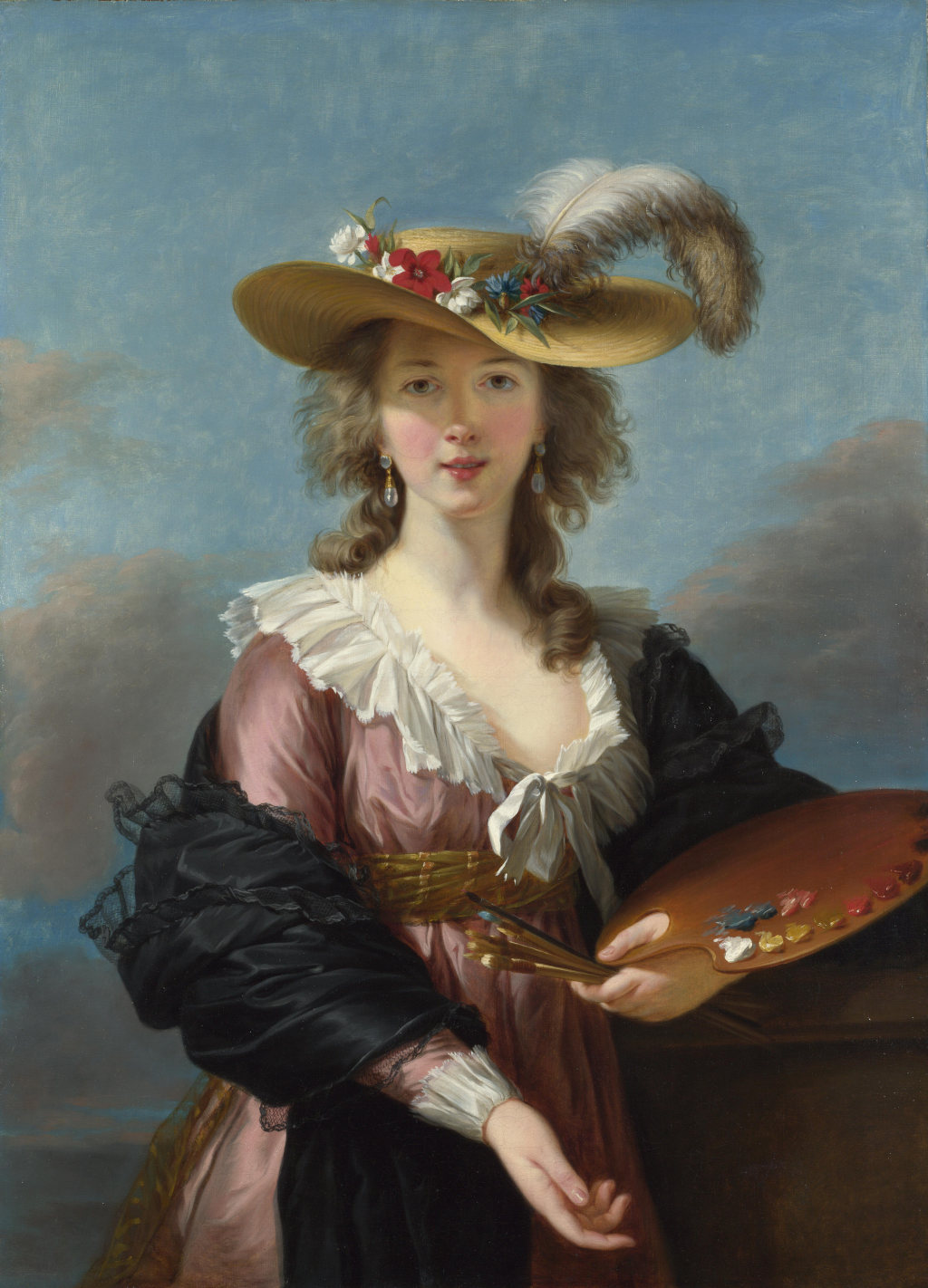
The surrounding openness matters too. Like Self Portrait in a Straw Hat, this portrait uses outdoor feeling to loosen the formality of portraiture. But here the looseness serves aristocratic identity rather than artistic self-presentation.
The book is another quiet detail. It suggests cultivation without turning the sitter into a scholar or moral emblem. Vigée Le Brun uses it as a social prop: enough to imply intelligence and leisure, not so much that it overwhelms the sitter's fashionable ease.
Revolutionary Context
The date 1789 makes the portrait impossible to read as merely decorative. It was painted in the year the French Revolution began. The Met's note that both artist and sitter fled France links the painting to the collapse of the social world it represents. [1]
That does not mean the painting predicts revolution. It does not. Its power is quieter: it shows the poise, taste and self-image of a court-connected aristocracy just before history overtook it.
This is what makes the work so useful in the cluster. It extends the story beyond Marie Antoinette herself. The same court taste that shaped royal portraiture also shaped the images of aristocratic women around the crown. In 1789, that visual world still looks graceful, but the political ground beneath it has begun to move.
Comparison Works
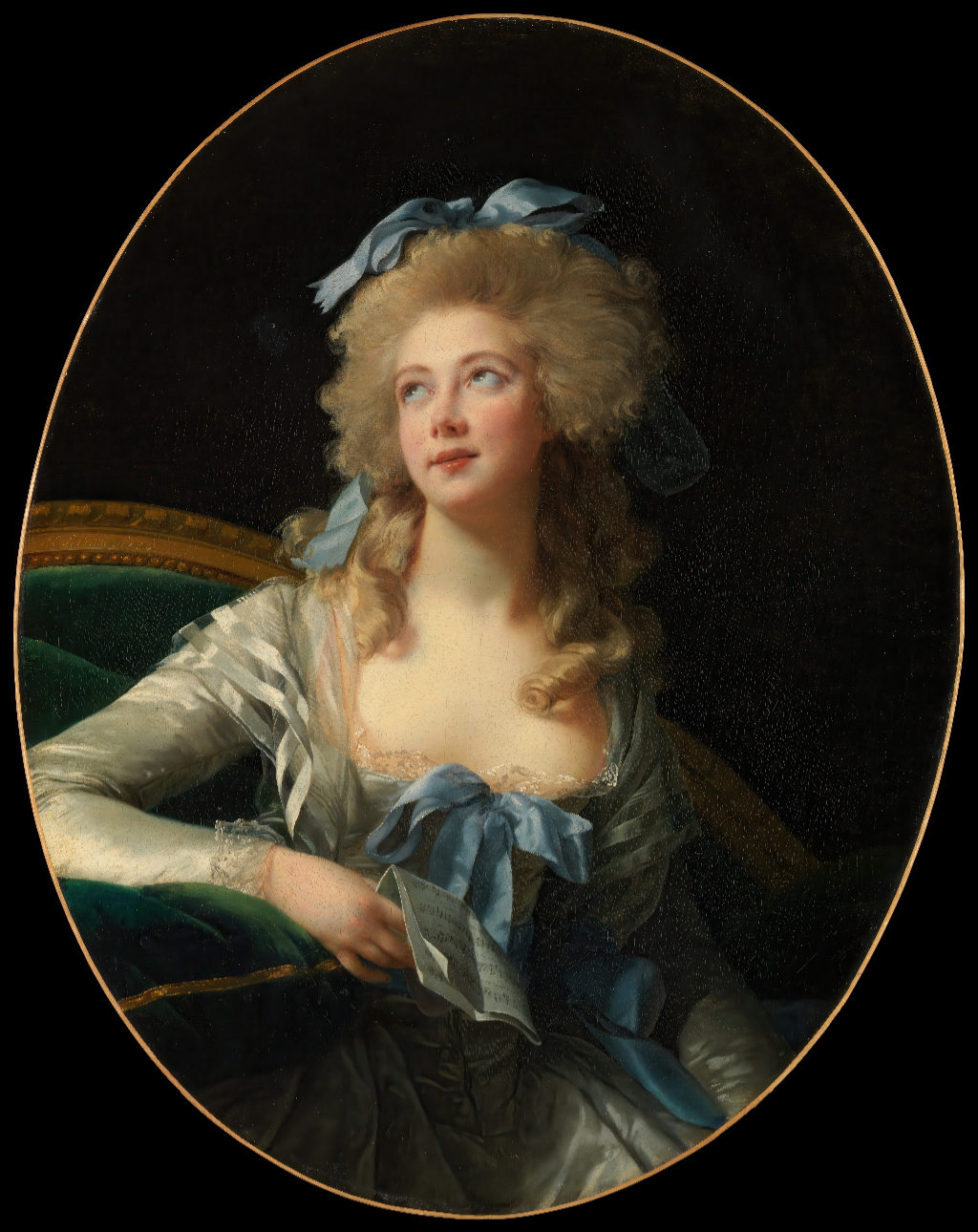
Compare this portrait with Madame Grand. Both are Met portraits by Vigée Le Brun, but they create different kinds of social presence. Madame Grand is musical and performative; Comtesse de la Châtre is pastoral, fashionable and politically haunted by its date. [2]
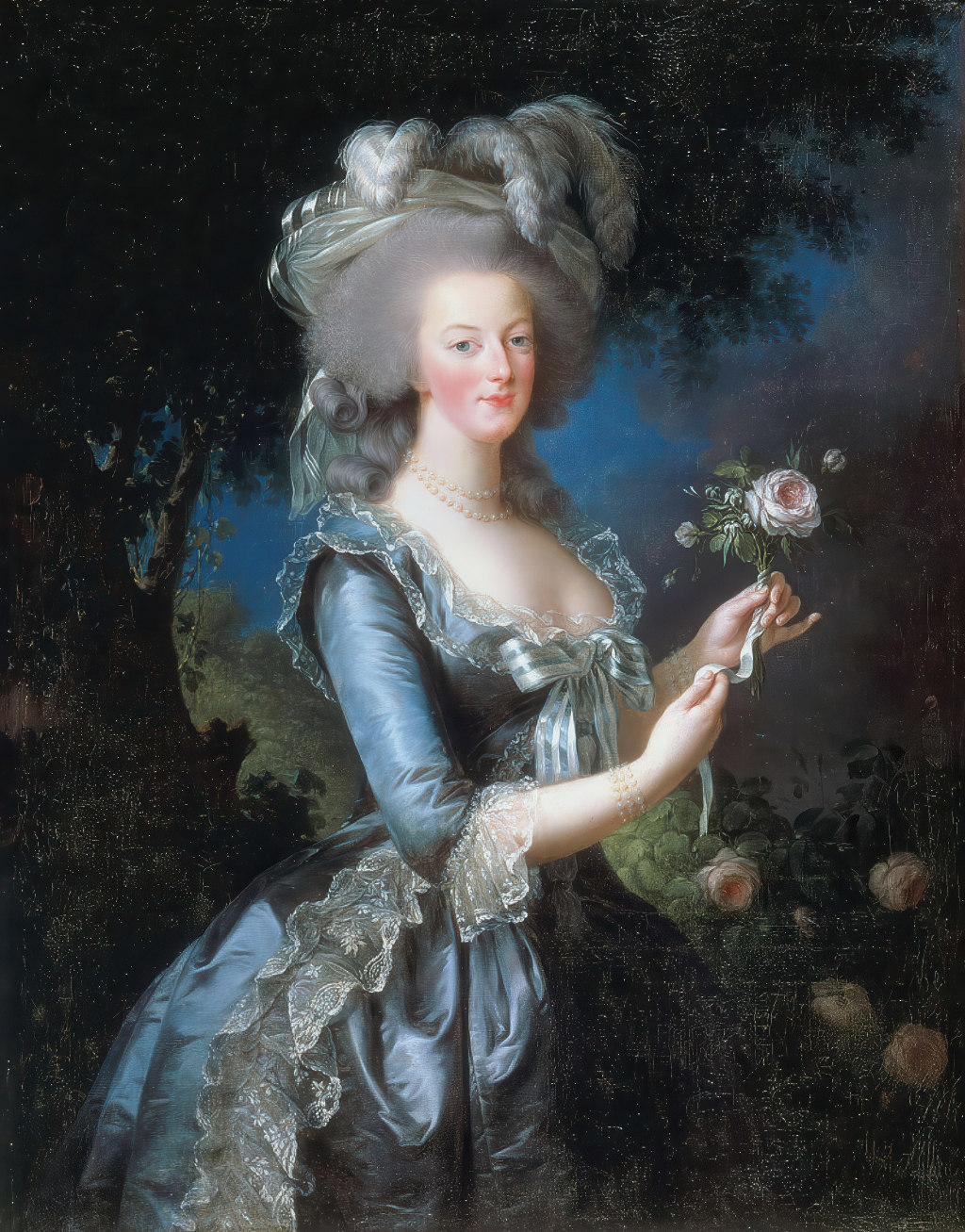
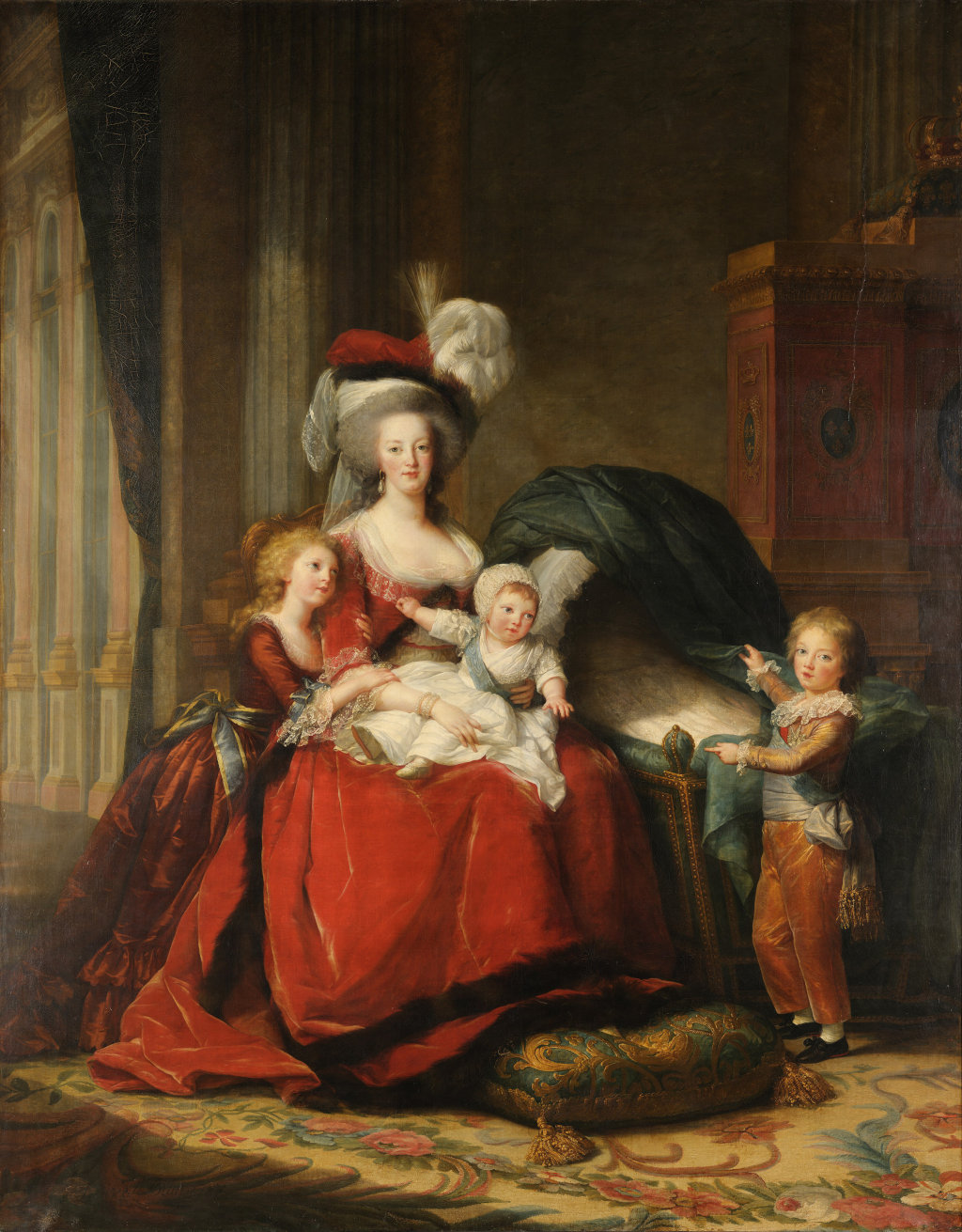
The portrait also belongs beside Vigée Le Brun's Marie Antoinette portraits, because court fashion and royal example are central to the way the sitter is presented. [1]
Timeline
- 1762: Marie Charlotte Louise Perrette Aglaé Bontemps is born. [1]
- 1789: Vigée Le Brun paints Comtesse de la Châtre. [1]
- 1789: The French Revolution begins, changing the world of court-connected sitters and artists. [1]
- 1954: The painting enters The Met as a gift of Jessie Woolworth Donahue. [1]
FAQs
It is in The Metropolitan Museum of Art, New York, with object number 54.182. [1]
The sitter is Marie Charlotte Louise Perrette Aglaé Bontemps, comtesse de la Châtre. [1]
The Met connects the dress to court taste and to the style popularized by Marie Antoinette, making costume central to the portrait's meaning. [1]
References
- The Metropolitan Museum of Art, Comtesse de la Châtre.
- The Metropolitan Museum of Art, Madame Grand.
Discussion
What stands out to you about Élisabeth Vigée Le Brun? Share an observation, question or interpretation with other readers.
Reader Insights
Which visual detail changes how you read the sitter, the artist or the page's central theme?
Which related Vigée Le Brun page helps you understand this work or topic more clearly?
Join the Conversation
Thoughtful comments and questions are welcome.