 by Tom Gurney
Tom Gurney BSc (Hons) is an art history expert with over 20 years experience
Published on July 7, 2026 / Updated on July 7, 2026
Email: tomgurney1@gmail.com / Phone: +44 7429 011000
Women Artists in 18th-Century France
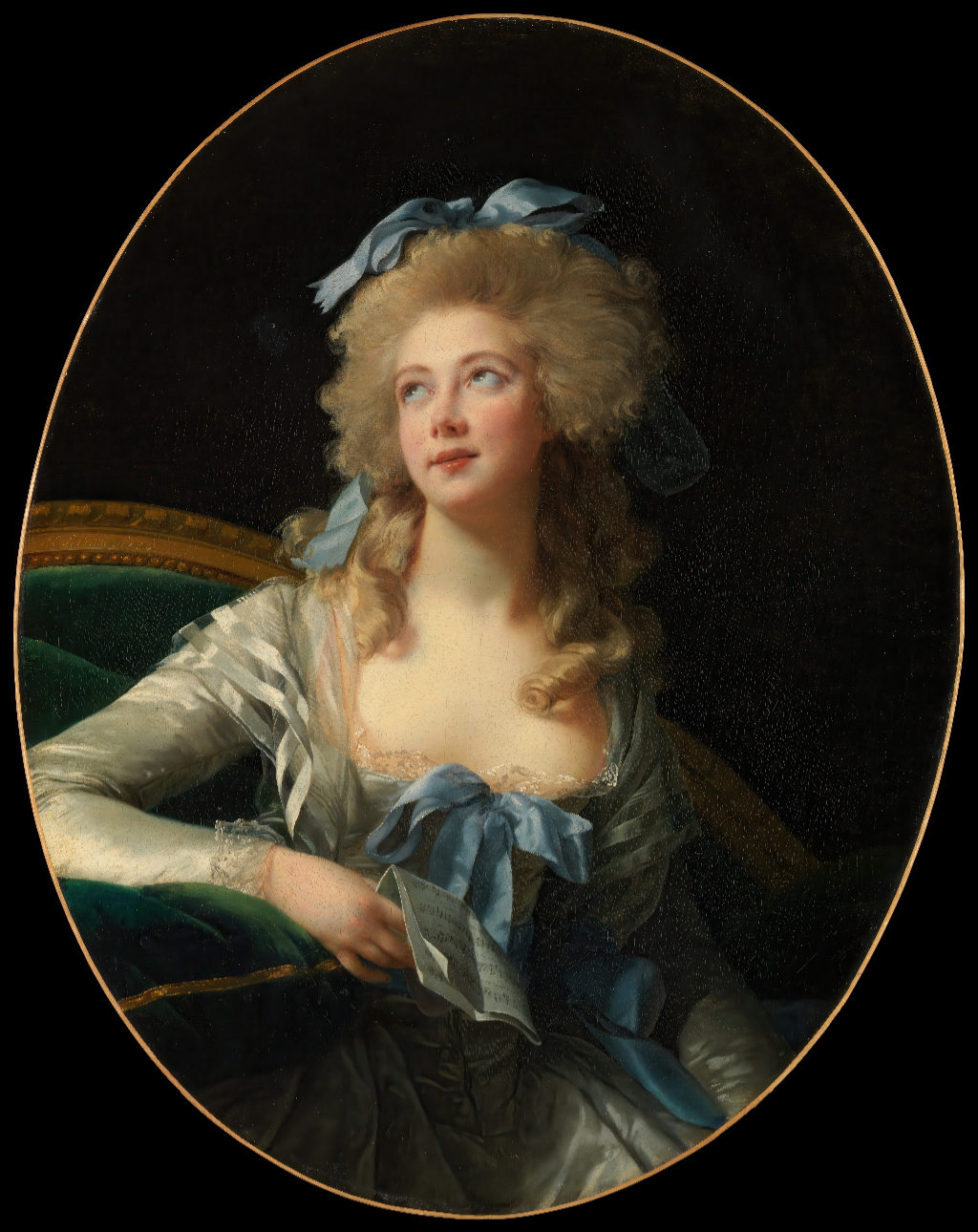
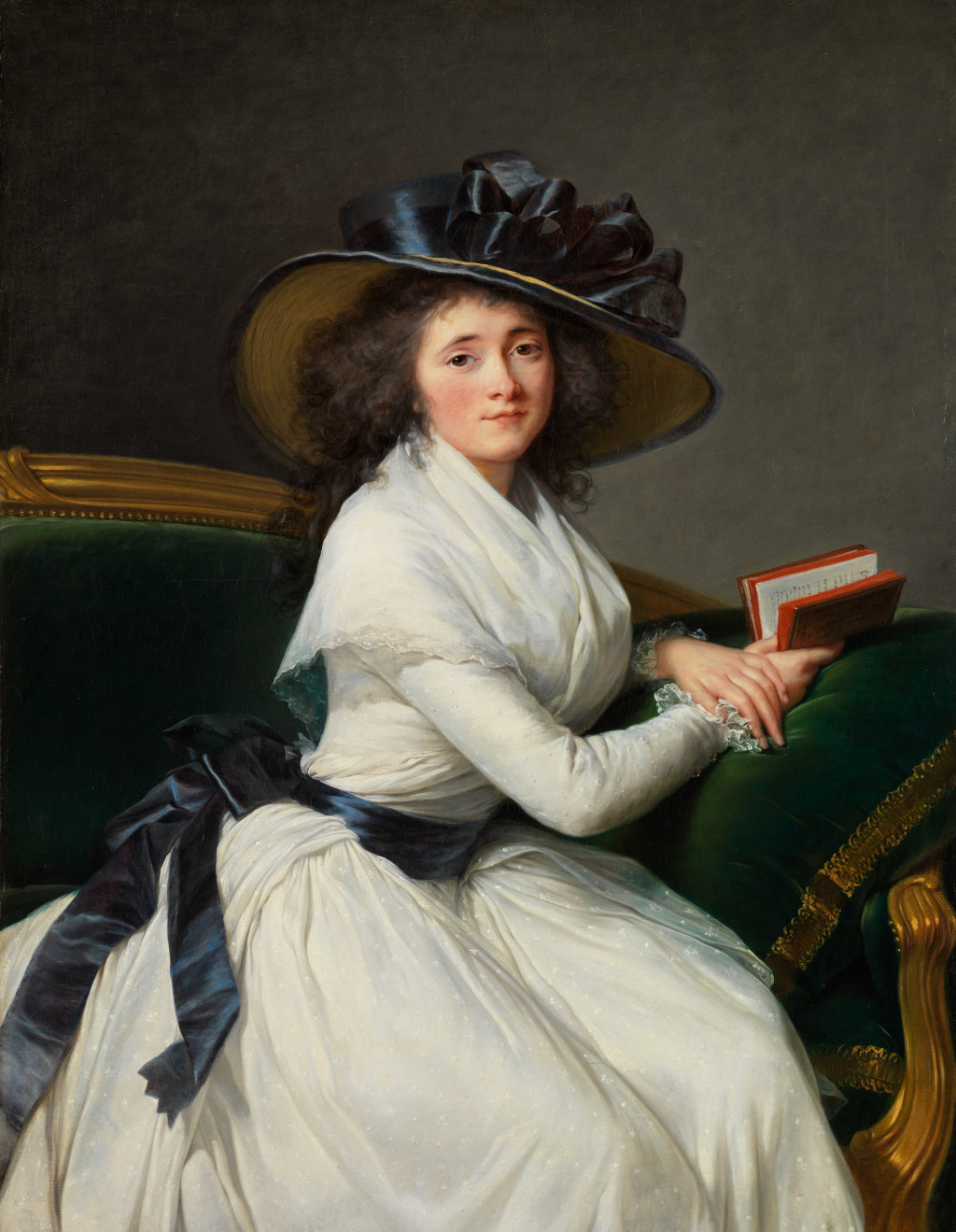
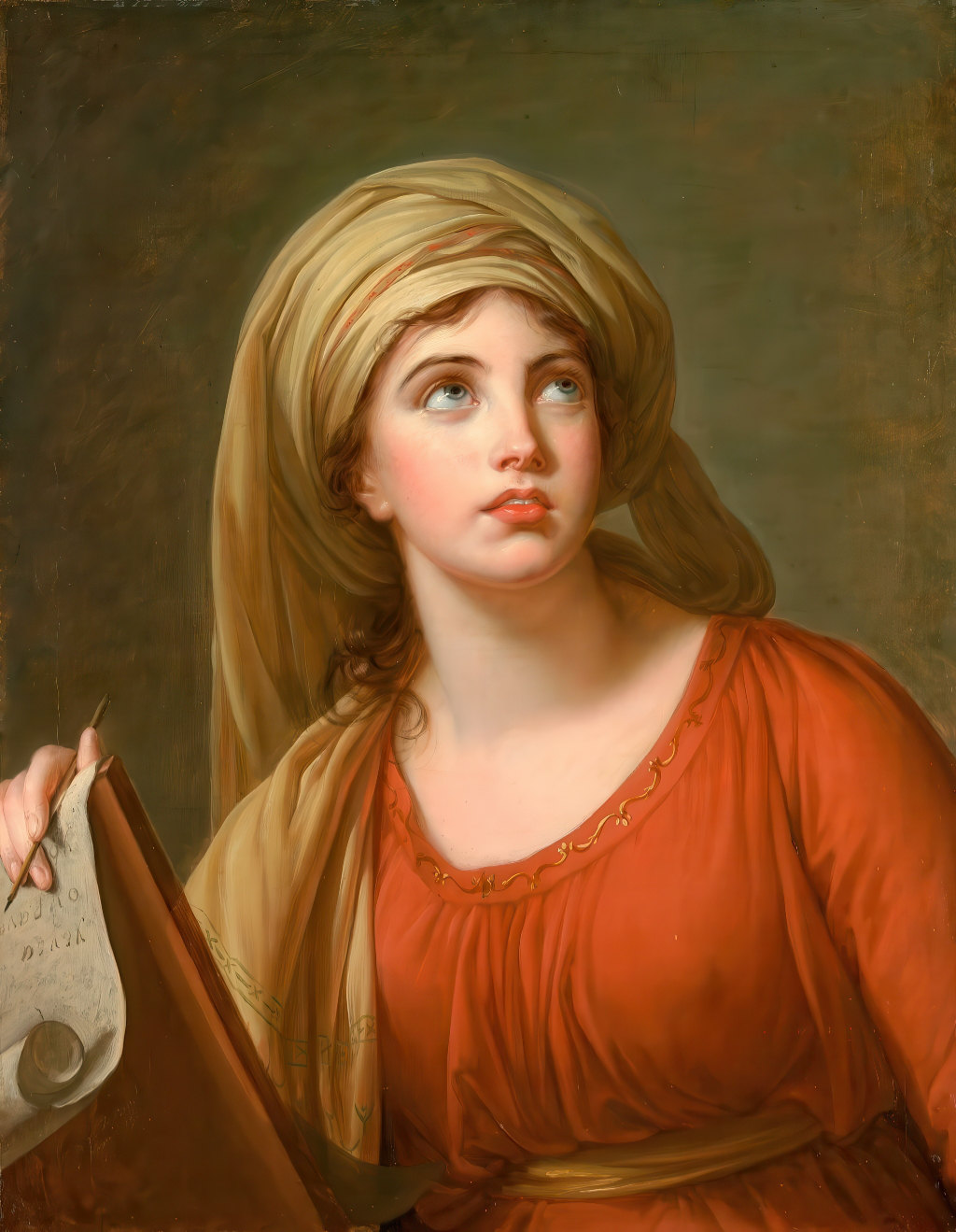
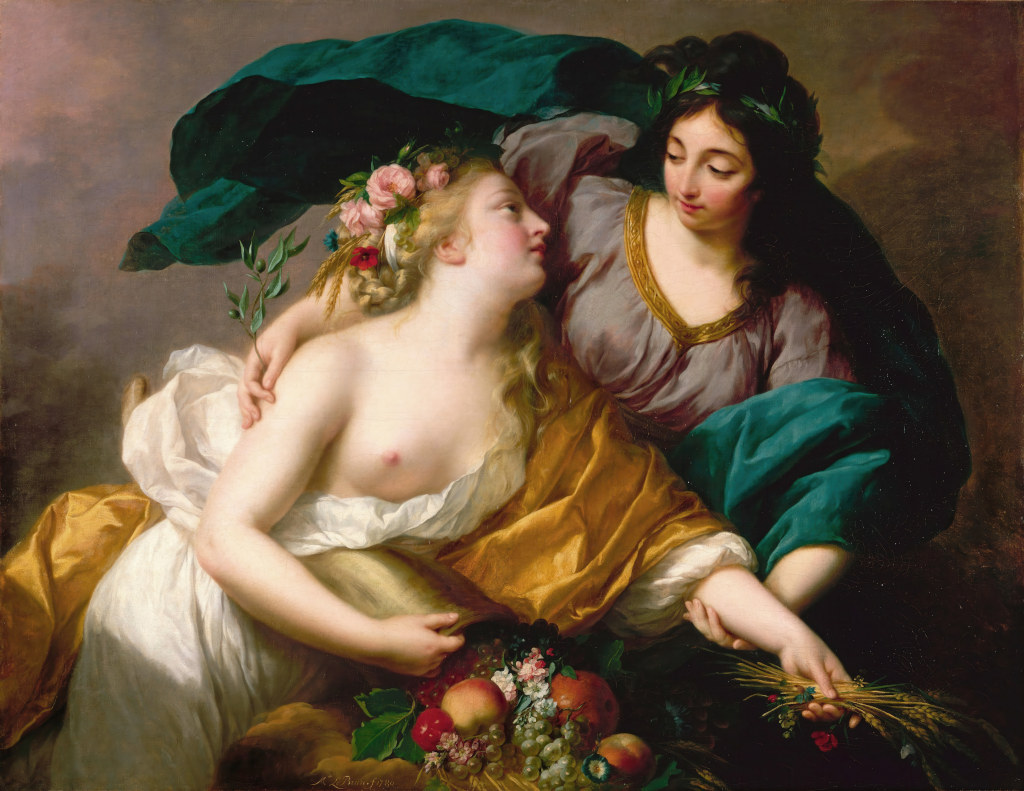
Élisabeth Vigée Le Brun was not an isolated exception. She belongs to a wider moment in late eighteenth-century France when women painters such as Adélaïde Labille-Guiard, Anne Vallayer-Coster and others achieved public success, exhibited ambitious work and entered debates about talent, gender and artistic authority. [1]
This page supports the Vigée Le Brun cluster by explaining the professional world around her, especially the tension between opportunity and restriction.
The difference between visibility and equality is crucial. Women could become famous, sell work, win patrons and appear at the Salon, but the rules around artistic education and institutional membership still shaped what kind of ambition was easy to pursue. Portraiture, still life and scenes of sociability offered routes to success; large-scale history painting remained harder to enter because training from the nude model was restricted. [1]
A useful way to read this period is to separate access from authority. Some women gained access to patrons, exhibitions and even the Académie, but authority remained unstable. Their work could be admired while their ambition was treated as socially suspicious. This is why public success could produce vulnerability as well as fame.
This is why the topic deserves its own page inside the Vigée Le Brun cluster. Without this context, her career can seem like a simple exception: a talented woman who rose because she was unusually gifted. The evidence points to something richer. She was unusually gifted, but she also belonged to a visible generation of women artists working around court patronage, Salon criticism, academy politics and changing ideas of femininity. [1]
At a Glance
- Period:Late eighteenth-century France
- Key artist:Élisabeth Vigée Le Brun
- Comparison artist:Adélaïde Labille-Guiard [1]
- Core issue:Visibility within institutional limits
Contents
- At a Glance
- Why It Matters
- The Académie and Its Limits
- Public Success
- Criticism and Gender
- Vigée Le Brun's Place
- Looking at the Art
- Comparison Artists
Why It Matters
The subject matters because Vigée Le Brun's career can otherwise look like pure individual triumph, especially when read beside other women artists such as Angelica Kauffman and the earlier Baroque painter Artemisia Gentileschi. It was certainly exceptional, but it was shaped by institutions, patrons, exhibitions and public criticism. The Met's essay places her among women painters who gained real visibility in France around 1780-1810. [1]
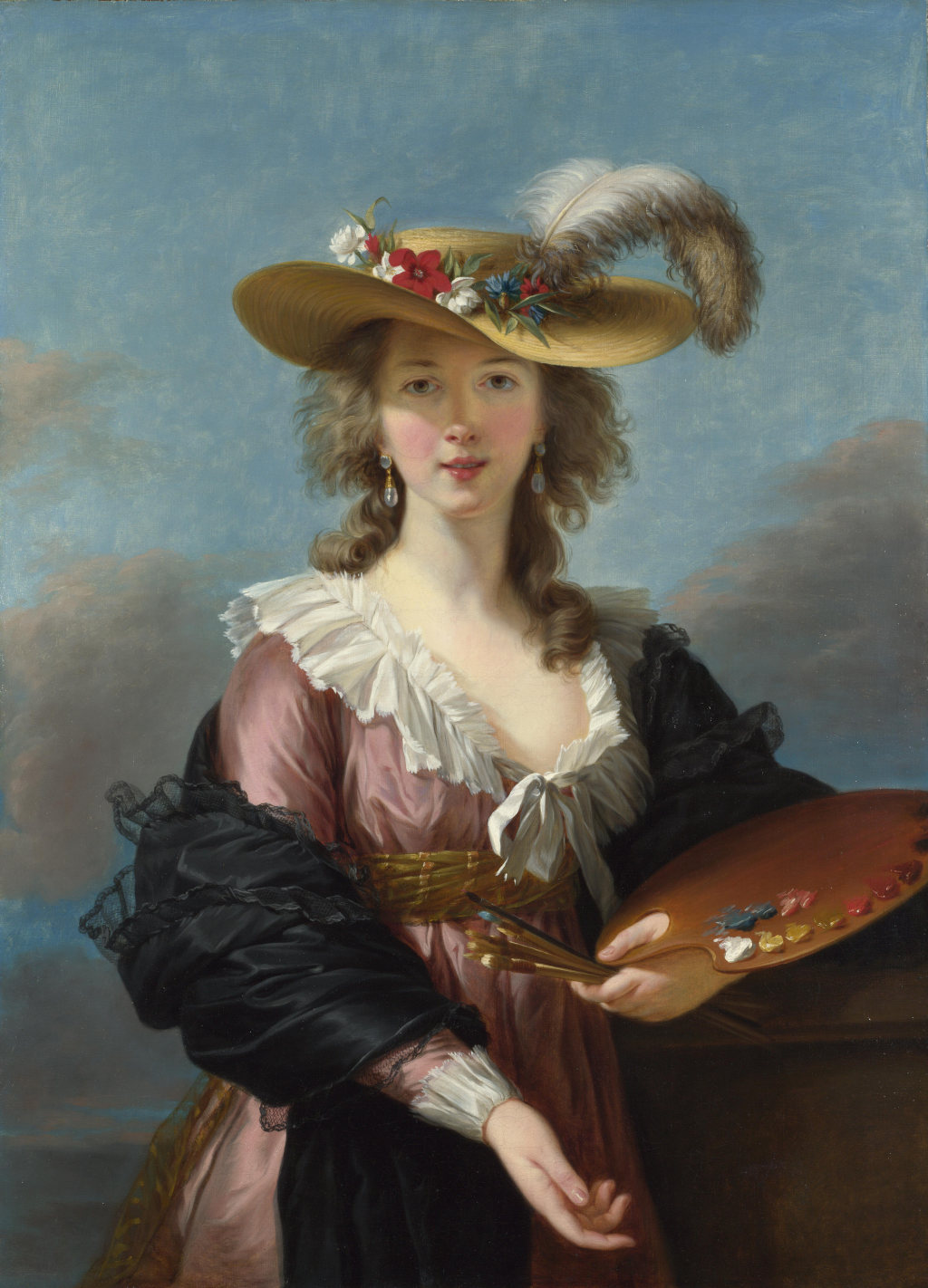
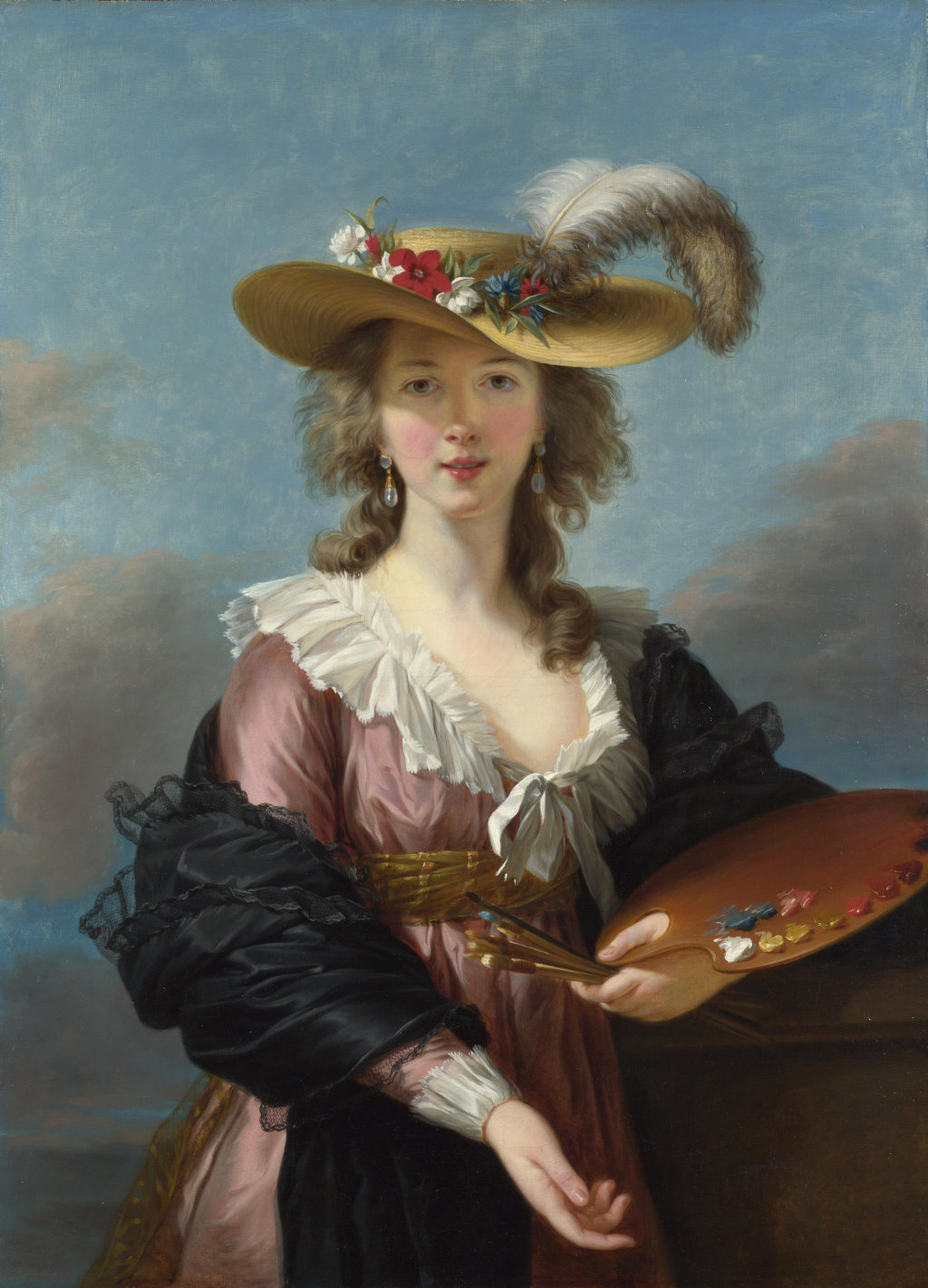
This context helps readers understand why a self-portrait with palette and brushes mattered, why admission to the Académie mattered, and why criticism of women artists could become so personal.
It also changes how readers should value portraiture. Because history painting was so tied to academic training and access to the nude model, portraiture became a practical field in which women could display intelligence, ambition and technical skill. That does not make portraiture a lesser category. For artists such as Vigée Le Brun and Labille-Guiard, it became a sophisticated arena for public identity, patronage and artistic authority.
The Académie and Its Limits
The French Académie royale gave artists status, exhibition access and institutional legitimacy. Vigée Le Brun and Labille-Guiard were admitted on 31 May 1783, but the Met emphasizes that women artists still faced structural limits within the institution. [1]
This is the central tension. Women could be recognized, praised and exhibited, but their presence was still treated as exceptional and controlled.
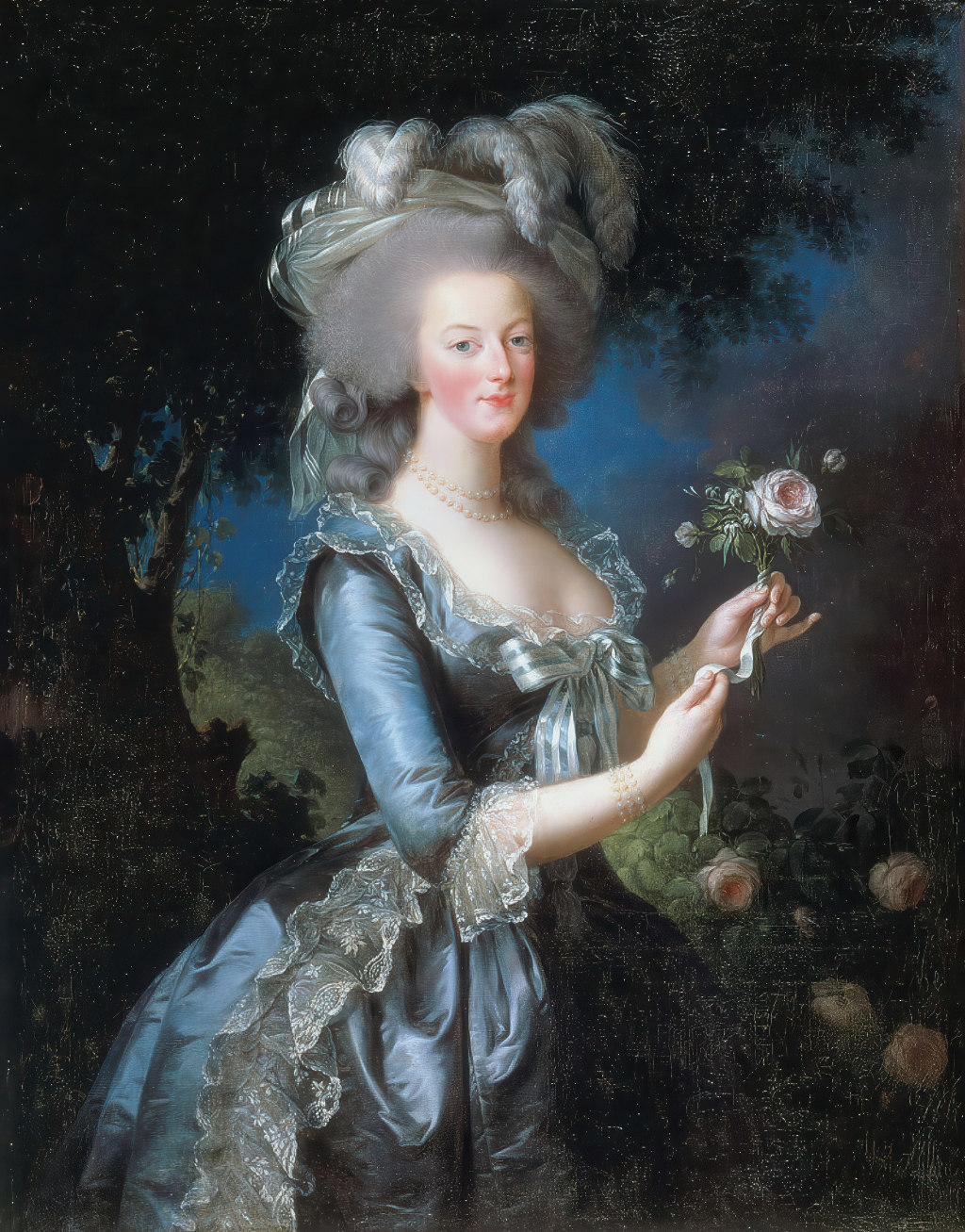
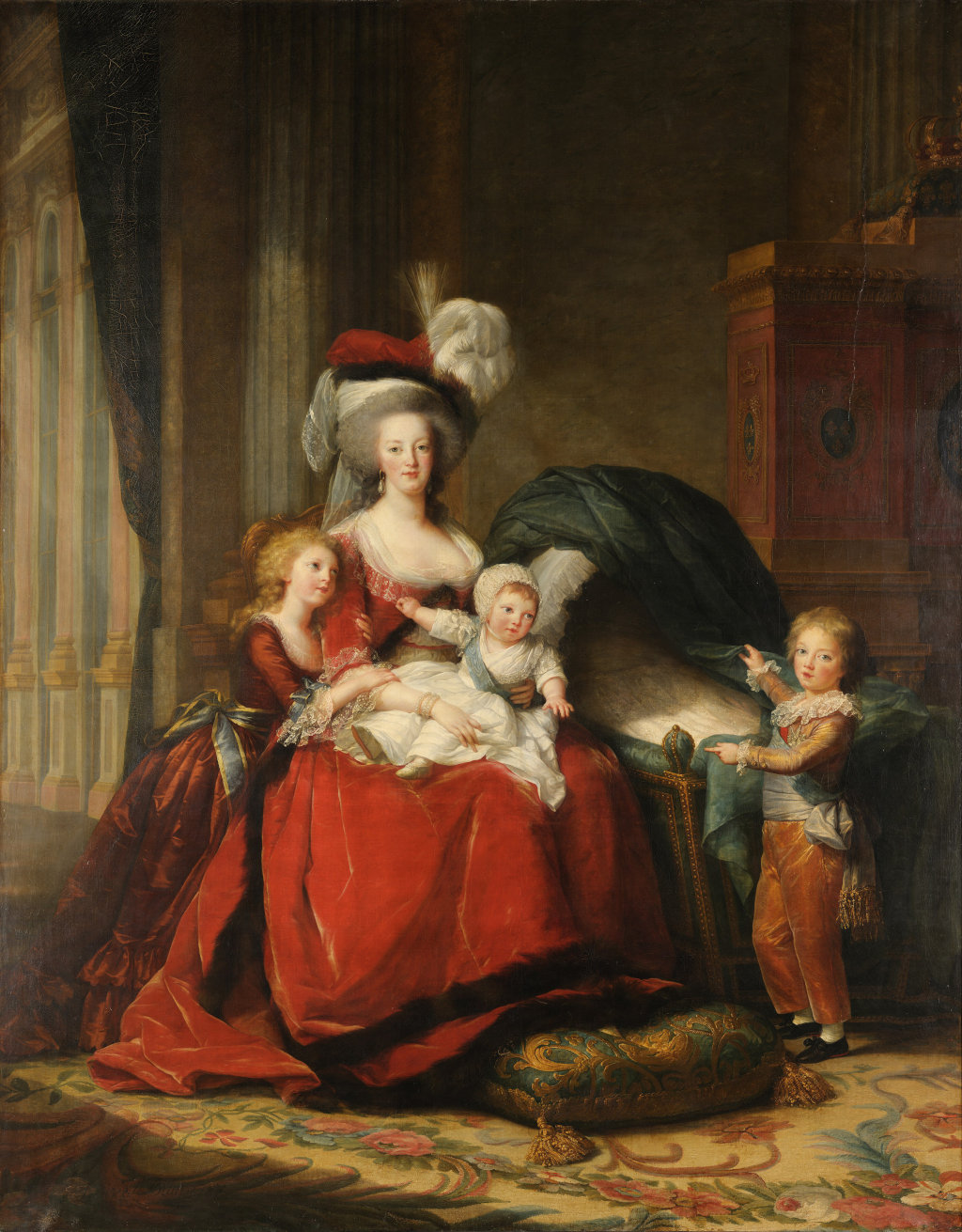
The timing is important. Their admission happened in the same year that Vigée Le Brun's Marie Antoinette portraits became central to Salon debate. For a woman artist, institutional success did not remove scrutiny; it intensified it. Public achievement made her work visible, but it also made her body, reputation, patrons and supposed femininity part of critical discussion.
This helps explain why self-portraiture was so charged. A male artist showing himself with tools could be read as claiming professional identity. A woman artist doing the same thing had to negotiate an extra layer of expectation: modesty, femininity, respectability and ambition all met in the same image. Vigée Le Brun's self-portraits are powerful because they make that negotiation look effortless.
Public Success
The period was not simply one of exclusion. Women artists could build major reputations. Vigée Le Brun's portrait practice, royal patronage and Salon visibility made her one of the best-known painters in France before the Revolution. [1]
Labille-Guiard also became a major figure, and comparison between the two artists helps reveal how critics framed women's art through style, morality, rivalry and gendered expectation.
Anne Vallayer-Coster is important for a different reason. Her career reminds readers that women artists were not confined to a single personality type or subject. Still life, flowers, portraiture and self-presentation all offered different routes through the same institutional landscape. The point is not to make all these artists interchangeable, but to show that Vigée Le Brun's success emerged from a broader field of female professional activity. [1]
Criticism and Gender
The Met notes that response to women artists could be shaped by assumptions about femininity, propriety and competition. Such criticism often tells us as much about social anxiety as about painting. [1]
For readers, this means that paintings by Vigée Le Brun should not be reduced to charm or prettiness. Their surfaces may be graceful, but the professional conditions behind them were complicated.
The rivalry narrative is useful only if handled carefully. It can help readers see how women artists were categorized, but it can also trap them inside the categories that limited them. Vigée Le Brun and Labille-Guiard were both ambitious professionals working under different patronage networks, with different visual languages and different political risks. Reducing one to charm and the other to severity makes the art easier to summarize but less accurate.
This matters for SEO and for readers because the easy version of the story is too thin: one woman was charming, the other serious. A better version asks what each artist needed style to do. Vigée Le Brun's elegance helped her succeed with royal and aristocratic sitters. Labille-Guiard's public self-presentation made different claims about authority, teaching and professional seriousness. Both artists used portraiture to answer a culture that was uncertain how to describe women's ambition.
Vigée Le Brun's Place
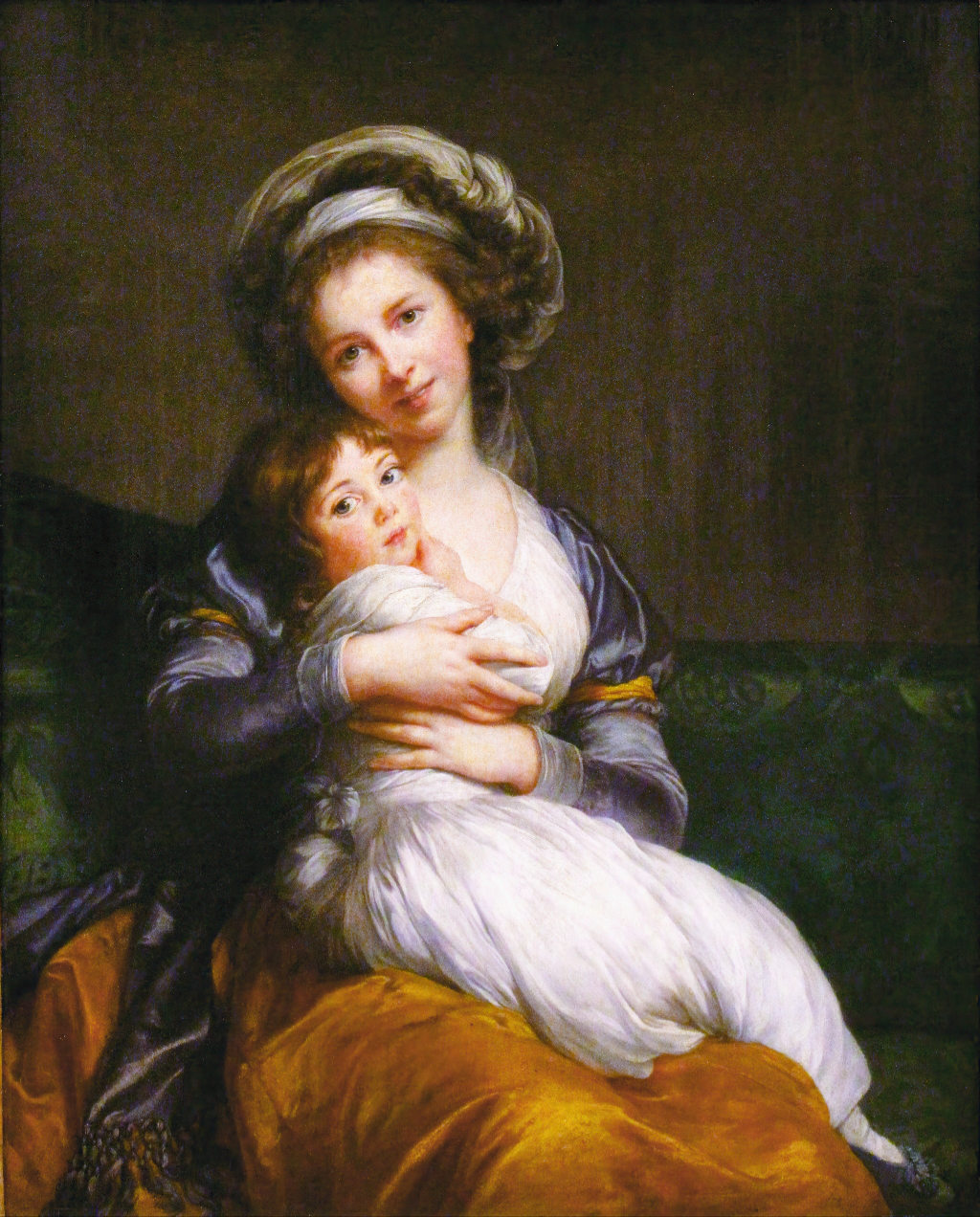
Vigée Le Brun's place in this history is unusually visible because she painted herself, painted the queen and wrote memoirs. Her art gives readers several entrances into the same issue: self-presentation, patronage, motherhood, fashion, royal image and survival through exile. [2]
Her achievement also changes how we should think about portraiture. Portraiture was sometimes treated as less intellectually ambitious than history painting, but for women artists it could become a field of remarkable sophistication. Vigée Le Brun used portraiture to negotiate class, gender, celebrity, maternity, court politics and artistic identity. That is not a narrow subject; it is one of the central visual languages of eighteenth-century public life.
For that reason, the page belongs in the cluster rather than sitting as background history. It explains why Self Portrait in a Straw Hat is not just a pretty image, why the Académie mattered, and why comparison with Labille-Guiard clarifies the pressures placed on style. Vigée Le Brun's art becomes more interesting when seen as part of a network of women negotiating the same structures in different ways.
Looking at the Art
When reading art by women in this period, look for claims to authority that might be easy to miss. A palette and brushes can be a professional declaration. A child can be a tender subject and a public statement about maternal virtue. A sitter's dress can show fashion, but also the artist's ability to control social codes. These choices are not secondary to the paintings; they are often where the argument of the image takes place.
The same applies to what is absent. The institutional limits around life drawing and history painting help explain why some artists developed authority through portraiture, still life and carefully staged self-images. Those genres offered space for ambition within the rules available to them. Vigée Le Brun's achievement becomes more impressive when the reader sees both the opportunity and the constraint.
Comparison Artists
The most useful comparison is Adélaïde Labille-Guiard, admitted to the Académie on the same day as Vigée Le Brun. Anne Vallayer-Coster also matters as an earlier woman academician whose still lifes and flower paintings complicate any simple story of women's art as only portraiture. [1]
FAQs
No. She was exceptional, but she worked in a broader context that included Adélaïde Labille-Guiard, Anne Vallayer-Coster and other women artists. [1]
It gave status and institutional legitimacy, though women artists still faced limits and scrutiny. [1]
It explains the professional and gendered context behind her portraits, self-portraits and public reputation.
References
- The Metropolitan Museum of Art, Eighteenth-Century Women Painters in France.
- National Gallery, London, Self Portrait in a Straw Hat.
Discussion
What stands out to you about Élisabeth Vigée Le Brun? Share an observation, question or interpretation with other readers.
Reader Insights
Which visual detail changes how you read the sitter, the artist or the page's central theme?
Which related Vigée Le Brun page helps you understand this work or topic more clearly?
Join the Conversation
Thoughtful comments and questions are welcome.