 by Tom Gurney
Tom Gurney BSc (Hons) is an art history expert with over 20 years experience
Published on July 7, 2026 / Updated on July 7, 2026
Email: tomgurney1@gmail.com / Phone: +44 7429 011000
Élisabeth Vigée Le Brun Biography: A Portraitist in an Age of Revolution
Élisabeth Louise Vigée Le Brun became one of the most successful portrait painters in late eighteenth-century Europe. Born in Paris in 1755, trained first through family circumstance and then through determined self-education, she built a career that passed through the Paris Salon, the court of Marie Antoinette, revolutionary exile and the aristocratic circles of Italy, Austria, Russia and England. [1]
Her biography matters because it is not only a life story. It explains the social world behind her portraits: court fashion, women artists in the Académie, royal patronage, the collapse of the old regime and the reinvention of a career across European courts.
The value of a longer biography is that it slows the story down. Vigée Le Brun is often summarized in a few dramatic facts: she painted Marie Antoinette, fled the Revolution and wrote memoirs. Those facts are true, but they can flatten the career. The more revealing story is how a largely self-trained woman painter built professional authority in a culture that needed portraiture, distrusted female ambition and then violently remade the social world that had supported her.
This biography therefore follows two tracks at once. One is chronological: childhood, training, court success, institutional recognition, exile and return. The other is interpretive: how Vigée Le Brun used portraiture to manage visibility, reputation and identity. That second track is what connects the life to the paintings. Her biography is not separate from the art; it is one of the keys to understanding why the portraits look the way they do.
At a Glance
- Full name:Élisabeth Louise Vigée Le Brun [1]
- Born:1755, Paris [1]
- Died:1842, Paris [2]
- Nationality:French [2]
- Known for:Portraiture, royal portraiture, self-portraits
- Key patron:Marie Antoinette [1]
Contents
- At a Glance
- Early Life
- Training and Early Reputation
- Court Success
- The Académie
- Revolution and Exile
- International Career
- Return and Legacy
- Major Works
- Comparison Works
Early Life
Vigée Le Brun was the daughter of Louis Vigée, a portrait painter. The National Gallery notes that his death in 1767 left her without a formal teacher, which meant that much of her early artistic formation came through self-directed study. [1]
Her own memoirs present that artistic vocation as unusually early. In the 1903 English translation, she remembers drawing on copybooks, school walls and the ground as a child, and recalls her father responding to one early picture with the prediction, "You will be a painter." [3] The anecdote should be read carefully, because memoirs turn a life into a story after the fact, but it is still valuable evidence for how Vigée Le Brun wanted later readers to understand her beginning: not as a social accident, but as a lifelong appetite for painting.
The death of Louis Vigée mattered artistically as well as emotionally. It deprived her of a father and of the most obvious professional instructor available to her, but it also forced a kind of independence. She learned from looking, copying, studio contact, advice from older artists and the practical demands of portrait commissions. That combination helps explain the unusual confidence of her later career. She was not trained through the same institutional route as male history painters, yet she developed a public style strong enough to operate in exactly the circles from which women were often excluded.
Training and Early Reputation
This self-education is important. It did not keep her outside the professional art world. By the 1770s and early 1780s she had become a sought-after portraitist, helped in part by the contacts and commissions connected with her husband, the art dealer Jean-Baptiste-Pierre Le Brun. [1]
Marriage into the Le Brun household gave her access to collectors, pictures and clients, but it did not make her career easy or passive. The National Gallery points out that Jean-Baptiste-Pierre Le Brun played a significant role in her early career, while also noting that the marriage was later formally dissolved. [1] Her biography therefore has to hold two facts together: her husband's art-market connections were useful, but the painter's reputation was built through her own speed, tact, likeness-making and ability to convert elite sociability into finished portraits.
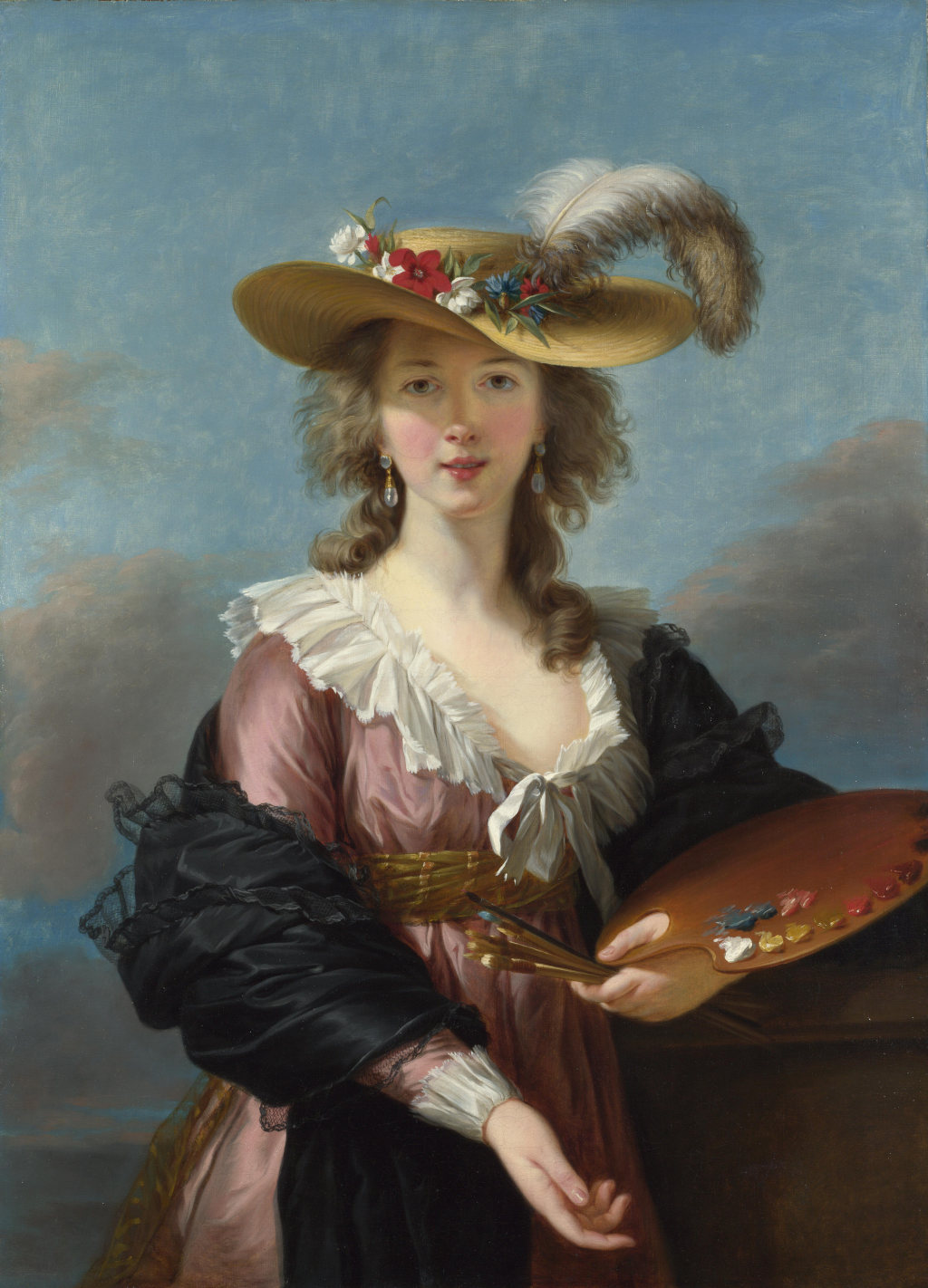
One key to her growth was the old-master education she built for herself. The National Gallery connects Self Portrait in a Straw Hat with Rubens's Portrait of Susanna Lunden, which Vigée Le Brun saw during travel in the Low Countries. [1] That encounter was not a decorative footnote. It shows a young artist using study, quotation and imitation to raise the ambition of portraiture: a fashionable self-image could also be an argument about artistic lineage.
Her early reputation also depended on speed and social understanding. Portraiture is an intimate commercial art: the sitter has to recognize the likeness, the family has to accept it, and the wider public has to understand the rank, taste or feeling being projected. Vigée Le Brun's gift was not just that she could paint attractive faces. She could make social identity appear effortless, which is why her portraits often feel relaxed even when they are highly calculated.
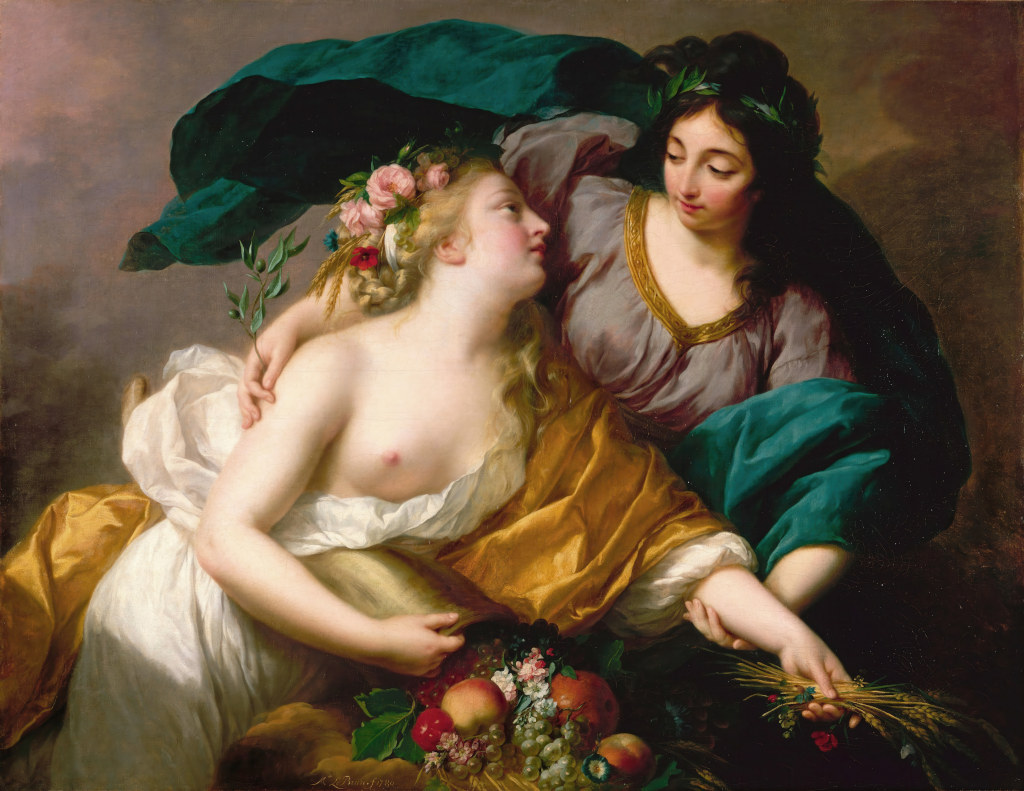
That skill gave her a route around some of the barriers that limited women artists. History painting remained the most prestigious academic category, but portraiture gave Vigée Le Brun access to patrons, collections, court circles and public display. Her later reception piece, Peace Bringing Back Abundance, shows that she understood the prestige of allegory, yet her enduring authority was built through portraits that made social performance look natural.
Court Success
The decisive patron in Vigée Le Brun's career was Marie Antoinette. The National Gallery records that she became the queen's preferred painter and painted more than thirty portraits of Marie Antoinette and her family. [1]
That relationship was artistically productive and politically dangerous. It gave Vigée Le Brun access to the highest level of court patronage, but it also tied her public identity to a queen whose reputation became increasingly fragile. The painter's problem was not merely to make Marie Antoinette look attractive. It was to find visual languages through which a controversial queen could appear regal, modern, maternal, approachable or morally legible, depending on the commission.
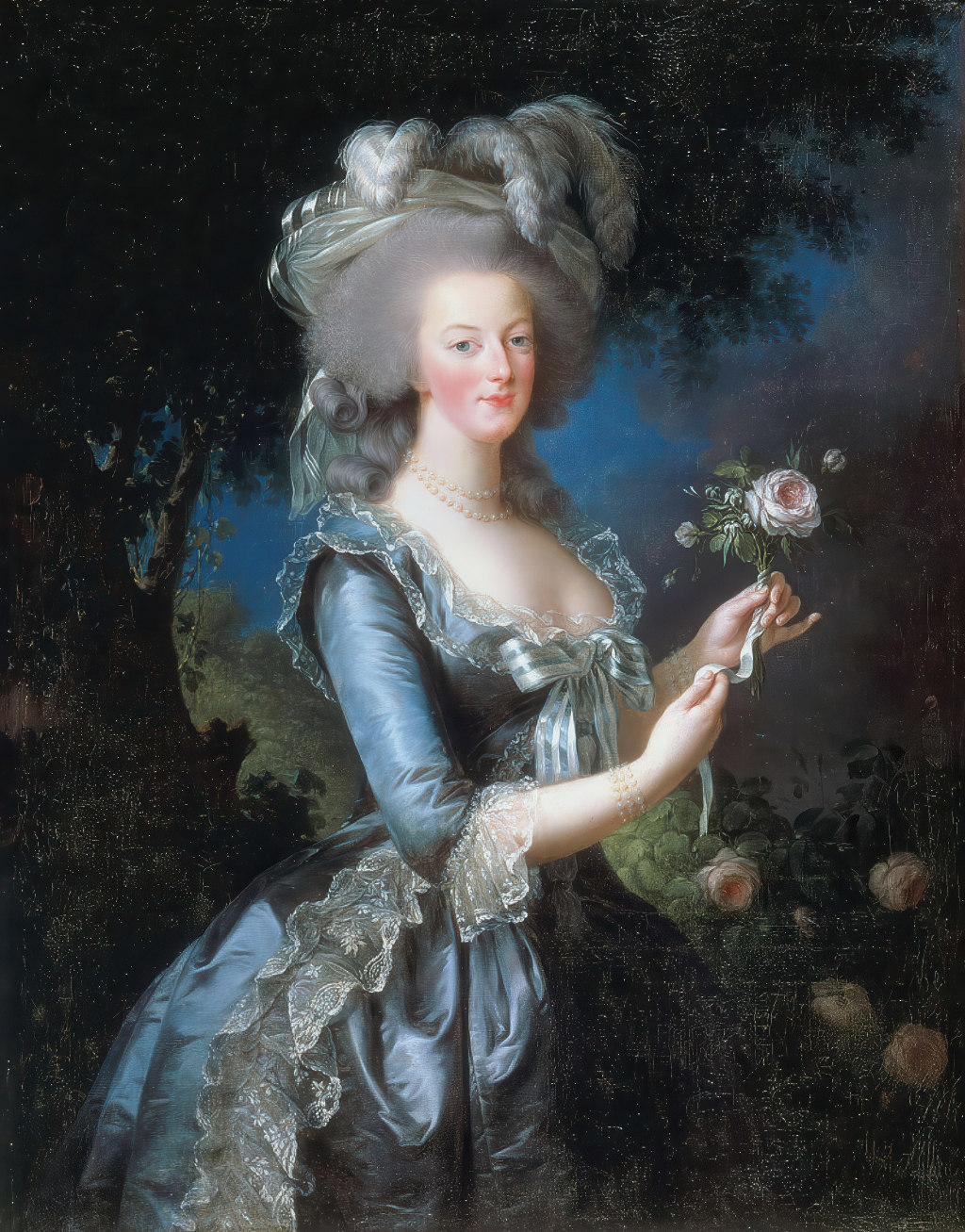
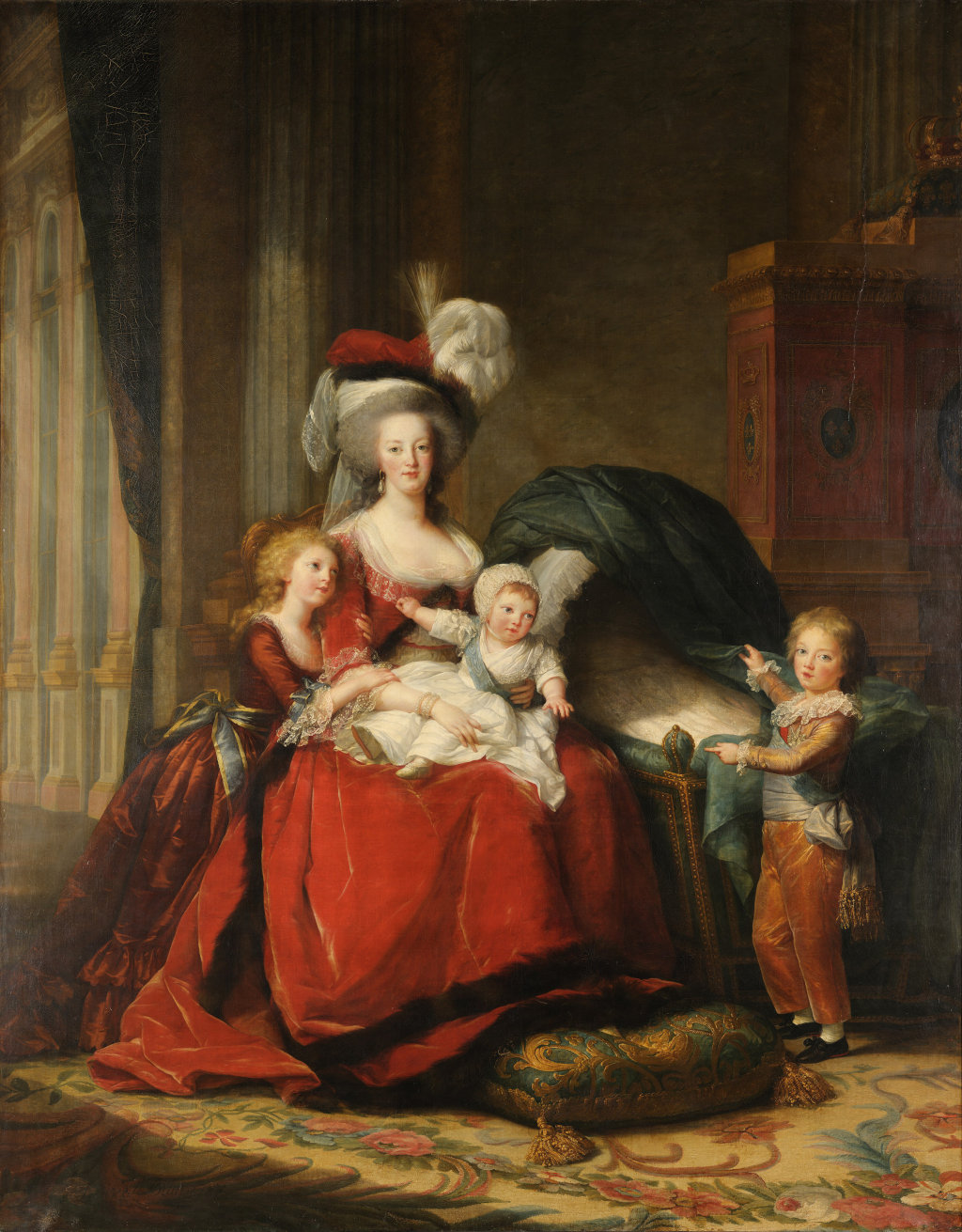
Those portraits were not just records of appearance. They were attempts to shape royal image. In Marie Antoinette with a Rose, court dignity is repaired after the controversy around the queen's informal chemise portrait. In Marie Antoinette and Her Children, the image turns toward motherhood, dynastic continuity and public reassurance. Histoire par l'image treats the queen's portraiture as part of a struggle over public hostility, making these works central to the politics of royal visibility rather than simply to court taste. [4]
For Vigée Le Brun, the queen was therefore both patron and problem. Marie Antoinette gave her access to the centre of power, but the painter had to work in an atmosphere where every sign could become controversial. A dress, a flower, a child or a degree of informality could shift the public meaning of the image. The biography of the artist and the biography of the queen become entangled here: the portraits made Vigée Le Brun famous, but they also tied her public identity to a monarchy whose image could no longer be controlled.
The Académie
Vigée Le Brun's admission to the Académie royale de peinture et de sculpture in 1783 placed her inside one of the most prestigious artistic institutions in France. The Met explains that she and Adélaïde Labille-Guiard were admitted on 31 May 1783, and that women artists in this period achieved unusual professional visibility despite institutional restrictions. [2]
The detail matters because the Académie was not simply a badge of honour. It controlled access to the Salon, to hierarchy, to artistic legitimacy and to the language through which ambitious art was judged. Women could succeed there, but under limits. The Met notes the cap on female members and the restrictions that kept women from life-drawing classes central to the training of male history painters. [2] Vigée Le Brun's career therefore exposes a contradiction: she became famous inside an institution whose educational assumptions did not fully imagine someone like her.
That success was watched closely. The Met also notes that critical response could be admiring and hostile at the same time, with women artists praised for accomplishment while also attacked for public display. [2]
This tension explains why institutional recognition did not simply solve the problem of status. Admission to the Académie confirmed that Vigée Le Brun belonged among serious artists, yet it also made her more visible as a woman operating in a public arena. The Académie gave legitimacy; the Salon exposed that legitimacy to judgment. Her biography is therefore a useful case study in how women could enter elite artistic structures without escaping the social assumptions those structures carried.
Salon Politics
The Salon made reputation visible, and visibility was never neutral for Vigée Le Brun. Her portraits had to answer artistic expectations, social gossip and political mood all at once. The scandal around Marie Antoinette in a chemise shows how unstable this field could be: a fabric, a pose or a degree of informality could turn a portrait into an argument about class, femininity and national decorum. [1] [4]
This is why her biography cannot be reduced to charm. Charm was one of her tools, but the public career depended on judgment. She needed to know when softness made a sitter more persuasive, when theatricality became risky, when an old-master reference elevated the image, and when a more formal replacement was required. Her art moves through these decisions with unusual fluency.
Revolution and Exile
The Revolution changed everything. Vigée Le Brun had built her reputation with royal and aristocratic patrons, and the National Gallery records that she fled Paris after the royal family's arrest in October 1789, returning only in 1802. [1]
Her own memoirs frame the departure as an act of fear and necessity rather than adventure. The chapter structure alone tells the story: youth, fame, work, then exile. [3] The flight also changed the meaning of her art. A style that had once belonged to Parisian and Versailles society became a portable professional language, carried through Italy, Austria, Russia, Germany and England.
Exile did not end her career. It widened it. Her portraits of aristocratic and courtly sitters outside France show how adaptable her style had become: flattering, polished, socially intelligent and responsive to different European elites. That adaptability should not be mistaken for shallowness. It was a survival skill, allowing her to work among patrons who valued refinement while she negotiated the loss of the world that had first made her famous.
The exile years also changed the emotional texture of the biography. Before 1789, Vigée Le Brun's success depended on access to the French court and Parisian society. After 1789, it depended on mobility, memory and the ability to enter new circles quickly. Her memoirs repeatedly present travel as both ordeal and opportunity: an unstable life of lodgings, introductions, commissions, landscapes, courts and galleries. [3] This gives the later career a different rhythm from the Versailles years. She is still painting rank, fashion and beauty, but now those things are touched by displacement.
International Career
The international part of Vigée Le Brun's life is one reason a short biography feels inadequate. She was not a painter who briefly left France and waited to return. She built a second career abroad, meeting patrons, studying collections, painting sitters and recording the social habits of European courts in her memoirs. [3] Her biography becomes a map of late eighteenth-century elite culture under pressure.
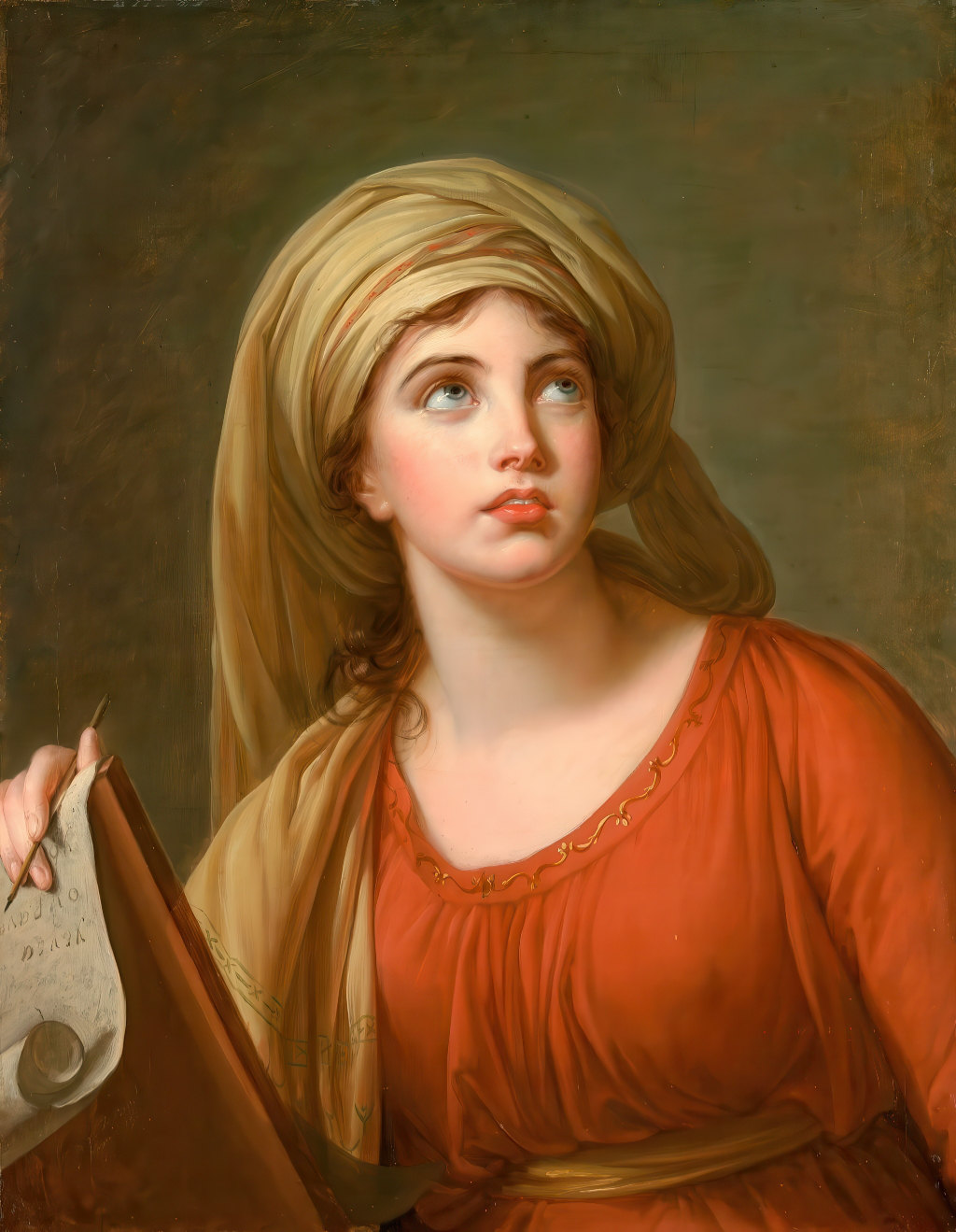
Italy offered old-master study and a new self-image. Russia offered aristocratic and imperial networks. England offered another portrait tradition and contact with British society. These movements explain the range of later works such as Lady Hamilton as the Cumaean Sibyl, Portrait of Countess Golovina and Portrait of Hubert Robert. The artist carried a recognizable style from place to place, but each location altered the pressures placed upon it.
The international career also complicates the idea that Vigée Le Brun was simply a painter of Marie Antoinette. The queen remains central, but the artist's life after France proves that her reputation could survive outside that patronage. She continued to attract sitters because she offered something portable: a portrait style that could flatter aristocratic identity while making it appear warm, animated and modern. That portability is one reason her biography belongs to European art history, not only to the history of Versailles.
Her memoirs make these travels vivid, but they also remind us to read carefully. They are not neutral records. They are written from the position of an older artist arranging a public memory of her own life. [3] That does not make them unreliable in a simple sense; it makes them a second kind of self-portrait. In paint and in prose, Vigée Le Brun repeatedly presents herself as gifted, sociable, observant, vulnerable and professionally resilient.
Return and Legacy
Vigée Le Brun returned to France after years abroad and remained a celebrated figure whose memoirs helped shape her later reputation. Her legacy now rests on several connected achievements: the refinement of late eighteenth-century portraiture, the visibility of women artists, the image-making of Marie Antoinette and the unusual scale of an international career built before and after the French Revolution. [1]
The memoirs are central to that afterlife. They give modern readers a vivid, partial, self-fashioned account of a career lived among sitters, patrons, revolutions and journeys. [3] They also require caution: memory selects, polishes and defends. Used alongside museum evidence, however, they make her biography unusually textured. We can see not only what she painted, but how she wanted the vocation of painting to appear.
Modern reassessments have made Vigée Le Brun harder to dismiss as merely a court painter. She was certainly a painter of court culture, but she was also a sophisticated maker of professional self-images, a witness to the vulnerability of royal publicity, and one of the clearest examples of how women artists worked around institutional limits in eighteenth-century France. [2]
Her later life also changes the tone of the story. By the time she looked back in memoir form, the world of her early success had vanished. The queen was dead, the Académie had been transformed, and the political meaning of court portraiture had altered permanently. Vigée Le Brun's return to France was not a return to the conditions that had made her famous. It was a return as survivor, witness and maker of memory.
That is why the best biography of Vigée Le Brun should not end with exile as a dramatic escape. The important point is continuity under changed conditions. She kept working, travelling, remembering and shaping her reputation. Her career is remarkable not simply because it crossed the Revolution, but because it found ways to remain coherent after the Revolution had broken the social order on which her first success depended.
Major Works
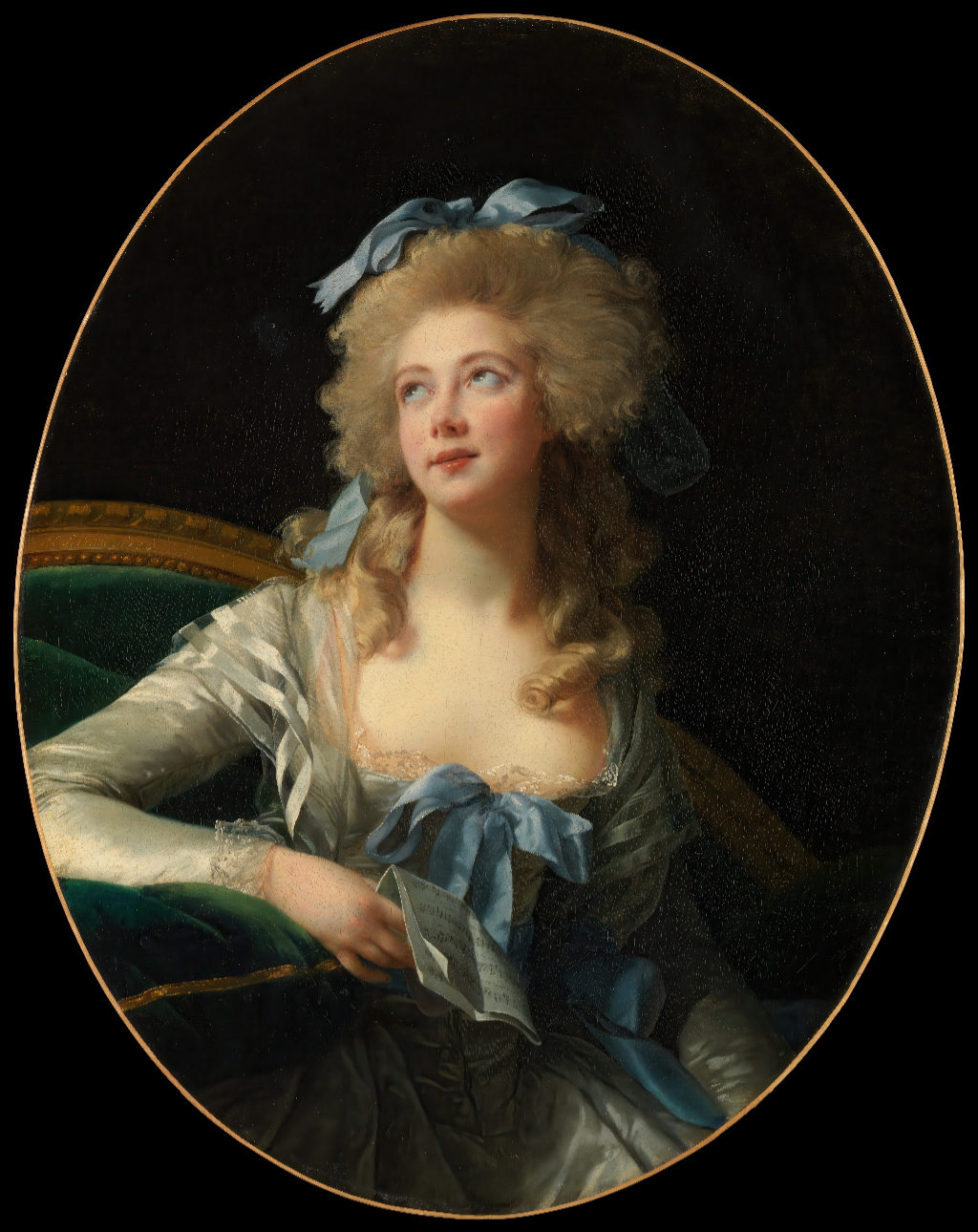
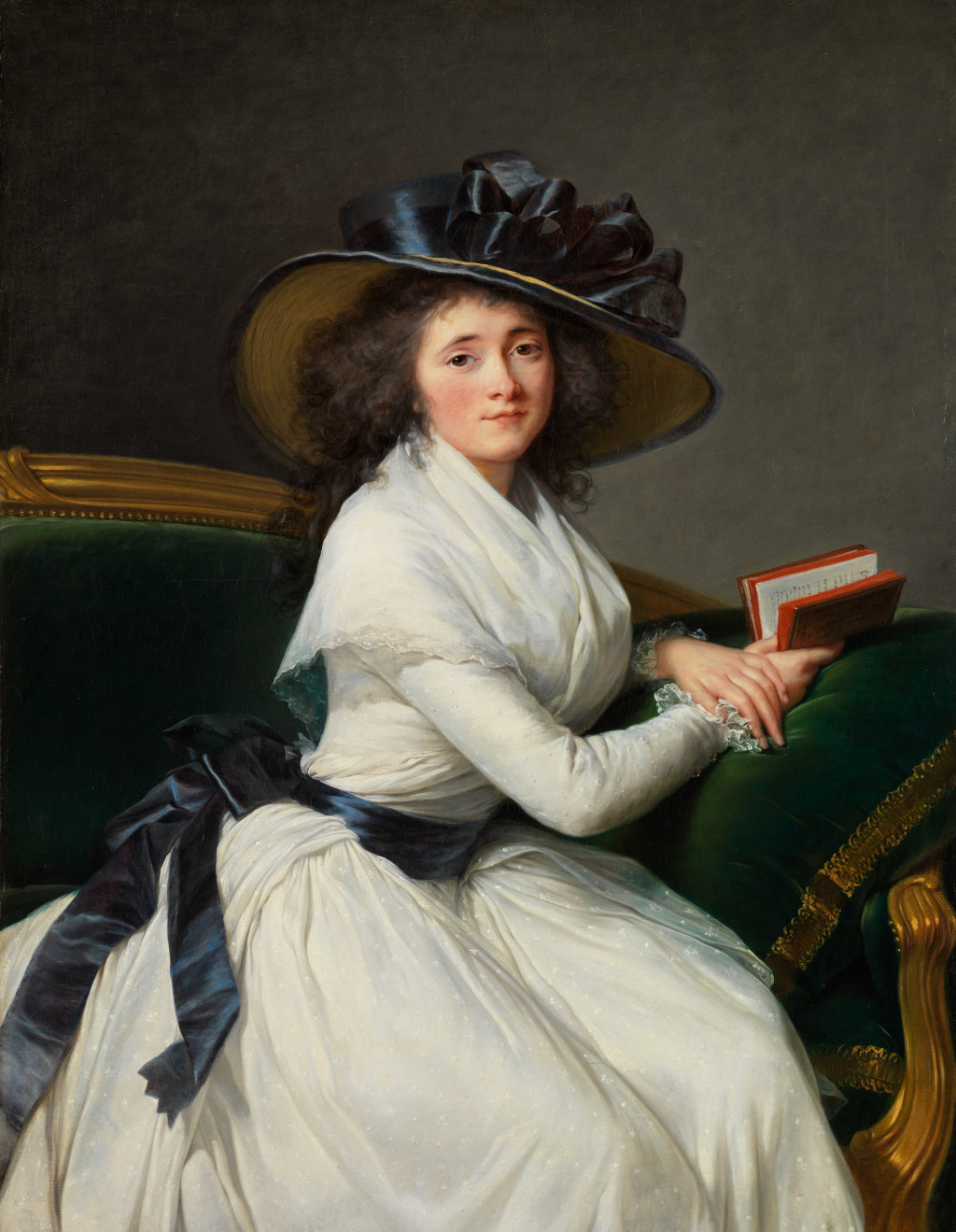
The best route into Vigée Le Brun's art is through a small group of works that show different sides of her career: Self Portrait in a Straw Hat for artistic identity, Madame Grand for Salon portraiture, Comtesse de la Châtre for aristocratic elegance, and the Marie Antoinette portraits for royal image-making.
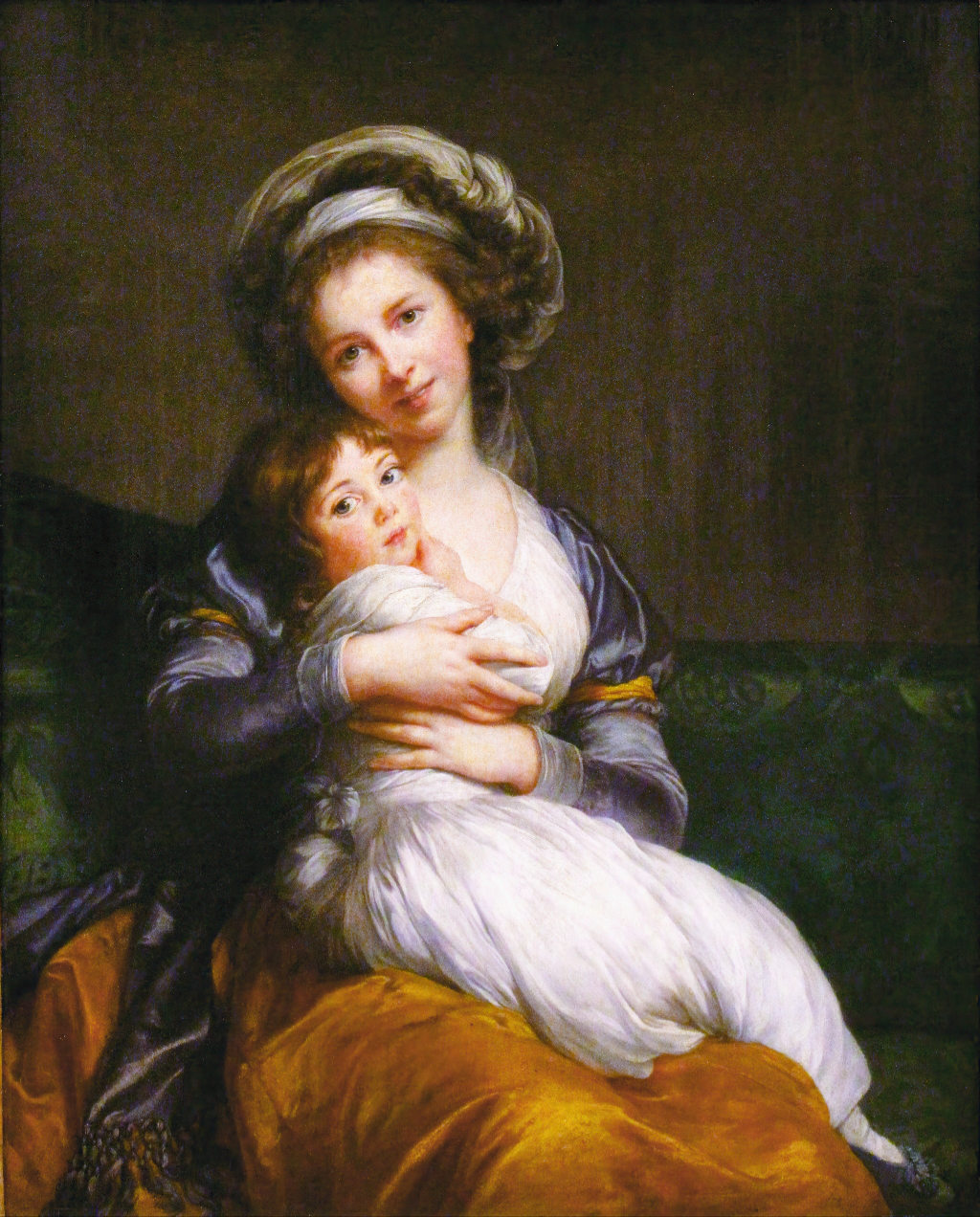
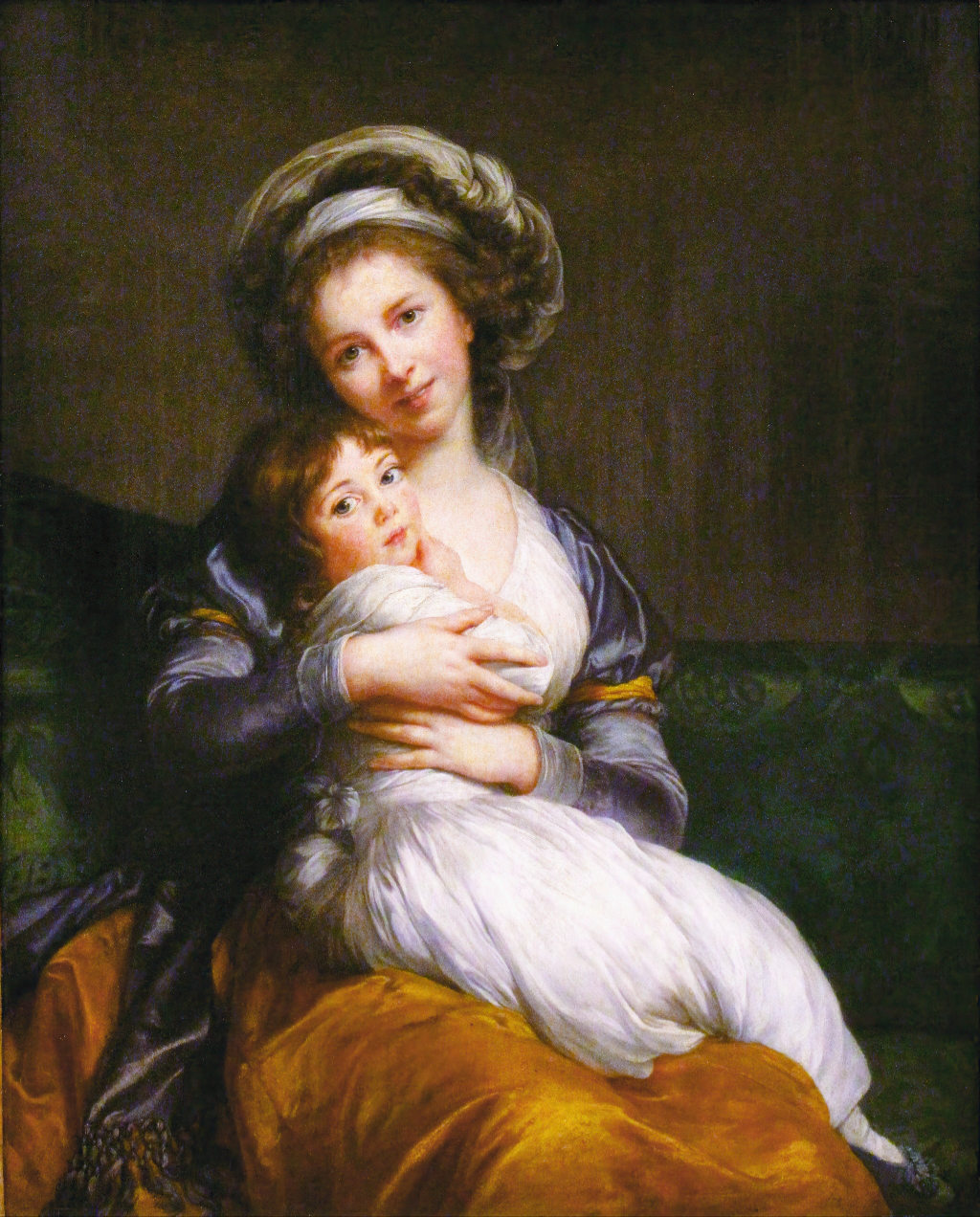
Peace Bringing Back Abundance adds another dimension, because it links her to allegory and Académie ambition rather than only to portraiture. Self-Portrait with Julie shows how maternity could become a public artistic subject, while Madame Perregaux belongs to the final tense years before the Revolution fully broke her French career open. Together, the works show a painter moving between intimacy and institution, fashion and politics, personal image and social survival.
Comparison Works
Vigée Le Brun should be read beside Adélaïde Labille-Guiard, Anne Vallayer-Coster and other women artists active in France around 1780-1810. The comparison is not only biographical. It clarifies the institutional limits, public visibility and professional ambition that shaped women's art in the period. [2]
She should also be read beside the sitters who shaped her career. Marie Antoinette shows how portraiture could become political repair; Julie Le Brun shows how maternity could become public self-image; Lady Hamilton shows the appeal of theatrical role-playing; Countess Golovina shows the reach of her exile networks. Taken together, these comparisons reveal a biography built through relationships. Vigée Le Brun's life was not only a sequence of places and dates, but a network of images made for people who needed painting to say something about who they were.
FAQs
She was one of the leading portraitists of late eighteenth-century Europe, a favoured painter of Marie Antoinette, and one of the small number of women admitted to the French Académie royale. [1] [2]
She was not only a court painter, but her court connections were central. Marie Antoinette became her most important patron, and royal portraiture helped define her early fame. [1]
Yes. She fled Paris after the royal family's arrest in October 1789 and did not return until 1802. [1]
References
- National Gallery, London, Self Portrait in a Straw Hat.
- The Metropolitan Museum of Art, Eighteenth-Century Women Painters in France.
- Louise-Élisabeth Vigée-Lebrun, Memoirs of Madame Vigée Lebrun, translated by Lionel Strachey, University of Pennsylvania digital edition.
- Histoire par l'image, Marie-Antoinette, la mal-aimée (in French).
Discussion
What stands out to you about Élisabeth Vigée Le Brun? Share an observation, question or interpretation with other readers.
Reader Insights
Which visual detail changes how you read the sitter, the artist or the page's central theme?
Which related Vigée Le Brun page helps you understand this work or topic more clearly?
Join the Conversation
Thoughtful comments and questions are welcome.