 by Tom Gurney
Tom Gurney BSc (Hons) is an art history expert with over 20 years experience
Published on July 7, 2026 / Updated on July 7, 2026
Email: tomgurney1@gmail.com / Phone: +44 7429 011000
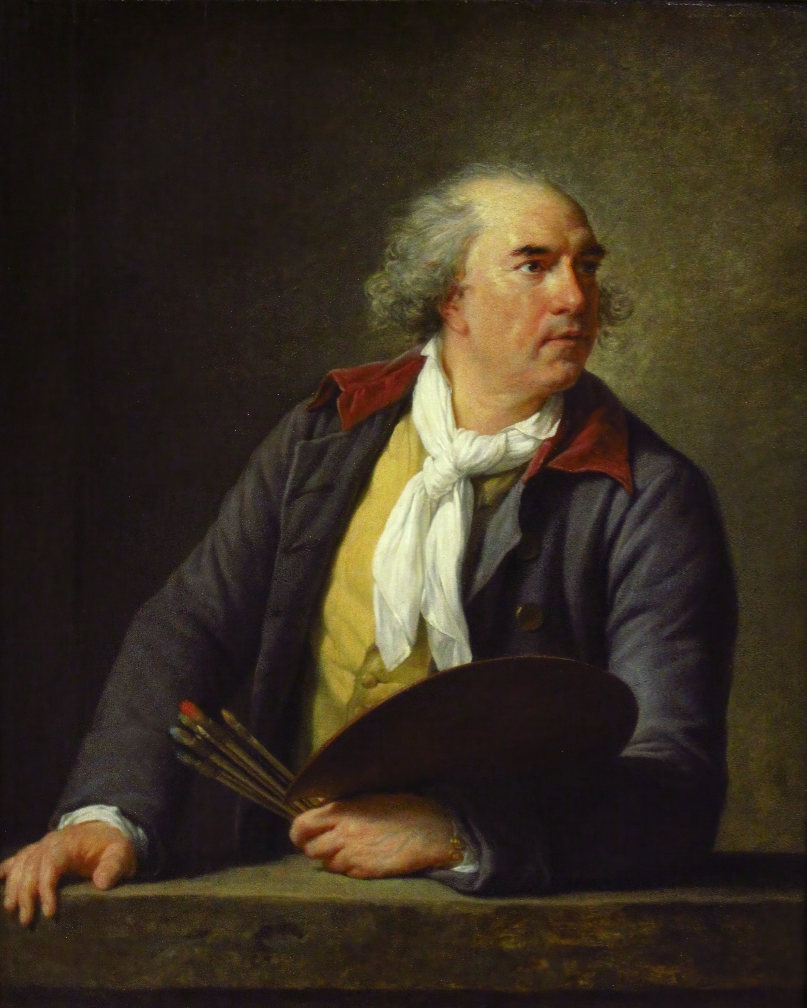
Portrait of Hubert Robert by Élisabeth Vigée Le Brun
Élisabeth Vigée Le Brun's Portrait of Hubert Robert is an artist-to-artist portrait. The official POP-Joconde record identifies the work as an oil painting on wood, dated 1788, signed and dated by Vigée Le Brun, and held by the Musée du Louvre in Paris. [1]
The painting is especially useful inside the Vigée Le Brun cluster because it shifts attention away from queens and aristocratic women toward the professional art world itself: one celebrated painter representing another.
The portrait is valuable because it changes the social temperature of the cluster. It is not built around royal image, maternal feeling or fashionable society performance. It is an art-world portrait, and that makes it a reminder that Vigée Le Brun's career was embedded in professional networks as well as patronage circles.
At a Glance
- Artist:Élisabeth Louise Vigée Le Brun [1]
- Title:Portrait of Hubert Robert
- Date:1788 [1]
- Medium:Oil on wood [1]
- Dimensions:105 x 84 cm [1]
- Collection:Musée du Louvre, Paris [1]
- Notice ref.:000PE002882 [1]
Contents
- At a Glance
- Why It Matters
- Museum Perspective
- Who Was Hubert Robert?
- Looking Carefully
- Interpretation
- Timeline
- Comparison Works
Why It Matters
The portrait matters because it records Vigée Le Brun looking across the artistic world rather than only up the social hierarchy. Hubert Robert was himself a painter, and POP-Joconde identifies the subject represented as the painter Hubert Robert, shown half-length and three-quarter view. [1]
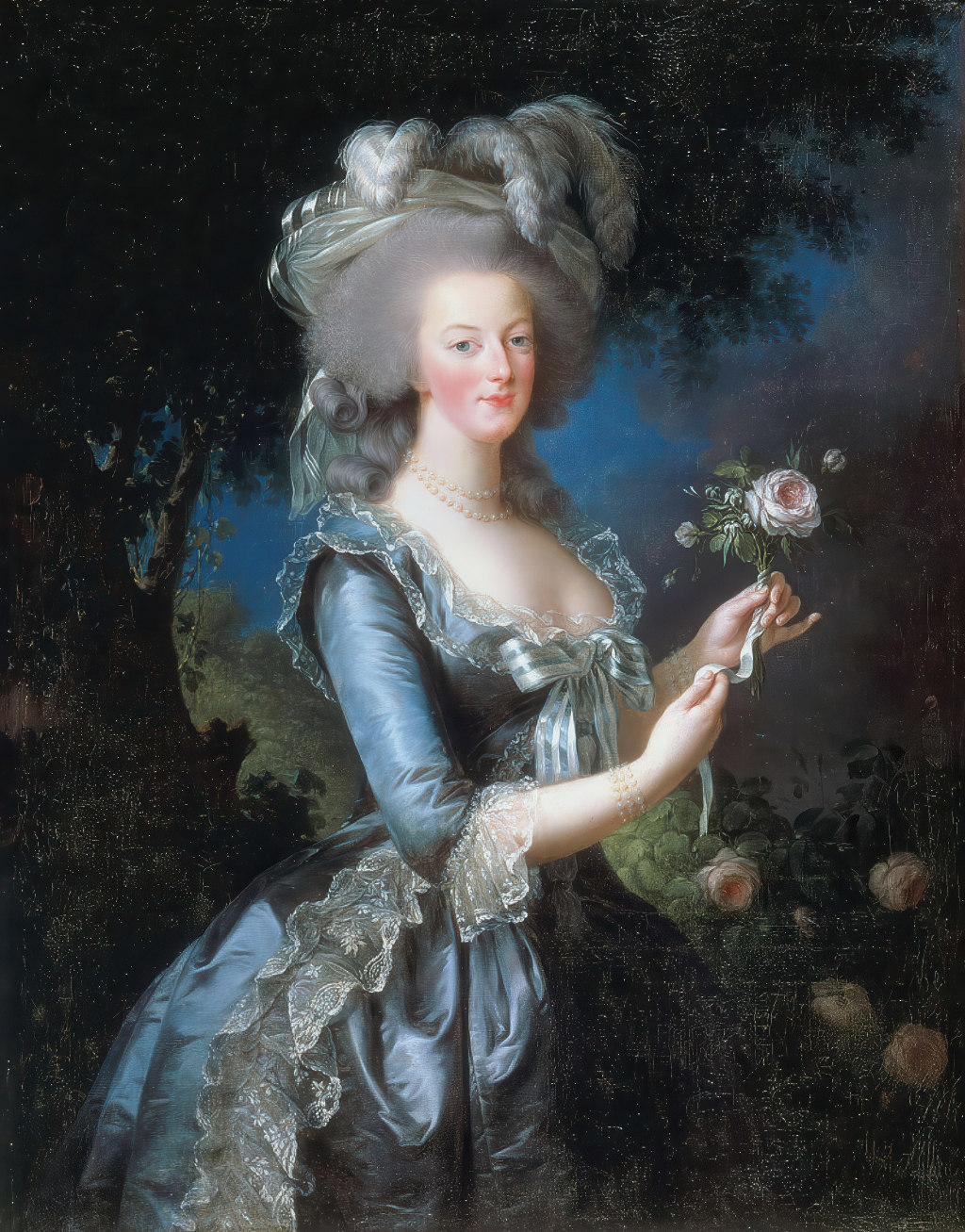
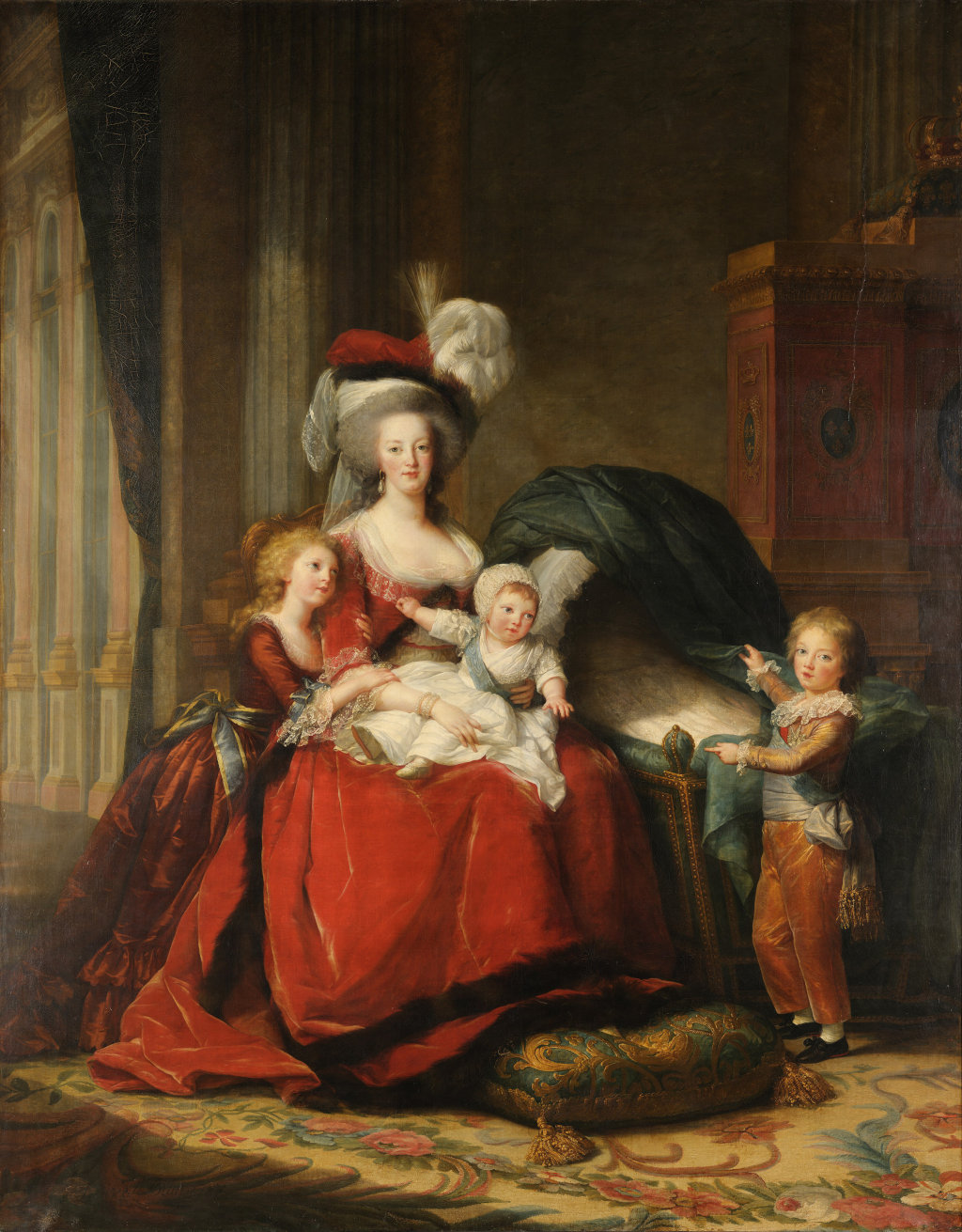
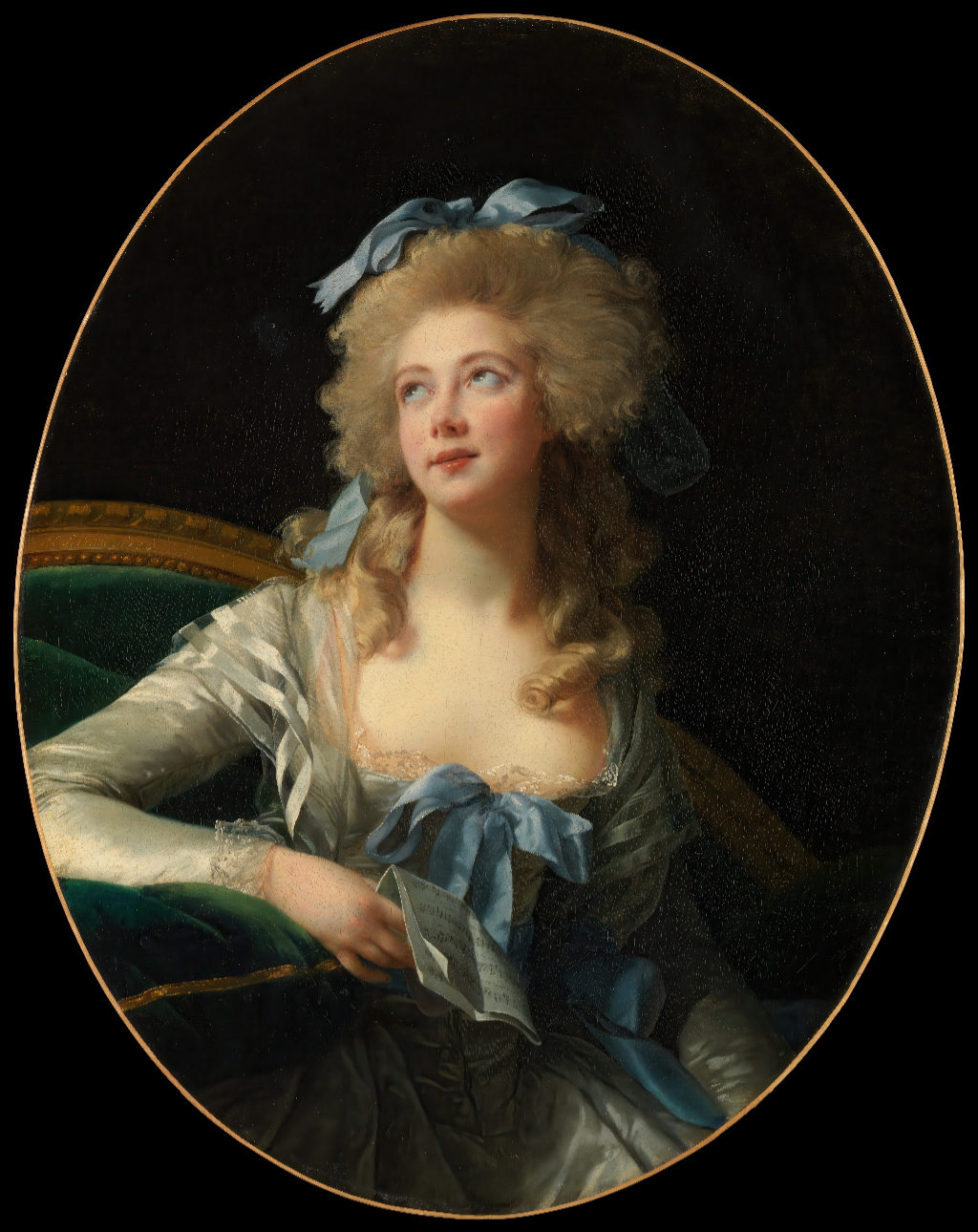
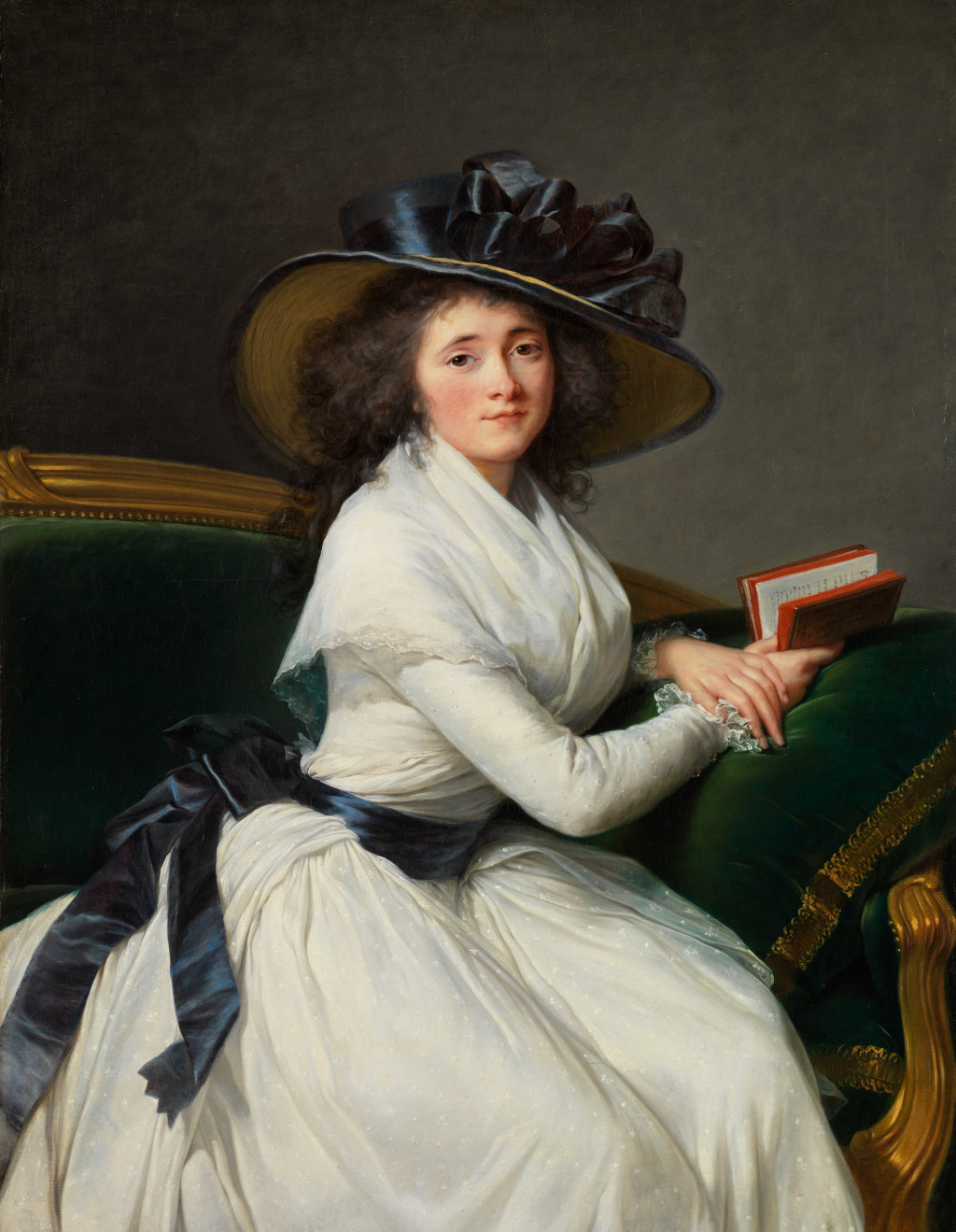
This changes the tone of the cluster. In the Marie Antoinette portraits, Vigée Le Brun negotiates royal image. In Madame Grand and Comtesse de la Châtre, she works through society portraiture. Here, the sitter belongs to her own professional world.
The portrait also helps balance the assumption that Vigée Le Brun's art was only about women, beauty and court culture. Those themes are central, but this work points to another part of her world: painters looking at painters, reputation circulating among peers, and artistic identity being represented through likeness. [1]
Museum Perspective
The POP-Joconde notice gives the painting's key museum facts: it is held by the Louvre's Department of Paintings, listed as property of the French state, and recorded with a 1843 acquisition date. It also records the previous association with Eugénie Tripier-Lefranc. [1]
Those details are useful because they keep the page grounded in object history rather than only interpretation. The work has a documented museum identity, material support, date, inscription and collection trail.
Who Was Hubert Robert?
Hubert Robert was known for architectural views, ruins and imagined landscapes, which makes his appearance as a sitter intriguing. Vigée Le Brun does not simply paint a fashionable court woman or royal mother; she paints a fellow artist whose reputation was built around looking, invention and the picturing of time.
That professional context gives the portrait a quieter authority. It belongs to the same world of Salon culture and artistic reputation that shaped Vigée Le Brun's own career.
Robert's reputation for ruins and imagined architecture also makes him an intriguing sitter for Vigée Le Brun. Her portrait does not need to reproduce his own pictorial world directly. The importance lies in recognition: she is representing someone whose identity was already formed through art, invention and public reputation.
Looking Carefully
The support matters. POP-Joconde records the medium as oil paint on wood, which gives the portrait a different material identity from many larger canvas portraits in the cluster. [1]
The inscription also matters because the official record notes that the painting is signed and dated: E. Vigée Le Brun 1788. That signature makes the work part of the artist's late pre-Revolutionary record, just before exile changed the geography of her career. [1]
Interpretation
The safest interpretation is that the portrait presents professional recognition through likeness. Vigée Le Brun's sitter is not primarily framed by court costume, maternal feeling or royal image, but by the identity of an artist known to the same cultural world.
That makes the portrait an important counterweight in the cluster. It reminds readers that Vigée Le Brun's career was not only a story of aristocratic femininity. It was also a story of networks, institutions, exhibitions and artistic peers.
The date 1788 adds another layer. This is a late pre-Revolutionary work, close to the moment when Vigée Le Brun's French career would be interrupted by exile. Seen beside the 1789 society portraits, it gives the cluster a broader picture of the final years before departure: not only court and fashion, but also the professional artistic community of Paris.
Timeline
- 1733: Hubert Robert is born. [1]
- 1788: Vigée Le Brun paints and signs the portrait. [1]
- 1789: Vigée Le Brun leaves Paris during the Revolution. [2]
- 1808: Hubert Robert dies. [1]
- 1843: The official record gives this as the acquisition date. [1]
Comparison Works
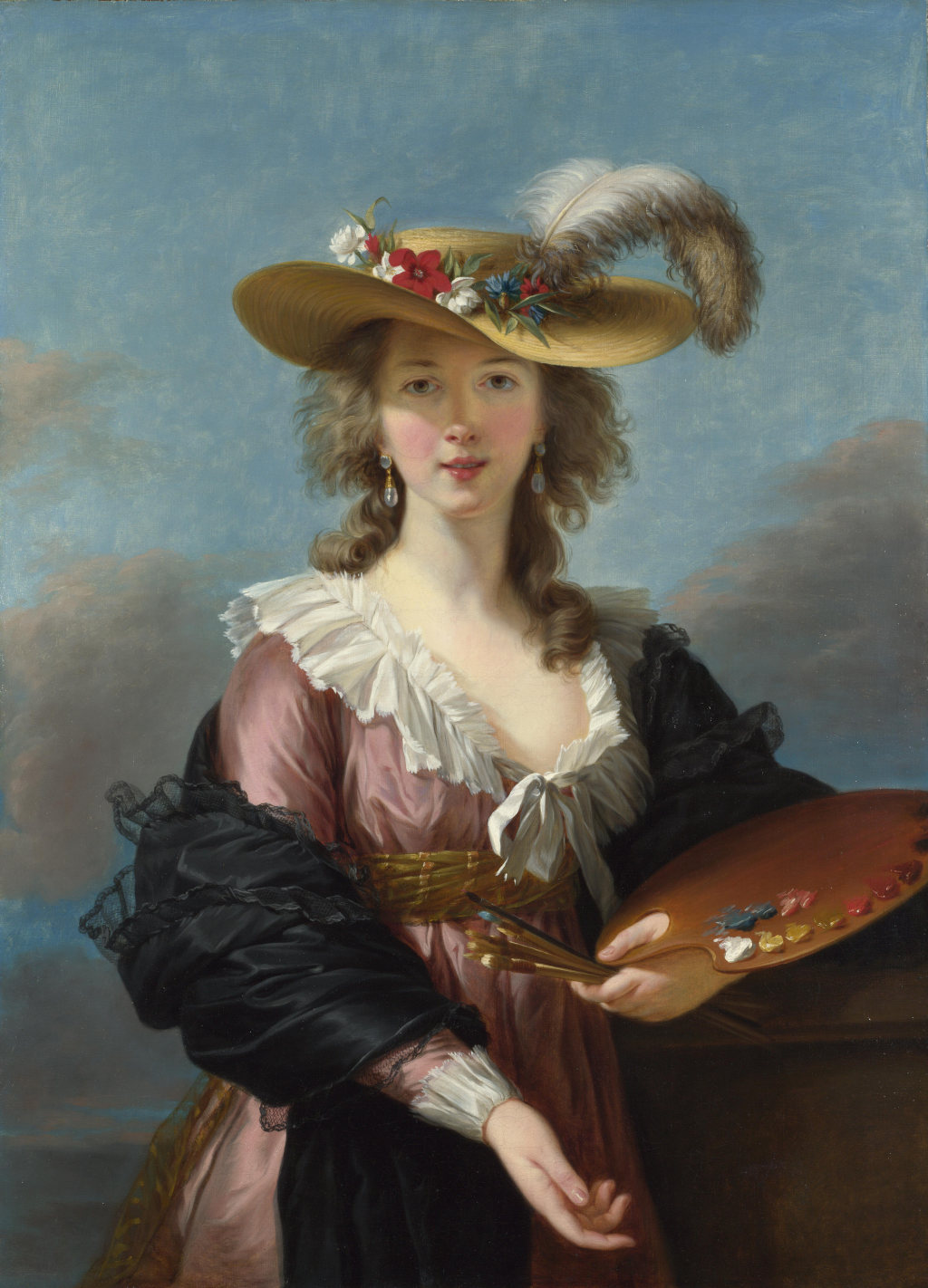
Compare this portrait with Self Portrait in a Straw Hat. In the self-portrait, Vigée Le Brun presents her own artistic identity through palette, brushes and old-master reference. In the Hubert Robert portrait, she represents another artist's identity from the outside. [2]
It also works well beside Vigée Le Brun's style and technique, because both pages ask readers to look beyond charm and toward the professional intelligence behind the portraits.
FAQs
The official POP-Joconde record places it in the Musée du Louvre, Paris. [1]
The official notice records the date as 1788 and notes the signature and date on the painting. [1]
It shows Vigée Le Brun painting a fellow artist, which balances the cluster's royal, maternal and society portraits with a professional art-world subject.
References
- POP-Joconde, Portrait d'Hubert Robert, notice 000PE002882 (in French).
- National Gallery, London, Self Portrait in a Straw Hat.
Discussion
What stands out to you about Élisabeth Vigée Le Brun? Share an observation, question or interpretation with other readers.
Reader Insights
Which visual detail changes how you read the sitter, the artist or the page's central theme?
Which related Vigée Le Brun page helps you understand this work or topic more clearly?
Join the Conversation
Thoughtful comments and questions are welcome.