 by Tom Gurney
Tom Gurney BSc (Hons) is an art history expert with over 20 years experience
Published on July 7, 2026 / Updated on July 7, 2026
Email: tomgurney1@gmail.com / Phone: +44 7429 011000
Marie Antoinette Portraits by Élisabeth Vigée Le Brun
Élisabeth Vigée Le Brun's portraits of Marie Antoinette are among the most politically charged images of the French queen. They range from courtly grandeur to attempted intimacy, from scandal to repair, and from fashion to dynastic motherhood. [1]
This page acts as the cluster hub for the queen portraits, linking Marie Antoinette with a Rose and Marie Antoinette and Her Children to the wider problem of royal image-making before the Revolution.
The portraits are easy to admire as images of silk, flowers and royal presence, but their deeper interest lies in public image-making. Marie Antoinette was not simply sitting for likenesses. She was being translated into visual arguments: queen as fashionable woman, queen as mother, queen as wounded public figure, queen as figure of dynastic continuity. Vigée Le Brun's task was to make those arguments persuasive without making them look too obviously defensive.
What changes from one portrait to another is not only costume, but the queen's public role. A rose can suggest femininity, refinement and restored decorum. Children can suggest duty, succession and maternal feeling. A more informal dress can suggest naturalness but also provoke accusations of impropriety. The portraits are therefore best read as a sequence of image problems rather than as isolated likenesses.
A useful way to read the group is as a sequence of corrections. One image tests informality; another restores court dress; another turns to maternity; another uses family and dynastic feeling to soften public hostility. Histoire par l'image's account of Marie Antoinette as a disliked public figure is important here because it places the paintings inside a broader crisis of reputation. [1]
At a Glance
- Artist:Élisabeth Louise Vigée Le Brun [1]
- Main sitter:Marie Antoinette [1]
- Key decade:1780s
- Central theme:Royal image and public reputation
Contents
- At a Glance
- Why They Matter
- Artist and Queen
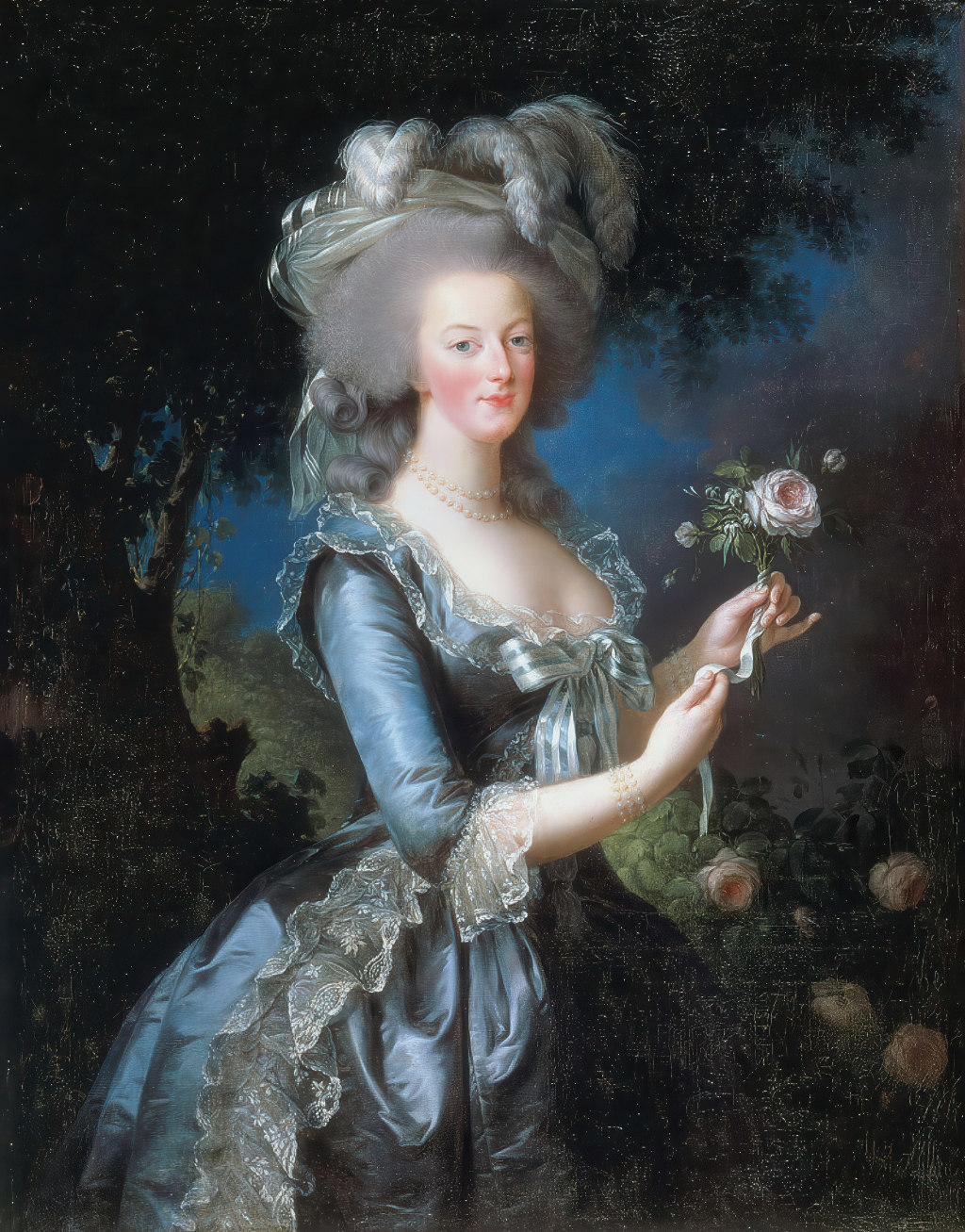
- Marie Antoinette with a Rose
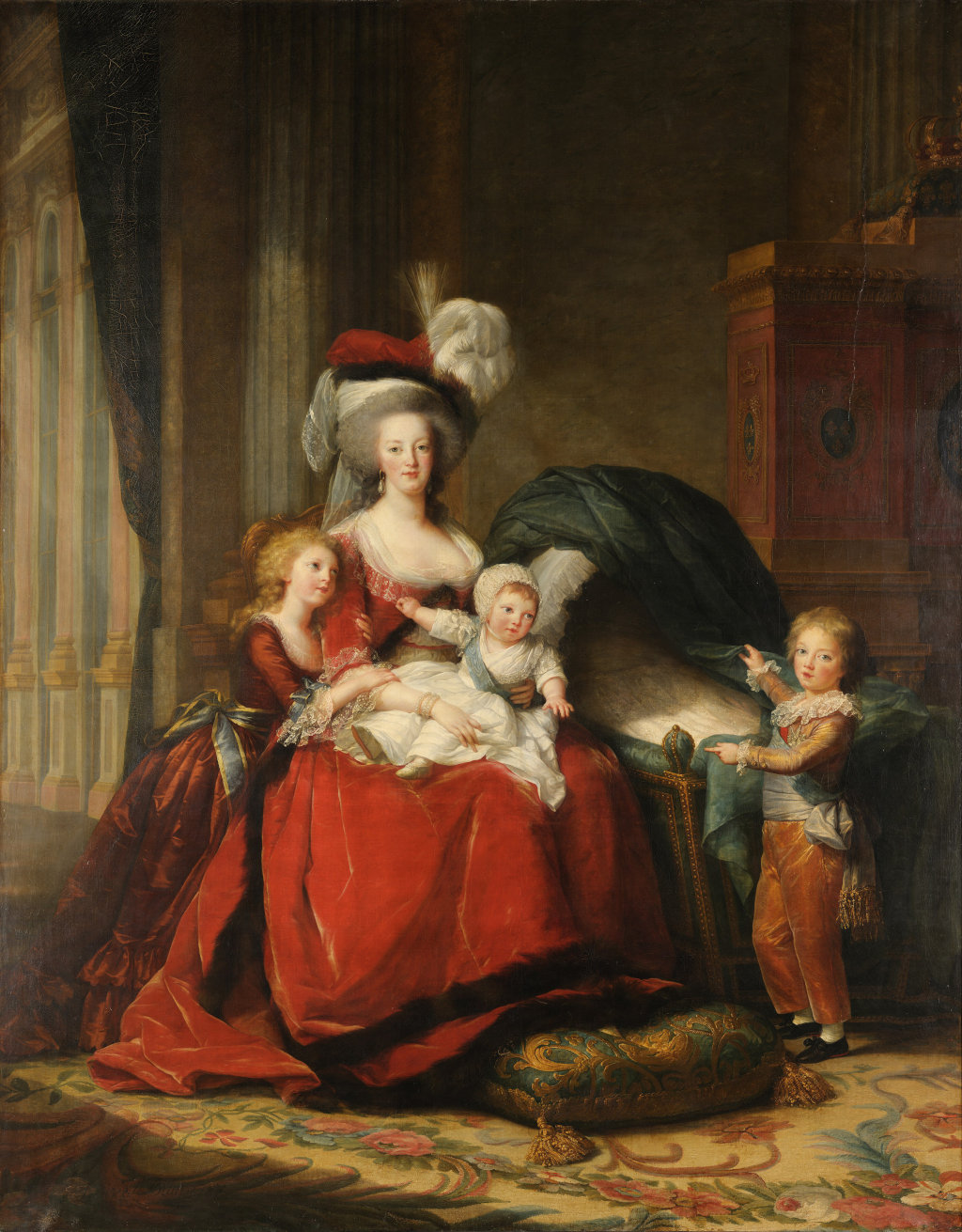
- Marie Antoinette and Her Children
- Royal Image-Making
- Looking Carefully
- Comparison Works
Why They Matter
The portraits matter because they show painting trying to solve a public-relations problem. Marie Antoinette was admired, watched, criticized and increasingly attacked. Vigée Le Brun's portraits offered visual answers: elegance, modesty, motherhood, dynastic continuity and controlled accessibility. [1]
The National Gallery records that Marie Antoinette became Vigée Le Brun's most important patron and that the artist painted more than thirty portraits of the queen and her family. [2]
That number alone shows the scale of the relationship, but it also points to repetition as strategy. A royal image was not made once. It had to be restated, adjusted and repaired as circumstances changed. The queen who appears in court dress, informal white muslin, a grey silk gown with a rose, or surrounded by children is not a single fixed identity. She is a public figure being re-authored through portraiture.
The artist's closeness to the queen also made her unusually useful. Vigée Le Brun understood how to combine polish with apparent ease, and that was exactly what the queen's image required. Too much ceremony could look remote; too much naturalness could look politically careless. Her best royal portraits sit between those dangers, trying to make monarchy appear human without making it seem ordinary.
The relationship was therefore not only personal or professional. It was image work at the highest level of French society. Vigée Le Brun's access to Marie Antoinette gave her extraordinary prestige, but it also meant that her portraits entered the same hostile public atmosphere as the queen herself. The more valuable the patronage became, the more dangerous the association became after 1789. [2]
Artist and Queen
The relationship between artist and sitter was central to Vigée Le Brun's rise. Royal patronage gave her visibility, but it also tied her reputation to the fate of the old regime. When the Revolution began, her association with the queen became dangerous, and she fled Paris after the royal family's arrest in 1789. [2]
Marie Antoinette with a Rose
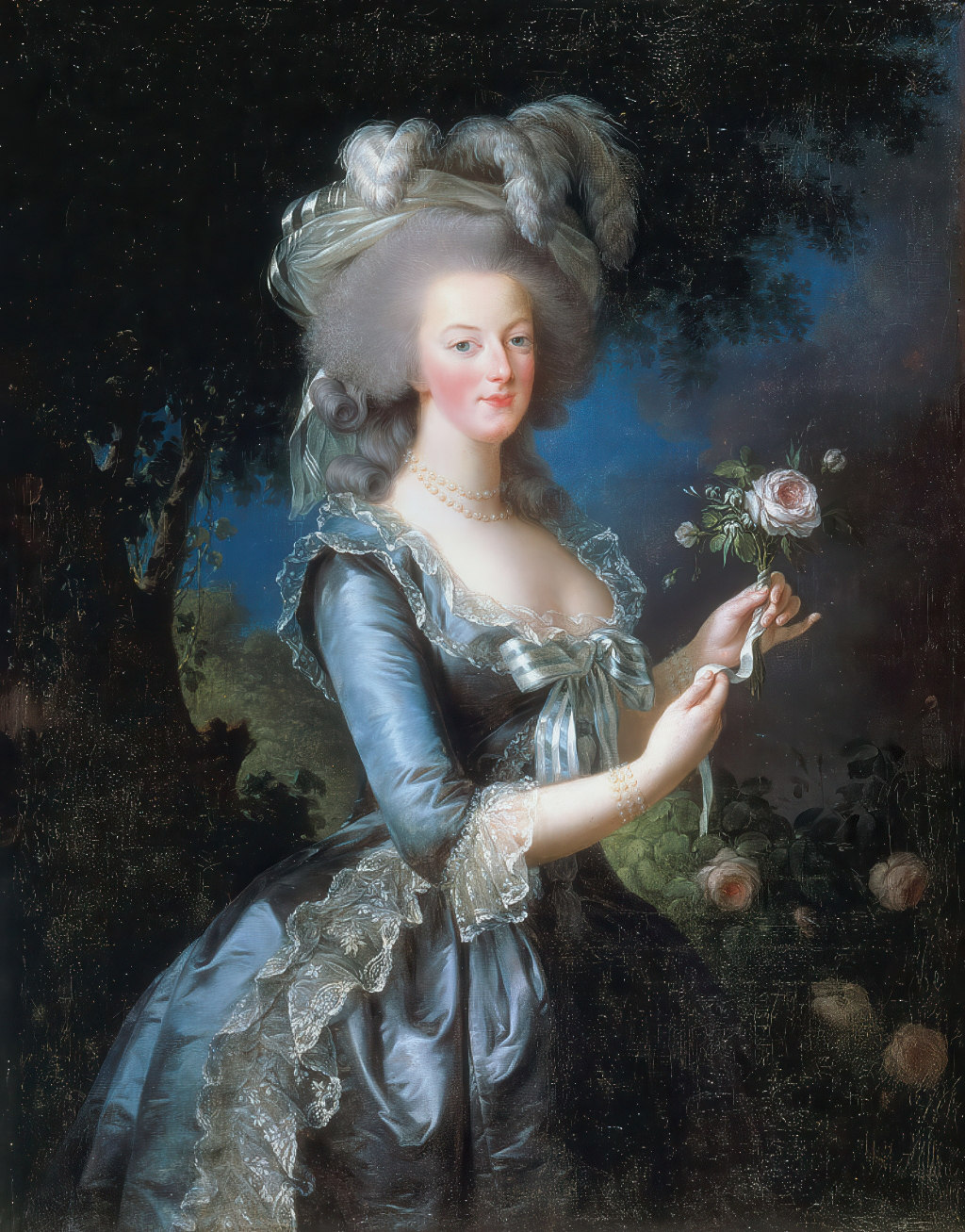
Marie Antoinette with a Rose is often understood as a corrective image. Histoire par l'image connects it to the public controversy surrounding the queen's earlier informal portrait in chemise dress. The rose portrait restores a more courtly appearance while keeping a softer personal note. [1]
The correction is subtle but decisive. The rose keeps a trace of softness and femininity, while the dress restores decorum. This is Vigée Le Brun's skill at its most useful to the court: she does not simply reverse the earlier informality, but absorbs it into a safer structure. The queen remains graceful and personal, yet the visual risk has been reduced.
The flower matters because it gives the queen something to do with her hand while keeping the image refined. It is a small prop, but it changes the emotional tone. The portrait becomes less remote than full ceremonial imagery, yet less vulnerable than the chemise picture. That middle position is exactly why the work is so useful for understanding Vigée Le Brun's tact as a royal portraitist.
Marie Antoinette and Her Children
Marie Antoinette and Her Children shifts the argument from fashion to motherhood. The queen appears not only as consort but as mother of the royal children, with the family group carrying dynastic and emotional meaning. Histoire par l'image treats the painting as part of the attempt to reshape her public image. [1]
Its emotional force depends on more than sentiment. The children make the queen legible through duty, dynasty and loss. The empty cradle, associated with the death of the youngest child, introduces mourning into a royal portrait. The queen is not only adorned; she is made vulnerable. That vulnerability is politically useful, because it asks viewers to see a woman and mother where hostile public opinion had increasingly seen a symbol of excess.
The composition is also a form of argument. A single queen can be judged for luxury or fashion; a queen surrounded by children is harder to read only through extravagance. The painting shifts attention from consumption to responsibility. Whether that strategy succeeded with hostile viewers is another question, but the intention reveals how urgently royal portraiture was being asked to do political work. [1]
Royal Image-Making
The portraits do not simply show Marie Antoinette as she was. They present versions of the queen that could be used in public. That is why clothing, gesture, children, flowers and setting matter. Each detail helps move the image toward a desired public reading.
This also explains why the portraits remain so revealing. They show the distance between image and reputation. Painting could soften criticism, but it could not finally control political feeling.
The paintings also show why portraiture mattered in eighteenth-century politics. Portraits could not stop public hostility, but they could offer counter-images. They could try to slow damage, redirect feeling or create a more sympathetic fiction around a sitter. Vigée Le Brun's Marie Antoinette portraits are therefore not passive court decorations. They are active attempts to manage reputation in a rapidly deteriorating public sphere.
This is also why the portraits remain so useful for modern readers. They show the limits of art as public persuasion. Vigée Le Brun could make the queen appear elegant, tender and dignified, but she could not determine how viewers would respond once distrust had hardened around the monarchy. The gap between the paintings' beauty and the political collapse around them is part of their historical force.
Looking Carefully
Look first at clothing. In these portraits, dress is never merely fashion. White muslin, silk, formal gowns and accessories all affect whether the queen appears informal, restored to decorum, maternal or dynastic. Then look at the hands. A rose, a gesture toward children or a composed resting hand can all direct the viewer toward the intended role of the sitter.
Look next at the emotional temperature. Vigée Le Brun avoids making Marie Antoinette appear coldly ceremonial, but she also has to avoid making her seem too ordinary. That balance is the core of the royal portrait problem. The paintings ask the viewer to accept a queen who is elevated and human at the same time.
Comparison Works
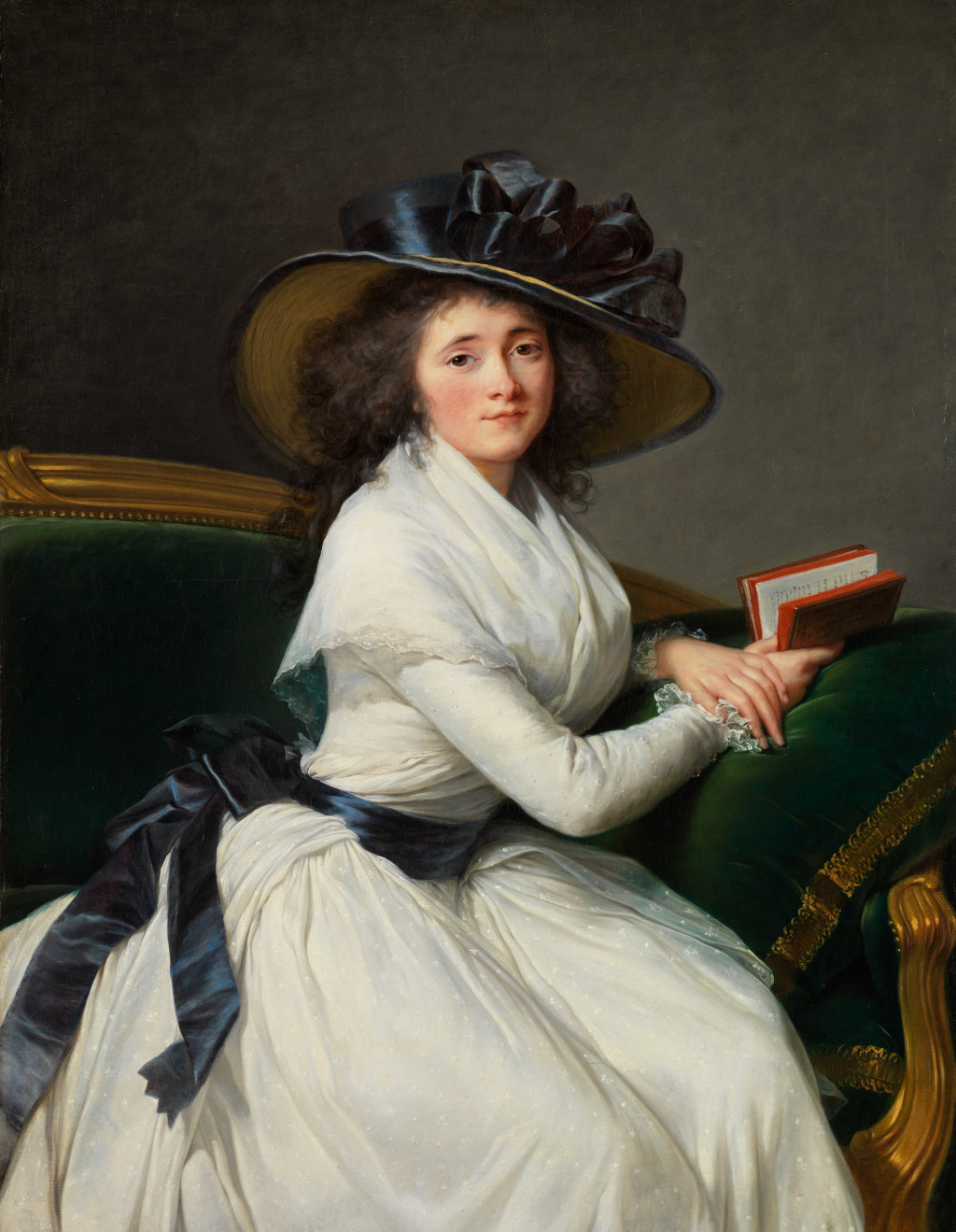
Compare the Marie Antoinette portraits with Comtesse de la Châtre. Both rely on courtly fashion and carefully managed ease, but the queen's portraits carry a heavier political burden. [3]
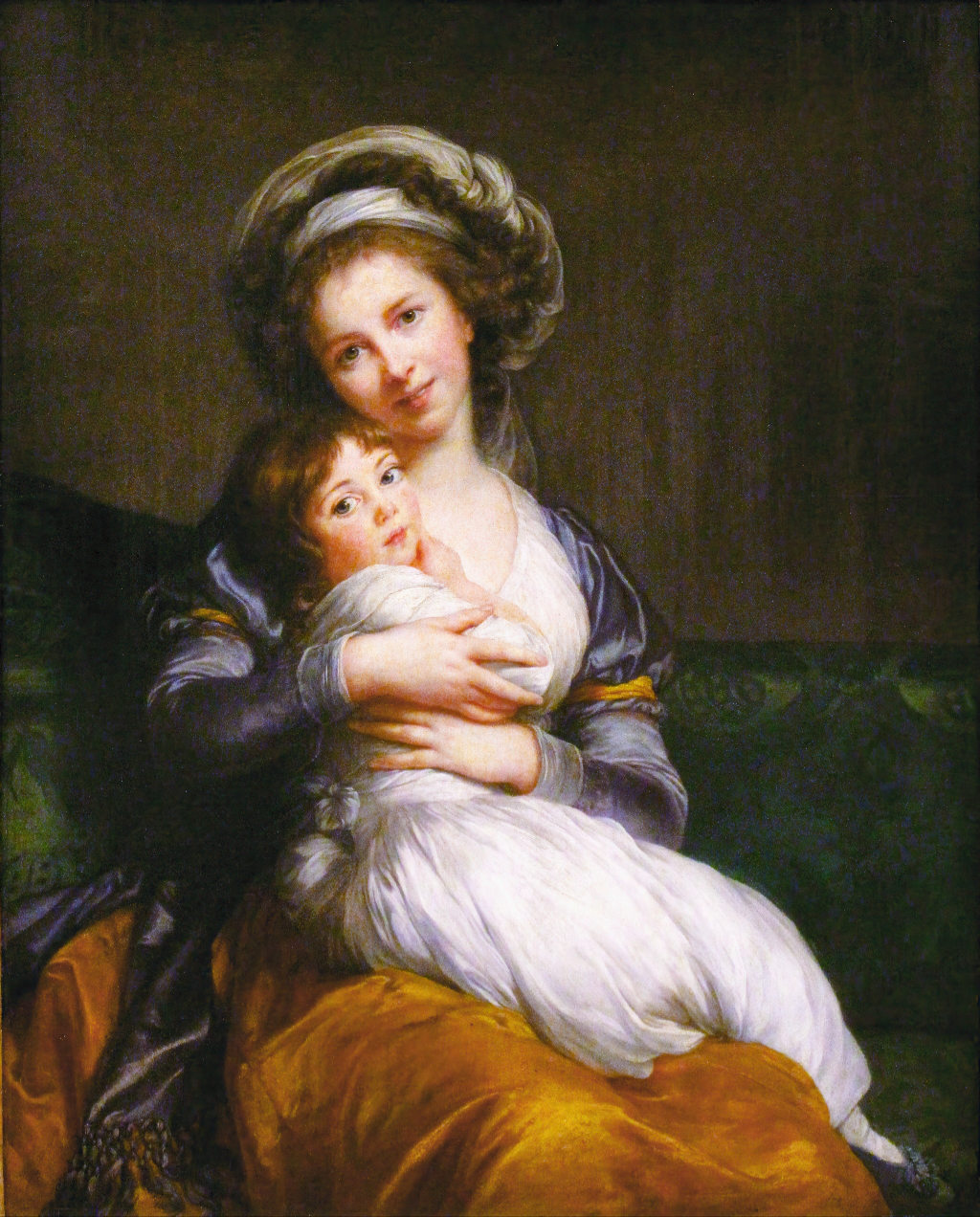
Also compare them with Self-Portrait with Julie. Both the artist and the queen use motherhood as a public image, but with different stakes. In the self-portrait, maternity helps Vigée Le Brun shape her own identity. In the royal family portrait, maternity becomes part of a defensive image of monarchy. The shared theme makes the difference between personal self-fashioning and royal propaganda clearer.
FAQs
The National Gallery states that she painted more than thirty portraits of Marie Antoinette and her family. [2]
It helped repair the public image problem created by the queen's earlier informal chemise portrait. [1]
Her association with Marie Antoinette and royalist patrons made her vulnerable during the Revolution; she fled Paris after the royal family's arrest in 1789. [2]
References
- Histoire par l'image, Marie-Antoinette, la mal-aimée (in French).
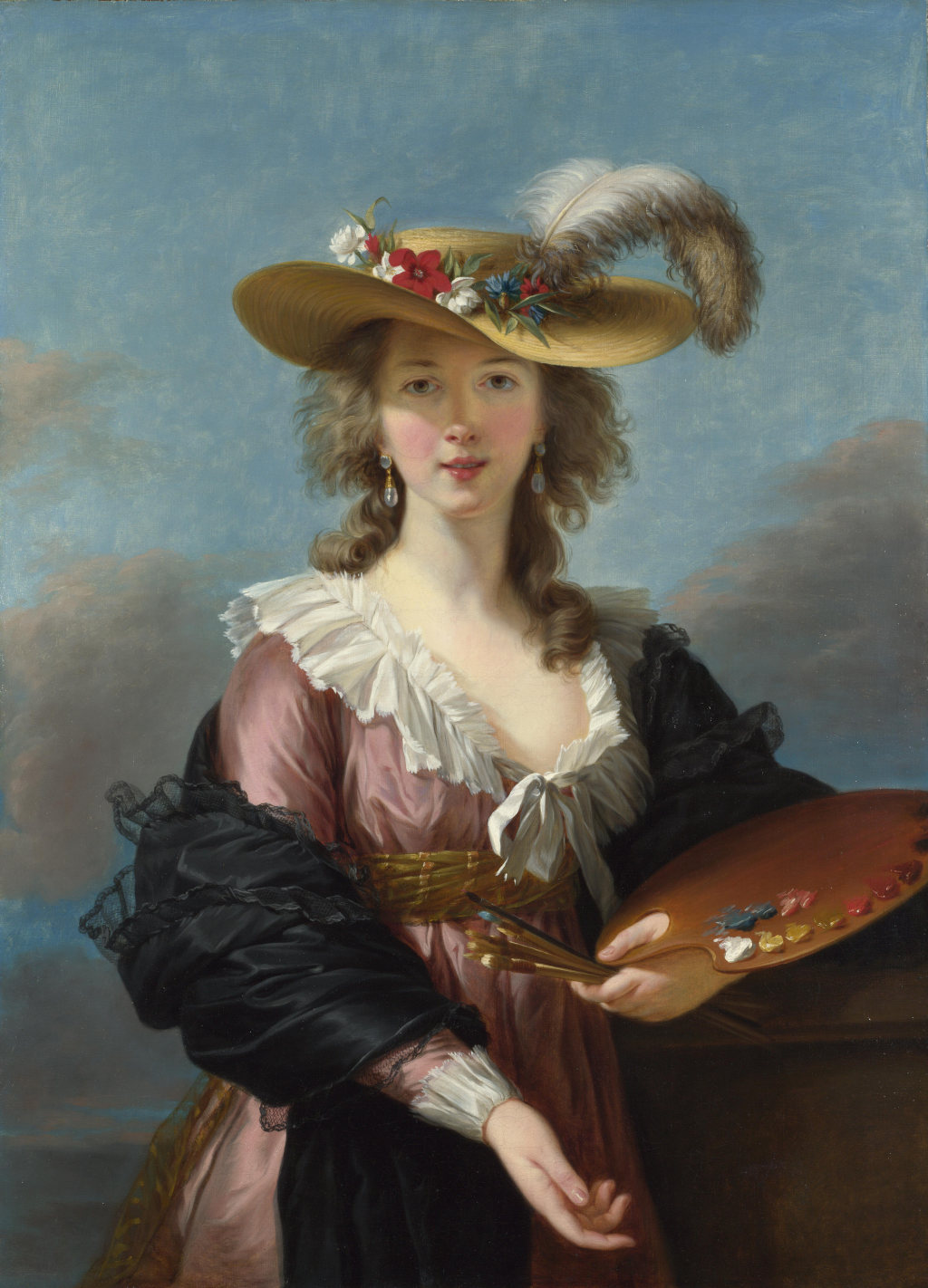
- National Gallery, London, Self Portrait in a Straw Hat.
- The Metropolitan Museum of Art, Comtesse de la Châtre.
Discussion
What stands out to you about Élisabeth Vigée Le Brun? Share an observation, question or interpretation with other readers.
Reader Insights
Which visual detail changes how you read the sitter, the artist or the page's central theme?
Which related Vigée Le Brun page helps you understand this work or topic more clearly?
Join the Conversation
Thoughtful comments and questions are welcome.