 by Tom Gurney
Tom Gurney BSc (Hons) is an art history expert with over 20 years experience
Published on July 7, 2026 / Updated on July 7, 2026
Email: tomgurney1@gmail.com / Phone: +44 7429 011000
Élisabeth Vigée Le Brun's Style and Technique
Élisabeth Vigée Le Brun's style is often described through elegance, softness and charm, but that can make it sound simpler than it is. Her best portraits combine courtly polish with calculated informality: open expressions, luminous colour, fashionable dress, carefully arranged naturalness and enough painterly authority to remind the viewer that ease has been constructed. [1]
This page looks at how her style works: not as decoration alone, but as a set of choices about light, pose, costume, status and the public identity of the sitter.
Style should therefore be treated as a working method. Vigée Le Brun had to solve three problems at once: create a convincing likeness, flatter the sitter without draining the portrait of life, and shape the public meaning of the person represented. Her technical choices are best understood through that pressure. A soft light, a turned head, a loosened curl or a white dress can look decorative, but each helps decide how the sitter will be read.
At a Glance
- Artist:Élisabeth Louise Vigée Le Brun
- Main medium:Oil portraiture
- Key qualities:Luminous colour, flattering likeness, courtly ease
- Important comparison:Rubens and British portraiture [1] [2]
Contents
- At a Glance
- Calculated Naturalness
- Light and Colour
- Fashion and Social Meaning
- Women Artists and Style
- Looking Carefully
- Comparison Works
Calculated Naturalness
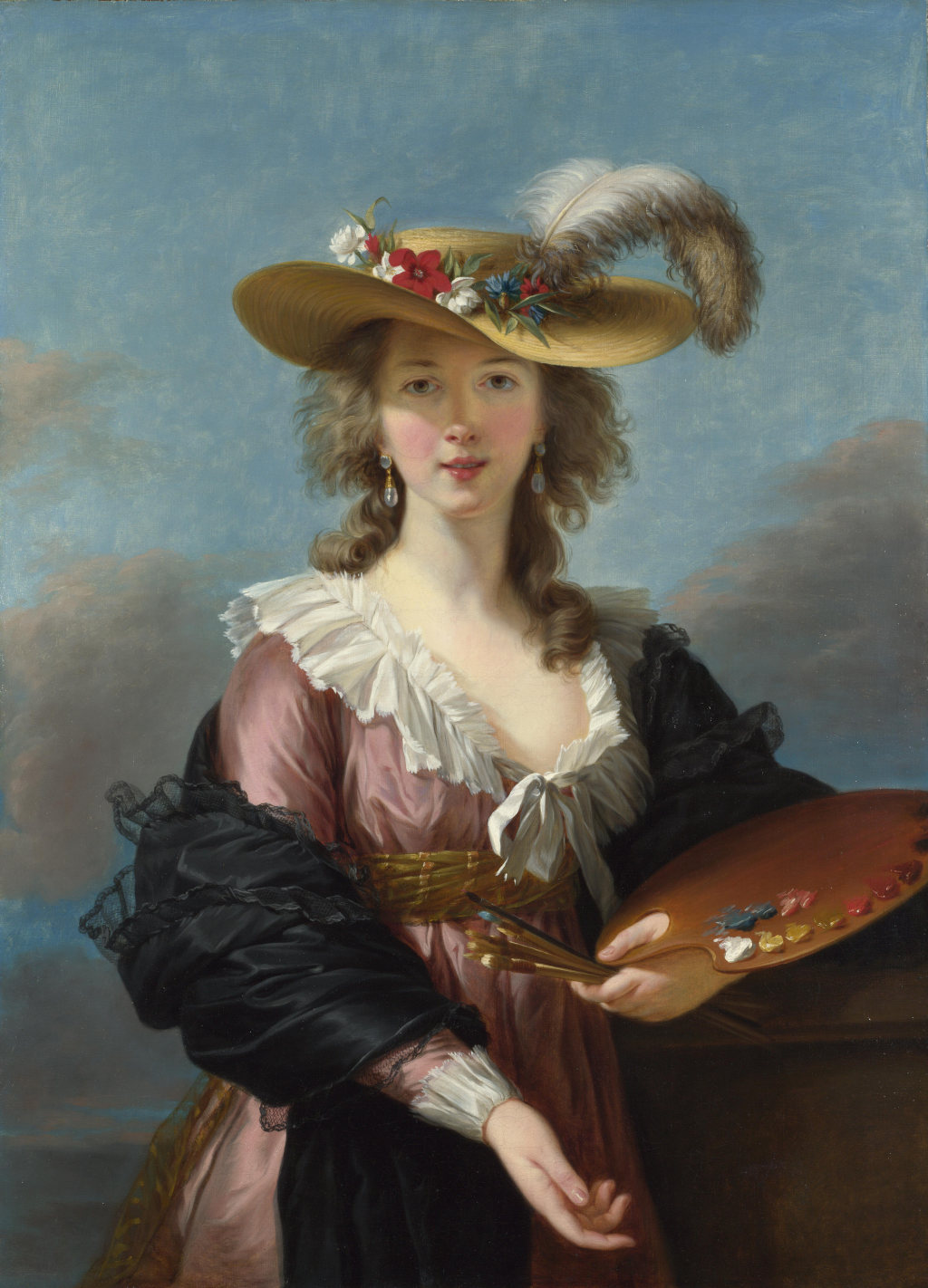
Vigée Le Brun's portraits often seem relaxed. Sitters lean, turn, sing, hold flowers or appear outdoors rather than stiffly arranged in a ceremonial space. But the National Gallery's discussion of Self Portrait in a Straw Hat makes the important point: this naturalness is highly calculated. [1]
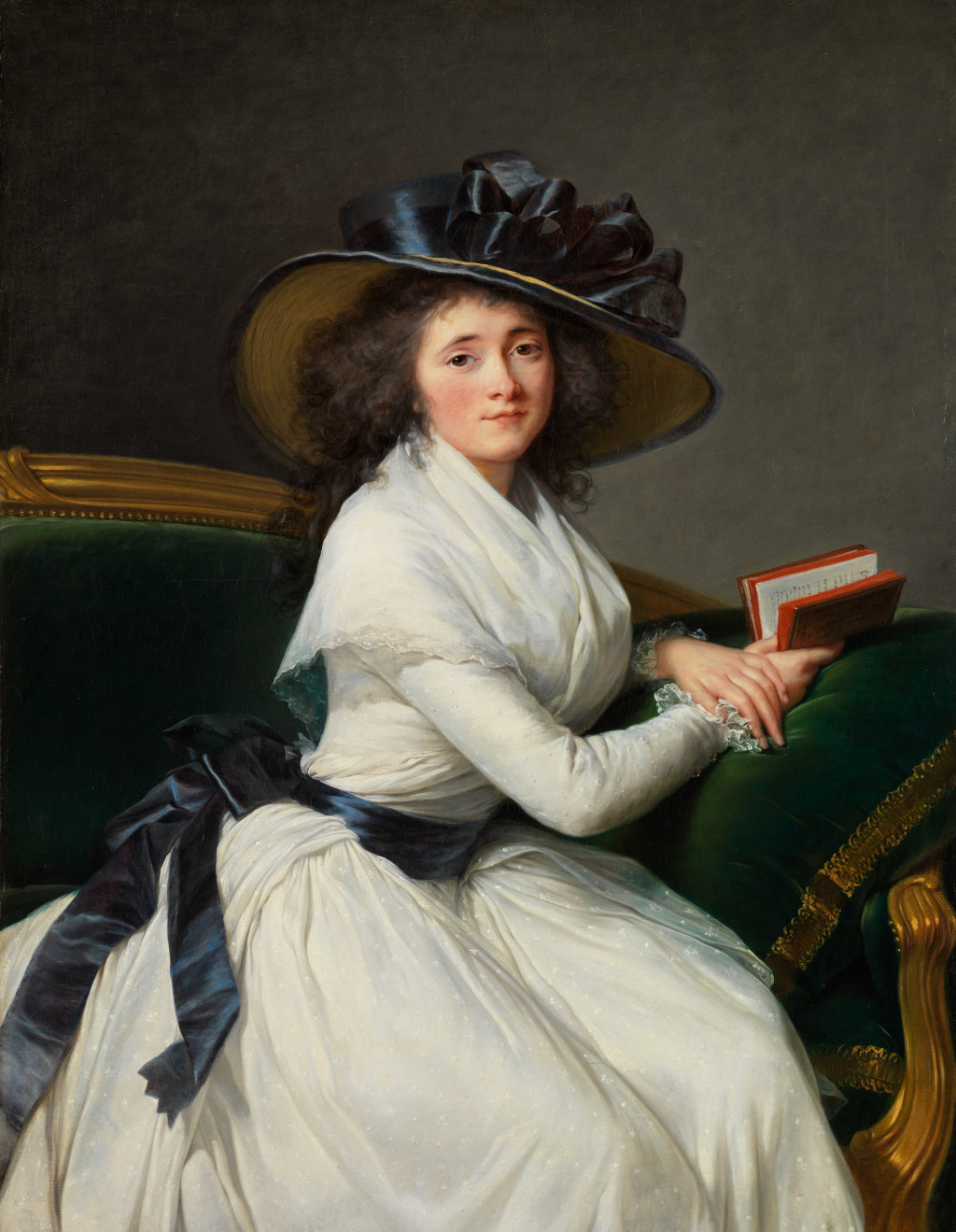
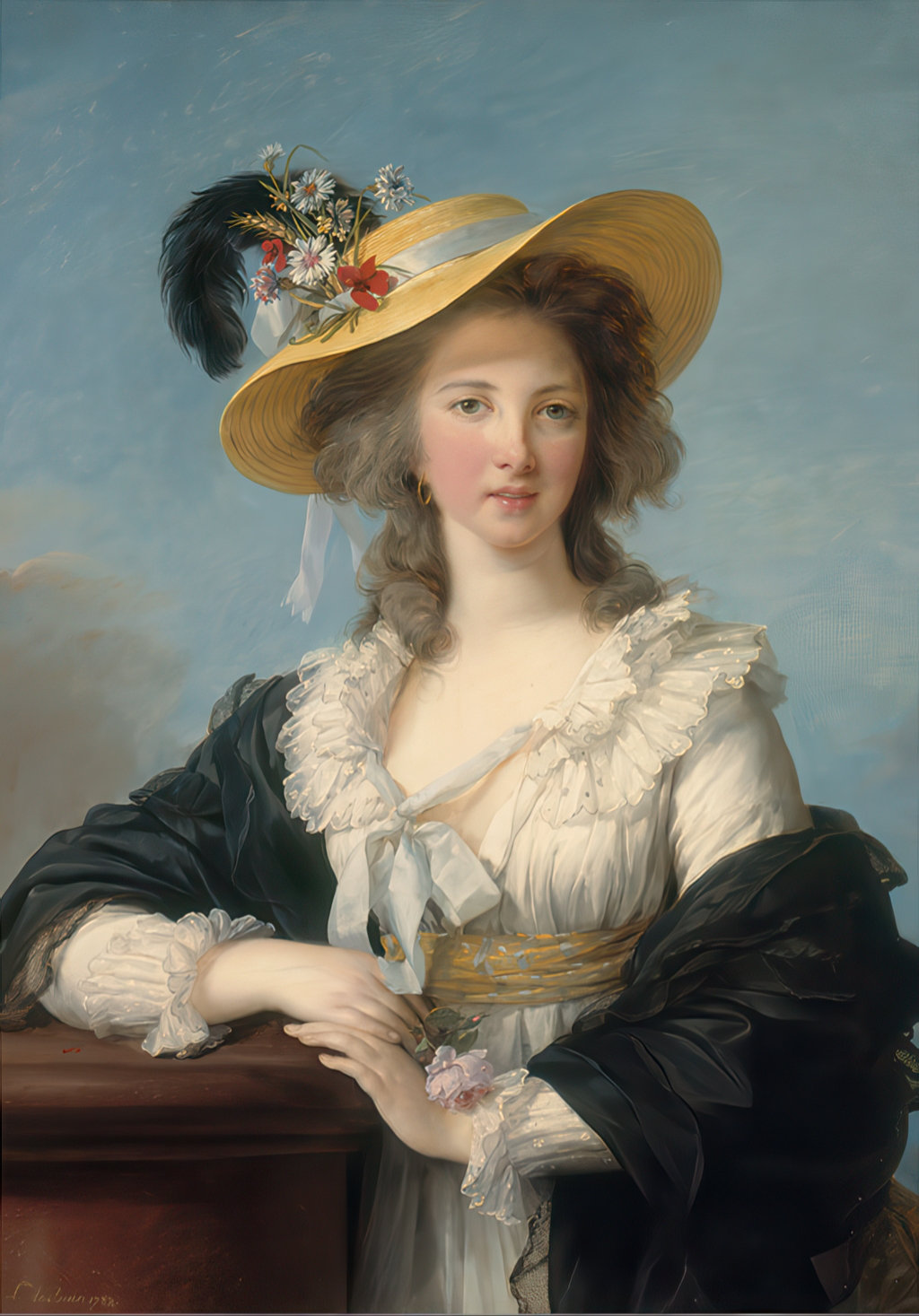
That calculation is part of the style. The portraits create a social fiction in which status looks effortless. In Comtesse de la Châtre, the white muslin dress, hat, book and open-air ease look informal, but the Met connects them to court taste, Marie Antoinette's fashion and British portrait models. [2]
This is one of the reasons Vigée Le Brun's style can be underestimated. A portrait that seems easy can conceal a great deal of management. Hands, flowers, books, hats, ribbons and outdoor settings create a language of cultivated spontaneity. The sitter appears natural, but that naturalness has been staged for viewers who understood fashion, class and courtly codes.
Her technique is also relational. She was painting people who needed to be recognized socially as much as physically. The likeness had to satisfy the sitter, the sitter's circle and the public mood around the image. This helps explain the balance in her work between idealization and specificity: the faces remain animated and individual, while the surface keeps enough grace to protect the sitter from harshness.
Her hands and faces often carry different kinds of information. Faces invite sympathy: bright eyes, parted lips, softened cheeks and direct or half-direct gazes. Hands establish social action: holding a rose, touching a child, turning a page, carrying palette and brushes. These gestures can look simple, but they help define whether a sitter appears maternal, cultivated, artistic, aristocratic or vulnerable.
The repeated effect is intimacy without loss of rank. Many sitters seem close to the viewer, but not ordinary. Vigée Le Brun often softens ceremony by using diagonal poses, informal props or natural settings, then restores status through finish, fabric, bearing and controlled composition. That push and pull gives her portraits their characteristic tone: graceful, approachable and still socially precise.
Light and Colour
Light is one of the quiet engines of Vigée Le Brun's style. The National Gallery links Self Portrait in a Straw Hat to Rubens's Portrait of Susanna Lunden, especially the effect of a face shaded by a broad hat and illuminated by reflected light. [1]
The lesson is not that Vigée Le Brun simply imitated Rubens. She translated an old-master lighting problem into a modern self-image: a woman artist in fashionable dress, outdoors, holding the tools of her profession. Her colour is often high-toned and flattering, but it also organizes social meaning.
In the National Gallery's account, the outdoor setting of Self Portrait in a Straw Hat lets Vigée Le Brun combine ordinary daylight with direct sunlight, while also associating herself with Rubens and with the authority of old-master painting. [1] That matters because she uses technique as a claim. Light does not simply flatter her face. It says that she has studied, selected and mastered an admired pictorial problem.
The same lesson can be carried into her broader portrait practice. Soft colour and bright flesh tones are not merely sweet effects. They help build immediacy. They make the sitter look present, warm and socially available. In an age when portraiture served reputation, that warmth was a form of persuasion.
Finish is another part of the persuasion. Vigée Le Brun's portraits rarely call attention to rough handling for its own sake. Even where the brushwork is lively, the whole image tends toward clarity, polish and social legibility. That polish can make the paintings seem less radical than they are, but it is exactly what allowed her to move through demanding patronage circles. Technique becomes a form of social tact.
Colour performs a similar function. Pale fabrics, warm flesh, blue sky, dark hats and glowing highlights can make the sitter feel immediate, but they also control emotional temperature. Vigée Le Brun's colour tends to reduce harshness. It offers the viewer a world in which rank, feeling and beauty appear reconciled, even when the sitter's real social position was more unstable.
Fashion and Social Meaning
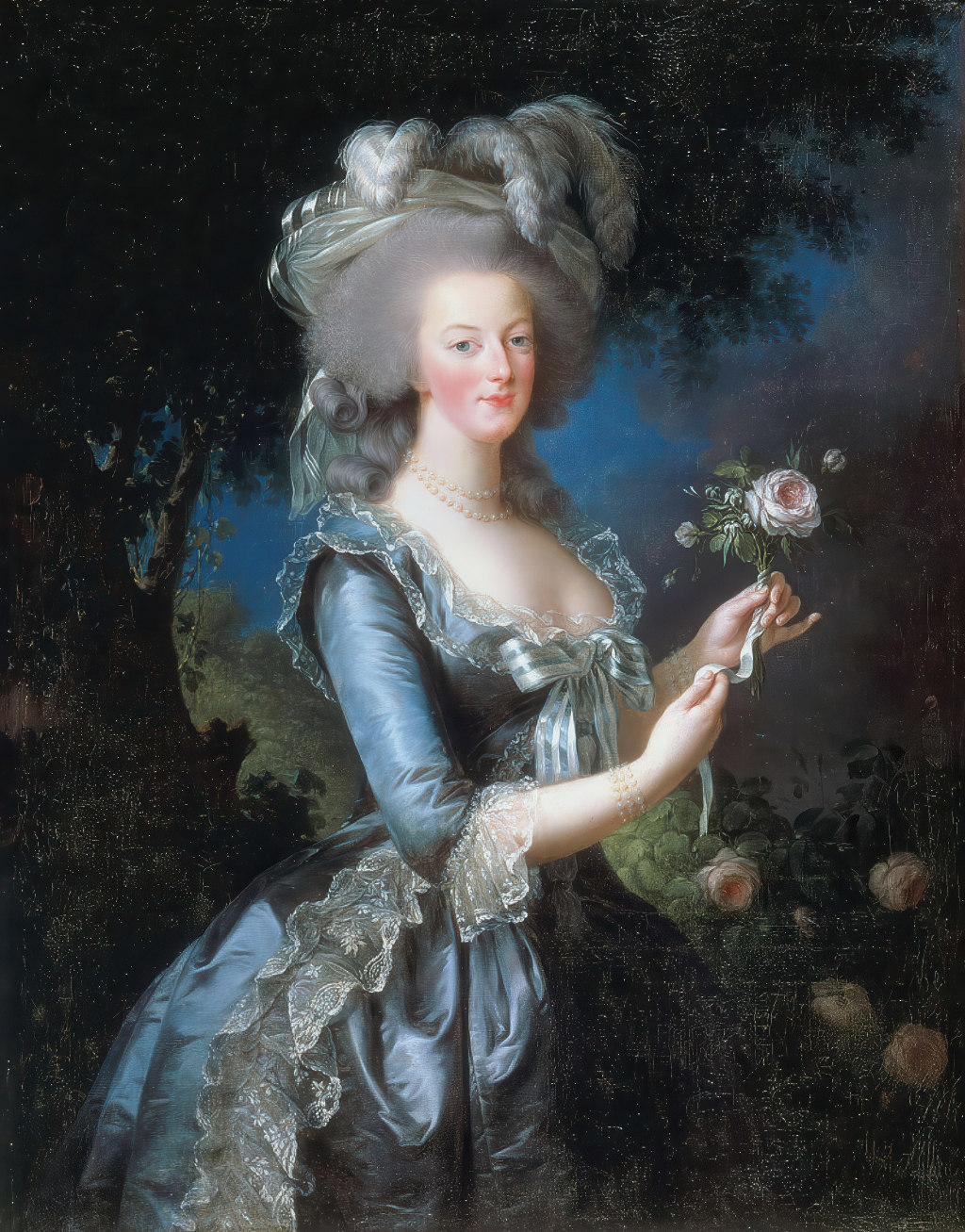
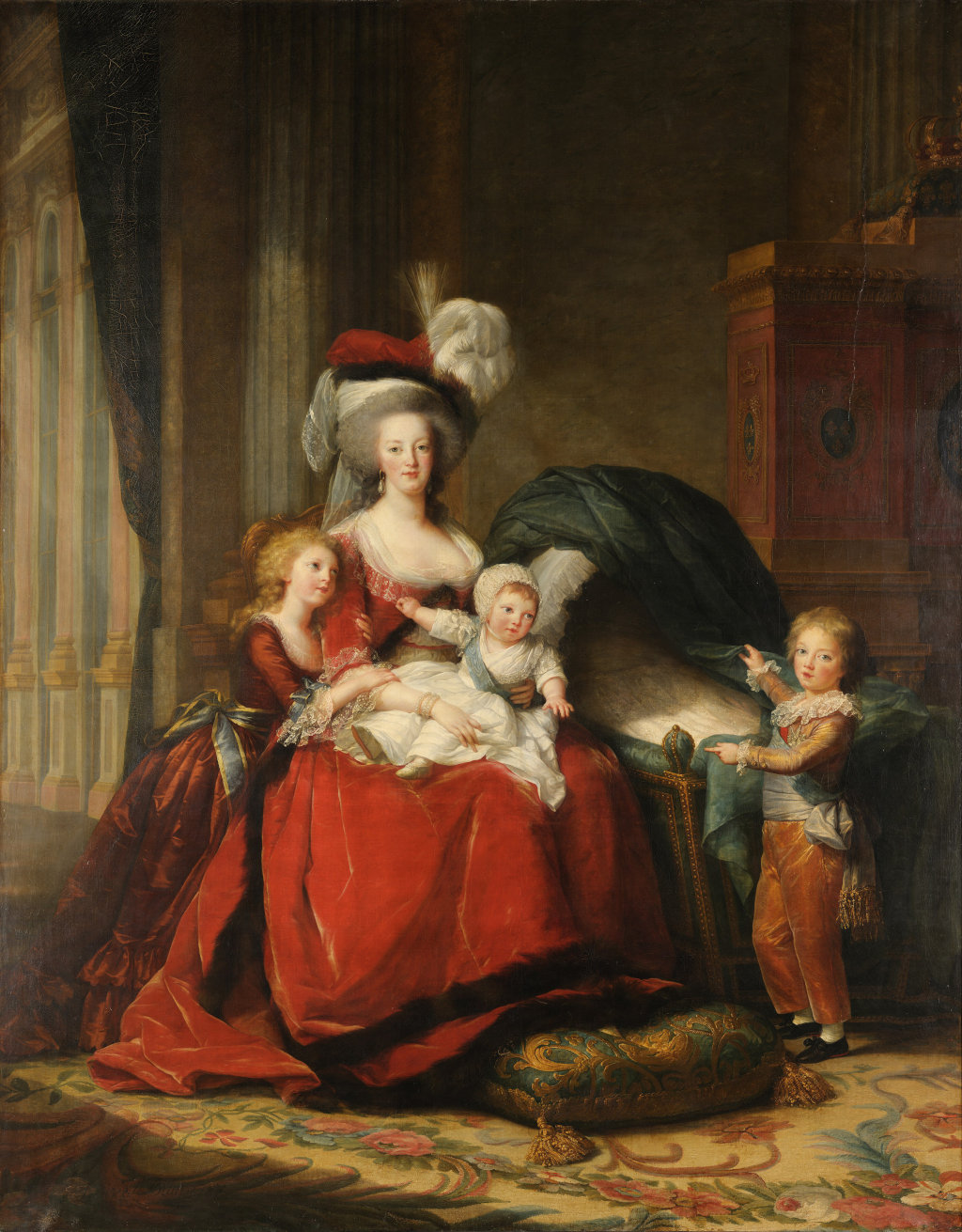
Costume in Vigée Le Brun is never neutral. Hats, muslin dresses, feathers, flowers, scarves and loose hair are part of the argument of the image. They can soften rank, create pastoral ease, suggest modern feeling or repair public image after scandal.
This is especially important in the Marie Antoinette portraits. The queen's clothing could change the public meaning of the whole picture. A simple dress could seem dangerously informal; a more controlled pose and costume could restore royal decorum. The portrait becomes a negotiation between personality, fashion and political risk.
Fashion also allowed Vigée Le Brun to modernize portraiture without abandoning elegance. Muslin, straw hats, loosened hair and outdoor settings could suggest sensibility and ease, while richer fabrics, darker grounds and formal poses could reassert rank. Her technical intelligence lies in moving between those registers. She understood that costume was not separate from character; it was one of the main ways character was made visible.
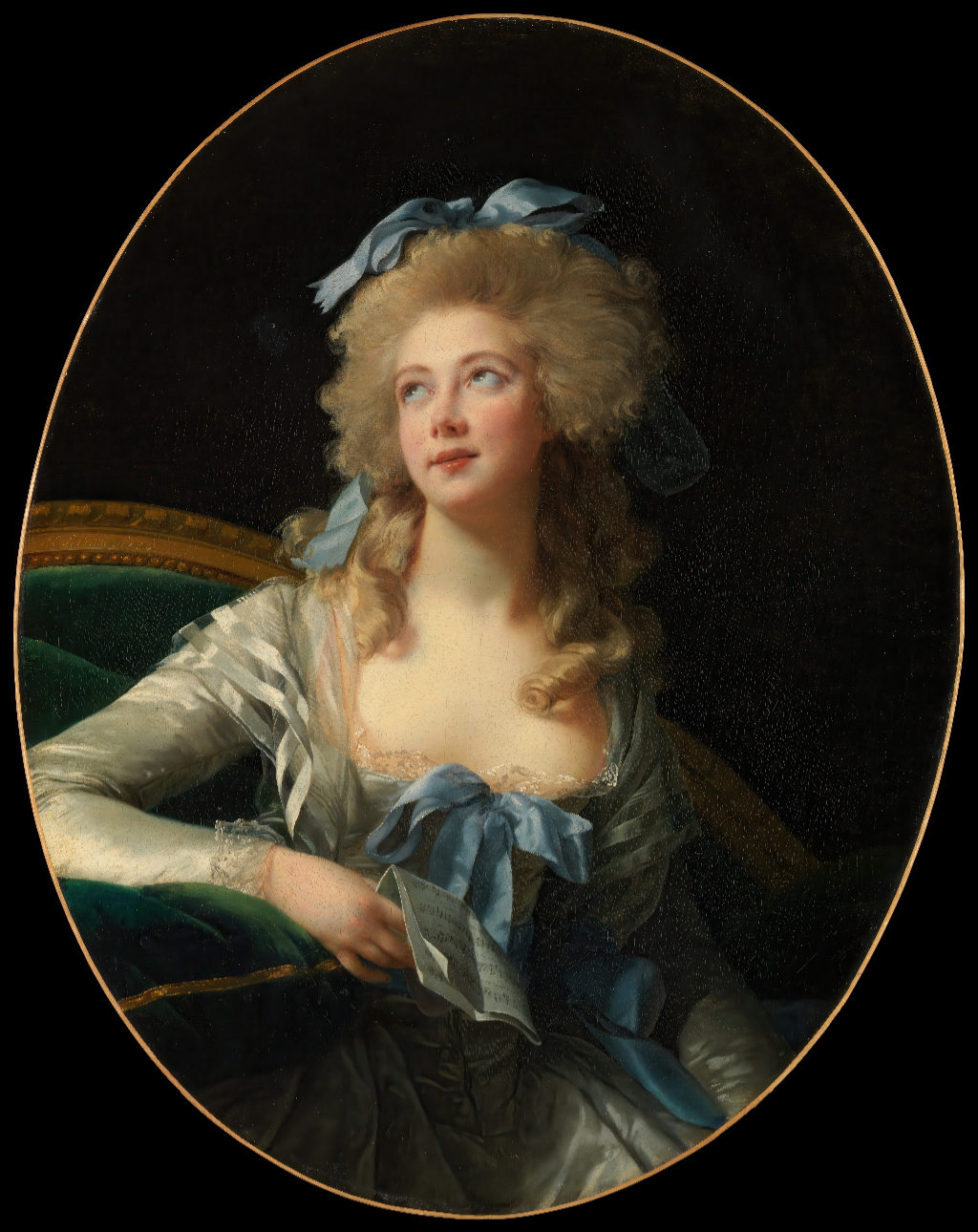
This is why Madame Grand and Comtesse de la Châtre feel related but not identical. Both are elegant society portraits, yet one leans toward theatrical display and the other toward cultivated outdoor ease. Costume, setting and pose do the interpretive work. Vigée Le Brun adjusts the sitter's social fiction from painting to painting.
Women Artists and Style
The Met's essay on eighteenth-century women painters explains that critics often framed Vigée Le Brun and Labille-Guiard through gendered ideas of style, contrasting Vigée Le Brun's loose brushwork, high colour and flattering sitters with Labille-Guiard's supposedly more severe qualities. [3]
That critical framing should be treated carefully. It tells us as much about the period's assumptions as it does about the paintings. Vigée Le Brun's style was not merely feminine charm; it was a professional language that helped her succeed with court, aristocratic and international patrons.
The danger is to repeat eighteenth-century gender labels as if they were neutral formal analysis. Softness, high colour and flattering surfaces were not inherently less serious than severity or blunt naturalism. In Vigée Le Brun's case, they were ways to build trust with sitters, manage public identity and make female artistic presence socially acceptable without making it invisible. [3]
Looking Carefully
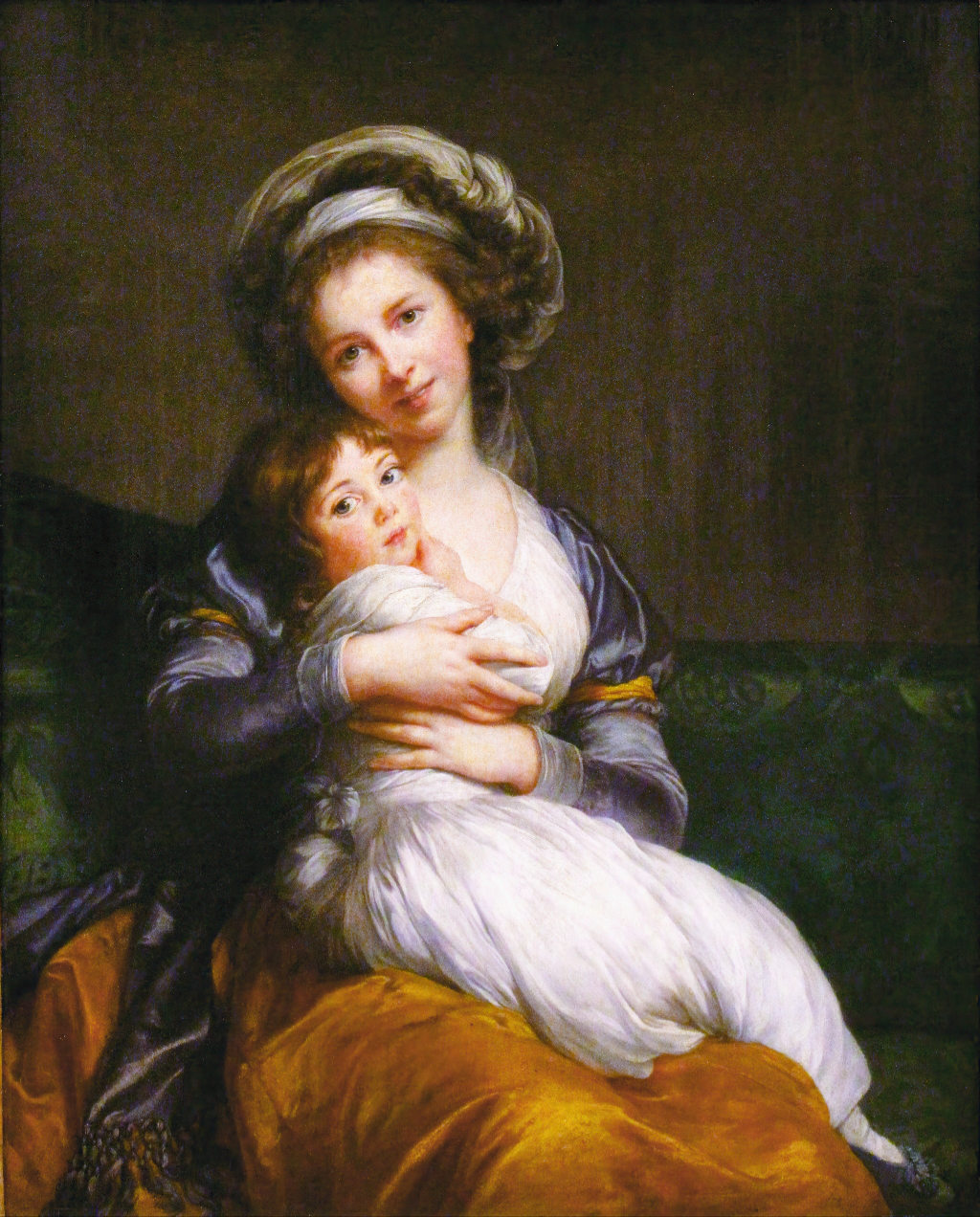
When looking closely at a Vigée Le Brun portrait, start with the direction of the head and eyes. Direct address often signals confidence or intimacy, but a slight turn can soften the encounter. Then look at the hands: they usually carry the social role of the sitter. Palette and brushes identify the artist; a rose manages femininity and rank; a child creates maternal feeling; a book suggests cultivation.
Next, read the clothing as part of the composition rather than as surface decoration. White fabric can make a sitter appear natural or morally softened; darker accents can restore weight and authority; a hat can frame the face while allowing a play of light and shadow. Finally, look for the balance between ease and construction. Vigée Le Brun's best portraits feel spontaneous, but they rarely feel accidental.
Comparison Works
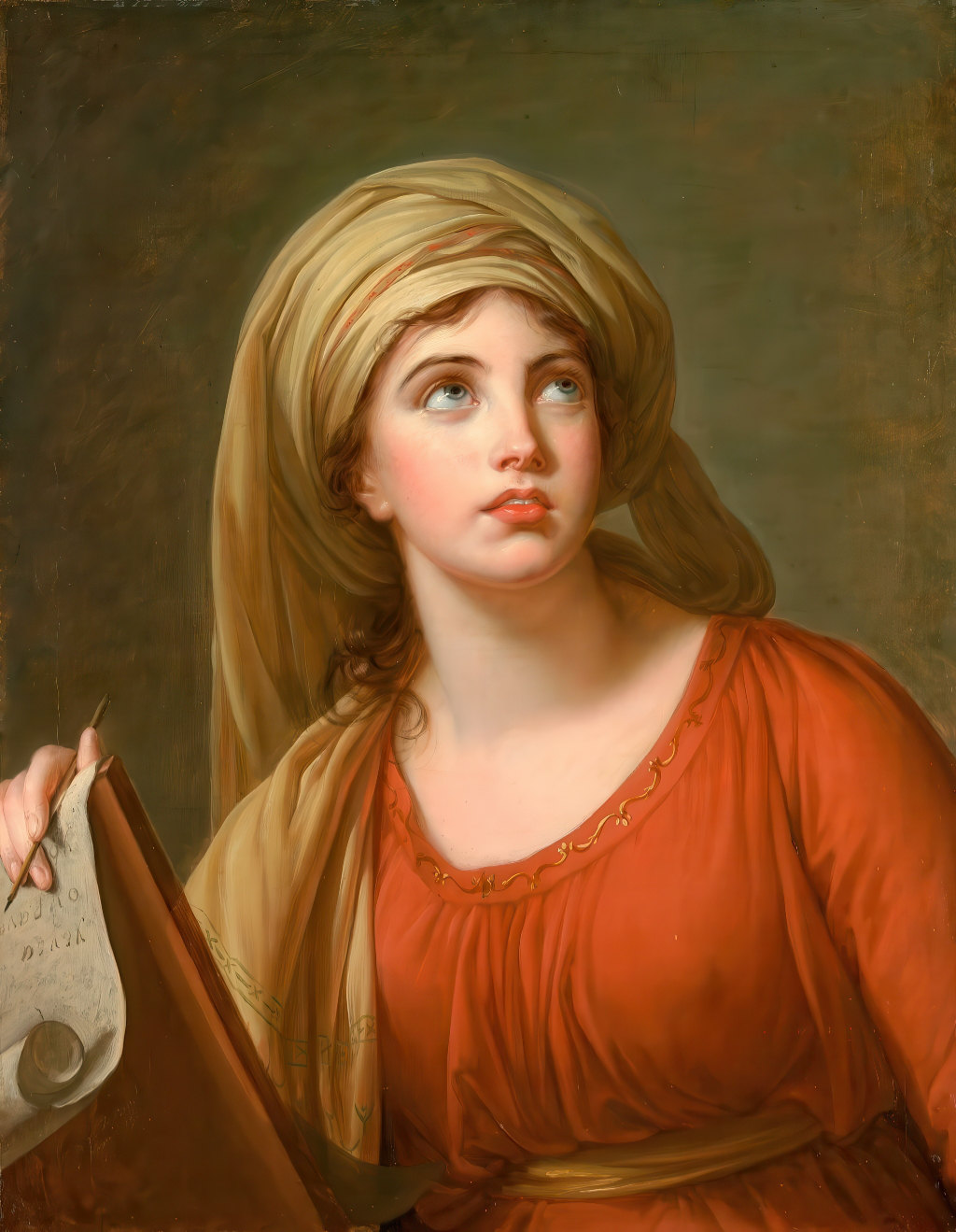
The strongest comparison works are Rubens's Portrait of Susanna Lunden, Adélaïde Labille-Guiard's self-portraits and George Romney's images of Emma Hamilton. These comparisons clarify three different aspects of Vigée Le Brun: old-master light, women artists' self-presentation and the fashionable informality of late eighteenth-century portraiture. [1] [2] [3]
Within the cluster, compare Madame Grand, Comtesse de la Châtre and Self-Portrait with Julie. Each uses beauty differently: theatrical society presence, aristocratic ease and maternal affection. The comparison helps show that Vigée Le Brun did not simply repeat a flattering formula; she adjusted the formula to the social purpose of each image.
FAQs
Her style is known for elegant portraiture, luminous colour, flattering likenesses and a carefully managed appearance of naturalness. [1]
Fashion helps define status, informality and public image. In some portraits, clothing is central to how the sitter wants to be read socially or politically. [2]
Yes. The National Gallery connects Self Portrait in a Straw Hat with Rubens's Portrait of Susanna Lunden, especially the outdoor light and shaded face. [1]
References
- National Gallery, London, Self Portrait in a Straw Hat.
- The Metropolitan Museum of Art, Comtesse de la Châtre.
- The Metropolitan Museum of Art, Eighteenth-Century Women Painters in France.
Discussion
What stands out to you about Élisabeth Vigée Le Brun? Share an observation, question or interpretation with other readers.
Reader Insights
Which visual detail changes how you read the sitter, the artist or the page's central theme?
Which related Vigée Le Brun page helps you understand this work or topic more clearly?
Join the Conversation
Thoughtful comments and questions are welcome.