 by Tom Gurney
Tom Gurney BSc (Hons) is an art history expert with over 20 years experience
Published on July 7, 2026 / Updated on July 7, 2026
Email: tomgurney1@gmail.com / Phone: +44 7429 011000
Madame Grand by Élisabeth Vigée Le Brun
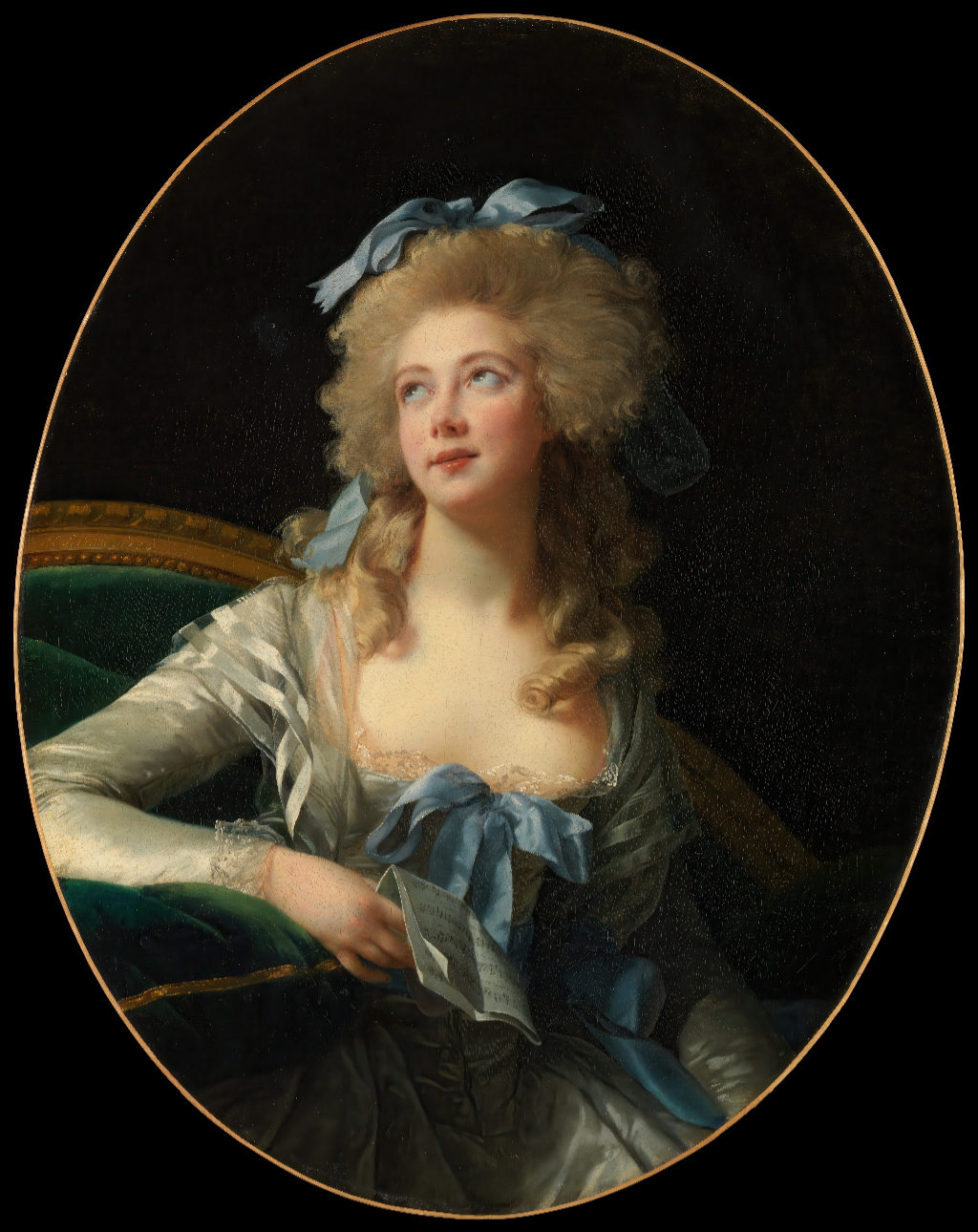
Madame Grand, painted in 1783, is one of Élisabeth Vigée Le Brun's most striking Salon portraits. The sitter, Noël Catherine Vorlée, later Madame de Talleyrand-Périgord, appears with raised eyes and parted lips, holding a musical score in an oval composition that turns social portraiture into a performance of beauty, sound and display. [1]
The painting is now in The Metropolitan Museum of Art, where it is presented as part of the artist's breakthrough year: 1783, the year Vigée Le Brun exhibited an ambitious group of works at the Salon and was admitted to the French Royal Academy. [1]
The painting should be read as a performance of presence. Madame Grand is not shown as a passive sitter fixed in place. Her lifted eyes, open mouth and musical score make the image feel momentary, as if beauty, music and social display have briefly aligned for the viewer.
At a Glance
- Artist:Élisabeth Louise Vigée Le Brun [1]
- Title:Madame Grand [1]
- Date:1783 [1]
- Medium:Oil on canvas [1]
- Dimensions:92.1 x 72.4 cm [1]
- Collection:The Metropolitan Museum of Art [1]
- Object no.:50.135.2 [1]
Contents
- At a Glance
- Why It Matters
- Museum Perspective
- Looking Carefully
- Salon of 1783
- Interpretation
- Comparison Works
- Timeline
Why It Matters
The portrait matters because it shows Vigée Le Brun at the point where private beauty, public reputation and institutional success meet. The Met records that the painting was among ten portraits and three history paintings shown by the artist at the Salon of 1783. [1]
That same year, Vigée Le Brun was accepted into the French Royal Academy, one of only four women members. The portrait therefore belongs to a larger story about women's professional success in Paris in the 1780s, a period when women painters could be highly visible while still facing institutional limits and hostile commentary. [1] [2]
Museum Perspective
The Met frames the sitter through both biography and reception. Madame Grand was born near Pondicherry, India, later became famous for beauty and eventually married Talleyrand. The museum also notes that admirers and critics exoticized her background through the epithet l'Indienne. [1]
This matters because the portrait is not just an image of charm. It also participates in the social language through which late eighteenth-century Paris imagined beauty, foreignness, fashion and female celebrity.
Looking Carefully
The raised eyes are the first thing to notice. The Met describes the sitter with eyes lifted and lips parted, as if she is singing. That expression turns the portrait away from stillness and toward performance. [1]
The musical score matters too. It gives the sitter an activity, but not one that competes with elegance. Vigée Le Brun lets the page, the oval frame and the turn of the head work together, so that the portrait feels both intimate and staged.
The oval format contributes to this effect. It tightens the image around the sitter and turns the portrait into a kind of social apparition: face, music, fabric and gesture held in a compact field. The result is less about narrative than about cultivated display.
Salon of 1783
The Salon context gives the painting much of its weight. In 1783, Vigée Le Brun was not presenting a single lucky success. She was presenting herself as a major professional painter capable of portraits and history paintings, while negotiating a public culture that scrutinized women artists intensely. [1] [2]
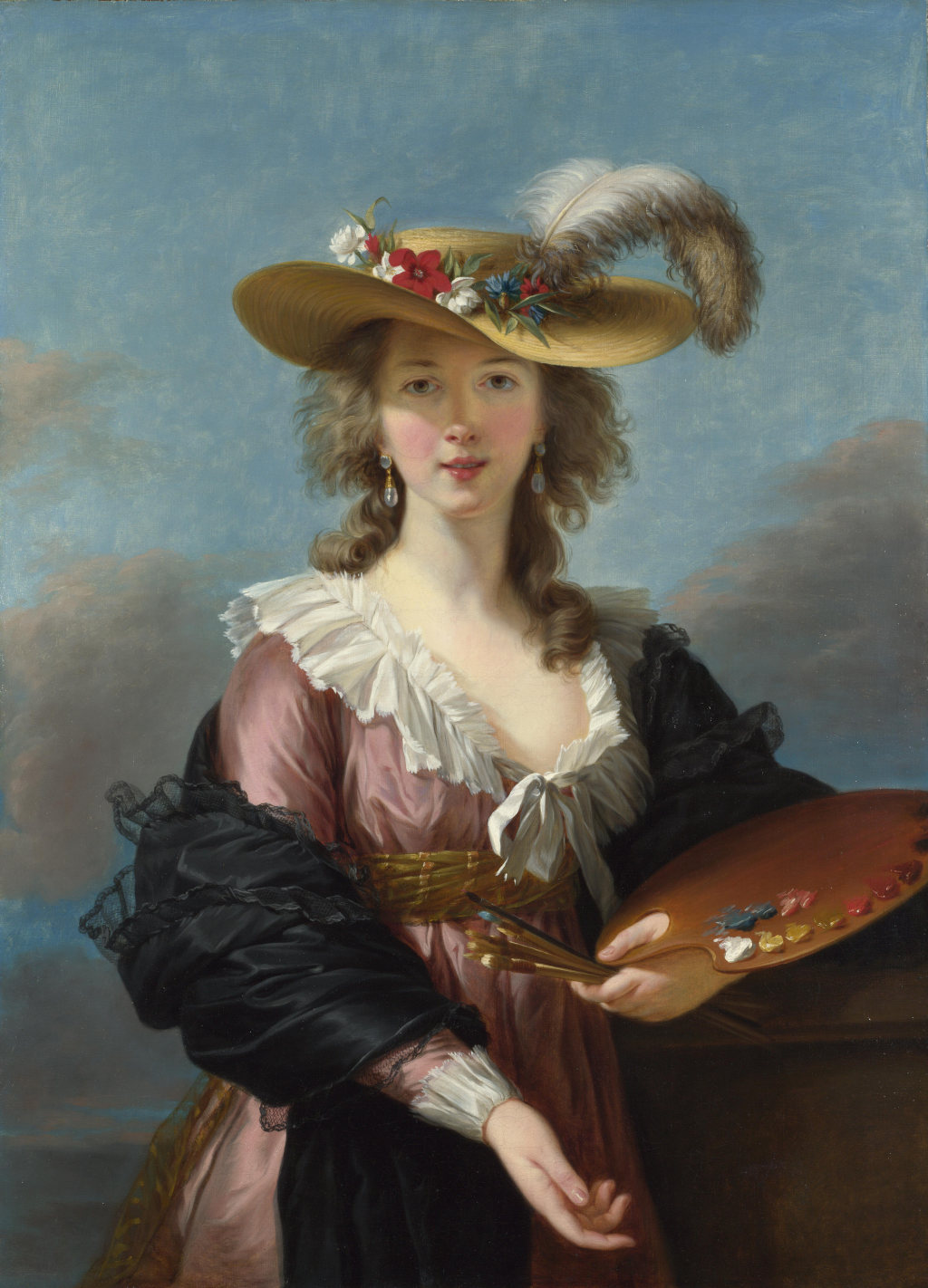
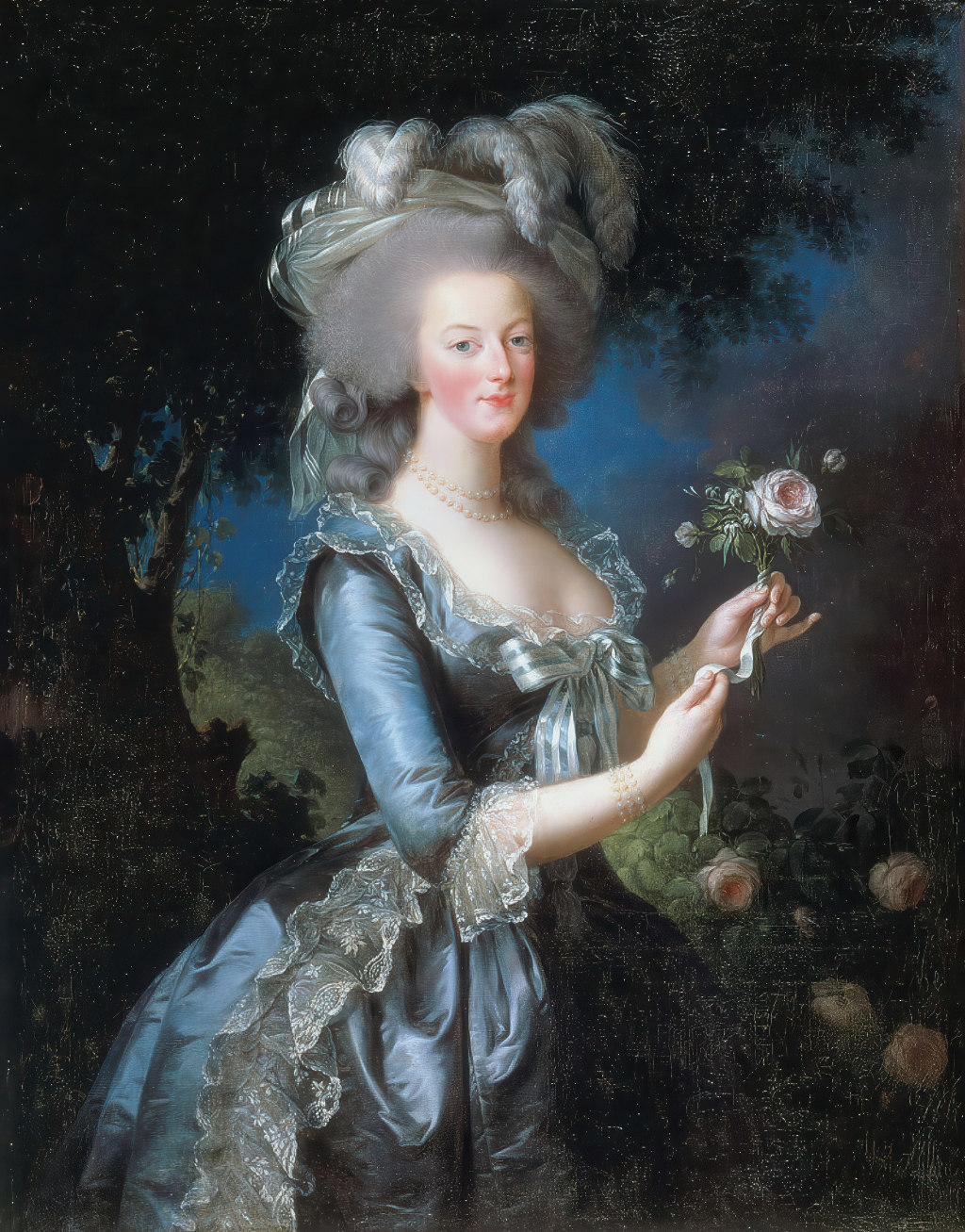
Placed beside Self Portrait in a Straw Hat and the Marie Antoinette portraits, Madame Grand helps show how flexible her portrait language was: professional self-image, royal image-making and society portraiture all belong to the same decade.
That flexibility is easy to underestimate. In one context, Vigée Le Brun uses softness to make the queen defensible; in another, she uses it to make herself professionally approachable; here she uses it to make society performance feel luminous. The style is consistent, but its social purpose changes from painting to painting.
Interpretation
The safest reading begins with display. The portrait presents Madame Grand as beautiful, musical and socially legible. But it also shows how portraiture can turn the sitter into a public idea. Her appearance, origins, voice and later reputation all become part of the painting's afterlife. [1]
Vigée Le Brun does not paint this as a psychological confession. She paints an image calibrated for admiration. The skill lies in making that calibration feel effortless.
The Met's note on the sitter's later fame and exoticized reception also matters. [1] The portrait participates in a culture that turned women into public images, sometimes admiringly and sometimes reductively. Vigée Le Brun's painting gives Madame Grand extraordinary visual presence, but that presence is shaped by the social expectations placed around beauty, performance and foreignness.
Comparison Works
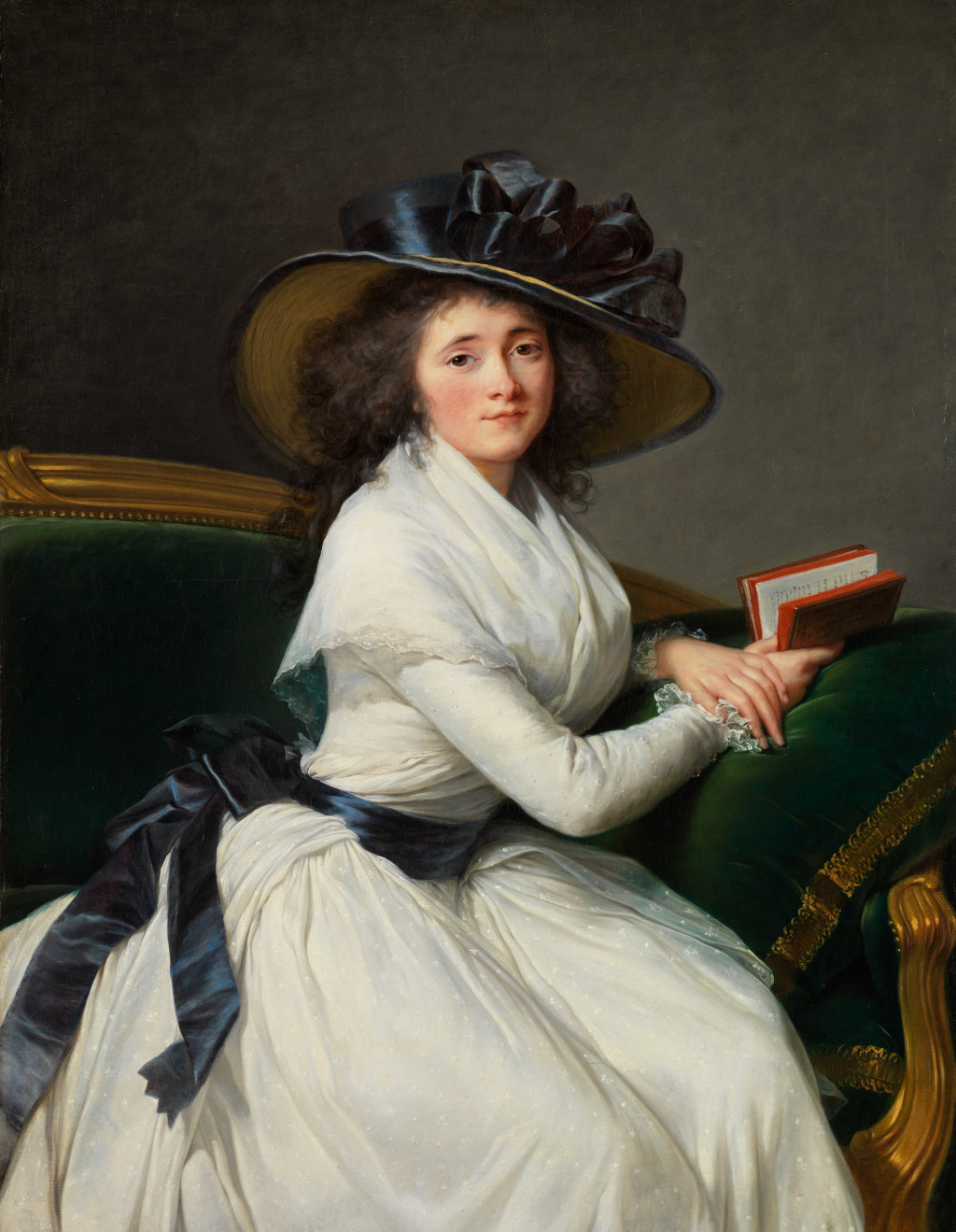
Compare this painting with Comtesse de la Châtre. Both are society portraits in which the sitter's pose, costume and setting are central to meaning, but Madame Grand turns toward music and sensual performance, while Comtesse de la Châtre turns toward fashionable outdoor ease. [1] [3]
Timeline
- 1761: Noël Catherine Vorlée is born. [1]
- 1783: Vigée Le Brun paints Madame Grand and exhibits major works at the Salon. [1]
- 1783: Vigée Le Brun is accepted into the French Royal Academy. [1]
- 1940: The painting enters The Met through the bequest of Edward S. Harkness. [1]
FAQs
It is in The Metropolitan Museum of Art, New York, with object number 50.135.2. [1]
She was Noël Catherine Vorlée, born near Pondicherry, India, later known for beauty and for her marriage to Talleyrand. [1]
It belongs to Vigée Le Brun's major Salon year of 1783 and shows how she shaped society portraiture through elegance, performance and public image. [1]
References
- The Metropolitan Museum of Art, Madame Grand.
- The Metropolitan Museum of Art, Eighteenth-Century Women Painters in France.
- The Metropolitan Museum of Art, Comtesse de la Châtre.
Discussion
What stands out to you about Élisabeth Vigée Le Brun? Share an observation, question or interpretation with other readers.
Reader Insights
Which visual detail changes how you read the sitter, the artist or the page's central theme?
Which related Vigée Le Brun page helps you understand this work or topic more clearly?
Join the Conversation
Thoughtful comments and questions are welcome.