 by Tom Gurney
Tom Gurney BSc (Hons) is an art history expert with over 20 years experience
Published on July 7, 2026 / Updated on July 7, 2026
Email: tomgurney1@gmail.com / Phone: +44 7429 011000
Self Portrait in a Straw Hat by Élisabeth Vigée Le Brun
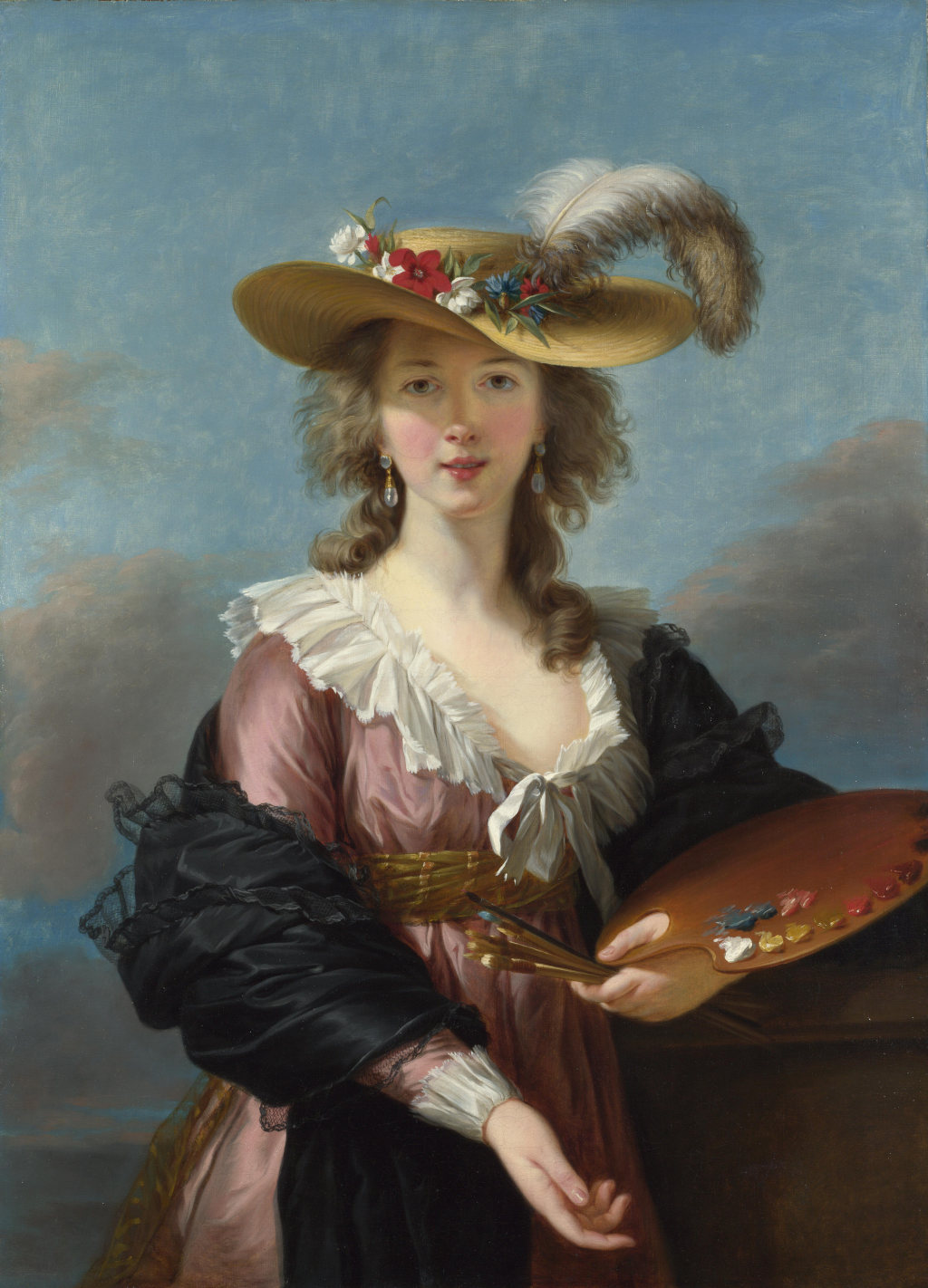
Self Portrait in a Straw Hat is one of Élisabeth Vigée Le Brun's clearest statements of artistic identity. The National Gallery records its painting as a signed copy, probably made in 1782, after the artist's original self-portrait. It shows Vigée Le Brun outdoors, holding palette and brushes, wearing a straw hat and looking directly at the viewer. [1]
The picture matters because it turns charm into professional argument. Vigée Le Brun presents herself as fashionable and socially graceful, but she also makes the tools of painting impossible to ignore.
This is why the painting is more than a flattering likeness. It is a carefully staged answer to the question of how a woman artist could appear in public: elegant enough to satisfy social expectations, direct enough to claim authority, and visibly equipped with the materials of her profession.
At a Glance
- Artist:Élisabeth Louise Vigée Le Brun [1]
- Title:Self Portrait in a Straw Hat [1]
- Date:Probably 1782 [1]
- Medium:Oil on canvas [1]
- Dimensions:97.8 x 70.5 cm [1]
- Collection:National Gallery, London [1]
- Inventory no.:NG1653 [1]
Contents
- At a Glance
- Why It Matters
- Museum Perspective
- The Rubens Connection
- Annotated Details
- Looking Carefully
- Interpretation
- Timeline
- Comparison Works
Why It Matters
The painting is a self-portrait, but it is also a public introduction. Vigée Le Brun does not present herself in a closed studio or hide behind aristocratic costume. She carries the visible tools of the profession: palette and brushes. [1]
That makes the painting especially important for a woman artist in late eighteenth-century France. The Met's essay on women painters describes a moment around 1780-1810 when women artists achieved unusual public success while still facing institutional restrictions and gendered criticism. [2]
The portrait belongs directly inside that context. Vigée Le Brun does not disguise ambition, but she makes ambition socially graceful. The viewer sees a painter, not simply a fashionable woman; yet the painter appears through beauty, light and ease rather than through severity. That balance helps explain why the picture has become such an effective emblem of her career.
Museum Perspective
The National Gallery emphasizes that its painting is a signed copy by Vigée Le Brun after the artist's original, and that the original was shown at the Salon in 1783. [1]
The museum also stresses that the image is linked to Peter Paul Rubens's Portrait of Susanna Lunden, formerly known as Le Chapeau de Paille. This is crucial because it places the self-portrait in dialogue with an admired old master rather than treating it as fashionable costume alone. [1]
The National Gallery's detail that this is a signed copy after the original also matters. It means the image was not a casual experiment. Vigée Le Brun returned to the composition and repeated it, preserving a self-image that had already proved artistically and publicly useful. [1]
The Rubens Connection
Vigée Le Brun saw the Rubens portrait during a visit to Antwerp. The National Gallery explains that she was interested in the effect of direct and reflected light, especially the shaded face beneath the broad hat. [1]
This connection matters because the self-portrait is both homage and transformation. Rubens provides the painterly problem; Vigée Le Brun turns it into an image of herself as a modern professional artist.
The Rubens connection also raises the status of the work. Vigée Le Brun is not only showing that she can make a charming outdoor portrait. She is showing that she can study an admired old-master effect and redirect it toward her own identity. The hat, the shadow and the reflected light become a way of placing herself inside an artistic lineage. [1]
Annotated Details from Self Portrait in a Straw Hat
This annotated view highlights ten details that explain how Vigée Le Brun turns an elegant outdoor self-portrait into a statement of professional identity. The National Gallery connects the painting to Rubens's treatment of light beneath a broad hat, while the visible palette and brushes make the artist's profession central to the image. [1]
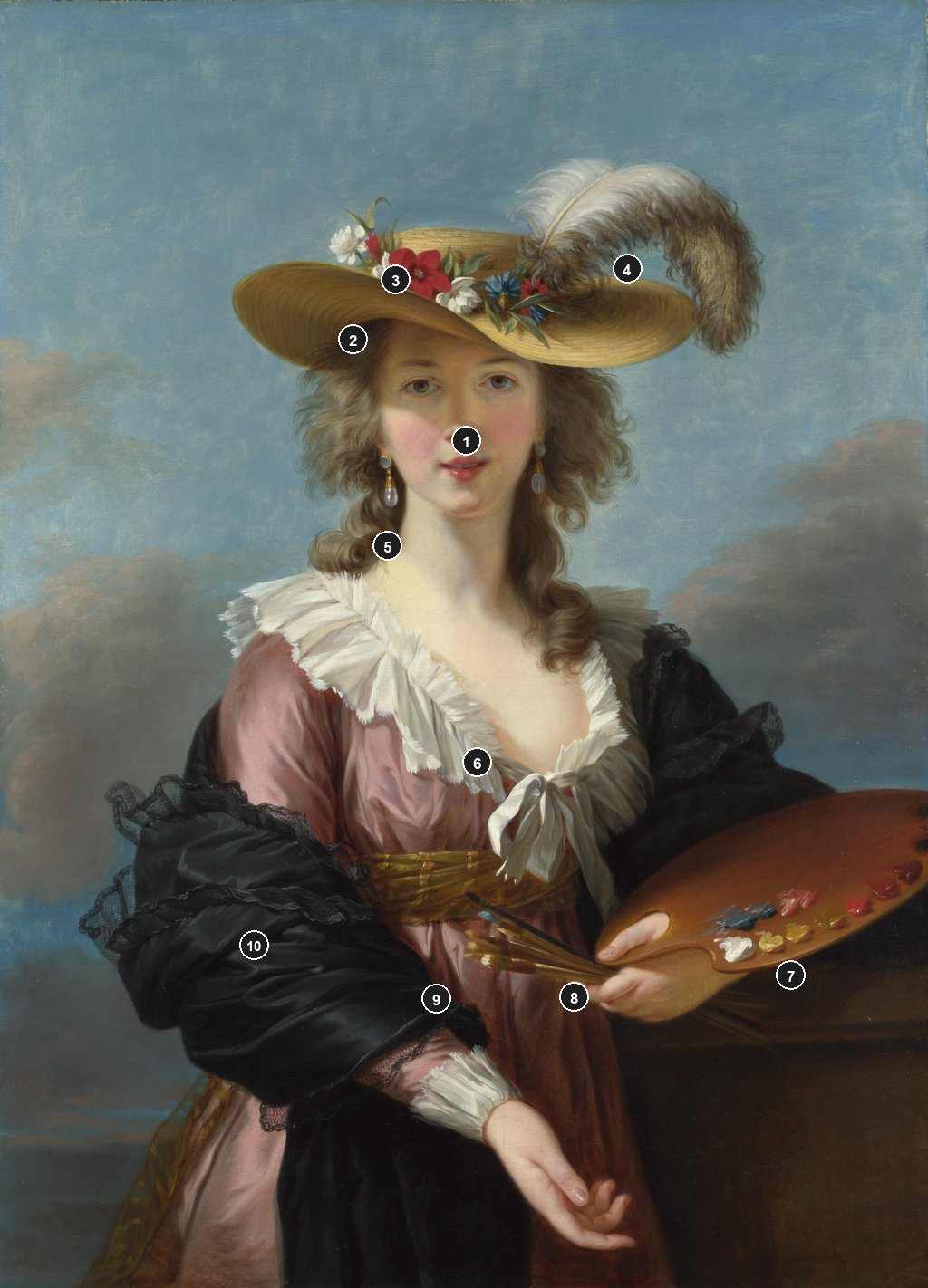
On desktop and tablet screens, click a number on the painting to jump to the matching detail below.
10 DETAILS to Notice
The details below move from the shaded face and flowered hat to the palette, brushes and costume. Together they show how charm, old-master light and artistic labour work in the same image.
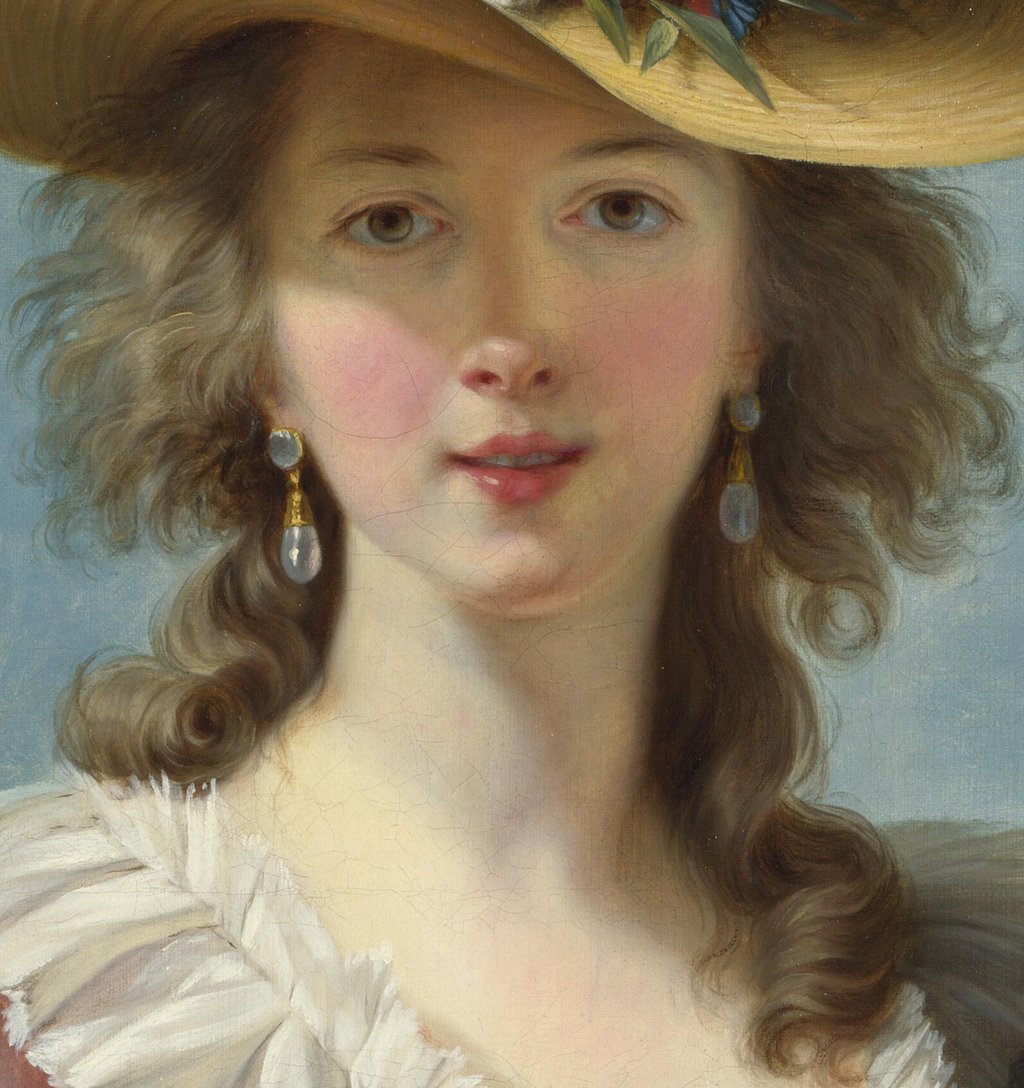
Shaded Face and Direct Gaze
The broad hat shades Vigée Le Brun's face without hiding it. This is the light problem the National Gallery connects to Rubens: direct and reflected light, a face under shade, and a sitter who still meets the viewer clearly. [1]
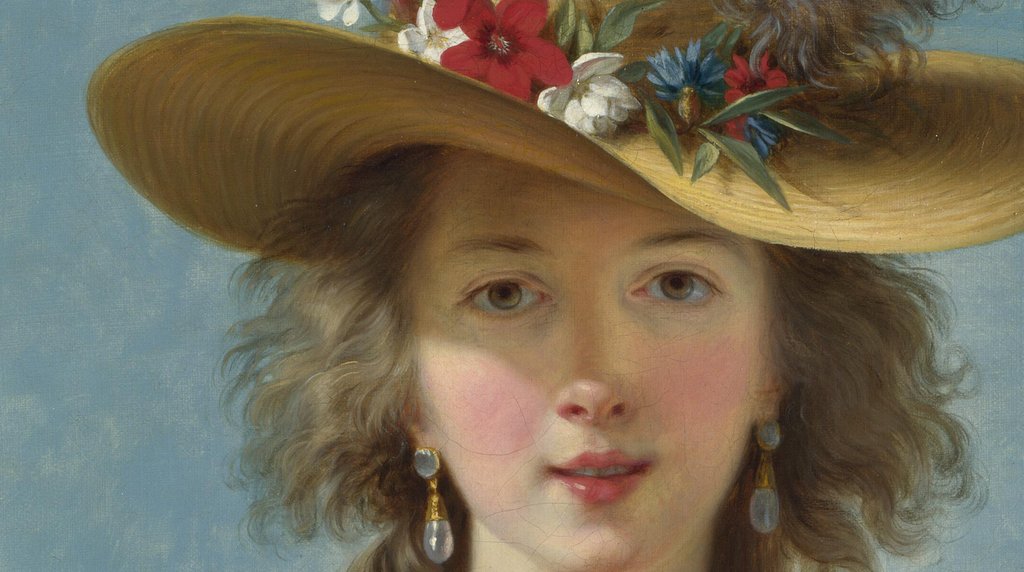
Broad Straw Hat
The hat is more than costume. It structures the painting's light, casting the face into a soft shadow while keeping the surrounding sky bright. That contrast is central to the old-master comparison behind the portrait. [1]
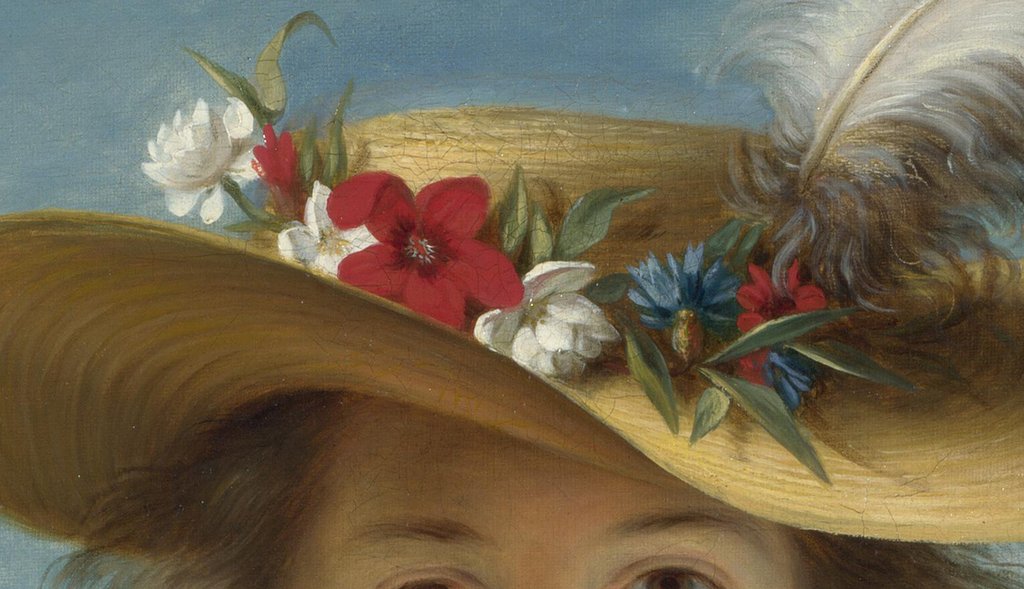
Flowers on the Hat
The flowers make the self-image socially graceful. They soften the professional claim of the portrait, letting Vigée Le Brun appear fashionable and cultivated while still presenting herself as a working painter.
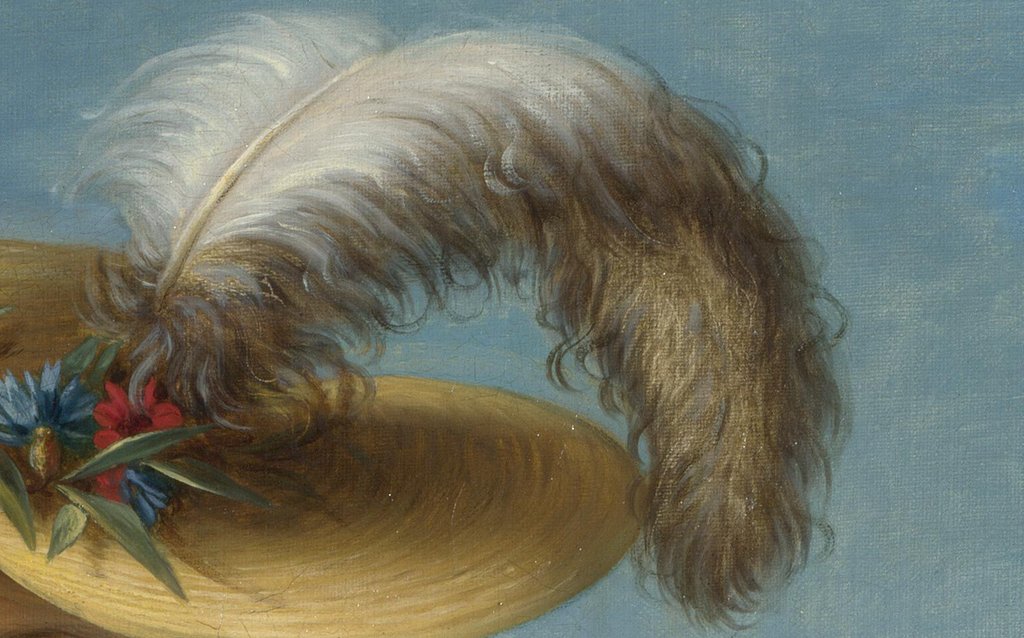
White Feather Plume
The plume gives the top of the portrait movement and theatre. Its pale strokes stand out against the blue background, helping the hat feel light rather than heavy.
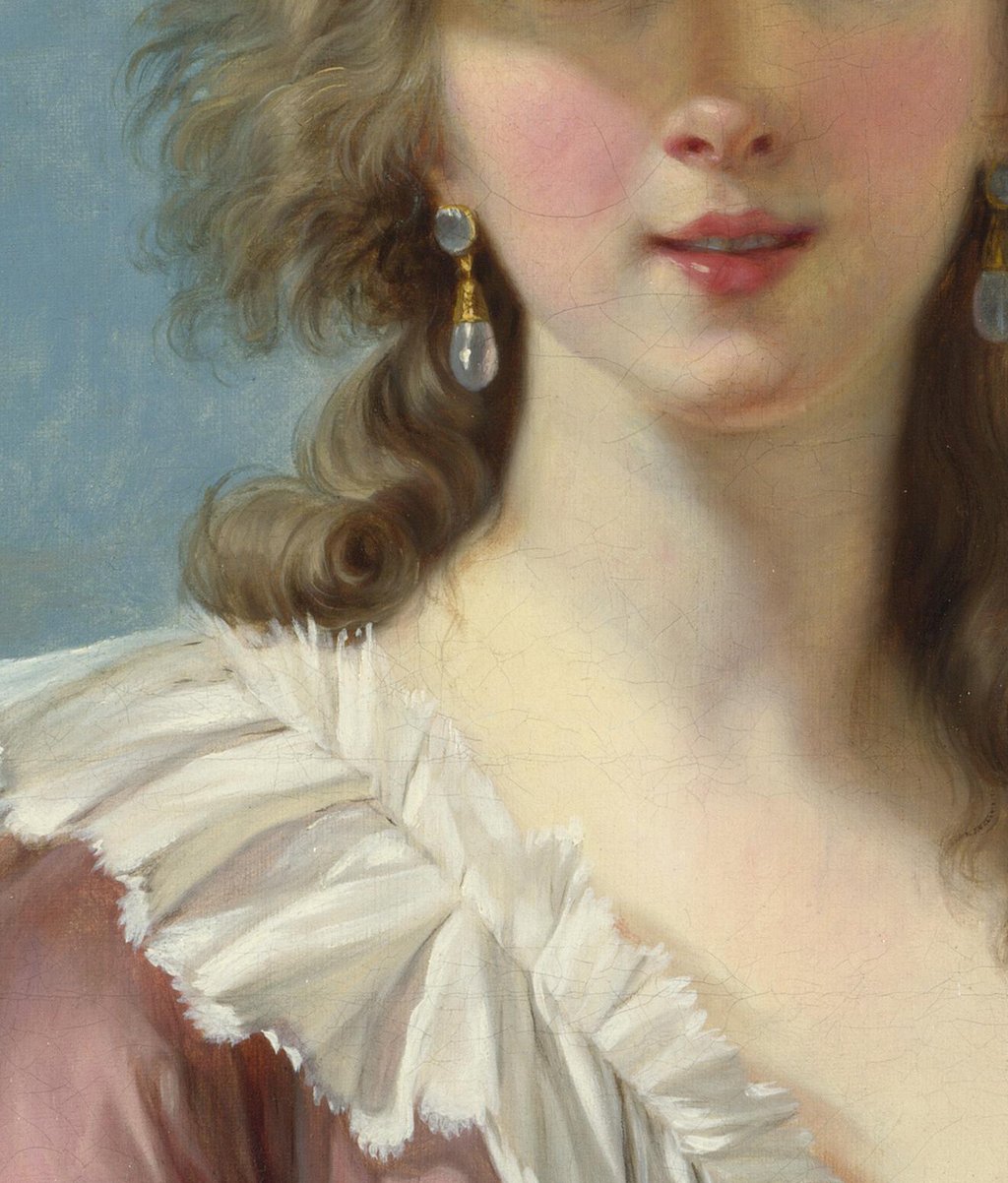
Pearl Earring and Curls
The earring and curls show how carefully the artist balances refinement with informality. The portrait is outdoor and open, but never casual in its construction.
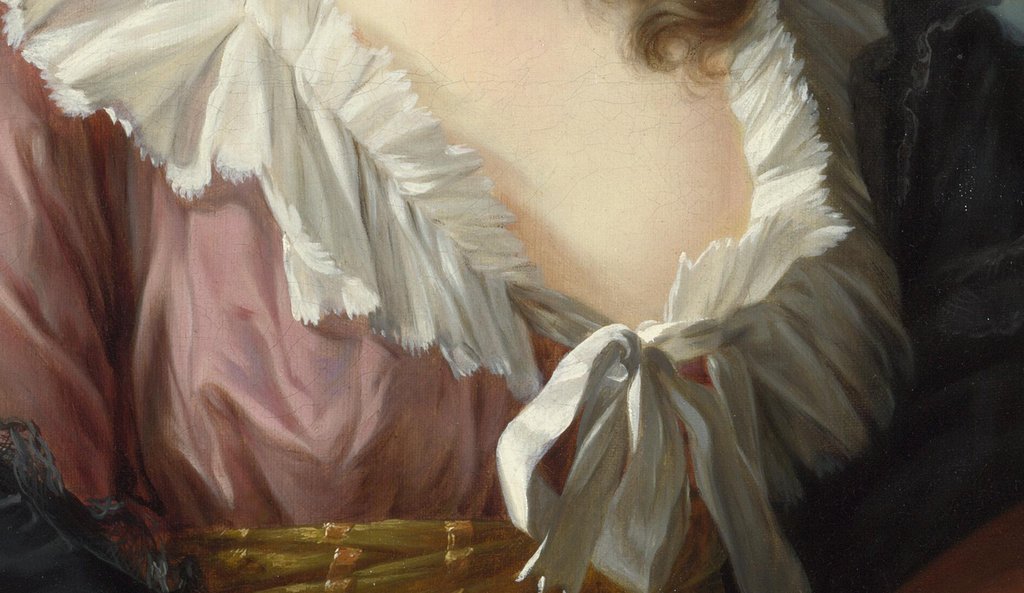
White Collar and Neckline
The white collar catches light below the face and helps pull the eye down toward the hands and tools. It is a bridge between the sitter's elegance and the professional identity announced by the palette.
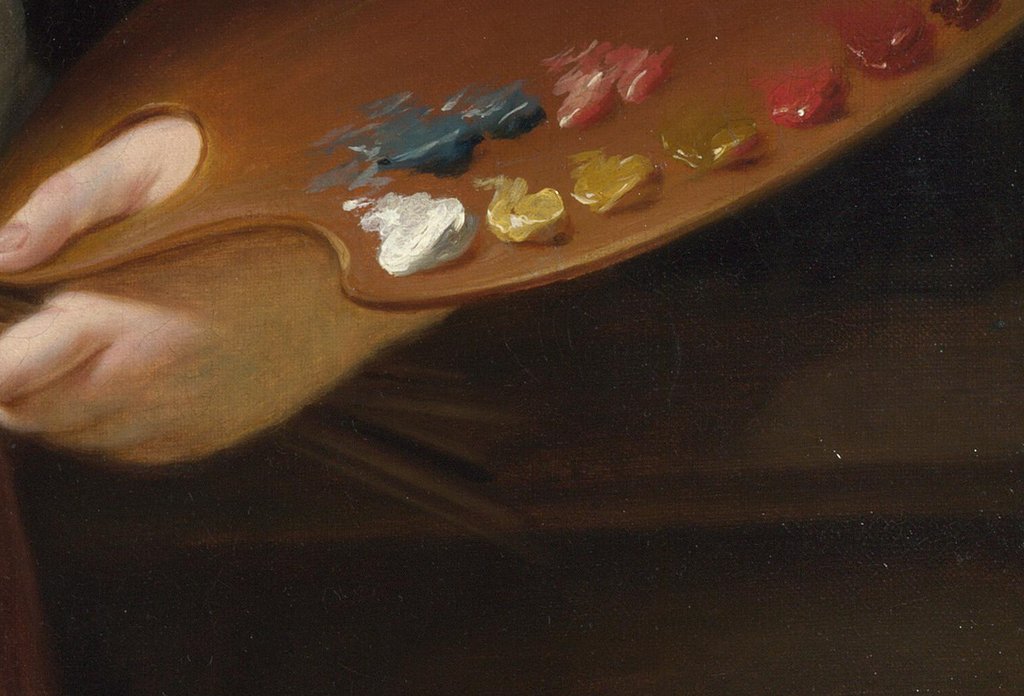
Palette and Paint Dabs
The palette changes the meaning of the whole portrait. The National Gallery describes the artist holding palette and brushes; without these tools, the image could be mistaken for a fashionable likeness rather than a declaration of artistic identity. [1]
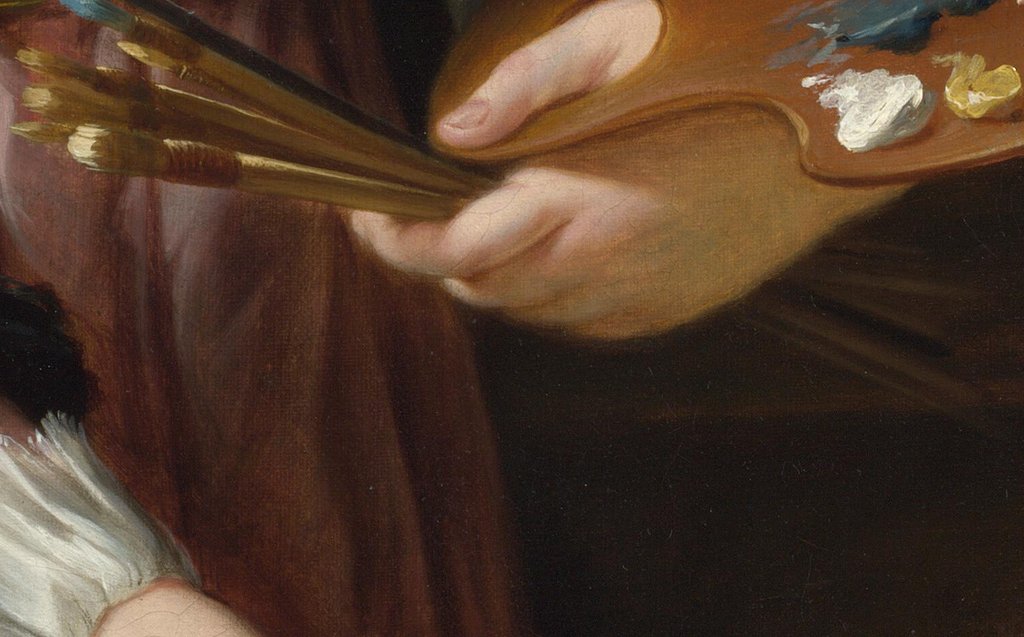
Brushes and Working Hand
The brushes bring labour into the image, but quietly. The hand is elegant, the tools are controlled, and professional ambition is made to look socially acceptable. That balance matters in the wider context of eighteenth-century women painters. [2]
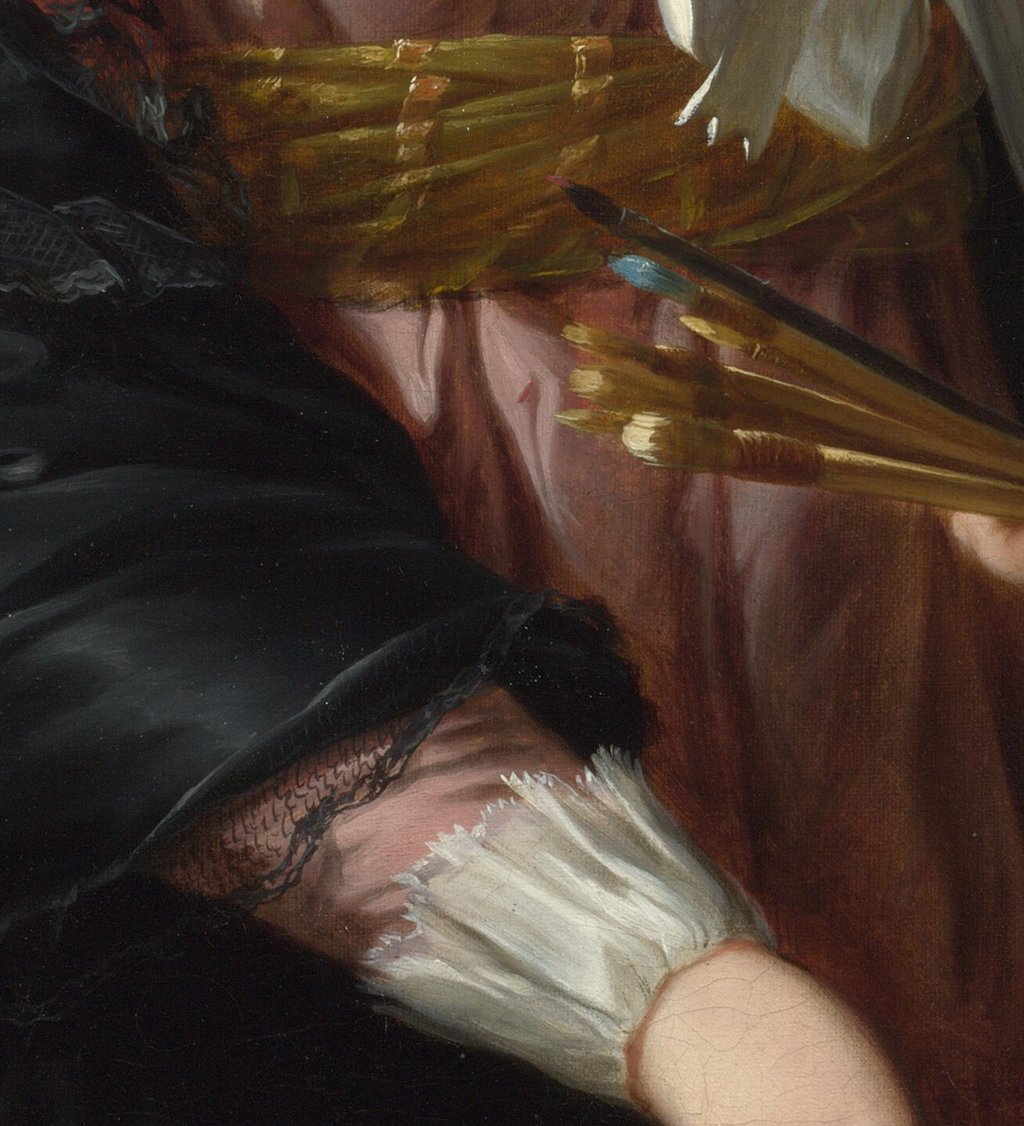
Pink Dress and Yellow Sash
The pink dress and yellow sash keep the image lively and fashionable. They also show how colour helps the self-portrait remain charming even while it makes a serious claim about authorship.
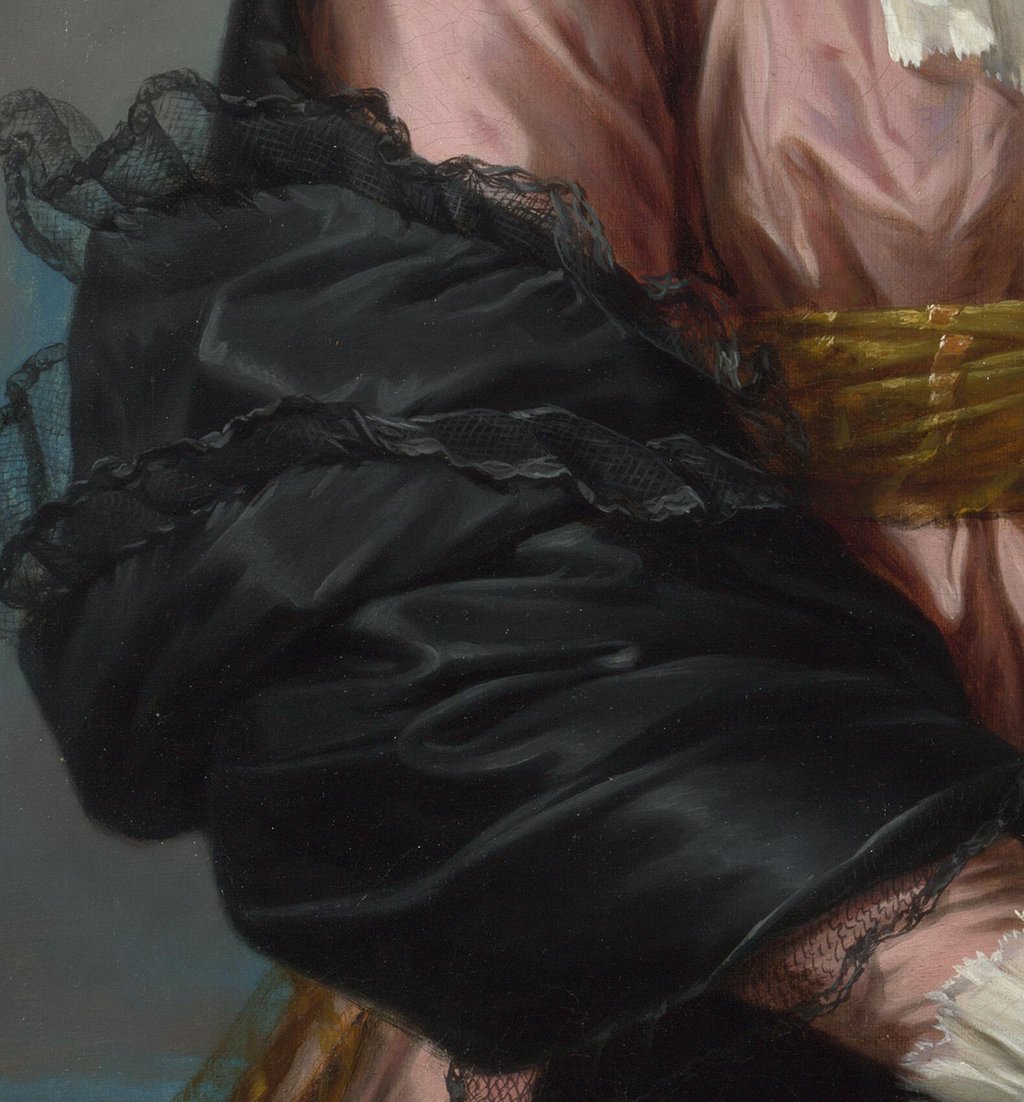
Black Wrap and Gauze
The black wrap gives the lower half of the painting depth and contrast. It anchors the bright face, collar, flowers and palette, stopping the portrait from becoming merely delicate.
Looking Carefully
The palette is the key detail. Without it, the portrait might be read mainly as a fashionable outdoor likeness. With it, the whole image changes: the hat, flowers, sky and dress remain charming, but the artist's labour is brought into the picture. [1]
The face is also worth slow looking. It is shaded, but not hidden. The hat makes the light more complex while the direct gaze keeps the image open and self-possessed.
The outdoor setting is equally important. It lets the painter avoid the closed seriousness of a studio portrait while still showing herself as an artist. The result is a self-image of work without heaviness: labour is present through the palette and brushes, but the mood remains bright, confident and sociable.
Interpretation
The safest interpretation is that the painting presents artistic identity as socially acceptable and visually pleasurable. Vigée Le Brun is not shown as a struggling outsider. She is elegant, confident and recognizably skilled.
That combination helps explain the painting's lasting appeal. It is not only about looking charming; it is about making professional authority look natural.
The painting also offers a useful warning about Vigée Le Brun's style. Its elegance can make the argument look easy, but the image is carefully constructed. Costume, light, gaze, gesture and tools all work together. The portrait is persuasive because no single detail has to shout.
Timeline
- 1755: Vigée Le Brun is born in Paris. [1]
- 1782: She probably paints the National Gallery version after the original self-portrait. [1]
- 1783: The original self-portrait is exhibited at the Salon of the Académie royale. [1]
- 1897: The National Gallery buys the signed copy. [1]
Comparison Works
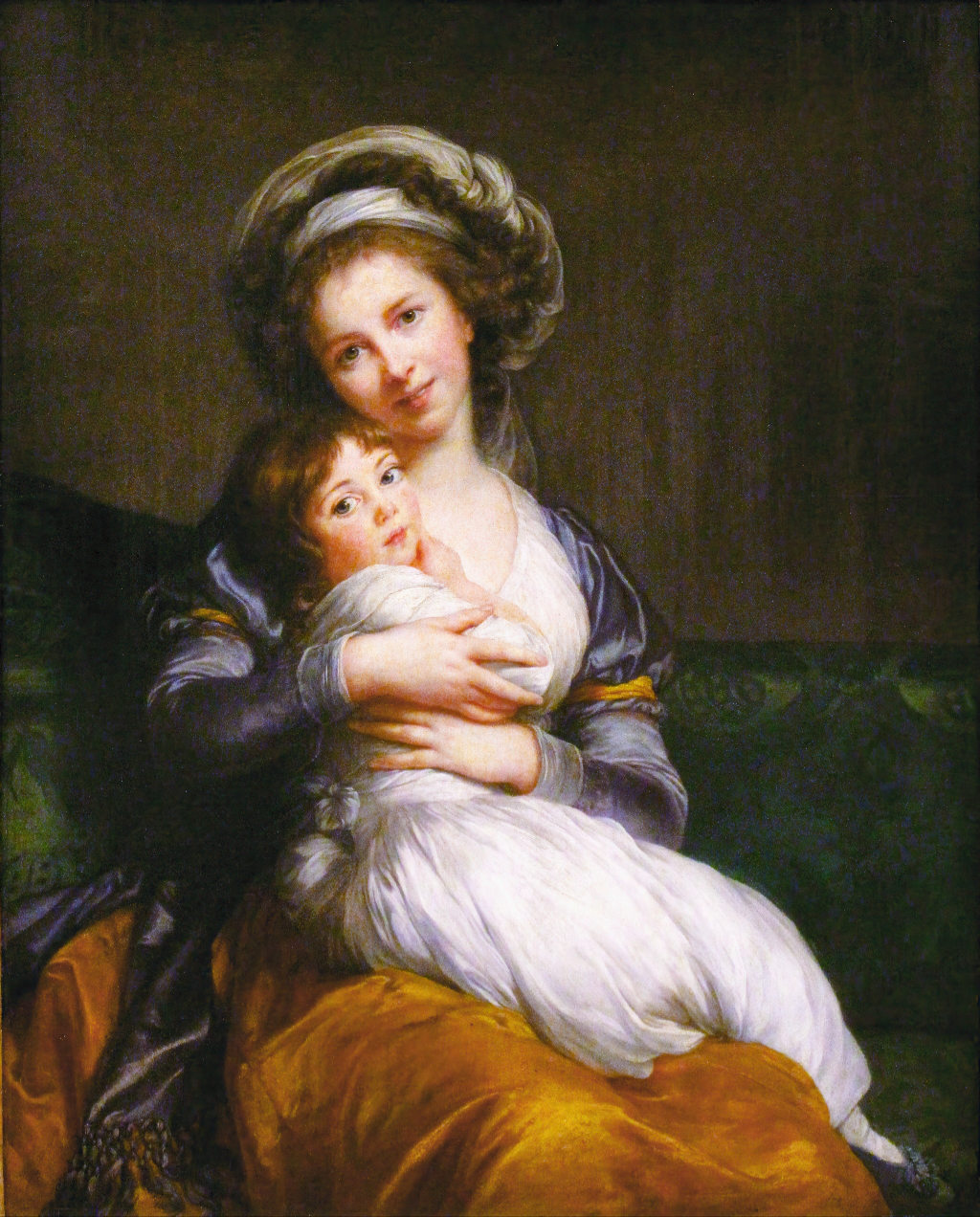
The essential external comparison is Rubens's Portrait of Susanna Lunden. Inside this cluster, the strongest comparison is Self-Portrait with Julie. One self-image foregrounds artistic practice; the other foregrounds motherhood. Together they show how Vigée Le Brun used self-portraiture to occupy several public identities at once. [1]
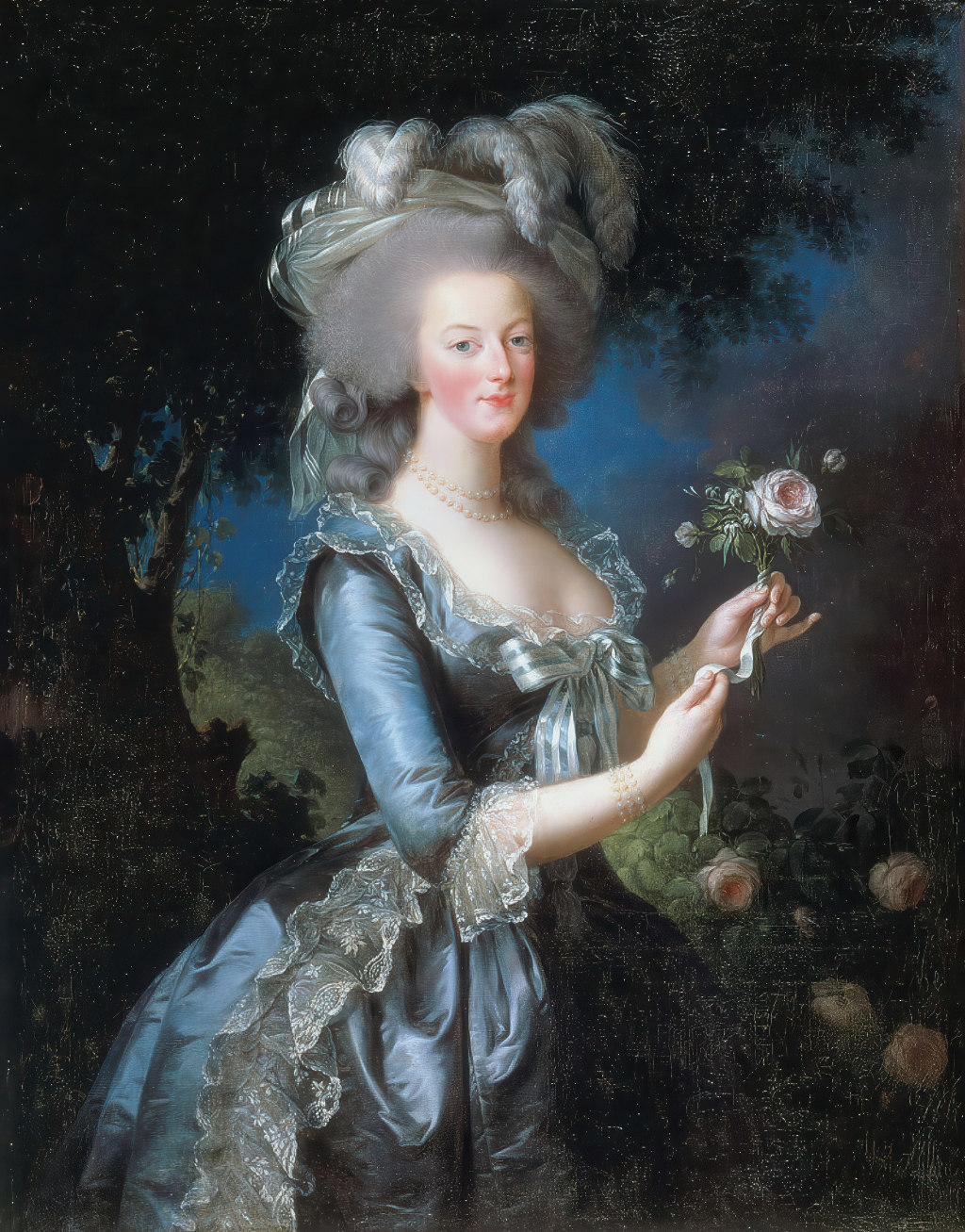
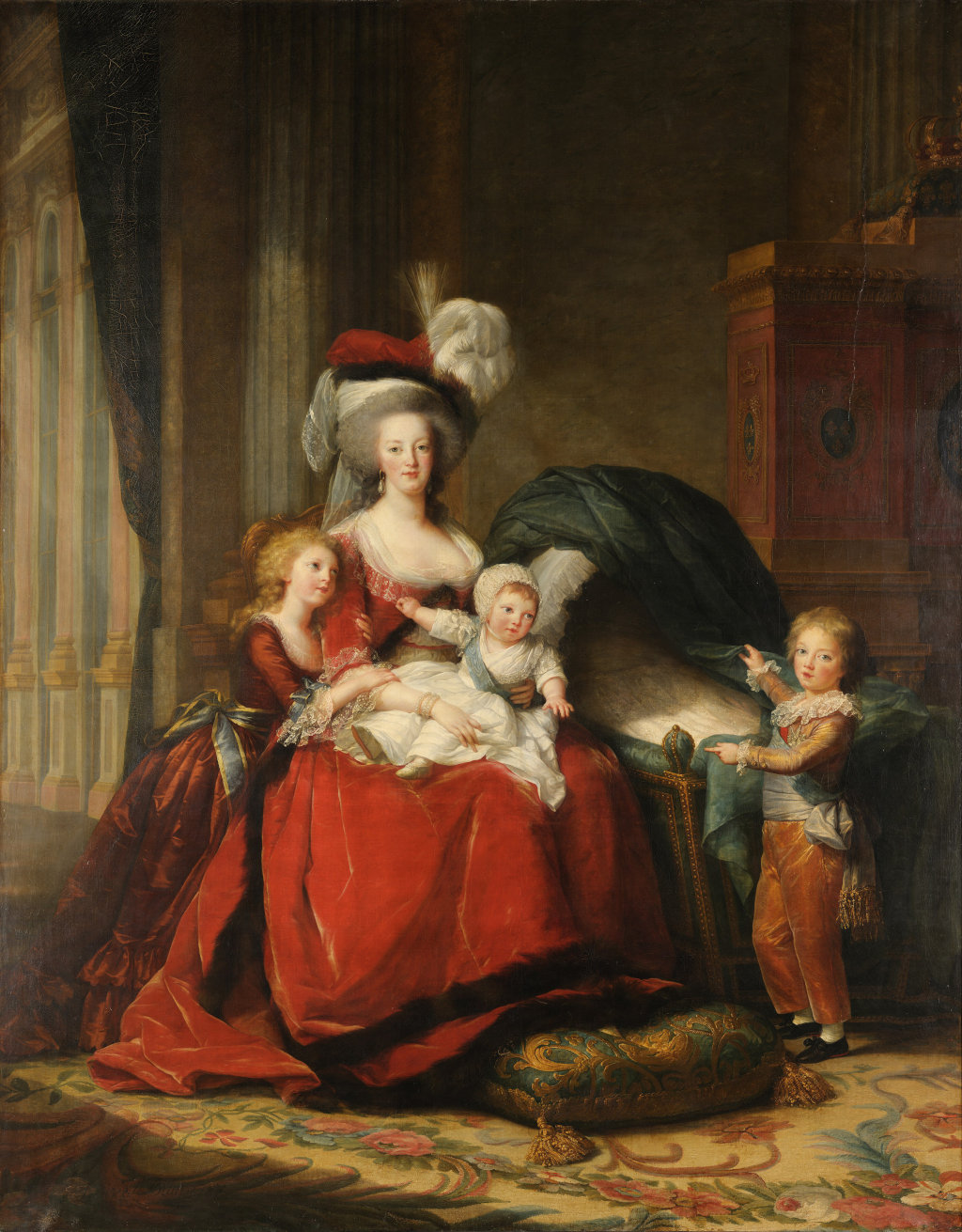
The painting also belongs beside the royal portraits. In the Marie Antoinette images, Vigée Le Brun manages another woman's public identity. Here she manages her own. That comparison makes the self-portrait central to the cluster: it shows the same intelligence about image-making turned inward.
FAQs
The signed copy discussed here is in the National Gallery, London. [1]
The National Gallery connects the work to Rubens's Portrait of Susanna Lunden, especially its treatment of outdoor light and a shaded face. [1]
It makes the portrait an image of professional identity, not only fashion or beauty. [1]
References
- National Gallery, London, Self Portrait in a Straw Hat.
- The Metropolitan Museum of Art, Eighteenth-Century Women Painters in France.
Discussion
What stands out to you about Élisabeth Vigée Le Brun? Share an observation, question or interpretation with other readers.
Reader Insights
Which visual detail changes how you read the sitter, the artist or the page's central theme?
Which related Vigée Le Brun page helps you understand this work or topic more clearly?
Join the Conversation
Thoughtful comments and questions are welcome.