


 by Tom Gurney
Tom Gurney BSc (Hons) is an art history expert with over 20 years experience
Published on July 7, 2026 / Updated on July 7, 2026
Email: tomgurney1@gmail.com / Phone: +44 7429 011000
Élisabeth Vigée Le Brun Paintings
Élisabeth Vigée Le Brun's paintings are best understood as portraits that manage visibility. Her most important works show queens, aristocrats, artists, writers, performers and family members, but the real subject is often reputation: how a sitter should be seen, softened, admired, trusted, elevated or remembered.
This paintings page brings together the core English cluster: self-portraits, Marie Antoinette portraits, society portraits, allegory, artist portraits and exile-period works. It should be read as a map through the artist's career rather than a complete catalogue raisonné.
The simplest way to use the paintings is by career phase. The early and court works show how Vigée Le Brun built public authority in Paris and Versailles. The 1789 works show a world of elegance at the edge of political rupture. The exile and later works show how her portrait language travelled through Italy, Russia, England and Switzerland.
At a Glance
- Artist:Élisabeth Louise Vigée Le Brun
- Primary medium:Oil painting
- Best known for:Portraits, self-portraits and Marie Antoinette images
- Key institutions:Louvre, Versailles, National Gallery, The Met, Wallace Collection, Barber Institute
- Cluster scope:12 artwork pages plus supporting pages
Contents
- At a Glance
- Self-Portraits
- Marie Antoinette Paintings
- Society Portraits
- Allegory and Ambition
- Exile and International Portraits
- Looking Carefully
- Timeline
- Comparison Works
Key Paintings
The paintings below are the core works in this Vigée Le Brun cluster. The thumbnail rows are retained as a visual route through the artist's major pages and as a clear internal-link structure for the paintings section.
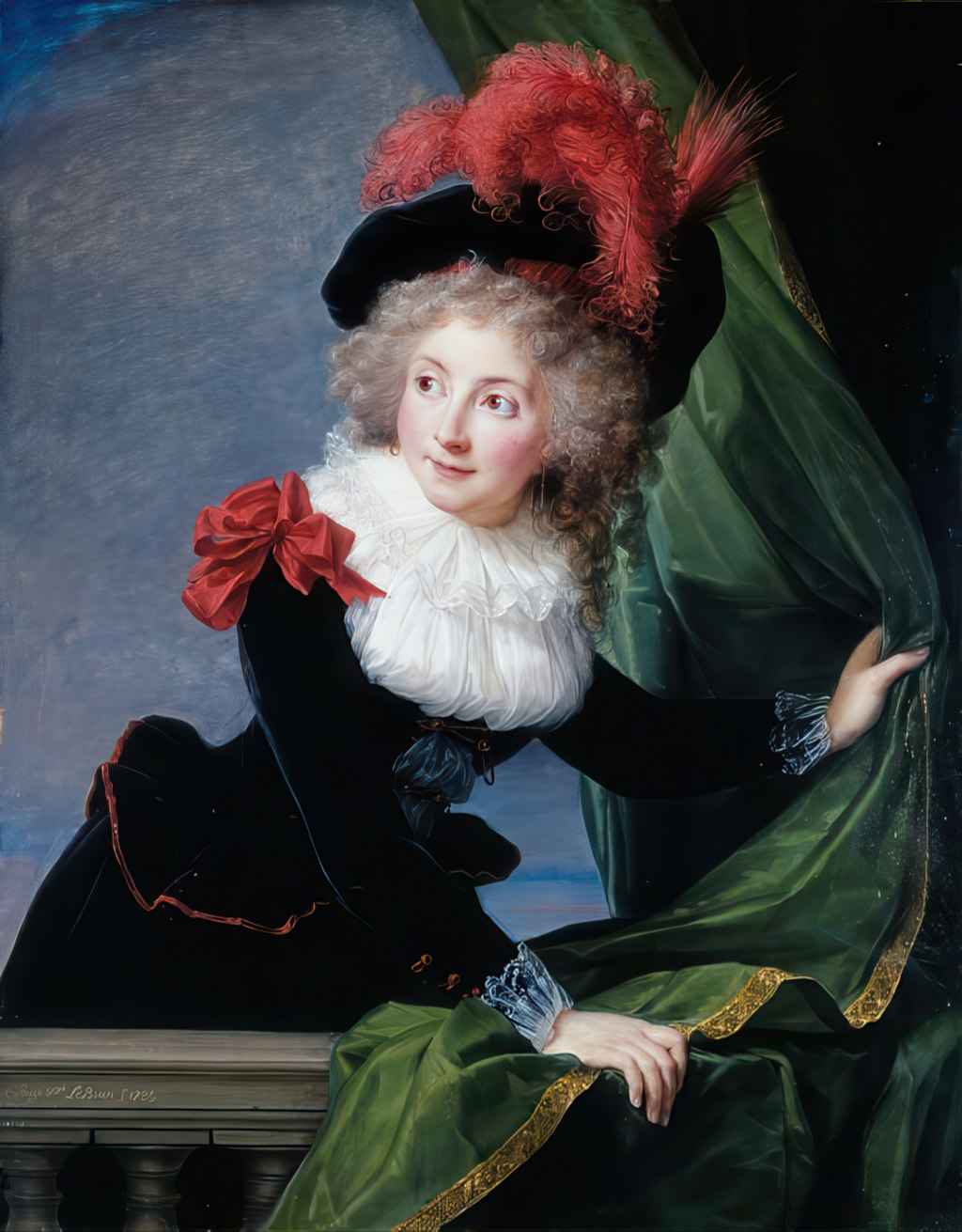
Self-Portraits
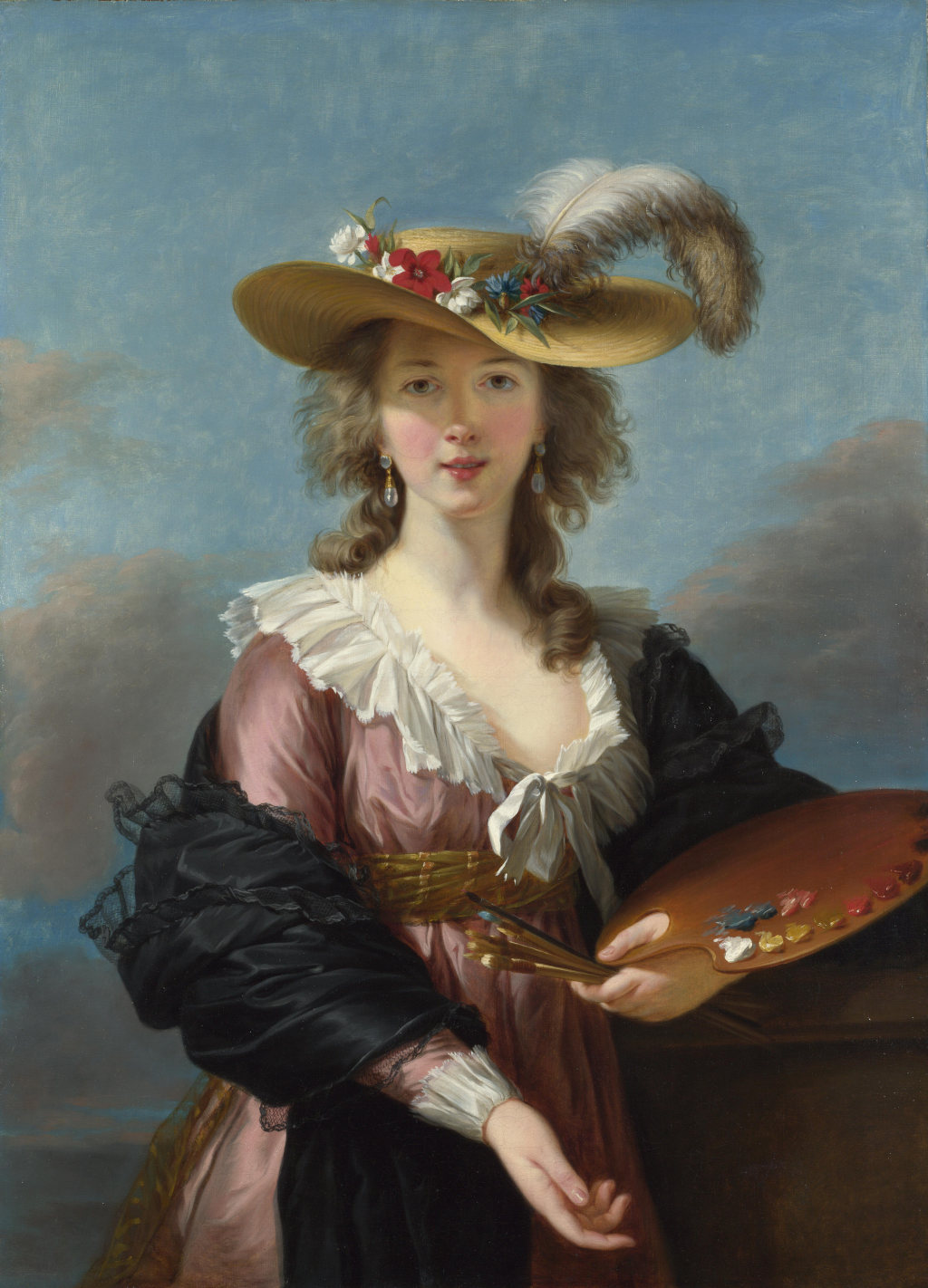
Self Portrait in a Straw Hat is the best starting point because it declares the artist's professional ambition so clearly. The National Gallery connects the pose and lighting to Rubens's Portrait of Susanna Lunden, while the palette and brushes make artistic labour visible. [1]
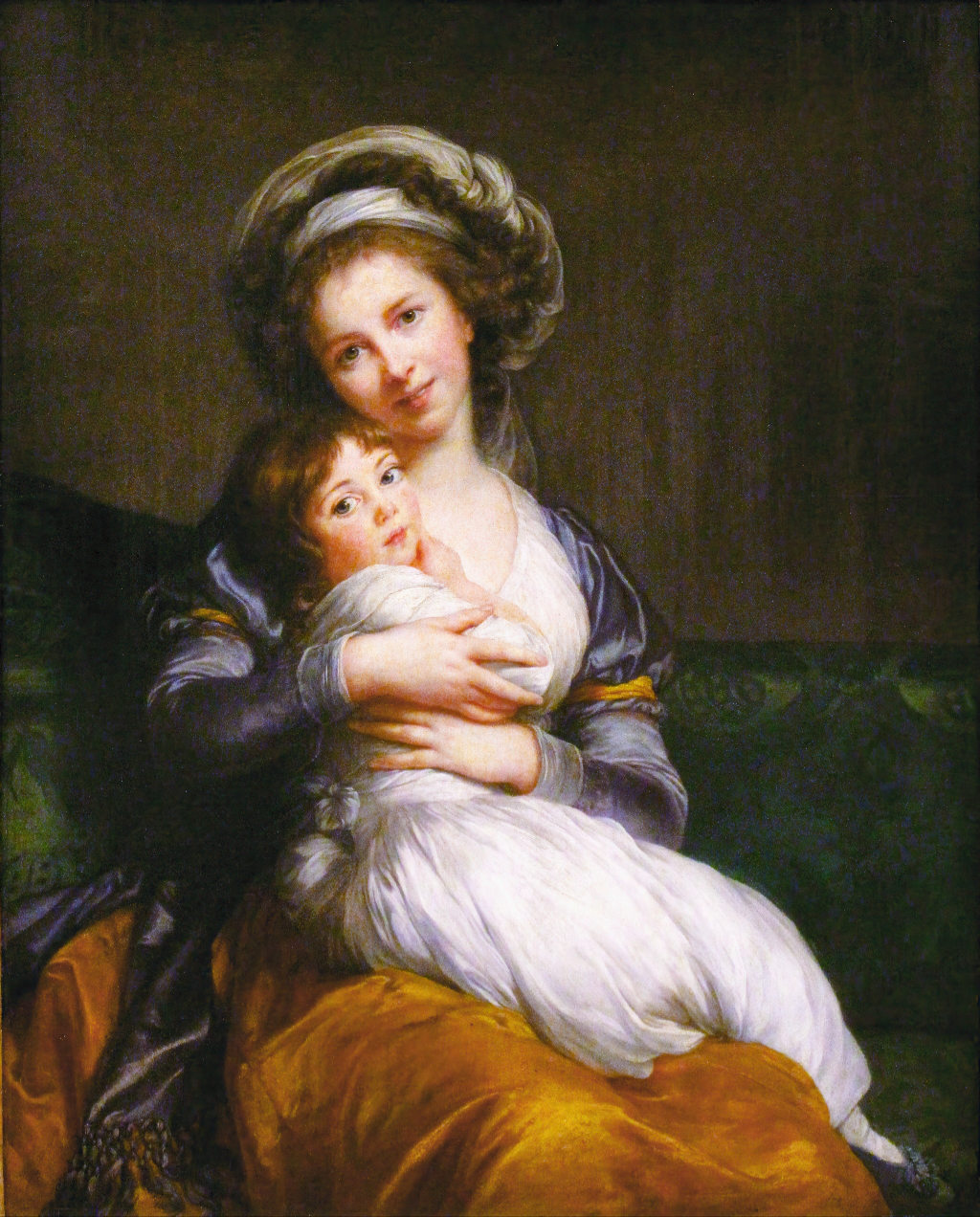
Self-Portrait with Julie develops self-image differently. Histoire par l'image records Louvre mother-and-daughter versions from 1786 and 1789 and connects them to changing eighteenth-century attitudes toward maternal feeling. [2]
Marie Antoinette Paintings
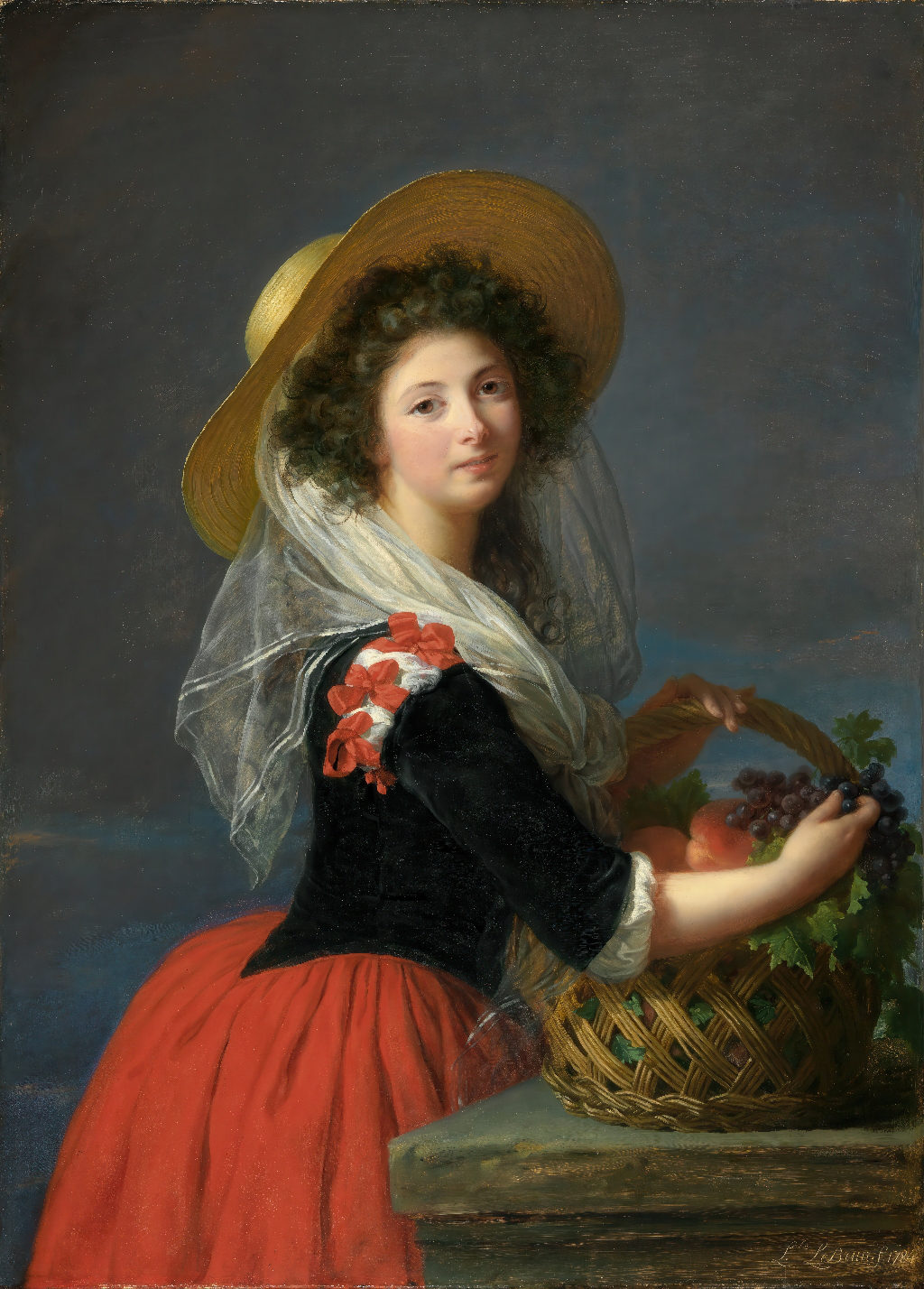
Vigée Le Brun's Marie Antoinette portraits form the centre of her court reputation. The National Gallery records that the queen became her most important patron and that the artist painted more than thirty portraits of Marie Antoinette and her family. [1]
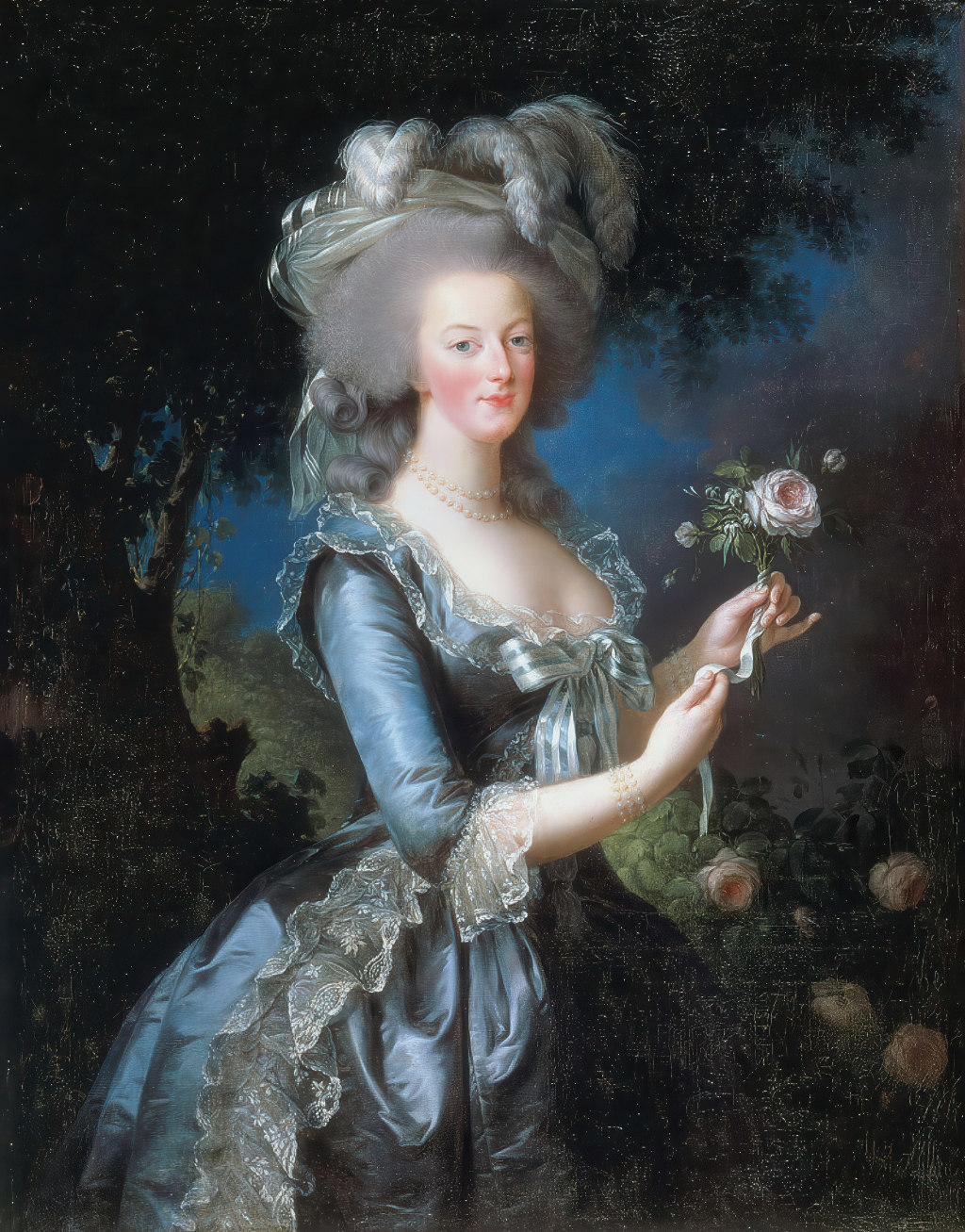
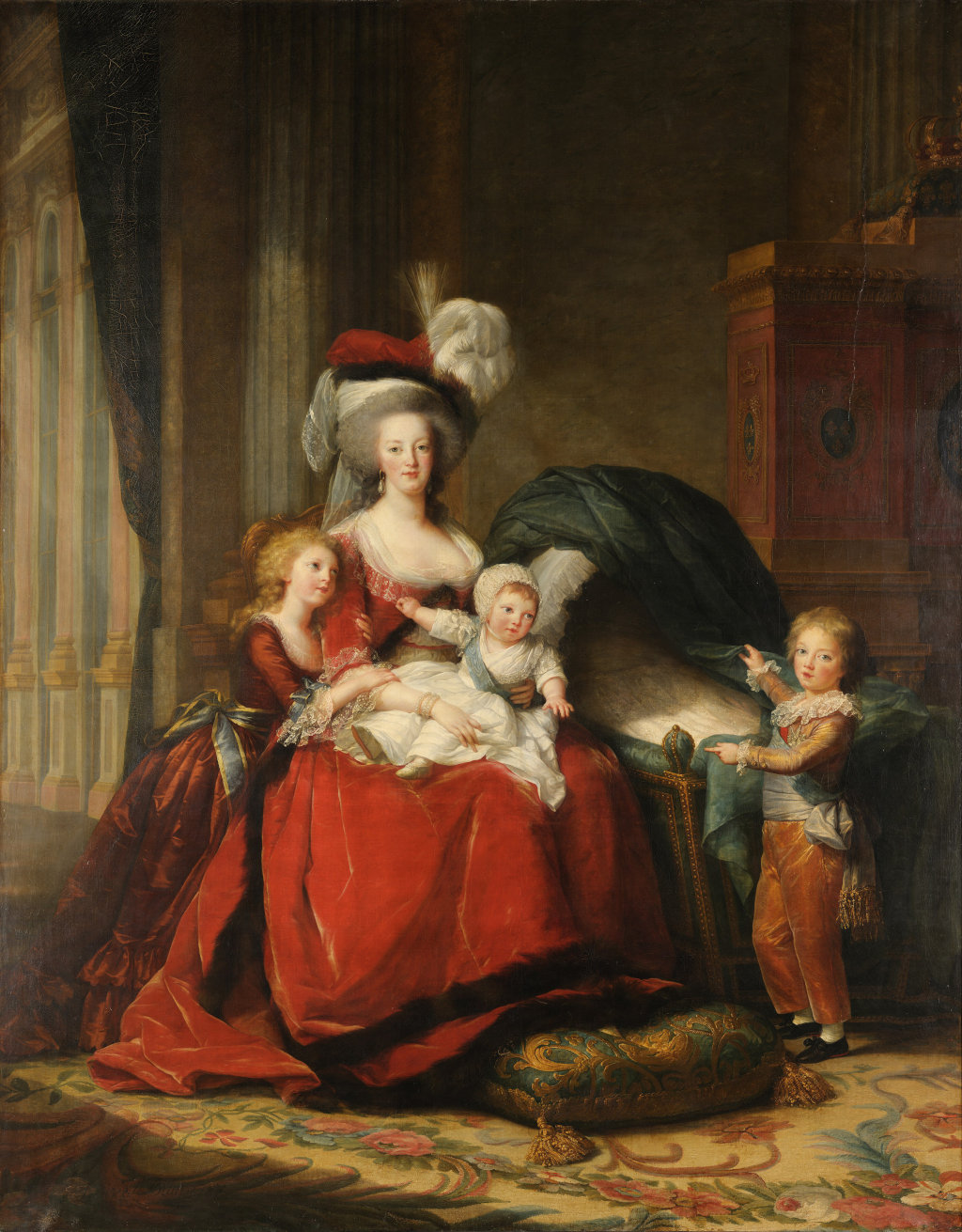
Marie Antoinette with a Rose answers the controversy around the queen's informal chemise portrait. Marie Antoinette and Her Children goes further, turning motherhood and dynasty into public image-making. [3]
For the broader route through these works, see Marie Antoinette Portraits by Vigée Le Brun.
Society Portraits
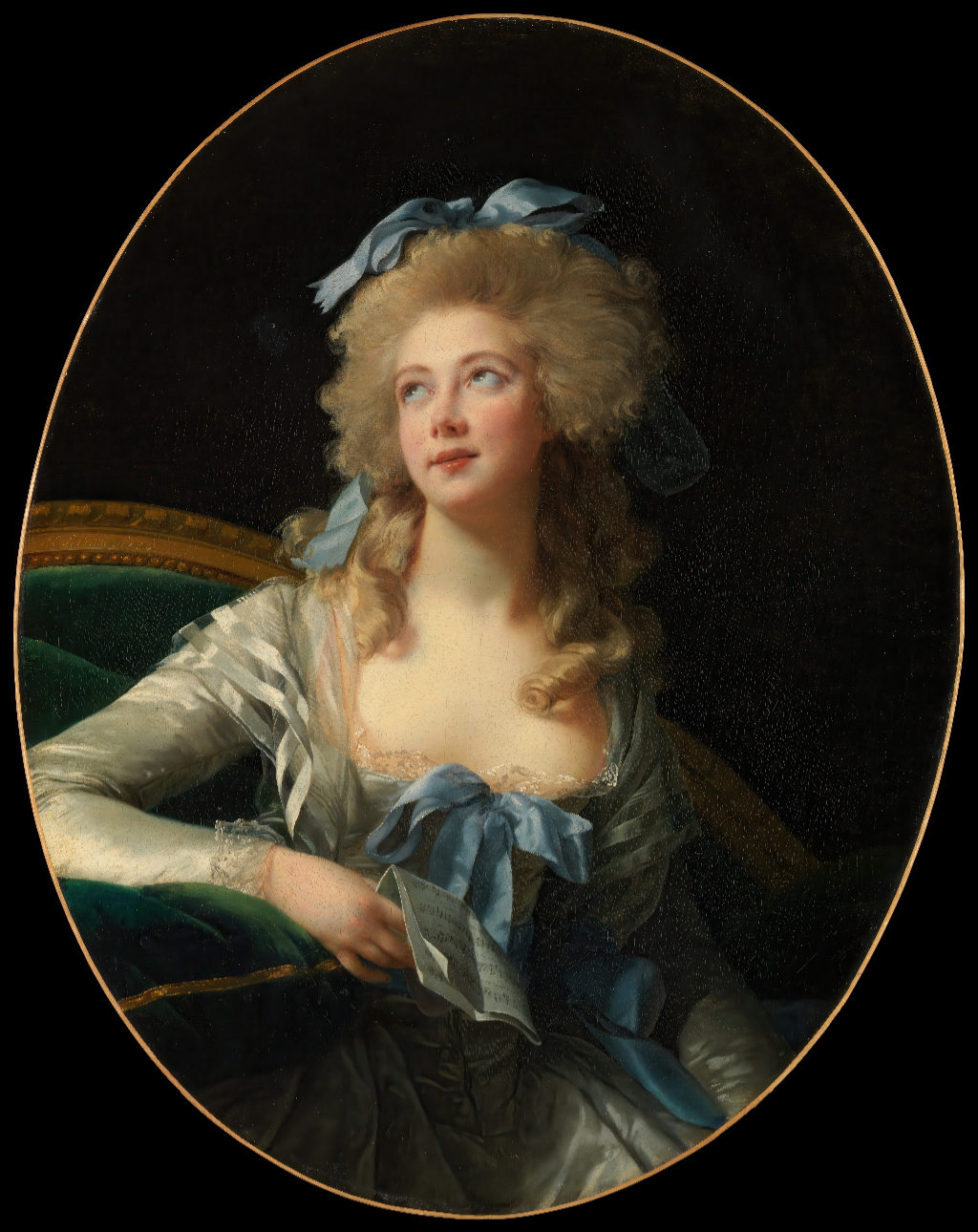
Madame Grand shows Vigée Le Brun working in Salon society-portrait mode. The Met records the painting as a 1783 oil on canvas, and its commentary connects the sitter to beauty, music, performance and public identity. [4]
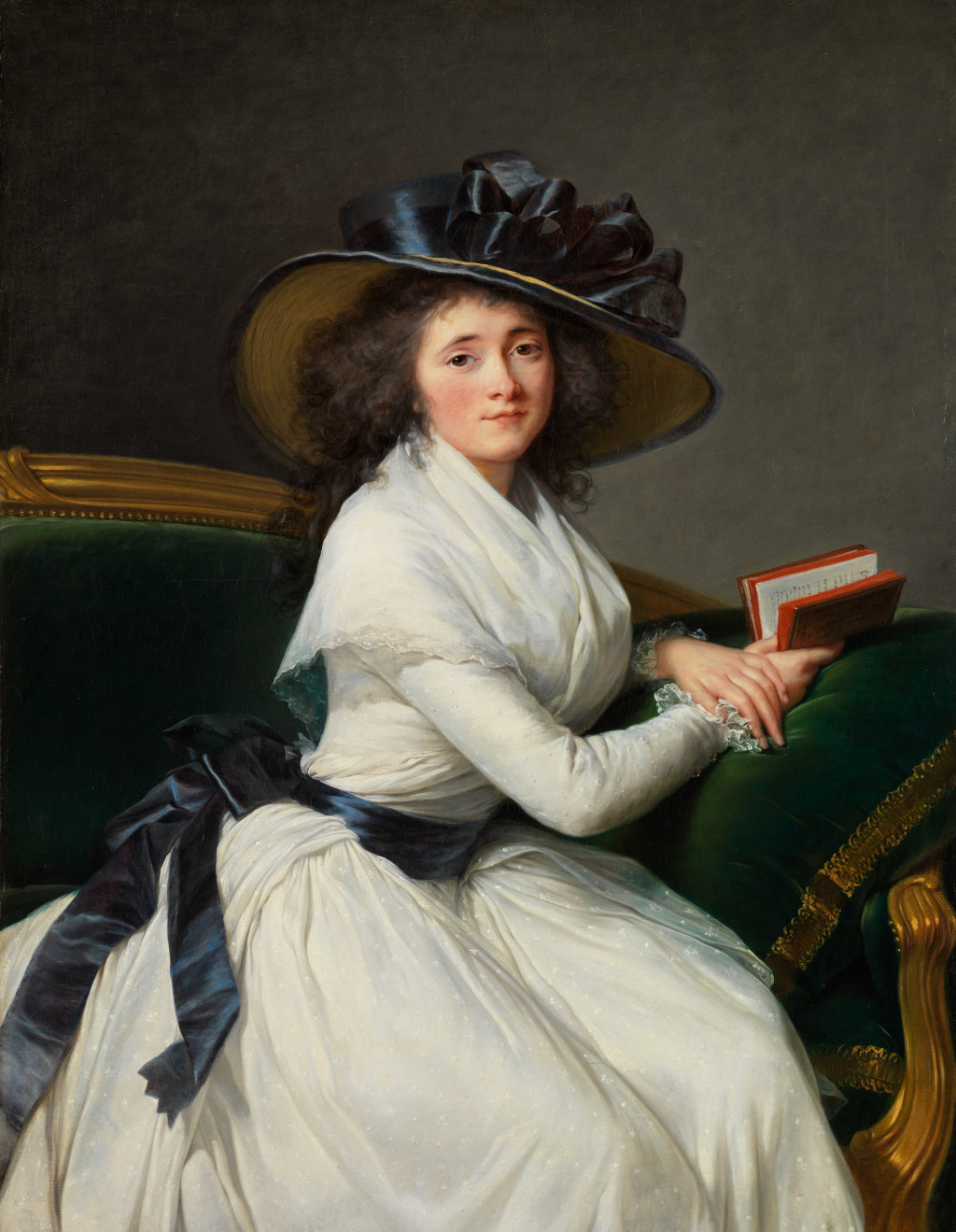
Comtesse de la Châtre is a 1789 portrait in The Met that links white muslin dress, court taste, Marie Antoinette's fashion and British portrait models. [5] Madame Perregaux adds another society route, with Wallace Collection commentary linking costume, Rubens and revolutionary timing. [6]
Allegory and Ambition
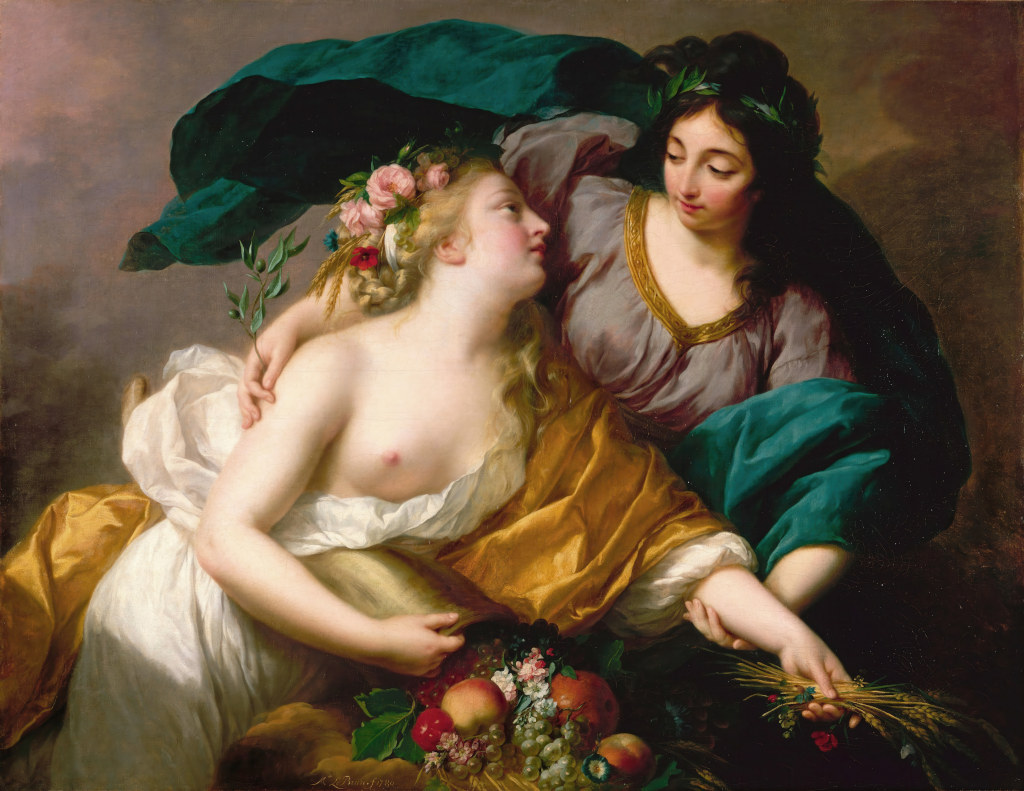
Peace Bringing Back Abundance is essential because it shows Vigée Le Brun beyond portraiture. The Met exhibition catalogue records the 1780 Louvre painting and its Salon 1783 context, where allegory and Académie ambition mattered. [7]
This work helps prevent the artist from being reduced to charm. Portraiture was her dominant field, but allegory let her make a claim inside the prestigious language of history painting.
Exile and International Portraits
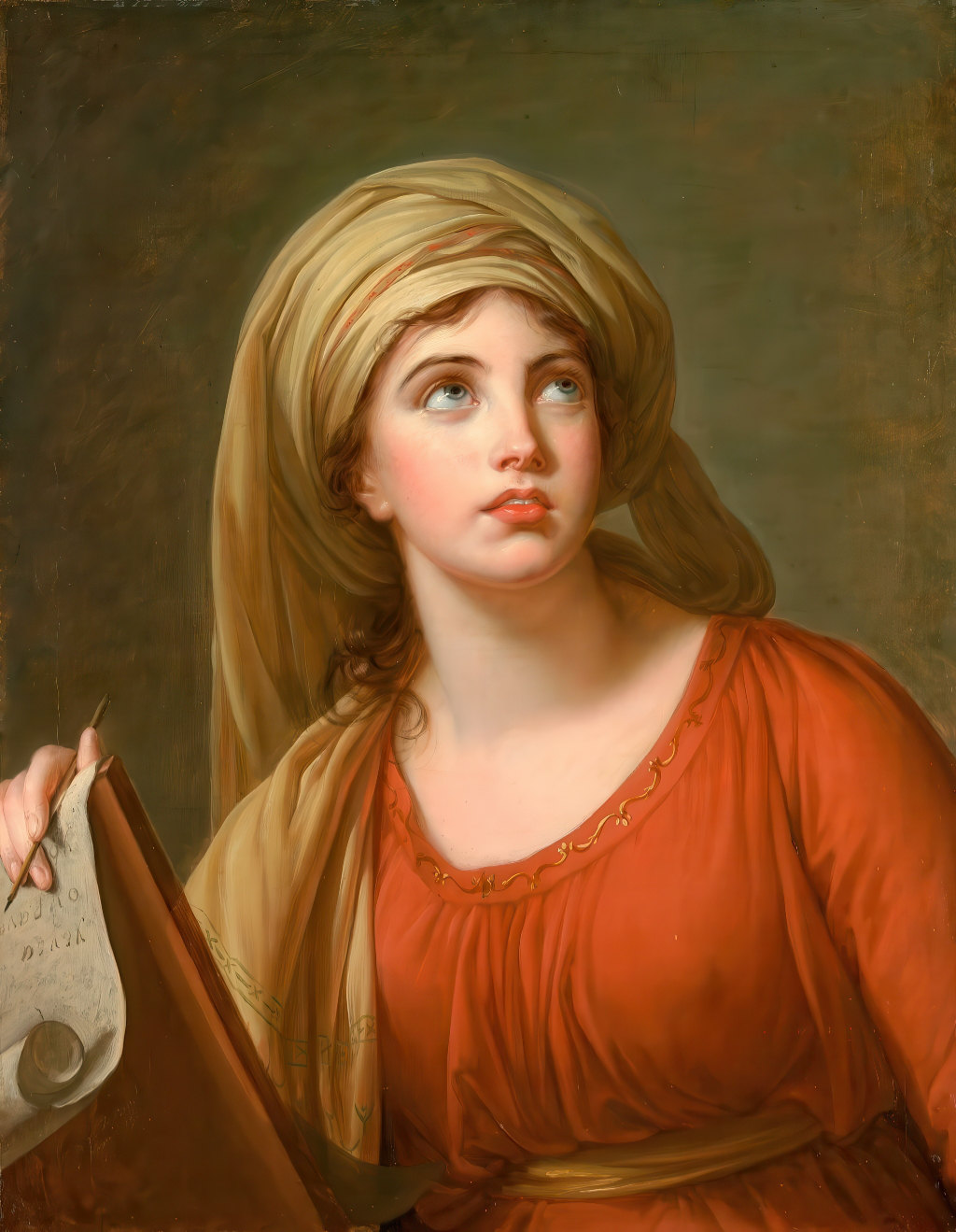
After the Revolution, Vigée Le Brun's career became international. Lady Hamilton as the Cumaean Sibyl belongs to her Italian exile period and uses an inspired antique role to turn portraiture into performance. [7]
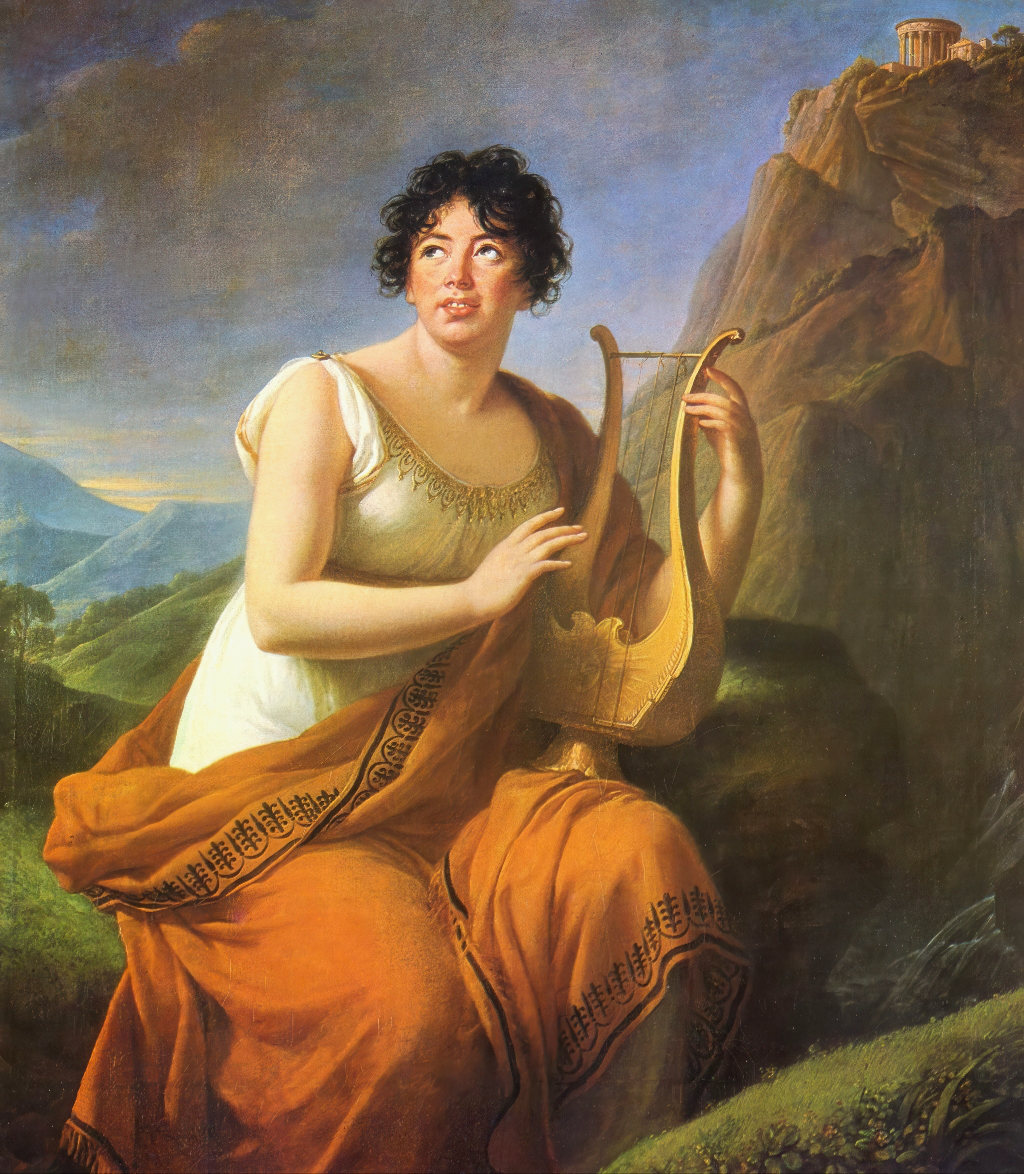
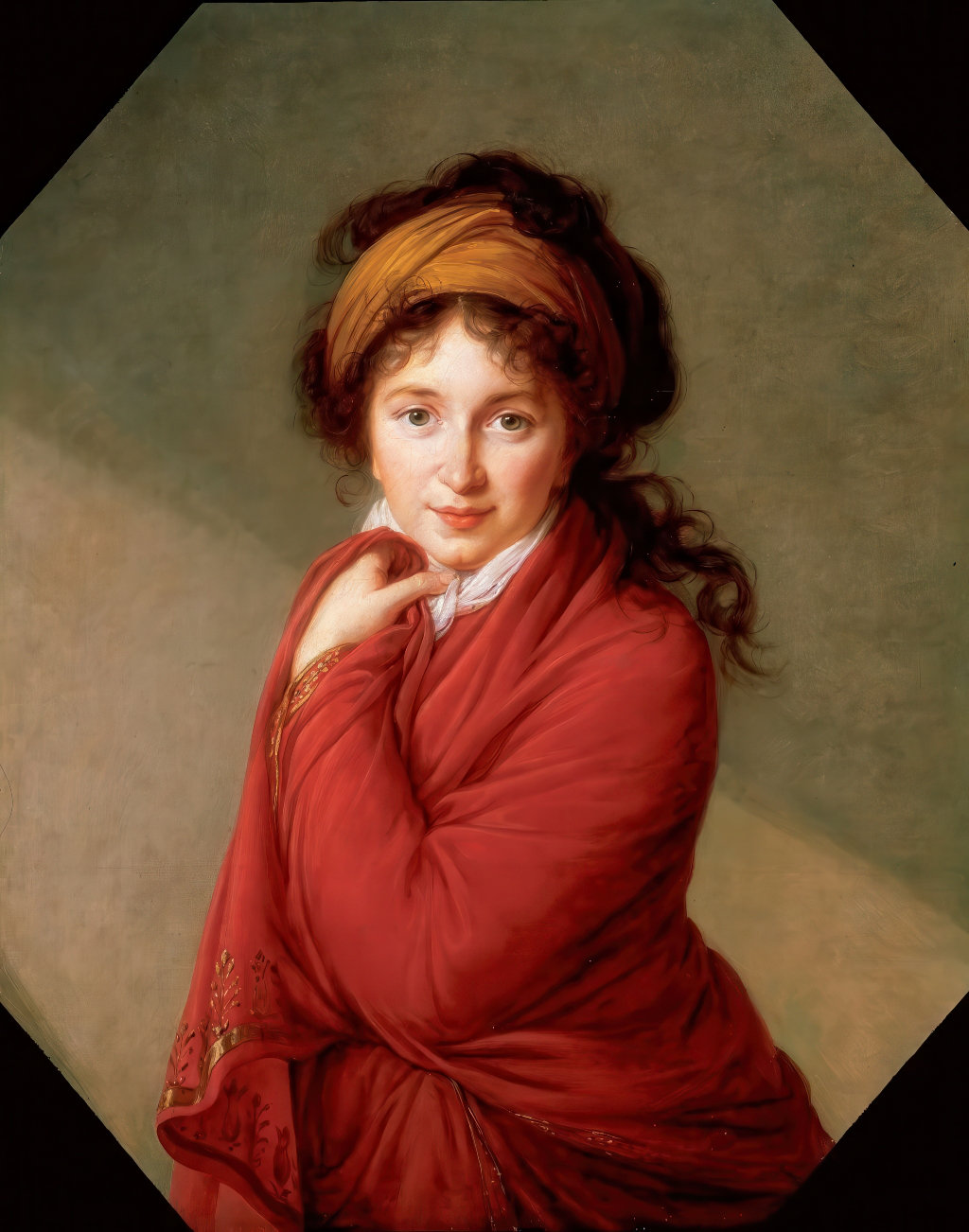
Portrait of Countess Golovina belongs to the Russian phase, while Madame de Staël as Corinne shows the later literary and political world of Coppet and Geneva. [7]
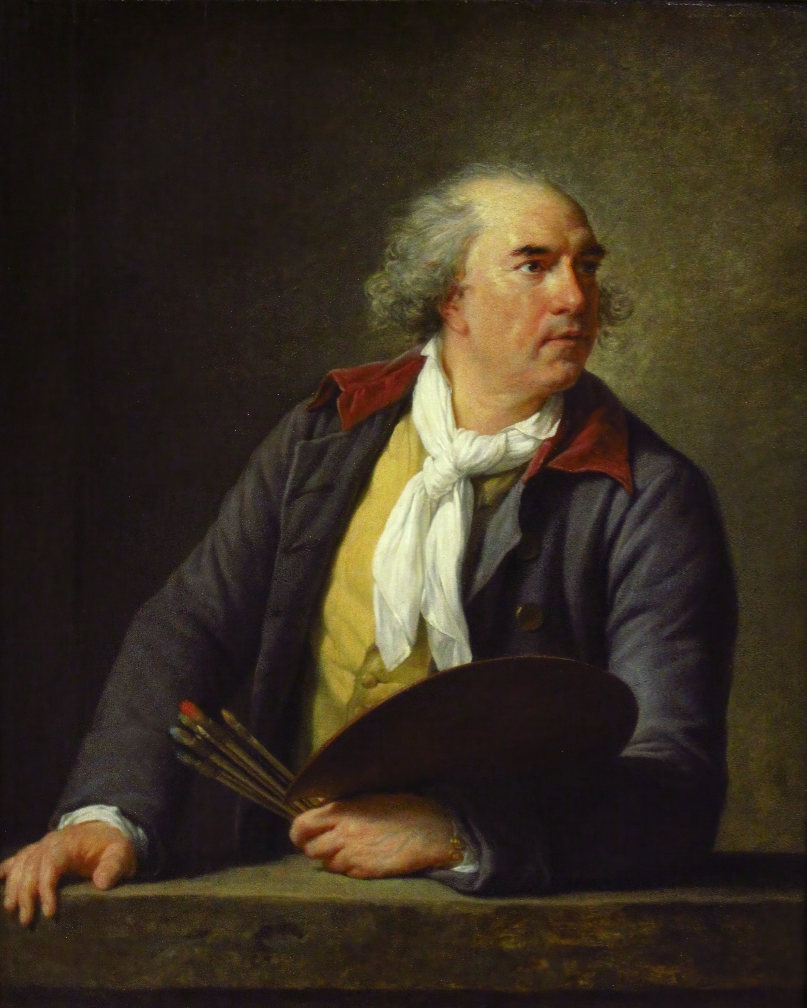
Portrait of Hubert Robert adds an artist-to-artist connection. POP-Joconde records the work as a 1788 oil on wood in the Louvre's Department of Paintings. [8]
Looking Carefully
Across these paintings, look for three recurring tools. First is direct gaze: Vigée Le Brun often lets sitters meet the viewer with calm openness. Second is costume: white muslin, satin, antique dress, hats and flowers shape identity. Third is controlled informality: naturalness is made to look effortless, but the compositions remain carefully managed.
Her strongest paintings work because they balance artifice and ease. The sitter seems natural, yet the image is never unplanned. That contradiction is central to her appeal.
Also look for how roles change from painting to painting. In the self-portraits, Vigée Le Brun manages her own identity as artist and mother. In the Marie Antoinette portraits, she manages royal reputation. In the society portraits, she turns fashion and performance into status. In the exile works, she adapts the same skills to new courts, writers, performers and aristocratic networks.
Timeline
- 1780: Peace Bringing Back Abundance is painted. [7]
- 1782: Self Portrait in a Straw Hat original painted; the National Gallery version is a signed copy. [1]
- 1783: Marie Antoinette with a Rose and Madame Grand belong to a key Salon and Académie year. [3] [4]
- 1787: Marie Antoinette and Her Children is painted. [3]
- 1788: Portrait of Hubert Robert is painted and dated. [8]
- 1789: Comtesse de la Châtre, Madame Perregaux and the Julie self-portrait cluster around the year of Revolution. [5] [6]
- 1792: Lady Hamilton as the Cumaean Sibyl is painted in Rome. [7]
- c. 1797-1800: Countess Golovina is painted during the Russian period. [7]
- 1807-1809: Madame de Staël as Corinne is painted. [7]
Comparison Works
The most useful comparison is between the private-looking self-portraits and the public royal portraits. Both rely on feeling, but they use it differently. In the Julie pictures, maternal affection supports the artist's own self-image. In the Marie Antoinette pictures, motherhood helps defend a queen. [2] [3]
Another strong comparison is between Lady Hamilton as the Cumaean Sibyl and Madame de Staël as Corinne. Both turn a sitter into an inspired role, but one is theatrical and antique, while the other is literary and political. [7]
The final useful comparison is between Peace Bringing Back Abundance and the portraits. The allegory shows Vigée Le Brun making a claim within the prestige language of history painting, while the portraits show where her most durable originality lay: transforming likeness into public identity. [7]
FAQs
Her best-known paintings include Self Portrait in a Straw Hat, the Marie Antoinette portraits, Self-Portrait with Julie, Madame Grand and major later portraits such as Madame de Staël as Corinne. [1] [7]
She is best known for portraits and self-portraits, but she also made allegorical works such as Peace Bringing Back Abundance. [7]
They show how portraiture could shape reputation, gender, rank, motherhood, artistic identity and exile-period celebrity.
References
- National Gallery, London, Self Portrait in a Straw Hat.
- Histoire par l'image, Le nouveau visage de l'amour maternel (in French).
- Histoire par l'image, Marie-Antoinette, la mal-aimée (in French).
- The Metropolitan Museum of Art, Madame Grand.
- The Metropolitan Museum of Art, Comtesse de la Châtre.
- The Wallace Collection, Madame Perregaux.
- Joseph Baillio, Katharine Baetjer and Paul Lang, Vigée Le Brun, The Metropolitan Museum of Art, 2016.
- POP-Joconde, Portrait d'Hubert Robert, notice 000PE002882 (in French).
Discussion
What stands out to you about Élisabeth Vigée Le Brun? Share an observation, question or interpretation with other readers.
Reader Insights
Which visual detail changes how you read the sitter, the artist or the page's central theme?
Which related Vigée Le Brun page helps you understand this work or topic more clearly?
Join the Conversation
Thoughtful comments and questions are welcome.