 by Tom Gurney
Tom Gurney BSc (Hons) is an art history expert with over 20 years experience
Published on July 7, 2026 / Updated on July 7, 2026
Email: tomgurney1@gmail.com / Phone: +44 7429 011000
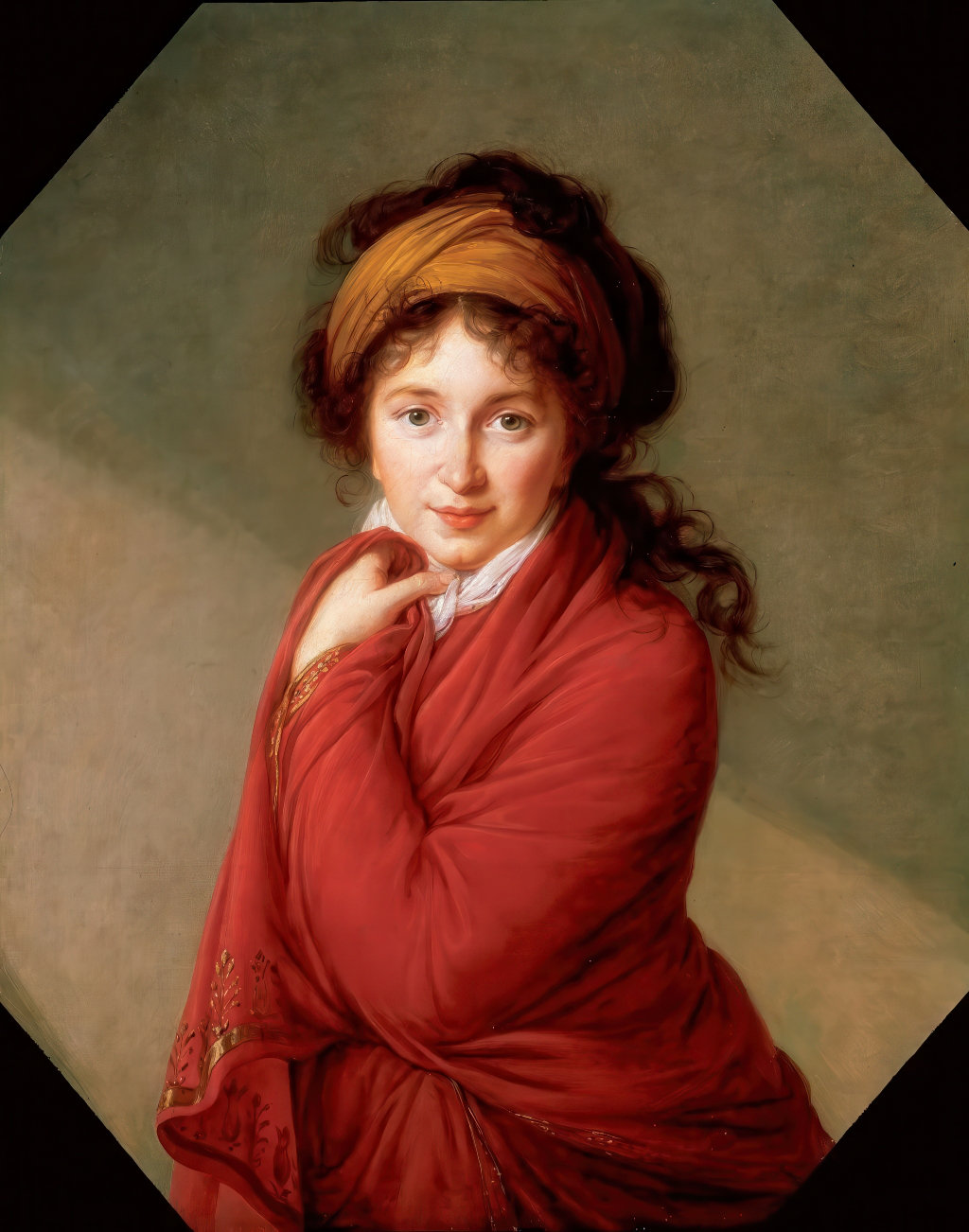
Portrait of Countess Golovina by Élisabeth Vigée Le Brun
Élisabeth Vigée Le Brun's Countess Varvara Nikolayevna Golovina belongs to her Russian period, when exile had carried her career far beyond France. The Met's 2016 exhibition catalogue records the portrait as an octagonal oil on canvas, dated about 1797-1800, measuring 83.5 x 66.7 cm, and held by The Henry Barber Trust at the Barber Institute of Fine Arts, University of Birmingham. [1]
The portrait matters because it shows how successfully Vigée Le Brun's portrait language travelled. Courtly grace, psychological softness and social performance remained effective even in a new aristocratic world.
The page is important because it proves that exile did not narrow Vigée Le Brun's career. It widened the geography of her portrait practice. In the Golovina portrait, the artist's French court experience is carried into Russian aristocratic culture, where it continues to function as a language of refinement and feeling.
At a Glance
- Artist:Élisabeth Louise Vigée Le Brun [1]
- Title:Countess Varvara Nikolayevna Golovina [1]
- Date:c. 1797-1800 [1]
- Medium:Oil on canvas, octagonal [1]
- Dimensions:83.5 x 66.7 cm [1]
- Collection:Barber Institute of Fine Arts, University of Birmingham [1]
- Object no.:80.1 [1]
Contents
- At a Glance
- Why It Matters
- The Russian Period
- Who Was Countess Golovina?
- Looking Carefully
- Provenance
- Timeline
- Comparison Works
Why It Matters
The portrait matters because it carries Vigée Le Brun's art into a different courtly geography. After leaving France, she continued to paint aristocratic sitters across Europe, and the Golovina portrait shows how her language of elegance, feeling and social refinement adapted to Russian elite culture.
It also widens the cluster beyond France. The Marie Antoinette portraits explain her court success before the Revolution; Countess Golovina explains the international career made possible after exile.
The portrait therefore acts as a bridge between biography and style. Biographically, it belongs to the late 1790s, after the artist had remade her life outside France. Stylistically, it shows continuity: polished surface, poised expression and aristocratic intimacy remain central even when the social world has changed. [1]
The Russian Period
The Met catalogue places Countess Golovina among the works of Vigée Le Brun's late 1790s Russian years. It records the portrait's date as about 1797-1800 and its later collection history before it entered the Barber Institute in 1980. [1]
This timing matters. The portrait comes after the court world of Marie Antoinette but before Vigée Le Brun's final return to France. It is an image made by an artist who had learned to make exile productive.
That productivity should not be treated as merely practical. It changed what her career meant. Vigée Le Brun was no longer only the painter associated with the French queen; she became a European portraitist whose reputation could survive across courts, languages and political systems.
Who Was Countess Golovina?
Varvara Nikolayevna Golovina was a Russian aristocrat whose memoirs later became an important record of courtly and personal life. The catalogue's provenance begins with the sitter herself and then follows the work by descent before its twentieth-century passage through the art market and into the Barber collection. [1]
Looking Carefully
The octagonal format is worth noticing. It immediately separates the portrait from the more familiar rectangular society portraits in the cluster and gives the sitter a concentrated, framed presence. [1]
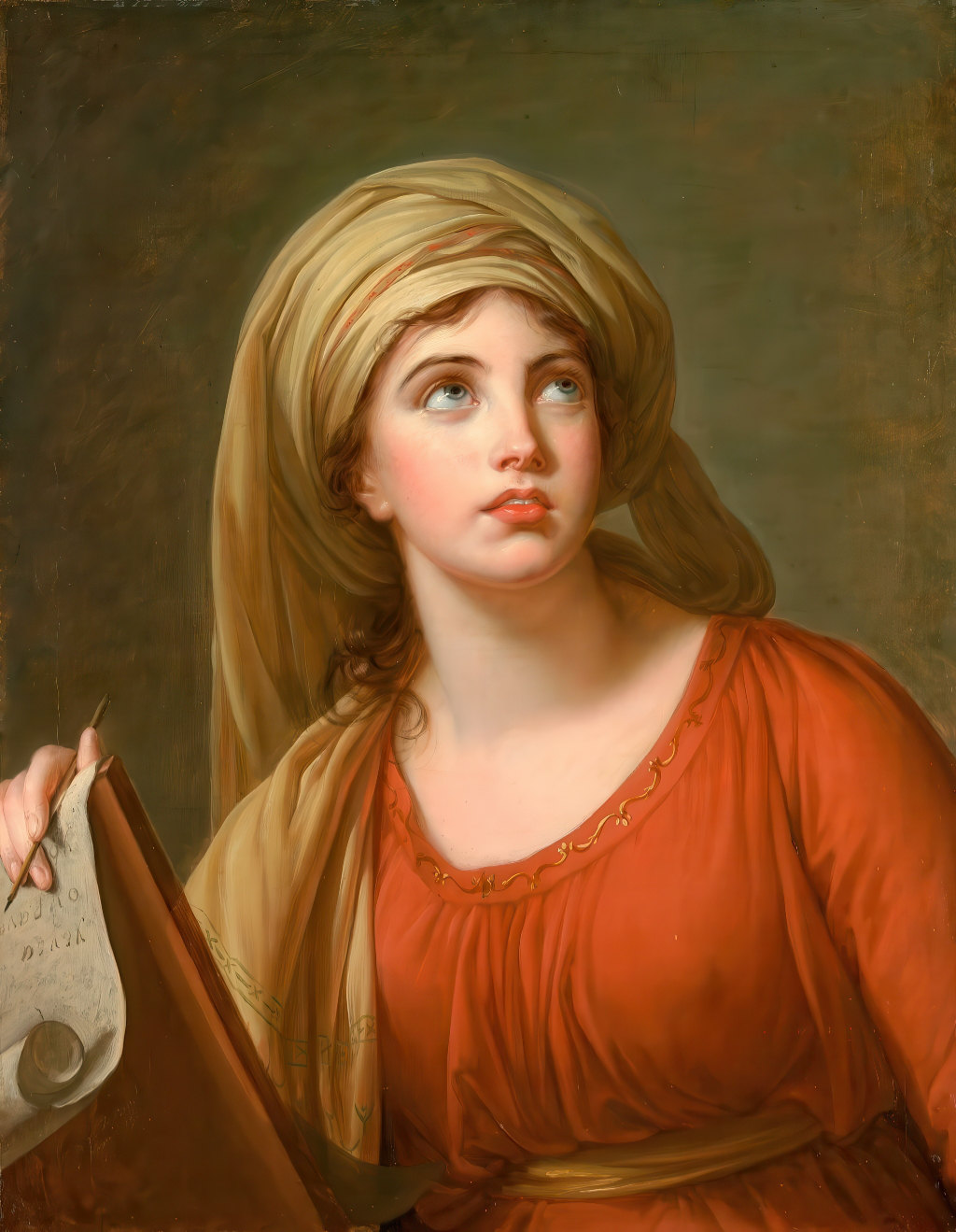
The portrait should be read through poise rather than spectacle. Unlike Lady Hamilton as the Cumaean Sibyl, which turns a sitter into an inspired role, Countess Golovina works through controlled aristocratic intimacy.
The octagonal shape helps produce that intimacy. It frames the sitter as if she belongs to a refined private world, while still giving the image the finish expected of an elite portrait. The effect is quieter than the theatrical role portraits, but no less constructed.
Provenance
The Met catalogue records a clear ownership trail: from the sitter until her death in 1821, by descent to Count Karol Lanckoronski in Vienna, then by descent until 1978, through dealers in London, and finally to the Trustees of the Barber Institute of Fine Arts in 1980. [1]
Timeline
- 1766: Countess Varvara Nikolayevna Golovina is born. [1]
- c. 1797-1800: Vigée Le Brun paints the octagonal portrait. [1]
- 1821: The sitter dies; the portrait later passes by descent. [1]
- 1980: The portrait enters the Barber Institute of Fine Arts. [1]
Comparison Works
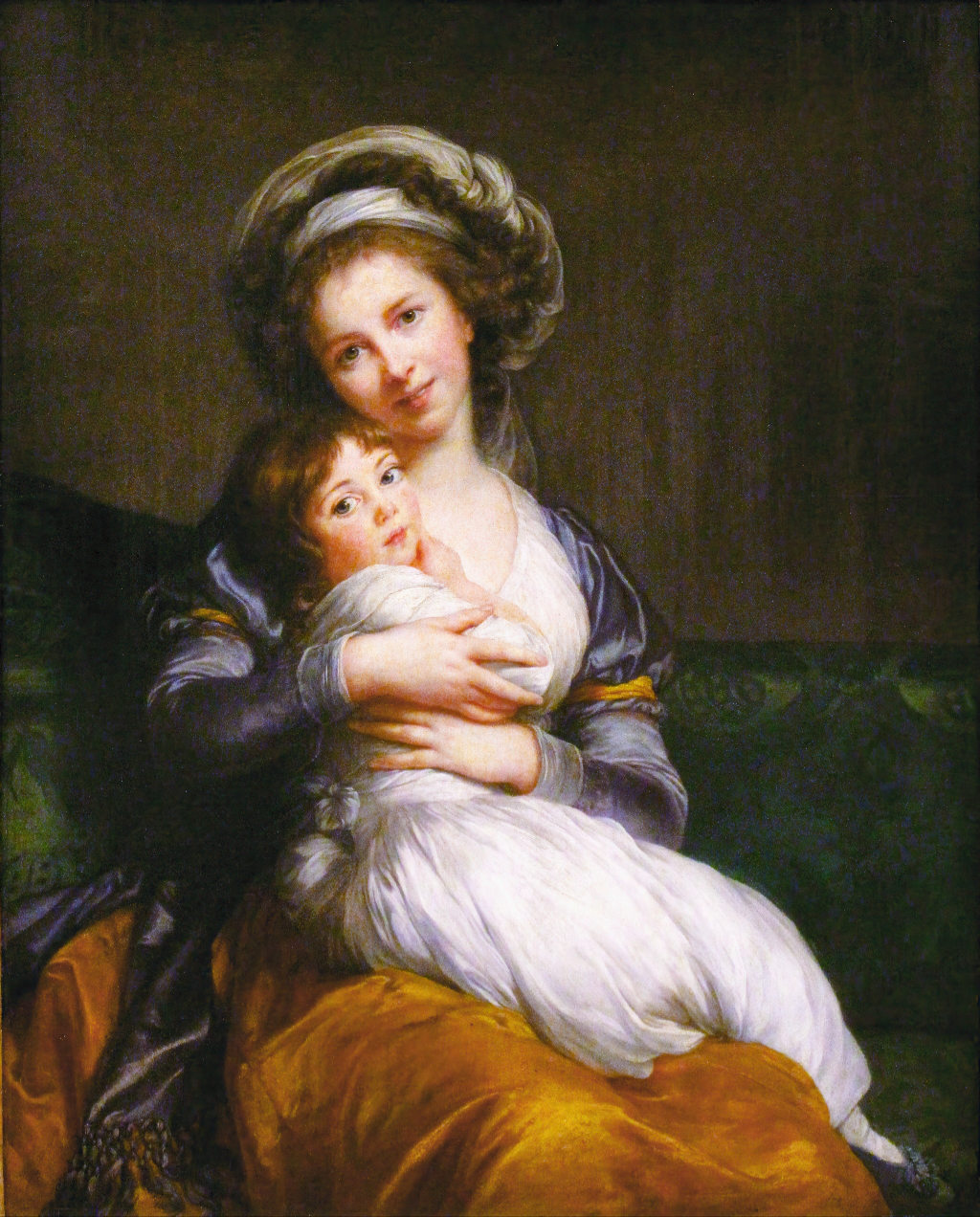
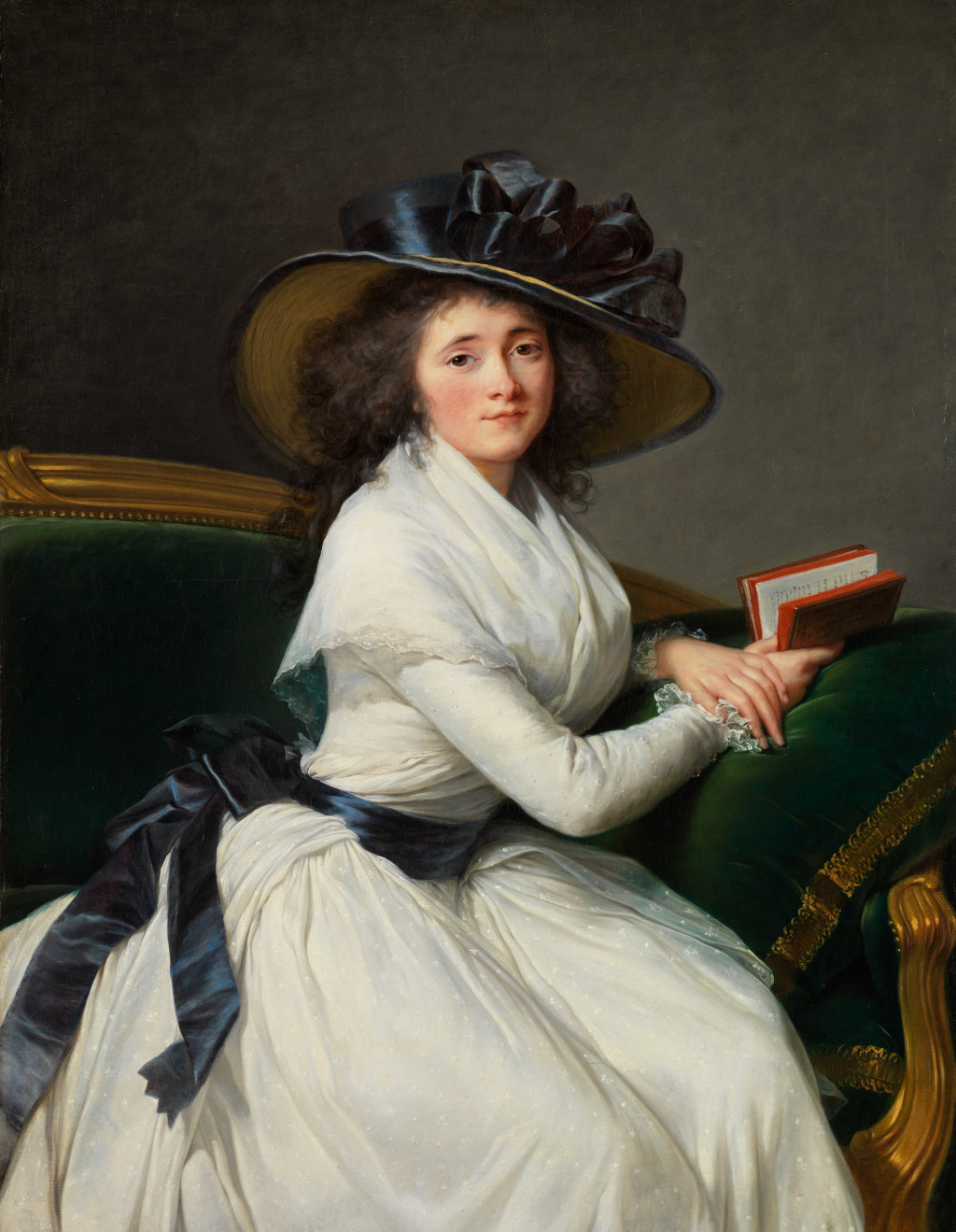
Compare the portrait with Comtesse de la Châtre and Madame Perregaux. All three are aristocratic or elite portraits, but the Golovina portrait belongs to the artist's post-French, international career. [2] [3]
FAQs
The Met catalogue records it at the Barber Institute of Fine Arts, University of Birmingham, with object number 80.1. [1]
It is dated to about 1797-1800. [1]
It represents Vigée Le Brun's international career during exile and shows her portrait language working in Russian aristocratic circles.
References
- Joseph Baillio, Katharine Baetjer and Paul Lang, Vigée Le Brun, The Metropolitan Museum of Art, 2016, cat. 70.
- The Metropolitan Museum of Art, Comtesse de la Châtre.
- The Wallace Collection, Madame Perregaux.
Discussion
What stands out to you about Élisabeth Vigée Le Brun? Share an observation, question or interpretation with other readers.
Reader Insights
Which visual detail changes how you read the sitter, the artist or the page's central theme?
Which related Vigée Le Brun page helps you understand this work or topic more clearly?
Join the Conversation
Thoughtful comments and questions are welcome.