 by Tom Gurney
Tom Gurney BSc (Hons) is an art history expert with over 20 years experience
Published on July 7, 2026 / Updated on July 7, 2026
Email: tomgurney1@gmail.com / Phone: +44 7429 011000
Marie Antoinette with a Rose by Élisabeth Vigée Le Brun
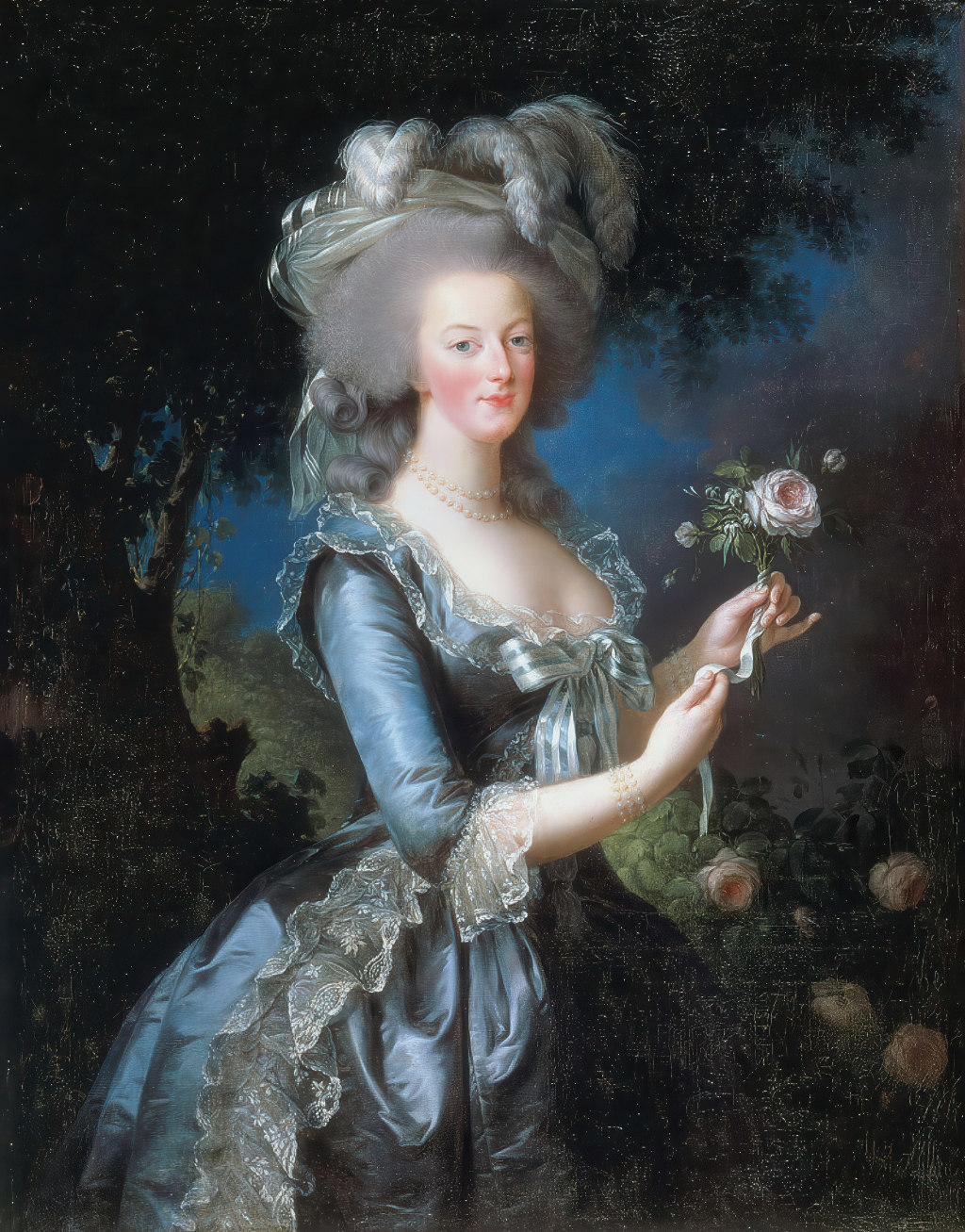
Marie Antoinette with a Rose is one of Élisabeth Vigée Le Brun's most important royal portraits because it was made in response to a problem. The queen's earlier informal portrait in a chemise dress had provoked criticism, and this 1783 portrait restored a more controlled courtly image while keeping the softness of a personal likeness. [1]
The painting shows why Vigée Le Brun was so valuable to Marie Antoinette: she could make royal image feel elegant, feminine and approachable without fully abandoning rank.
A useful way to understand the painting is as a portrait of controlled recovery. It does not simply cancel the informality of the chemise portrait; it absorbs some of its softness into a safer royal format. The queen remains graceful and personal, but the dress, pose and presentation restore the distance expected of a public image of monarchy.
At a Glance
- Artist:Élisabeth Louise Vigée Le Brun [1]
- Title:Marie Antoinette with a Rose [1]
- Date:1783 [1]
- Collection:Palace of Versailles [1]
- Subject:Marie Antoinette, Queen of France
Contents
- At a Glance
- Why It Matters
- The Chemise Scandal
- Looking Carefully
- Interpretation
- Timeline
- Comparison Works
Why It Matters
The portrait matters because it shows how an image could be used to repair another image. Marie Antoinette's informal chemise portrait suggested personal simplicity, but critics read it as inappropriate for a queen. The rose portrait responded by presenting her in more formal dress, while preserving a softer, intimate tone. [1]
The result is not merely prettier or more conventional. It is politically safer. Vigée Le Brun gives the queen a courtly surface that could withstand public display.
This is why the portrait belongs among the key works of Vigée Le Brun's career. It shows her skill not only as a flattering painter, but as a maker of public identity. The sitter is the queen of France, but the problem is almost modern: how can an image repair reputational damage once public opinion has begun to turn?
The Chemise Scandal
The earlier portrait, often called Marie Antoinette en chemise, presented the queen in a loose white dress associated with informality. Histoire par l'image explains that the portrait caused public criticism and that Marie Antoinette with a Rose followed as a replacement image. [1]
This episode reveals the risk of royal portraiture. A dress could become a political problem. A pose could seem too private. What might appear graceful in courtly circles could be judged improper in public.
The scandal also reveals the difficulty of Marie Antoinette's public position. Simplicity might have made another sitter seem natural, modern or emotionally open. For the queen, it could be read as a failure of royal decorum. Vigée Le Brun's replacement portrait therefore had to do something delicate: keep the queen appealing while restoring the visual signs of authority. [1]
Looking Carefully
The rose is the painting's most obvious prop, but it should not be isolated from the rest of the image. It works with the queen's dress, gaze and controlled pose to soften the portrait without making it informal.
The dress is equally important. The point is not only that it is more formal than the chemise. It restores the visual distance expected of royal portraiture while allowing the queen to remain personable.
Look also at how little drama Vigée Le Brun uses. There is no heavy allegory and no complicated historical setting. The image relies instead on the queen's body language, the controlled surface of dress and the small symbolic force of the flower. That restraint is part of its intelligence. It makes the correction feel natural rather than anxious.
Interpretation
The safest interpretation is that the painting negotiates between two demands: the queen had to appear human enough to be sympathetic, but royal enough to command respect. Vigée Le Brun's solution is balance: flowers and softness, but also structured costume and decorum.
That balance makes the portrait a key work in the history of Marie Antoinette's image. It shows a queen being visually managed in the years before that management could no longer keep pace with public hostility.
It also shows the limits of portraiture. The picture could answer one scandal, but it could not solve the deeper distrust gathering around the court. That gap gives the painting its historical tension. We are looking at a beautiful image, but also at an image under pressure: a work designed to make monarchy appear graceful at the very moment when grace was becoming politically insufficient.
Timeline
- 1778: Vigée Le Brun begins painting Marie Antoinette. [2]
- 1783: The chemise portrait provokes controversy. [1]
- 1783: Marie Antoinette with a Rose is painted as the corrected courtly image. [1]
- 1789: Vigée Le Brun flees Paris after the royal family's arrest. [2]
Comparison Works
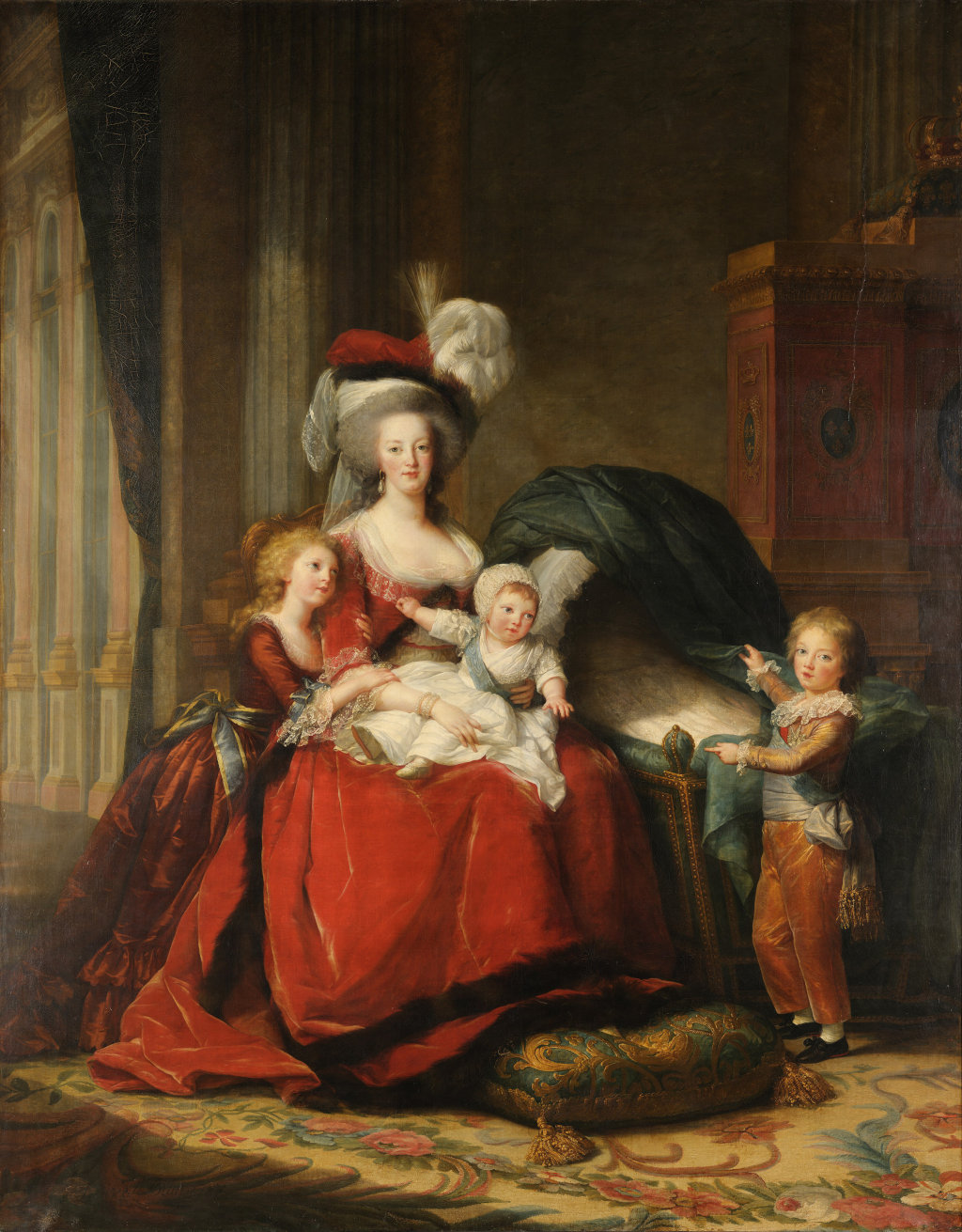
The key comparison is Marie Antoinette and Her Children. The rose portrait repairs costume and decorum; the family portrait repairs reputation through motherhood and dynasty. Both are acts of image-making. [1]
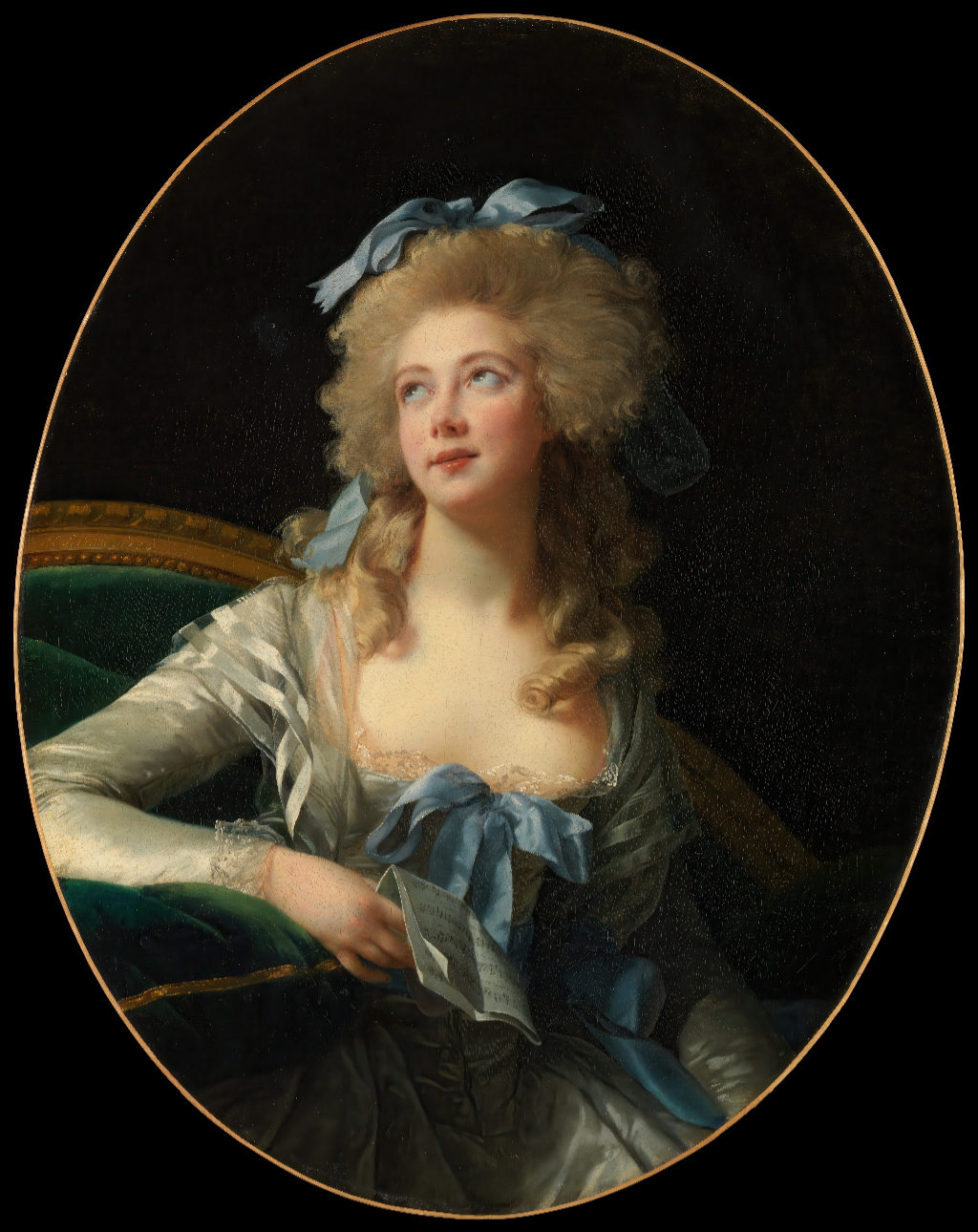
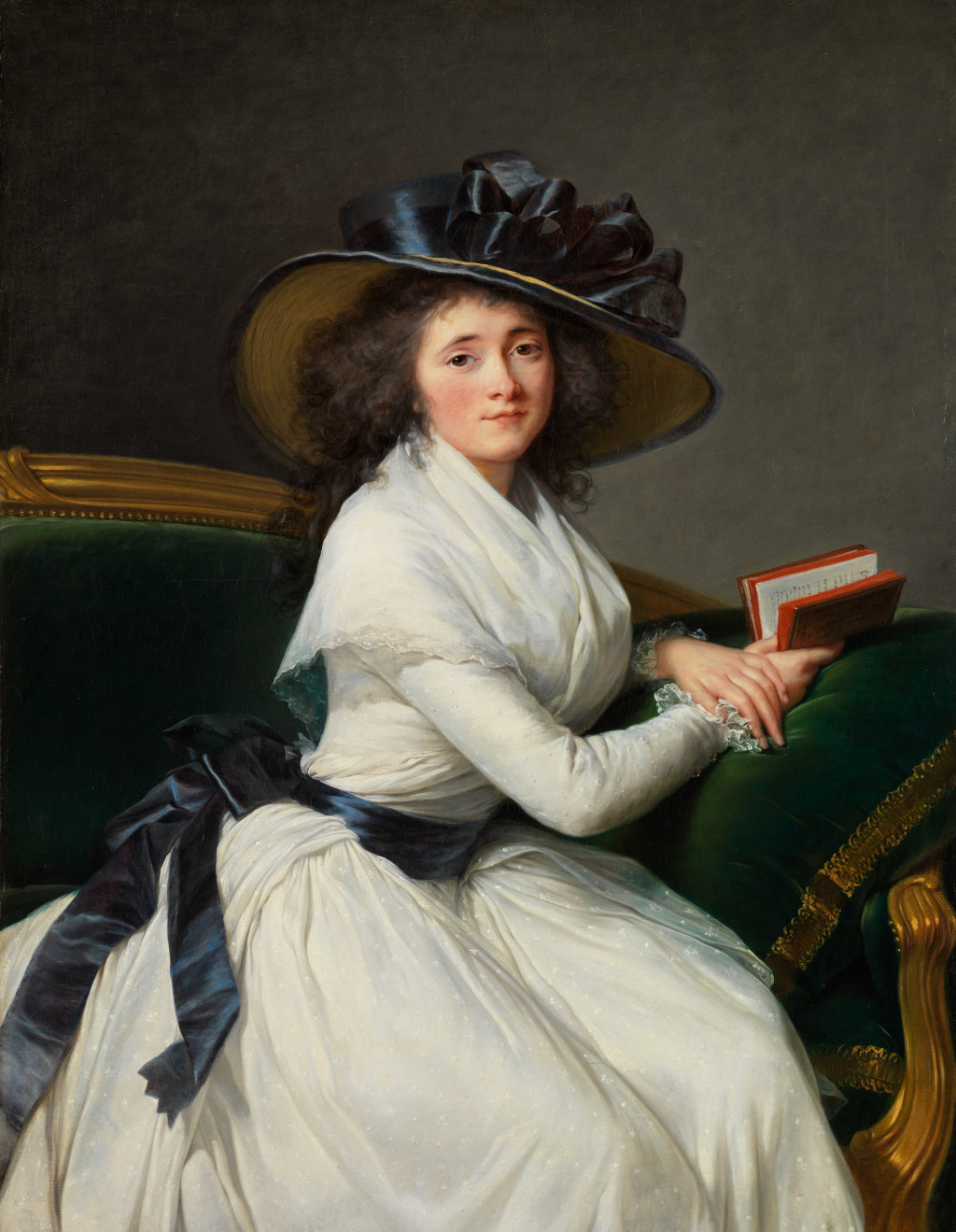
It is also useful to compare the rose portrait with Comtesse de la Châtre. Both works depend on fashion and controlled ease, but the queen's portrait carries much heavier public risk. What looks like graceful society portraiture in one context becomes political repair in another.
FAQs
It was produced after criticism of the queen's informal chemise portrait, restoring a more formal royal image. [1]
It is associated with the Palace of Versailles collections. [1]
The rose softens the queen's image while the formal dress restores courtly decorum. The detail is part of the portrait's larger visual repair. [1]
References
- Histoire par l'image, Marie-Antoinette, la mal-aimée (in French).
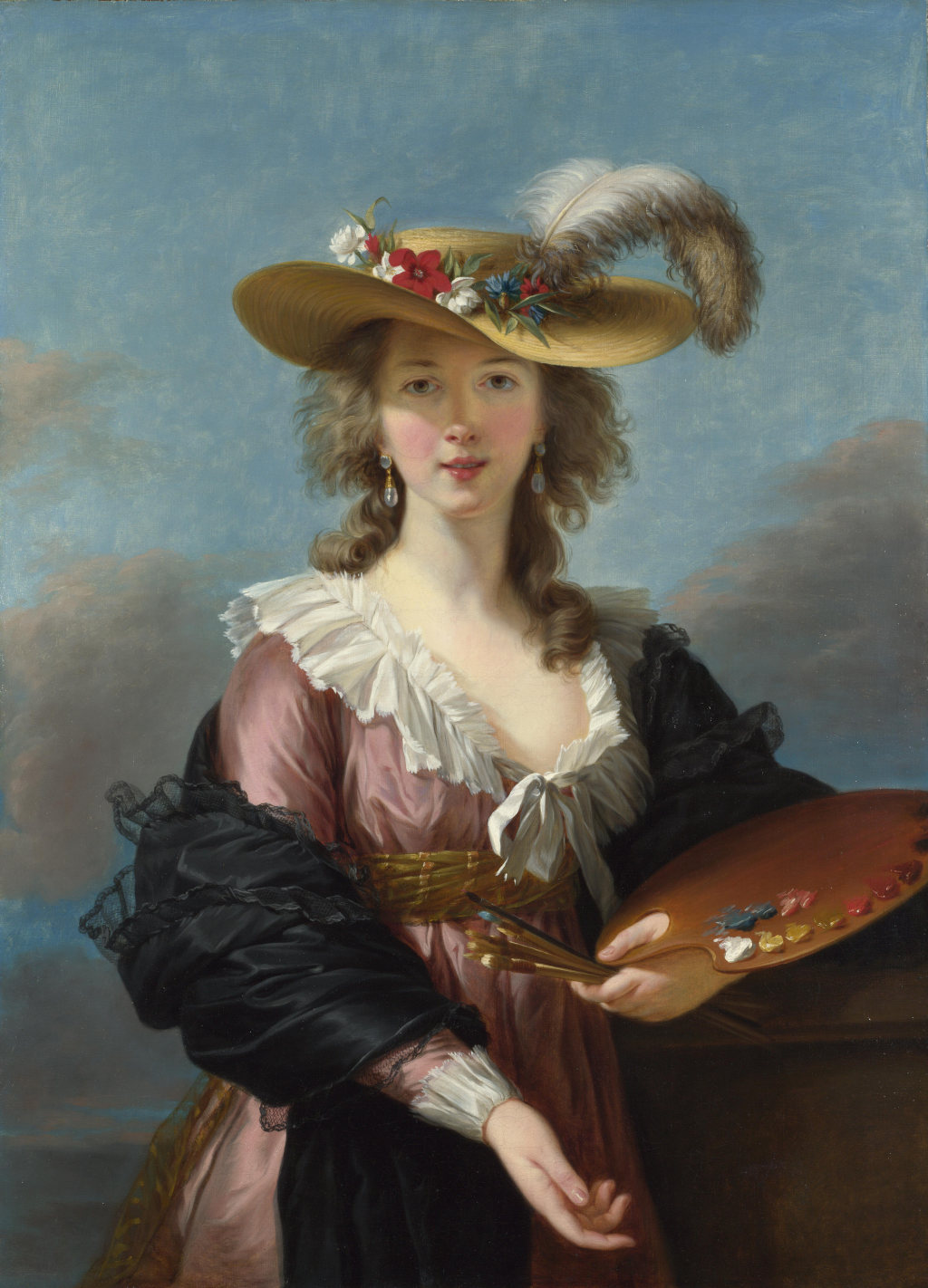
- National Gallery, London, Self Portrait in a Straw Hat.
Discussion
What stands out to you about Élisabeth Vigée Le Brun? Share an observation, question or interpretation with other readers.
Reader Insights
Which visual detail changes how you read the sitter, the artist or the page's central theme?
Which related Vigée Le Brun page helps you understand this work or topic more clearly?
Join the Conversation
Thoughtful comments and questions are welcome.