


 by
Tom Gurney
Tom Gurney BSc (Hons) is an art history expert with over 20 years experience
Email:
tomgurney1@gmail.com
/ Phone:
+44 7429 011000
Thomas Sully Paintings: Introduction
Thomas Sully’s paintings range from small studies of a head to enormous compositions intended for public display. Portraits dominate this selection, but the differences within that category are substantial: a family group, a performer in costume, a royal commission and a later version of a presidential likeness each ask something different of the painter. The National Gallery of Art’s collection records alone include examples of several of these purposes. [1]
The most useful way into the work is to compare those purposes alongside the visible arrangement. Size, support, finish and the relationship between objects help explain why one picture looks unlike another. The works gathered here provide routes into individual studies; they are a selected introduction rather than a complete catalogue of Sully’s production.
Selected Thomas Sully paintings
At a Glance
- Principal subject Portraiture
- Other subjects here Revolutionary history and poetry
- Range of scale Compact head studies to monumental canvases
- Common supports Canvas; wood in the Met’s Musidora
- Important distinctions Life study, finished commission, later version and print after a painting
- Main collections represented The Met, NGA, MFA Boston and PAFA
- Suggested starting points Lady with a Harp, Queen Victoria and The Passage of the Delaware
Contents
- Start with the job the picture had to do
- Small studies and large figures
- A study is a different object from the finished commission
- Later versions and pictures translated into print
- The performer and the public figure
- Families arranged around a shared activity
- A family picture with an imagined setting
- Beyond an identifiable portrait sitter
- Following the objects into collections
Start with the job the picture had to do
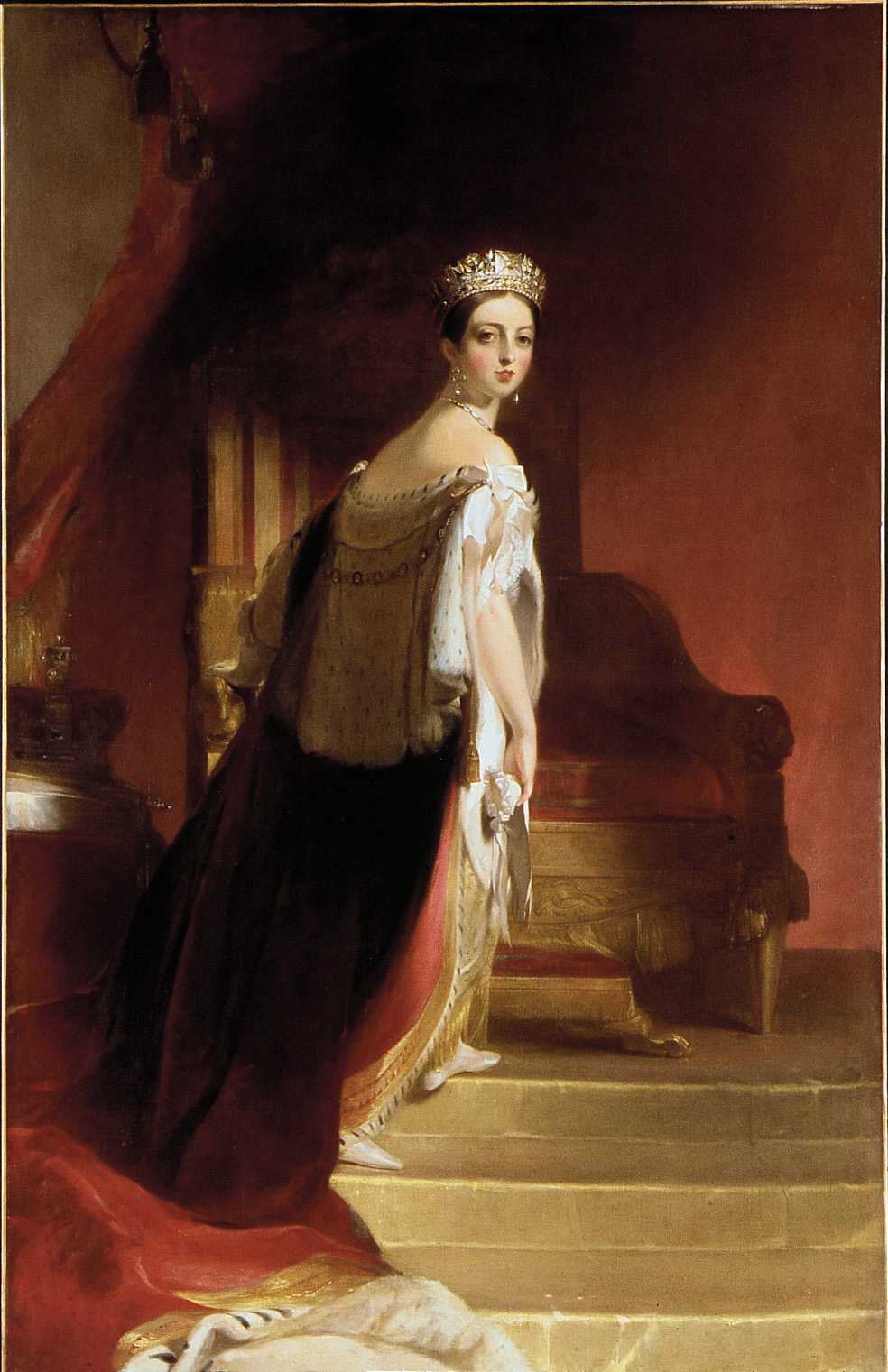
A portrait intended for a public institution has a different task from a small likeness kept within a family. It may need to identify its subject from across a room, include attributes of office or sustain attention through an extensive standing figure. Sully’s full-length Queen Victoria makes those demands particularly visible: the face is carried through the robe, jewellery, gesture and surrounding furnishings. [2]
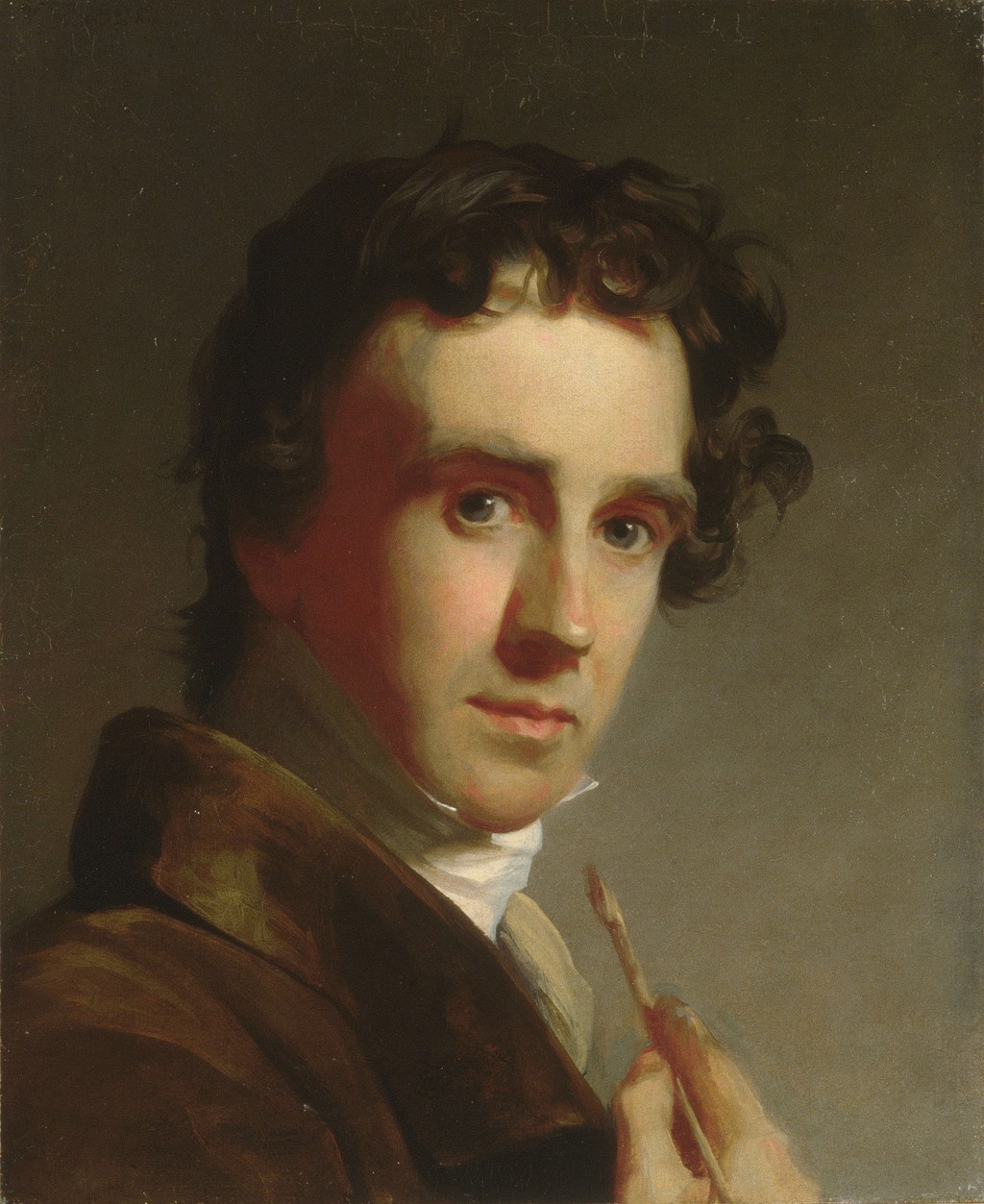
The 1821 self-portrait works at a much more compact scale. A raised brush, white collar and concentrated head provide sufficient information without an elaborate room. The Met identifies the painting as a likeness made during a visit to Baltimore and subsequently given to a friend. [3] Its purpose helps explain the economy of the design.
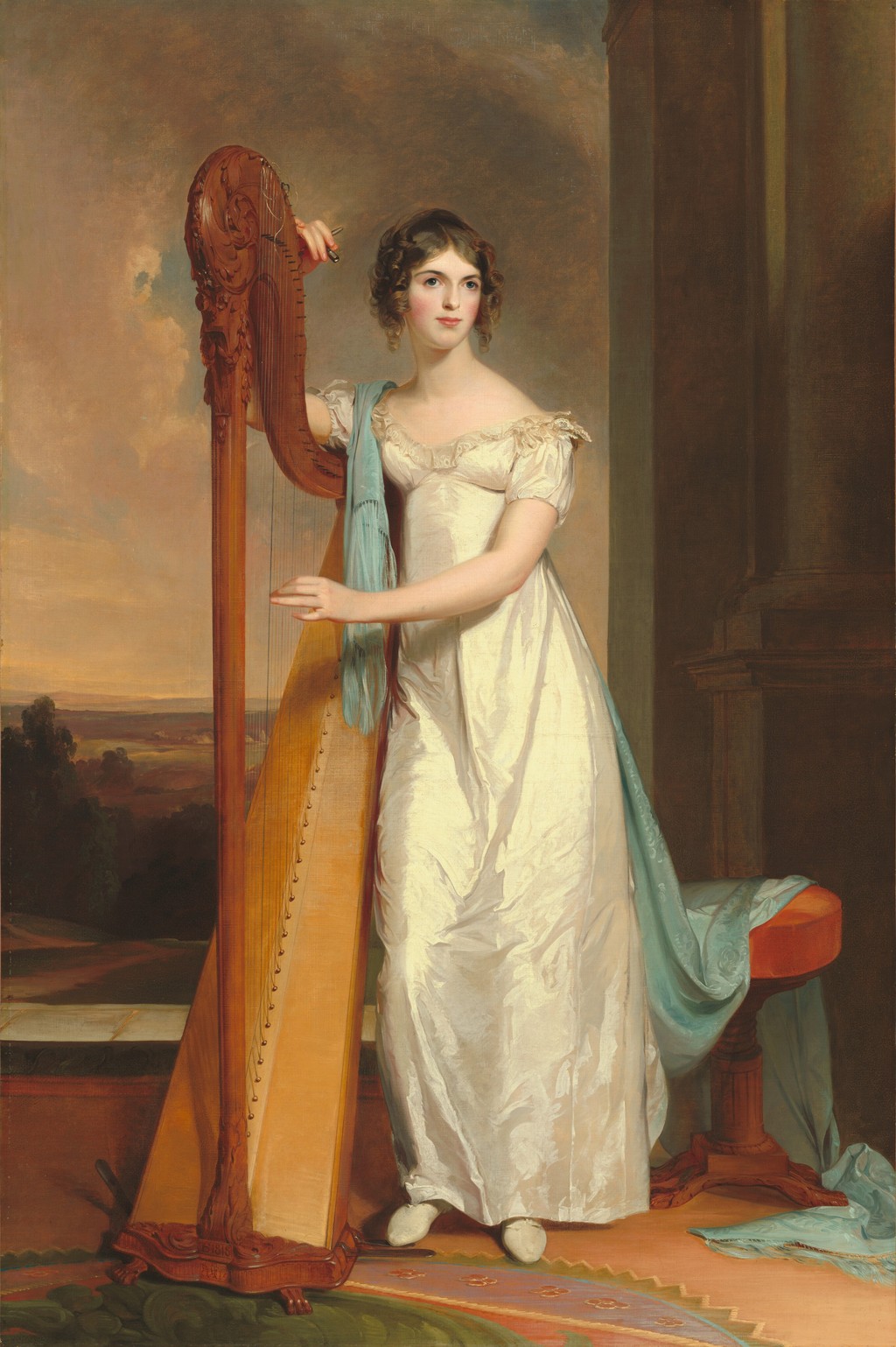
Between these examples are pictures that balance intimacy with formal display. A group of children can bring the viewer close to a shared activity while remaining carefully arranged for a patron. An instrument can describe an accomplishment and also solve the visual problem of connecting a hand, arm and standing body.
Beginning with function therefore prevents finish from becoming a simple ranking system. A small study may be highly effective because it solves one limited problem. A more elaborate picture must organise additional information across a larger surface. The greater number of details does not automatically make it a more direct encounter with the sitter.
Small studies and large figures
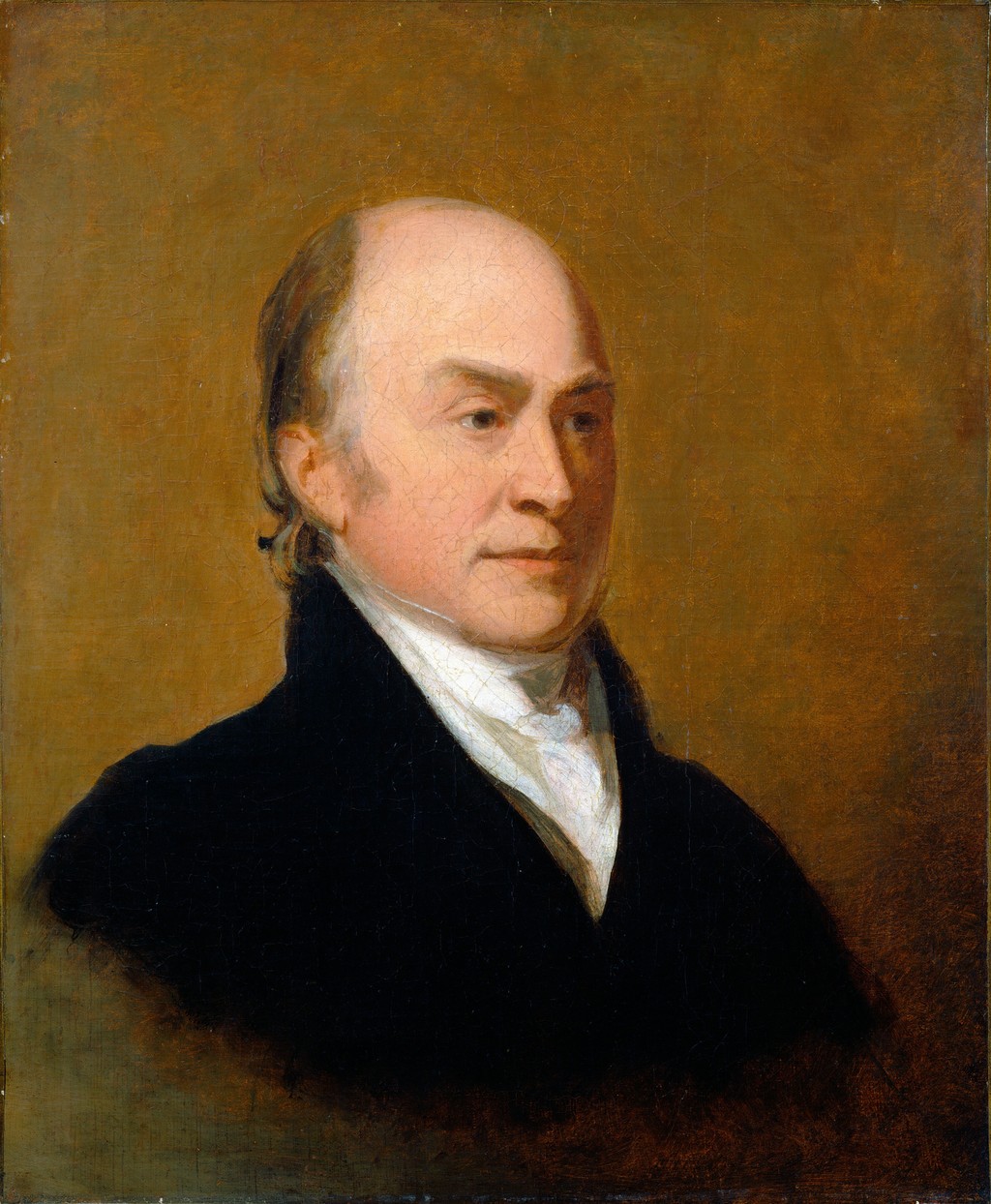
The John Quincy Adams oil at the NGA focuses on the head and bust. Its developed face sits above more broadly handled lower clothing. As a study, it can retain the information needed for a likeness without completing every surrounding passage to the same degree. [1]
Compare that concentrated presentation with Lady with a Harp , painted in 1818. Eliza Ridgely’s standing figure extends through a much larger canvas. The harp gives the arms and hands something to do while establishing a major shape beside the body. The instrument belongs to the composition as well as to the subject’s musical identity. [1]
The contrast also changes how a picture can be read. In the head study, small variations in the face carry much of the interest. In the full-length portrait, the viewer can follow the figure downward through sleeves, dress and feet, then return through the harp’s frame and strings. The route through the painting is longer.
The largest work in this selection, The Passage of the Delaware , expands the task again. Washington must remain the principal figure while the river, troops, equipment and weather make the historical operation visible. Comparing these scales reveals how the painter changes the surrounding structure rather than merely enlarging a head.
A study is a different object from the finished commission
Sully’s Victoria project offers the clearest opportunity to compare preparation and completion. The Met owns both a life study and a full-length portrait. In the study, the head is developed while exposed ground, abbreviated costume, separate insignia studies and an inscription remain visible on the canvas. [4]
These features make sense together. The canvas preserves several kinds of information gathered for use elsewhere. It does not need to disguise every change of purpose beneath the appearance of a single continuous scene. Its open passages help explain what Sully considered necessary to carry away from the royal sittings.
The full-length Queen Victoria has a different responsibility. The likeness becomes part of a public image extending through a complicated costume and setting. The surrounding design creates continuity where the study permits separation. Looking between the works makes the larger portrait easier to understand as an act of construction.
The Adams project adds a further preparatory format. A small Met watercolour arranges the seated figure and room, with additional sketches on the sheet. It addresses spatial questions that differ from those of the oil head study. [5] Keeping the whole sheet visible preserves that evidence of alternatives and development.
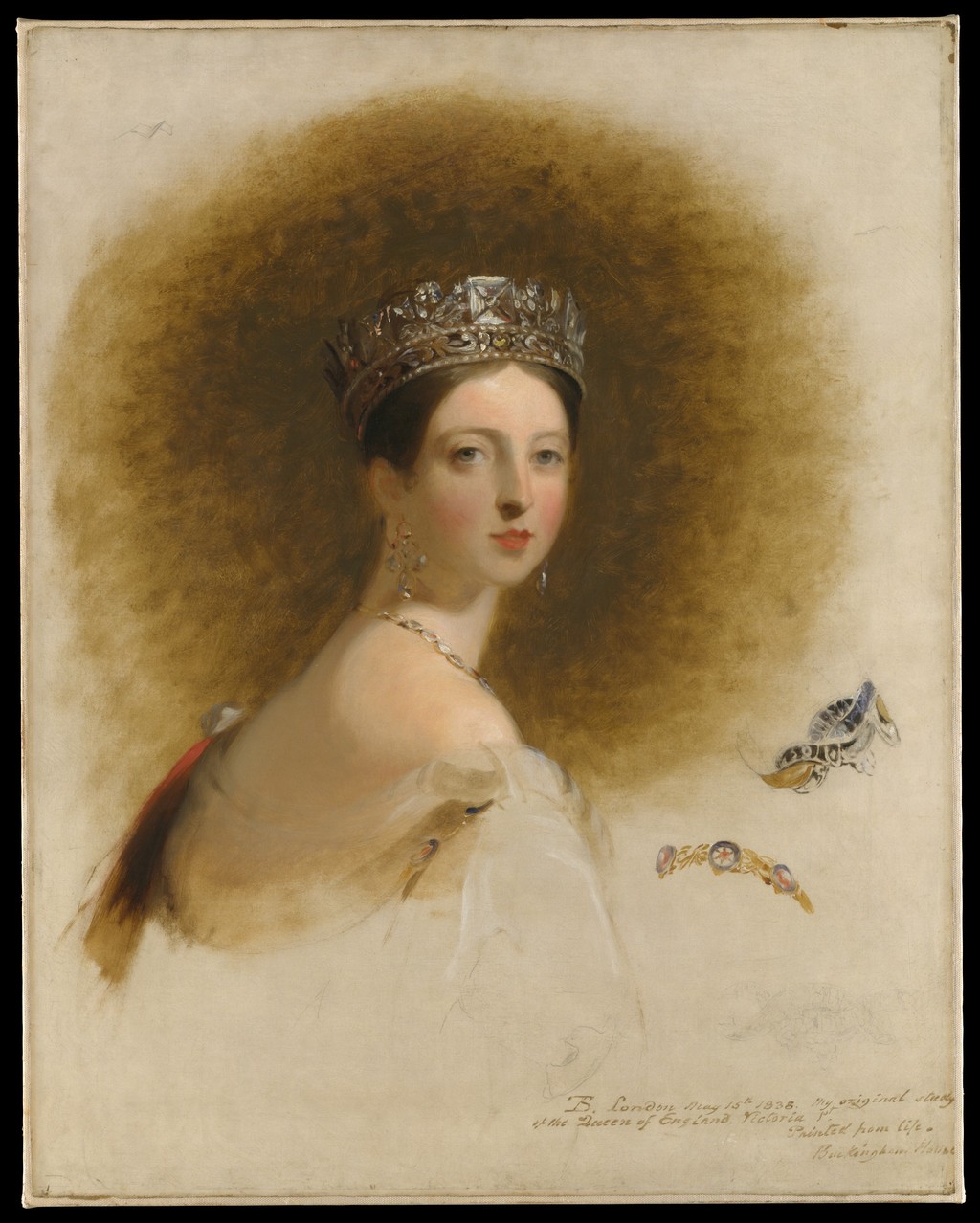
Thomas Sully, Queen Victoria, 1838, life study. Oil on canvas, 91.4 × 71.5 cm (museum display dimensions). The Metropolitan Museum of Art, Bequest of Francis T. S. Darley, 1914, 14.126.1. Public domain.
Image source
.
Public domain
.
Later versions and pictures translated into print
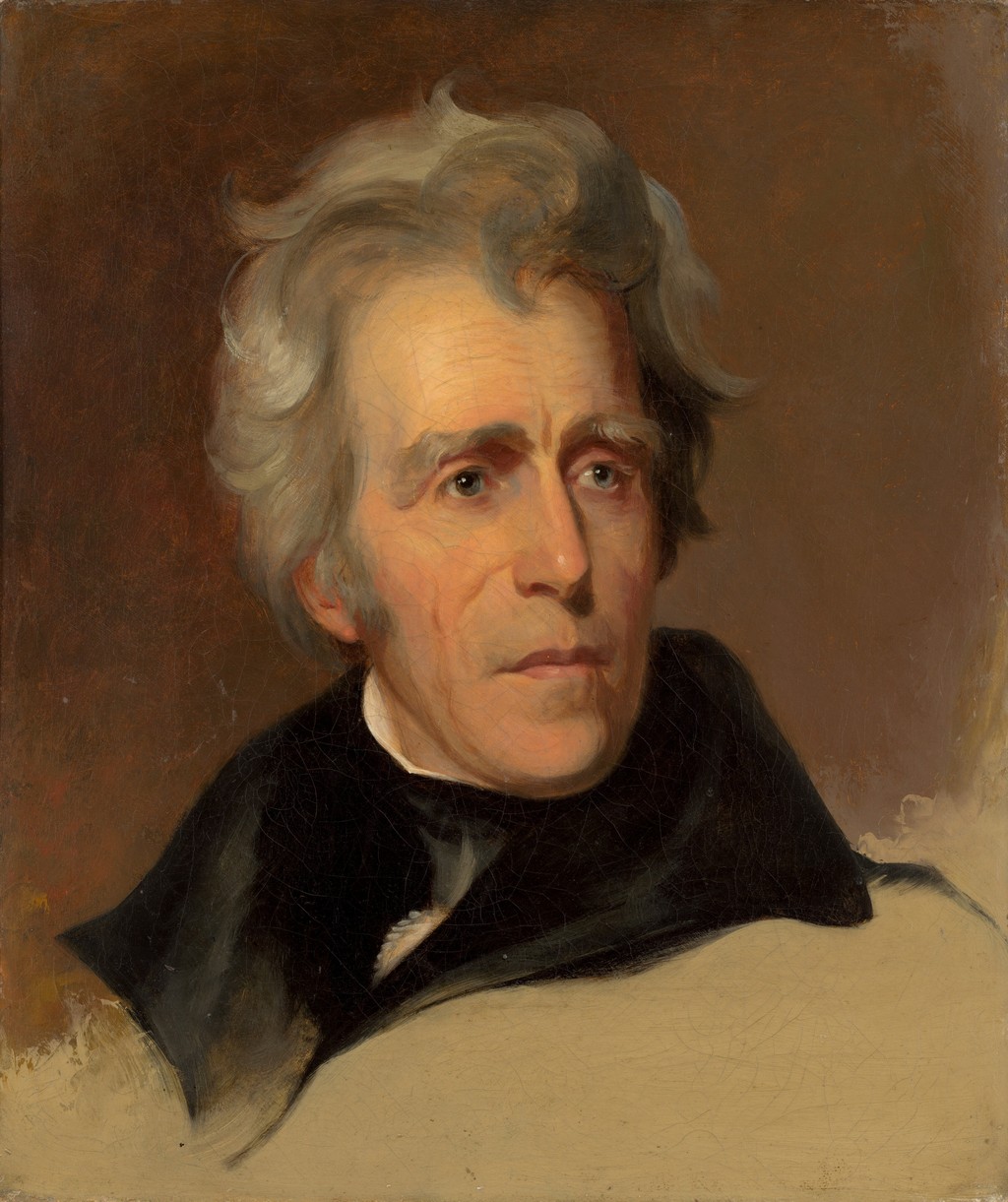
Not every painting carrying a familiar face records a new sitting. The NGA’s Andrew Jackson is dated 1845 but derives from Sully’s 1824 life portrait. The object’s date and the date of the source likeness need to be kept separate. [1]
That distinction changes the question asked of the picture. A later version may preserve, adjust or circulate an earlier representation. It does not necessarily supply new evidence of the subject’s appearance at the later date. The unfinished lower passages should likewise be read in relation to the particular canvas, rather than assumed to indicate an interrupted sitting.
The print after Adams makes the change of medium explicit. Asher B. Durand’s 1826 etching and engraving carries the seated figure into a reproducible image on paper. [6] Lines and tonal systems translate a painted design for viewers who may never encounter the oil itself.
A gallery of Sully images can easily blur these categories if titles alone are used. Identifying artist, date, medium and object number restores the differences. A study, later painted version and engraving can belong to one project while remaining separate objects with separate histories.
The performer and the public figure
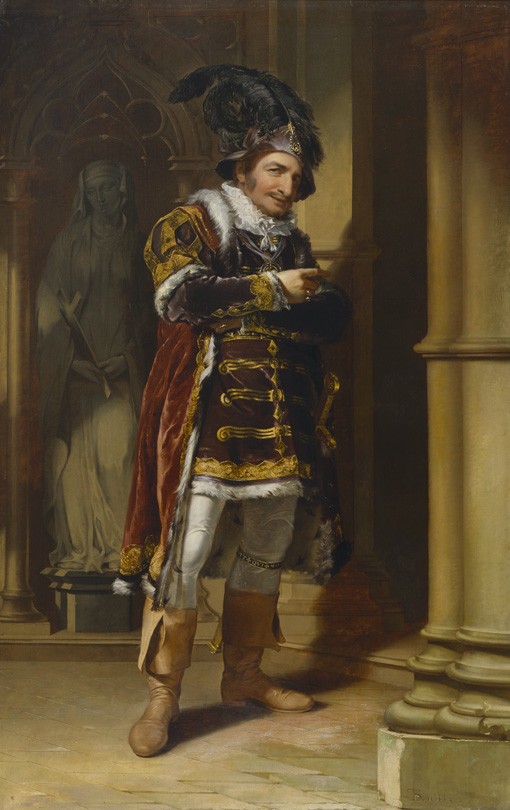
George Frederick Cooke as Richard III presents an actor through a role. PAFA dates the painting to 1811–1812 and identifies its theatrical subject. [7] Costume and posture participate in the recognition of a performance, as well as in the likeness of an individual man.
That double identity makes it a useful comparison with the NGA’s Captain Charles Stewart . An imposing standing figure can serve a naval officer as well as a performer, but uniform, accessories and setting give the pose a different meaning. [1] Similar pictorial resources do not make the subjects interchangeable.
In each case, the full-length format lets the body contribute to public identity. A bust portrait concentrates attention around the face and shoulders; a standing figure includes balance, stance, hands and clothing below the waist. These additions can describe professional roles without replacing the need for a recognisable head.
The paintings are consequently useful to read in pairs. Compare the brightest passages first, then follow the arms and the lower figure. The shift from one kind of public role to another becomes visible through practical choices of emphasis, rather than through a general claim that every Sully sitter looks theatrical.
Watch: Thomas Sully
Choose a film to explore the artist’s work, its interpretation and its wider setting.
Thomas Sully: A Lesson in Conservation
The Columbus Museum explores the conservation of a painting by Thomas Sully.
Watch on YouTubeFamilies arranged around a shared activity
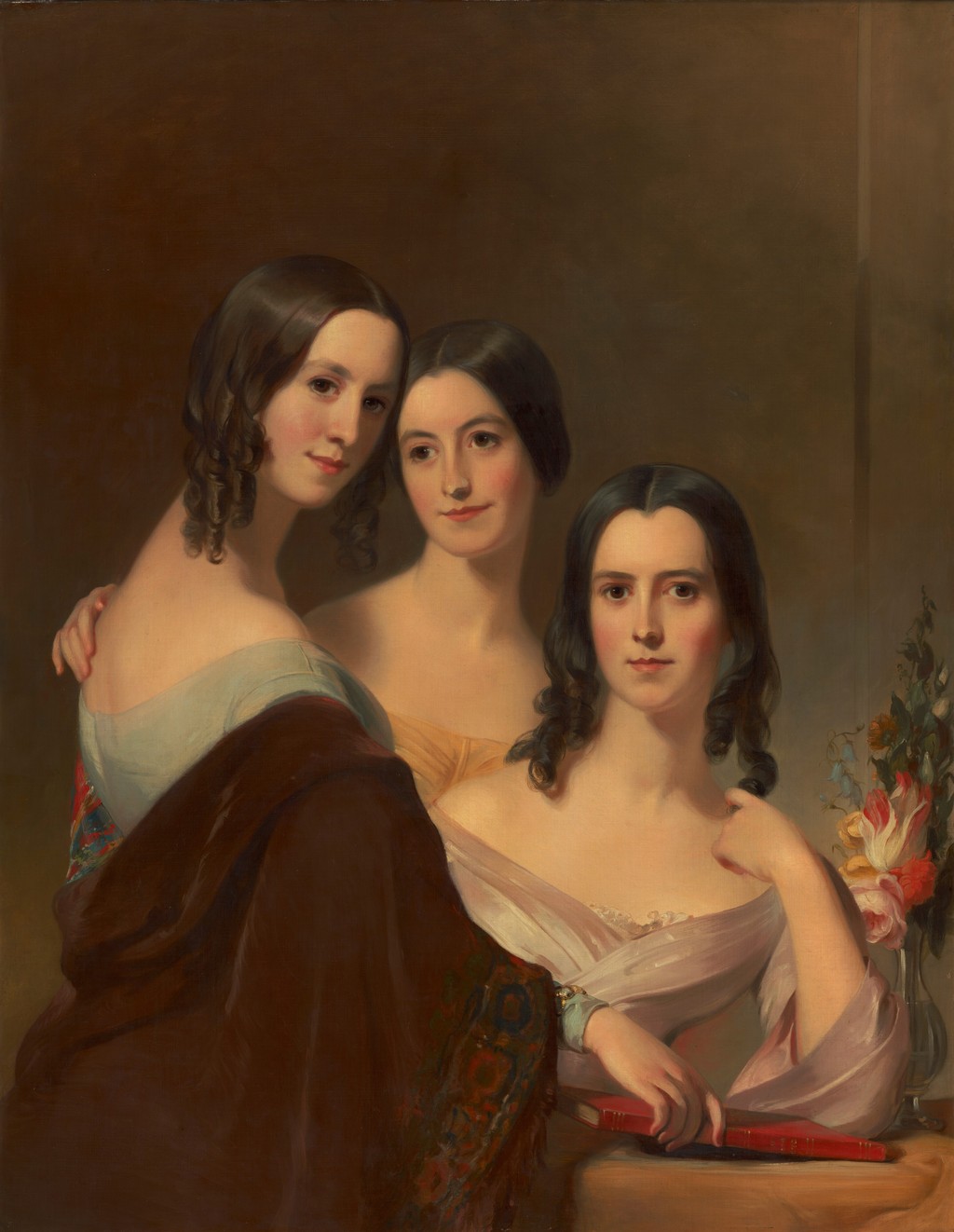
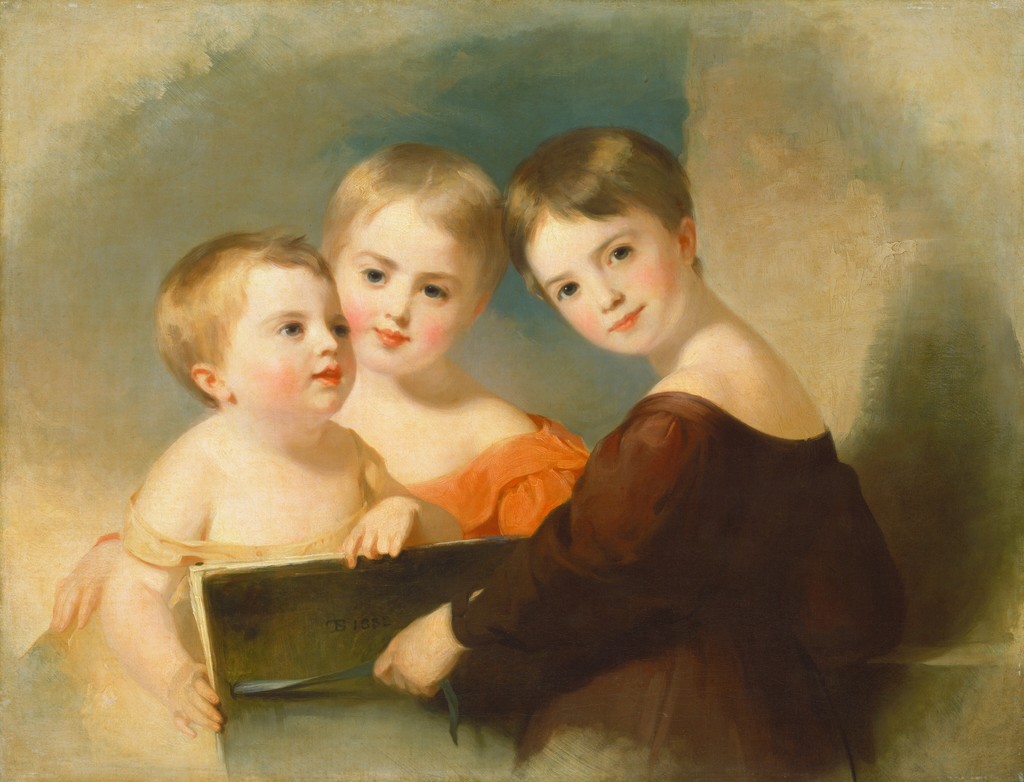
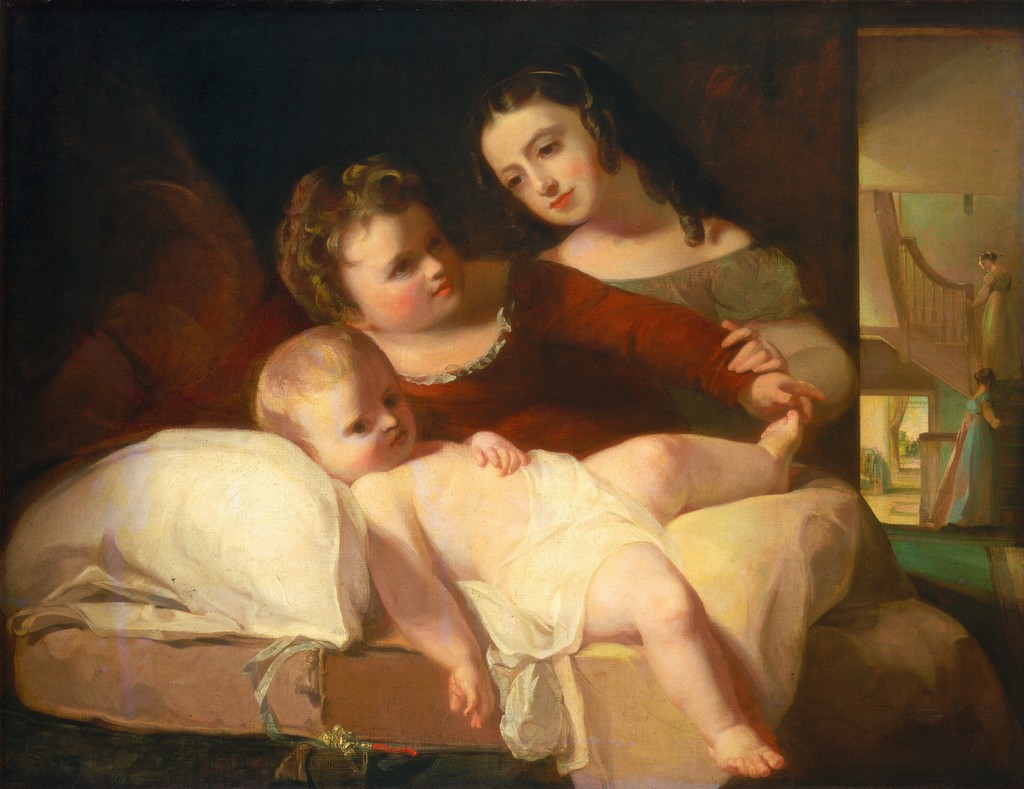
The three NGA group portraits in this selection offer different answers to the problem of connecting several faces. The Vanderkemp Children gathers its sitters around a portfolio; The David Children makes an infant the focus of attention; The Coleman Sisters distributes three figures through contrasting dresses and varied gestures. [1]
In the Vanderkemp picture, overlapping hands and differently directed faces make the group seem occupied. The shared object provides a centre without requiring every child to look at the viewer. In the David painting, the reclining infant and large white pillow push the family encounter close to the foreground.
The Coleman portrait uses a more upright arrangement. Its differences of height, colour and outward or inward attention keep the three sisters distinct. The shared space and overlapping forms prevent those distinctions from becoming three unrelated portraits placed beside one another.
These comparisons show that a group portrait has a structural problem of its own. It must preserve individual likenesses while making their relationship readable. The most revealing details may therefore be the spaces between bodies, the direction of a glance or a hand resting near another figure.
A family picture with an imagined setting
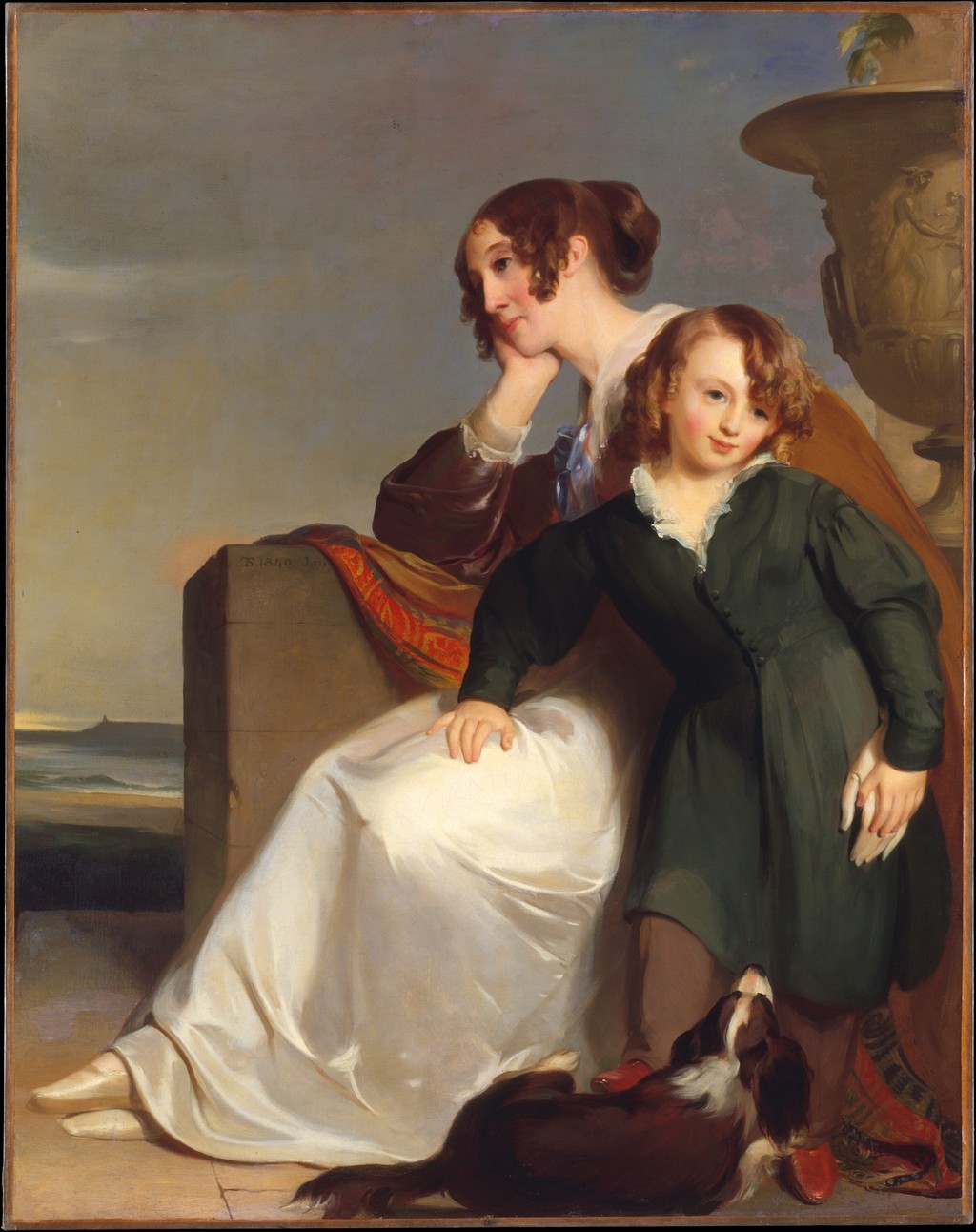
Mother and Son represents Sully’s daughter Jane Darley with Francis, her child. The Met dates it to 1840. Jane was herself a painter, while Francis later bequeathed the work to the museum. [8]
The setting extends beyond a straightforward domestic room. A low wall, distant water and raised urn surround the two figures. Jane’s resting head and averted eyes differ from the child’s outward attention, creating an encounter that is connected through touch without becoming a shared gaze.
The painting demonstrates how far a portrait can move from a literal record of an ordinary sitting. Its identifiable subjects remain central, but the surrounding arrangement makes space for reflection and association. The exact private thoughts of the figures are not available to be recovered simply from their expressions.
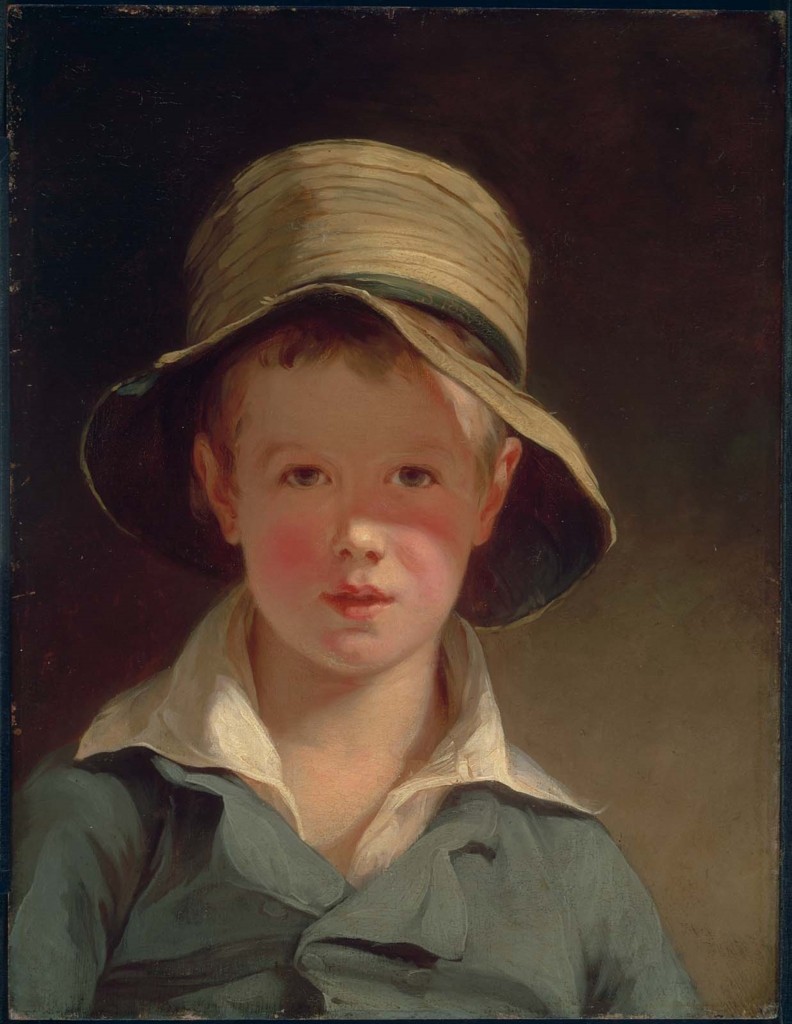
The Torn Hat offers a more concentrated family subject, presenting Sully’s son Thomas Wilcocks as a boy in a worn hat. The MFA identification dates it to 1820. [9] Costume can create an informal effect here just as it creates ceremony in the Victoria portrait.
Beyond an identifiable portrait sitter
The Passage of the Delaware belongs to historical narrative. Although Washington supplies its principal likeness, the painting also has to communicate a collective action across an extensive landscape. Its 1819 date distinguishes it from later images of the crossing. [10]
Musidora belongs to another category again. The Met identifies the figure with the bathing episode in James Thomson’s Summer and dates its panel to 1813–1835. [11] The subject is a literary character rather than a named portrait sitter whose social identity explains the picture.
The support also differs: the Met’s Musidora is oil on wood, while the other major works discussed here are on canvas. Its compact, enclosed setting contrasts with the enormous river landscape of the Delaware painting. Subject and material scale create different kinds of looking.
These works widen the account of Sully without making portraiture a minor part of it. His interest in a turned head, arranged body and selective emphasis can serve both a real sitter and a figure drawn from poetry. The specific subject remains necessary to understand what those choices mean.
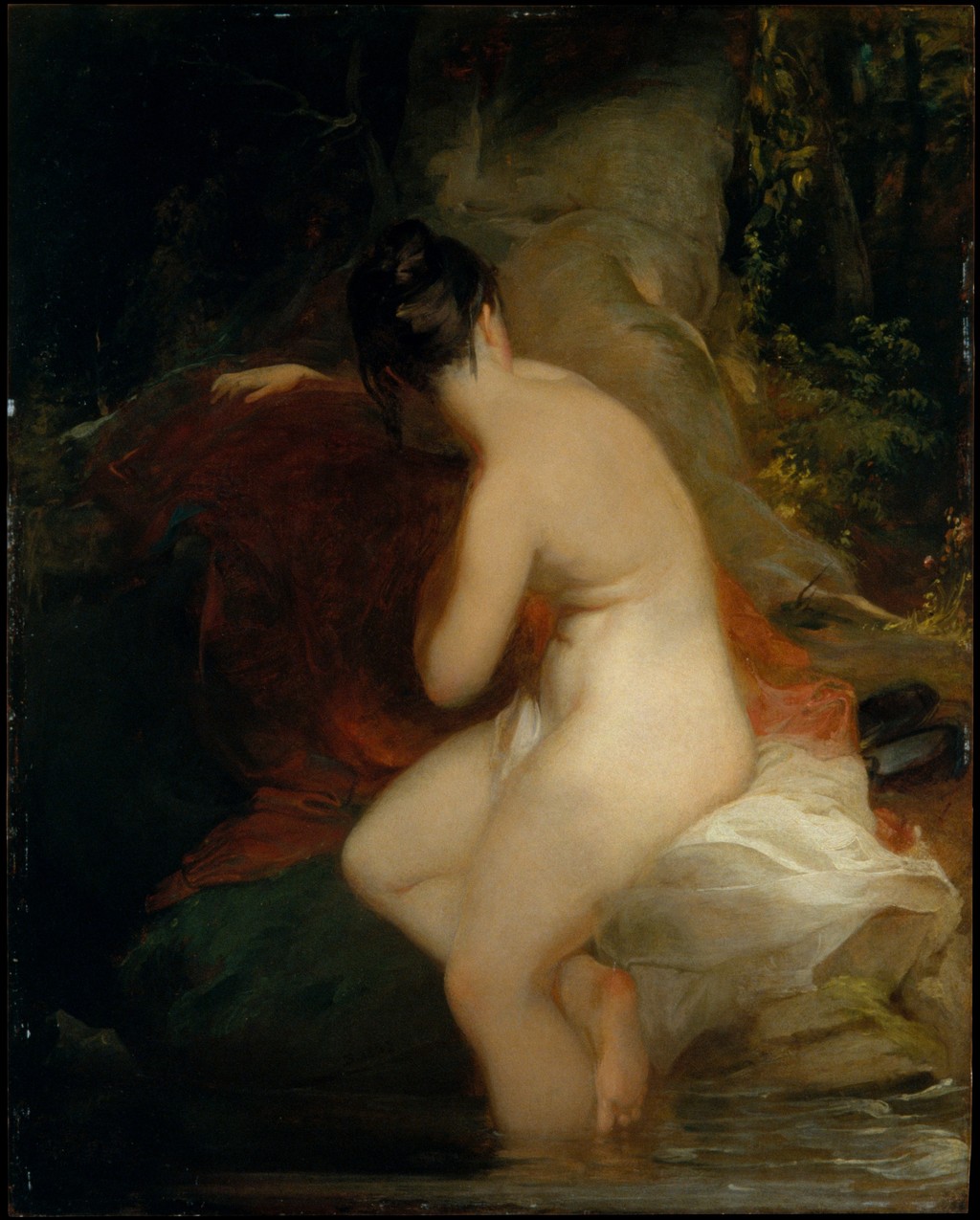
Thomas Sully, Musidora, 1813–35. Oil on wood, 71.4 × 57.2 cm. The Metropolitan Museum of Art, Gift of Louis Allston Gillet, in memory of his uncles, Sully Gillet and Lorenzo M. Gillet, 1921, 21.48. Public domain.
Image source
.
Public domain
.
Following the objects into collections
This selection is spread across several museums. The NGA group includes Lady with a Harp , Jackson, Adams and the three family groups; the Met examples include Victoria, the self-portrait, Mother and Son and Musidora . The MFA Boston holds the Delaware painting and The Torn Hat , while PAFA holds Cooke.
Those collection identities are more dependable than a general image caption detached from its source. A title can recur across studies, replicas, copies and prints. Following an accession number helps establish which object is under discussion and prevents an old loan number or a different version from silently replacing it.
For a first comparison, start with two pictures that answer related questions: Adams and Victoria for studies, Cooke and Stewart for full-length public figures, or Vanderkemp and David for family groups. Then follow the individual articles for the evidence that makes each case distinct.
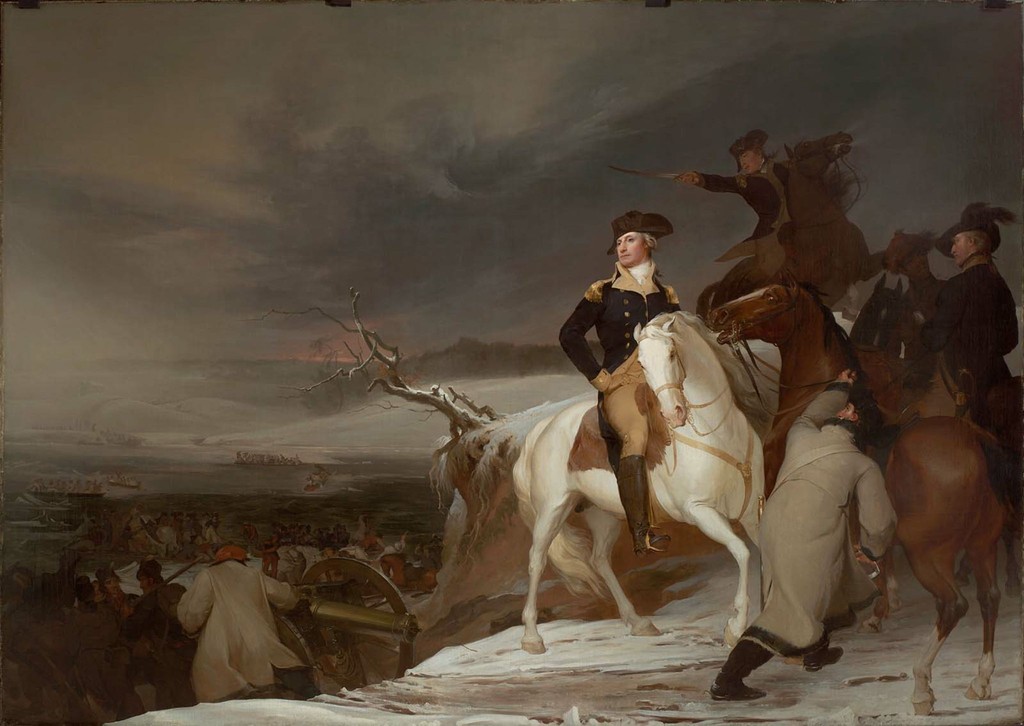
Thomas Sully, The Passage of the Delaware, 1819. Oil on canvas. Museum of Fine Arts, Boston, Gift of the owners of the Old Boston Museum, 03.1079. Public domain reproduction.
Image source
.
Public domain
.
Artworks directory
A selection documented in the linked articles, with related studies and a print after Sully listed separately. Dates identify individual objects; Musidora’s date range does not imply continuous work. This is not a catalogue raisonné. The Drawing filter includes watercolour and reproductive printmaking.
| Name | Date | Medium |
|---|---|---|
| Captain Charles Stewart | 1811–1812 | Painting — oil on canvas |
| George Frederick Cooke as Richard III | 1811–1812 | Painting — oil on canvas |
| Musidora | 1813–35; Met panel | Painting — oil on wood |
| Lady with a Harp: Eliza Ridgely | 1818 | Painting — oil on canvas |
| The Passage of the Delaware | 1819 | Painting — oil on canvas |
| The Torn Hat | 1820 | Painting — oil on panel |
| Portrait of the Artist | 1821; Met canvas | Painting — oil on canvas |
| John Quincy Adams | 1824; NGA oil study | Painting — oil on canvas |
| John Quincy Adams (watercolour study) | 1824; Met 38.146.1 | Drawing — watercolour, black chalk and graphite on paper |
| John Quincy Adams (Durand after Sully) | 1826; PAFA 1876.9.184a | Drawing — etching and engraving on paper |
| The David Children | 1826 | Painting — oil on canvas |
| The Vanderkemp Children | 1832 | Painting — oil on canvas |
| Queen Victoria | 1838; full-length Met canvas | Painting — oil on canvas |
| Queen Victoria (life study) | 1838; Met 14.126.1 | Painting — oil on canvas |
| Mother and Son | 1840; inscription date | Painting — oil on canvas |
| The Coleman Sisters | 1844 | Painting — oil on canvas |
| Andrew Jackson | 1845; after the 1824 life portrait | Painting — oil on canvas |
Frequently Asked Questions
No. Historical and literary subjects appear alongside portraits, including The Passage of the Delaware and Musidora.
Lady with a Harp makes the connection between likeness, full-length pose and a personally meaningful object especially clear.
No. The NGA’s 1845 canvas derives from Sully’s 1824 likeness. [1]
No. The Met’s Musidora is oil on wood. [11]
Discussion
Look again at the images and ideas explored in Thomas Sully Paintings. These editorial prompts invite your observations.
Reader Insights
Compare a small study with a finished full-length portrait. Which information does each need to preserve?
Which family group most clearly connects its figures through a shared activity?
How does the meaning of costume change between Cooke, Victoria and The Torn Hat?
Join the Conversation
Share a detail, comparison or question about Thomas Sully Paintings below.
References
- National Gallery of Art: Open Data , current Sully object and image records, bounded subset consulted. View source
- The Metropolitan Museum of Art: Queen Victoria , full-length portrait, 2021.140. View source
- The Metropolitan Museum of Art: Portrait of the Artist , 1821, 94.23.3. View source
- The Metropolitan Museum of Art: Queen Victoria , life study, 14.126.1. View source
- The Metropolitan Museum of Art: John Quincy Adams , watercolour study, 38.146.1. View source
- Pennsylvania Academy of the Fine Arts: Durand after Sully , John Quincy Adams, 1826. View source
- Pennsylvania Academy of the Fine Arts: George Frederick Cooke as Richard III . View source
- The Metropolitan Museum of Art: Mother and Son , 1840, 14.126.5. View source
- Wikimedia Commons / Museum of Fine Arts , Boston: The Torn Hat, image and object identification. View source
- Wikimedia Commons / Museum of Fine Arts , Boston: The Passage of the Delaware, 1819. View source
- The Metropolitan Museum of Art: Musidora , 1813–35, 21.48. View source
- Splash image source.
Thomas Sully, Lady with a Harp: Eliza Ridgely, 1818. Oil on canvas, 214.5 × 142.5 cm. National Gallery of Art, Washington, Gift of Maude Monell Vetlesen, 1945.9.1. CC0. CC0; National Gallery of Art Open Access .
View source